

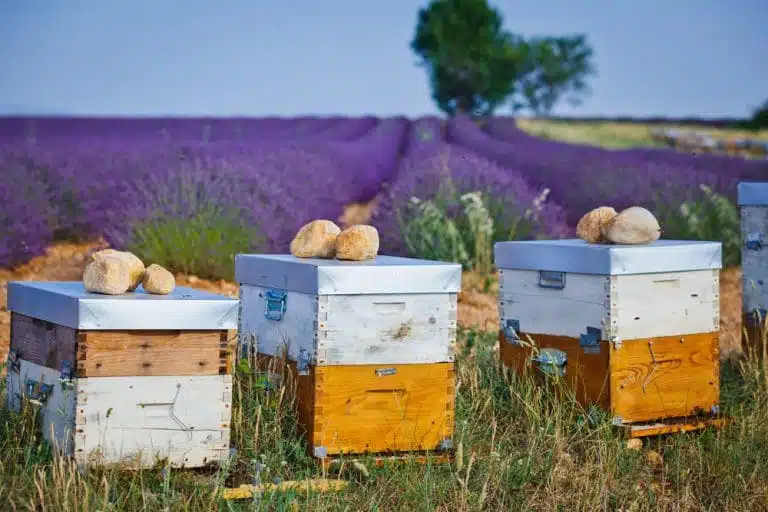
As days lengthen and flowering starts, the colony begins to grow. Four jobs shape the next few weeks: assess its strength, measure Varroa, plan replacements and renew old comb. The first inspection tells you how much of that work each hive can support.
Four jobs for spring
- Assess strength: adult bees, brood, queen and accessible food.
- Monitor Varroa and base decisions on the result and your local programme.
- Plan replacement colonies and queens, taking winter losses into account.
- Renew comb gradually, starting with old, damaged or poorly documented frames.
Spring monitoring and foundation


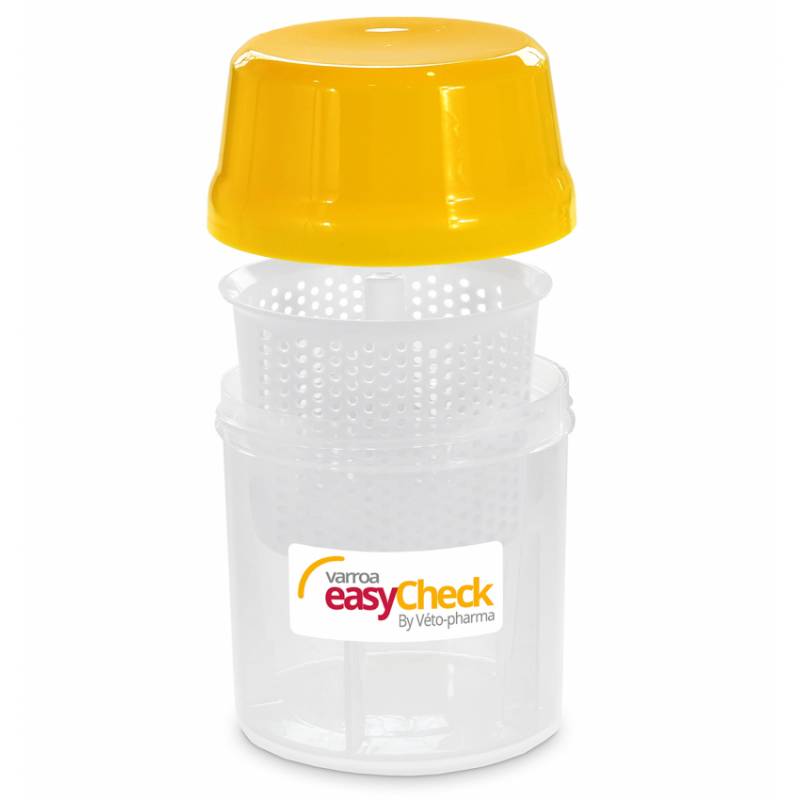
EasyCheck supports adult-bee mite monitoring. Choose foundation by the actual dimensions of the frame and add it when the colony is drawing wax.
Keep one record per hive
- Record brood, accessible stores, queen observations and the mite count.
- Revisit the colony to see whether the planned action worked.
Continue through the year with summer beekeeping (in Spanish), autumn beekeeping and winter beekeeping.
1. Assess colony strength
A colony needs enough healthy bees to use a flow or respond to management. Check the survivors of winter individually. Three parts of the inspection fit together.
Adult bees and brood
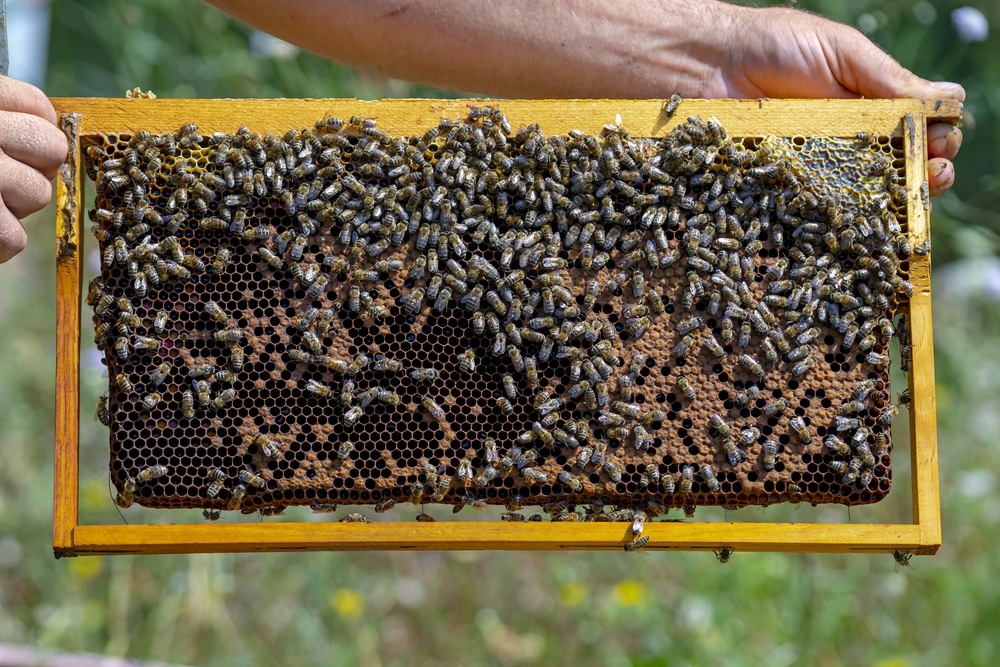
The workers must be able to keep developing brood around 33–36 °C, usually about 34–35 °C in the centre. In a cool area the colony needs a larger adult population to keep the same area of brood warm.
Look at the condition of the workers as well as their number. Many dead or short-abdomened bees after cold weather warrant a check of stores, brood and mites. Appearance alone cannot diagnose the cause.
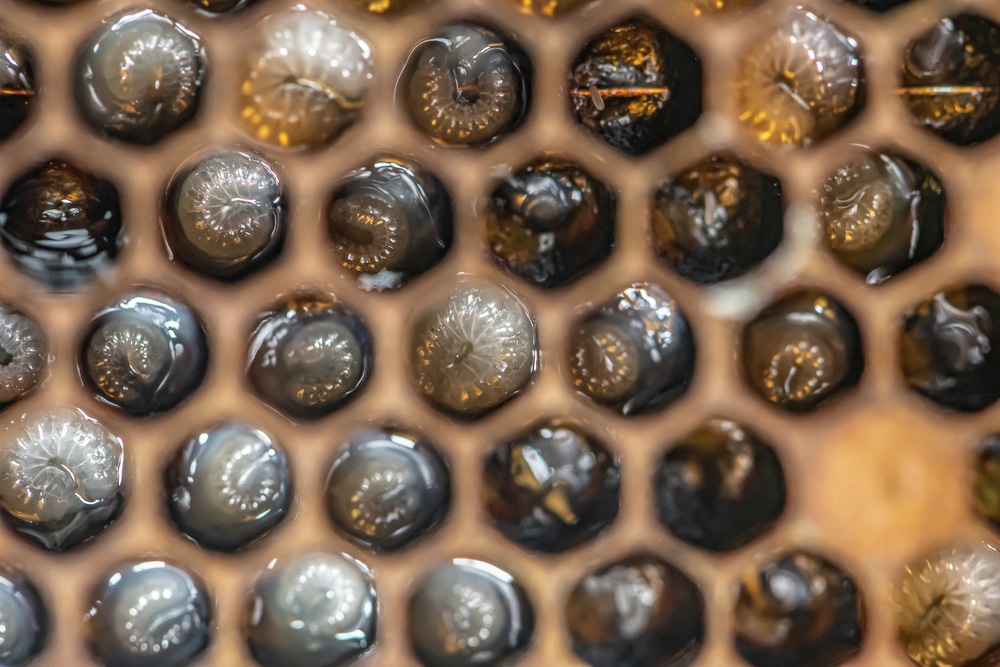
Well-fed young larvae have visible food around them. If they look almost dry, examine the pollen stores and nurse population. Our guide to malnutrition and starvation in honey bee colonies shows the accompanying signs.
Where the population is small, reduce avoidable heat loss. Division boards and suitable insulation can help match the space to the bees. Before considering whether to unite two weak colonies, establish why they are weak, assess both queens and rule out disease or heavy mite pressure.
Assessing the queen
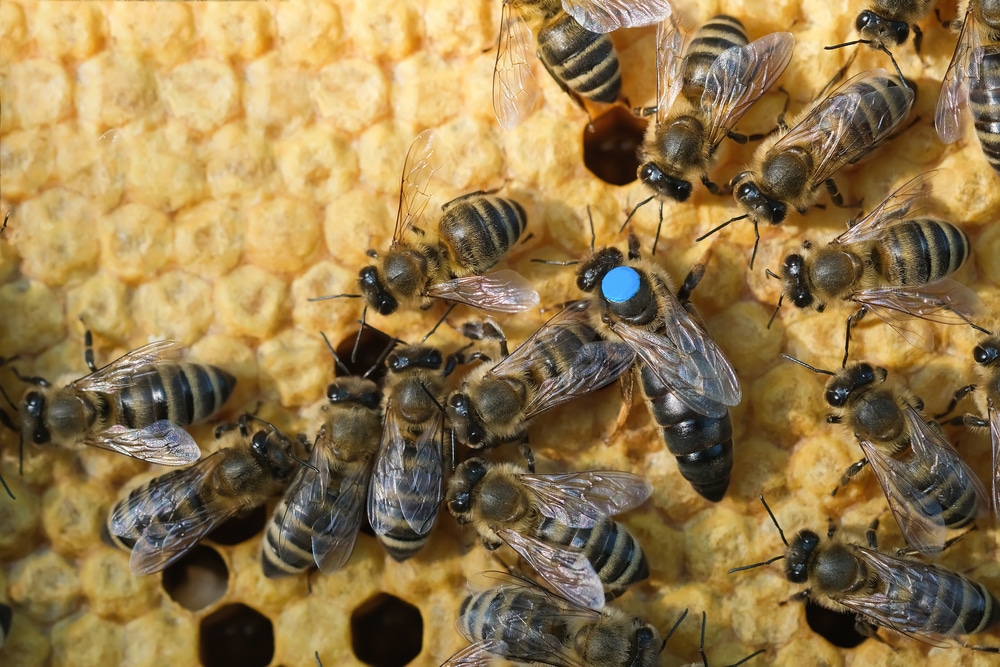
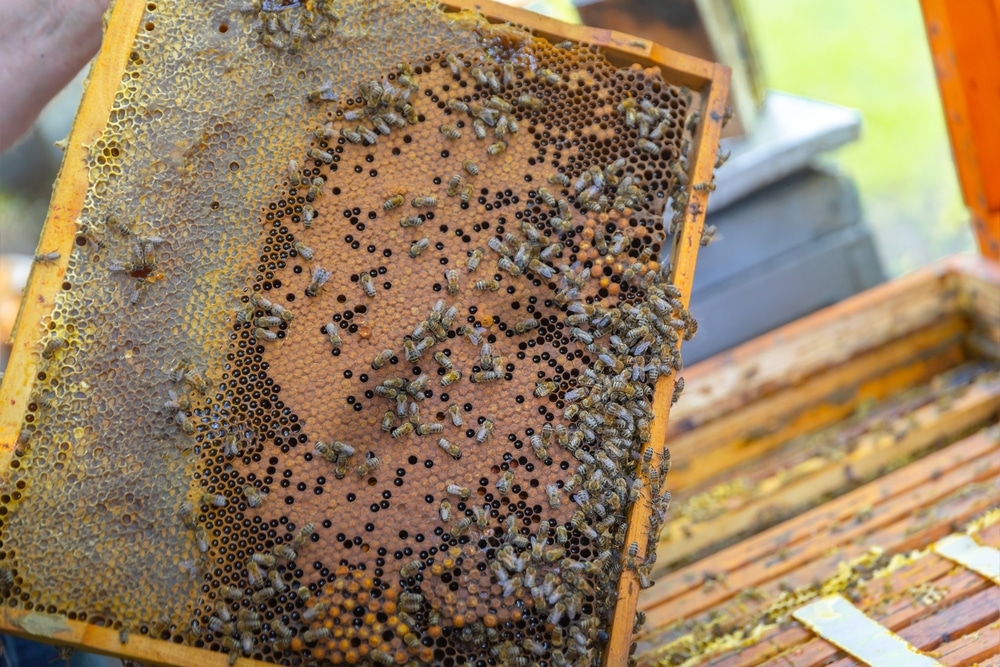
Check whether she is laying, how many eggs are present and whether the brood survives. Gaps can also come from mites, brood disease, starvation or residues. Examine these possibilities before blaming the queen.
| Observation | What it can mean |
|---|---|
| More than one egg in a cell | A queen just starting to lay or laying workers in a drone-laying colony. Consider egg placement and the presence of worker brood. |
| Condition of the wings | They cannot give the queen’s exact age. Judge laying, brood survival and changes between visits. |
| Colour or size | Neither is a reliable measure of laying quality. |
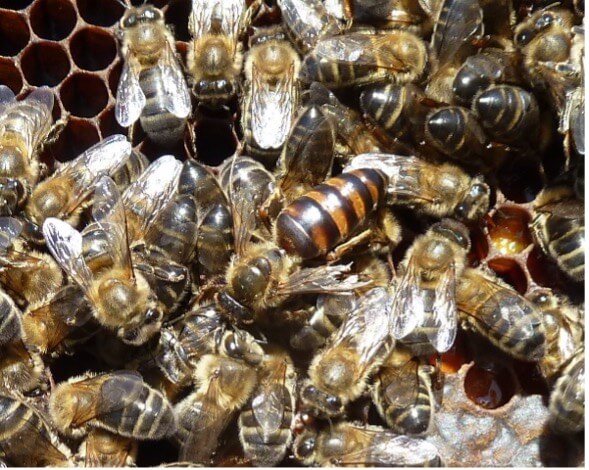
Also look for signs of Varroa (in Spanish), chalkbrood and foulbrood, and check the history of the comb. If replacement is appropriate, see how to introduce a mated queen.
Assessing food stores
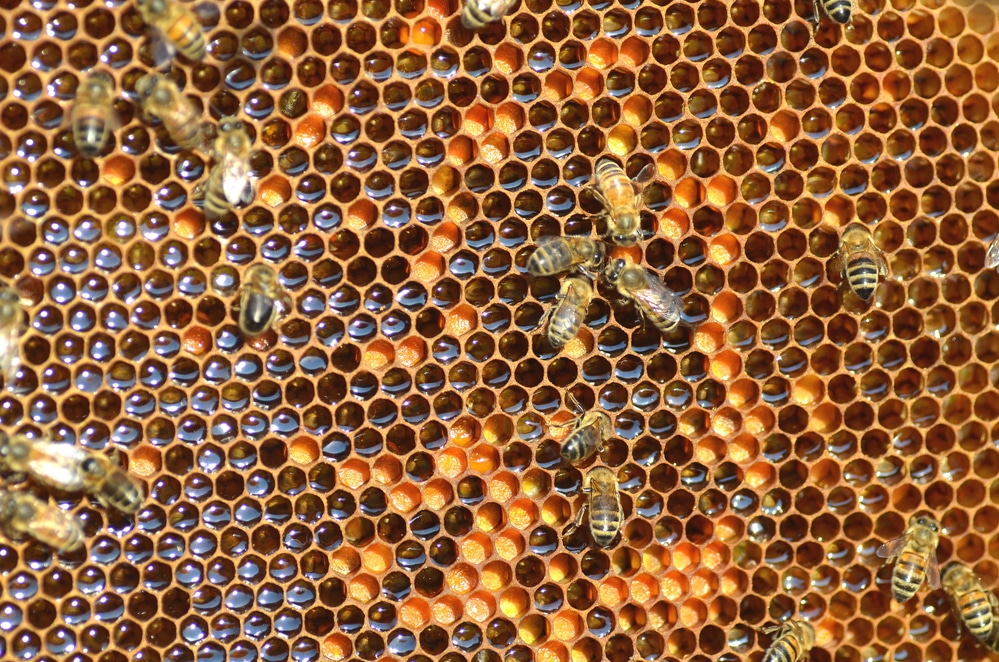
The amount of honey and pollen needed changes with the population, brood and incoming forage. Position matters: pollen usually rings the brood and honey lies farther out. In cold weather both must still be within reach of the cluster.
| Problem | Possible consequence |
|---|---|
| Too much honey in the brood nest | Fewer empty cells available for laying |
| Too much pollen in the brood area | Limited room for brood expansion |
| Temporary shortage | Workers can draw on body reserves only for a limited period. |
If no new forage comes in, workers lose condition and the quantity and quality of brood may decline. Decide whether the colony needs maintenance feed or can support further build-up.
- Liquid syrup may encourage build-up in settled spring weather. The local guide uses daytime temperatures around 16–18 °C as a practical reference. If natural pollen is scarce, assess the need for a suitable protein supplement placed where the bees can reach it.
- For maintenance during colder weather, a suitable fondant such as Apifonda is an option.
Be cautious about stimulating brood rearing. Producing more larvae than the nurse bees can support can make the problem worse. Our guide to honey bee nutrition covers the feeding decision.
How strong does a colony need to be for a crop?
The French BEETRIP project followed three groups of 22 colonies on three migratory routes before the acacia and chestnut flows. ADA AURA, INRAE Avignon and ITSAP worked with a professional beekeeper over 2016–2018. Several factors influenced the subsequent harvest.
| Factor | What the BEETRIP study found |
|---|---|
| Population at the start of the flow | A strong predictor. A colony with about 25,000 adults and 17,000 capped brood cells at the start of acacia bloom produced a combined acacia and chestnut crop of roughly 15–29 kg, depending on the year. |
| Varroa before the flow | Higher mite levels were associated with a smaller crop even below one mite per 100 adult bees. A modelled 10% reduction corresponded to about 0.5 kg more honey per colony under the study conditions. See how to monitor Varroa. |
| Pollen stored in the nest | In the model, a 10% larger area of stored pollen was associated with about 3 kg more chestnut honey and about 0.3 kg more acacia honey. |
| Pesticide residues in pollen | Exposure in oilseed rape and orchard pollen earlier in the season may have affected the later acacia and chestnut crops. |
| The preceding forage route | The oilseed-rape route produced more acacia honey than routes beginning with dandelion or fruit blossom, although the difference was clear in only one of the three years. The chestnut harvest showed no clear route effect. |
As a rough field estimate, 25,000 adults could occupy ten well-covered Langstroth frames, and 17,000 capped cells about two and a half full brood frames. What matters is arriving at the flow with the foragers already reared, low mite pressure and pollen in reserve. BEETRIP examined pollen gathered by the bees. It did not test the effect of feeding a protein supplement.
2. Monitor Varroa
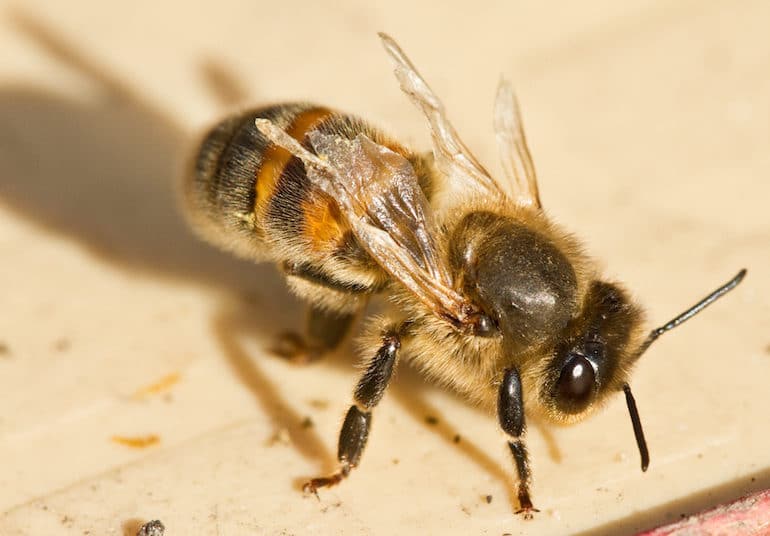
Check mite pressure before the season gets busy. A warm winter with continuous brood rearing can allow mites to persist and increase earlier than expected. A strong-looking colony may still need a count.
Which colonies should be checked?
- The Spanish field guide suggests checking at least ten colonies per site and, where practical, around a quarter of the apiary. Use a representative plan appropriate to the size of the yard and your local bee health programme.
- Include colonies from different positions and investigate any with suspicious signs, such as damaged wings or an unusual mite fall. Keep targeted checks distinct from a representative sample of the yard.
- The spring count helps assess residual infestation after earlier management and whether further action is needed.
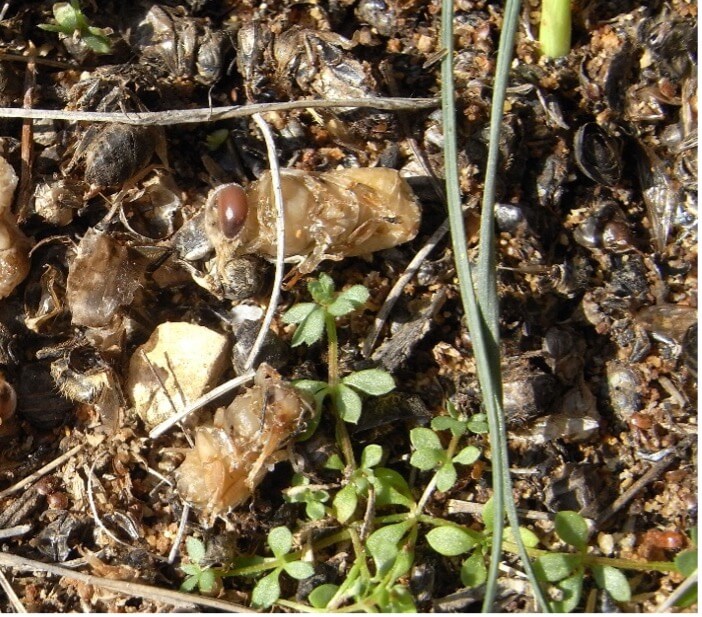
How to monitor
| Method | What it measures | Important qualification |
|---|---|---|
| Adult-bee sample | Use a recognised adult-bee monitoring method and its specified sample size. This field guide refers to around 200–300 workers. | A quick visual check of adult bees misses many mites, including those on the underside of the abdomen. |
| Capped worker brood | A standardised examination of worker cells gives a separate measure of brood infestation. The example uses around 200 cells. | Drone-brood counts cannot be interpreted with worker-brood thresholds. |
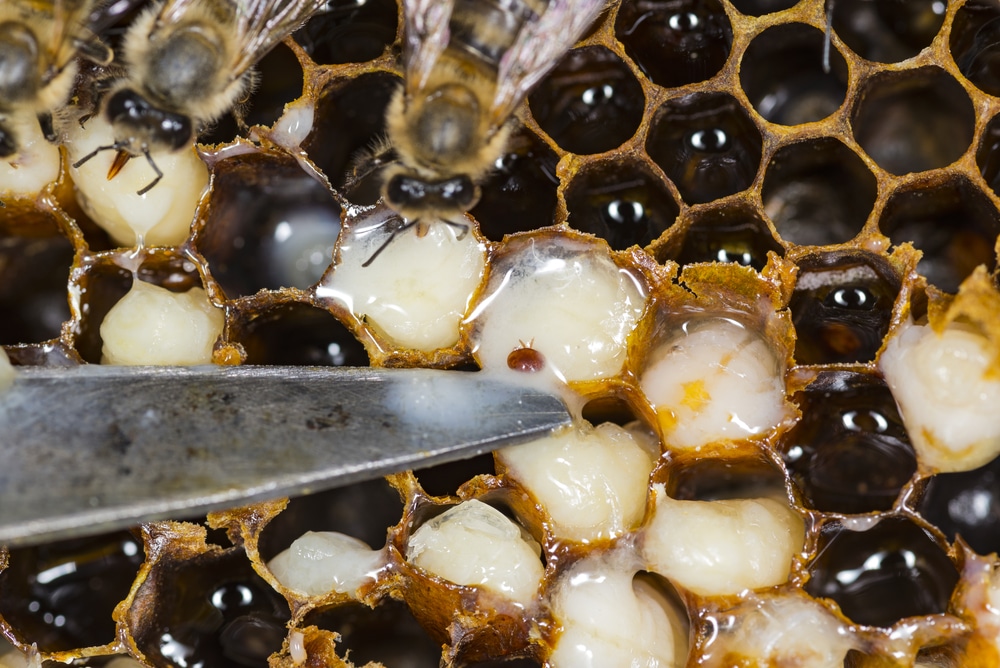
When do the results call for action?
Compare the count with the current threshold for that method, season and local health programme. In Spain consult the regional authority or veterinarian about notification before treatment outside the prescribed period. Our Varroa monitoring guide describes how to interpret a result.
3. Plan replacements
Spring brings both natural swarming and an opportunity to replace winter losses. Work out how many colonies you want to maintain, which queens need replacing and which strong, healthy colonies could support a split.
| Approach | How it works | Timing |
|---|---|---|
| Split a strong colony | Choose a healthy, gentle colony with a good record. In one common approach the queenless part rears a replacement from suitable young brood. | Allow around a month for a laying queen under favourable conditions. |
| Rear queens in advance | Rear queens from selected, healthy stock in advance of the splits. | Requires preparation before the colonies are divided. |
| Buy mated queens | Use a reliable supplier and check origin and health requirements. | Quicker availability, with a purchase cost. |
Read more about increasing colony numbers and queen rearing.
Use a brood break in the plan
A split or queen replacement can create a period with little or no capped brood. That can influence the effectiveness of some authorised Varroa medicines. Confirm the actual brood status with an inspection, follow the relevant label and consult the local programme before acting.
4. Renew old comb
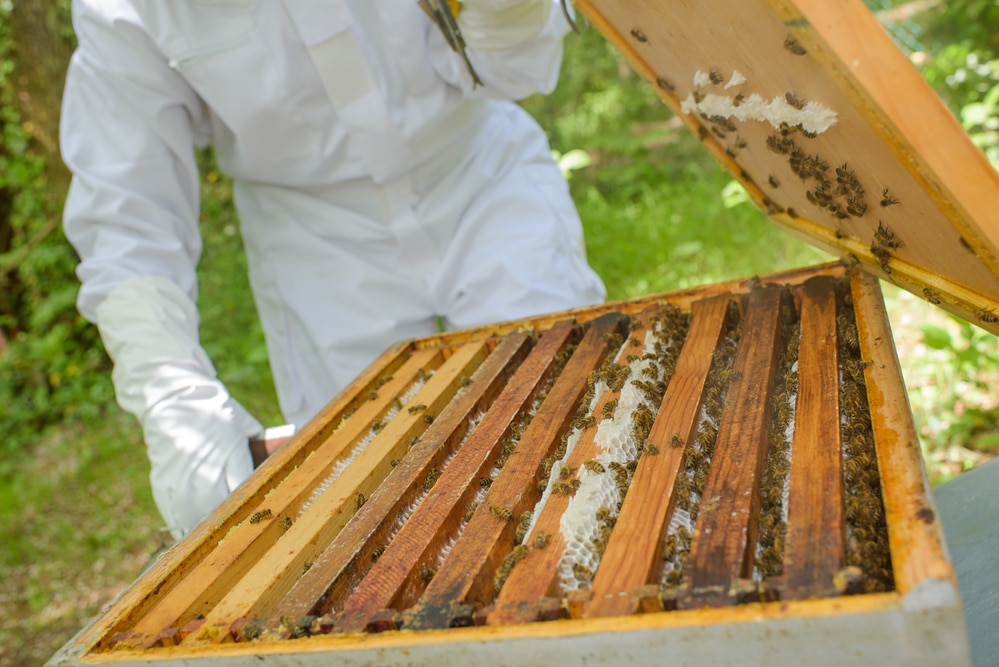
Old dark brood comb can accumulate treatment residues and material left by previous broods. Traceability and a planned comb rotation matter to colony health. Read more about beeswax quality and bee health.
Replace old, damaged or poorly documented frames gradually. Identify them during earlier inspections and, as brood emerges and weather allows, move them towards the outside so that removal will not disrupt the brood nest.

When to add new foundation
Wait for an active nectar and pollen supply and the first white wax on the tops of frames. This is a practical sign that the colony is ready to draw foundation.
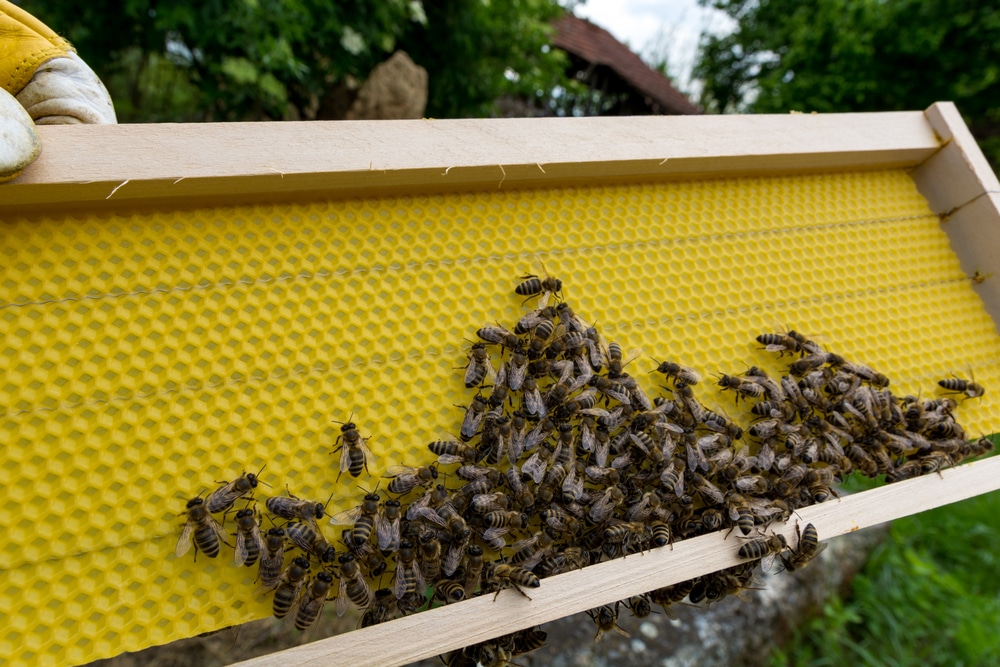
Put new frames where the bees can keep them warm, close to the occupied area and suited to colony strength and weather. Keep the brood nest together. Our guide explains how to fit wax foundation.
What should I do in the apiary in spring?
Check adult bees, brood, queen and stores. Monitor Varroa, plan replacements and gradually renew old or damaged comb as the colony starts drawing new wax.
How many bees does a colony need to produce a crop?
In the French BEETRIP study a representative colony with about 25,000 adults and 17,000 capped cells at the start of acacia flowering produced about 15–29 kg of acacia and chestnut honey combined, depending on the season. Mites, stored pollen and previous forage also mattered. This is an example for planning, not a guarantee of yield.
When can I begin spring stimulation with syrup?
The local reference used here is settled weather with midday temperatures around 16–18 °C. Check whether the colony can reach the feed and whether nurse bees, stores and incoming pollen can support more brood.
What Varroa level requires treatment in spring?
Use the current operational threshold for your area, season and sampling method. Adult-bee and brood samples measure different things. Consult the applicable programme and product label, including any notification requirement in Spain.
How can I tell how old a queen is?
The most reliable evidence is the colony record and a known marking year. Wing condition, body colour and size cannot give an exact age. Assess her performance from eggs, brood survival and the colony’s progress.
How much comb should I renew each year?
Use a planned rotation that removes the oldest, damaged and doubtful comb over a reasonable period. An incoming flow and fresh white wax are better guides to introducing new foundation than a fixed date.


