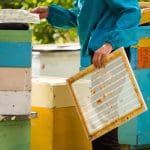
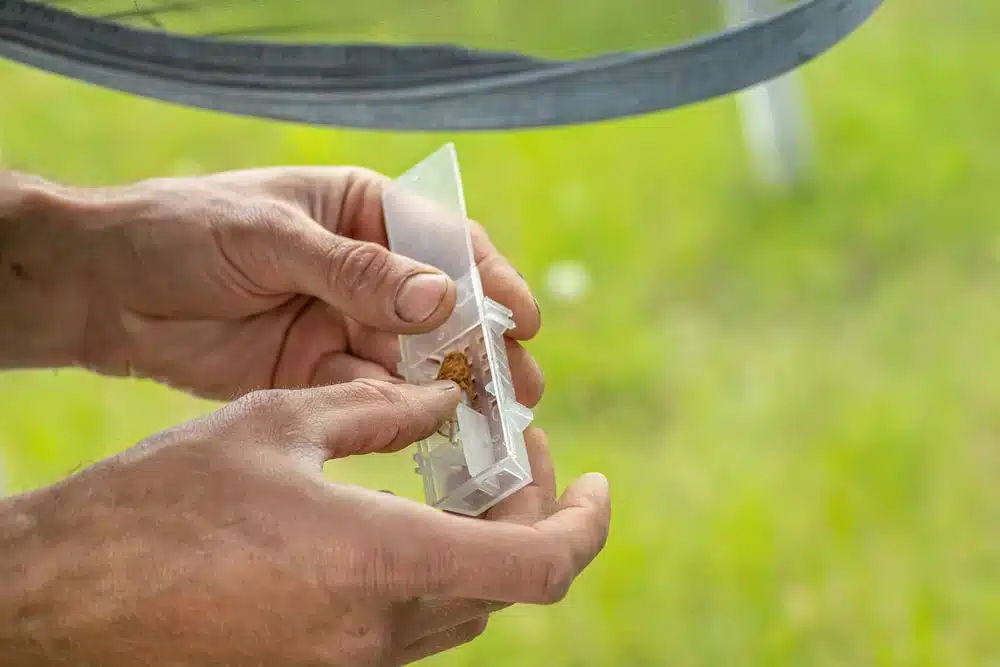
Requeening a production colony can improve its performance, but success depends on the queen, the receiving colony and careful introduction. The practical sequence is to confirm that a healthy replacement has arrived, remove the old queen, establish queenlessness and introduce the new mated queen in a protective cage. A 24–48-hour queenless interval is commonly used for routine replacement. Leaving a dead queen inside and refusing every inspection for 10–12 days are not universal requirements. Cage checks and release must follow the method being used.
Planning the introduction
| Stage | What to do | Why it matters |
|---|---|---|
| On arrival | Check queen and attendants; keep the cage ventilated, indoors and away from sun or excessive heat. | Transport can leave bees stressed or dehydrated. |
| While holding | Follow the supplier’s water and food instructions; do not soak the cage or block airflow. | A damp cloth alone does not establish adequate hydration. |
| Before any delay | Arrange prompt installation; seek breeder advice if prolonged holding is unavoidable. | Seven trouble-free days in a shipping cage cannot be guaranteed. |
| Prepare the colony | Remove the old queen only when the replacement is ready; confirm queen status and inspect for queen cells. | A living queen or competing queen cells can prevent acceptance. |
| After the queenless interval | A 24–48-hour interval is commonly used for routine replacement; introduce the protected queen using her cage’s instructions. | Introduction methods and colony circumstances differ. |
| Provide support | Feed if needed, internally and without contaminating harvestable honey or encouraging robbing. | Avoid nutritional stress; feeding is not a guarantee of acceptance. |
| Check and follow up | Make the method’s required cage/release check, then check for laying. Avoid unnecessary full inspections. | Do not rush release or leave a rejected or trapped queen unattended for an arbitrary 10–12 days. |
In this guide
- Why consider requeening an established colony;
- what replacement can achieve and its limits;
- the introduction procedure from arrival to release;
- removing the old queen and what to do if she is hard to find;
- when to introduce and check the new queen.
Why plan queen replacement?
Planned queen replacement is a management option worth considering before a colony’s performance deteriorates. Some beekeepers prefer to rely on natural supersedure, while others requeen selected colonies deliberately.
Purchased queens are also used to establish nucleus colonies and splits. That is a different objective from replacing a queen in an established colony. Without a documented market survey, a claim that 90% of queens sold in Spain go only into new colonies should not be treated as a national statistic.
Why do some beekeepers avoid requeening?
One reason for leaving replacement to the bees is confidence in a colony’s own queen-rearing and local adaptation. That can be a valid management choice, not simply a distinction between hobby and commercial beekeeping. The useful question is whether the colony’s current queen and traits meet the beekeeper’s aims.
In intensive operations, reliable brood production and well-timed colony growth are particularly important. Poor queen performance may contribute to spring or autumn problems, but high brood production alone does not establish that a queen has been “used up”. Age, mating quality, health and colony conditions all need consideration.
A further obstacle is uncertainty about the technique: finding the old queen, handling the newcomer and knowing when to intervene. A clear, recorded procedure makes it easier to improve introduction success and investigate failures.
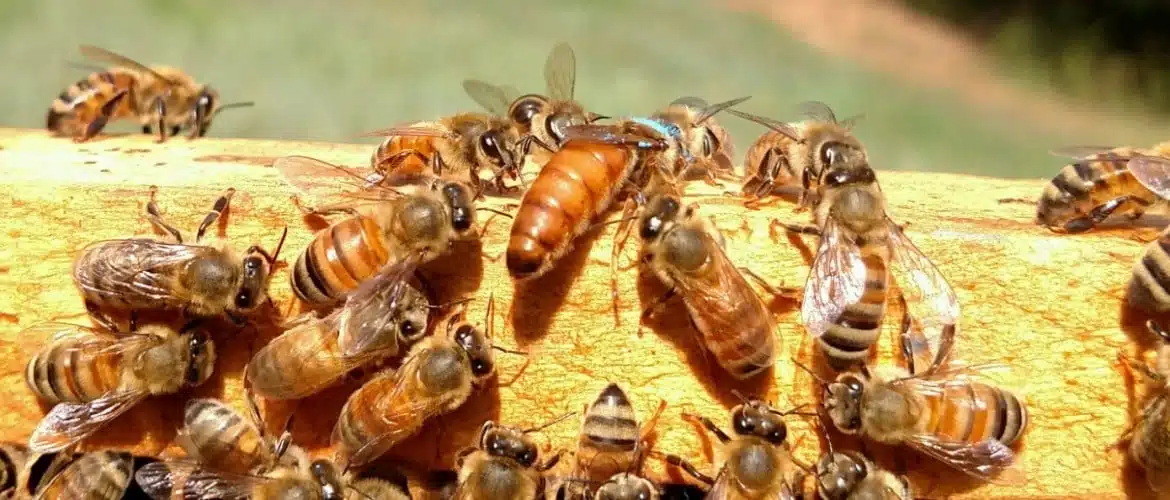
Why queen replacement matters
A colony established this season with a young, well-mated queen may perform strongly the following year. However, hive performance is not explained by queen age alone: nutrition, population, disease pressure, forage and management also matter.
A replacement programme should use healthy, well-mated queens with traits suited to the apiary, whether raised locally or obtained from a trusted queen breeder. Selection can support long-term improvement, but requeening is not a substitute for diagnosis, Varroa control or management of infectious disease.
Before planning the operation, understand the relationship between the queen and the workers. Introduction is a process of acceptance, not simply putting a valuable insect into a box of bees.
Queen pheromones, passed through contact with attendants and other workers, contribute to colony organisation and queen recognition. They are not the colony’s entire odour signature. A resident queen, unnoticed queen cells or hostile workers can all undermine acceptance of a newcomer. Use a healthy mated queen; do not assume that a virgin or a failing queen can be introduced with exactly the same expectations.
Introducing a mated queen step by step
When your queen arrives
Inspect the queen and attendants on arrival. Keep the cage indoors, ventilated, quiet and out of direct sun, away from excessive heat or chilling. If the queen is dead, injured or unusually inactive, contact the supplier before proceeding. Have suitable protective clothing and equipment ready.
In hot, dry conditions, do not assume that a damp cloth will provide enough drinking water through the candy. Mann Lake’s cage-care instructions, for example, call for a small drop of water on the screen. Follow the directions supplied with your cage; avoid soaking the bees, flooding the cage or wetting the candy so much that it collapses. Keep ventilation unobstructed.
Install the queen promptly. A shipping cage is temporary accommodation, not a risk-free seven-day holding system. Watch the food and attendants during any unavoidable delay. Do not open the cage casually to replace candy or attendant bees: the queen can escape or be injured. Ask the breeder about longer holding or queen banking.
Removing the old queen
For a routine replacement, first locate and remove the old queen. Wait until the new queen has arrived in suitable condition so that a shipping delay does not create an unnecessarily long queenless period. Whether the old queen is culled or retained separately for a legitimate management purpose, she must no longer be loose in the receiving colony.
If you cannot find her, do not treat that as proof of queenlessness. Work through the brood area methodically, including the box walls, and consider a second careful search or help from an experienced beekeeper. Sifting bees through a queen excluder is an experienced-handler technique that can cause disruption and injury; it is not a guaranteed shortcut, and not every queen is reliably retained by an excluder.
The essential condition is the absence of a living resident queen. There is no established requirement here to leave her corpse on the hive floor to “trigger” acceptance. Do not rely on a dead queen as evidence that no second queen or virgin is present. Before introducing the replacement, check for competing queen cells as part of the chosen protocol.
Queenlessness, introduction and release
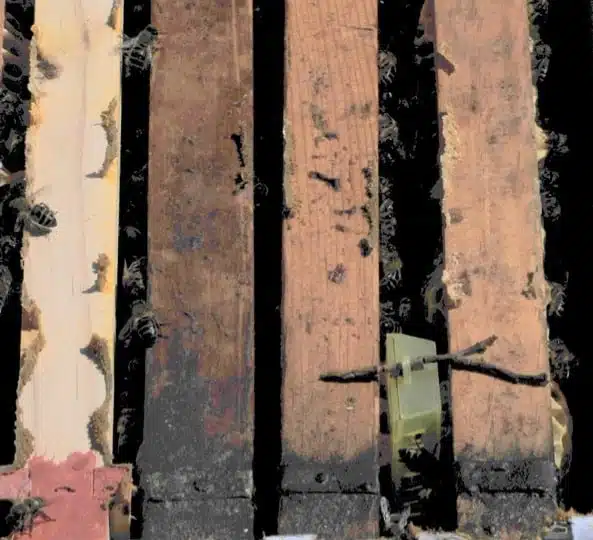
For straightforward requeening, a 24–48-hour queenless interval is one commonly used approach. Betterbee’s published replacement instructions describe that interval, followed by cage checks; it is not a guarantee of acceptance. A colony that has been queenless much longer, has laying workers or contains a virgin queen needs separate assessment.
Work gently and keep the cage secure near the brood area, where bees can contact and feed the queen through the mesh. Do not block the screen against the comb. Oregon State’s nucleus-colony guide explains cage access and the need to prevent dead attendants blocking the exit. Identify the candy end and any transport closures correctly; follow the cage-specific instructions rather than opening a direct escape route immediately.
Use suitable bee feed if the colony needs support because forage or stores are inadequate. Feed internally and avoid spills that encourage robbing. Do not feed sugar into supers intended for saleable honey. Feeding may support the colony, but it does not “relax” bees in a way that guarantees queen acceptance.
The crucial distinction is between disturbing the colony unnecessarily and making the checks needed to protect the queen.
Do not apply a blanket rule of “never open before day 10–12”. Betterbee describes checking its introduction cage after two or three days and checking for laying later; other methods use a different timetable. Check that the queen is alive, accepted and released at the appropriate points. Avoid repeated full inspections, but seek supplier advice if she remains trapped, workers are hostile or expected laying does not appear.
Rushing release can lead to balling, in which workers cluster tightly around and may kill the queen. Waiting for a fixed number of days does not, on its own, make release safe. Do not force her out simply because a calendar deadline has arrived.
Observe the workers’ reaction to the cage. Calm contact and feeding are encouraging; biting the cage, clinging tightly and persistent aggression are warning signs. The Penn State guide for laying queens in push-in cages also stresses withholding release when workers are aggressive. That is a separate cage method, not a timetable to mix with a shipping-cage protocol. Check queen status, queen cells, weather and forage, and ask for experienced help when acceptance is doubtful.
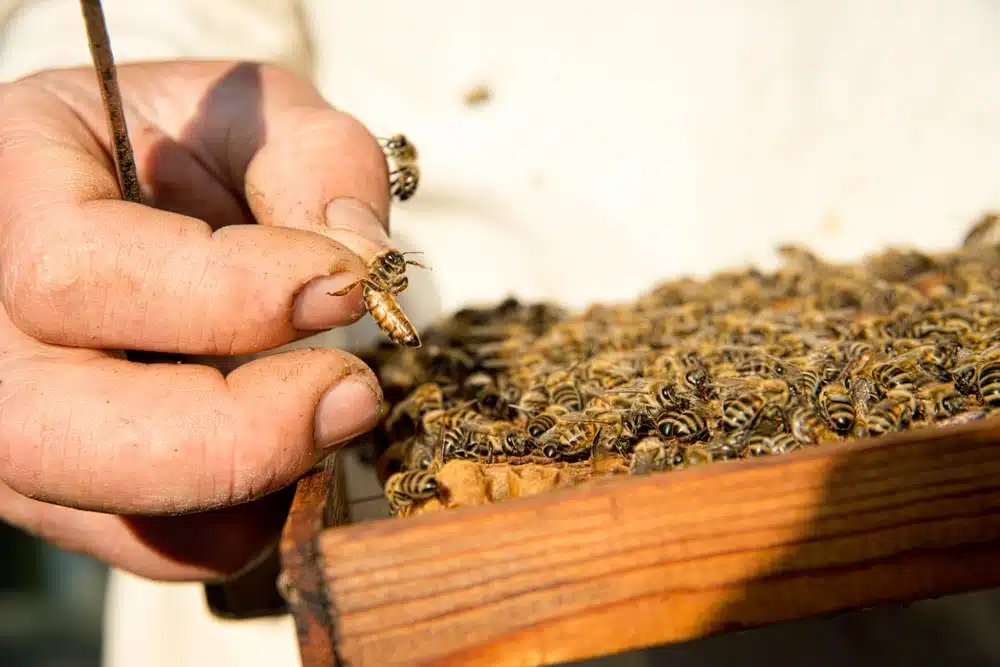
The essentials for a successful introduction
Successful introduction of a mated queen combines preparation, appropriate handling and follow-up. She has already mated; the aim here is acceptance and resumed laying, not to send her on a mating flight. The same broad principles apply to Iberian stock, but colony behaviour and the breeder’s instructions still matter.
Record the introduction date, method, release and evidence of laying. Those observations make the next replacement easier to plan—and give you something concrete to review if this one does not succeed.
Frequently asked questions
How long should a colony be queenless before introducing a new queen?
For routine replacement with a caged mated queen, 24–48 hours after removing the old queen is a common approach. It is not a universal biological deadline. Have the replacement ready, confirm that no other queen is present and follow the supplier’s method, including checks for queen cells.
When should you inspect after introducing a queen?
Distinguish a brief cage or release check from a full brood inspection. Follow the schedule for the cage and introduction method; some suppliers call for a cage check after two or three days. Avoid repeated disturbance, but do not leave a trapped or rejected queen unchecked simply to reach day ten or twelve.
What if you cannot find the old queen?
Do not introduce the replacement on the assumption that the old queen has gone. Search methodically and obtain experienced help if needed. Sifting bees through a queen excluder is a specialist option with handling risks, not a guaranteed or necessary first step.
Do you need to leave the dead queen inside the hive?
No such requirement is established here. The essential step is to remove the living queen before a routine replacement. Leaving her body on the floor is not a demonstrated guarantee of faster recognition of queenlessness or acceptance.
How long can a purchased queen stay in her shipping cage?
Introduce her as soon as practical. Short holding periods depend on the cage, attendants, food, ventilation and temperature; seven days cannot be promised without problems. Follow the supplier’s care instructions and seek advice if a longer delay becomes unavoidable.
Why might bees reject a new queen?
Acceptance depends on colony queen status, queen cells, worker behaviour, the condition of the new queen and the introduction method. Queen pheromones are important, but colony recognition is more complex than one queen’s smell. Do not release a queen into an aggressive cluster of workers.
Should you feed after requeening?
Provide suitable feed if stores or forage are inadequate, using an internal feeder without spills. Feeding is not a sedative and does not guarantee acceptance. Avoid robbing and prevent sugar feed from entering honey intended for harvest.
Further reading
- When and why to requeen: planning replacement.
- Natural supersedure: when the bees replace their own queen.
- Finding the queen: locating the resident queen.
- Making splits and nucleus colonies: another use for purchased queens.

Técnico apícola argentino. Perito apicultor. Su trabajo y pasión es la cria y selección de Abejas Reinas en Argentina -España
Más en información en: http://www.asesoriaapicola.com