
-
Beehives
- Complete beehive
- Accessories
-
Nuc hives
- Nucs by format
- With bees & mating
- Spare parts
-
Bee equipment
- For the apiary
- For the beekeeper
-
Clothing
- Clothing Accessories
-
Beeswax
-
Pure beeswax
- Beeswax and foundation
- Beeswax foundations
- Melting and rolling beewax
-
Pure beeswax
-
Bee feed
- Accessories and source materials
- Utensils
-
Bee health
- Varroa Treatments
- Diseases control
- Nutraceuticals
-
Extraction and bottling
- Before extraction
- Honey extraction
- After extraction
-
Bee pollen
- Harvest
- Indicted
-
Honey packaging
- Flasks per utility
- Flasks by size
- Other packaging
 Apipasta with vitamins 15kg
 Beecomplet® Spring 14Kg
 Beekeeper suit with round veil
 Oxalic acid 1kg
 Beeswax Foundation 5kg
 Fresh royal jelly 20g
 Classic honey jar 1kg comb-lines TO77 - Pack of 16 units
 Promotor L Apis 1 litre
Smokers
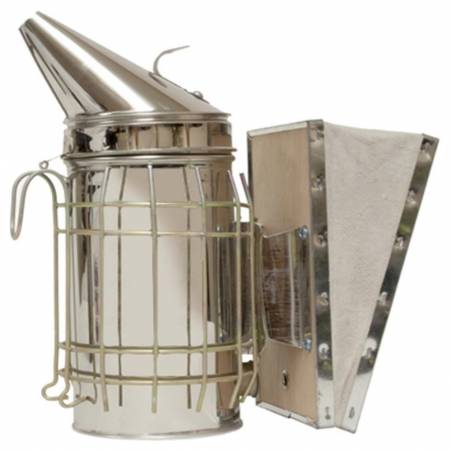
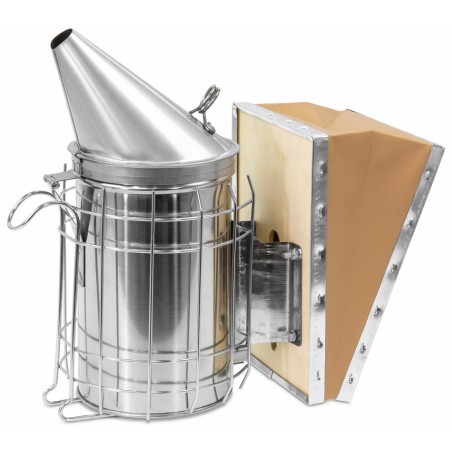
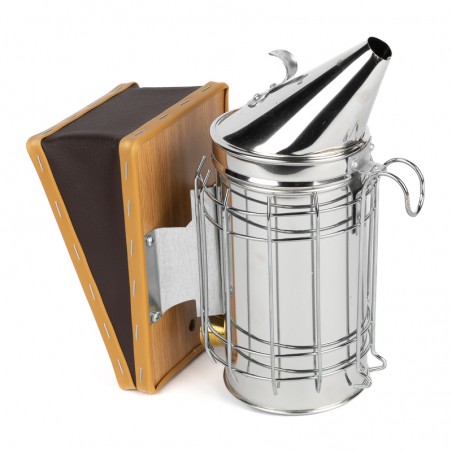
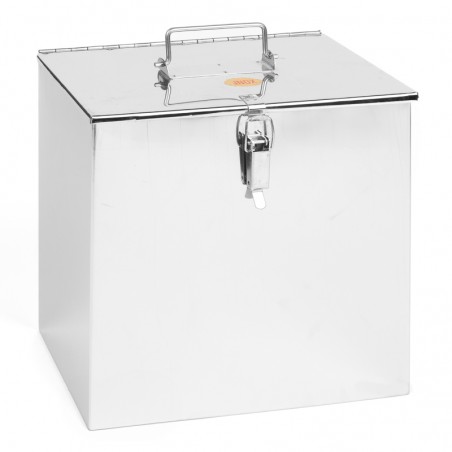
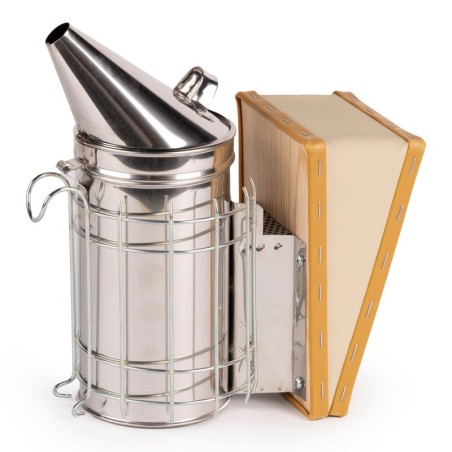
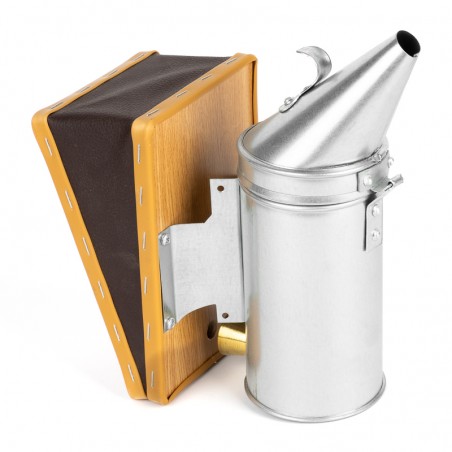
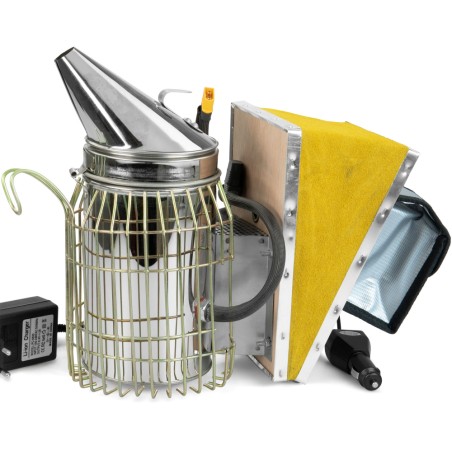
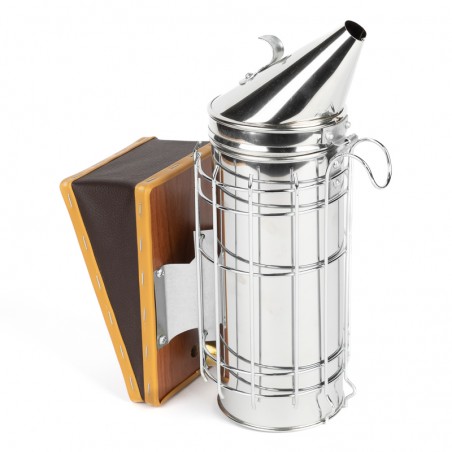
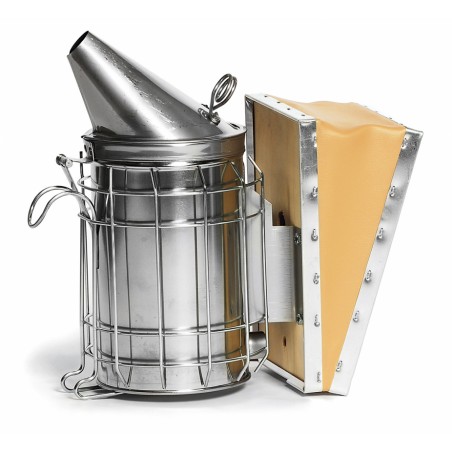
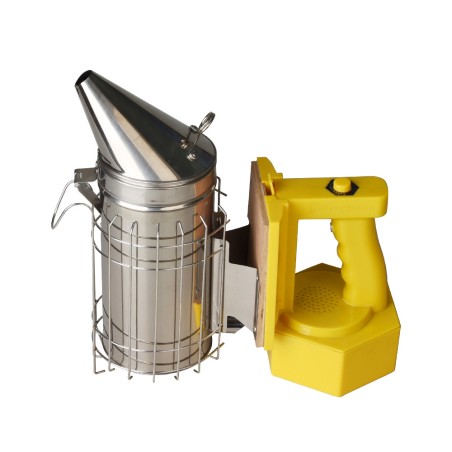
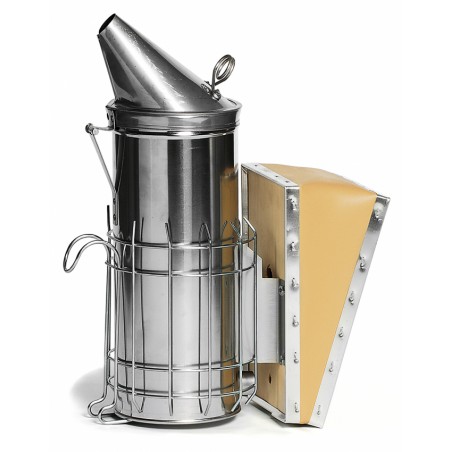
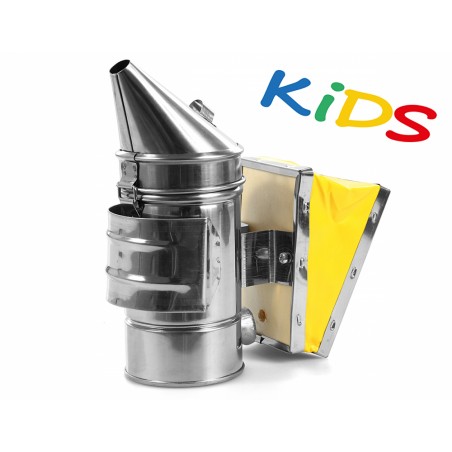
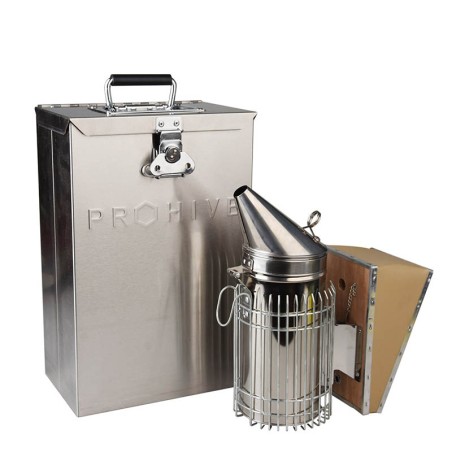
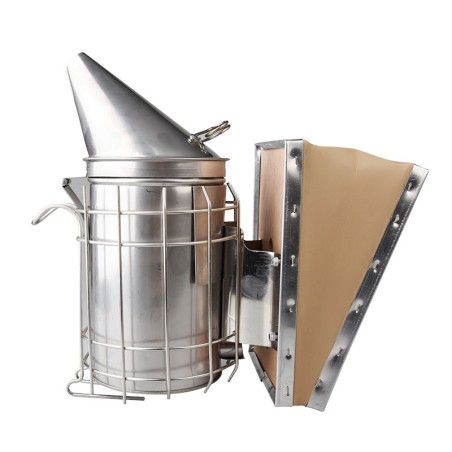
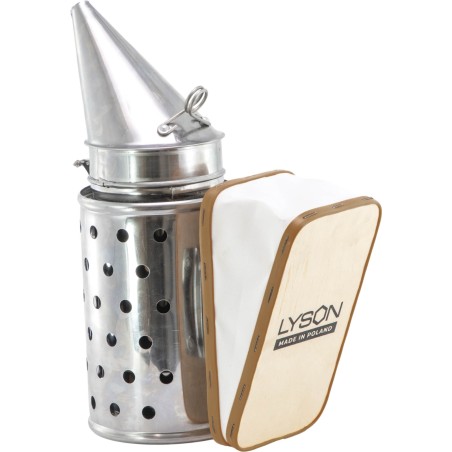
Stainless and galvanised steel smokers, with and without guard, the Anel® electric «flameless» model, fuels, base grids and APIBOX boxes. Up to €170.
Smoker article type
Brand
Price
-
€2.00 - €170.00

How to choose and use the smoker well
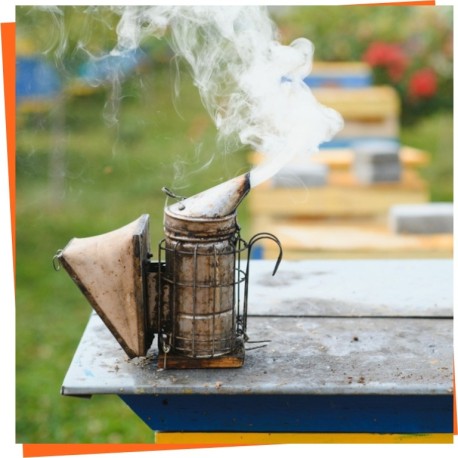
The smoker is one of those tools that seem simple until you work with a nervous colony. It's not about filling the hive with smoke, but about using it with judgement: little smoke, well directed and always cold. A good smoker should give you white, dense and steady smoke, without flare-ups or sparks. If the smoke comes out hot, black or with a strange smell, you're doing something wrong: unsuitable fuel, poor combustion or excess air. For me, the smoker isn't a tool to “dominate” the bees by force; it's a tool to work more calmly, reduce defensiveness and be able to inspect without causing more stress than necessary.
My advice is to choose it thinking about how you work. For a beginner or few hives, a simple, comfortable bellows smoker is usually enough. If you work many hives, I'd look more at the capacity, the quality of the bellows, burn protection, an inner grate, stability and a spark-arrestor system. And I wouldn't skimp on the fuel: use clean, dry and safe materials; avoid plastics, inked paper, treated wood or anything that could leave smells in the honey. I'd also check how you're going to put it out and transport it. In summer or with wind, a poorly managed smoker is a real risk. Better a proper smoker, well lit and used calmly, than a big one belching smoke wildly. The bees notice it, and so do you.
Smokers
A smoker does not calm bees by magic: smoke interrupts alarm-pheromone communication and makes them load up with honey, and a loaded bee stings less. Hence the type of smoke matters more than the power of the device.
Cool, plentiful smoke, not flame
The goal is cool, white, continuous smoke. Hot smoke harms the bees and irritates them, which is the opposite of what you want. That is why two apparently minor parts matter:
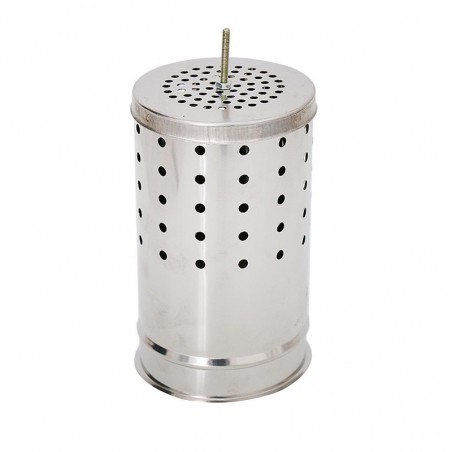
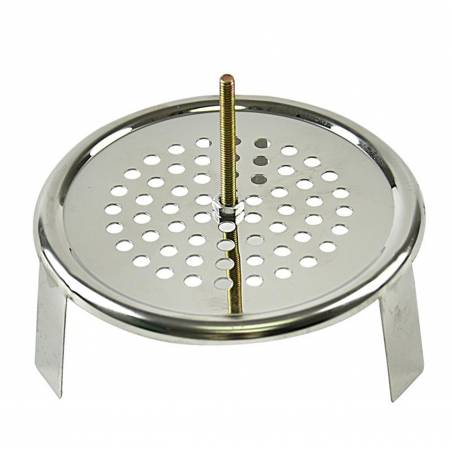
- The base grid (€2) — separates the fuel from the bottom and lets air in underneath. Without it the fire either smothers or flares up.
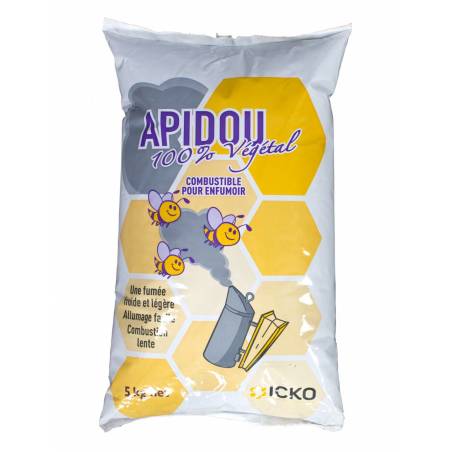
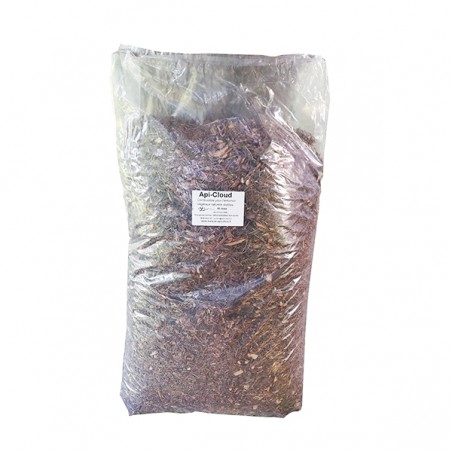
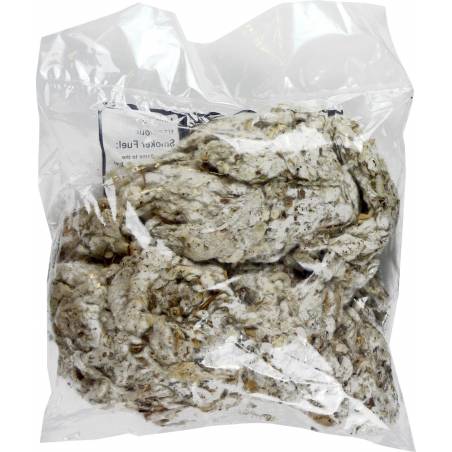
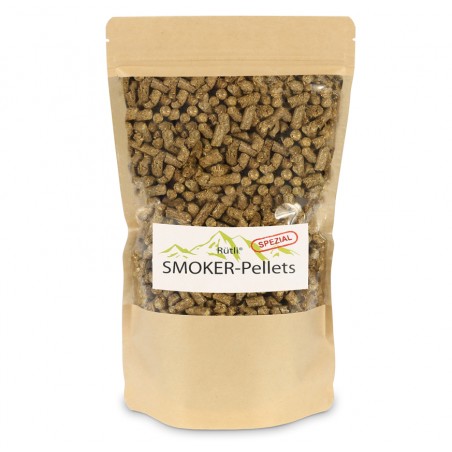
- The fuel — what burns slowly and without flame is what gives cool smoke. Pellets and specific preparations such as Apidou are made for that; cardboard and dry grass work but dirty the bellows and go out.
What to look at when buying
- Material — stainless steel copes better with creosote and cleans up; galvanised is cheaper.
- Guard — the outer cage stops you burning yourself and your suit when you set it down. With gloves on it is appreciated more than you would think.
- Bellows size — big bellows keep the smoke going with fewer squeezes and tire the hand less across a long apiary.
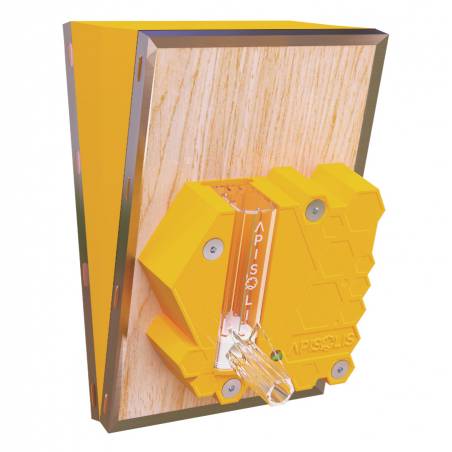
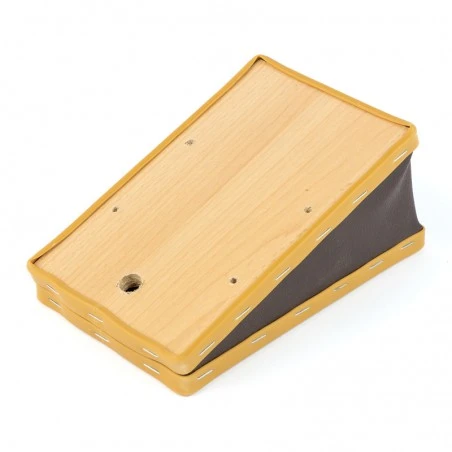
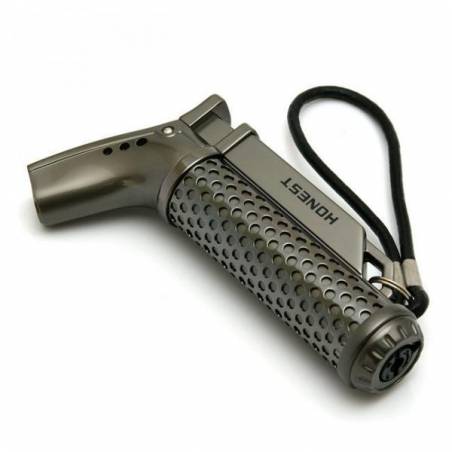
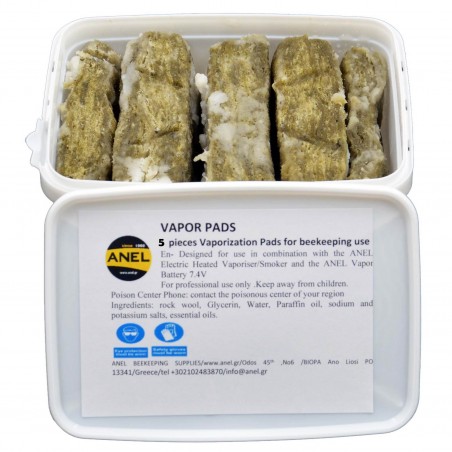
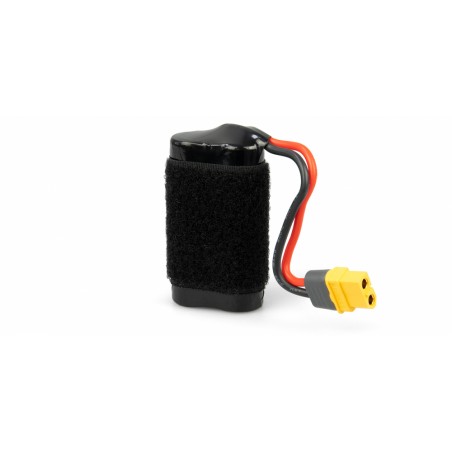
- Electric "flameless" model by Anel® — a heating element instead of combustion. It solves lighting and the spark risk, which in a dry summer is not a small thing.
After using it
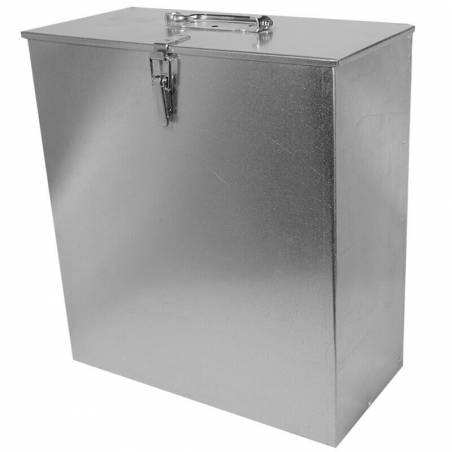
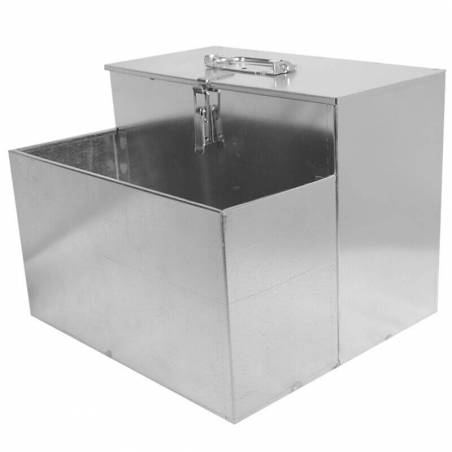
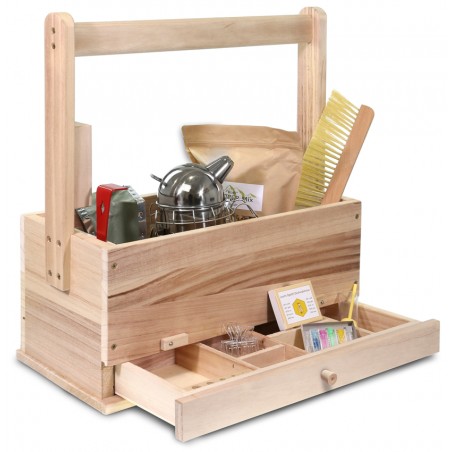
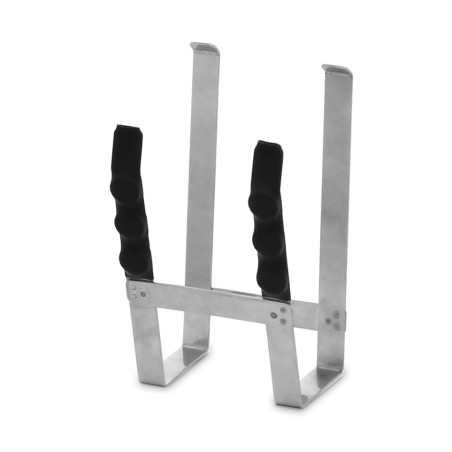
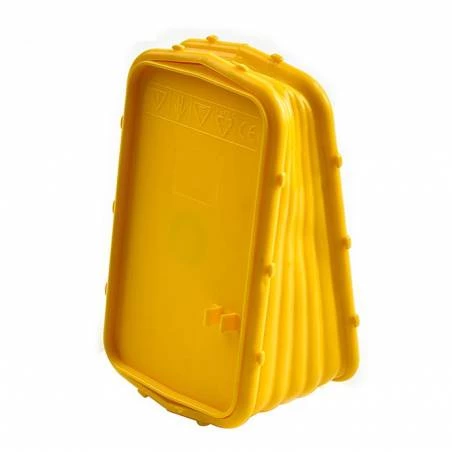
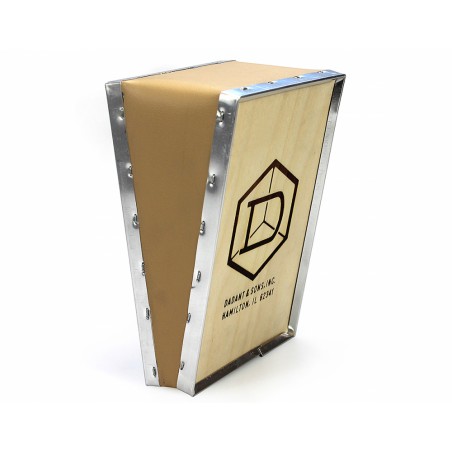
A lit smoker in the boot of a car is a fire waiting to happen. Put it out by blocking the spout, let it cool and store it in a metal APIBOX, which exists precisely for that, in small and tall sizes. And clear the creosote now and then: that is what eventually blocks the spout.
The smoker is the first tool of hive work, along with the suit and the hive tool.
What effect does smoke from a smoker have on bees?
The smoke temporarily disrupts communication via alarm pheromones and can trigger a foraging response in the face of a potential fire threat. This usually reduces the defensive reaction for a few minutes, allowing you to work more calmly.
It does not put the bees to sleep or ‘anaesthetise’ them. It should be used in small puffs of fresh, white smoke, whilst observing the colony’s response. Excessive use may disrupt the colony, contaminate the honey or indicate that handling should be stopped. The smoker is a control tool, not a substitute for good weather conditions, gentle movements and protective equipment.
What should good smoke be like when working with bees?
It should be fresh, white, continuous and free from sparks. Before bringing it near the hive entrance, test the smoke at a safe distance on the back of your hand: you should feel smoke, not a blast of heat or burning particles.
Combustion must be slow and clean. Avoid plastics, synthetic fabrics, treated wood, printed or adhesive-coated paper, liquid fuels and any material that gives off chemical odours. If the smoke is dark, very hot or acrid, stop what you are doing and adjust the load or draught before continuing.
What should you do if a colony is very defensive?
Apply a few puffs of fresh smoke, wait for it to take effect, and work without any sudden movements or jolts. If the defensiveness increases, close the hive and resume the inspection when conditions are more favourable; persisting often leads to more stings and increased stress.
Then investigate the cause: bad weather, absence of a queen, robbing, hunger, recent handling, an overcrowded colony, genetics or a health issue. The time of day does not guarantee a calmer colony, and when foragers are inside, there may be more bees present. If the reaction recurs, it is advisable to assess your management practices and the queen with the help of a beekeeping advisor, rather than compensating for it with more smoke.
How do you light a bee smoker safely?
Place it on a non-flammable surface, in an area clear of dry vegetation. Light a small amount of clean, dry material, use the bellows until you have a steady ember, and add fuel little by little, without packing it down so tightly that it smothers. Close the lid and check that the smoke is coming out cool and without sparks.
During use, keep the smoker upright and use a spark guard where appropriate. When finished, extinguish it completely using the method specified for the fuel and in accordance with local regulations; empty the embers into a secure metal container and do not transport or store it until you have checked that it is cold. During periods of fire risk, comply with the restrictions in force.
When and how much smoke should be used during an inspection?
Start with a few puffs at the entrance and, after a brief pause, open gently. Add smoke only where necessary to move bees or prevent a defensive response: under the lid, at the edge of the frames, or before closing.
The correct amount is the minimum needed to work without increased agitation. If you need to smoke continuously, if the smoke comes out hot or the bees keep attacking, it is advisable to close and check the conditions. During the harvest, avoid directing unnecessary smoke at honeycombs, as the scents and particles can affect the product.
Which materials should not be burned in a smoker?
Do not use plastics, foams, synthetic fabrics, rubber, painted or treated wood, printed paper, cardboard with adhesives, oils, diesel or household waste. They can produce toxic vapours, sparks or odours that contaminate honey, wax and other materials.
The fuel must be plant-based, clean, dry and from a known source. Even a natural material becomes unsuitable if it has been treated, is mouldy or contains chemicals. Safety does not only depend on the material igniting well: it must produce a slow, controllable combustion without problematic residues.
How to choose fuel for the smoker?
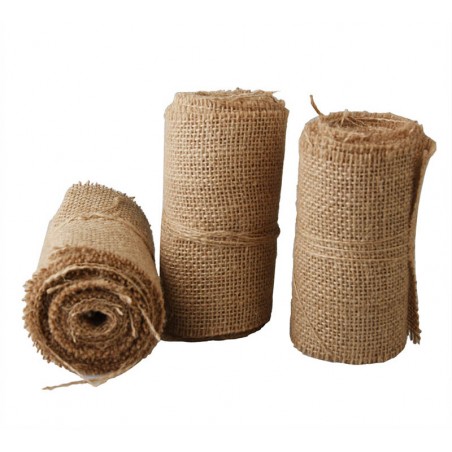
Choose a clean plant-based material that maintains embers and produces fresh smoke: pellets or specific fuel, dry pine needles, untreated wood chips, untreated natural fibre burlap or other known local materials. For a short inspection, fast ignition is important; for a long session, stability and low spark production are key.
Moisture, particle size and draft alter the outcome, so it is advisable to test before the apiary. There is no "best" fuel in all cases. Preference should be given to known composition, fire control and smoke that is neither hot nor acrid.
What is the difference between a manual smoker and an electric one?
The manual model uses a hand-operated bellows to feed the combustion. An electric model may include a fan to maintain airflow or, in some designs, generate steam or smoke without the same combustion chamber. They are different technologies and should be compared based on their actual operation, not just the term "electric".
The manual model is simple and easy to repair; the electric one reduces pumping effort but adds a battery, wiring and a specific mode of use. In both cases, check autonomy, output temperature, spark protection, cleaning and fire risk restrictions. An electric fan does not eliminate embers nor make the equipment "flameless".
How often should the smoker be cleaned?
There is no universal interval. Remove ash and fuel once the equipment is completely cool, and clean earlier if the exhaust loses flow, the lid does not close properly, or tar and soot accumulate. The type of fuel and hours of use determine the frequency.
Check the nozzle, grill, chamber, hinges, spark guard and bellow. Do not scrape in a way that punctures the metal or wet materials that the manufacturer indicates should be kept dry. After cleaning, allow it to dry and perform a draw test away from the hives. Replace the bellow or damaged parts if there are leaks or a risk of sparks.
What accessories can enhance the safe use of the smoker?
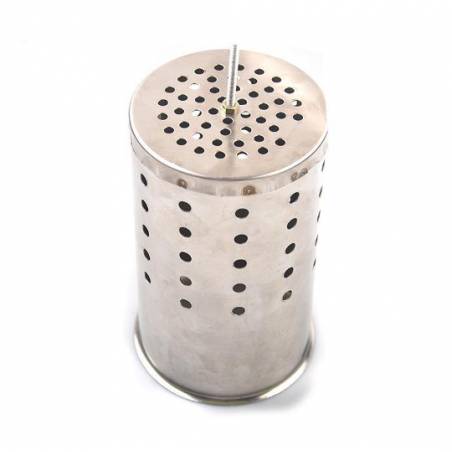
Depending on the model and the workplace, a spark guard, an internal grate, clean fuel, a spare bellows, a metal stand and a sturdy container for transporting the equipment only when it is switched off may be useful. It is also advisable to have water or the extinguishing agent required by local regulations.
Ensure that each accessory is compatible with the smoker's diameter, fittings and temperature. No spark guard completely eliminates the risk of fire: a cleared area, complete shutdown and compliance with restrictions are still required.