
-
Beehives
- Complete beehive
- Accessories
-
Nuc hives
- Nucs by format
- With bees & mating
- Spare parts
-
Bee equipment
- For the apiary
- For the beekeeper
-
Clothing
- Clothing Accessories
-
Beeswax
-
Pure beeswax
- Beeswax and foundation
- Beeswax foundations
- Melting and rolling beewax
-
Pure beeswax
-
Bee feed
- Accessories and source materials
- Utensils
-
Bee health
- Varroa Treatments
- Diseases control
- Nutraceuticals
-
Extraction and bottling
- Before extraction
- Honey extraction
- After extraction
-
Bee pollen
- Harvest
- Indicted
-
Honey packaging
- Flasks per utility
- Flasks by size
- Other packaging
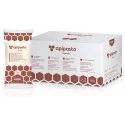 Apipasta with vitamins 15kg
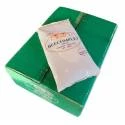 Beecomplet® Spring 14Kg
 Beekeeper suit with round veil
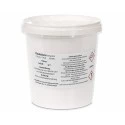 Oxalic acid 1kg
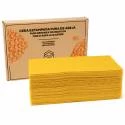 Beeswax Foundation 5kg
 Fresh royal jelly 20g
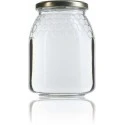 Classic honey jar 1kg comb-lines TO77 - Pack of 16 units
 Promotor L Apis 1 litre
Honey filling machines
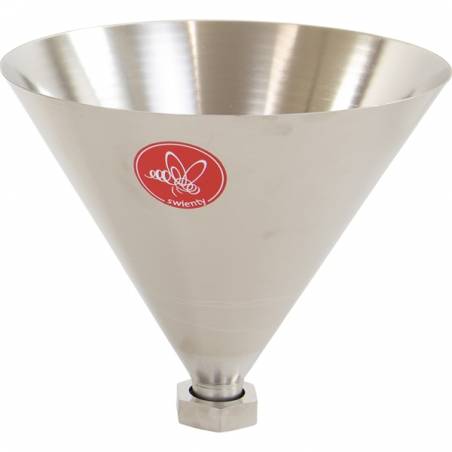
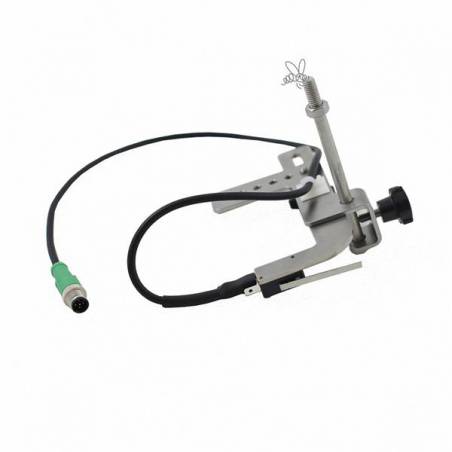
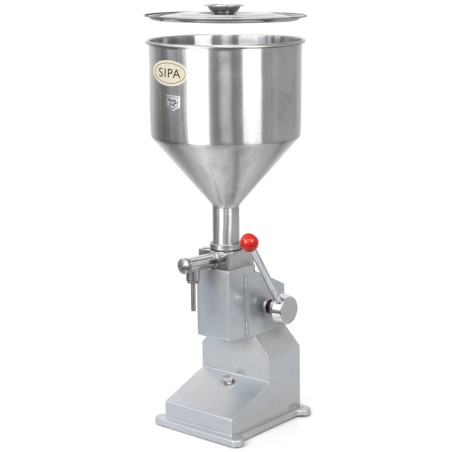
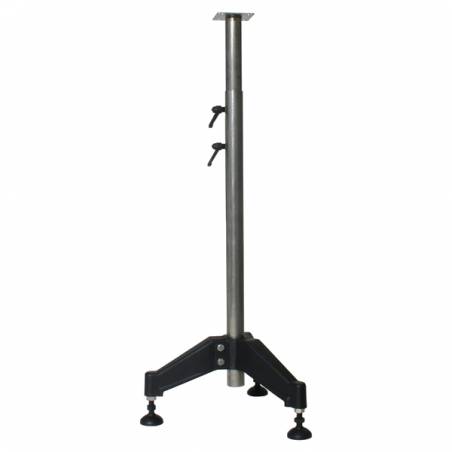
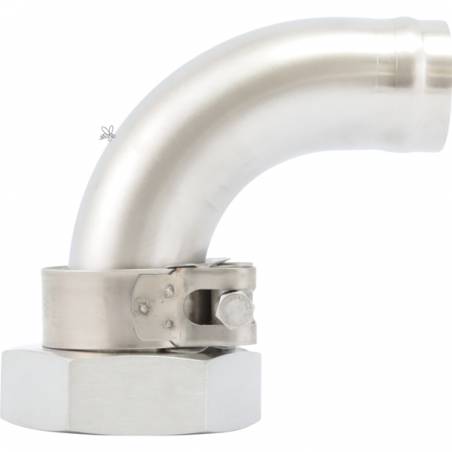
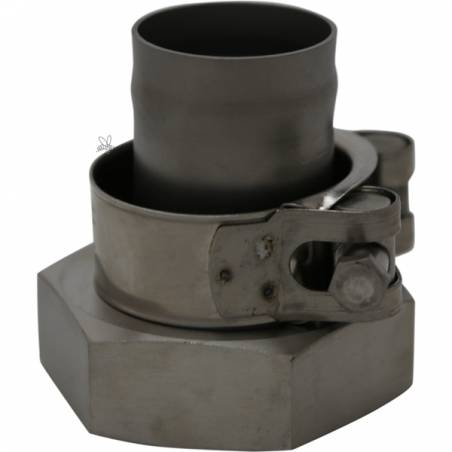
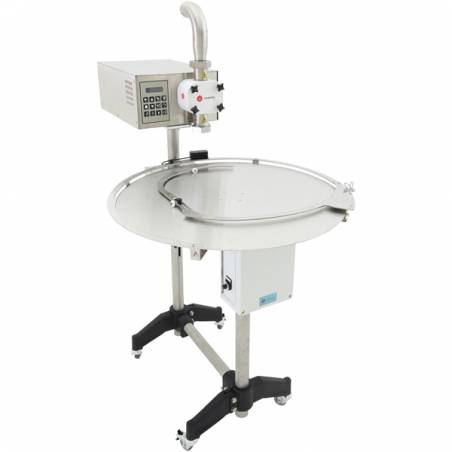
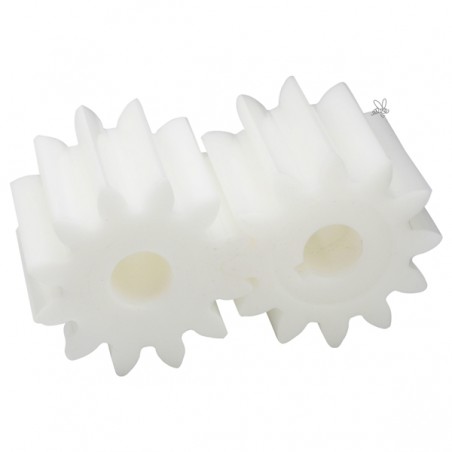
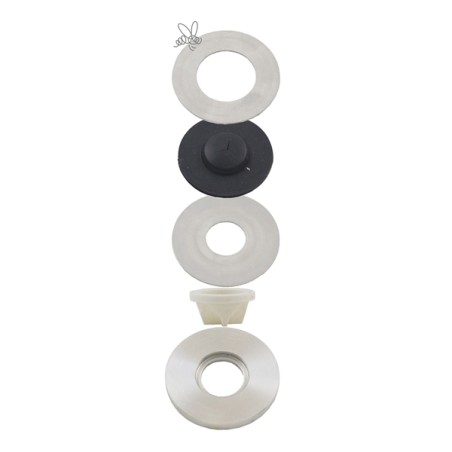
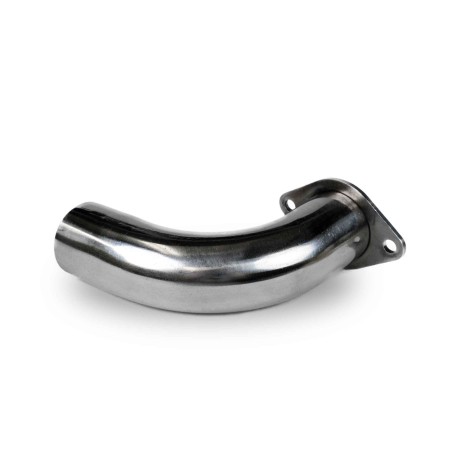
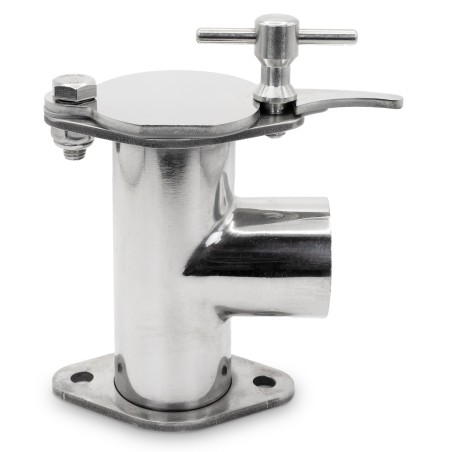
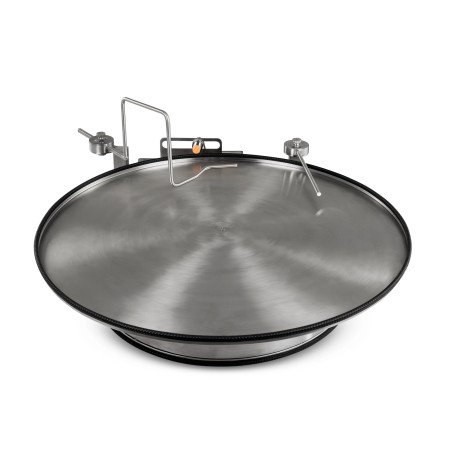
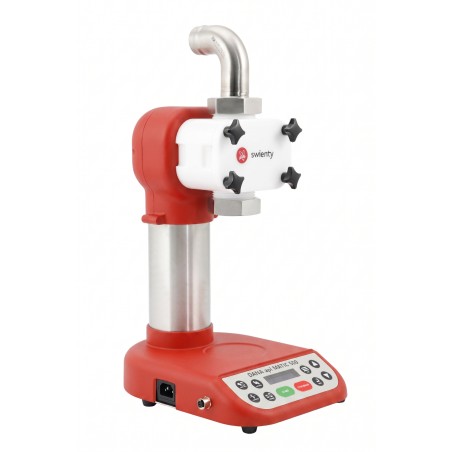
Honey filling and dosing machines from DANA, Fillomat, Swienty, Nassenheider and Lega, plus the spares that actually wear out: anti-drip nozzles, cut-off valves and diaphragms.
Packaging equipment type
Brand
Price
-
€5.00 - €133,100.00
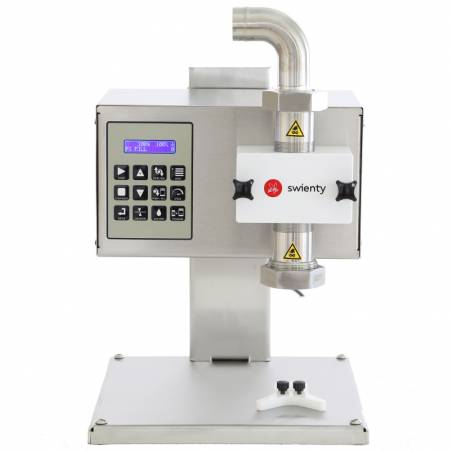
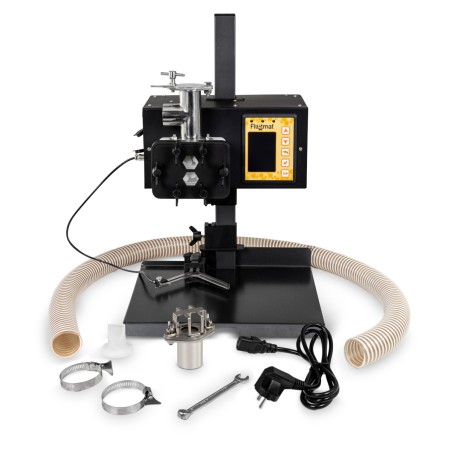
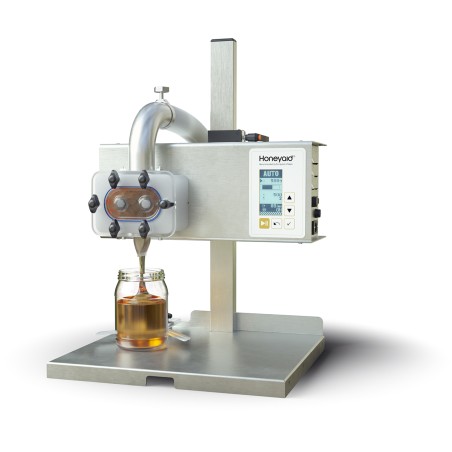
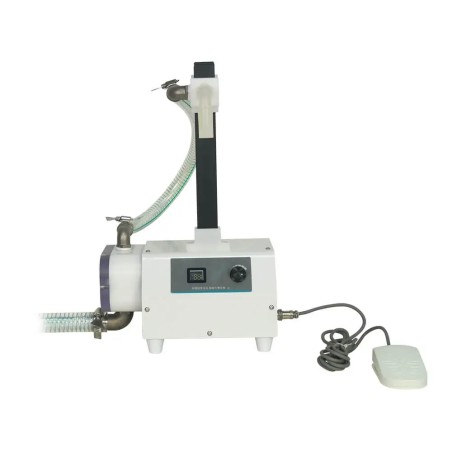
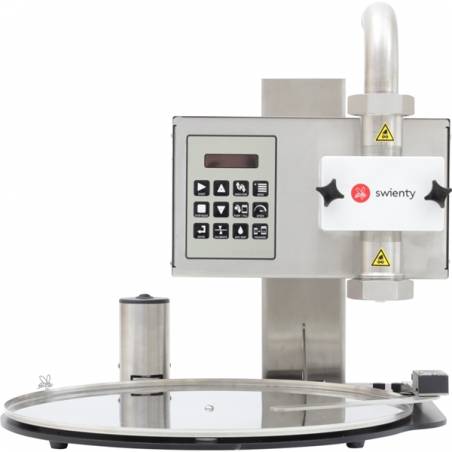
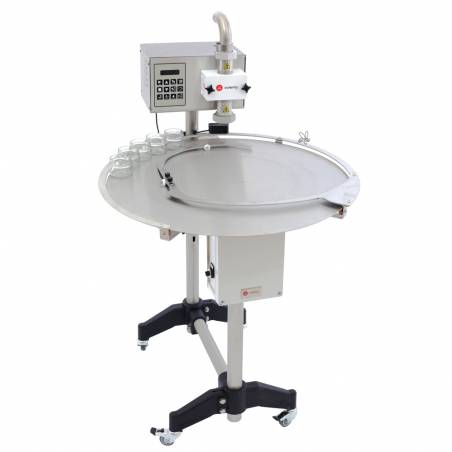
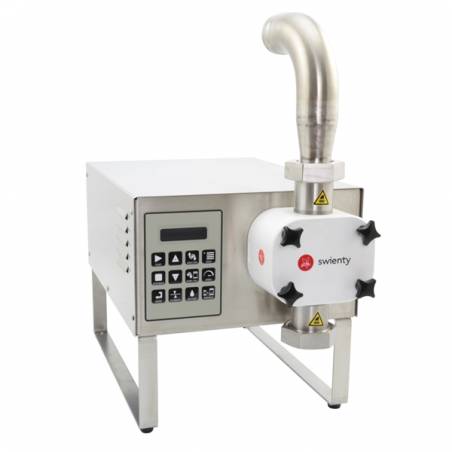
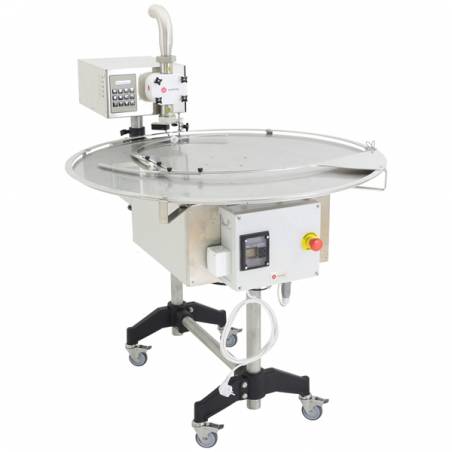
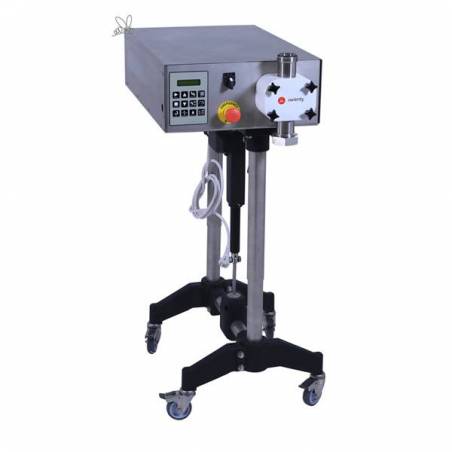
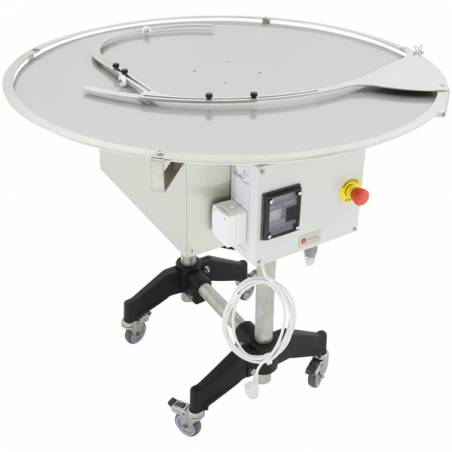
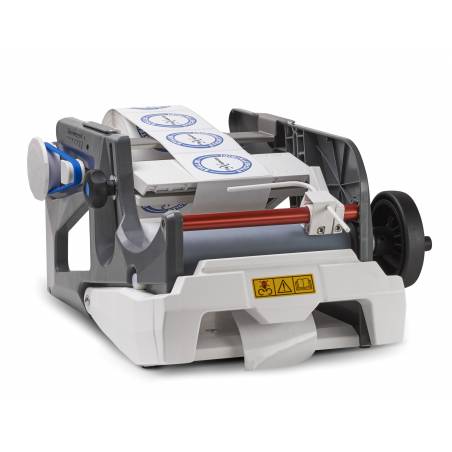
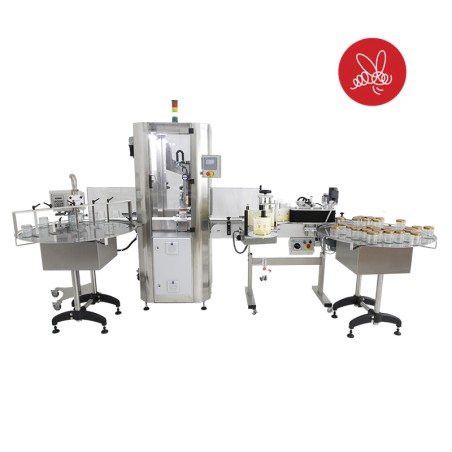
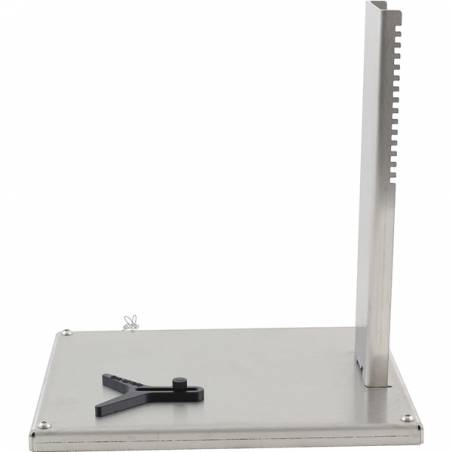
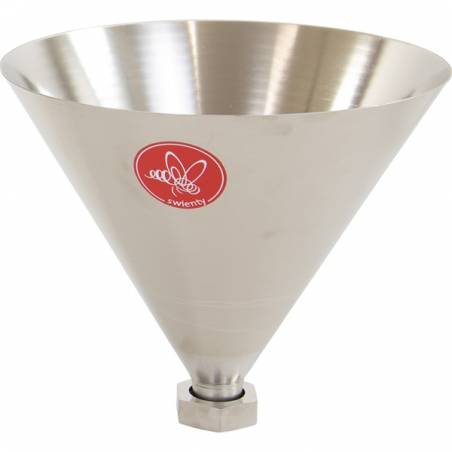
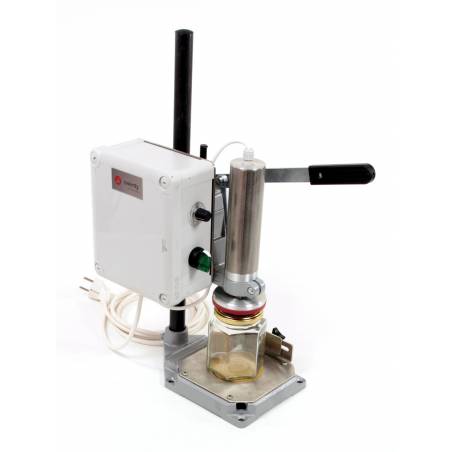
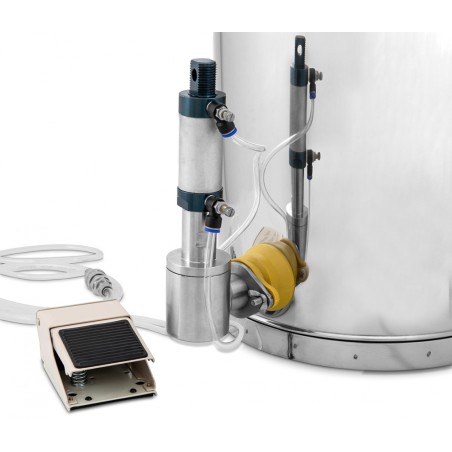
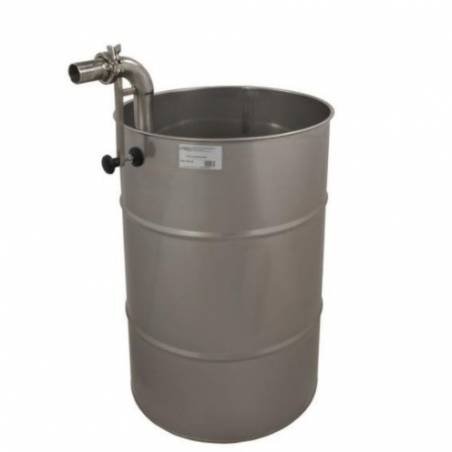
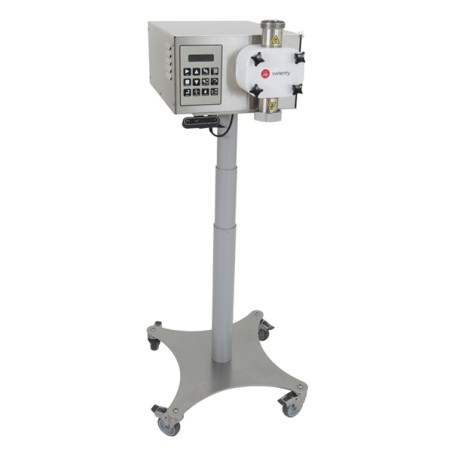
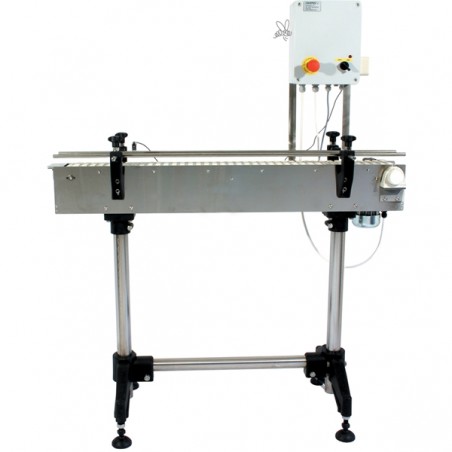
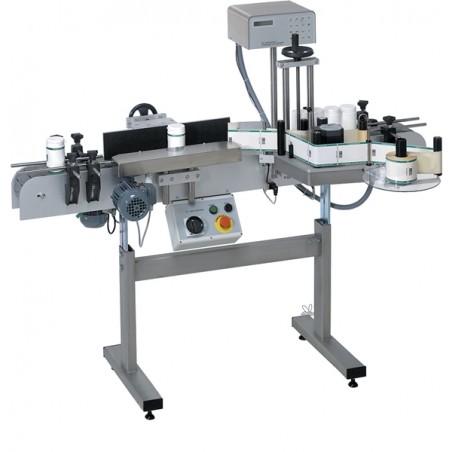
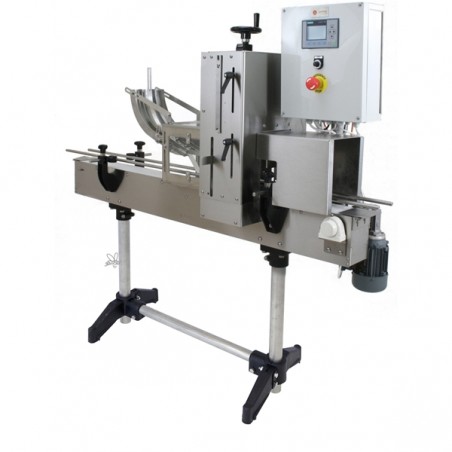
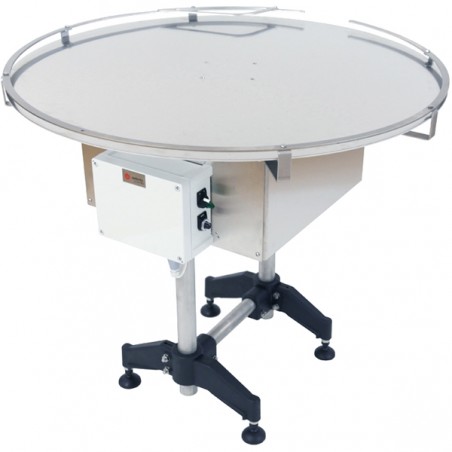
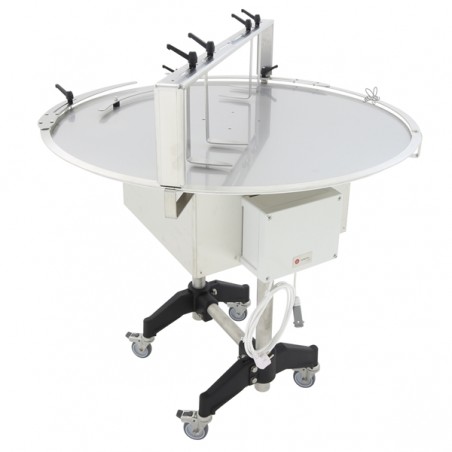
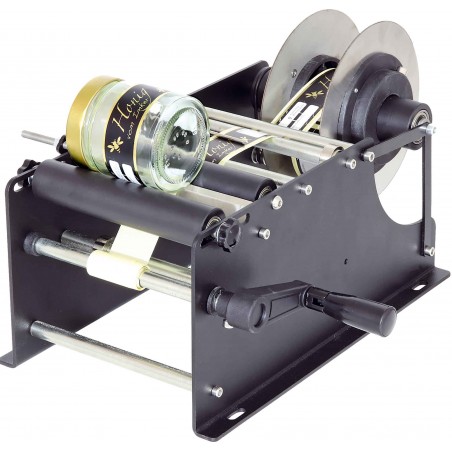
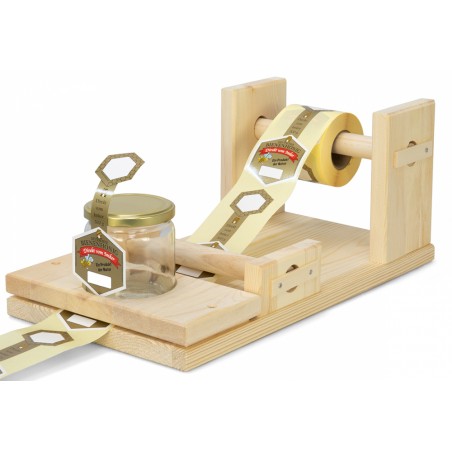
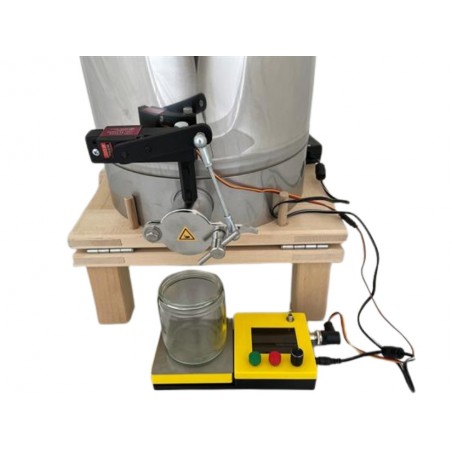
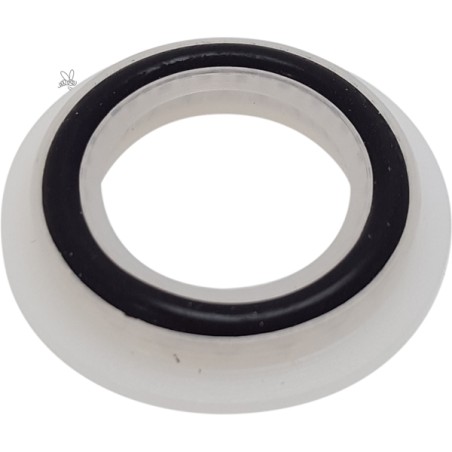
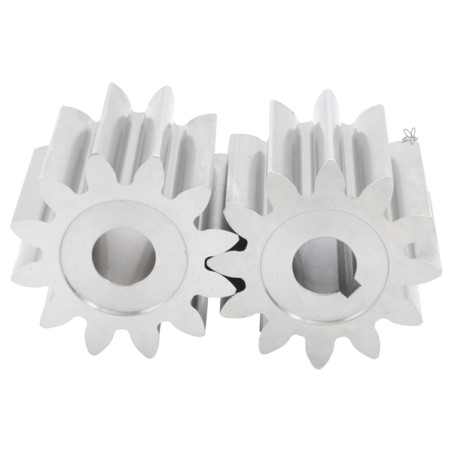
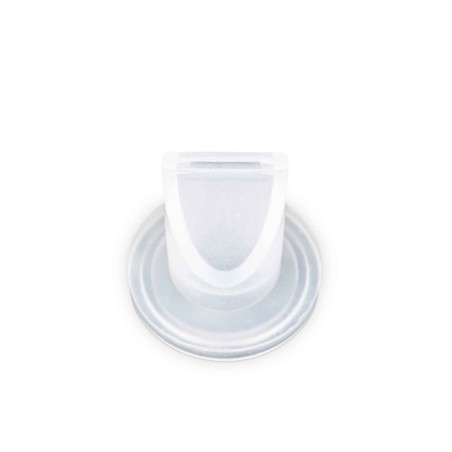
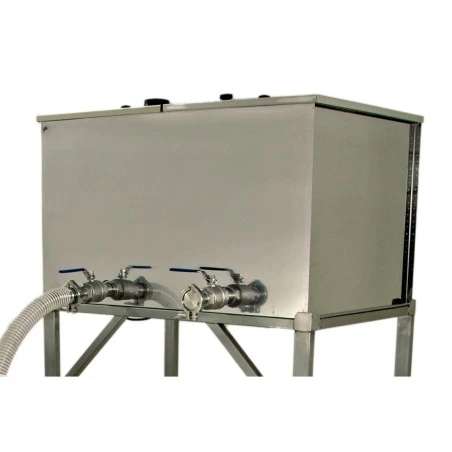
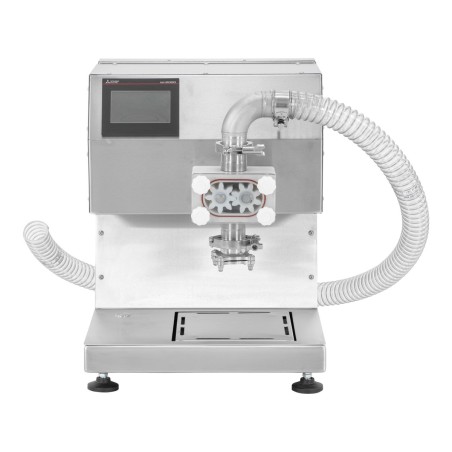
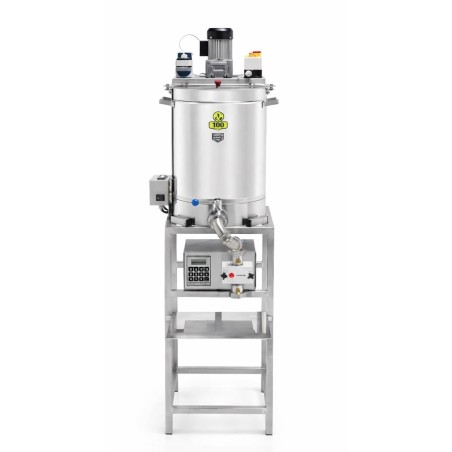
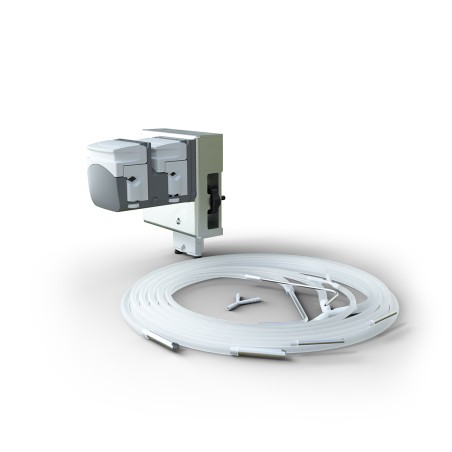
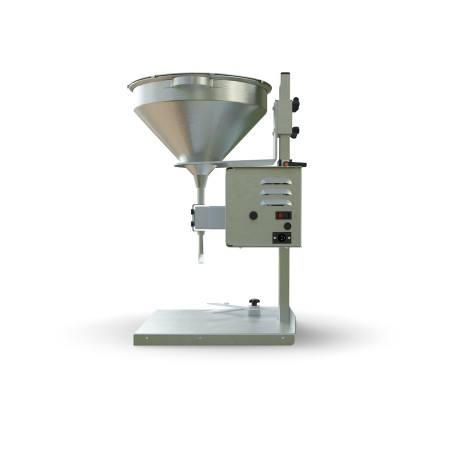
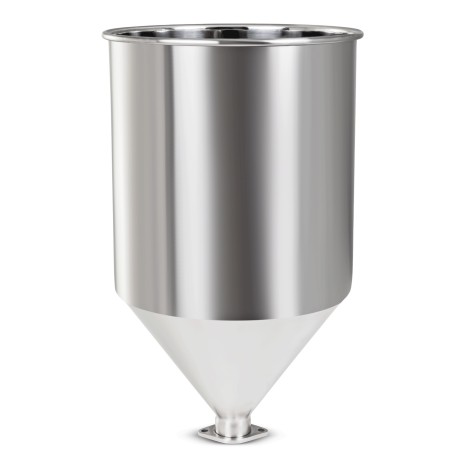
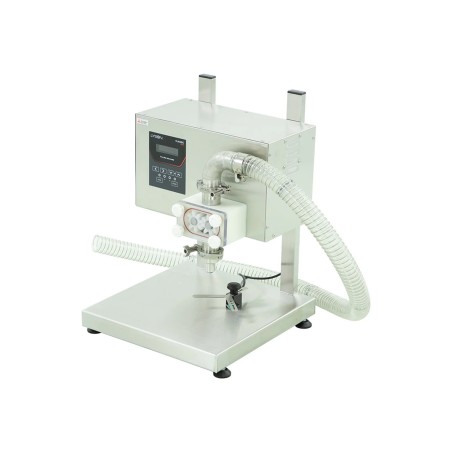
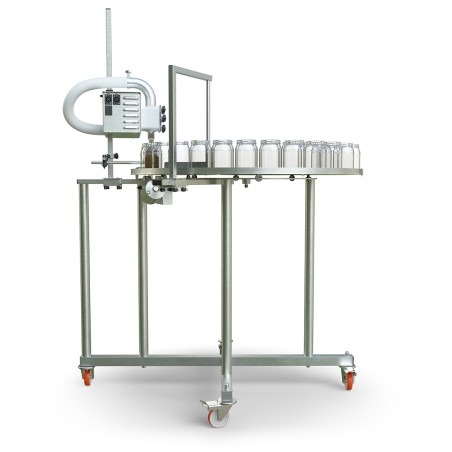
The filler is where the batch is born
It is bought on speed and dosing accuracy, and rightly so, but there is a consequence almost nobody looks at: what you fill in one run is what you will later be able to call a batch. Under RD 1808/1991 a batch groups units produced or packed in practically identical circumstances, and it is determined by whoever packs. In other words: every time you change vessel, honey or day, you are deciding where your traceability is cut.
So the filler is worth thinking about together with batching, not afterwards. A well-cut batch lets you separate harvests with different botanical profiles, isolate risk if a problem appears at one apiary, value a singular parcel properly and reduce analysis costs by grouping sensibly. A giant batch does the opposite: if something goes wrong, the whole season goes with it. And to be clear: neither the machine nor the marker pen gives you legal compliance; traceability depends on real records behind it.
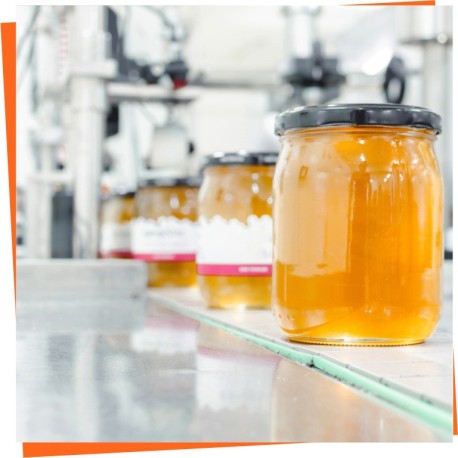
Honey filling machines
Filling honey by hand works until you stop enjoying it. The filler does not arrive because of volume: it arrives when dripping and the difference in fill between jars start costing you product and presentation.
Dripping is the problem, not the flow rate
Look at the catalogue and you will see half of it is anti-drip nozzles, cut-off valves and backflow valves, from €5.90. That is not a coincidence: honey is viscous and keeps falling after you close. A clean cut is what separates a presentable jar from one with a sticky neck, and what stops you losing a few grams on every fill — which over a thousand jars is kilos.
What to look at before the price
- What it doses by: volume or weight. Weight is what rules on the label, and honey changes density with temperature.
- Nozzle and shut-off: that anti-drip exists and that the nozzle matches your jar mouth. There are 20 mm nozzles and centring supports so the jar does not wobble.
- Cleaning: everything that touches honey has to come apart and be food-grade. A filler that is hard to clean stops being cleaned.
- Spares availability: diaphragms, valves and membranes are wearing parts. Before choosing a brand, check they can be ordered separately.
Before the filler comes the settling
Filling freshly extracted honey puts bubbles and foam in the jar. What fixes that is not the machine: it is letting it rest in a settling tank and skimming the foam off the top. And the jar you fill has its own criteria of mouth and capacity, in glass jars.
How should honey be prepared for filling?
Strained, rested and, if needed, warmed without exceeding 40 °C. Strain it through a 0.5 to 0.2 mm mesh, as packers do according to ¡Quiero ser apicultor!, rest it for one or two days in the settling tank and skim the foam without stirring it back in. If it is thick, warm it only as much as needed: fine crystals start to melt at about 28 °C, and heat raises HMF, which the law caps at 40 mg/kg (Spanish RD 1049/2003); fresh honey reaches that limit in 1–2 months at 40 °C and in 5–10 days at 50 °C (table in ¡Quiero ser apicultor!). If your filler doses by volume, always bottle at the same temperature: honey density changes with it.
How long should honey settle before filling?
One or two days in the settling tank, with the honey already strained: that is how long the foam and bubbles take to rise, and you skim them off without stirring before filling. The “few days to a few weeks” given in ¡Quiero ser apicultor! is for settling unfiltered drums, not for the rest before bottling. Keep the tank covered: above 60% relative humidity honey absorbs water from the air (Bogdanov), and above 18.5% water it can ferment (glossary of ¡Quiero ser apicultor!). A longer rest will not dry it: the legal maximum is 20% (Spanish RD 1049/2003).