
-
Beehives
- Complete beehive
- Accessories
-
Nuc hives
- Nucs by format
- With bees & mating
- Spare parts
-
Bee equipment
- For the apiary
- For the beekeeper
-
Clothing
- Clothing Accessories
-
Beeswax
-
Pure beeswax
- Beeswax and foundation
- Beeswax foundations
- Melting and rolling beewax
-
Pure beeswax
-
Bee feed
- Accessories and source materials
- Utensils
-
Bee health
- Varroa Treatments
- Diseases control
- Nutraceuticals
-
Extraction and bottling
- Before extraction
- Honey extraction
- After extraction
-
Bee pollen
- Harvest
- Indicted
-
Honey packaging
- Flasks per utility
- Flasks by size
- Other packaging
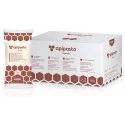 Apipasta with vitamins 15kg
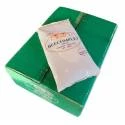 Beecomplet® Spring 14Kg
 Beekeeper suit with round veil
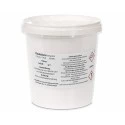 Oxalic acid 1kg
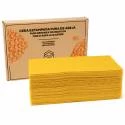 Beeswax Foundation 5kg
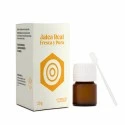 Fresh royal jelly 20g
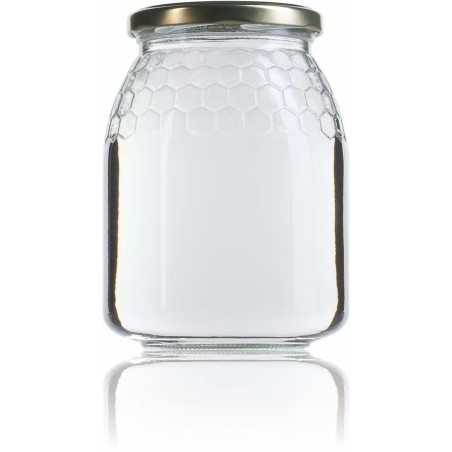
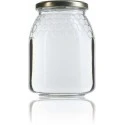 Classic honey jar 1kg comb-lines TO77 - Pack of 16 units
 Promotor L Apis 1 litre
Large glass jars
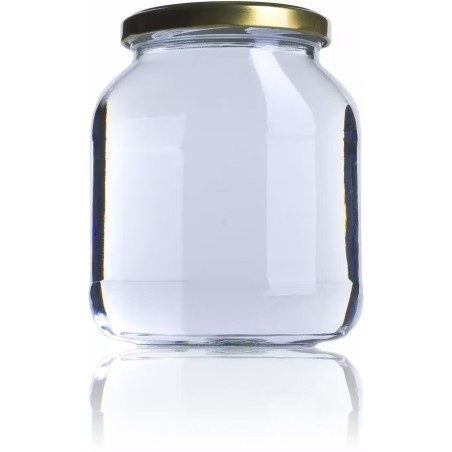
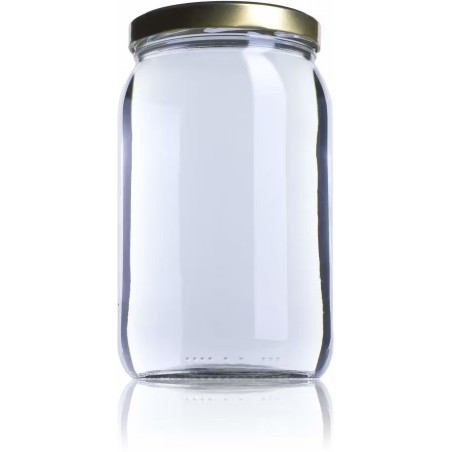
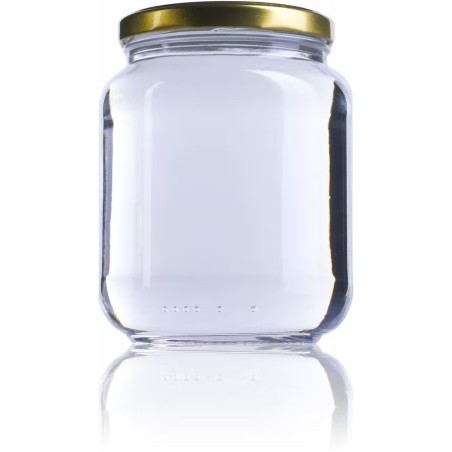
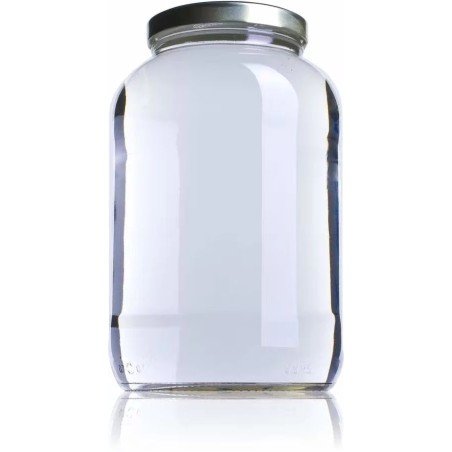
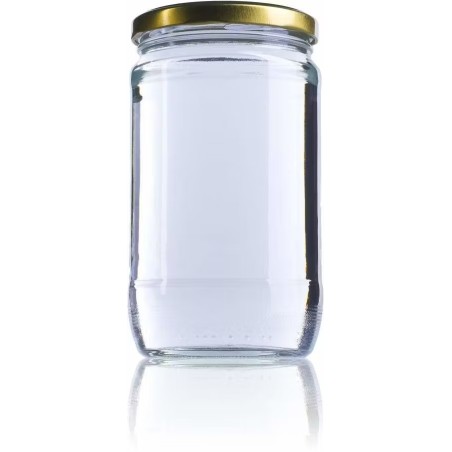
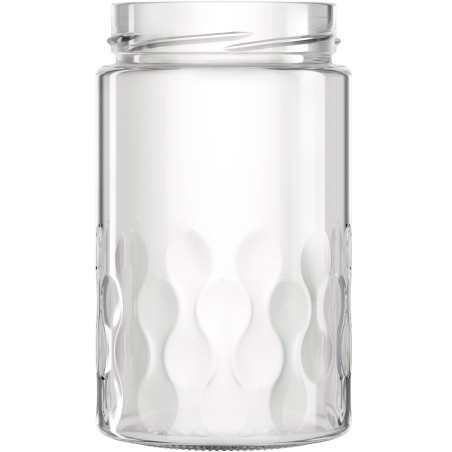
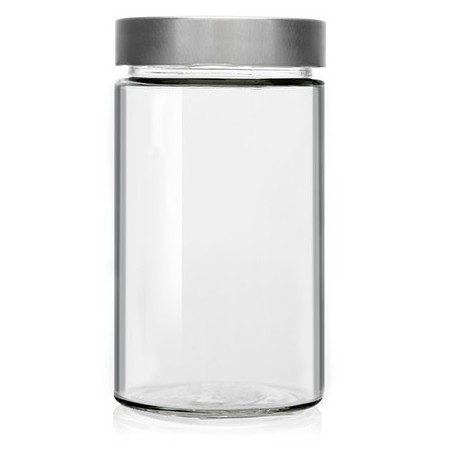
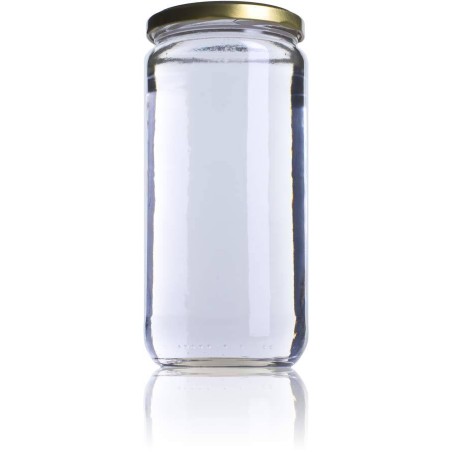
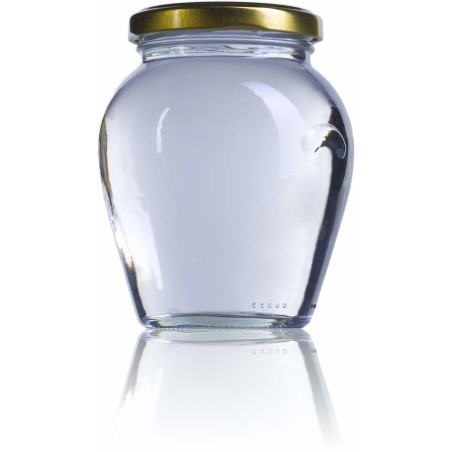
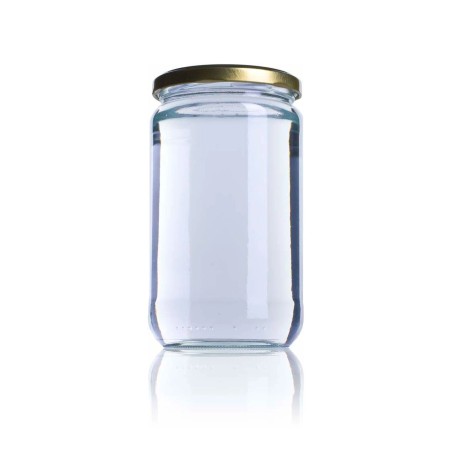
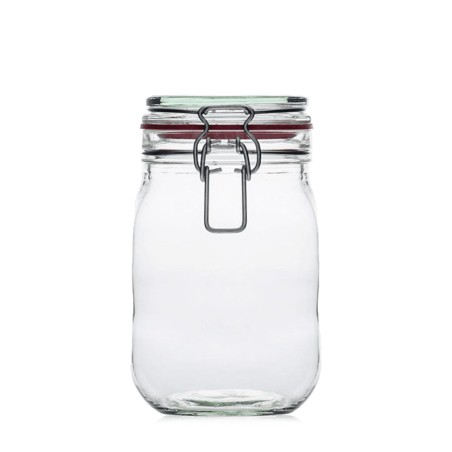
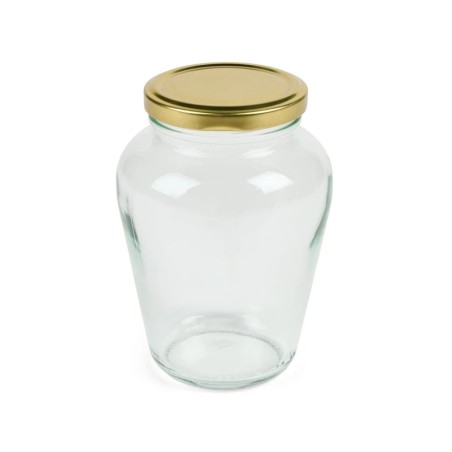
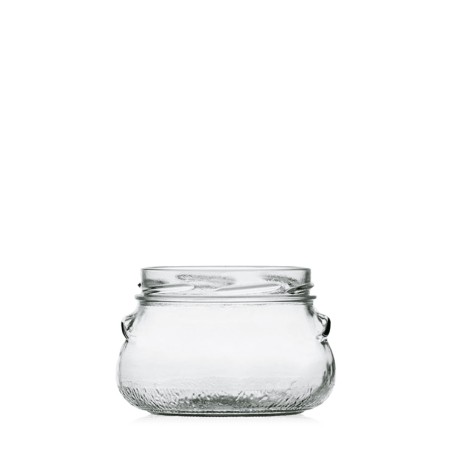
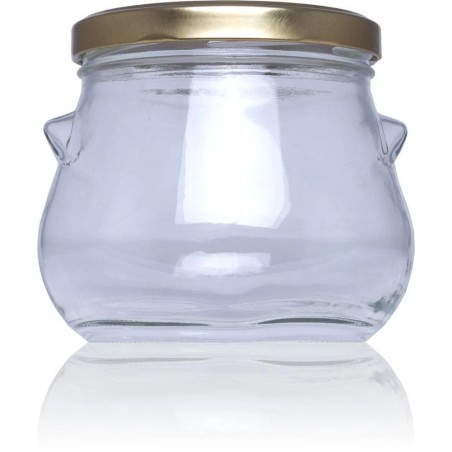
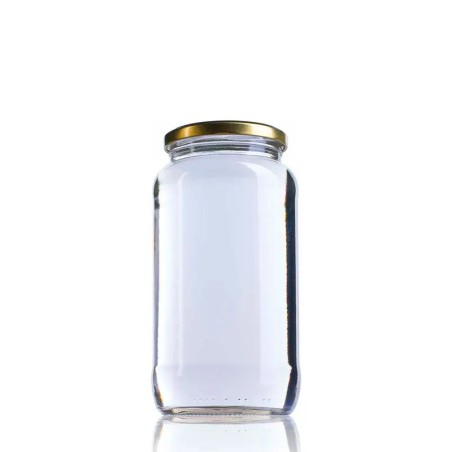
Large glass jars, from half a kilo to a kilo of honey: honeycomb TO77 and TO82, Apiari 1 kg deep mouth, Normalisse N720 and 640 and 850 ml tubs.
Capacity
Finish
Price
-
€6.00 - €48.00
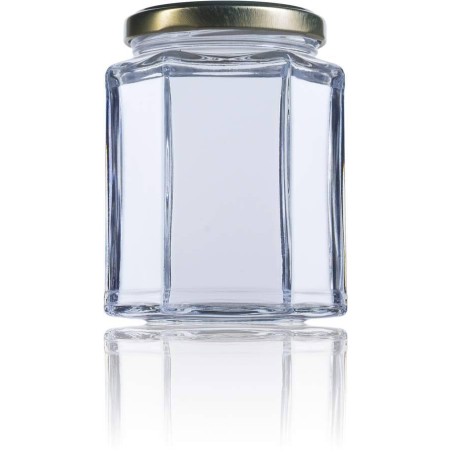

The big jar is not for winning customers: it is for the ones who already come back
Someone trying you for the first time almost never takes a kilo: they take the small one, because they do not yet know whether they will like your honey. The large format is bought by someone who already knows. That is why it works as a repeat-purchase product, not an acquisition one, and why it is worth stocking but not putting up front at a market: the small jar opens the door and the big one keeps it open.
And there is something worth explaining to the customer taking a kilo: they will see it crystallise before they finish it. That is normal — almost all honeys crystallise — but in a big jar it shows more because it takes months to use up, and someone who does not know assumes it has gone off. Telling them at the point of sale, and explaining that it recovers in a gentle bain-marie without overheating, avoids the «you sold me bad honey» call and turns a doubt into trust.
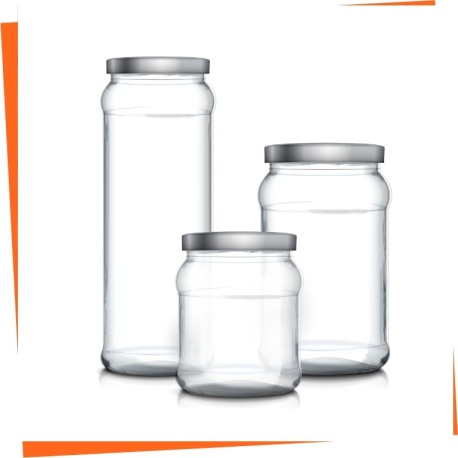
Large glass jars
Here the name misleads if you do not have the conversion in your head. Honey weighs about 1.4 times its volume, so a 720 ml jar is sold as 1 kg and a 500 ml one as 700 g. That is why the catalogue names mix the two units.
What is in this range
- 1 kg honeycomb jar, in TO77 and TO82 — the honey classic, with hexagonal relief. The pack of 16 comes to €7.99, about €0.50 a jar.
- Apiari 1 kg TO82 Deep and Aura — deep mouth, more slender. Careful: a deep mouth does not take a standard lid of the same number.
- Normalisse N720 TO82 — the standardised 720 ml format, the classic kilo.
- 640 and 850 ml TO100 tubs — wide mouth, for crystallised or creamed honey that has to come out with a spoon.
- Saldae 520 ml TO66 — the generous half kilo.
When large is not the best idea
A kilo of honey takes a while to get through, and with the jar open honey takes on moisture from the air above 60 % relative humidity. For direct sales the kilo works; for gifts and tasting, the small format gets finished sooner and arrives in better condition. And if you are packing a lot, look at buying by pallet: the price per jar drops to less than half.
The wide mouth on the 640 and 850 has an advantage you notice: crystallised honey comes out without a fight. If your honey sets fast — rosemary, sunflower, rape — that detail is worth more than the styling.
What are large glass jars used for?
They are used to store honey, dry foods, ingredients, preserves or for decorative displays, provided the jar, lid and process are suitable for that purpose. Their wide mouth makes them easier to fill and clean, but also increases their weight and makes them more difficult to handle.
Not all jars are suitable for heat treatment, vacuum sealing or pressure canning. Before using them for preserving, check their food-grade suitability, maximum temperature, sealing system and whether there is a tried-and-tested recipe for that capacity. A decorative jar may be suitable for dry goods but not for preserving.
What capacities are available for large glass jars?
The current range spans approximately half a litre to almost four litres, with sizes including around 580 ml, 1–2 litres and 3.895 litres. Availability and dimensions vary by model, so please check the current product specifications.
When choosing, compare the usable volume, mouth diameter, height, empty weight and lid. Also calculate the weight of the contents: a jar of several litres filled with honey can easily exceed 5 kg and require a suitable surface, handling and packaging.
Are large jars with lids suitable for food?
Only if the product is intended and certified for food contact under the intended conditions of use. The glass, the lid, the sealing compound and any gaskets form a single unit; it is not sufficient for the container to be made of glass alone.
Check the product information sheet, symbol or declaration of use, permissible temperature and type of food. A tight-fitting lid reduces the ingress of dirt, but does not guarantee a vacuum, permanent airtightness or reusability. In the event of heat treatment or prolonged storage, follow the manufacturer’s specific instructions.
How do you clean large glass jars?
First, check for knocks and cracks. Wash with warm water and washing-up liquid, using a brush that reaches the bottom and sides without knocking against the glass; rinse thoroughly and leave to dry upside down on a stable surface. Dishwasher use is only suitable if the product is suitable for this.
Avoid sudden changes in temperature and do not pour boiling liquid into a cold jar. If the jar is to be used for preserving food, cleaning does not replace the preparation and processing required by a validated recipe. Store lids and seals clean and dry, checking for warping or corrosion.
Can large glass jars be used for fermentation?
Only if the container and its lid are designed for fermentation. Gas is produced during the process; a sealed jar with no vent may build up pressure, leak or break. Use a system with an airlock or controlled vent, and ensure there is sufficient capacity to accommodate foam and expansion.
A large size does not in itself guarantee a safe process: the recipe, salinity or acidity, temperature and hygiene all play a part. Follow a validated guide for food preparation and do not improvise with a conventional airtight lid. If the glass is chipped or the lid cannot withstand pressure, choose a dedicated fermenter.