
-
Beehives
- Complete beehive
- Accessories
-
Nuc hives
- Nucs by format
- With bees & mating
- Spare parts
-
Bee equipment
- For the apiary
- For the beekeeper
-
Clothing
- Clothing Accessories
-
Beeswax
-
Pure beeswax
- Beeswax and foundation
- Beeswax foundations
- Melting and rolling beewax
-
Pure beeswax
-
Bee feed
- Accessories and source materials
- Utensils
-
Bee health
- Varroa Treatments
- Diseases control
- Nutraceuticals
-
Extraction and bottling
- Before extraction
- Honey extraction
- After extraction
-
Bee pollen
- Harvest
- Indicted
-
Honey packaging
- Flasks per utility
- Flasks by size
- Other packaging
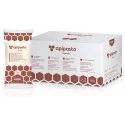 Apipasta with vitamins 15kg
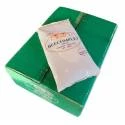 Beecomplet® Spring 14Kg
 Beekeeper suit with round veil
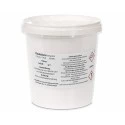 Oxalic acid 1kg
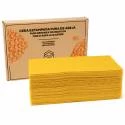 Beeswax Foundation 5kg
 Fresh royal jelly 20g
 Classic honey jar 1kg comb-lines TO77 - Pack of 16 units
 Promotor L Apis 1 litre
Plastic packaging
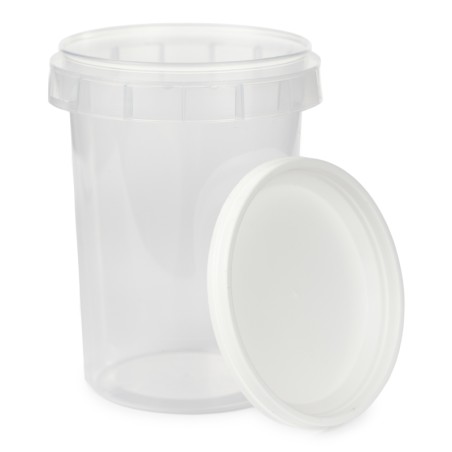
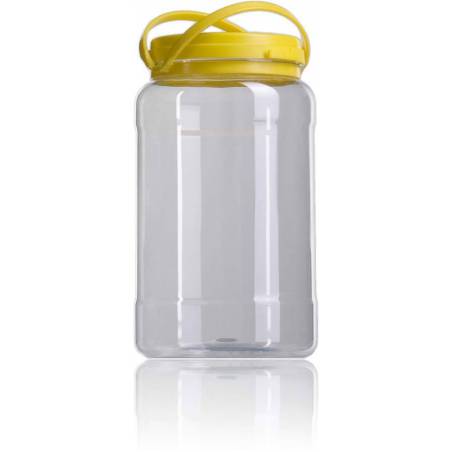
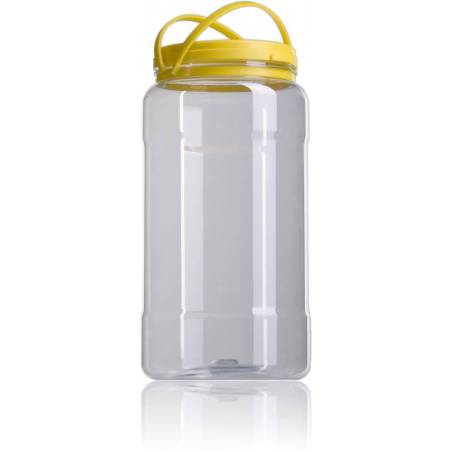
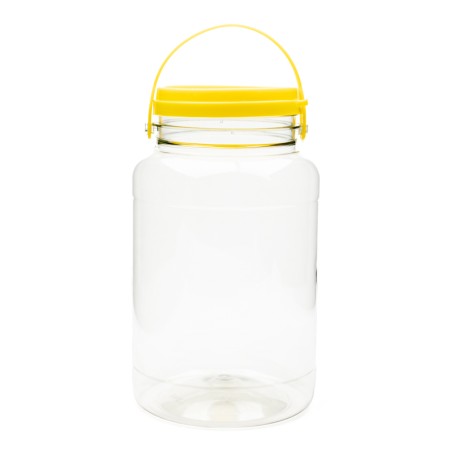
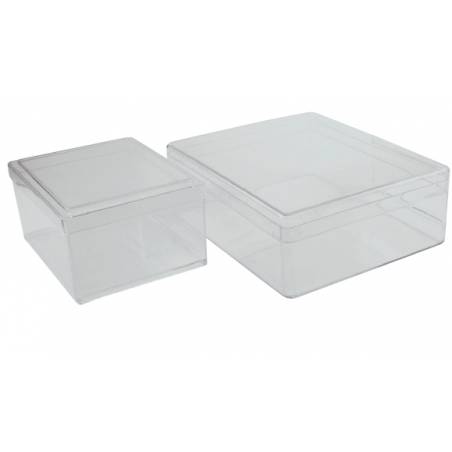
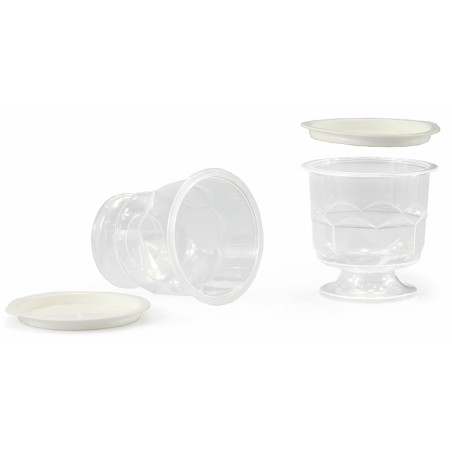
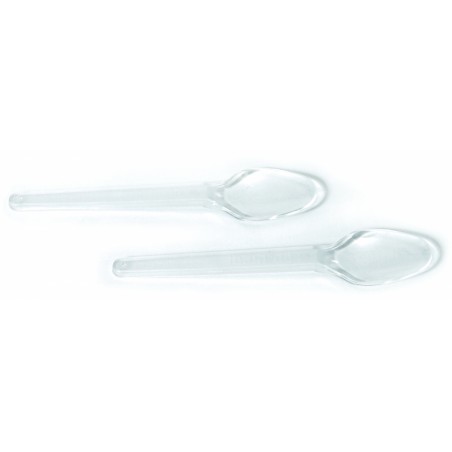
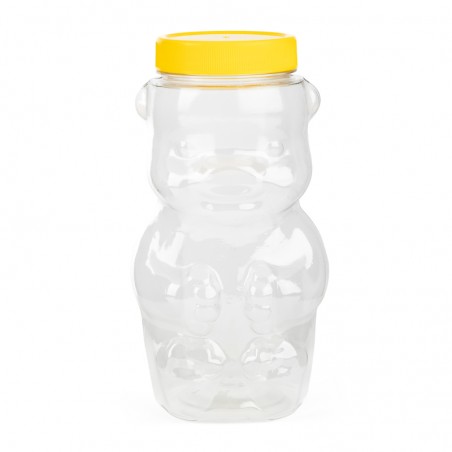
Food-grade plastic tubs for honey in 250, 500 and 1000 g, from €0.30 a unit in packs of 100, plus tasting spoons and cups and comb boxes.
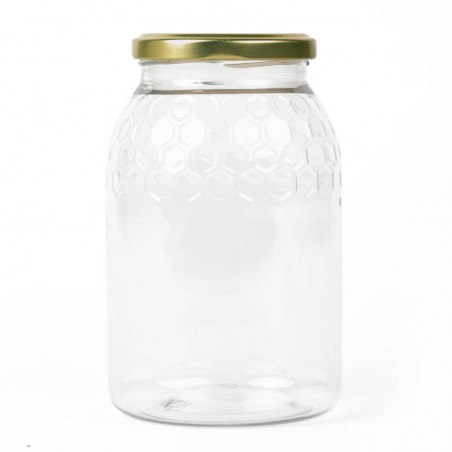
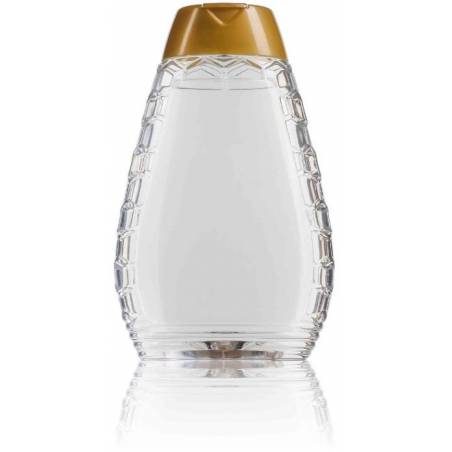
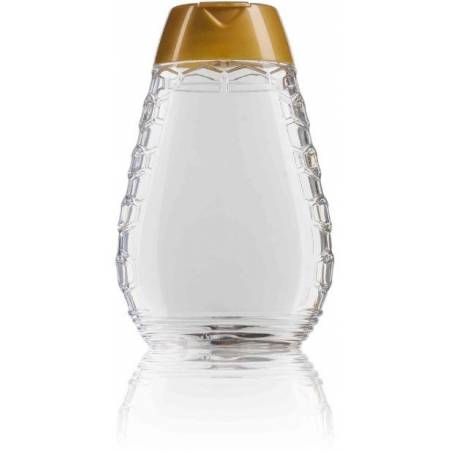
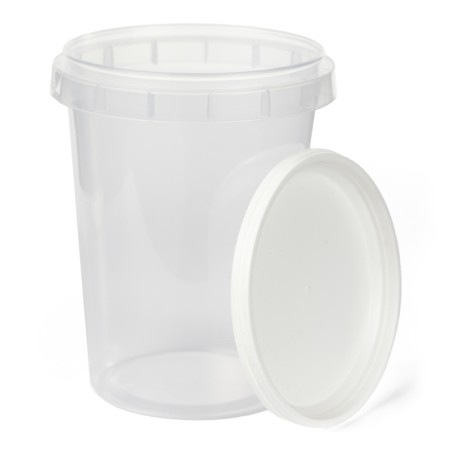
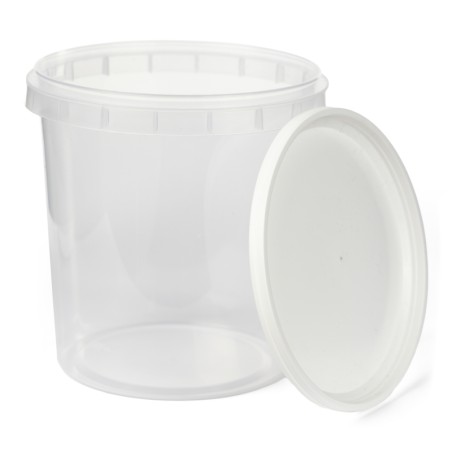
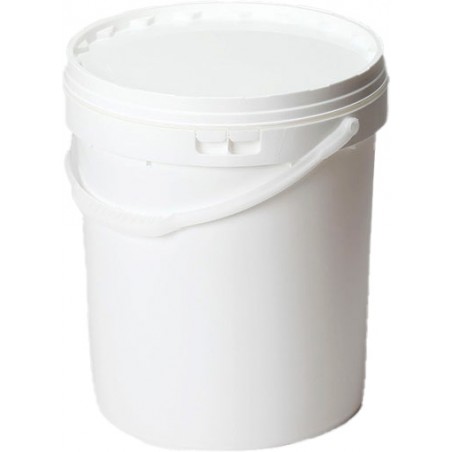
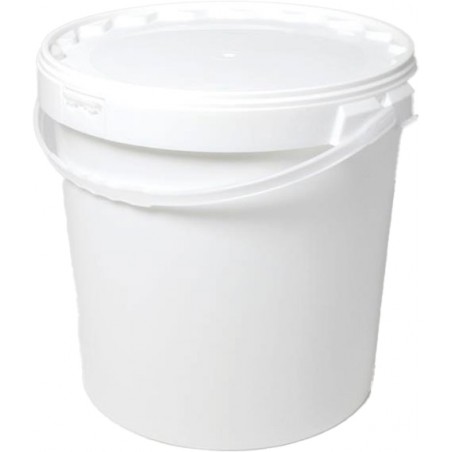
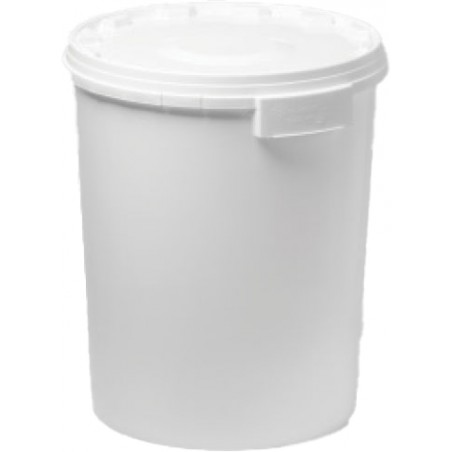
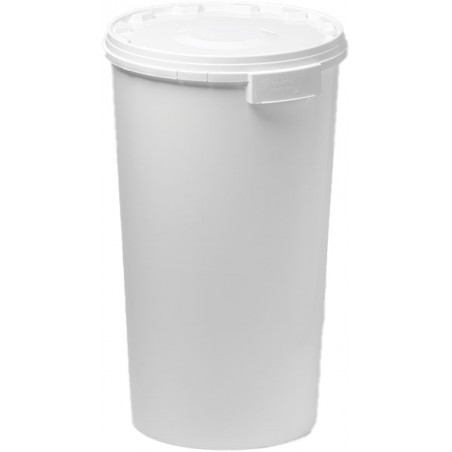
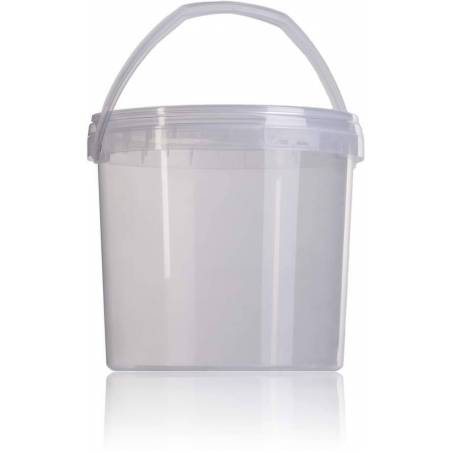
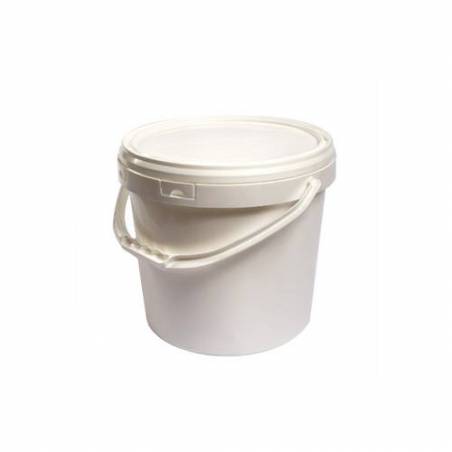
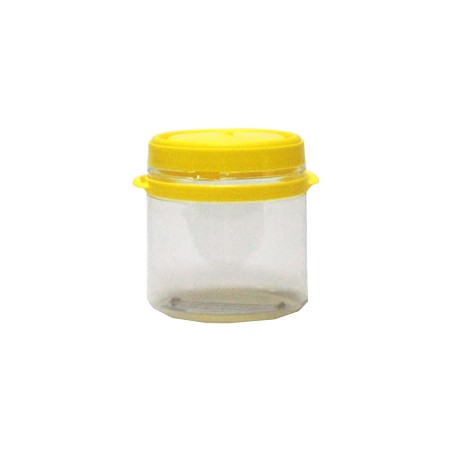
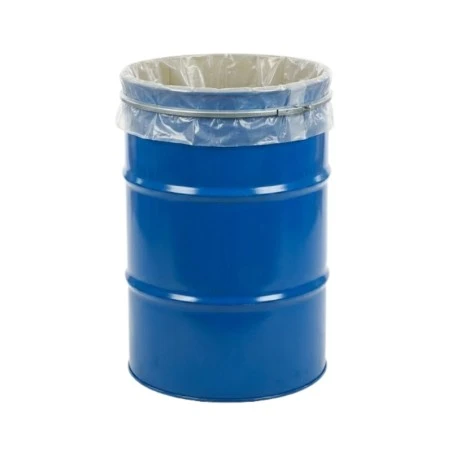
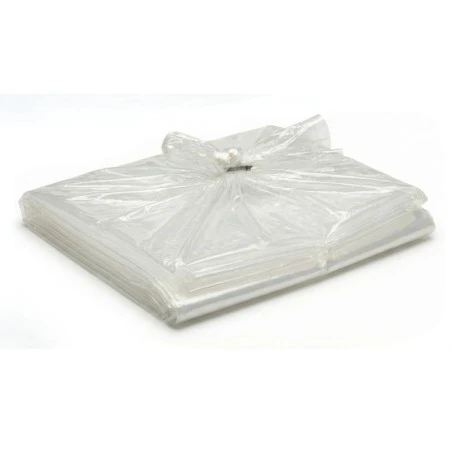

Plastic is for moving honey, not for keeping it
It has advantages glass will not take away: it weighs far less, it does not break in transit, it cuts shipping cost and it is the sensible option for a fair, a delivery round or a large format. If you sell at markets and carry boxes all day, the weight difference is not comfort, it is your back. And for bulk between workshop and professional customer there is nothing to discuss: food-grade plastic is the working container.
That said, I do not sell it for what it is not. For a jar that sits for months on a shelf or in a shop display, glass still wins: it gives nothing to the contents, takes on no smells and stands the passage of time better, no argument. And in the customer's perception it weighs more than you would think — the same product in glass fetches a different price. My criterion is simple: plastic for volume and movement, glass for branded retail. And with either, the closure must seal first time; without vacuum, honey takes on moisture and ferments.
Plastic packaging
Plastic is not "the cheap container": it is the one that solves two problems glass does not. And it has a limitation to know about before ordering.
Where it wins
- Weight. For courier shipping and market selling, freight and your arm both count. An order of a hundred glass jars and one of a hundred plastic tubs are not the same journey.
- Breakage. None. No transport losses, no glass in a batch, no returns for arriving damaged.
- Unit price. NICOT® tub of 250 g at €0.30, 500 g at €0.39 and 1000 g at €0.49, in packs of 100. Compare it with the equivalent glass and add what you save on freight and breakage.
Where it loses
It is not for hot filling. If your process involves temperature, glass with a pasteurisable lid is the way. And on a shop shelf or as a gift, glass says something else: the same honey is perceived differently depending on the container, and that is a commercial fact too.
What is worth buying here even if you pack in glass
Tasting spoons (from €0.04), 30 g tasting cups (from €0.19) and clear boxes for comb honey. They are food-grade plastic with no glass alternative: they exist so the honey gets tasted, which is what actually sells it at a market.
The full packaging range, with glass, lids and labels, is in honey packaging.
Plastic or glass for packing my honey?
It depends what for. Food-grade plastic wins on weight, does not break in transit and cuts shipping cost: it is the sensible option for fairs, delivery rounds, large formats and bulk between workshop and professional customer.
Glass wins for the jar that sits months on a shelf: it gives nothing to the contents, takes on no smells, and in the customer's perception it counts for more than you would think — the same product fetches a different price. My criterion: plastic for volume and movement, glass for branded retail. With either, the closure must seal first time; without vacuum, honey takes on moisture and ferments.