
-
Beehives
- Complete beehive
- Accessories
-
Nuc hives
- Nucs by format
- With bees & mating
- Spare parts
-
Bee equipment
- For the apiary
- For the beekeeper
-
Clothing
- Clothing Accessories
-
Beeswax
-
Pure beeswax
- Beeswax and foundation
- Beeswax foundations
- Melting and rolling beewax
-
Pure beeswax
-
Bee feed
- Accessories and source materials
- Utensils
-
Bee health
- Varroa Treatments
- Diseases control
- Nutraceuticals
-
Extraction and bottling
- Before extraction
- Honey extraction
- After extraction
-
Bee pollen
- Harvest
- Indicted
-
Honey packaging
- Flasks per utility
- Flasks by size
- Other packaging
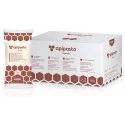 Apipasta with vitamins 15kg
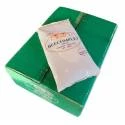 Beecomplet® Spring 14Kg
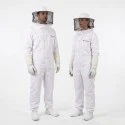 Beekeeper suit with round veil
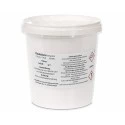 Oxalic acid 1kg
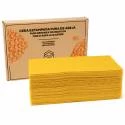 Beeswax Foundation 5kg
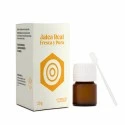 Fresh royal jelly 20g
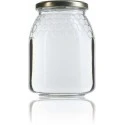 Classic honey jar 1kg comb-lines TO77 - Pack of 16 units
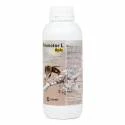 Promotor L Apis 1 litre
Honey Candies
Sweets and pearls made with real honey: 15 % honey in both the plain and the eucalyptus ones, plus honey pearls with propolis. In 2 kg bags for sale by weight, and an artisan lollipop from €0.39 for the counter.
Honey Candies
Welcome to Honey Candies, made by traditional methods with natural honey. In this category you will find sweets and confectionery made with honey, in bulk formats intended both for your own consumption and for resale in a shop, at a market or on a fair stand.
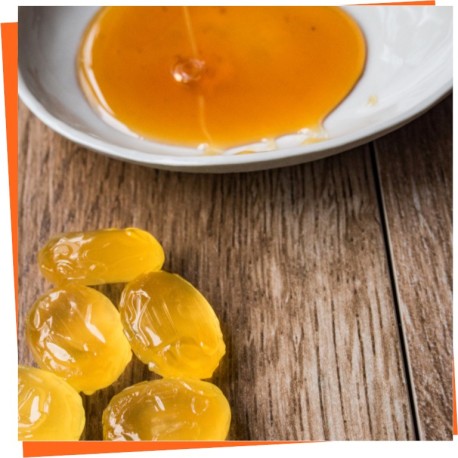
The hard candies in this range contain 15% honey, a proportion you can taste and see in the amber colour of the sweet. The full ingredient list and nutritional data are printed on the packaging of each reference.
Main Products in the Honey Candies Category
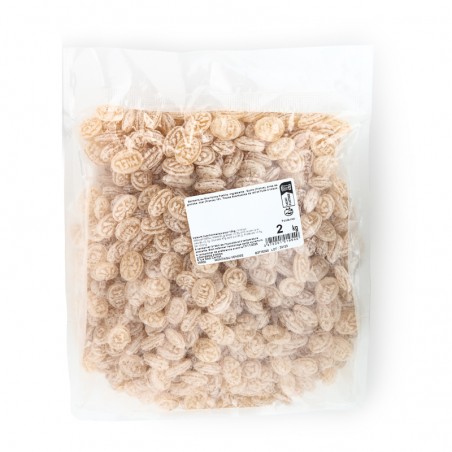
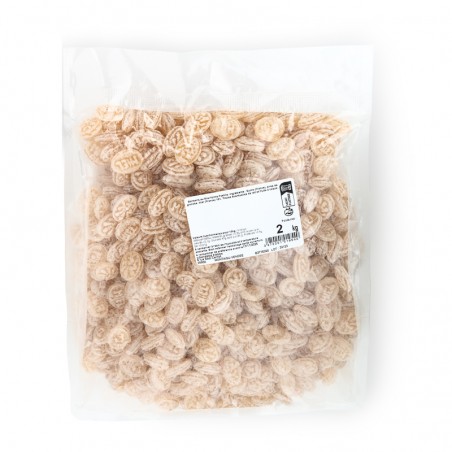
- Honey Candies with 15% Raw Honey - 2kg bag: classic hard candy with 15% honey. Clean honey flavour, with no added aromas. 2 kg format.
- Honey and Eucalyptus Candies (15% Honey) - 2kg Bag: the same candy base with 15% honey, flavoured with eucalyptus. Fresh, minty taste. 2 kg format.
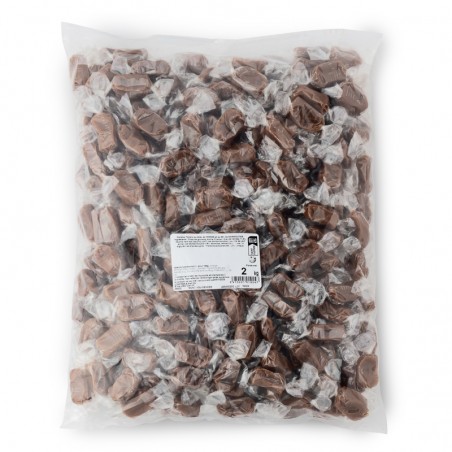
- Honey Soft Toffee Candies - 2kg Bag: soft, chewy toffee, creamier than hard candy. 2 kg format.
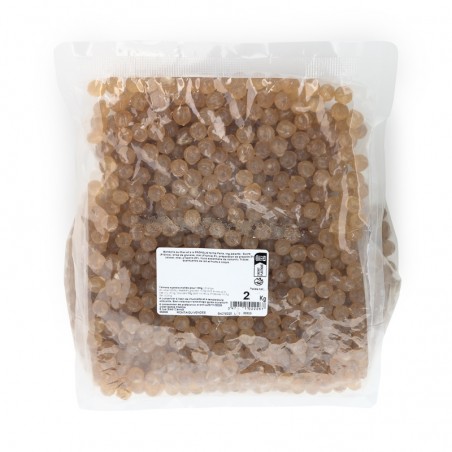
- Honey and Propolis Pearls - 2kg Bag: small pearls combining honey and propolis. The propolis brings a resinous, slightly bitter note that contrasts with the sweetness of the honey. 2 kg format.
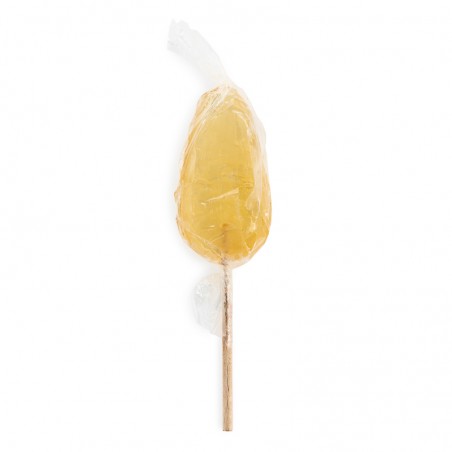
- Honey lollipop: artisan-made lollipop with honey, sold individually. A good option for the counter and for gifts.
The 2 kg format and resale
The 2 kg bags are designed for selling loose: in a beekeeping shop, at a market or on a fair stand. The price per kilo is far lower than pre-bagged sweets, and you decide the final format. If you repack for resale, remember that the label must comply with Regulation EU 1169/2011: product name, ingredient list, allergens, net weight, batch and packer details. Suitable label stock is available in our Honey labels category.
Store the candies somewhere cool and dry, away from direct light: humidity is what makes hard candy clump together and softens toffee more than it should.
What is in honey sweets?
Real honey, in a stated proportion: 15 % honey in both the plain and the eucalyptus ones. There are also honey pearls with propolis.
That percentage is what separates them from a «honey-flavoured» sweet, where the honey can be token or simply flavouring. They are sold in 2 kg bags for sale by weight, and there is an artisan lollipop from €0.39 for the counter.
Do honey sweets contain added sugar?
It depends on the product. In many hard sweets, sugar and glucose syrup form the base and honey is incorporated in a declared proportion; in the current range there are products indicating around 15% honey. Other formats, such as toffees or lollipops, have different formulations.
Always check the ingredients list and the nutritional information of the specific product. Being called a 'honey sweet' does not mean it is made solely with honey nor does it allow the claim 'no added sugars' unless stated on the label.
What do honey and propolis candies contain?
They usually combine a sugar or glucose syrup base with honey and a propolis preparation; some references add flavourings, plant extracts, acidulants or other ingredients. The quantities and type of extract vary, so the valid composition is the one on the label.
Check allergens, warnings and consumption conditions, especially if there is sensitivity to hive products. Propolis does not change the food category of the candy: any claim must be authorised and supported by the label.
How should honey candies be stored to prevent them from becoming moist?
Keep them in their tightly sealed container, in a cool, dry place, away from sunlight and heat sources. Sugars are hygroscopic: they absorb moisture from the environment, which makes the surface sticky and can cause the pieces to stick together.
Seal the packet immediately after each use and avoid sudden temperature changes that could cause condensation. Refrigeration is not necessary unless indicated on the label; removing them from the cold could cause water condensation. Follow the recommended consumption and the manufacturer's conditions.