
-
Beehives
- Complete beehive
- Accessories
-
Nuc hives
- Nucs by format
- With bees & mating
- Spare parts
-
Bee equipment
- For the apiary
- For the beekeeper
-
Clothing
- Clothing Accessories
-
Beeswax
-
Pure beeswax
- Beeswax and foundation
- Beeswax foundations
- Melting and rolling beewax
-
Pure beeswax
-
Bee feed
- Accessories and source materials
- Utensils
-
Bee health
- Varroa Treatments
- Diseases control
- Nutraceuticals
-
Extraction and bottling
- Before extraction
- Honey extraction
- After extraction
-
Bee pollen
- Harvest
- Indicted
-
Honey packaging
- Flasks per utility
- Flasks by size
- Other packaging
 Apipasta with vitamins 15kg
 Beecomplet® Spring 14Kg
 Beekeeper suit with round veil
 Oxalic acid 1kg
 Beeswax Foundation 5kg
 Fresh royal jelly 20g
 Classic honey jar 1kg comb-lines TO77 - Pack of 16 units
 Promotor L Apis 1 litre
Queen Cell Incubators
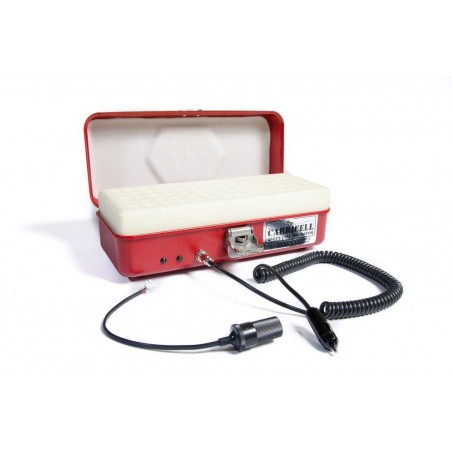
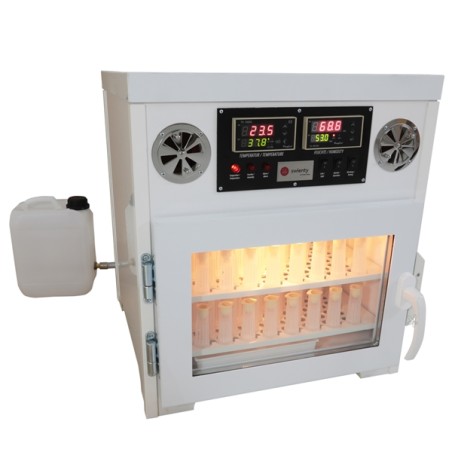
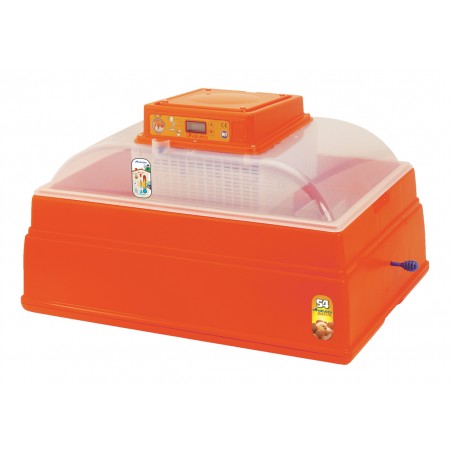
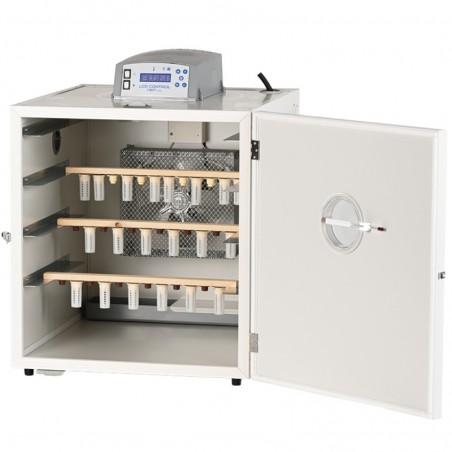
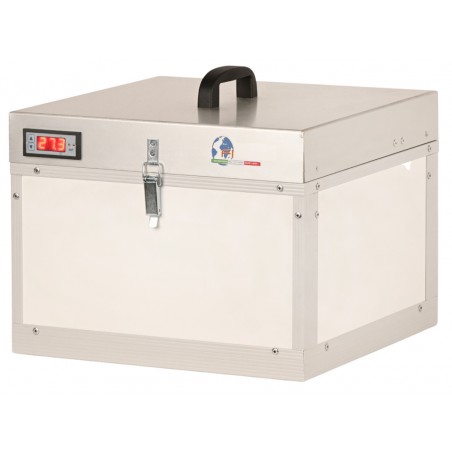
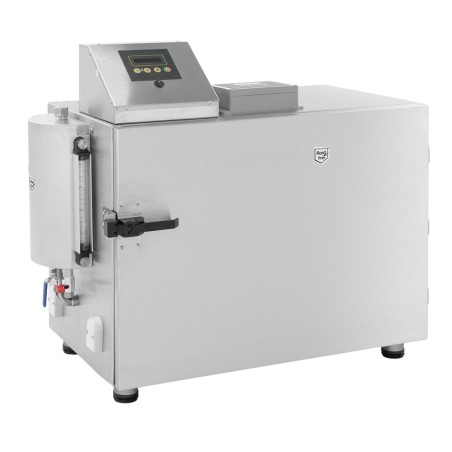
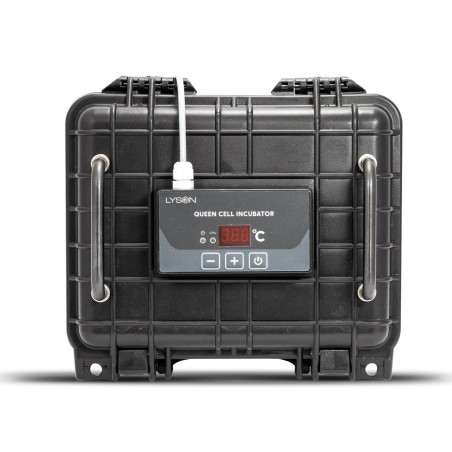
Room incubators, portable equipment for transporting queen cells and emergence cages. Compare usable capacity, power supply, and temperature and humidity control for each unit.
My advice before loading the incubator
I would run it empty for a few hours before loading it, in a room with a stable temperature, out of direct sun and draughts, with a separate control thermometer. Check that it holds 34–35 °C in the room where you will work before the batch arrives, and have the water, holders and cell protectors ready.
And here I take a clear stand: I would not put all the queen cells in the incubator. A power cut or a controller fault can lose the whole batch within hours, so I would leave some in a colony as a back-up. As for virgin queens: no more than 6 days inside, fed from the moment they emerge; after that they need a colony to fly out and mate.
Queen Cell Incubators
Incubating indoors or transporting queen cells
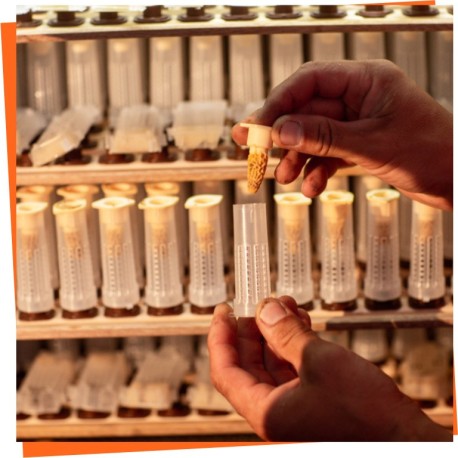
For indoor batches, compare usable capacity and cell holders: the Swienty is offered for 196 queen cells and the HOBBY PRO for 400. For transport to the apiary, check the power supply during the journey and what the portable kit includes. These are different needs to establish before choosing.
When to transfer queen cells
Artificial incubation is used with sealed queen cells and a known development schedule: in a grafted batch, around day 10, one or two days before emergence. Before sealing, larvae depend on nurse bees and the food they provide; an incubator does not replace that rearing stage. Always move queen cells upright, without knocks or chilling.
Temperature and humidity
As a reference, queen cells are incubated at 34–35 °C, the temperature at which the colony keeps its brood. Humidity depends more on the unit and the protocol: the usual reference is around 50–60 %, some breeders work at 70–75 % and, if the manufacturer specifies another setting, follow theirs. Check with a separate thermometer that the unit holds those values before loading a batch.
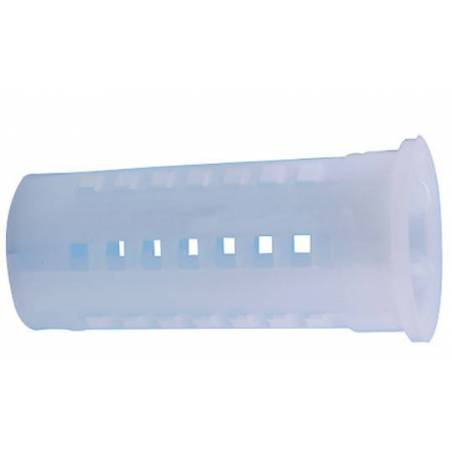
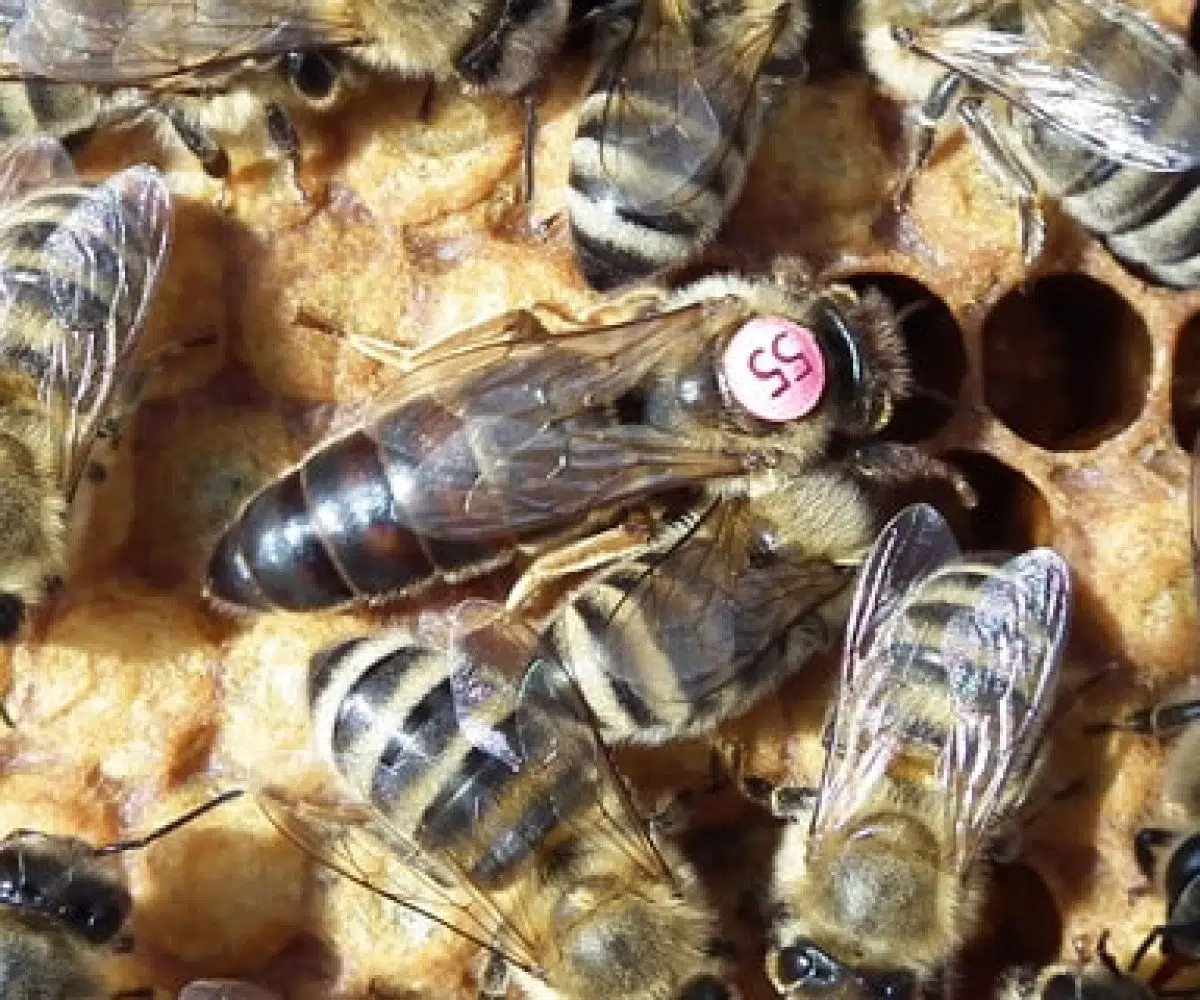
Identify each batch and its expected emergence date. Prepare compatible cell protectors or cages to keep queens apart when they emerge: the first one out would open her sisters’ cells. Emerged queens are kept cooler (Gilles Fert works at 27 °C), fed from the very start and for no more than 6 days before going into a nuc.
Organise the preceding and following stages with queen-rearing equipment and mating nucs.