
-
Beehives
- Complete beehive
- Accessories
-
Nuc hives
- Nucs by format
- With bees & mating
- Spare parts
-
Bee equipment
- For the apiary
- For the beekeeper
-
Clothing
- Clothing Accessories
-
Beeswax
-
Pure beeswax
- Beeswax and foundation
- Beeswax foundations
- Melting and rolling beewax
-
Pure beeswax
-
Bee feed
- Accessories and source materials
- Utensils
-
Bee health
- Varroa Treatments
- Diseases control
- Nutraceuticals
-
Extraction and bottling
- Before extraction
- Honey extraction
- After extraction
-
Bee pollen
- Harvest
- Indicted
-
Honey packaging
- Flasks per utility
- Flasks by size
- Other packaging
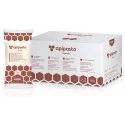 Apipasta with vitamins 15kg
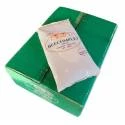 Beecomplet® Spring 14Kg
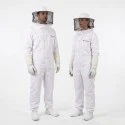 Beekeeper suit with round veil
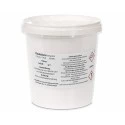 Oxalic acid 1kg
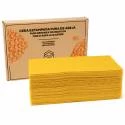 Beeswax Foundation 5kg
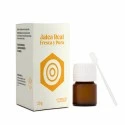 Fresh royal jelly 20g
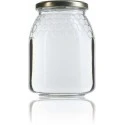 Classic honey jar 1kg comb-lines TO77 - Pack of 16 units
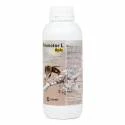 Promotor L Apis 1 litre
Bee Brushes
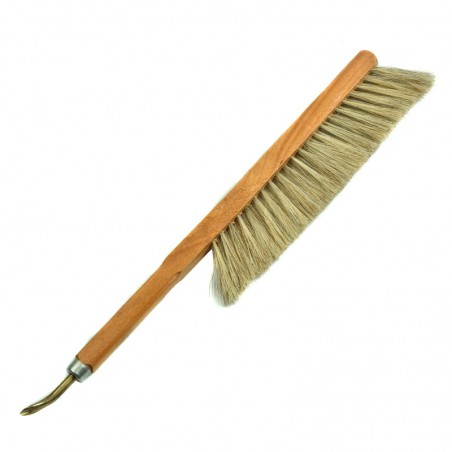
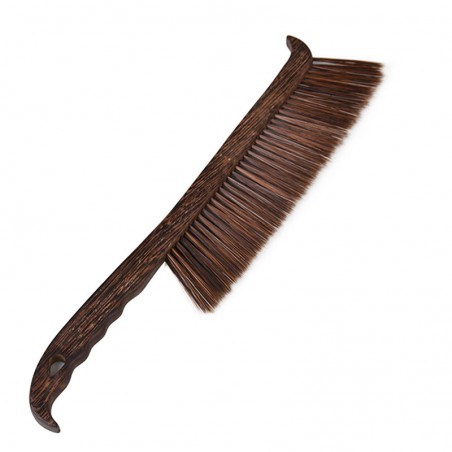
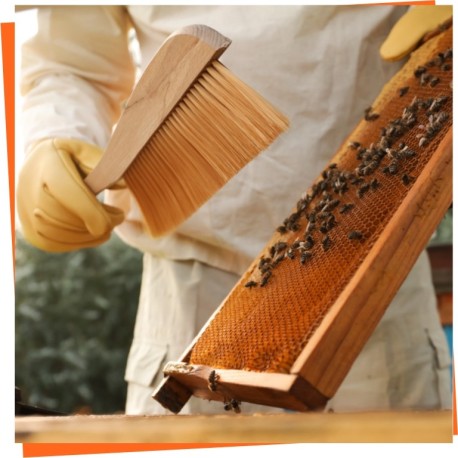
Bee brushes with one or two rows, horsehair or synthetic, wooden or plastic handle. From €7 to €12.
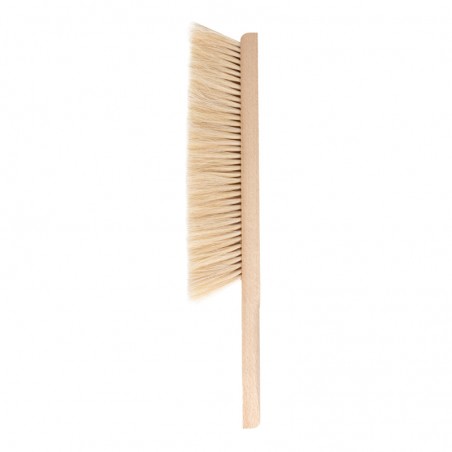
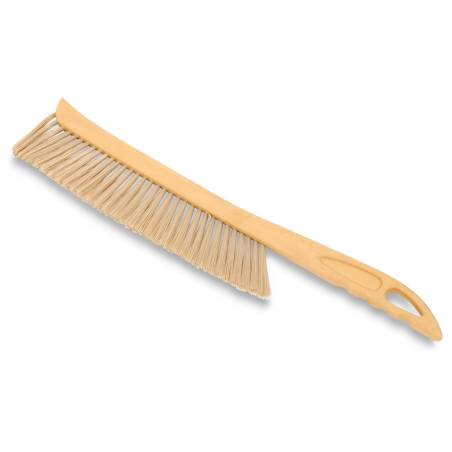
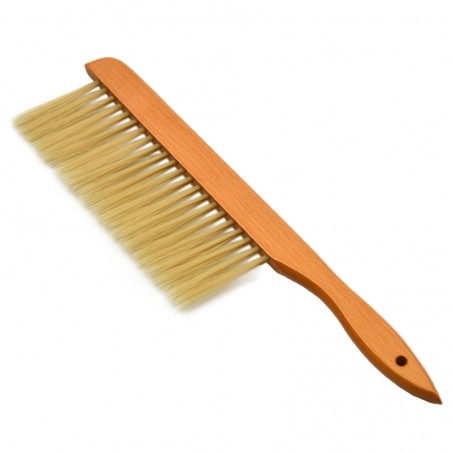
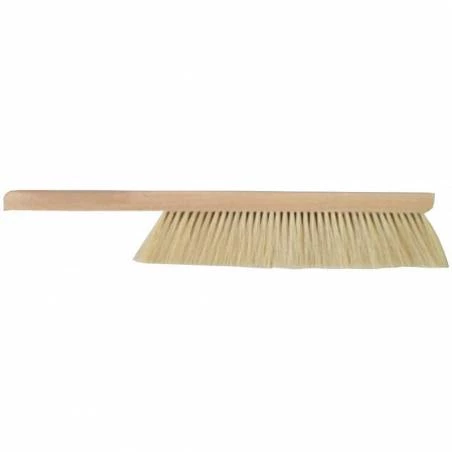

Bee Brushes
A €7 tool that decides whether a hive stays calm or turns furious. The difference is in the bristle.
Horsehair or synthetic
Horsehair is flexible and soft: it moves the bee without crushing her. Synthetic is stiffer, lasts longer and washes better, but is likelier to injure one if you sweep in a hurry. For honey frames horsehair is the classic choice; for dirty, frequent work, synthetic.
Two rows sweep wider in one pass; one row is more precise between frames.
How to use it (and how not to)
Sweep downwards and along the direction of the frames, with a long, gentle stroke. Sweeping against the grain or in sharp jabs irritates the colony and crushes bees — and a crushed bee releases alarm pheromone, which is exactly what you were avoiding.
Wash it when it clogs with honey: a sticky brush drags bees instead of moving them aside. And if you work several apiaries, this is kit worth disinfecting between them.
The no-contact alternative is bee escapes; the rest of the tools are in hive tools.
Horsehair or synthetic bee brush?
Horsehair is flexible and soft: it moves the bee without crushing her, and is the classic choice for honey frames. Synthetic is stiffer, lasts longer and washes better, but injures one more easily if you sweep in a hurry — good for dirty, frequent work.
More important than the material is how you use it: sweep downwards and along the direction of the frames, with a long stroke. Sharp jabs crush bees, and a crushed bee releases alarm pheromone, which is exactly what you were avoiding. And wash it when it clogs with honey: sticky, it drags instead of moving them aside.