
-
Beehives
- Complete beehive
- Accessories
-
Nuc hives
- Nucs by format
- With bees & mating
- Spare parts
-
Bee equipment
- For the apiary
- For the beekeeper
-
Clothing
- Clothing Accessories
-
Beeswax
-
Pure beeswax
- Beeswax and foundation
- Beeswax foundations
- Melting and rolling beewax
-
Pure beeswax
-
Bee feed
- Accessories and source materials
- Utensils
-
Bee health
- Varroa Treatments
- Diseases control
- Nutraceuticals
-
Extraction and bottling
- Before extraction
- Honey extraction
- After extraction
-
Bee pollen
- Harvest
- Indicted
-
Honey packaging
- Flasks per utility
- Flasks by size
- Other packaging
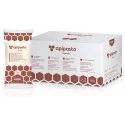 Apipasta with vitamins 15kg
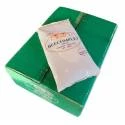 Beecomplet® Spring 14Kg
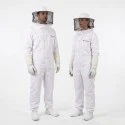 Beekeeper suit with round veil
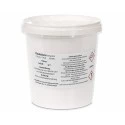 Oxalic acid 1kg
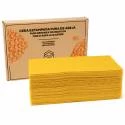 Beeswax Foundation 5kg
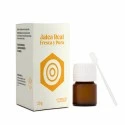 Fresh royal jelly 20g
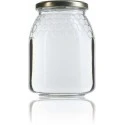 Classic honey jar 1kg comb-lines TO77 - Pack of 16 units
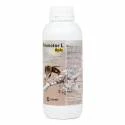 Promotor L Apis 1 litre
Beeswax foundations
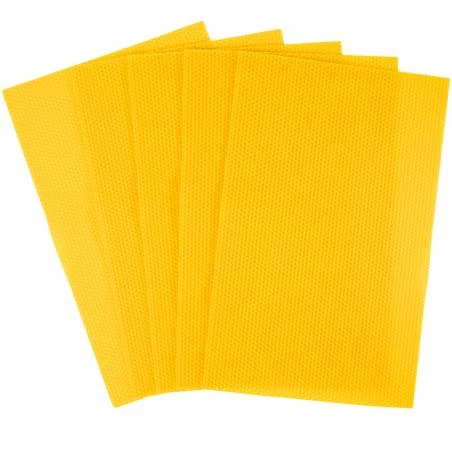
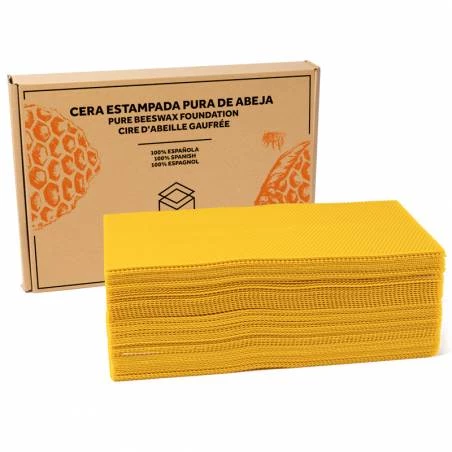
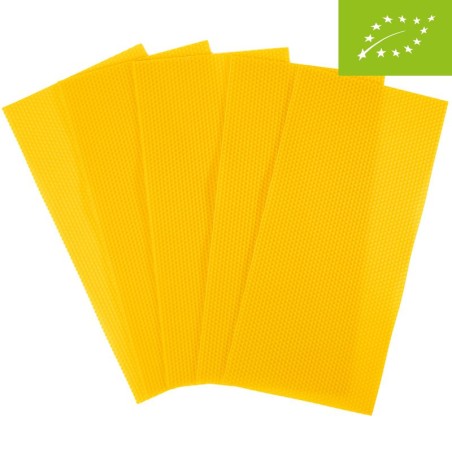
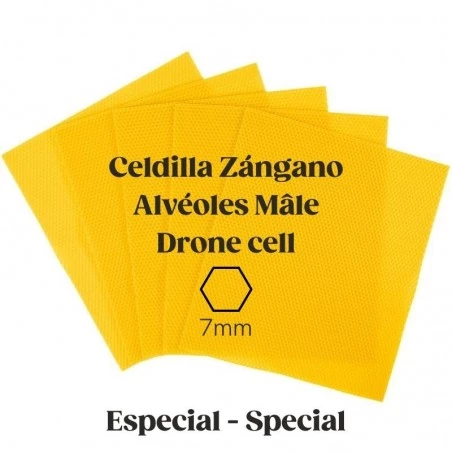
Individual embossed foundation sheets from €1.30, 5 kg boxes (€59.50), certified organic sheets (€159.95 for 5 kg) and drone-cell wax.
How to choose and use wax foundation well
Wax foundation isn't just “a base” for the bees to build on: it's the starting point of the comb. A good foundation sheet should be well embossed, have a size compatible with your frame and be made with a wax that the bees accept well. If the wax isn't good, the colony usually says so quickly: it rejects it, builds crooked, makes brace comb or takes much longer to draw it out. That's why, for beekeeping use, I wouldn't choose foundation just by price or colour. I'd look above all at the quality of the wax, origin, cleanliness, aroma, flexibility, embossing and compatibility with Layens, Dadant or Langstroth.
My advice is to introduce foundation when the colony is strong, with enough temperature and a nectar flow or adequate feeding. I wouldn't put new foundation in a weak colony, in the cold or without a flow, expecting them to draw it out under duress. In the brood chamber, moreover, it's worth renewing combs on a planned schedule to reduce old wax, residues and health problems. For supers, the sanitary demands are usually lower, but if you're going to produce comb honey or sections, I'd be especially careful with the traceability of the wax, because the consumer may chew or ingest part of the comb. And if you use them for candles, I'd look for a clean, aromatic, easy-to-handle sheet with a good finish; but for the hive, before a pretty wax, I'd prioritize a wax well accepted by the bees. A good foundation sheet doesn't work miracles, but it makes the colony's work much easier.
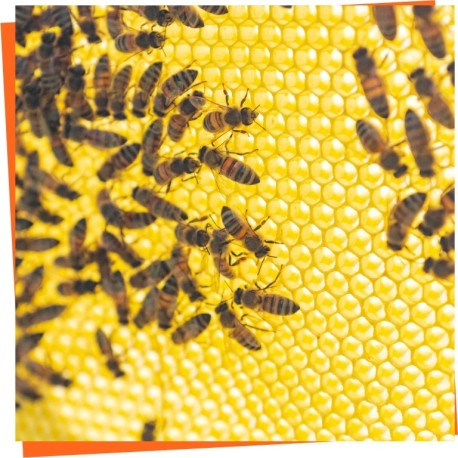
Beeswax foundations
Foundation is the blueprint the bee builds on. It saves her the work of raising comb from nothing, sets the cell size and makes the comb come out straight and workable instead of wavy.
Choosing the size
Foundation goes by frame format (Langstroth, Dadant, Layens...) and has to fit exactly: a short sheet leaves a gap the bees fill with irregular comb, and a long one buckles. Measure the inside of your frame before ordering the 5 kg box.
Loose or in a 5 kg box
The individual sheet (€1.30) is for replacing the three or four frames that broke. The 5 kg box (€59.50) is what you buy when waxing a whole season: far cheaper per sheet, and the sheets come protected so they do not crack.
Why the organic one at €159.95 exists
Because synthetic acaricides are fat-soluble and accumulate in recycled wax, season after season. Certified organic foundation guarantees the origin and analysis of the wax it is made from. If you produce organically it is compulsory; if not, it is a decision about what you give back to your hives.
Raw wax and pellets are in beeswax; wire, nails and the embedder in wiring and waxing frames.
Which foundation sheet do I need for my frames?
The one for the exact format of your frame — Langstroth, Dadant, Layens… — and it has to fit precisely. A short sheet leaves a gap the bees fill with irregular comb; a long one buckles. Measure the inside of the frame before ordering the 5 kg box, which is where the mistake multiplies.
On certified organic foundation: it exists because synthetic acaricides are fat-soluble and build up in recycled wax season after season. If you produce organically it is compulsory; if not, it is a decision about what you give back to your hives.