
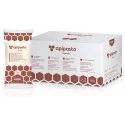
 Apipasta with vitamins 15kg
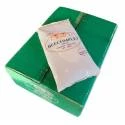 Beecomplet® Spring 14Kg
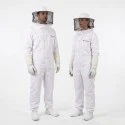 Beekeeper suit with round veil
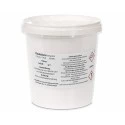 Oxalic acid 1kg
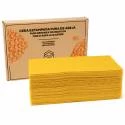 Beeswax Foundation 5kg
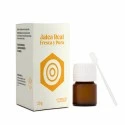 Fresh royal jelly 20g
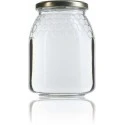 Classic honey jar 1kg comb-lines TO77 - Pack of 16 units
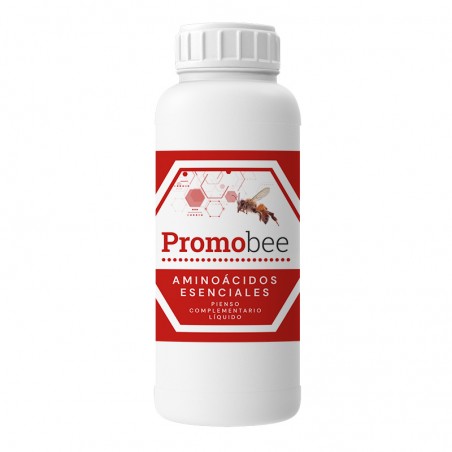
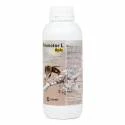 Promotor L Apis 1 litre
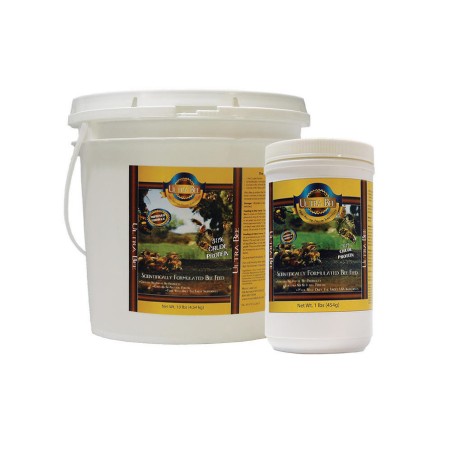
Protein Feed for Bees - Pollen subs
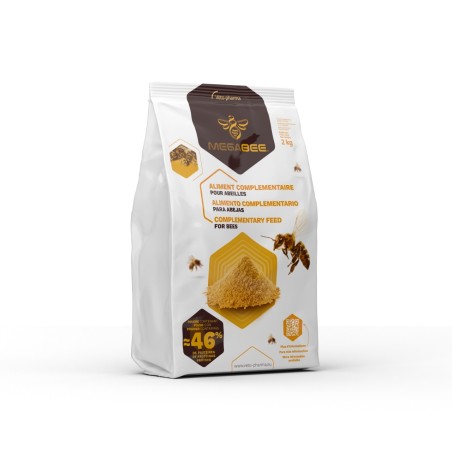
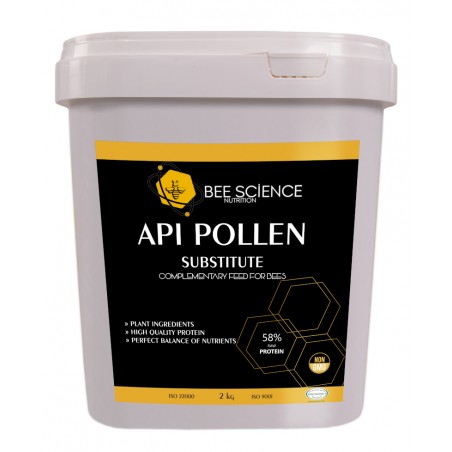
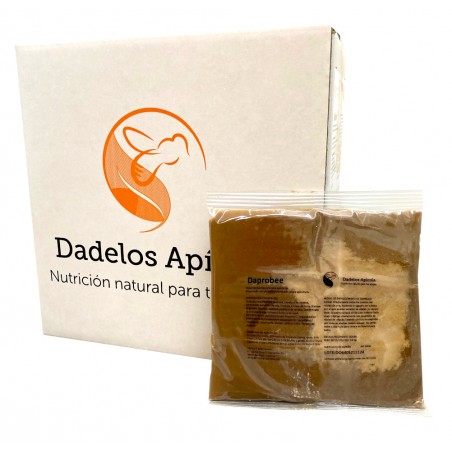
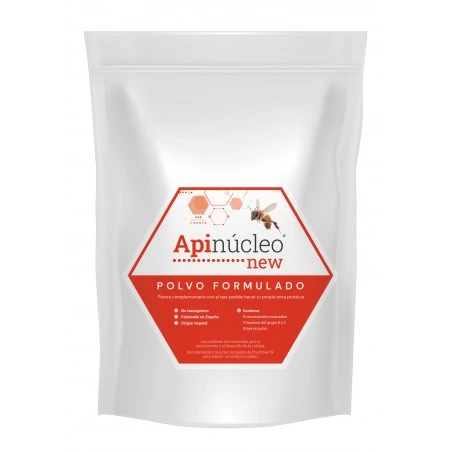
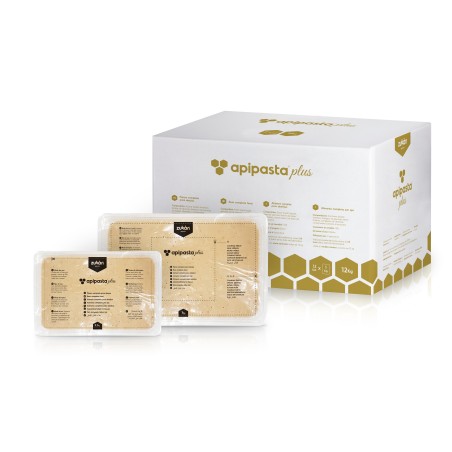
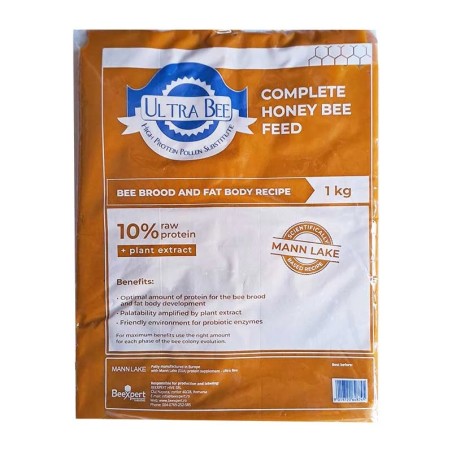
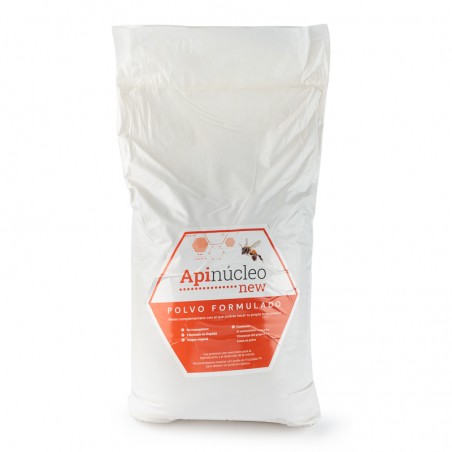
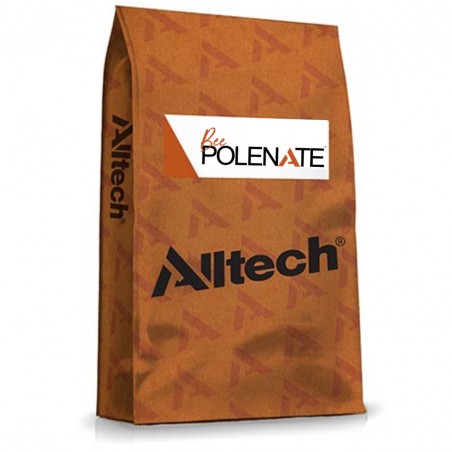
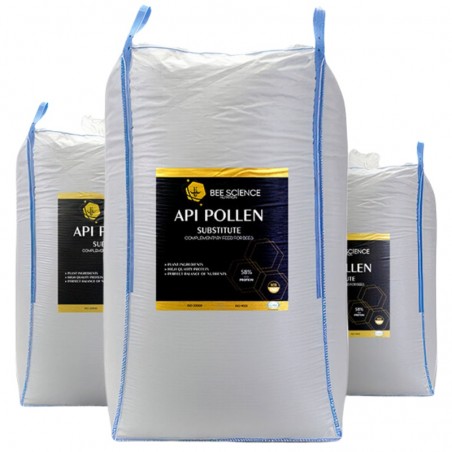
Pollen substitutes and protein feed: MegaBee, Apipollen, Bee Polenate, micronised soya flour and queen-rearing preparations. In powder and patty form.
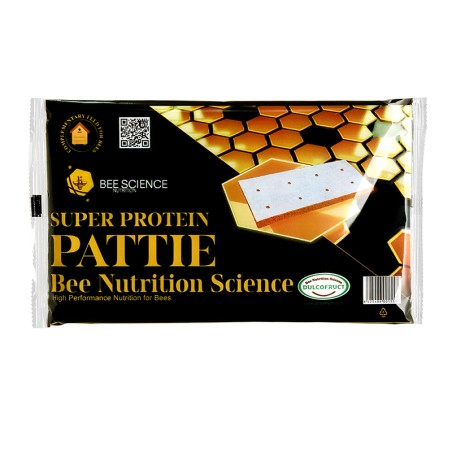
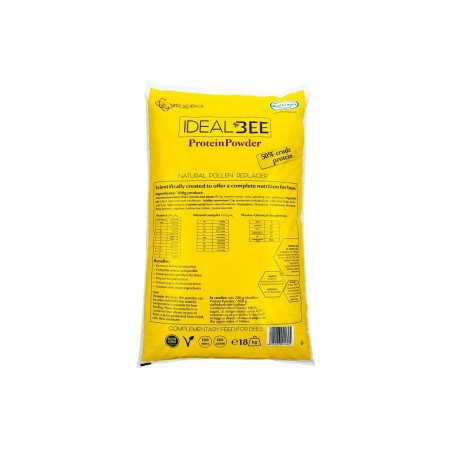
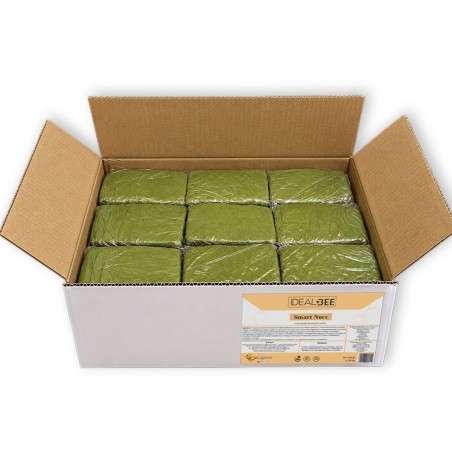

To use or not to use protein supplements?
This is a question we’ve been asking ourselves as a company for quite some time. That’s why we’ve been carrying out field trials with different types of protein feeds for bees.
As with many things in beekeeping, there’s no single answer. What is clear is that without a varied pollen diet, bees can suffer from nutritional deficiencies that negatively impact their health.
Uncertainty often lies in the timing, the quantity, the form (liquid or patty), and the protein percentage. All of this depends on many factors: not all bee subspecies have the same needs, and feeding bees pollinating blueberries is not the same as feeding bees producing wildflower honey.
As a general guideline, protein supplements should be provided when there’s a risk that available pollen is not diverse, the bloom has failed, or there are no pollen reserves. One of the most critical moments is during population growth, when nurse bees need to produce large amounts of royal jelly to feed the brood.
Practical tip: whenever possible, run comparative field trials. Split your hives into two homogeneous groups: give protein supplements to one group and leave the other as a control. Mark the supplemented hives, and monitor their health and productivity over time. Remember, some effects may only become evident in the long term.
If you’d like to learn more, you can listen to the talk we presented on this topic at Bee Health.
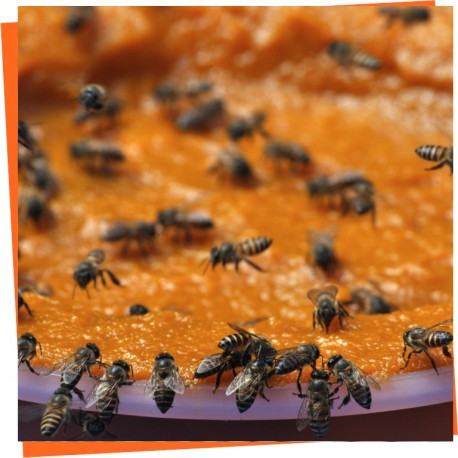
Protein Feed for Bees - Pollen subs
This is the feed that syrup does not replace. Energy feed gives fuel; protein gives bees.
What it is actually for
Brood needs protein, and that protein comes from pollen. When no pollen comes in — or what comes in is scarce or from a single source — the colony slows the laying or raises weaker bees, even with nectar to spare. The substitute covers that gap in three specific situations:
- Early build-up, when you want the population ready before the first flow.
- Areas or years without a pollen flow, where there is nectar but little or very uniform pollen.
- Preparing live material and rearing queens, which needs a continuous mass of well-fed young nurse bees.
Powder or patty
Powder (MegaBee, Apipollen, Bee Polenate, micronised soya flour) is cheaper per kilo and can be given dry outside the hive or mixed with syrup. The patty comes ready made, goes on the top bars and is consumed without handling: it costs more and saves time.
There are also specific preparations for queen rearing in small format, from €1.36 for 250 g.
Two things worth not confusing
A substitute is not pollen. It is a protein input that keeps brood going, not a perfect replacement for the variety of natural pollen. If you have your own pollen available, mixing it in improves acceptance.
And feeding protein while pollen is already coming in adds nothing: the colony ignores it or stores it badly, and you have paid for it. Feed it when it is missing, not out of habit.
What is a protein patty for bees?
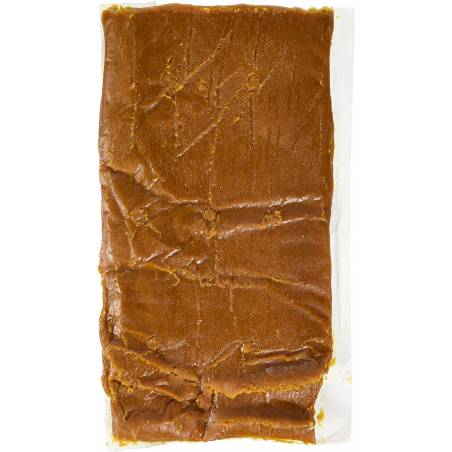
A protein patty for bees is a food supplement used to give bees the nutrients their natural diet may be lacking, especially during periods when pollen is scarce. These patties are usually made from a range of ingredients that can include soya, brewer's yeast, bee pollen, sugars and other protein sources. They help bees keep in good condition and raise output, since they supply the protein needed for the colony to grow and develop.
How is protein feeding given to bees?
Beekeepers can choose to give protein supplements to their colonies in several forms:
· Protein feed in powder form: some beekeepers give the supplement directly as a powder. The protein feed goes into special feeders or is kept in containers sheltered from rain and wind, letting the bees gather the powder as if it were pollen. This method can be especially useful in situations of shortfall, giving the bees quick, efficient access to the protein they need.
· Protein patty: the protein patty is another commonly used way of supplementing the bees' diet. The protein feed is mixed with other ingredients (such as sugars and essential oils) to form a patty that is placed in the hive. The bees feed on the patty, taking in the protein and other nutrients they need.
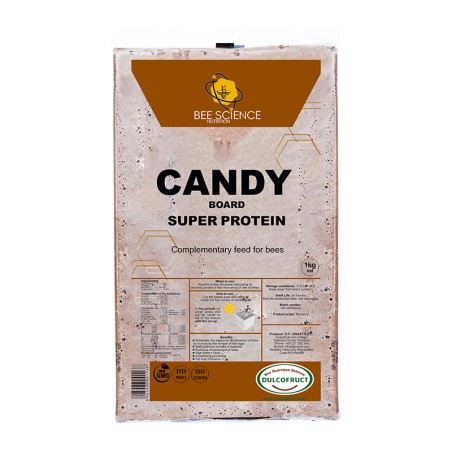
· Protein candy: protein candy is a mix of sugar and protein feed placed in the hive, often over winter. The bees consume it, taking in both the carbohydrates from the sugar and the protein from the supplement.
It is worth stressing that protein supplementation is only done when there is a shortfall in naturally available pollen. When there is enough pollen in the surroundings, bees tend to prefer it over supplements, since natural pollen is their ideal source of nutrition. Even so, these protein supplements are valuable tools for beekeepers to keep their colonies in the best health and productivity, especially during periods of pollen dearth.
What is the best food for bees?
The best food for bees is what they find naturally in their surroundings: nectar and pollen from a variety of flowers. Nectar gives them the carbohydrates they need for energy, while pollen supplies the protein and fats needed for the colony to grow and develop.
In lean periods, though, or when the bees cannot reach enough nectar and pollen, supplements such as protein patties or glucose/fructose syrups can be an excellent way to make sure they get the nutrients they need.
Remember that bees should never be fed honey or pollen from other hives, as these can carry disease and put the receiving colony's health at risk. Instead, use supplements made specifically for bees, checking their composition and protein content to be sure of the quality.
What is the point of feeding my bees protein?
Feeding your bees protein is essential to stimulate the development of the hypopharyngeal glands in the nurse bees, which are fundamental to producing royal jelly. Royal jelly is crucial for larval development and for the queen's condition, directly influencing the colony's growth and strength.
Protein supplementation is therefore a particularly important tool during periods of pollen dearth, to ensure the colony keeps a robust brood nest and carries on developing without interruption.
When should I feed my bees protein patties?
Pollen patties should be offered at times when natural pollen is scarce, such as late winter or early spring before the first bloom, during summer droughts, or in autumn to prepare the hives for winter. They are also useful for stimulating colony growth at the start of the build-up season.
For how long should protein patties be given?
Protein patties are recommended for a period of about 6 weeks, to cover two complete brood cycles, thereby ensuring the colony develops in good health and is properly prepared for future demands or shortages of resources.
Why do bees need protein?
Bees need protein to raise brood properly, produce royal jelly and keep colonies healthy, strong and productive. Protein, obtained mainly from pollen, activates the hypopharyngeal glands of the nurse bees, which produce the royal jelly that is indispensable for feeding larvae and queens. A protein-rich diet also increases the lifespan of adult bees, improves their resistance to disease, environmental stress and pests, and favours a proper balance inside the hive, especially at critical times such as winter, periods of nutritional shortage, or after stressful events such as moves and treatments.
When is it advisable to offer protein feed?
Protein feed is advisable at specific times, especially when naturally available pollen is scarce or of poor quality. The key moments are:
• In autumn, to build strong colonies before winter.
• Before spring, roughly six weeks ahead of the first bloom, as a stimulus to boost the population and make the most of the flowering.
• During critical periods or stressful situations, such as after varroa treatments, moves or exposure to pesticides.
• When the pollen available is limited in diversity or quality, to ensure balanced nutrition.
Supplementing strategically with protein helps keep colonies healthy, productive and resilient, acting as a safeguard against possible nutritional deficiencies.
What are the most common protein sources in beekeeping?
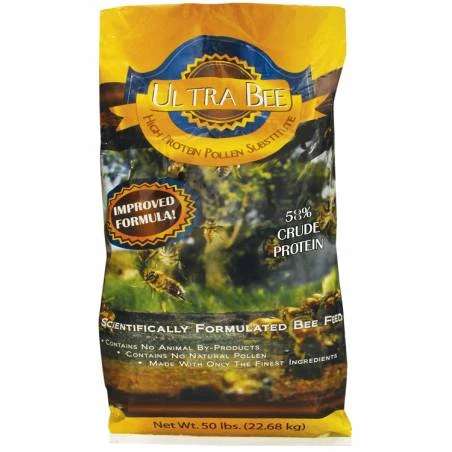
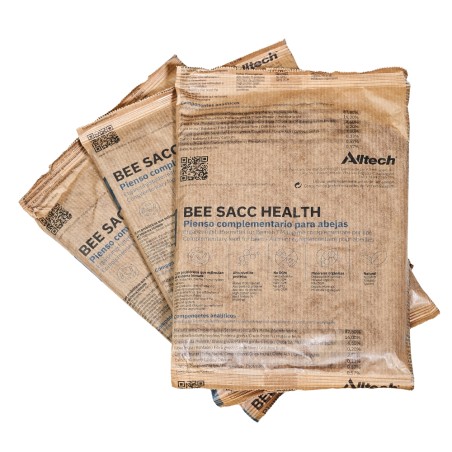
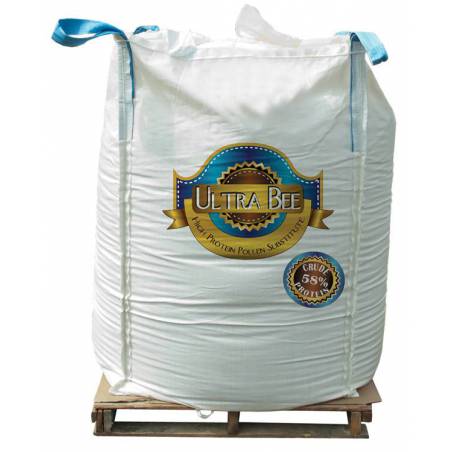
The most common protein sources in beekeeping are supplements made from plant ingredients, such as brewer's yeast, plant flours (maize or pea flour, for instance), and specific formulations like Ultra Bee®, Apipollen or Bee-Sacc®, made especially for bees. These plant sources are preferred because they contain no harmful antinutritional factors and offer a complete profile of essential amino acids, ensuring nutrition that is safe, effective and easy for the bees to make use of.
How are protein feeds given in beekeeping?
Protein feeds for bees can be given in various ways, depending on what the apiary needs:
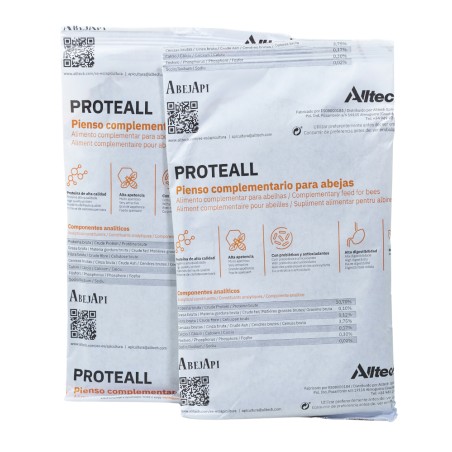
• Protein patties: ready to use, placed directly on the hive frames so the bees can take them easily.
• Protein powders: mixed with syrups or liquid solutions to prepare feeds tailored to the specific needs of the apiary.
Both options should be used strategically, taking the conditions of the apiary into account and making it easy for the bees to reach the supplementary protein feed directly.
Can too much protein harm the hive?
While protein is essential for the health and development of bees, too much can be counterproductive. Giving more protein than the hive can make use of produces waste and brings no additional benefit. To avoid this, the "six-week rule" is recommended: give protein patties every two weeks over six weeks, thereby covering two complete brood cycles. This ensures balanced, effective supplementation matched to the hive's natural rhythm of growth, avoiding excess while guaranteeing proper nutrition.