
-
Beehives
- Complete beehive
- Accessories
-
Nuc hives
- Nucs by format
- With bees & mating
- Spare parts
-
Bee equipment
- For the apiary
- For the beekeeper
-
Clothing
- Clothing Accessories
-
Beeswax
-
Pure beeswax
- Beeswax and foundation
- Beeswax foundations
- Melting and rolling beewax
-
Pure beeswax
-
Bee feed
- Accessories and source materials
- Utensils
-
Bee health
- Varroa Treatments
- Diseases control
- Nutraceuticals
-
Extraction and bottling
- Before extraction
- Honey extraction
- After extraction
-
Bee pollen
- Harvest
- Indicted
-
Honey packaging
- Flasks per utility
- Flasks by size
- Other packaging
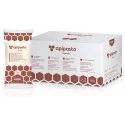 Apipasta with vitamins 15kg
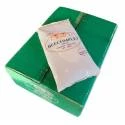 Beecomplet® Spring 14Kg
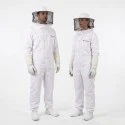 Beekeeper suit with round veil
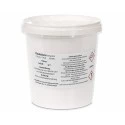 Oxalic acid 1kg
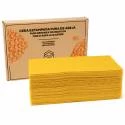 Beeswax Foundation 5kg
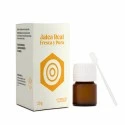 Fresh royal jelly 20g
 Classic honey jar 1kg comb-lines TO77 - Pack of 16 units
 Promotor L Apis 1 litre
Polystyrene BeeHives
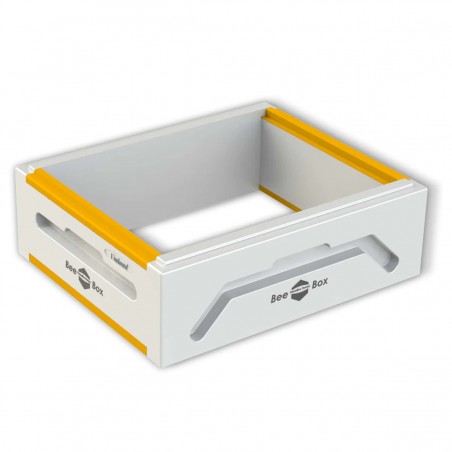
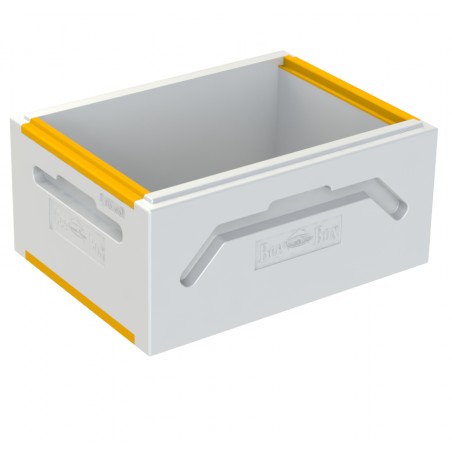
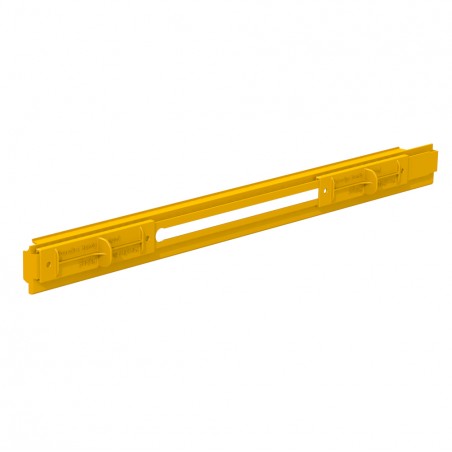
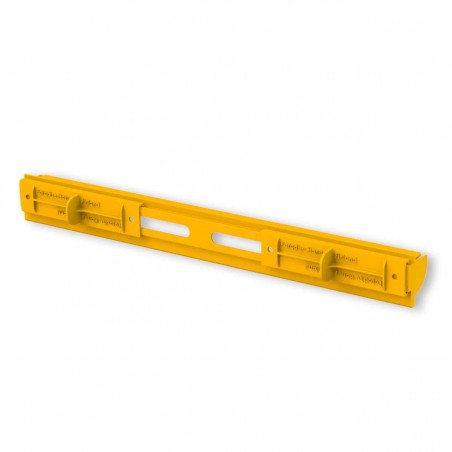
Paradise® polystyrene hives and nucs, hygienic floors, sliding entrances, dummy boards and specific accessories. From €2.95 to €375.
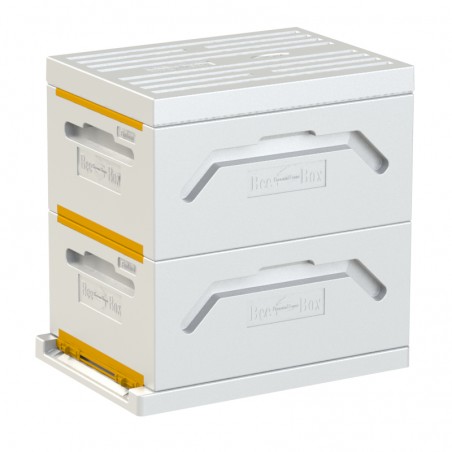
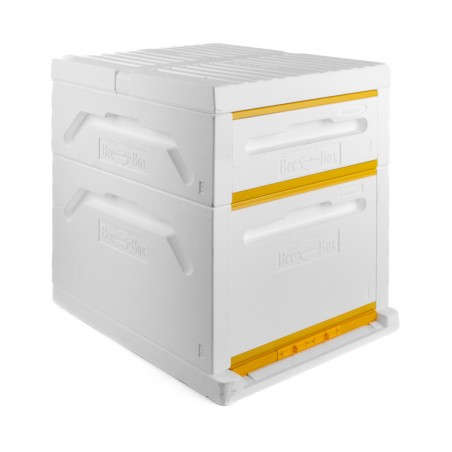
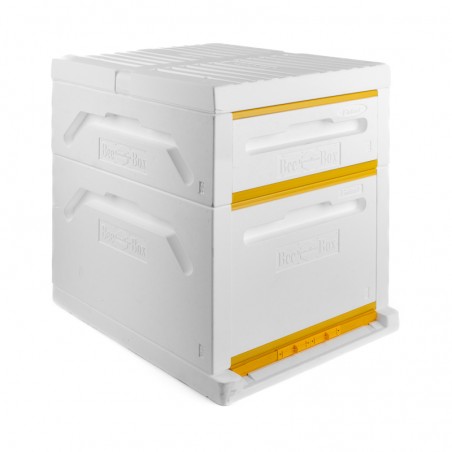
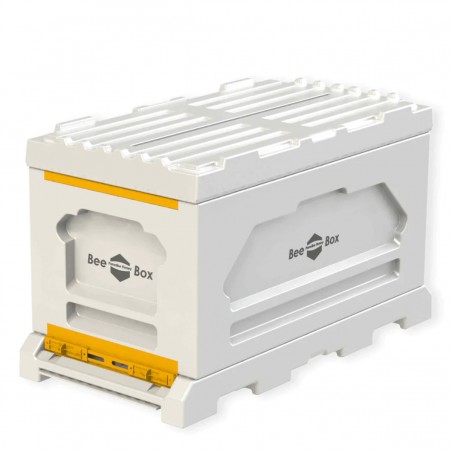
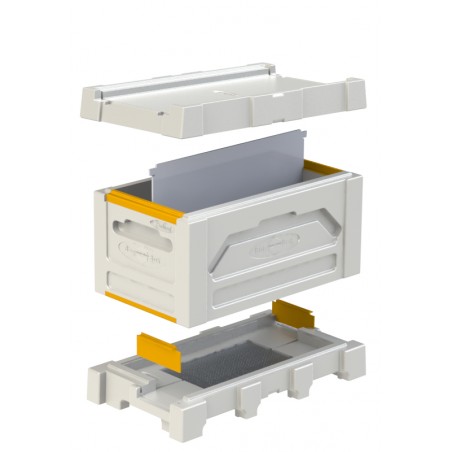
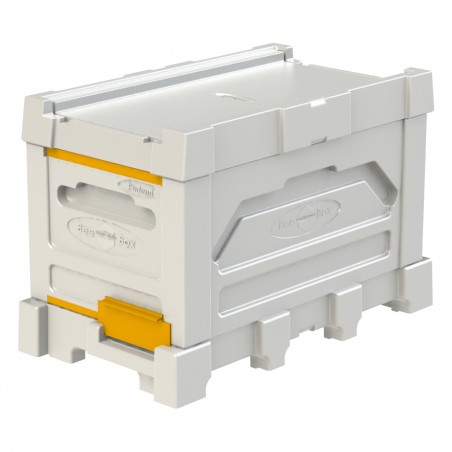
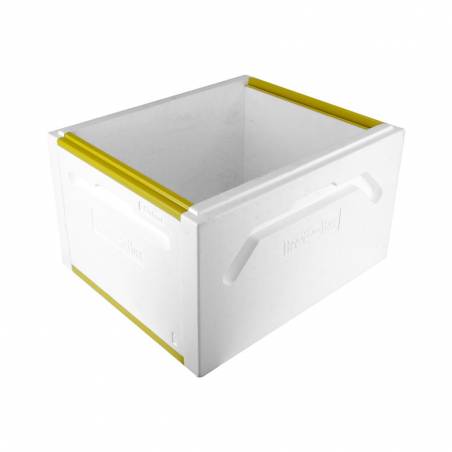
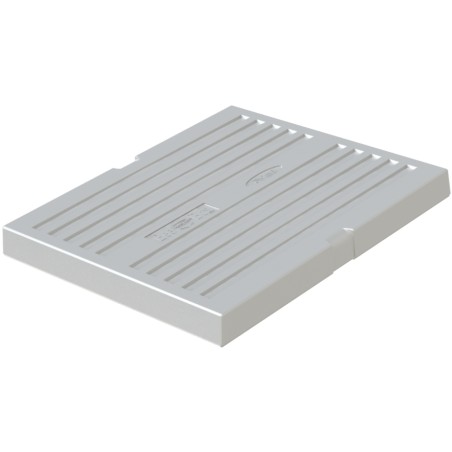
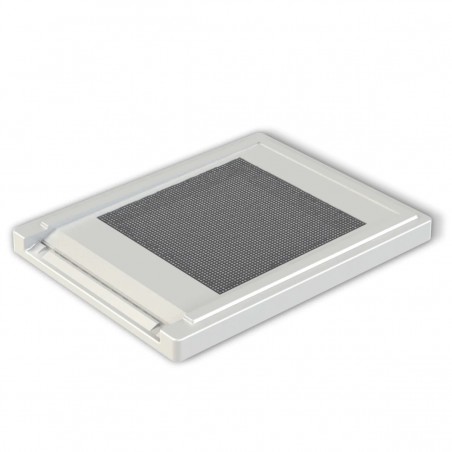
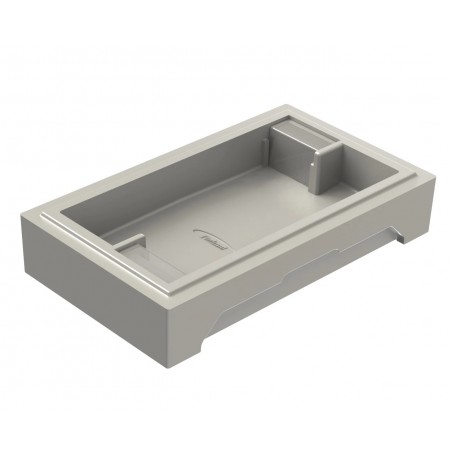
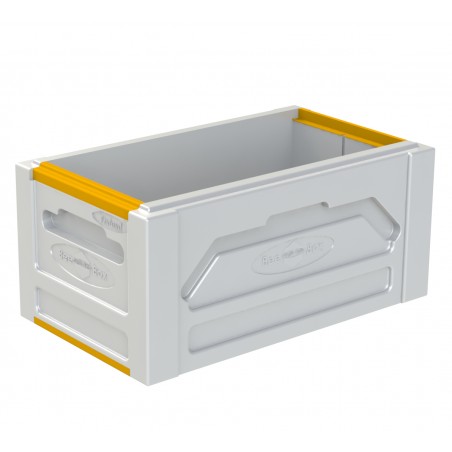
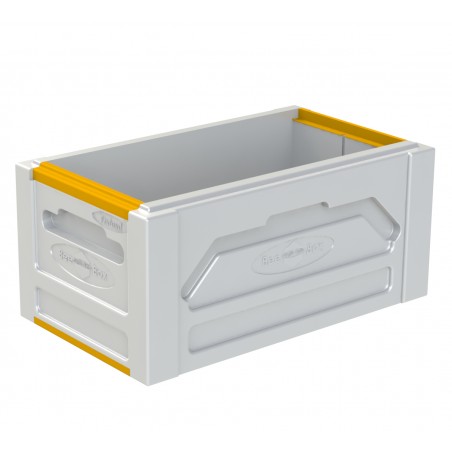
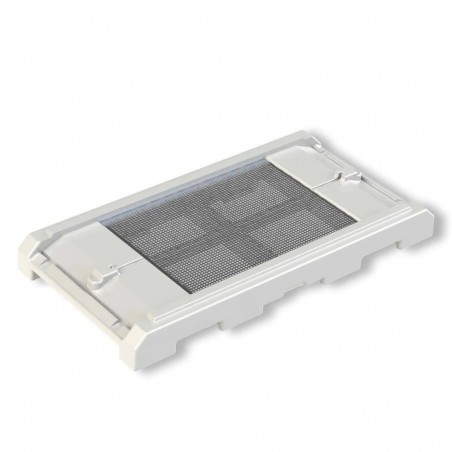
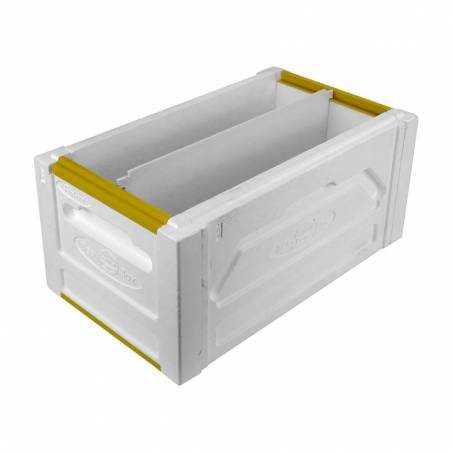
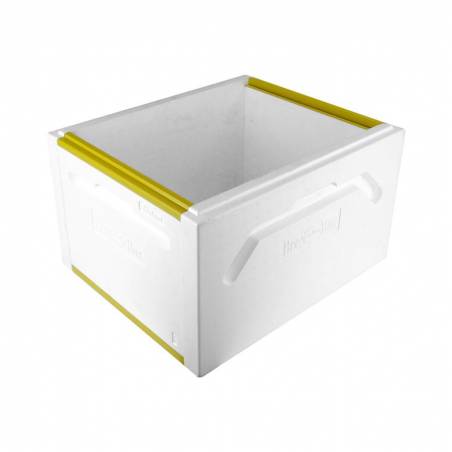
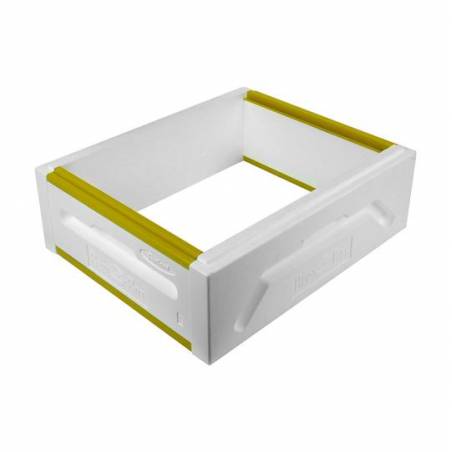
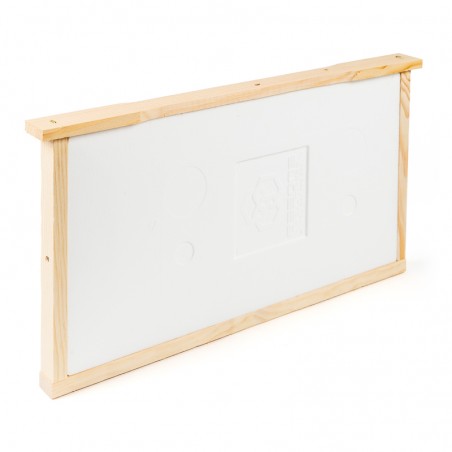
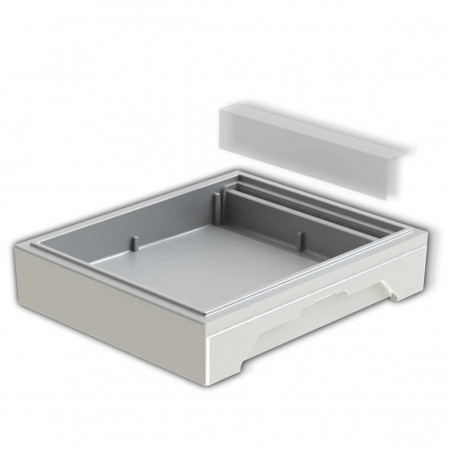
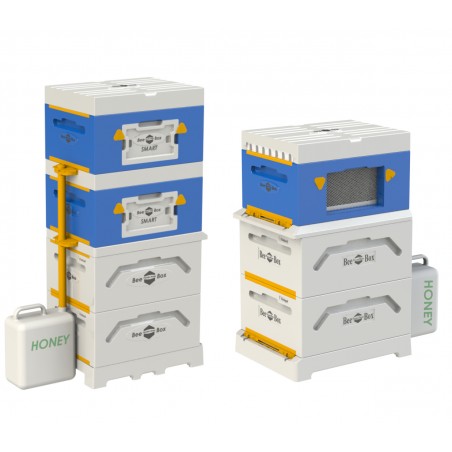
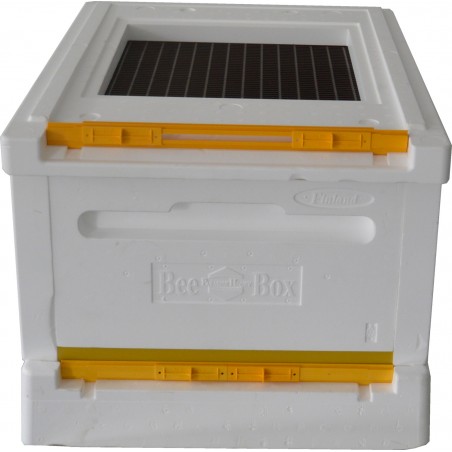
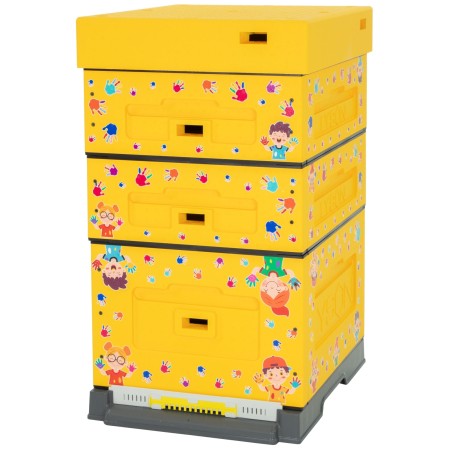
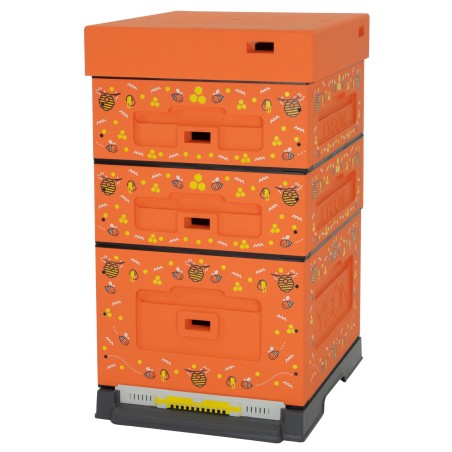
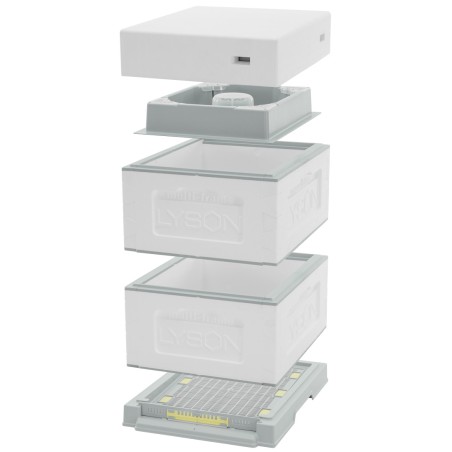
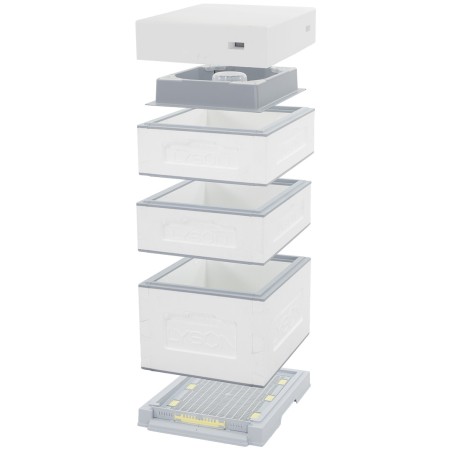
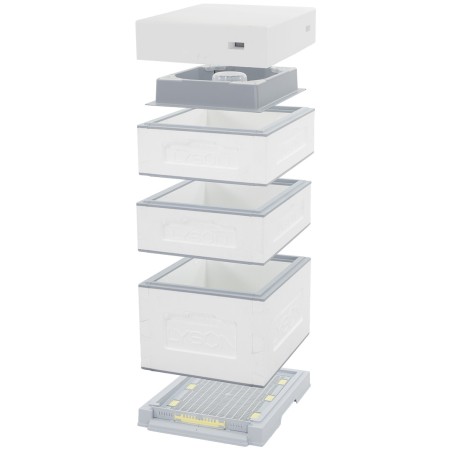
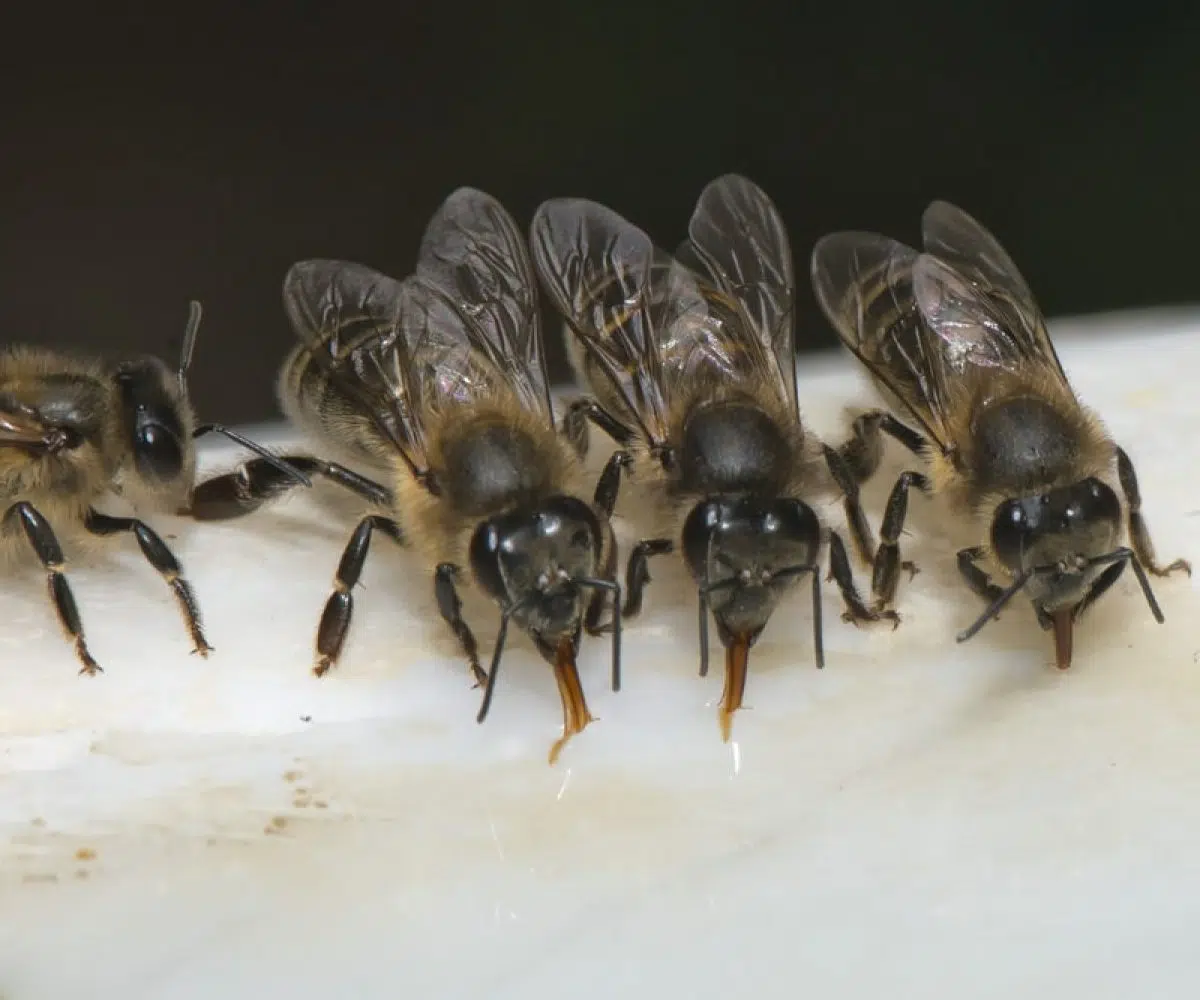
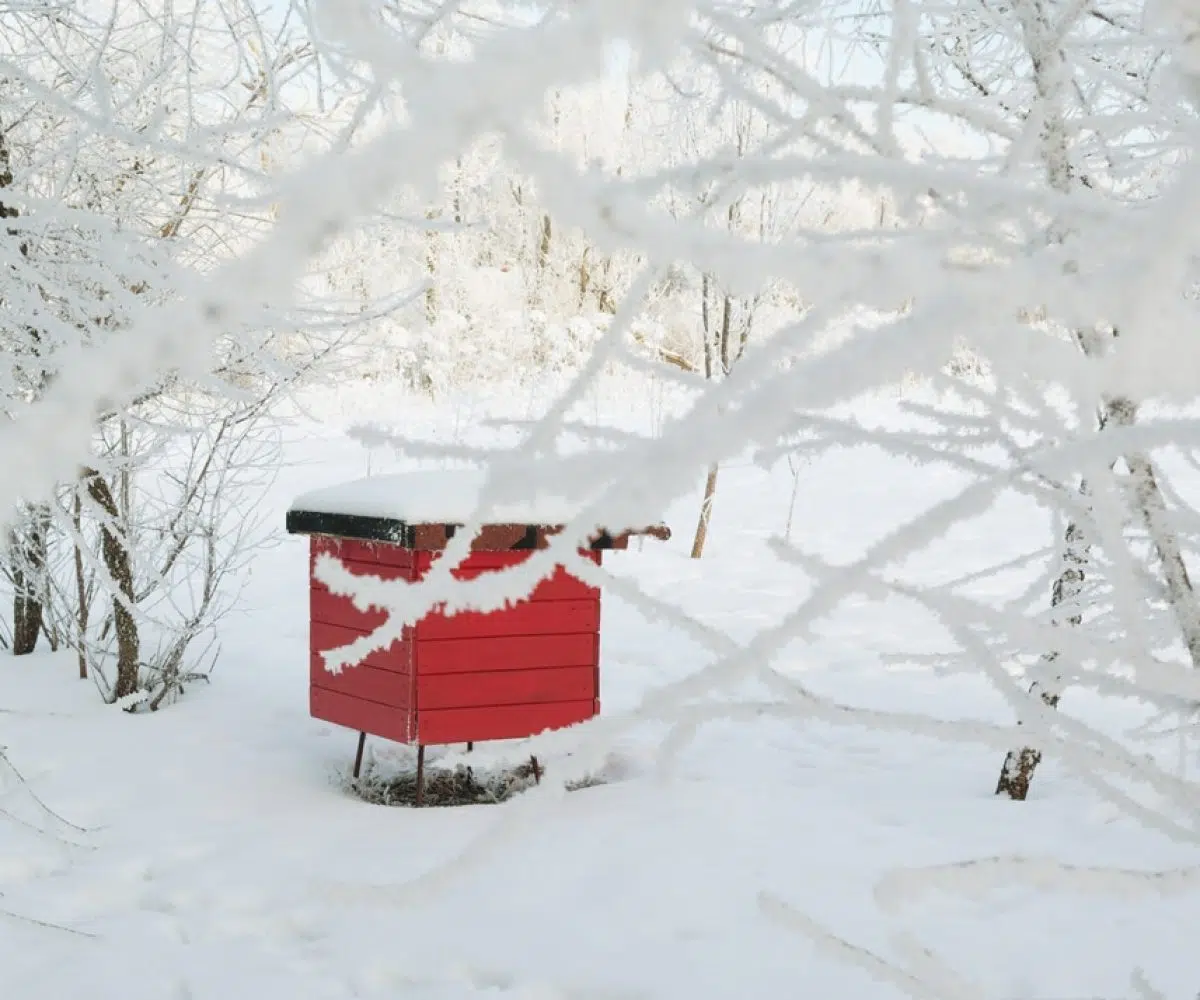
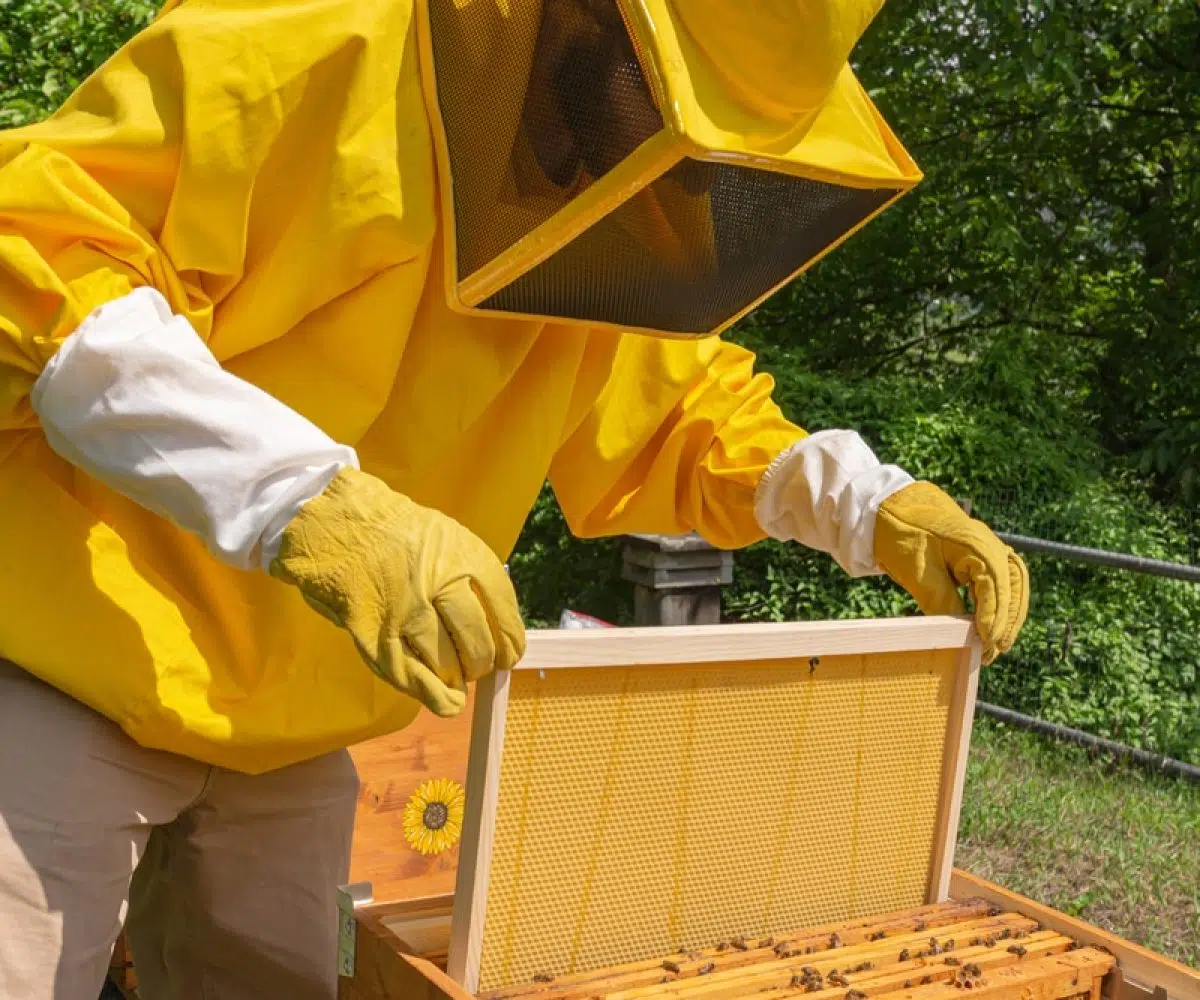
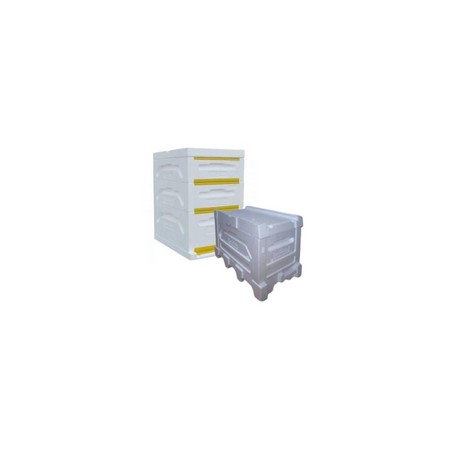
Polystyrene BeeHives
Polystyrene solves two real problems of timber — weight and insulation — and creates two others. Worth knowing which before converting the whole apiary.
In favour
- It insulates far better. The colony spends less energy holding the nest and starts earlier in spring. In a hard winter and damp country is where it shows most.
- It weighs far less. With three hundred hives and migration, that is not comfort: it is your back.
- It washes. It does not absorb water or rot from below.
Against
- Birds and rodents peck it. A woodpecker can open a hole in an afternoon.
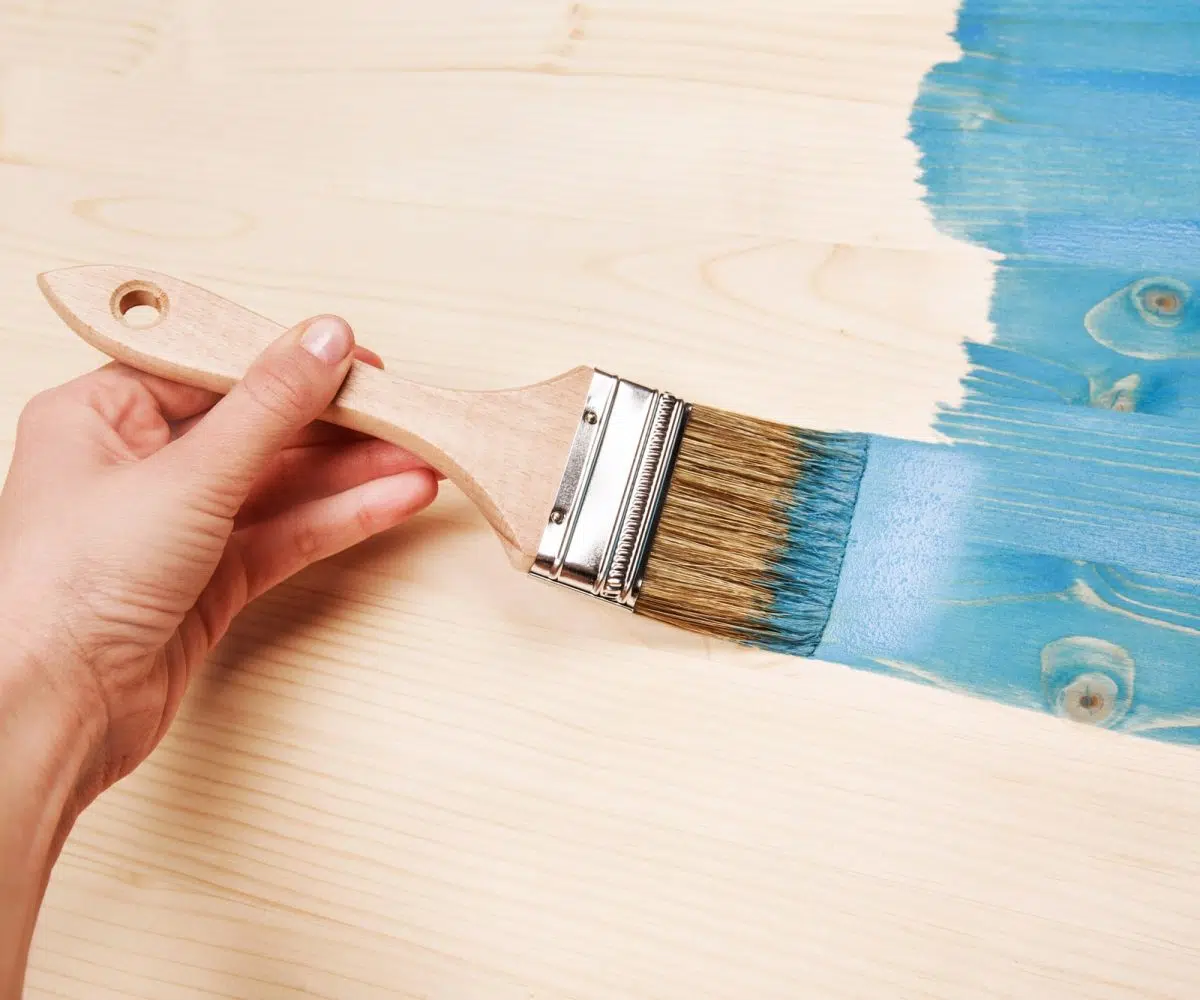
- It has to be painted, with the right paint. UV degrades it; and solvent paints literally dissolve it. Water-based, ApiDana® type.
- It cannot be flamed. The classic flame-disinfection method is out: you must disinfect with a compatible product.
- It is lighter than is convenient in wind: on an exposed site, the roof needs weighting.
What is compatible
The frames are the same as the corresponding format. You are not changing system, you are changing the box material: you can mix polystyrene brood boxes with wooden supers if both are the same format.
Wooden ones are in beehives; plastic ones in plastic hives.
What are the advantages of polystyrene hives?
High-density expanded polystyrene combines light weight with good thermal insulation and, unlike wood, does not rot. It can reduce temperature fluctuations and make transport easier, provided the design, thickness and density are appropriate.
It requires a compatible, solvent-free exterior paint, protection against impacts and non-abrasive scraping tools. Ventilation and moisture management remain essential: the material alone does not prevent condensation, starvation or thermal stress. Compare the dimensions, base, lid and spare parts for the specific system.
When might a polystyrene hive be a suitable option?
It may be a suitable option when weight and insulation are priorities: nucleus colonies, transhumance, early start-up or areas with significant temperature fluctuations. The decision should also take into account sun exposure, wind, the risk of impact, cleaning methods and the availability of compatible components.
It is not an automatic solution for every climate. Adjust ventilation and volume to suit the strength of the colony and protect the surface as advised by the manufacturer. In weak hives or where material is stored, moths may damage the polystyrene when attaching their cocoons, so hive health, occupancy and storage remain critical.