
-
Beehives
- Complete beehive
- Accessories
-
Nuc hives
- Nucs by format
- With bees & mating
- Spare parts
-
Bee equipment
- For the apiary
- For the beekeeper
-
Clothing
- Clothing Accessories
-
Beeswax
-
Pure beeswax
- Beeswax and foundation
- Beeswax foundations
- Melting and rolling beewax
-
Pure beeswax
-
Bee feed
- Accessories and source materials
- Utensils
-
Bee health
- Varroa Treatments
- Diseases control
- Nutraceuticals
-
Extraction and bottling
- Before extraction
- Honey extraction
- After extraction
-
Bee pollen
- Harvest
- Indicted
-
Honey packaging
- Flasks per utility
- Flasks by size
- Other packaging
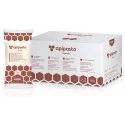 Apipasta with vitamins 15kg
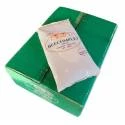 Beecomplet® Spring 14Kg
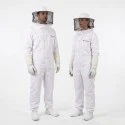 Beekeeper suit with round veil
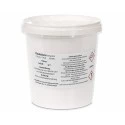 Oxalic acid 1kg
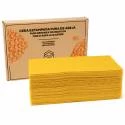 Beeswax Foundation 5kg
 Fresh royal jelly 20g
 Classic honey jar 1kg comb-lines TO77 - Pack of 16 units
 Promotor L Apis 1 litre
Queen rearing
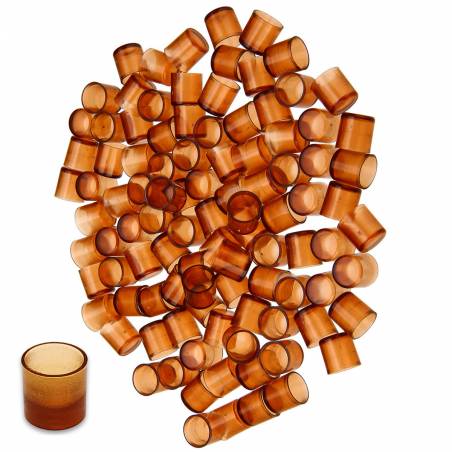
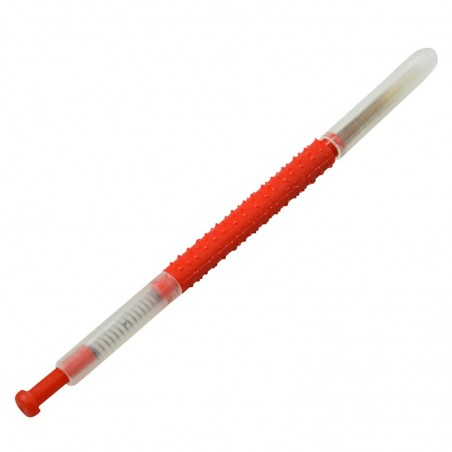
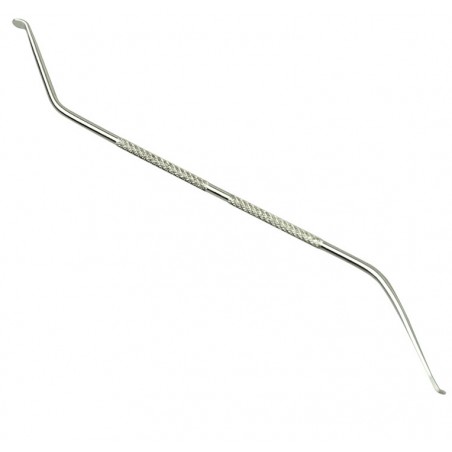
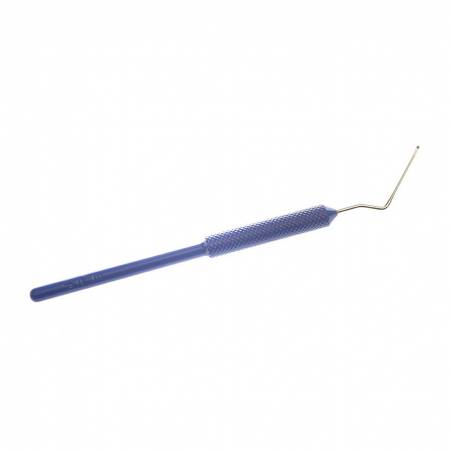
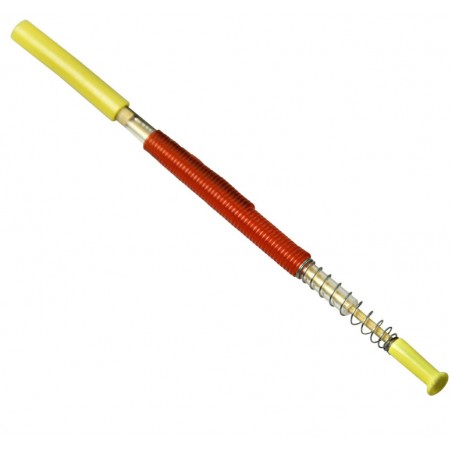
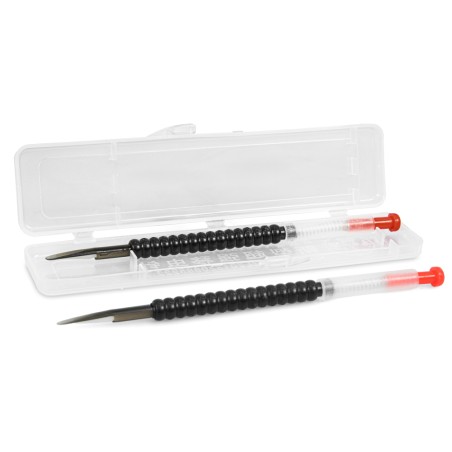
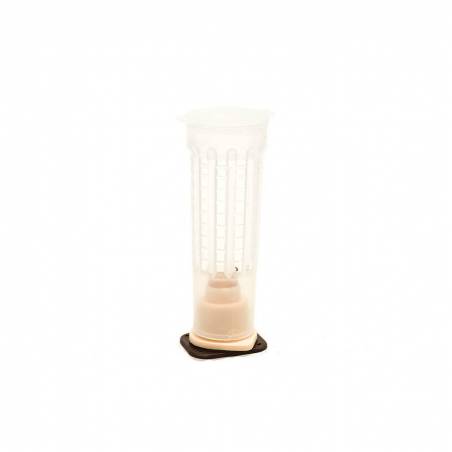
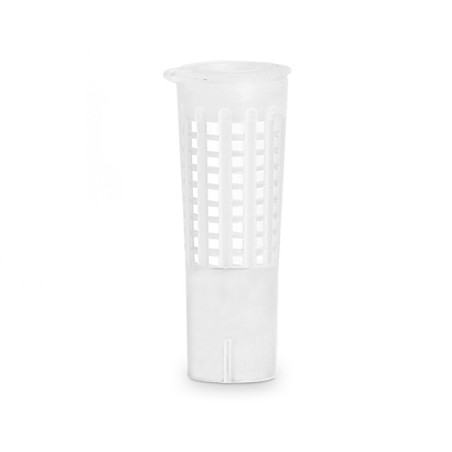
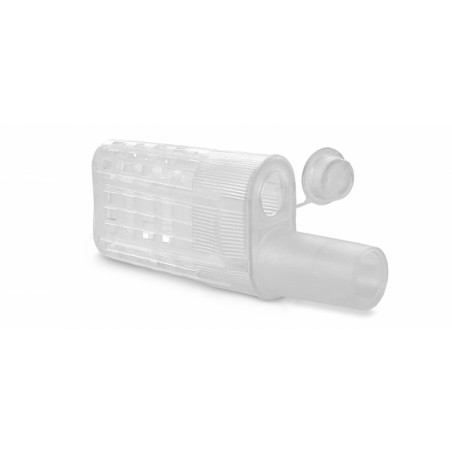
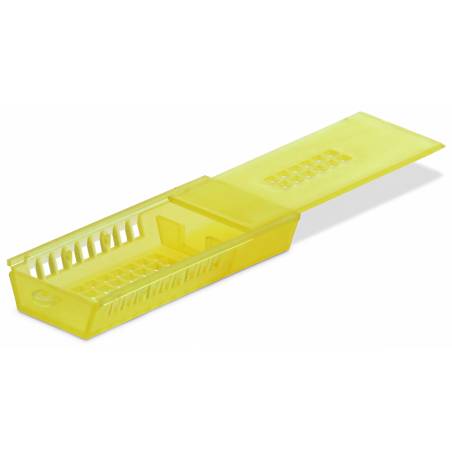
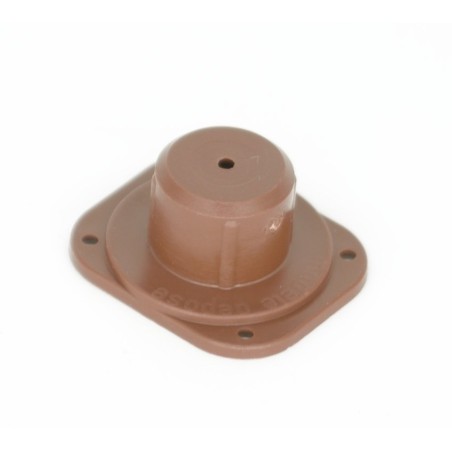
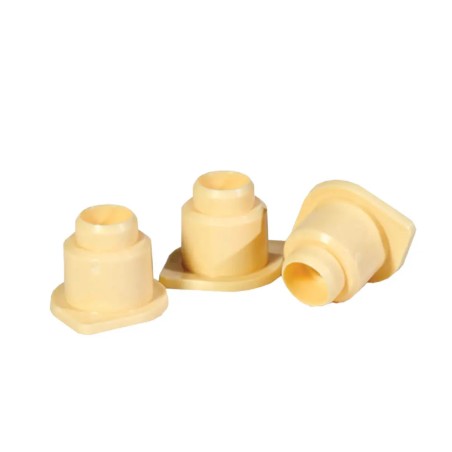
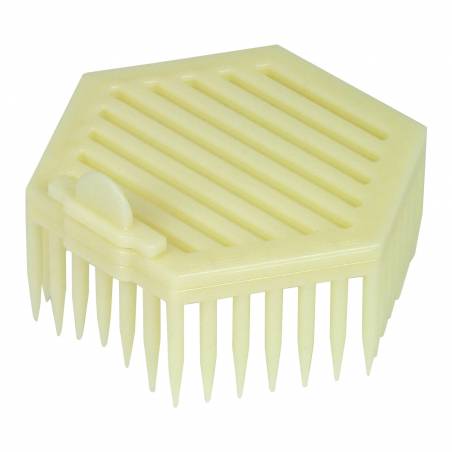
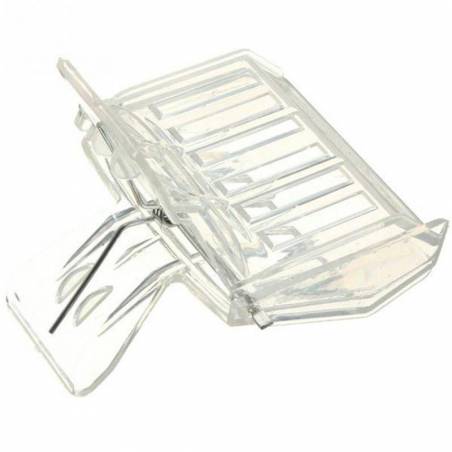
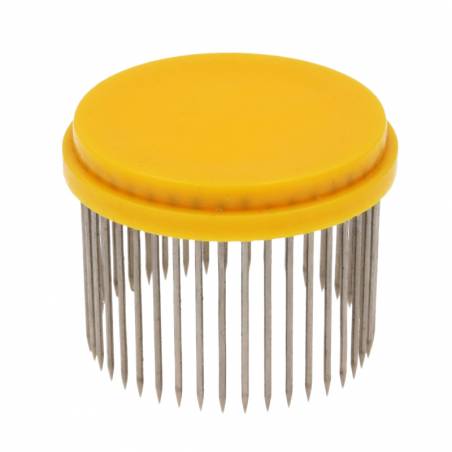
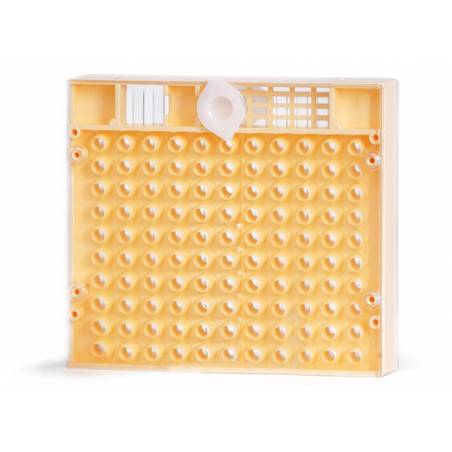
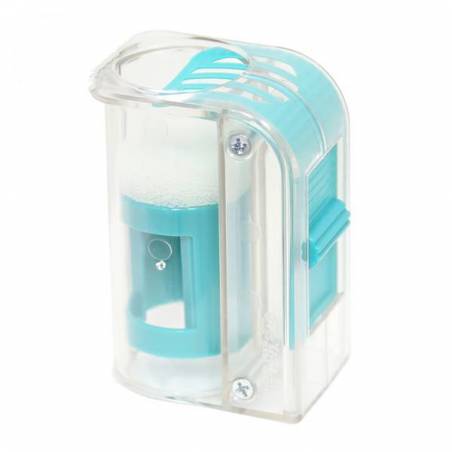
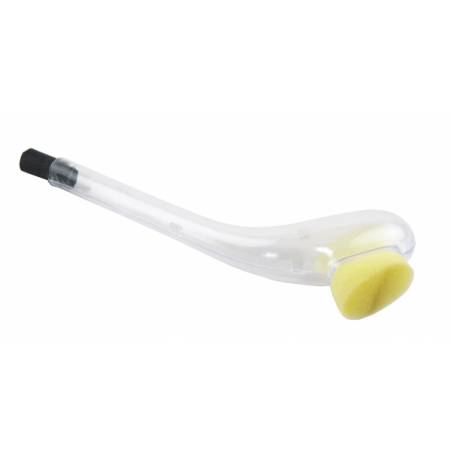
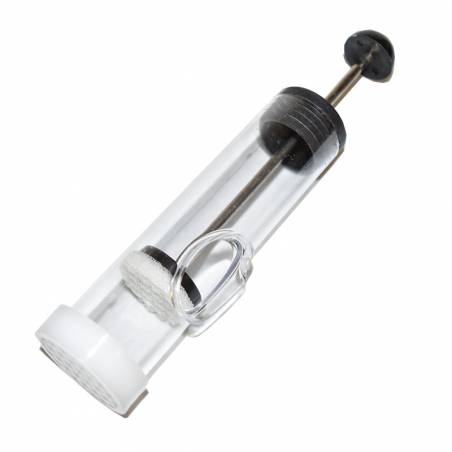
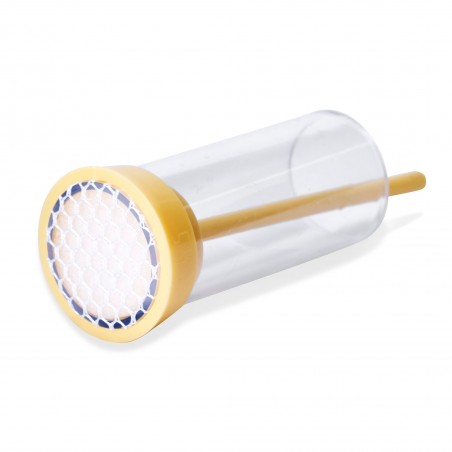
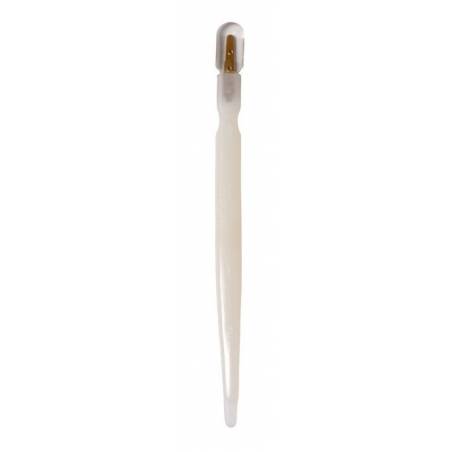
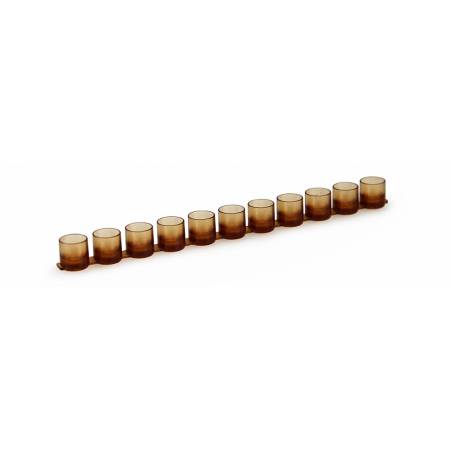
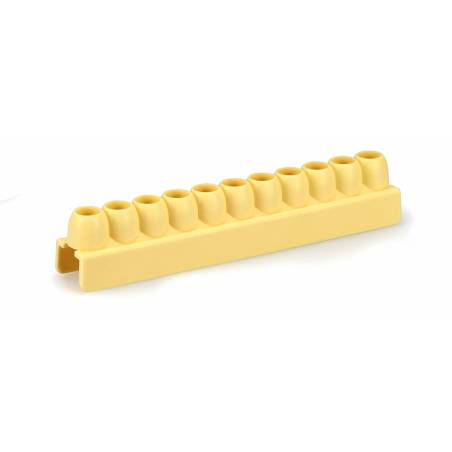
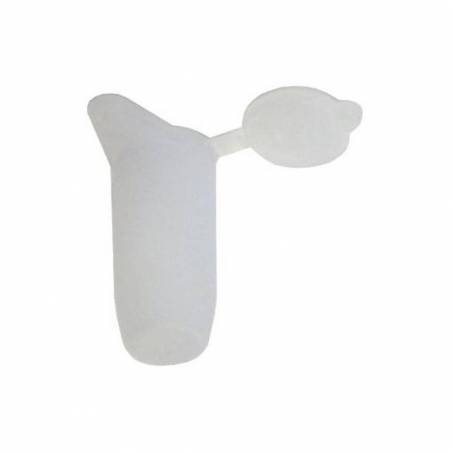
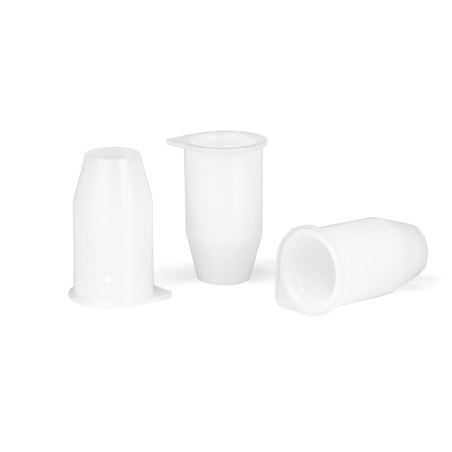
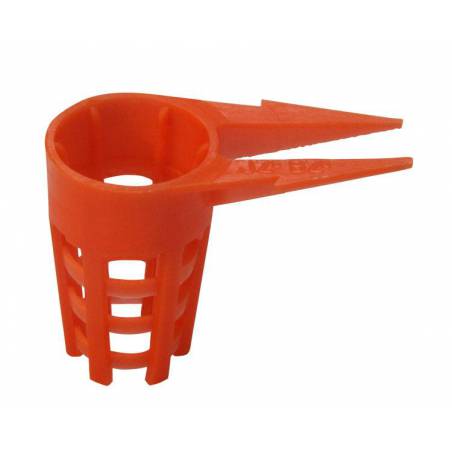
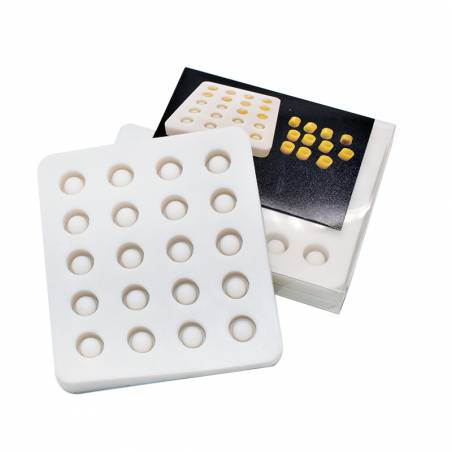
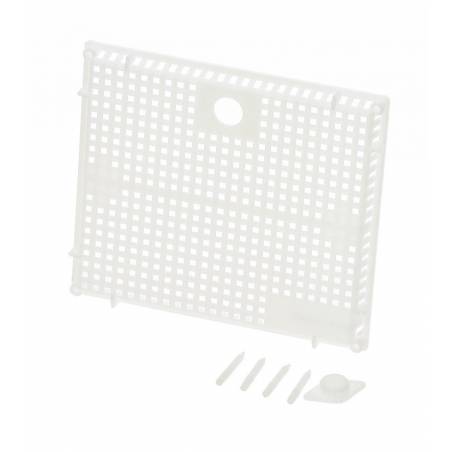
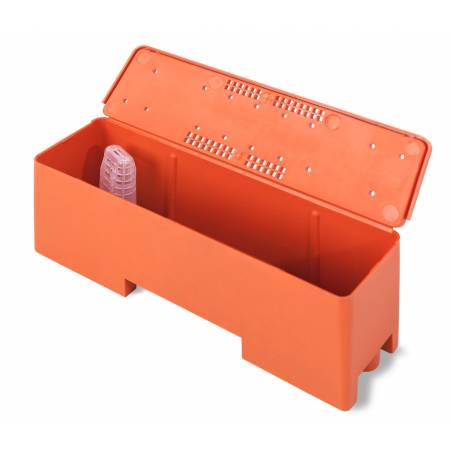
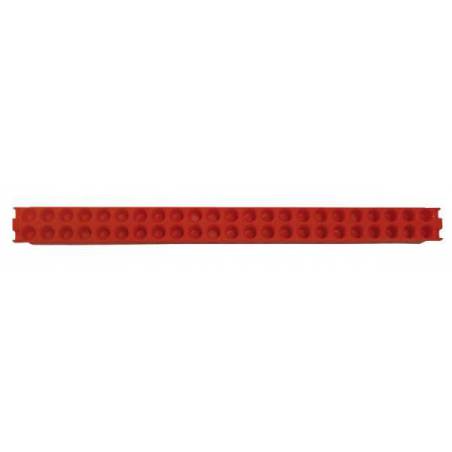
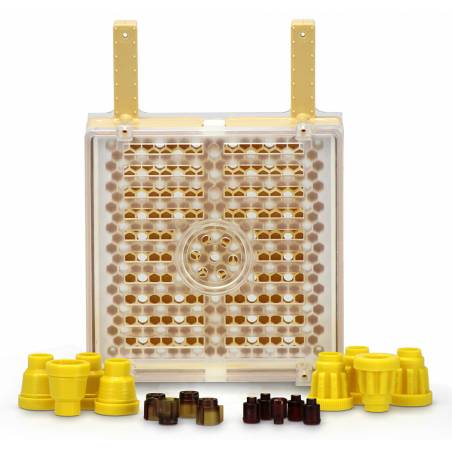
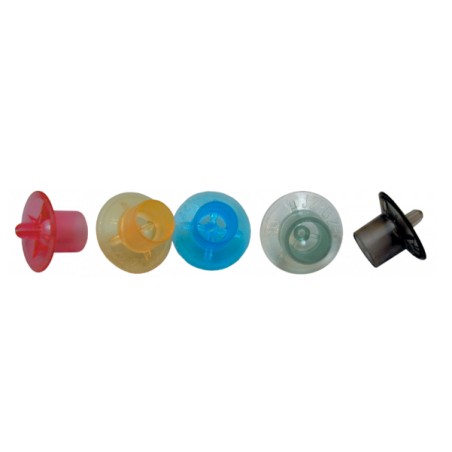
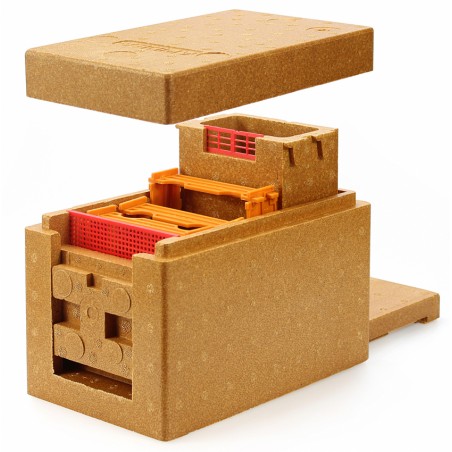
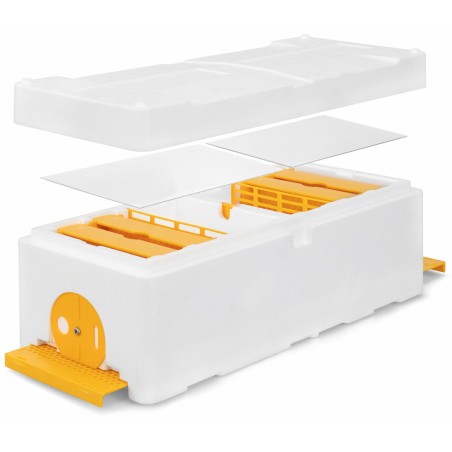
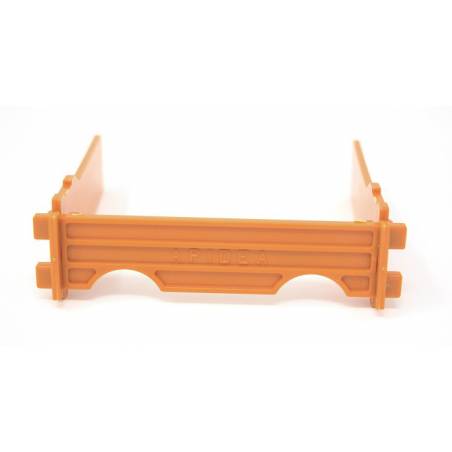
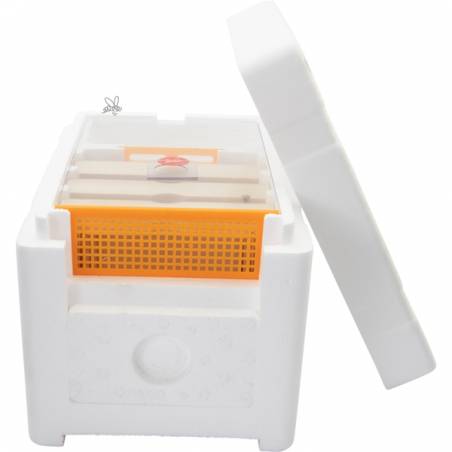
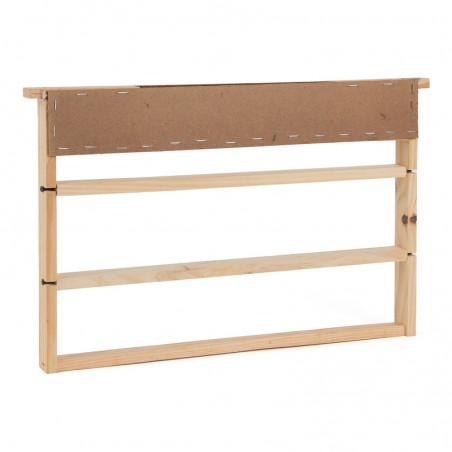
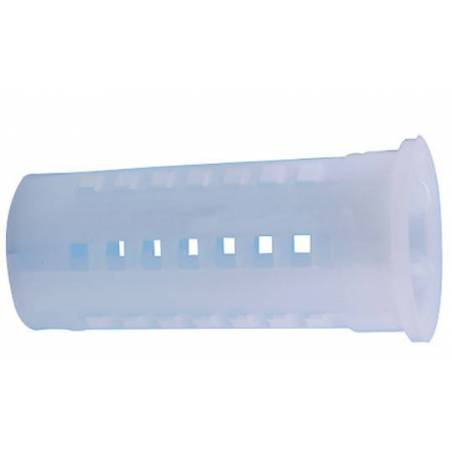
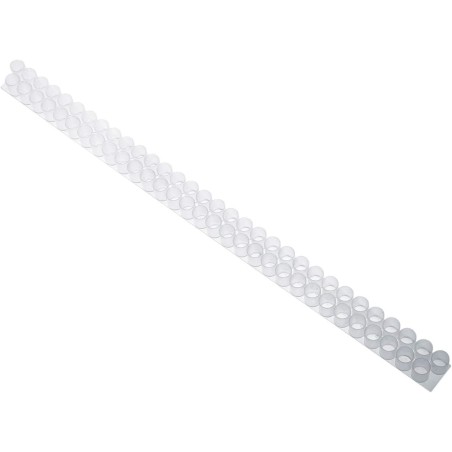
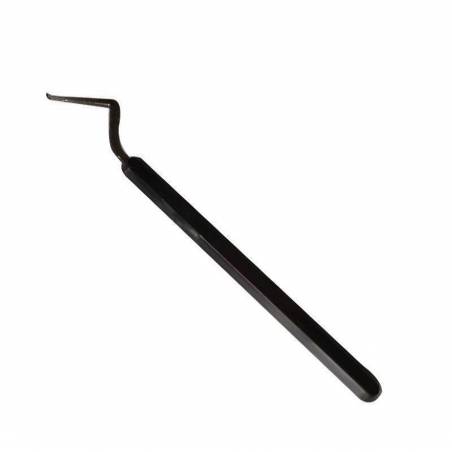
NICOT and JZBZ cell cups and holders, grafting tools, graft-free systems, cell protectors and incubators. Choose equipment that matches your rearing method and the frame format you use.
Queen-rearing equipment type
Brand
Price
-
€0.00 - €1,795.00


My advice for starting queen rearing
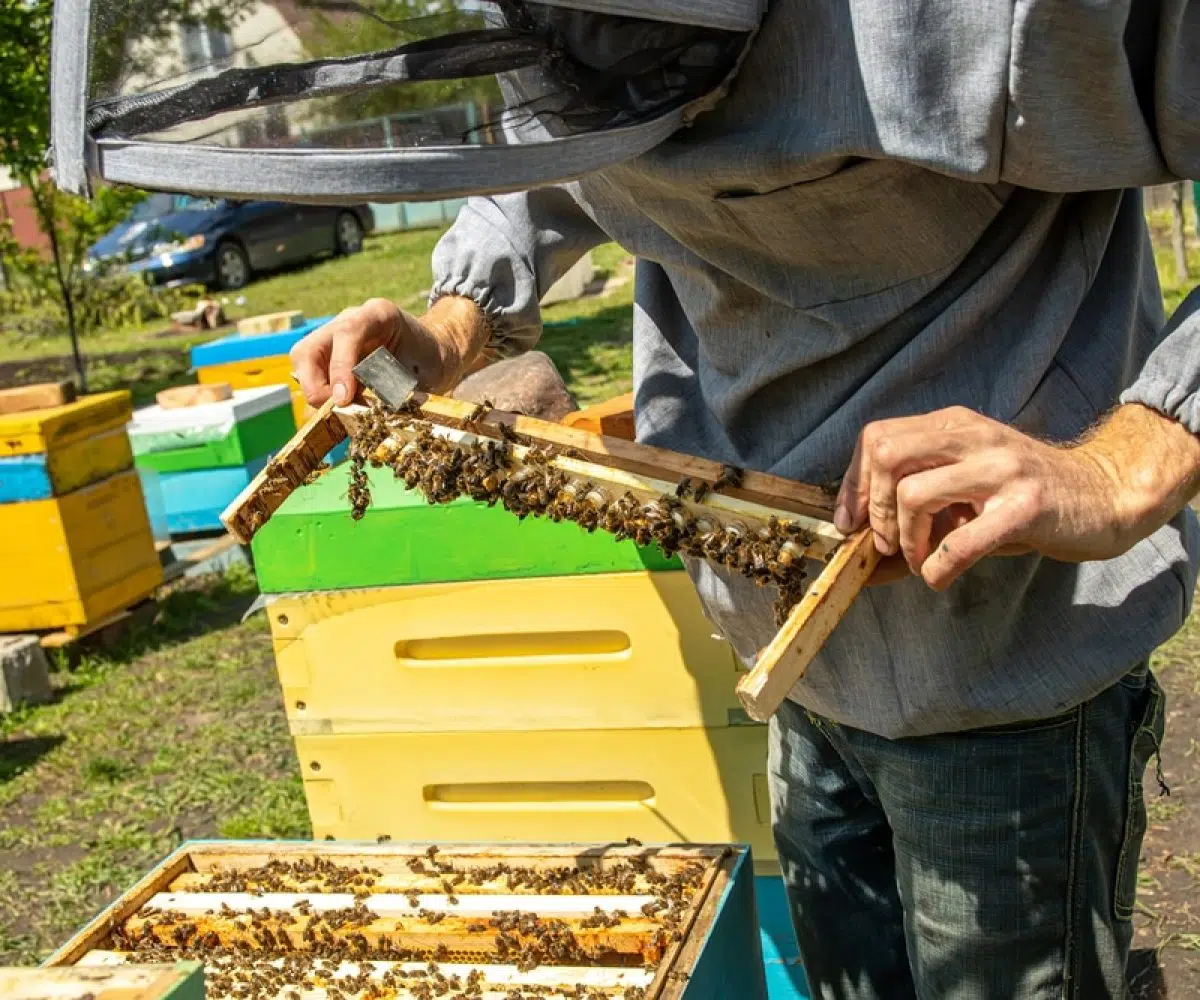
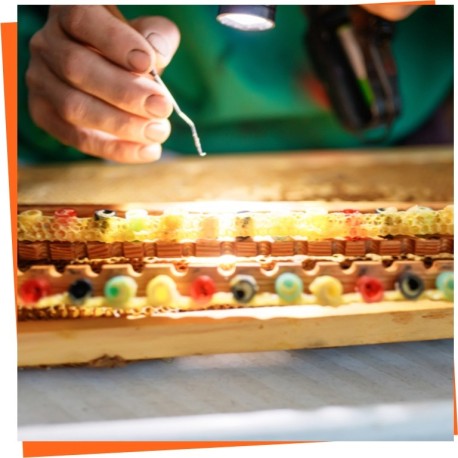
For a first batch I would not fill the whole frame. And here I take a clear stand: a single bar of 10–15 cell cups, with a mating nuc ready for every queen cell that comes through. More cups than you can look after only multiply the losses.
Graft larvae under 24 hours old and note the date: after 5–6 days you will see how many cells have been sealed, and by about day 10 they need to be protected or distributed. I would keep that record stage by stage, because poor acceptance and a queen that does not return from her flight are different problems: buying more equipment without telling them apart fixes neither.
Queen rearing
Choose a compatible rearing system
For grafting, match the tool, cell cups, holders and bars to your chosen system. NICOT and JZBZ use their own components: check references and fit before mixing them. NICOT Cupularve and Jenter offer alternatives to hand grafting; they still require preparation and accurate records of egg laying and larval hatching.
From grafting to sealed queen cells
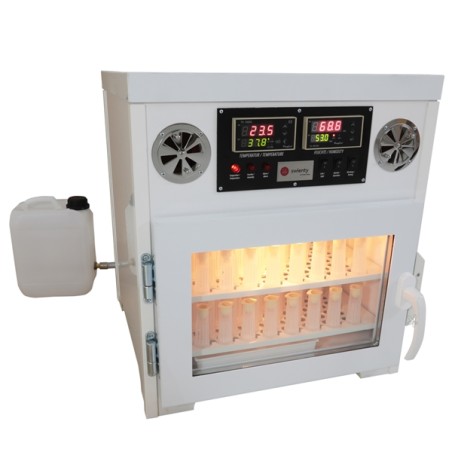
The equipment supports the work of your cell-building colonies. Select very young larvae, preferably less than 24 hours after hatching, and prevent them from drying out during transfer. Nurse bees need sufficient population and food to rear the batch. An incubator can receive sealed queen cells under an appropriate procedure; it does not feed larvae or replace their earlier care in the colony.
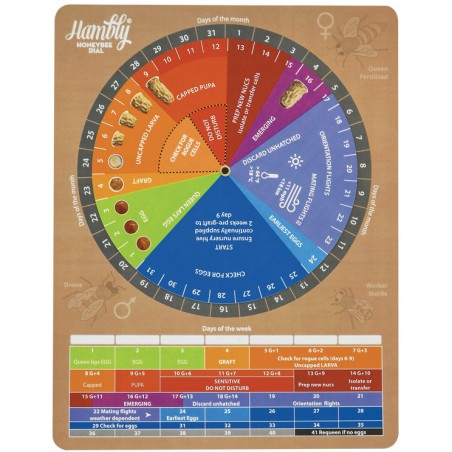
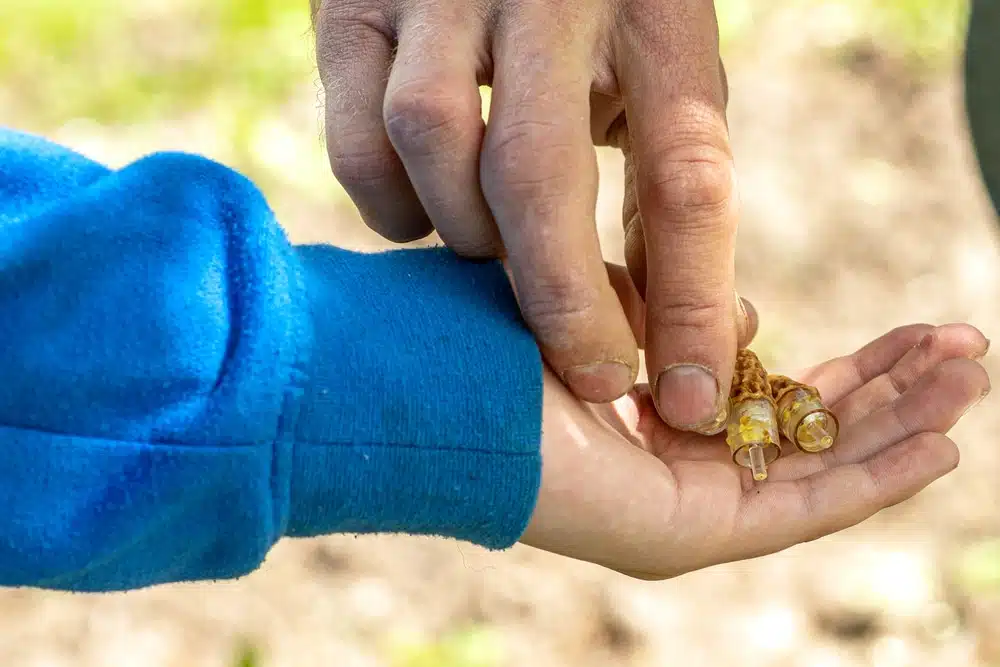
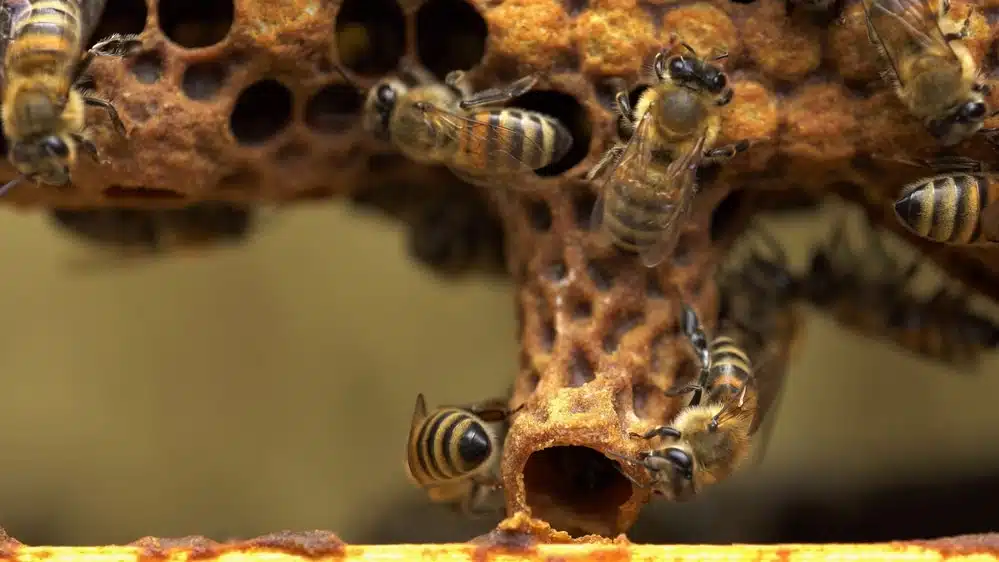
As a reference calendar, a queen takes about 16 days from the egg: with larvae under 24 hours old, cells are sealed 5–6 days after grafting and emerge around days 11–12. Protect or distribute them by about day 10, because the first queen to emerge seeks out her sisters’ cells and destroys them.
Buy for the next stage too
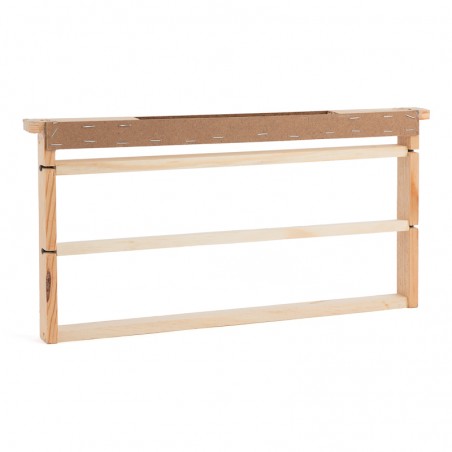
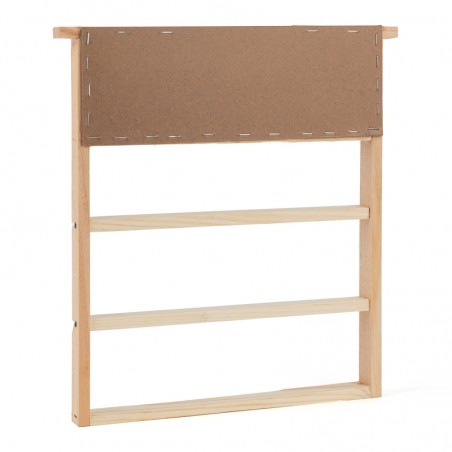
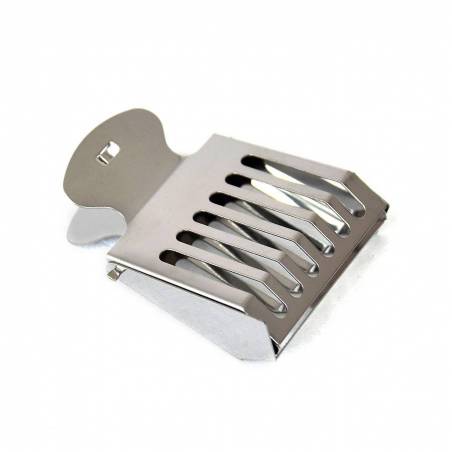
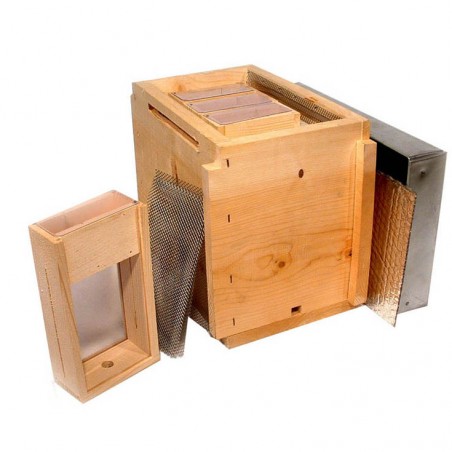
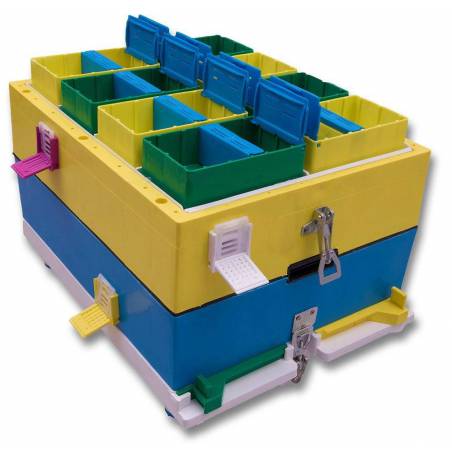
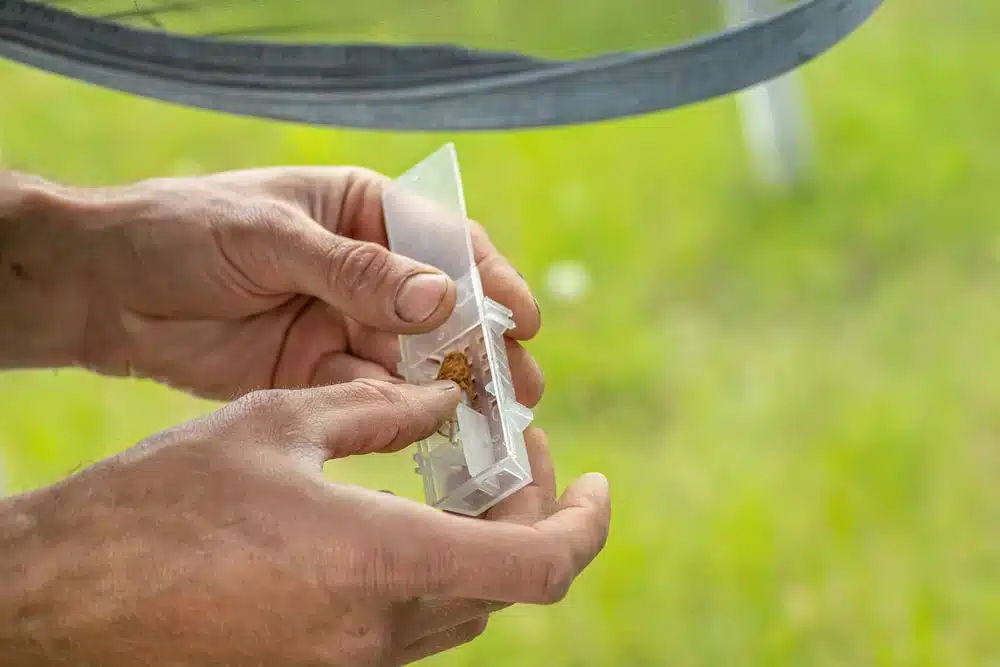
Match the number of cups to the capacity of the cell builders and the mating nucs you can have ready. Check that protectors and cages fit the cell holders, and that the rearing frame fits your hive. Before emergence, plan where the cells will go, how mating will be managed and how each queen will be recorded.
For later identification, see our queen marking equipment. If you need queens rather than equipment to rear them, browse live bees and queens.
What is queen rearing?
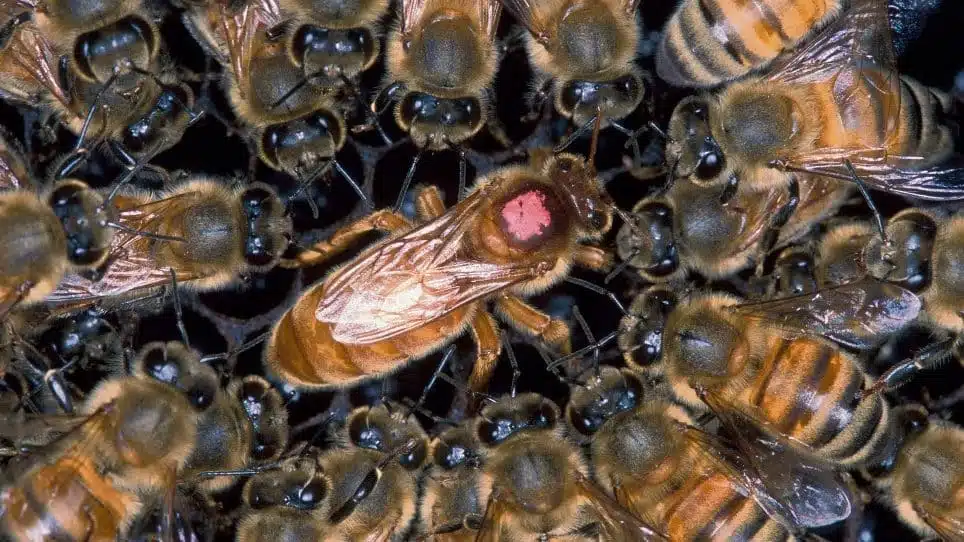
Queen rearing is a planned process for producing new queens from very young larvae and selected colonies. It helps organise queen replacement, form nucs and maintain selection criteria, but the final quality depends on the donor colony, nurse bees, nutrition, health, weather and the availability of mature drones.
Equipment such as queen cups, cup holders, grafting tools, cell protectors, cages and incubators helps control the schedule and traceability. It does not guarantee acceptance, mating, docility or productivity. Before starting, learn queen biology and use a consistent method with accurate date records.
What equipment and conditions are required to rear queens?
In a grafting system, you need a selected donor colony, very young larvae, a starter colony to initiate the queen cells, a finisher with plenty of nurse bees, queen cups and holders, a grafting tool, and cell protectors or cages. Mating requires nucs, sufficient bees and mature drones.
The equipment only organises the process. Timing, temperature and humidity during grafting, an adequate supply of protein-rich feed, colony health and suitable mating-flight conditions are also critical. An incubator can control emergence, but it cannot correct larvae that are too old, a weak starter or a shortage of drones.
How is a queen mated and what happens afterwards?
A virgin queen undertakes mating flights when she reaches maturity and the weather is favourable. She mates in flight with several drones and stores sperm in her spermatheca for use throughout her reproductive life. Weather conditions, the presence of mature drones and the risks of flight all influence the outcome.
She then needs time before she begins laying eggs. Fertilised eggs produce females — workers or new queens, depending on the larval feed — whilst unfertilised eggs produce drones. An estimated date of mating or egg-laying is only a guide: it is advisable to record births, likely mating flights and initial brood patterns without promising an exact timeframe.