 Apipasta with vitamins 15kg
 Beecomplet® Spring 14Kg
 Beekeeper suit with round veil
 Oxalic acid 1kg
 Beeswax Foundation 5kg
 Fresh royal jelly 20g
 Classic honey jar 1kg comb-lines TO77 - Pack of 16 units
 Promotor L Apis 1 litre
- Made in 🇫🇷

 Share in WhatsApp
CNE3 THE SMALLEST PIECE OF THE SYSTEM | 6-24 h THE AGE OF THE LARVA |
60 °C WASHED, AND BACK IN THE BATCH | Per unit SOLD SINGLY |
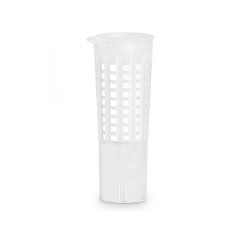
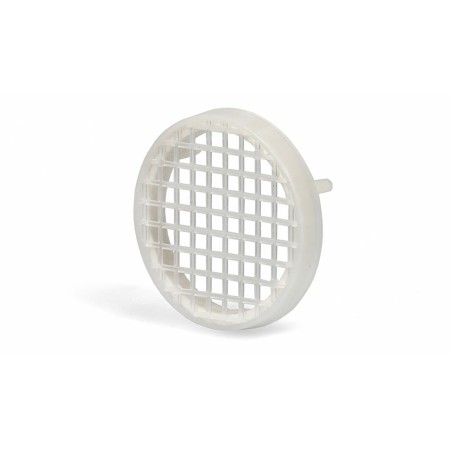
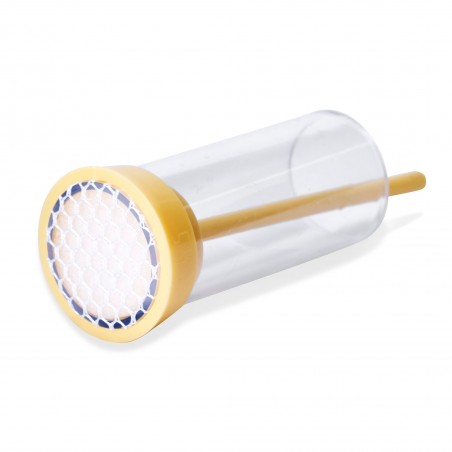
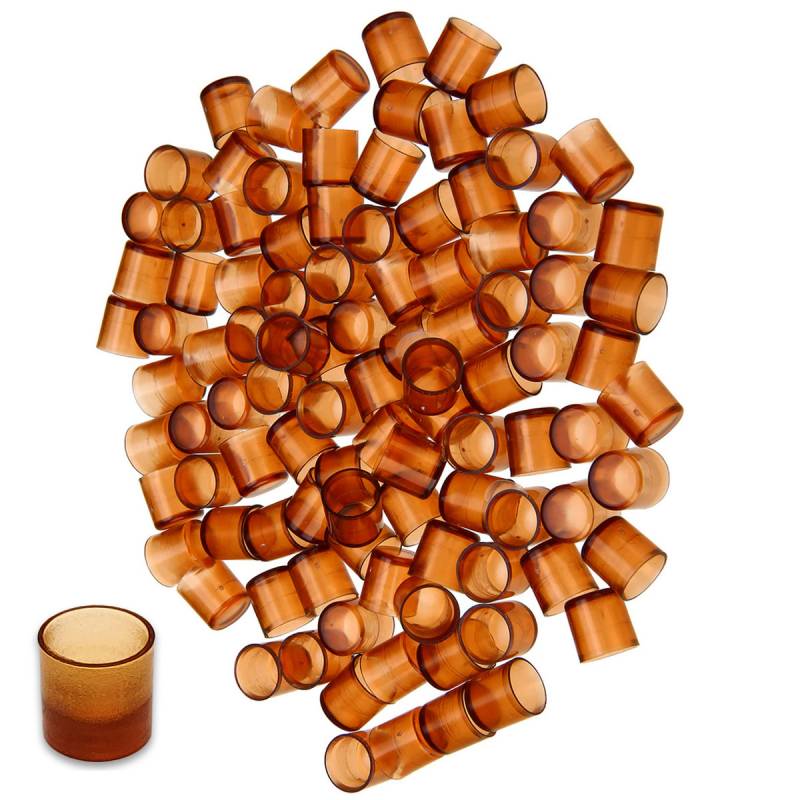
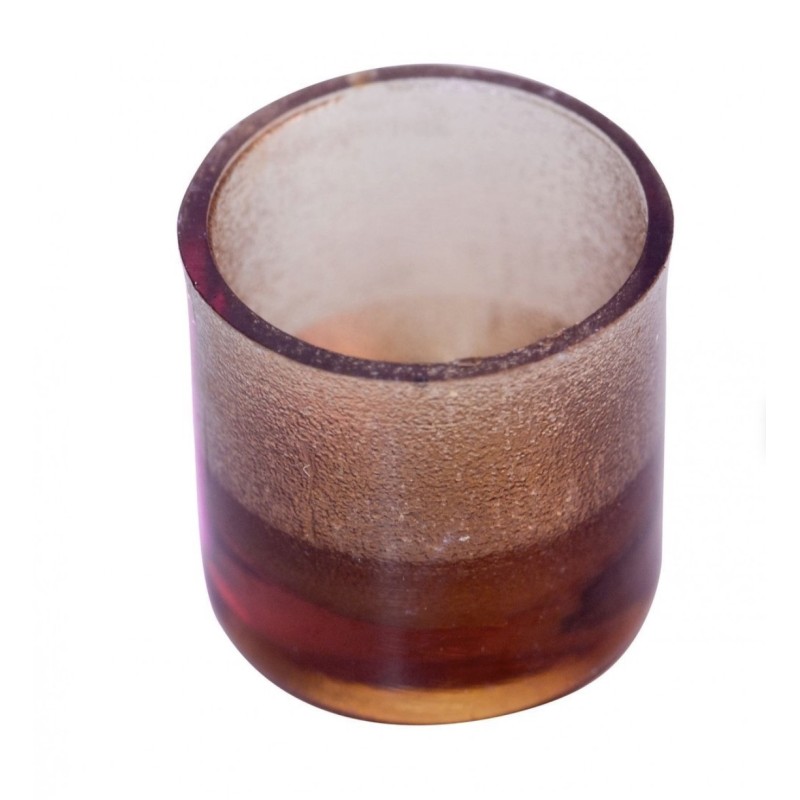
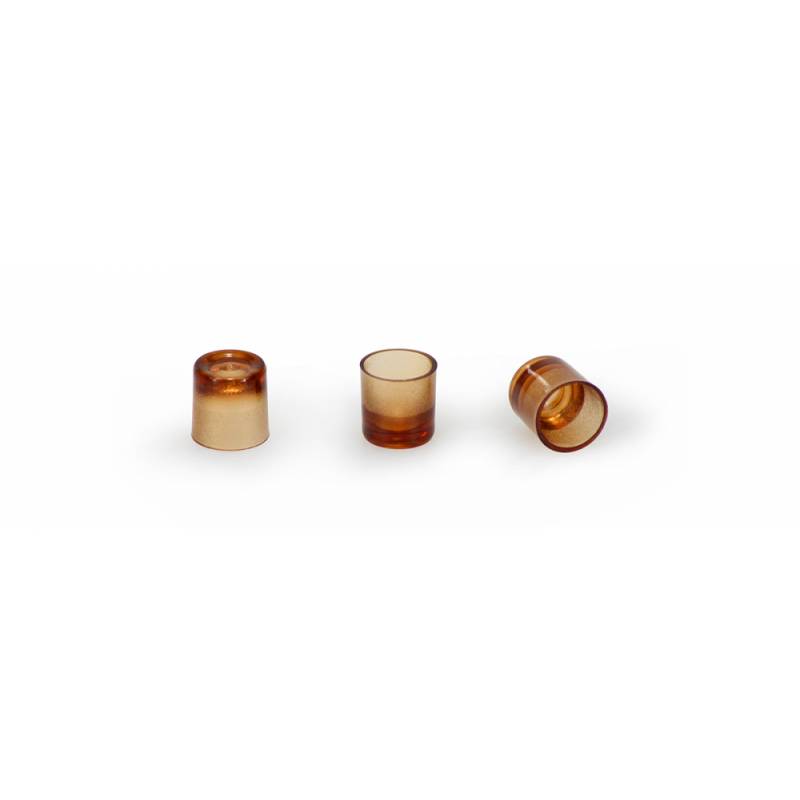
Plastic grafting cup from the NICOT system, the little cup the larva is placed in before it goes to the raising colony. Sold by the unit, and the piece that leaves this house in the largest numbers: reusable, washed and back in the next batch.
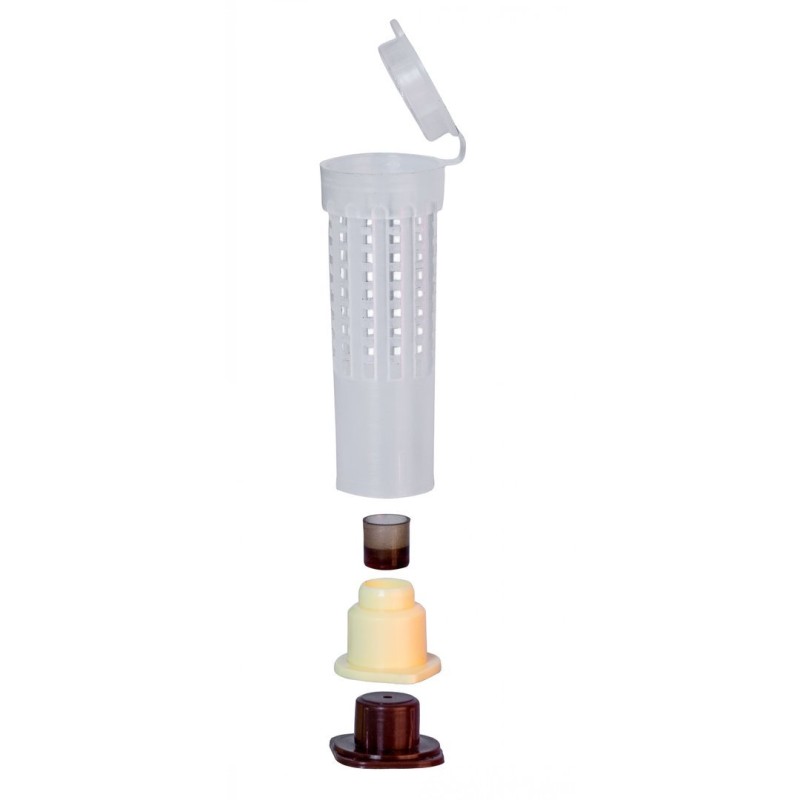
It is the last link in a chain of three pieces, and that is worth knowing before ordering: the cup on its own holds nothing.
01 · HOW IT FITS
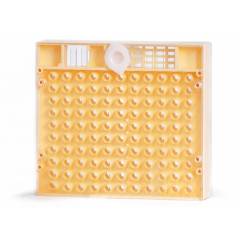
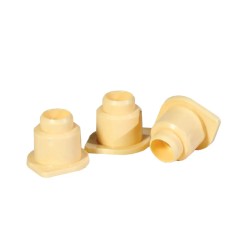
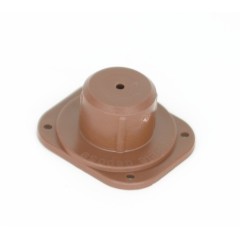
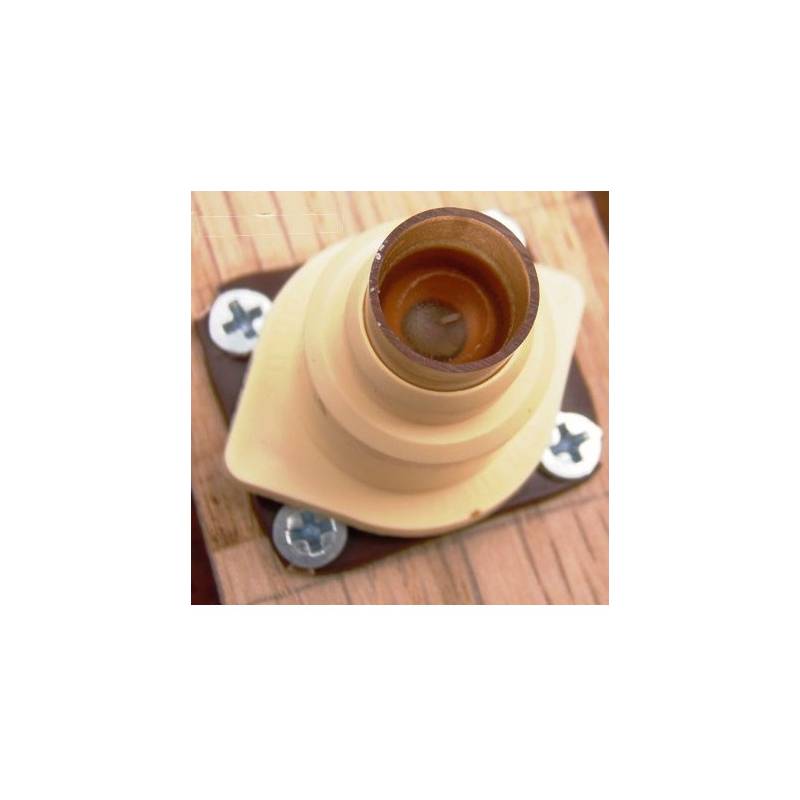
The system is built from the bottom up. The CNE1 support is fixed to the bar of the raising frame; the CNE2 block clips on top of it; and the cup goes inside the block. Each trio holds one queen cell, so raising ten queens takes ten of each piece. The same cup also works in the cupularve, the patented cage where the queen lays straight into the cups and grafting is avoided altogether.
02 · THE LARVA
In grafting you move a larva less than a day old into the cup — the maker says 6 to 24 hours — with the grafting tool. The block of loaded cups goes into a queenless colony, which turns to the queen-raising instinct and builds the cells; ten to twelve days later the sealed cells are shared out to queenless nucs, where the virgins will emerge. Always load more cups than the queens you need: not all of them are accepted.
03 · CLEANING
The plastic is food grade and non-porous: it does not absorb, so between batches it is washed hot, up to 60 °C, and disinfected without the wall losing its shape. That is the difference from cheap copies, which soften on the second wash and stop seating in the block. A deformed cup does not hold the cell properly and you notice it at collection. Against a hand-moulded wax cup, this one is reused season after season.
04 · BEFORE YOU BUY
Sold by the unit: the quantity you order is the number of cups that arrive.
| ✓ FITS | CNE2 cup block and cupularve of the NICOT system. |
| ✕ DOESN’T FIT | Other makers’ systems: this is the NICOT geometry. |
| ⚠ NOT INCLUDED | The block, the support and the grafting tool, which go separately. |
| Reference | CNE3 |
|---|---|
| Manufacturer | NICOT — made in France |
| Material | Food-grade plastic, non-porous |
| Fits | CNE2 block and NICOT cupularve |
| Larva age | 6 to 24 hours |
| Cycle to sealing | 10-12 days |
| Washing | Up to 60 °C, reusable |
| Sold | By the unit |
Data sheet
1 file available

check_circle
check_circle