
-
Beehives
- Complete beehive
- Accessories
-
Nuc hives
- Nucs by format
- With bees & mating
- Spare parts
-
Bee equipment
- For the apiary
- For the beekeeper
-
Clothing
- Clothing Accessories
-
Beeswax
-
Pure beeswax
- Beeswax and foundation
- Beeswax foundations
- Melting and rolling beewax
-
Pure beeswax
-
Bee feed
- Accessories and source materials
- Utensils
-
Bee health
- Varroa Treatments
- Diseases control
- Nutraceuticals
-
Extraction and bottling
- Before extraction
- Honey extraction
- After extraction
-
Bee pollen
- Harvest
- Indicted
-
Honey packaging
- Flasks per utility
- Flasks by size
- Other packaging
 Apipasta with vitamins 15kg
 Beecomplet® Spring 14Kg
 Beekeeper suit with round veil
 Oxalic acid 1kg
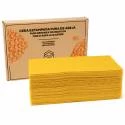 Beeswax Foundation 5kg
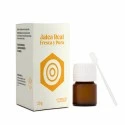 Fresh royal jelly 20g
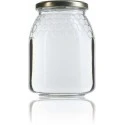 Classic honey jar 1kg comb-lines TO77 - Pack of 16 units
 Promotor L Apis 1 litre
Langstroth Nucs
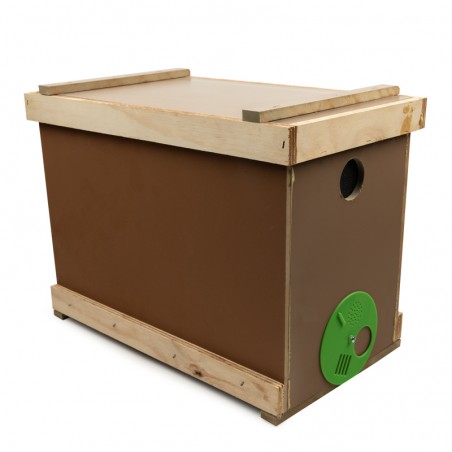
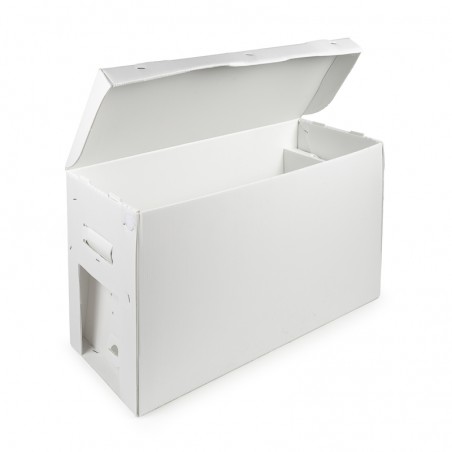
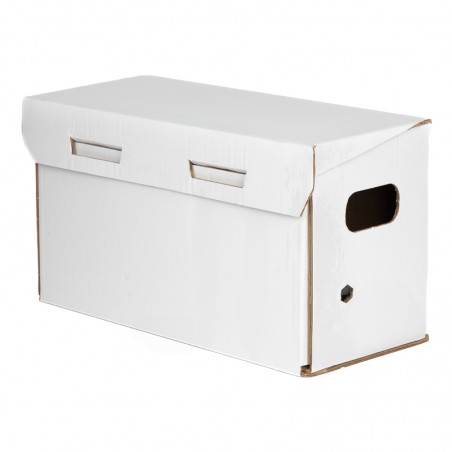
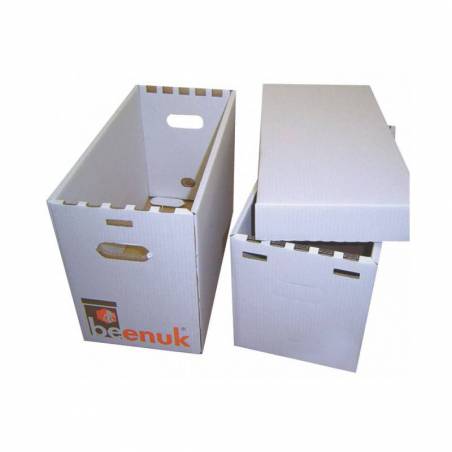
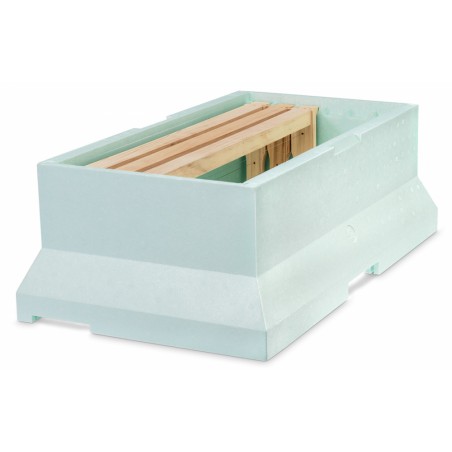
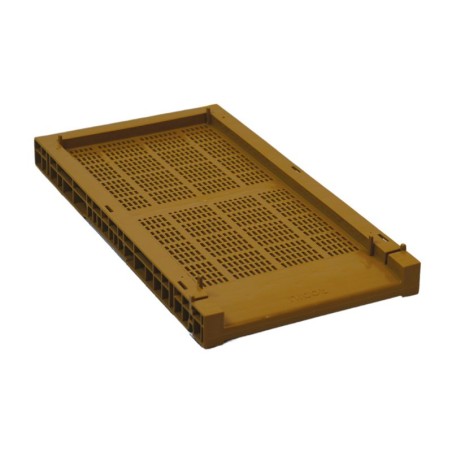
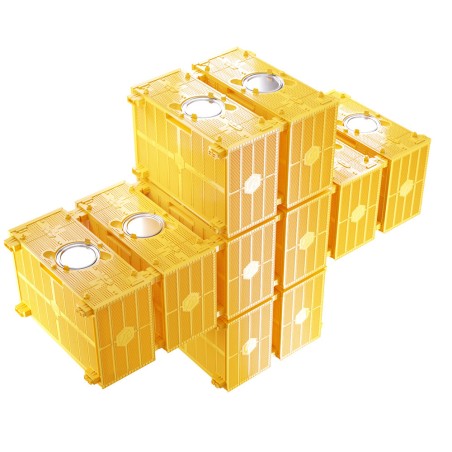
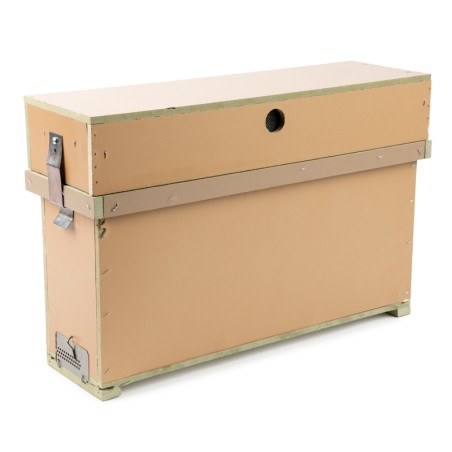
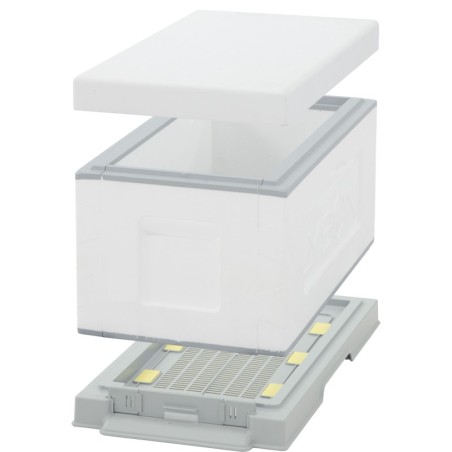
Langstroth nucleus boxes in HDF, polypropylene and wood, with floors, entrances, lids and feeders. 28 references up to 149 €.
Item type
Hive type
Material
Number of frames
Nuc system
Price
-
€1.00 - €149.00
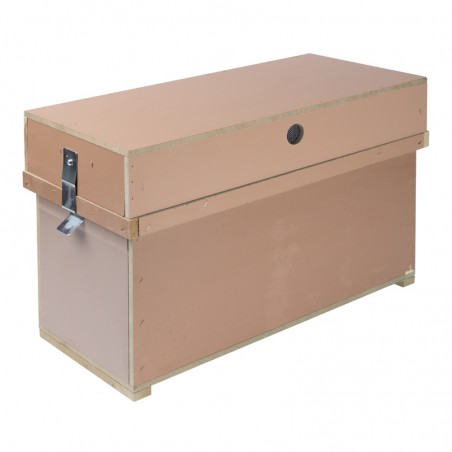
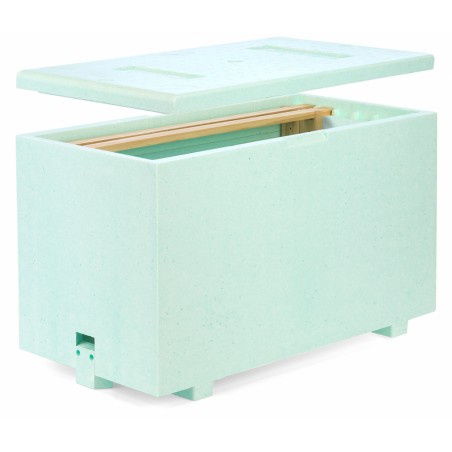
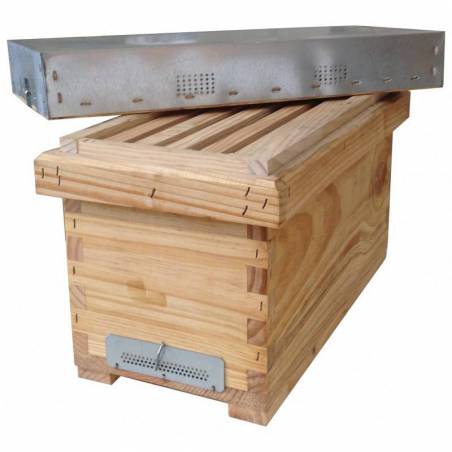
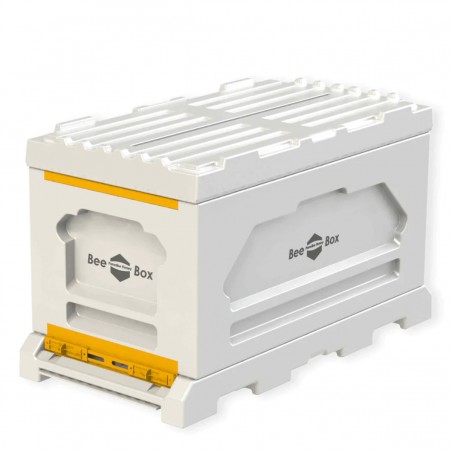
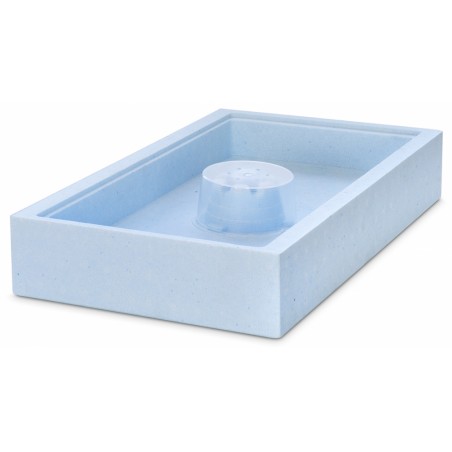
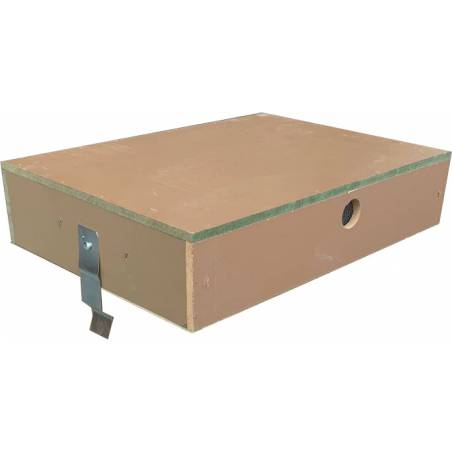
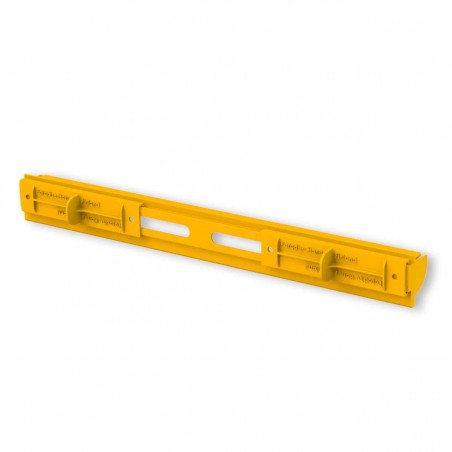
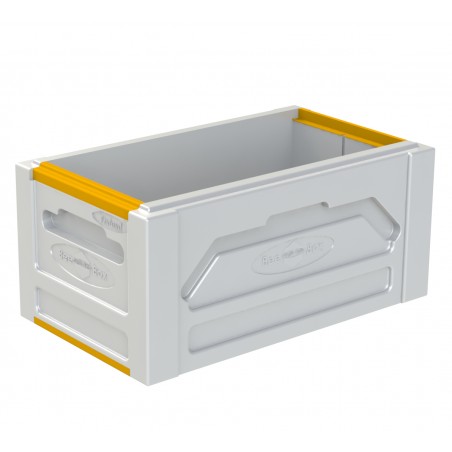
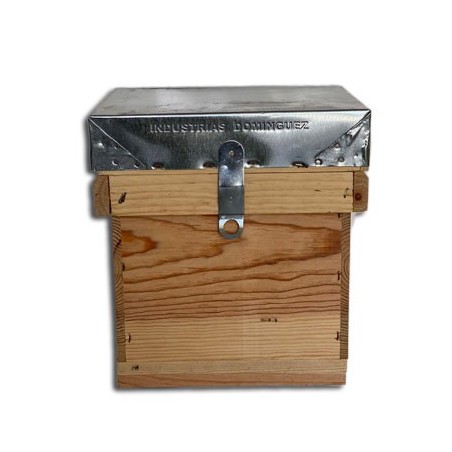
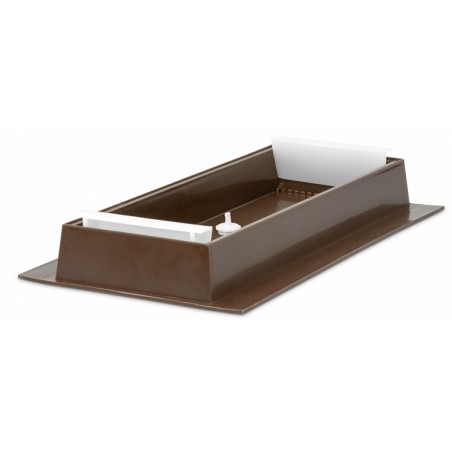
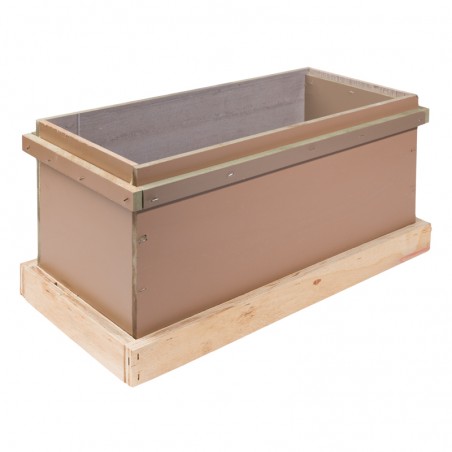
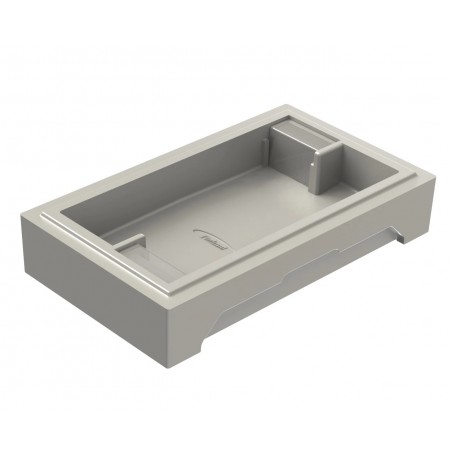
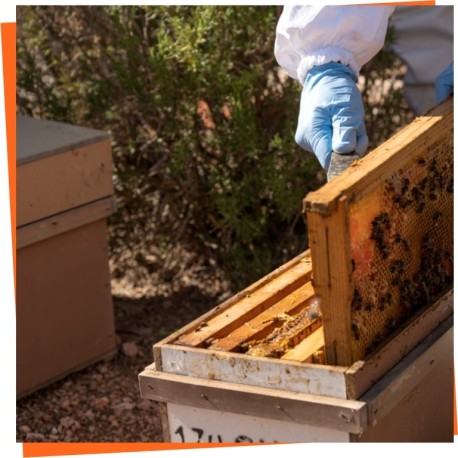
Langstroth Nucs
What a nuc is actually for
A nuc is not a small hive: it is a management tool with four uses that recur all season.
- Making artificial swarms — you take brood frames and bees from a strong colony before it swarms on its own.
- Collecting a swarm — it is the box you carry in the car.
- Mating and testing queens before putting them into production.
- Holding a weak colony that could not warm a full hive.
The frame is the same
A Langstroth nuc takes exactly the same frame as a Langstroth hive. That is why this category is organised by format and not by brand: you can move frames between nuc and hive without cutting anything, and that is the whole point of the system. Before buying, check which format you run — a nuc in the wrong format is of no use at all.
HDF, polypropylene or wood
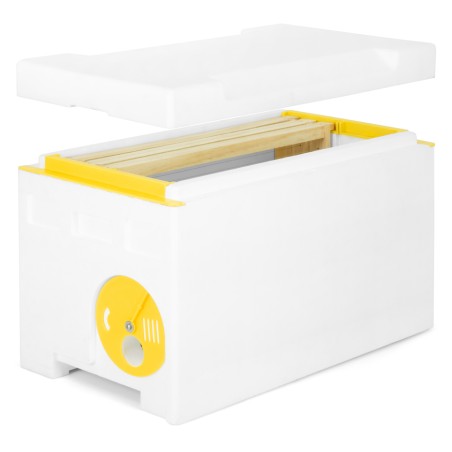
- HDF — cheapest and lightest, for transport and selling swarms. Not overwintering material.
- Polypropylene — insulates better, washes and stands years outdoors.
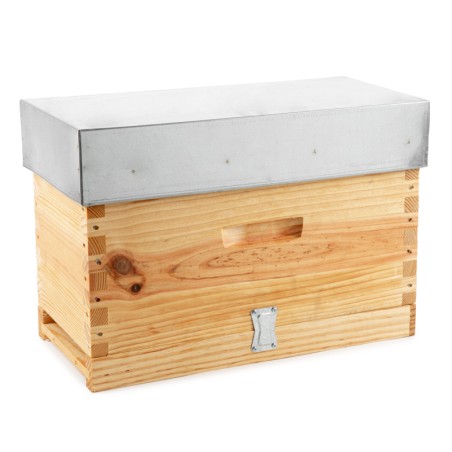
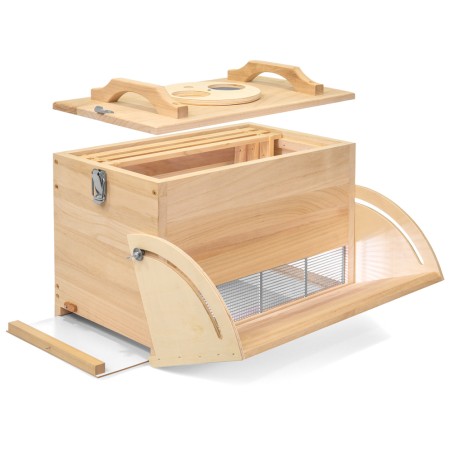
- Wood — the one that stays in the apiary all season; it breathes better and can be repaired.
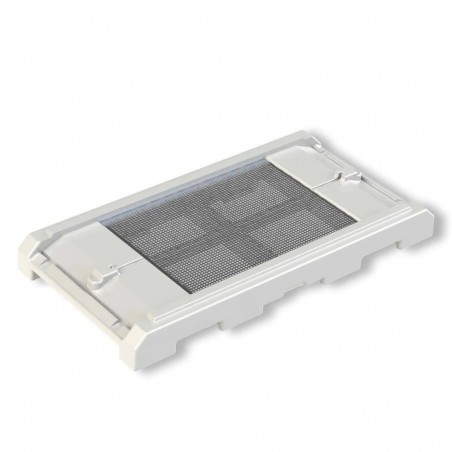
It is the most widespread format in the world and the one with the most spares: NICOT floors, Quarti® and Paradise® entrances, replacement lids, roof feeders. A Langstroth nuc can be completed with parts from several brands without trouble.
Live material is in nucs and swarms, and complete hives in Langstroth hives.
What is a Langstroth nuc and what is it used for?
It is a small hive that takes Langstroth frames and is used to establish, transport or develop a small colony. Typical uses include making splits, introducing or mating queens, recovering colonies and supplying live bees.
Models are available in different capacities — for example, 3, 5 or 6 frames — and materials. Check the frame count, dimensions, floor, ventilation and feeder. ‘Langstroth’ identifies the frame format, but does not guarantee that lids, frames or accessories from different manufacturers are interchangeable.
What maintenance does a Langstroth nuc require?
Check for the queen or recent eggs, brood, stores, bee population, space and Varroa at intervals appropriate to the season. Its small volume provides limited reserves and can quickly become overcrowded or too small; expand or transfer the colony before it runs out of space.
Check the nuc box for ventilation, secure closures, floor condition and damage. Cleaning depends on the material: wood, plastic and polystyrene do not tolerate the same tools or disinfectants. Between uses, remove debris, dry thoroughly and follow a health protocol compatible with the manufacturer’s instructions and the colony’s situation.
Is a Langstroth nuc suitable for beginners?
It can be useful for learning to manage a small colony, but it needs closer monitoring than a fully developed hive. It has fewer bees, smaller food reserves and less thermal inertia, so food shortages, robbing or poor queen mating can affect it quickly.
Beginners should have guidance, a complete hive ready for transferring the colony, and know when to expand it. A nuc is not an ‘easy’ hive that can be left unattended; its value lies in allowing you to observe colony development as part of a planned process.
What determines the environmental impact of a Langstroth nuc?
It depends on the origin and durability of the material, whether it can be repaired or reused, compatibility with existing equipment, transport and end-of-life management. Wood, plastic and polystyrene have different benefits and impacts; a nuc cannot be described as ‘eco-friendly’ on the basis of its material alone.
Management also matters: keeping colonies healthy, preventing losses, using durable components and avoiding incompatible formats all reduce waste. A nuc serves a beekeeping purpose, but is not inherently more bee-friendly; welfare and survival depend on bee population, stores, health, weather and care.