 Apipasta with vitamins 15kg
 Beecomplet® Spring 14Kg
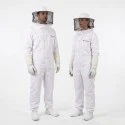 Beekeeper suit with round veil
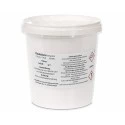 Oxalic acid 1kg
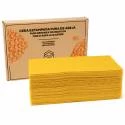 Beeswax Foundation 5kg
 Fresh royal jelly 20g
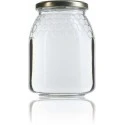 Classic honey jar 1kg comb-lines TO77 - Pack of 16 units
 Promotor L Apis 1 litre


 Share in WhatsApp
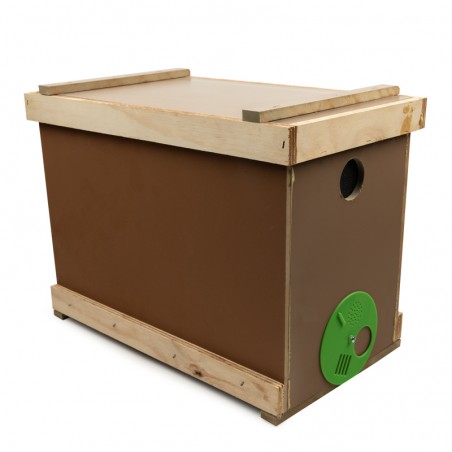
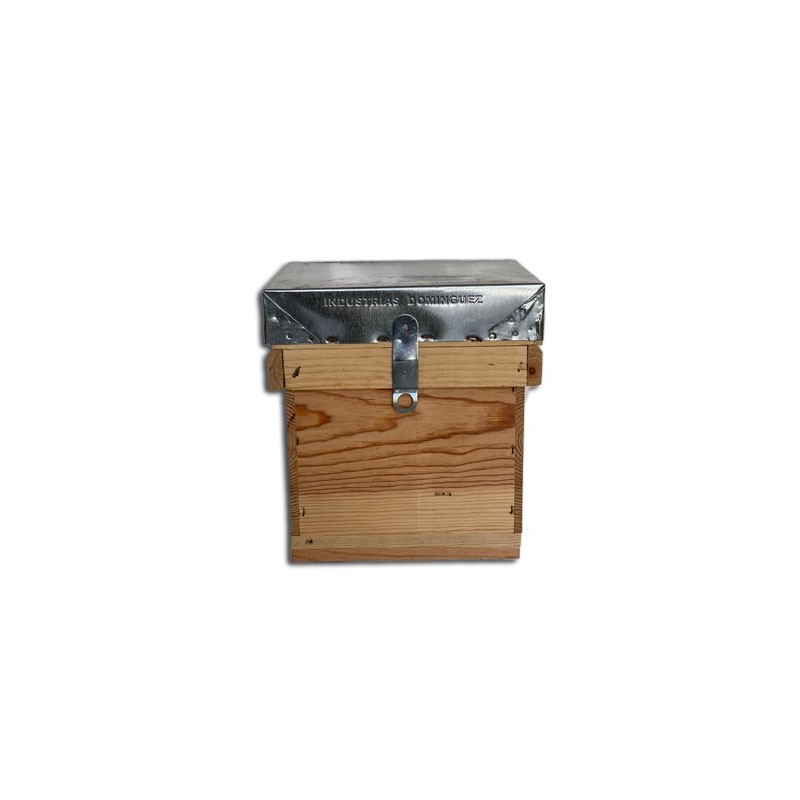
Double-compartment Langstroth mating nuc made of pine wood by Industrias Dominguez® (Spain). Includes 4 Langstroth half-frames (2 joined = 1 full frame, can be prepared beforehand in a full-size hive), dividing board and top feeders. Galvanised metal lid with ventilation. ~10 kg.
2 COMPARTMENTS | 4 HALF-FRAMES |
Langstroth FORMAT | 10 kg WEIGHT |
Double-compartment Langstroth mating nuc made of wood by Industrias Dominguez® (Spain).
Designed to raise queens in standard Langstroth format with a decisive advantage over polystyrene mini nucs: the half-frames can be prepared beforehand inside a full-size production hive, so the nuc starts with brood, pollen and stores instead of empty foundation. The double compartment lets you work two queens in parallel in the same box.
01 · CONSTRUCTION
Traditional pine wood construction with perforated galvanised metal lid for passive ventilation. Rodents don't chew wood the way they go for polystyrene; it stands up to field handling for many seasons and can be repaired with nails or glue if a panel gets damaged. The galvanised lid handles rain and humidity without rusting.
02 · PREPARATION
Takes 4 special half-frames (2 per compartment). Two half-frames joined together form a full Langstroth frame, so they can be installed in any Langstroth production hive for weeks to fill with sealed brood, pollen and honey. Separating them and placing them in each compartment of the nuc means the batch starts with mature material and bees born on that same comb, not with an empty box. That is a far better starting point, though the colony still has the last word on whether the queen is accepted.
03 · TWO CHAMBERS
Central dividing board (included) splits the box into two independent chambers with no passage of bees from one to the other — each with its own queen, two half-frames and own entrance. Top feeders in each compartment to supply syrup or candy without opening the nuc. That gives two mating positions in the footprint of a single box: one journey, one stand and one visit to see to both.
04 · ENTRANCES
Central galvanised metal latch with hinge keeps the lid secured during transport. Perforations in the metal lid provide continuous ventilation without opening the box. Each compartment has its own independent side entrance, so each queen returns from her flight through her own opening. Facing the two entrances in different directions, or marking them with colours or shapes, helps reduce drifting between compartments.
05 · BEFORE YOU BUY
| ✓ FITS | Langstroth production hives: the two half-frames joined together make a full Langstroth frame. |
| ✕ DOES NOT FIT | Dadant format, which takes its own frame size, and mini-nucs with their own frames such as Apidea or Kieler. |
| ⚠ NOT INCLUDED | The bees, the queen or queen cell and the syrup or candy for the feeder. The 4 half-frames are included. |
⚠ PRECAUTIONS
Important about mating: the nuc is a management tool, it does not guarantee mating. Success depends on enough young bees in each compartment, food reserves in the feeder, mature drones available, favourable weather (~20 °C, clear sky, low wind) and unit health. Preparing the half-frames beforehand in a full production hive with brood and stores means each compartment starts with bees and food from day one, which covers two of those conditions; the rest do not depend on the equipment.
| Main material | Pine wood |
|---|---|
| Lid | Perforated galvanised metal for ventilation, with hinge latch |
| Compartments | 2 independent (separated by included dividing board) |
| Frames | 4 Langstroth half-frames included (2 per compartment; 2 joined = 1 full Langstroth frame) |
| Feeder | Top, one per compartment |
| Entrance | One per compartment (side, independent) |
| Weight | ~10 kg |
| Compatibility | Langstroth production hives (joined half-frames form a standard Langstroth frame) |
Data sheet
They are included. The nuc is supplied with its 4 Langstroth half-frames — two per compartment — and with the central dividing board, so there is nothing extra to buy.
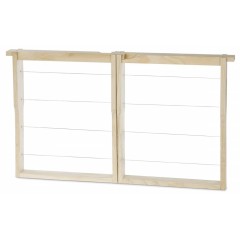
They are also sold on their own, for spares or to keep several batches loaded in parallel while the combs are being drawn in the production hive: it is the «Langstroth Twin frame for mating nuc». Each unit is two halves, so loading a whole nuc takes two units.
Yes, that is exactly the system. The two half-frames sit together and make a full Langstroth frame, so you put them in a production hive and leave them as many weeks as needed: the colony draws them out, the queen lays in them and they fill with sealed brood, pollen and honey. You then split them and each half goes into one compartment of the nuc.
That is the advantage over polystyrene mini-nucs, which start from bare foundation. When you split them, cut the wax along the joint with the hive tool before pulling: the colony will have welded the two halves together with wax and propolis.
The two openings are not an entrance and an exit for the same chamber: there is one entrance per compartment, and each one is the only way in and out for its own colony. In normal use, therefore, both stay open.
What you do manage is their width. It is worth narrowing them when there is a risk of robbing, which in a small nuc with a low population is the usual problem. Ventilation does not depend on them: the galvanised lid is perforated and airs the box while it stays closed.
It does. There are two top feeders, one per compartment, so there is nothing else to buy in order to feed.
Being in the roof, they let you give syrup or candy without opening the nuc, which during mating is precisely what you want to avoid: every opening chills the brood and disturbs a colony that is still small.
Sorry, no results found.
Write your question
Double-compartment Langstroth mating nuc made of pine wood by Industrias Dominguez® (Spain). Includes 4 Langstroth half-frames (2 joined = 1 full frame, can be prepared beforehand in a full-size hive), dividing board and top feeders. Galvanised metal lid with ventilation. ~10 kg.