-
Beehives
- Complete beehive
- Accessories
-
Nuc hives
- Nucs by format
- With bees & mating
- Spare parts
-
Bee equipment
- For the apiary
- For the beekeeper
-
Clothing
- Clothing Accessories
-
Beeswax
-
Pure beeswax
- Beeswax and foundation
- Beeswax foundations
- Melting and rolling beewax
-
Pure beeswax
-
Bee feed
- Accessories and source materials
- Utensils
-
Bee health
- Varroa Treatments
- Diseases control
- Nutraceuticals
-
Extraction and bottling
- Before extraction
- Honey extraction
- After extraction
-
Bee pollen
- Harvest
- Indicted
-
Honey packaging
- Flasks per utility
- Flasks by size
- Other packaging
 Apipasta with vitamins 15kg
 Beecomplet® Spring 14Kg
 Beekeeper suit with round veil
 Oxalic acid 1kg
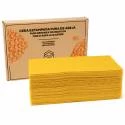 Beeswax Foundation 5kg
 Fresh royal jelly 20g
 Classic honey jar 1kg comb-lines TO77 - Pack of 16 units
 Promotor L Apis 1 litre
Langstroth Beehives
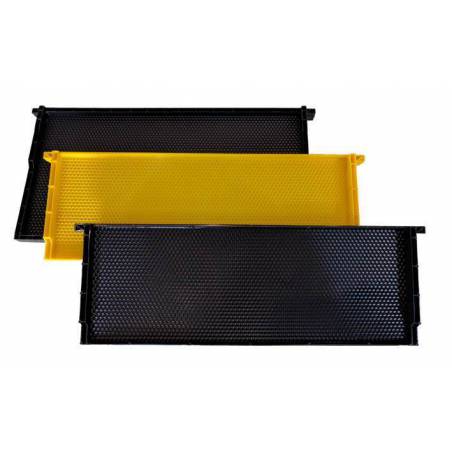
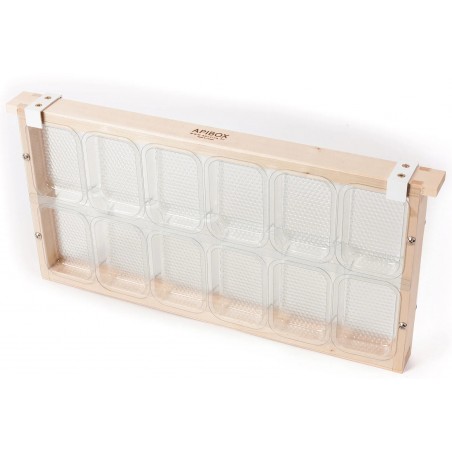
Langstroth hives complete and in parts, and frames from €1.05: straight, Hoffmann, vertically or horizontally wired, premium with eyelet and plastic for shallow supers.
Hive type
Material
Number of frames
Brand
Price
-
€0.00 - €130.00
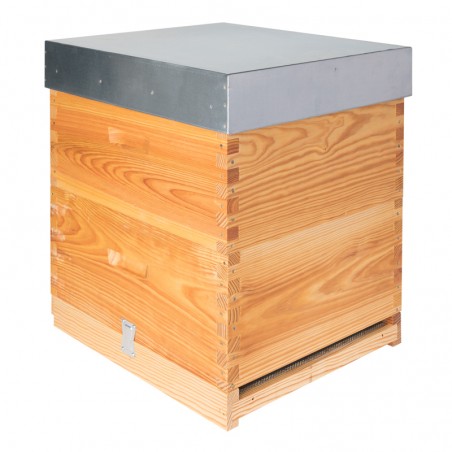
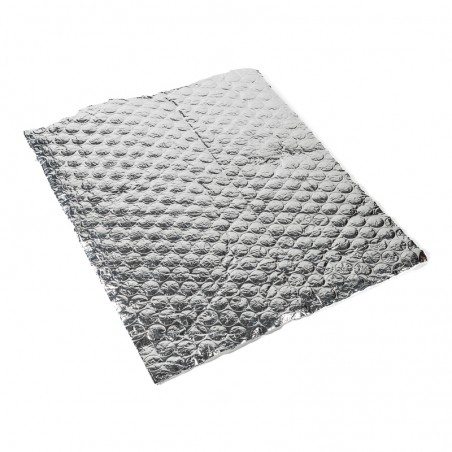
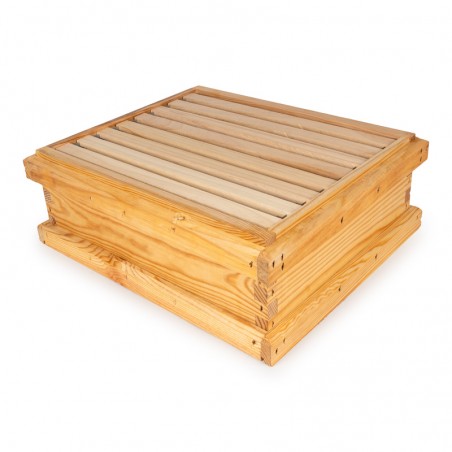
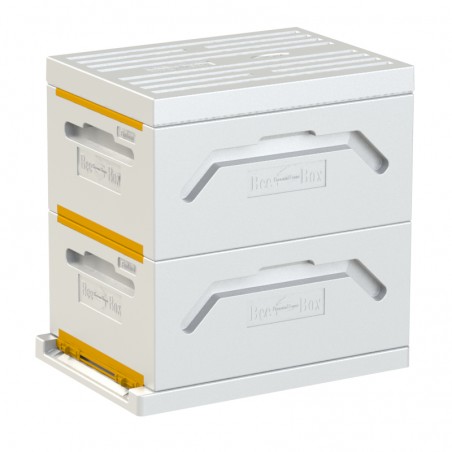
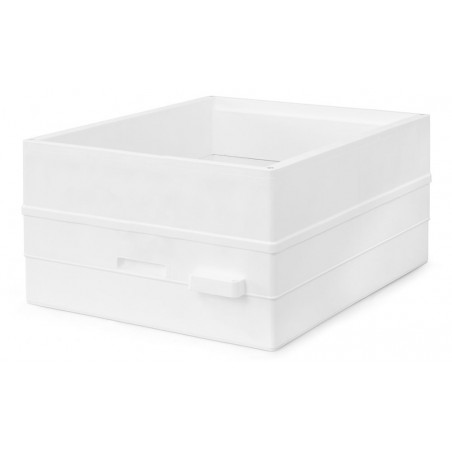
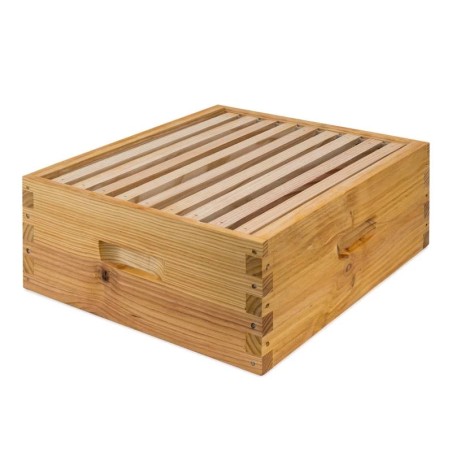
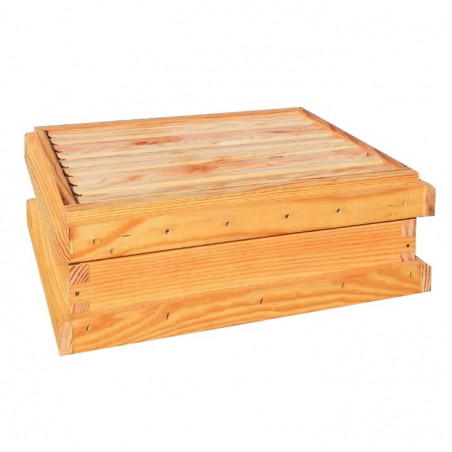
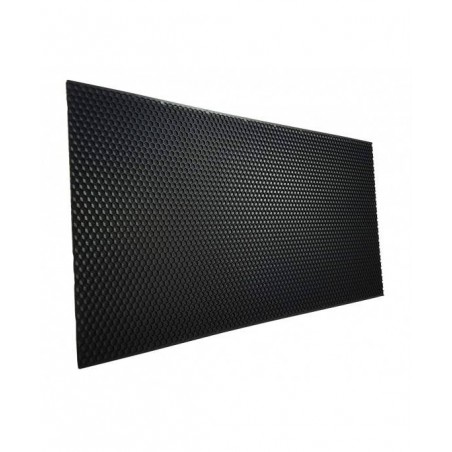
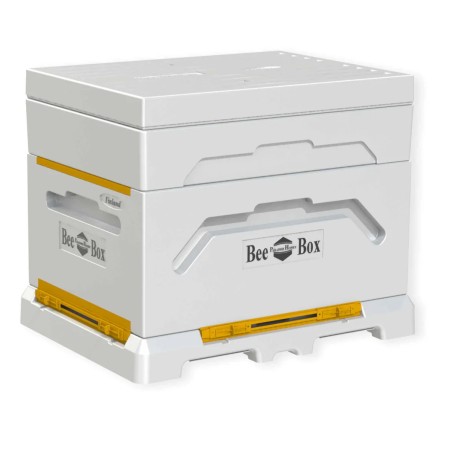
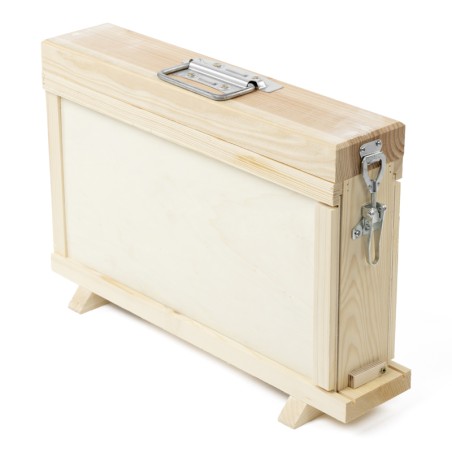
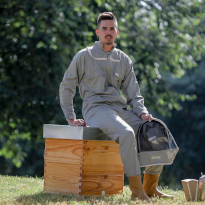
Hello, beekeepers! After years of working with different hive models, I have to tell you that the Langstroth is my favorite, and it’s no coincidence that it’s the most widely used worldwide.
Here’s why: I love its versatility: you can use full or half supers depending on the bloom, which is perfect for producing monofloral honeys. And if you live in colder regions, like northern Spain, you’ll find it works wonderfully in winter, because the bee cluster stays nice and tight.
A practical tip: if you’re just starting out, don’t overcomplicate things. The Langstroth is ideal for learning, as it accommodates almost any beekeeping technique. Moreover, you’ll find spare parts and compatible materials in any beekeeping store, which makes everyday work much easier.




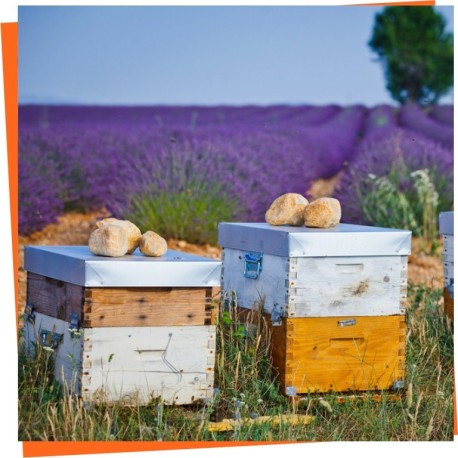
Langstroth Beehives
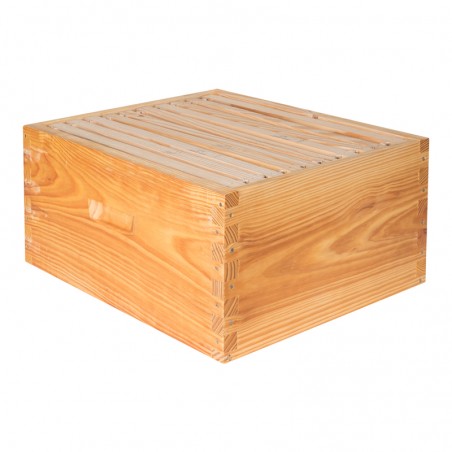
The Langstroth is the vertical 10-frame hive and the most widespread in the world. Its number is a 42 × 20 cm frame and a body of around 42 litres.
Why it gets chosen
Because it uses the same frame in the brood box and in a full super. That, which sounds like a detail, is what lets you move a frame up or down without thinking, buy a single type of foundation and keep one spare for everything. On a Dadant, body and super do not share a size.
It works well with super handling, migration and splits. Its two limits: the brood box can fall short at peak development — many winter on a double body — and it demands storage for the supers and combs that are not on the hive.
The frames, where the real decision sits
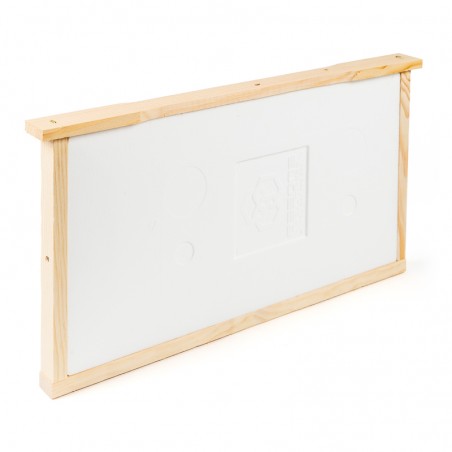
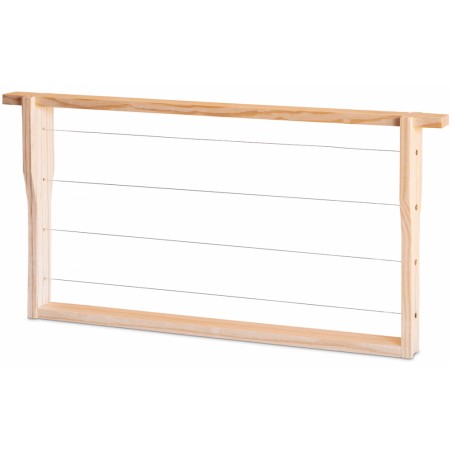
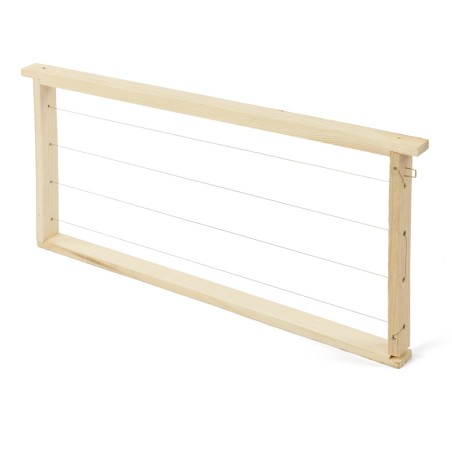
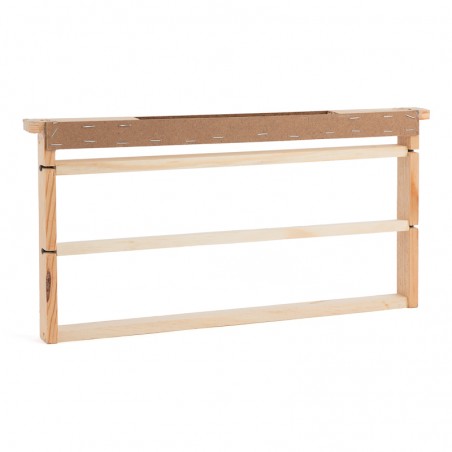
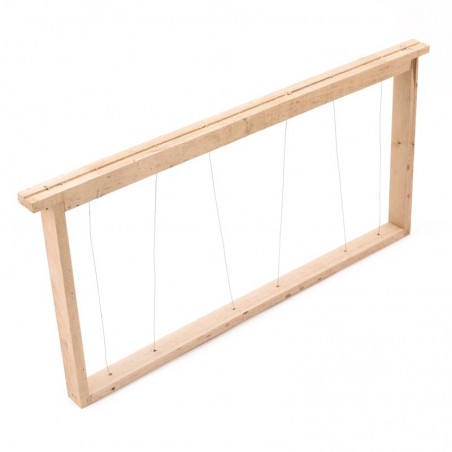
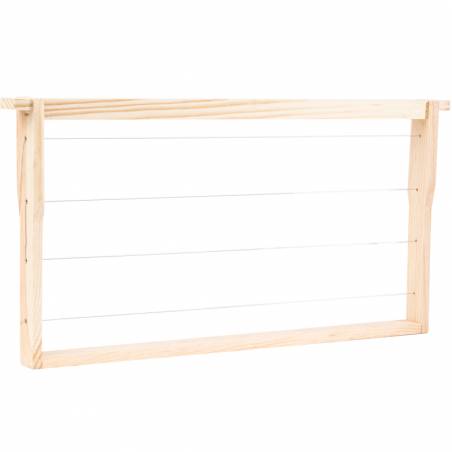
- Straight (from €1.05) — the basic one. Needs a spacer to hold the distance.
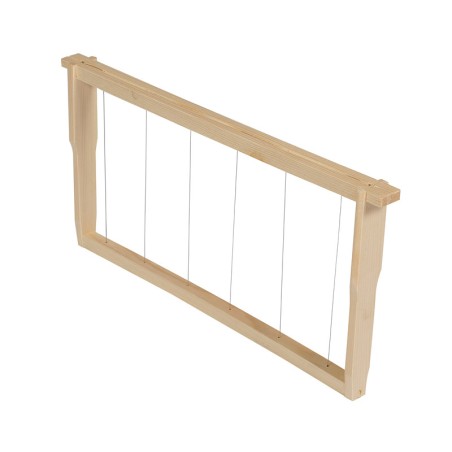
- Hoffmann (€1.35) — carries the spacer built into the side bar itself. Thirty cents more and it saves a part and an adjustment per frame.
- Vertical or horizontal wiring — horizontal stands up better to centrifugal force in extraction, vertical is faster to wire. Both come already tensioned.
- Premium with eyelet (€1.15) — the eyelet stops the wire cutting into the wood when tensioned.
- Plastic for shallow supers (€1.99) — no wiring or waxing needed, but the bees accept it less readily than wood with foundation.
If you are going to assemble the frames yourself, count the time: wiring and waxing fifty frames is an afternoon. The tensioned premium costs more per unit and less per hour.
What are the features of the Langstroth hive?
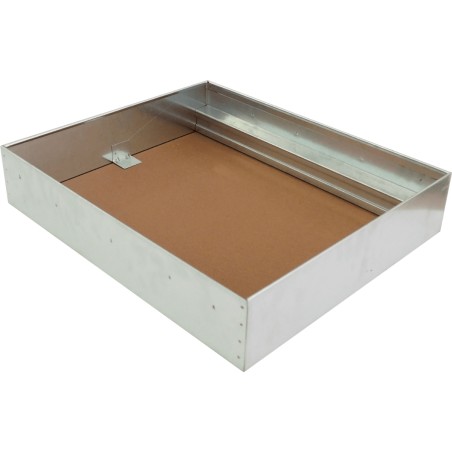
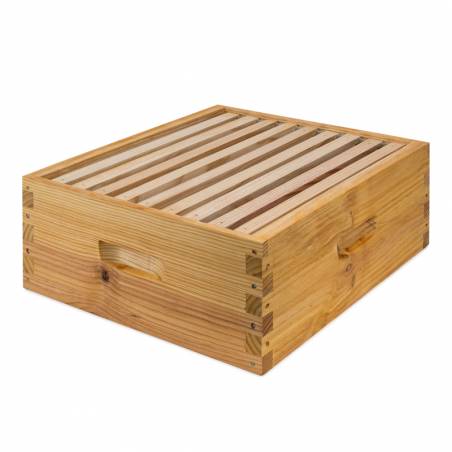
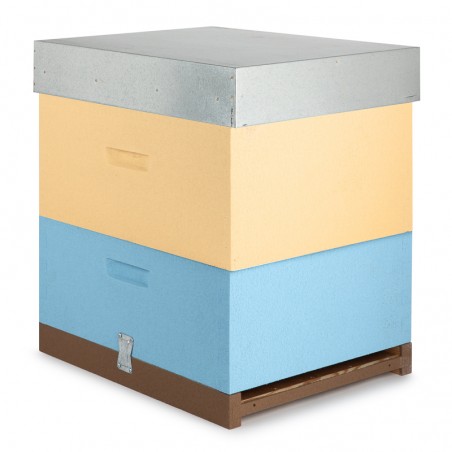
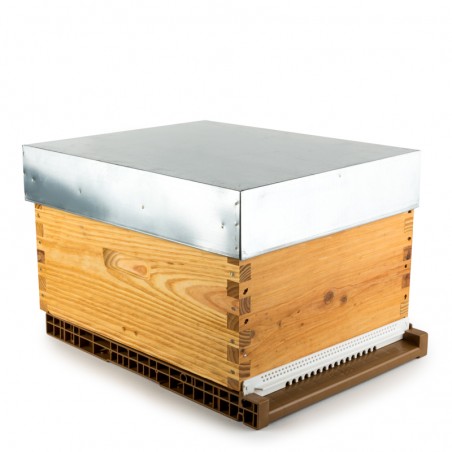
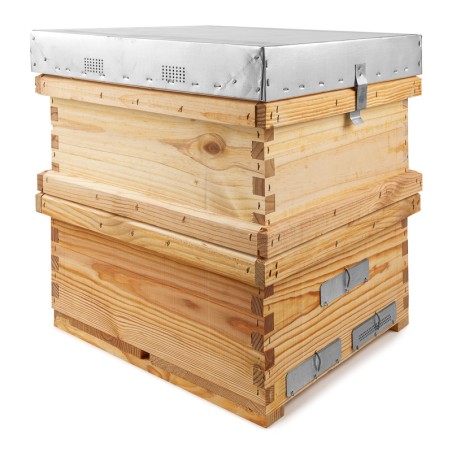
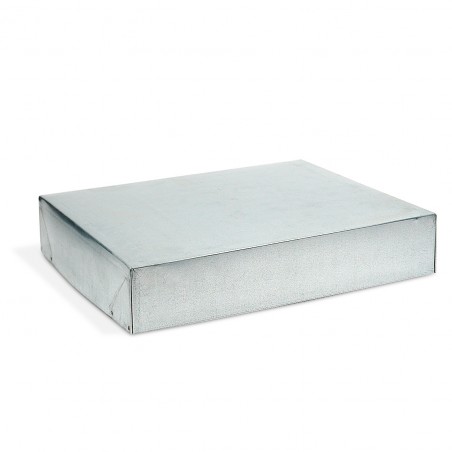
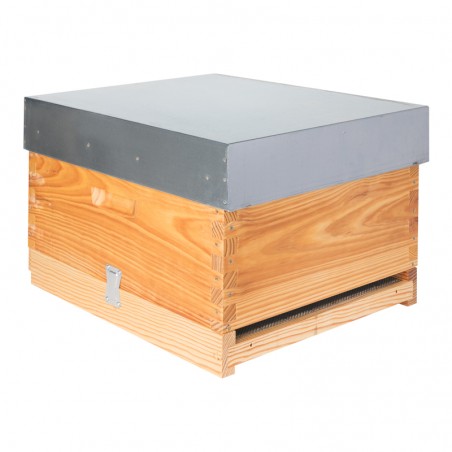
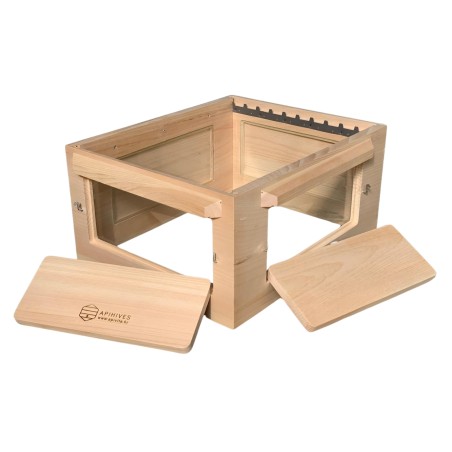
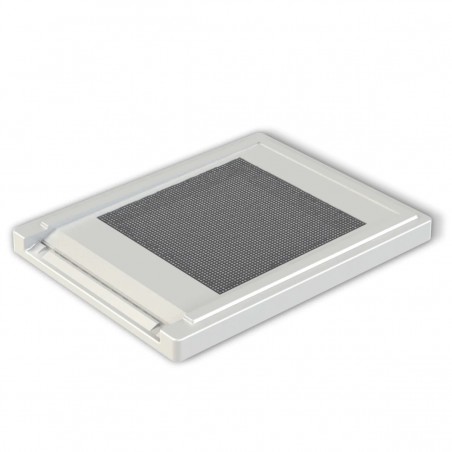
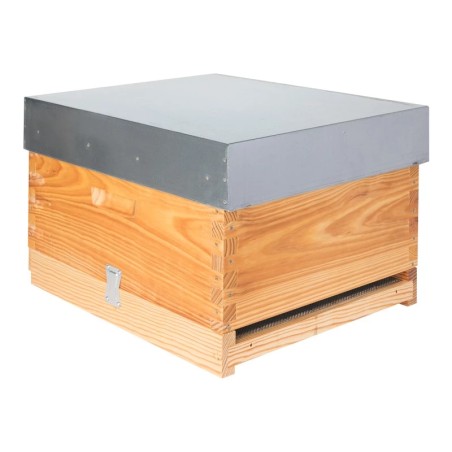
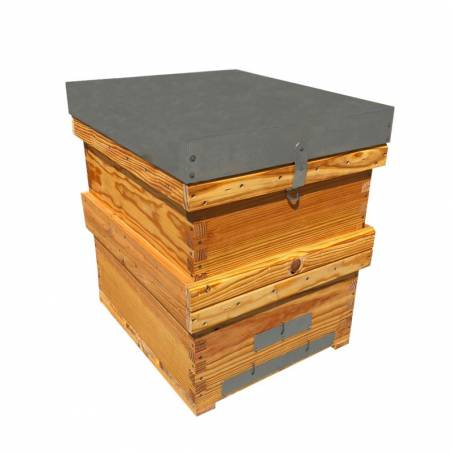
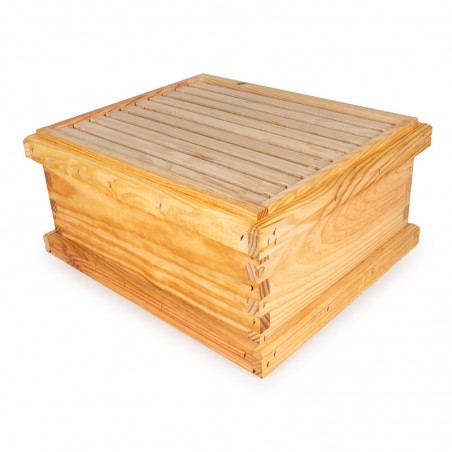
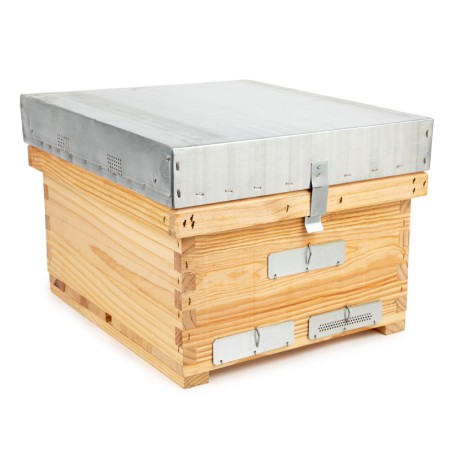
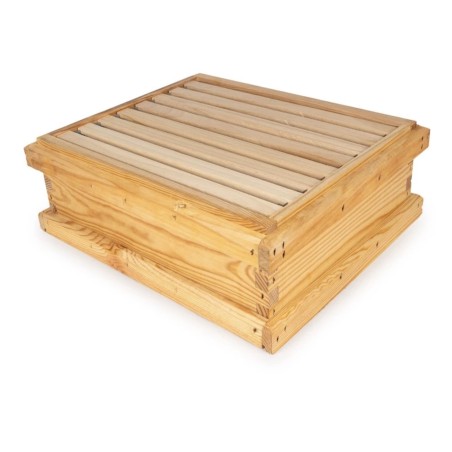
The Langstroth hive, invented by Lorenzo Lorraine Langstroth in 1851, is modular and scalable. It consists of a floor, one or more boxes where the bees raise brood, supers (where honey is stored), frames on which the bees build comb, and a roof. It rests on the principle of "bee space": the exact clearance that lets bees move freely, while being neither wide enough for them to build comb in nor narrow enough for them to propolise.
How many bees can live in a hive of this type?
A Langstroth hive can hold between 30,000 and 60,000 bees at its peak, depending on the time of year and the health of the colony.
What does a movable-frame hive weigh, empty or full of honey?
An empty Langstroth hive usually weighs between 20 and 25 kilos. With honey and bees it can top 40 kilos, depending on how much honey is stored in the frames.
How much honey can these modular hives yield?
A well-managed Langstroth hive can produce between 20 and 30 kilos of honey per season, though this varies with the weather and the floral environment.
What are the dimensions of a Langstroth hive?
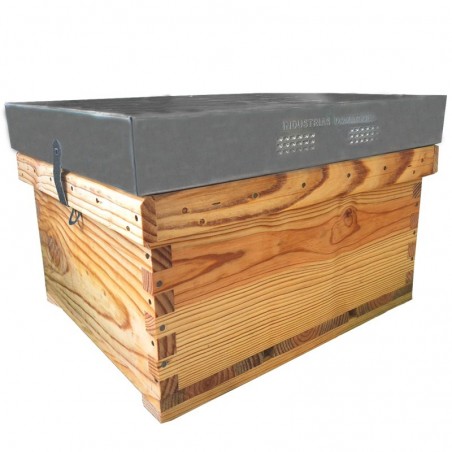
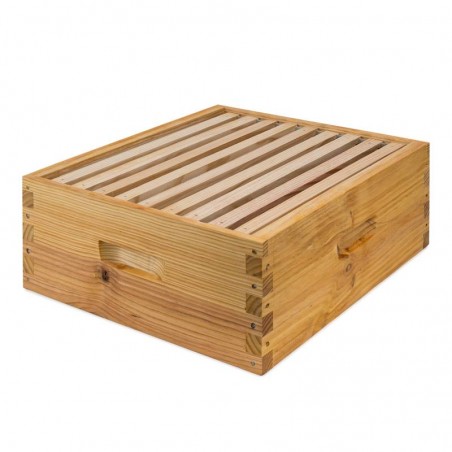
The dimensions of a Langstroth hive can vary, but in general the 10-frame body or brood chamber measures roughly 430 mm wide, 515 mm long and 240 mm high.
As for supers, there are options. Some beekeepers go for supers the same size as the body, while others prefer shallow supers. With shallow supers, the length and width stay the same but the height can vary by maker, generally between 15 and 17 cm.
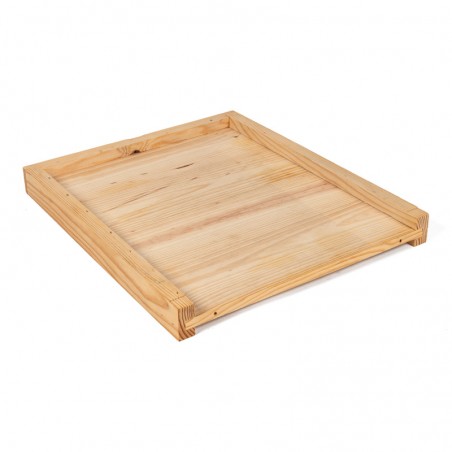
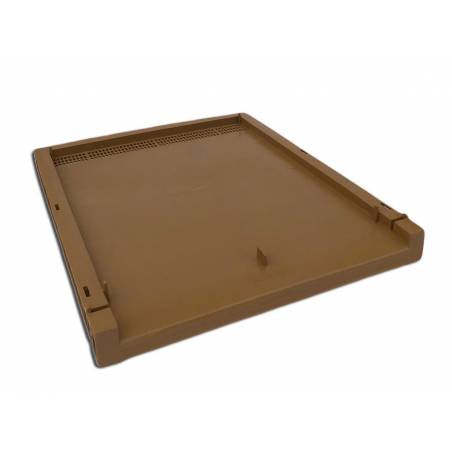
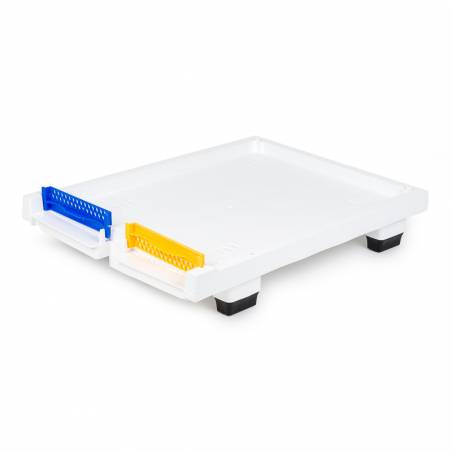
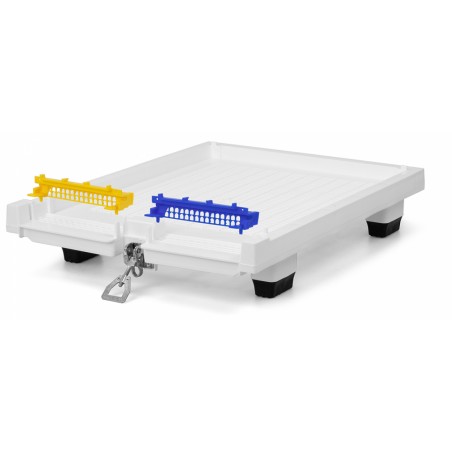
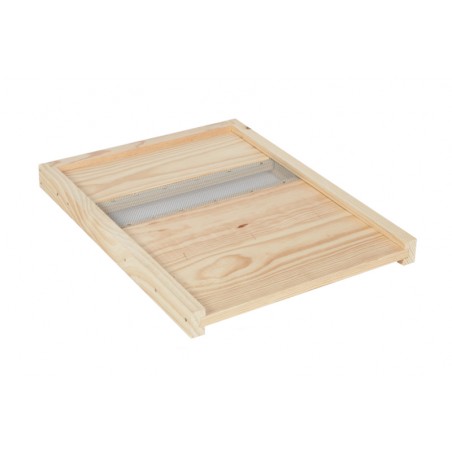
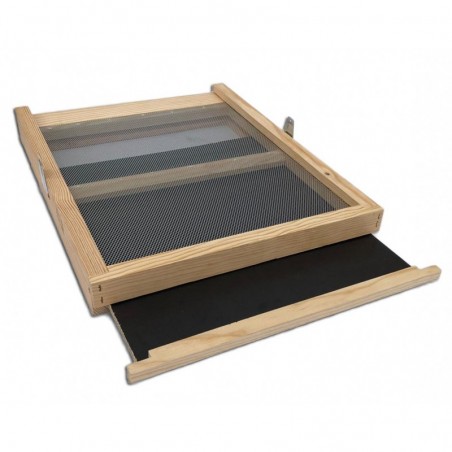
Langstroth floors are designed to match the body, so their dimensions are usually 51.5 cm long by 43 cm wide.
How many frames does a Langstroth hive have?
The Langstroth brood chamber is normally designed to hold 10 frames. Likewise, the supers above usually have room for 10 frames. Some beekeepers, though, choose to run shallow supers with 8 or 9 frames instead of 10, which gives thicker combs and allows more honey to be stored.
What materials are Langstroth hives usually made of?
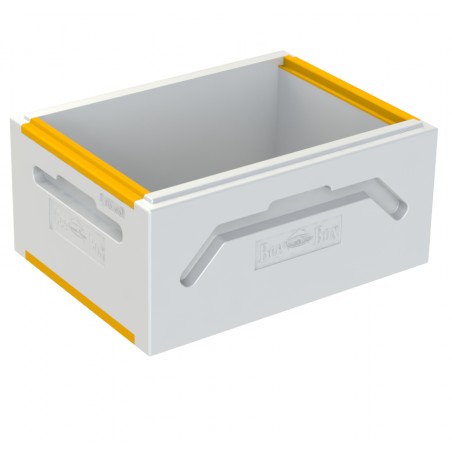
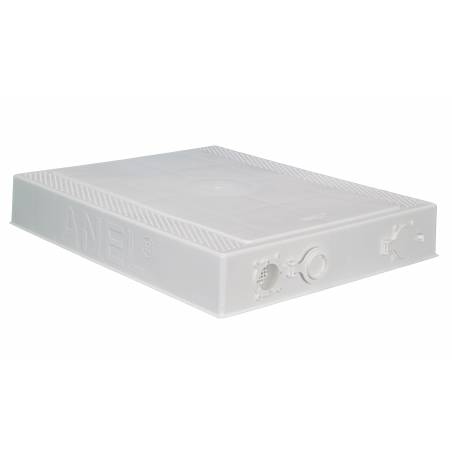
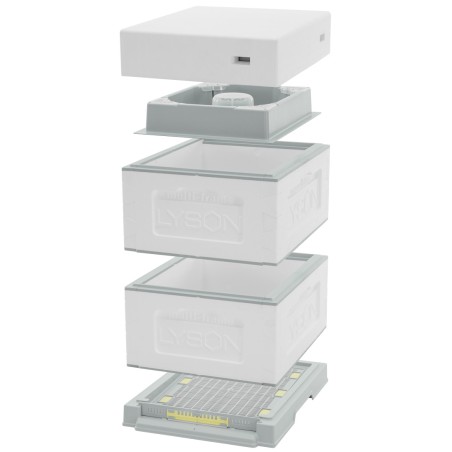
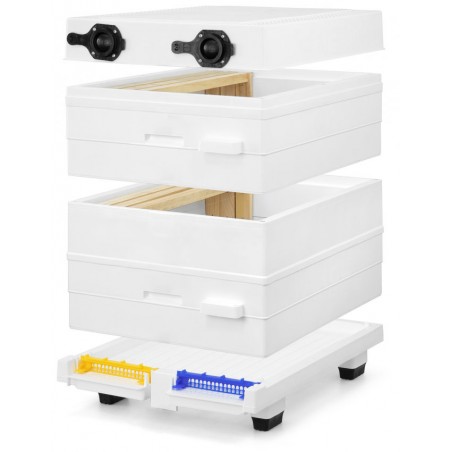
Langstroth hives are made mainly of pine, fir or cedar. There are also polystyrene and plastic versions, which offer greater thermal insulation and durability.
Is this type of hive suitable for beginners?
Yes. Its intuitive, modular design is perfect for beginners. There is also a wealth of information and resources available to make learning easier.
How do Langstroth hives differ from Layens or Dadant?
The Langstroth hive stands out for its vertical design with interchangeable supers and is the most widely used in the world, while the Dadant has a larger brood chamber and is preferred in France for its high output. The Layens, with its horizontal design and no supers, is more common around the Spanish Mediterranean.
What specific care does this type of hive need?
Care includes regular inspections, control of pests such as varroa, replacing damaged frames and ensuring proper ventilation and insulation according to the season.
What is the difference between a fixed-site Langstroth and a migratory one?
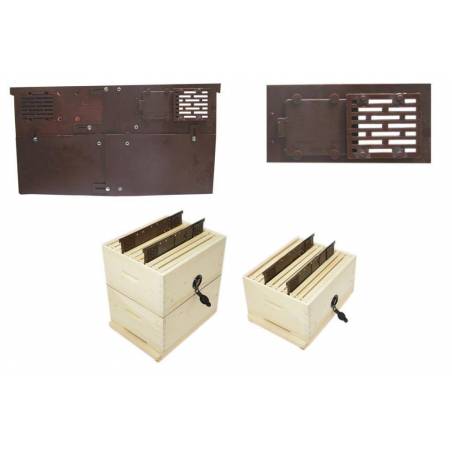
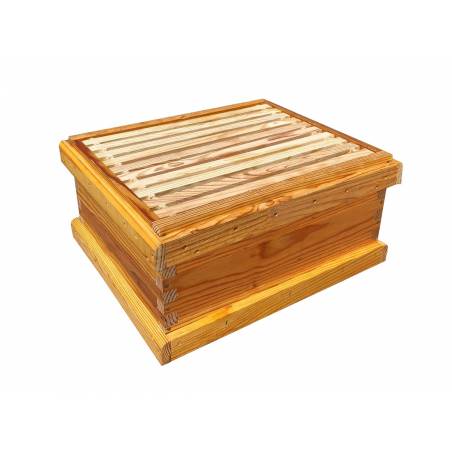
It is a difference of build, not of where the hive stands. The fixed-site Langstroth has the floor as a separate part and plain boxes, with the handhold cut into the timber. The migratory one has the floor integrated into the brood box and battens — the strips standing proud around each box — where a crane or grab takes hold without it coming apart, and no projecting landing board so they stack tight.
Being fixed-site does not stop you moving it: fixing clips between the parts lock it into one unit and it travels just the same. On a Langstroth, where the season is all about adding and removing supers, the fixed-site build is comfortable to work; the migratory build pays off once you are shifting many hives and loading them by machine.