
-
Beehives
- Complete beehive
- Accessories
-
Nuc hives
- Nucs by format
- With bees & mating
- Spare parts
-
Bee equipment
- For the apiary
- For the beekeeper
-
Clothing
- Clothing Accessories
-
Beeswax
-
Pure beeswax
- Beeswax and foundation
- Beeswax foundations
- Melting and rolling beewax
-
Pure beeswax
-
Bee feed
- Accessories and source materials
- Utensils
-
Bee health
- Varroa Treatments
- Diseases control
- Nutraceuticals
-
Extraction and bottling
- Before extraction
- Honey extraction
- After extraction
-
Bee pollen
- Harvest
- Indicted
-
Honey packaging
- Flasks per utility
- Flasks by size
- Other packaging
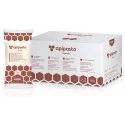 Apipasta with vitamins 15kg
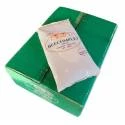 Beecomplet® Spring 14Kg
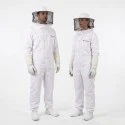 Beekeeper suit with round veil
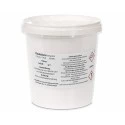 Oxalic acid 1kg
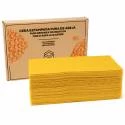 Beeswax Foundation 5kg
 Fresh royal jelly 20g
 Classic honey jar 1kg comb-lines TO77 - Pack of 16 units
 Promotor L Apis 1 litre
Hive tools and frame grips
The tool you reach for most often on every inspection, because the colony seals every gap under 6 to 9 mm with propolis. Here are the four types that solve different problems — European, American, J-hook and frame-grip — plus scrapers and the tools for cleaning excluders and frame grooves.
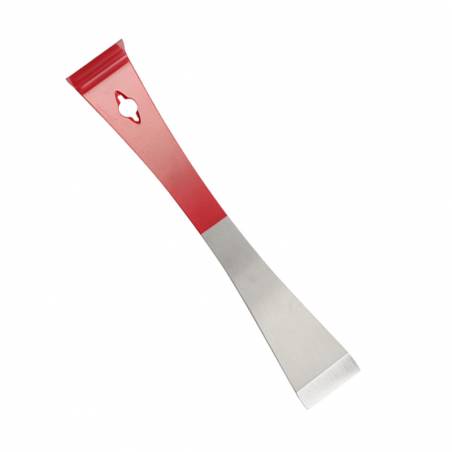
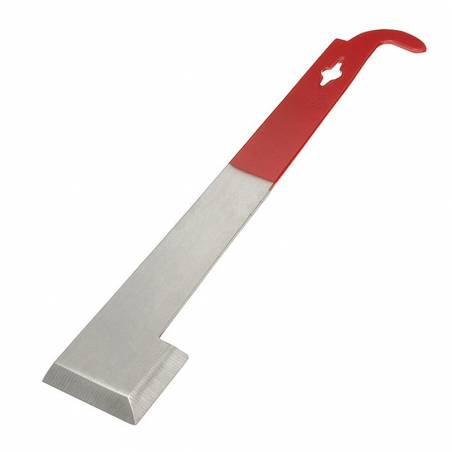
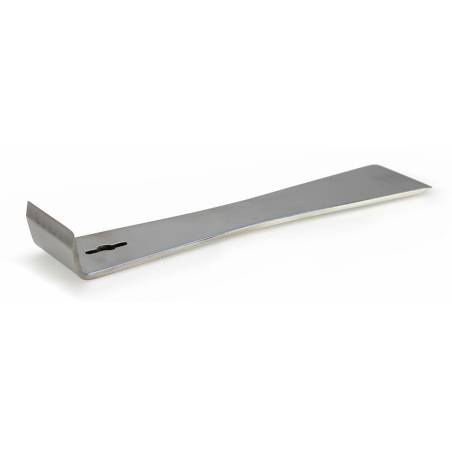
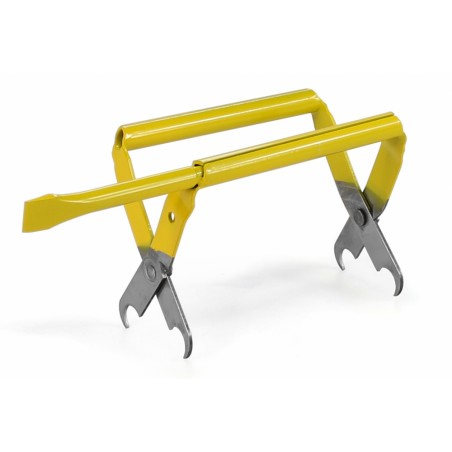
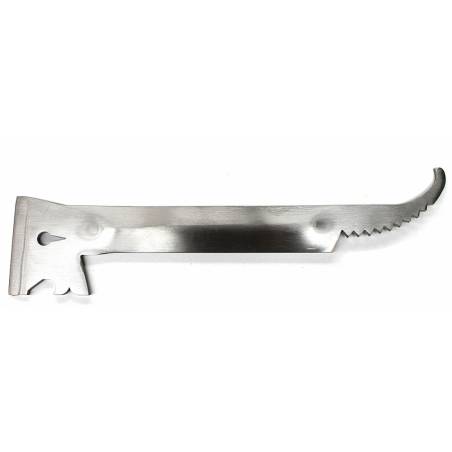
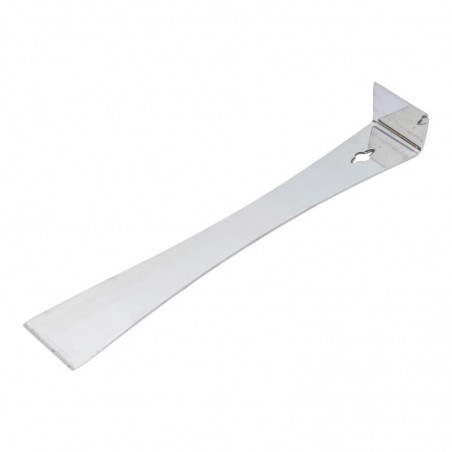
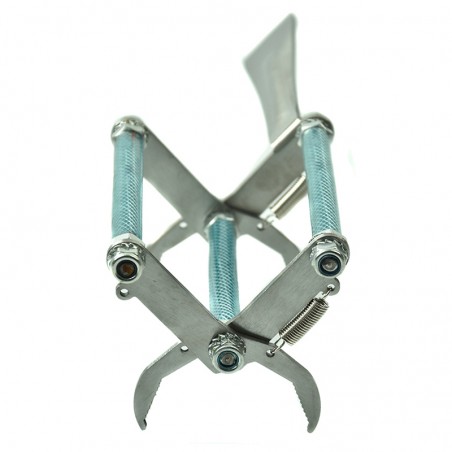
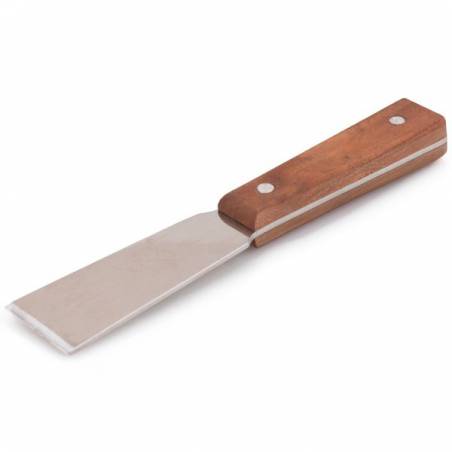
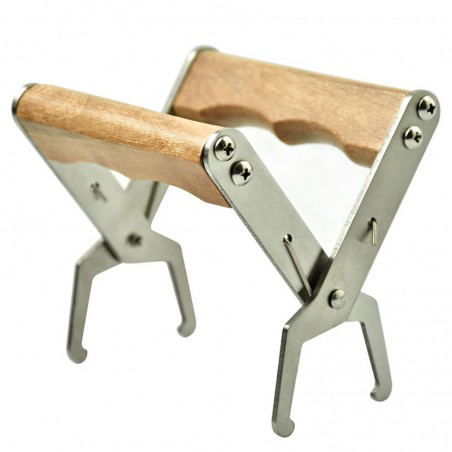
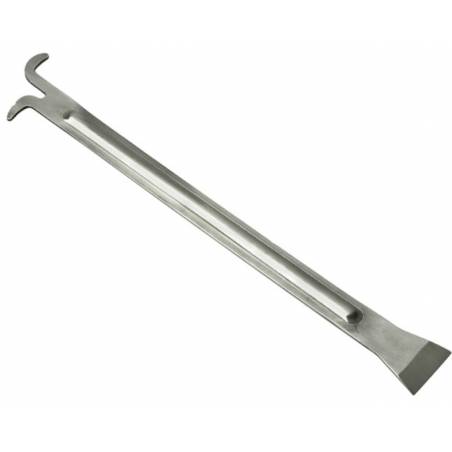
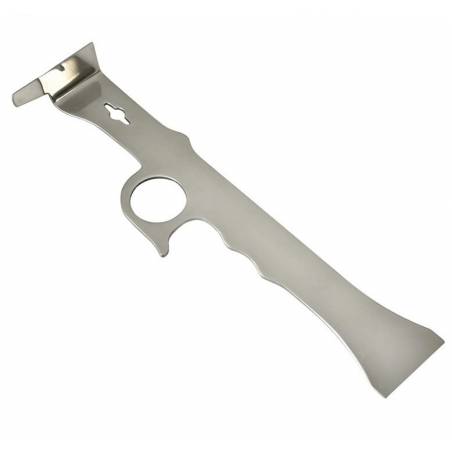
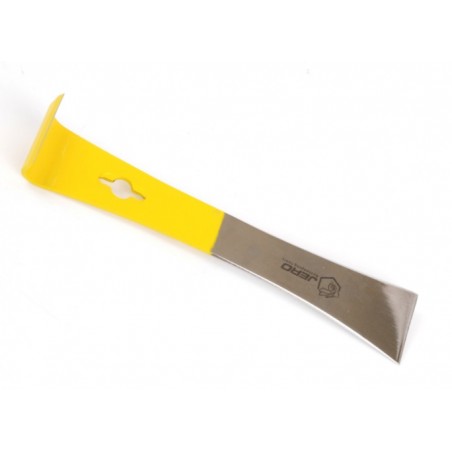
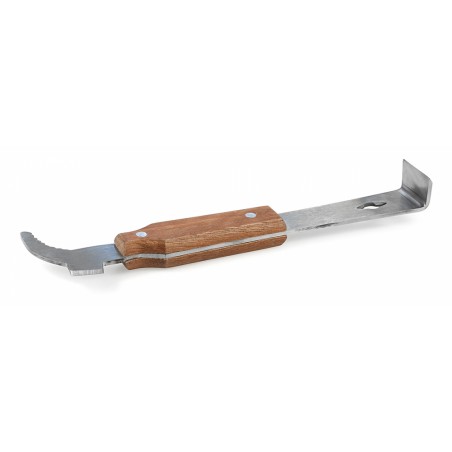
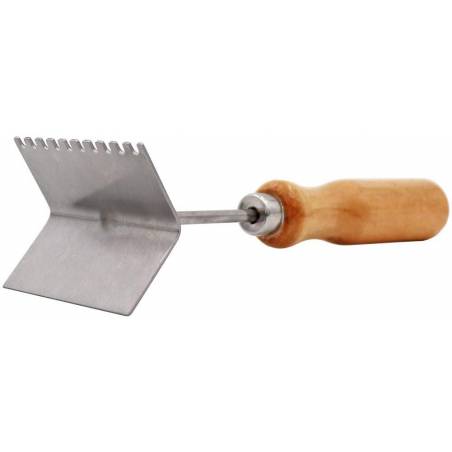
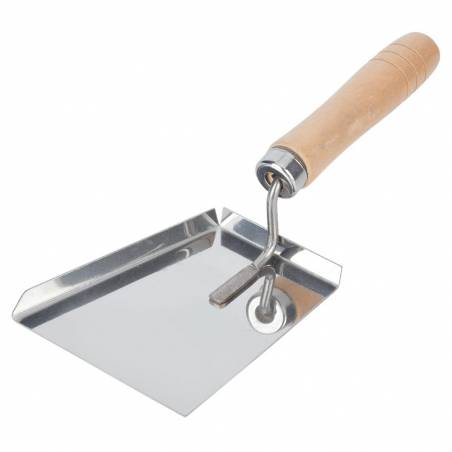
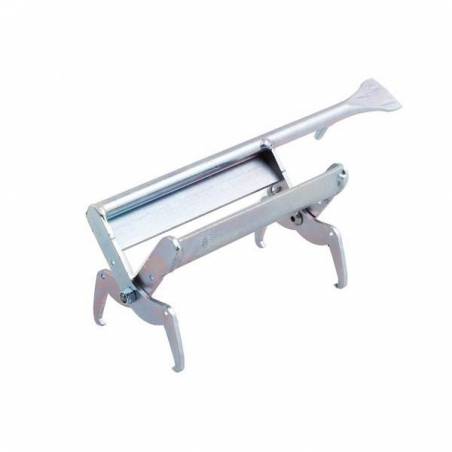
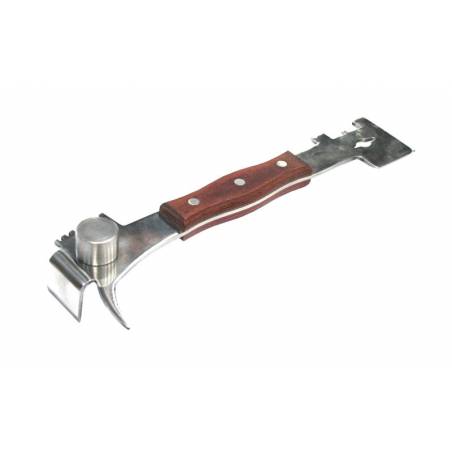
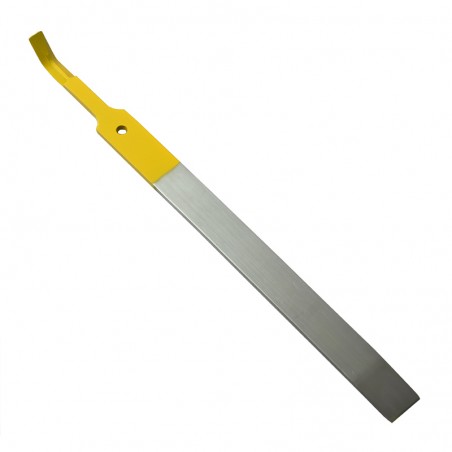
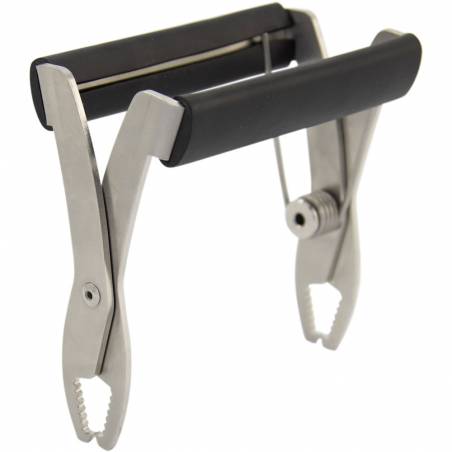
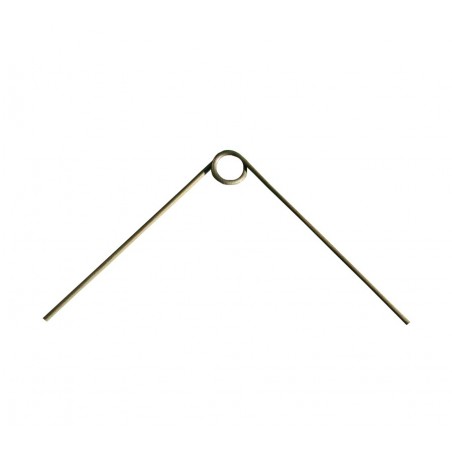
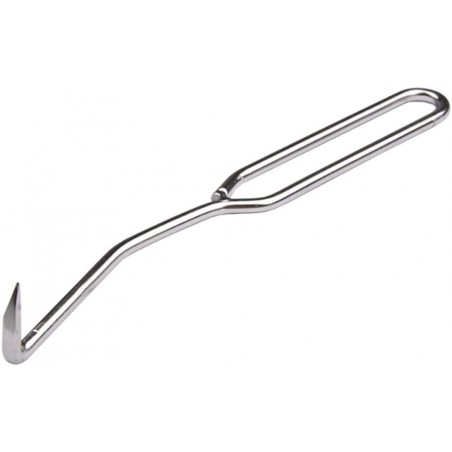
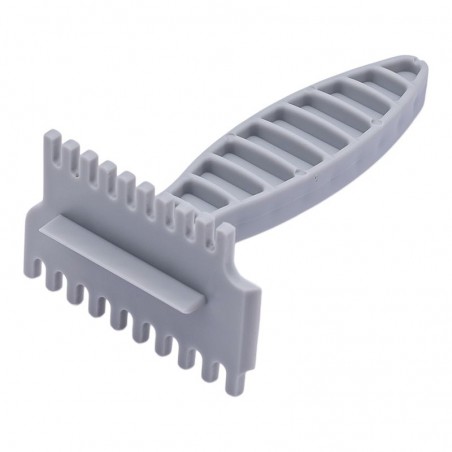
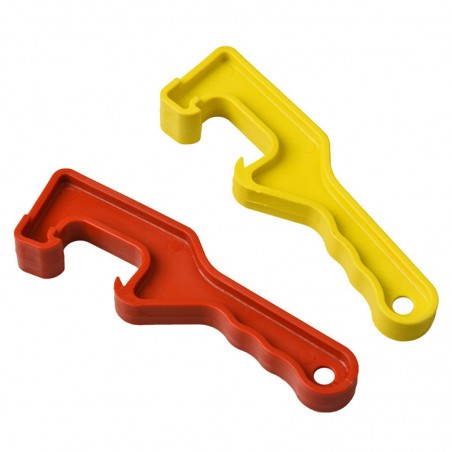
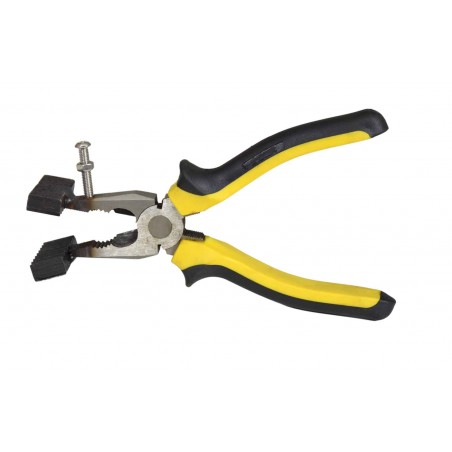
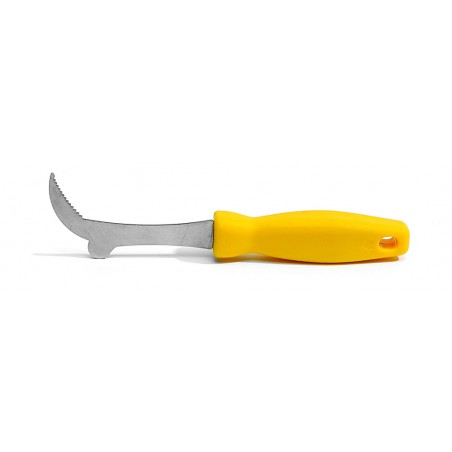
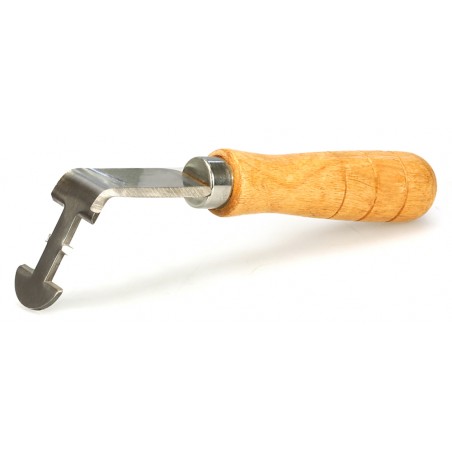
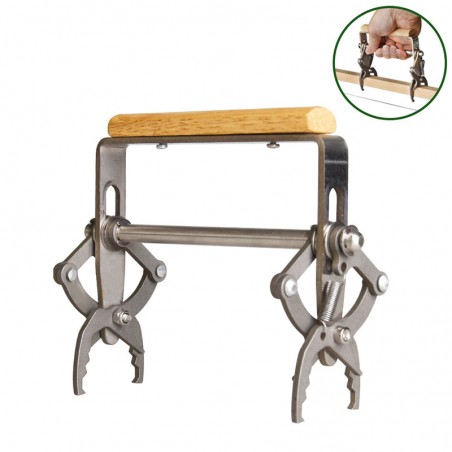

How to choose the hive tool or frame lifter
The hive tool is probably one of the most-used tools in beekeeping, and yet many people buy it as if it didn't matter. It does matter. A good hive tool or frame lifter lets you open the hive, separate propolised frames, scrape wax, clean off burr comb and work without forcing more than necessary. The typical mistake is to use screwdrivers, knives or DIY tools: in the end you damage the wood, mark the frames, crush more bees and work worse. For a few hives, a simple American or European hive tool is usually enough. If you work very propolised hives, many boxes or heavy frames, I'd then look at a sturdier tool, with good leverage and a comfortable grip.
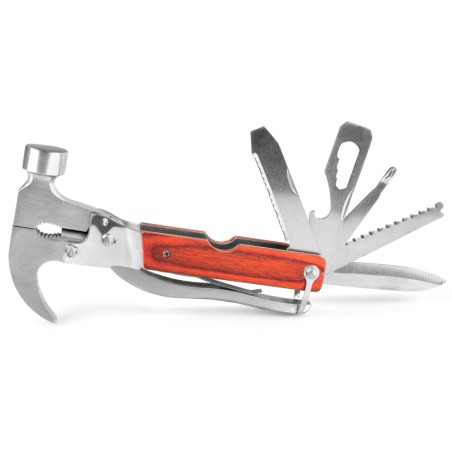
My advice is to choose it according to your hive and your hand. In Langstroth and Dadant, a classic hive tool works very well to separate boxes, lift frames and clean the top bars. In Layens, where the frames sometimes come tighter or more propolised, a specific frame lifter can save a lot of effort and avoid abrupt yanks. I'd also have a separate scraper or cleaning tool for floors, queen excluders, grooves and propolis residue. Before buying, I'd look at the stiffness of the steel, the shape of the hook, the thickness, ergonomics, ease of cleaning and whether it lets you lever without bending. And here I'll take a clear stand: I prefer a simple but solid tool over a multi-tool full of shapes you then don't use. A good hive tool doesn't do the work for you, but it saves you many clumsy movements inside the hive.
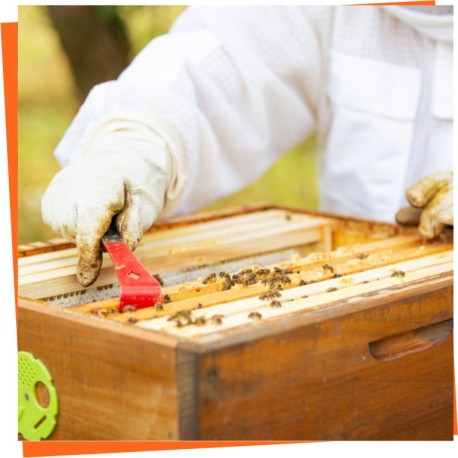
Hive tools and frame grips
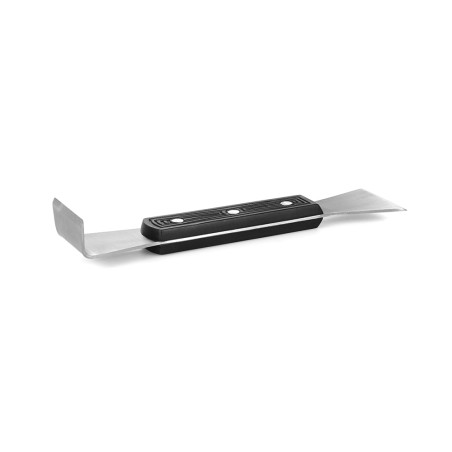
What sets one hive tool apart from another
They all part and scrape, but they do not all lift the same way. The difference lies in the end that is not the flat blade, and it decides how much you punish the frame lugs when a hive comes in heavily propolised.
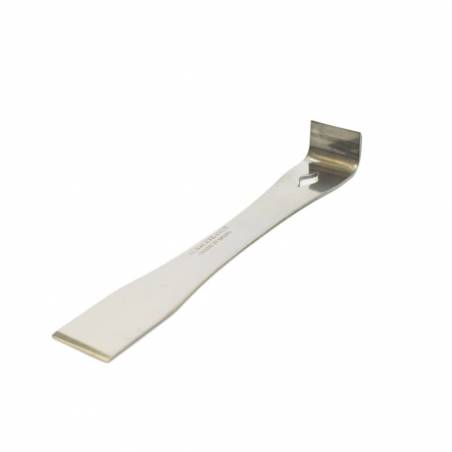
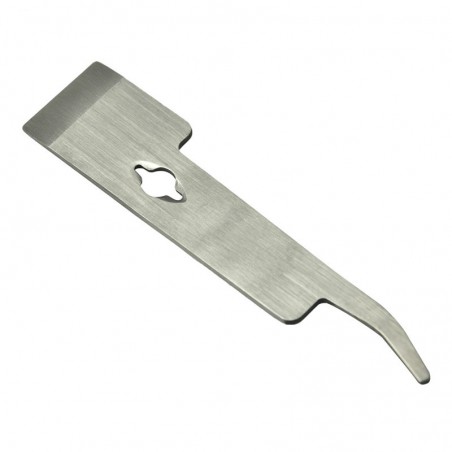
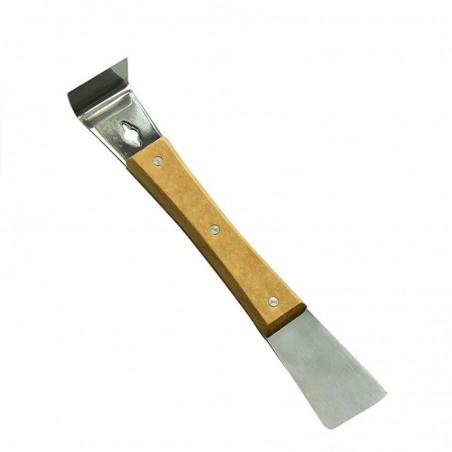
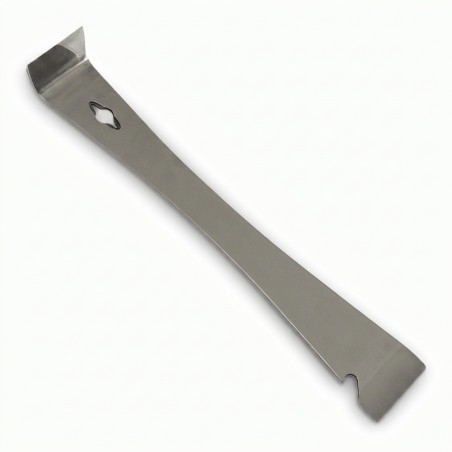
- European — a flat bar of 20 to 25 cm with the opposite end bent at a right angle. That bend scrapes top bars and floors better than any other type, and it takes a tap from the heel of your hand to enter sealed joints. It is the classic of southern Europe and the most versatile for cleaning.
- American — a flat blade at one end and, at the other, a gentle bend with a side flange. The flange goes under the propolised frame lug and, resting the tool on the edge of the box, lifts it with very little effort. It usually comes with a nail-puller notch.
- J-hook — it keeps the flat blade but swaps the flange for a J-shaped hook with a bearing notch. The notch acts as a fulcrum against the wall, so the frame rises strictly vertically: it is what breaks the fewest lugs when you pull the first frame out of a hive that is stuck fast.
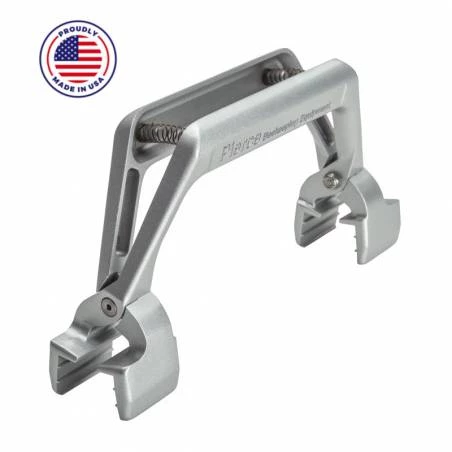
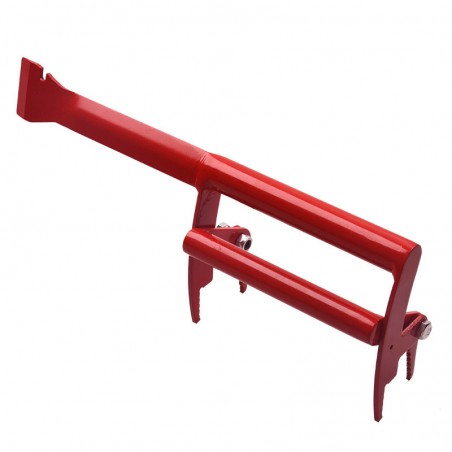
- Frame grip — it does not scrape, it grips. A spring mechanism holds the top bar and pulls it out without prising anything. Its place is heavy or tight frames, Layens hives and working in thick gloves. It needs a hive tool alongside it for everything else.
Technique matters more than the tool
To part two boxes, the blade goes into the corner joint and is twisted on its axis. That twist shears the film of propolis and lets air in, which is what releases the bond. A sharp vertical prise does the opposite: it chews the edge and sends the hive a jolt the colony reads as an attack on the nest.
When lifting a frame out, the order is three steps and skipping the second is the expensive mistake: shear the propolis between the shoulders of two neighbouring frames, slide them sideways against the wall to open a gap, and only then lift straight up. Without that gap the frame drags the bees against the neighbouring comb and crushes some; a crushed bee releases alarm pheromone and puts the whole apiary on guard.
One-piece steel, and why it matters
One-piece stainless bars of 2.5 to 4 mm take the torque of prising heavy boxes apart without ending up bent. Models with a riveted wooden handle are more comfortable to hold, but the joint between wood and steel eventually opens micro-cracks where organic matter collects beyond the reach of ordinary cleaning, and wood does not survive flaming.
And a detail you only learn by losing one: clean steel, or steel covered in dark propolis, disappears into the grass. Painting the handle red, orange or yellow makes it visible without changing anything about the bees' behaviour — they react to movement, heat and pheromones, not to the colour of what you are holding.
Disinfection has an order
The hive tool touches the inside of every one of your hives, one after another, and it is a recognised route of transmission alongside robbing and drifting. American foulbrood spores survive for decades in the film of propolis stuck to the steel.
That is why the first step is not the disinfectant: it is scraping the tool, because no product gets through a layer of wax and propolis. Only then does it make sense to flame the blade with a blowtorch or disinfect it with dilute bleach or alcohol. Between apiaries, always; between hives, whenever you see signs of disease.
American or European hive tool?
It depends on which job costs you more. The European one is a flat bar with the far end bent at a right angle: that bend scrapes top bars, floors and corners better than anything else. The American one swaps the bend for a side flange that slips under the frame lug and lifts it, resting on the edge of the box.
If most of your work is cleaning, European. If what costs you most is freeing stuck frames, American — and if the hive is heavily propolised, look at the J-hook too, which raises the frame strictly vertically and breaks the fewest lugs.
Can you sharpen a hive tool?
You revive the edge, which is not the same as sharpening it. When it stops biting, go over it with a fine flat file or a stone, following the bevel it already has, on one face only and with the blade flat on the bench. A few passes are enough.
What you should not do is put a knife edge on it. A cutting edge chips the moment it meets a nail or a bracket, bites into the frame timber instead of sliding over it, and becomes dangerous to handle with gloves on and bees about. It is a scraping edge: its work is done by the square, not by the cut.
Why has my hive tool bent?
Almost always for two reasons that go together: too little steel thickness and leverage applied in the wrong place. One-piece stainless bars of 2.5 to 4 mm take the torque of prising heavy boxes apart; below that, a well-propolised box leaves them curved.
The other reason is technique. If you push the tip in and pull with a long arm, the whole effort concentrates on the thinnest part. The right way to part two boxes is to put the blade into the joint and twist it on its axis: the propolis is cut by shearing, not by brute force, and the tool does not suffer.