
-
Beehives
- Complete beehive
- Accessories
-
Nuc hives
- Nucs by format
- With bees & mating
- Spare parts
-
Bee equipment
- For the apiary
- For the beekeeper
-
Clothing
- Clothing Accessories
-
Beeswax
-
Pure beeswax
- Beeswax and foundation
- Beeswax foundations
- Melting and rolling beewax
-
Pure beeswax
-
Bee feed
- Accessories and source materials
- Utensils
-
Bee health
- Varroa Treatments
- Diseases control
- Nutraceuticals
-
Extraction and bottling
- Before extraction
- Honey extraction
- After extraction
-
Bee pollen
- Harvest
- Indicted
-
Honey packaging
- Flasks per utility
- Flasks by size
- Other packaging
 Apipasta with vitamins 15kg
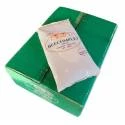 Beecomplet® Spring 14Kg
 Beekeeper suit with round veil
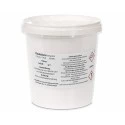 Oxalic acid 1kg
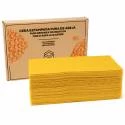 Beeswax Foundation 5kg
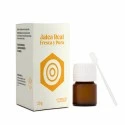 Fresh royal jelly 20g
 Classic honey jar 1kg comb-lines TO77 - Pack of 16 units
 Promotor L Apis 1 litre
Candle Moulds Figure
Silicone figure moulds for candles: the Three Kings, Holy Family, gingerbread man, mouse with present. From €20.95 to €75.95.
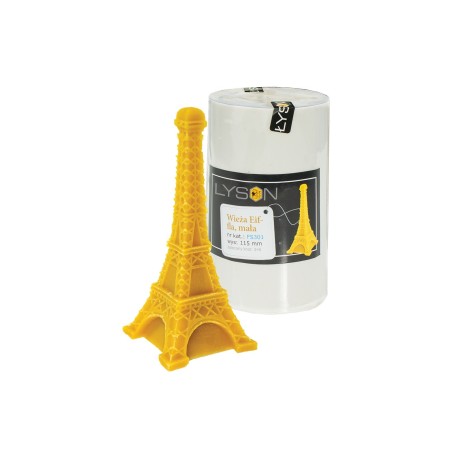
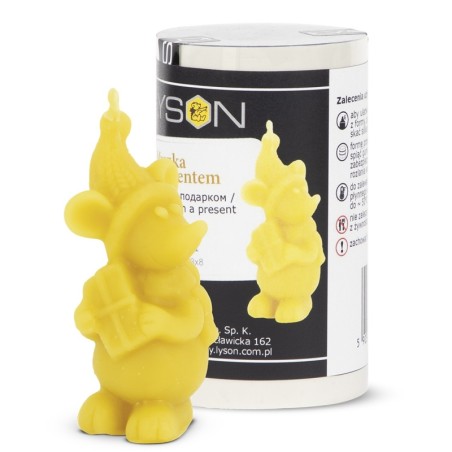
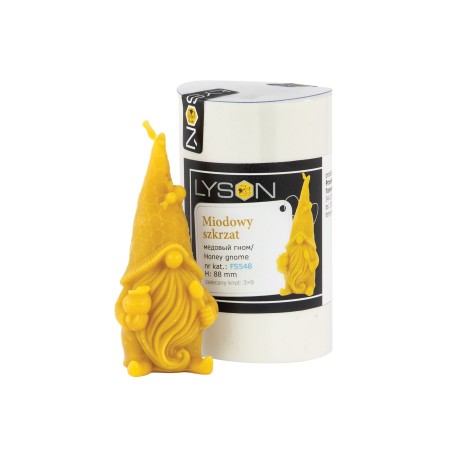

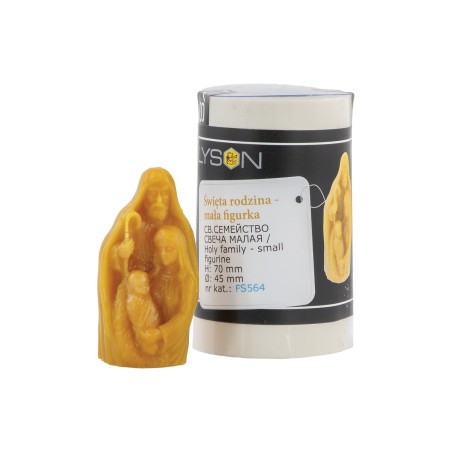
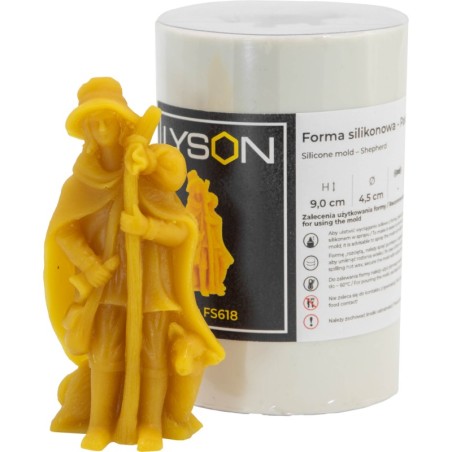
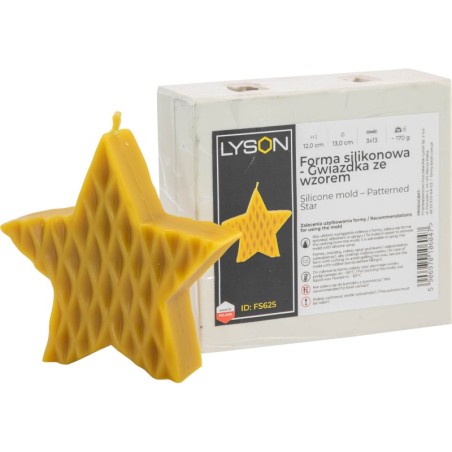
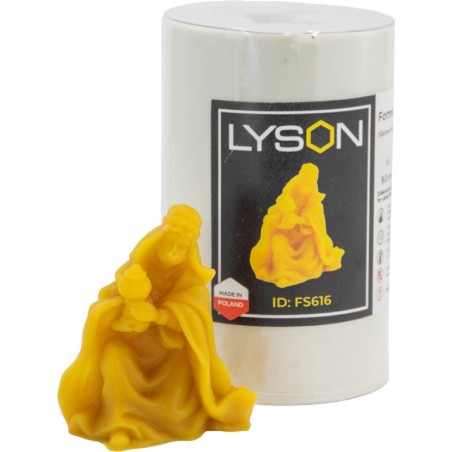
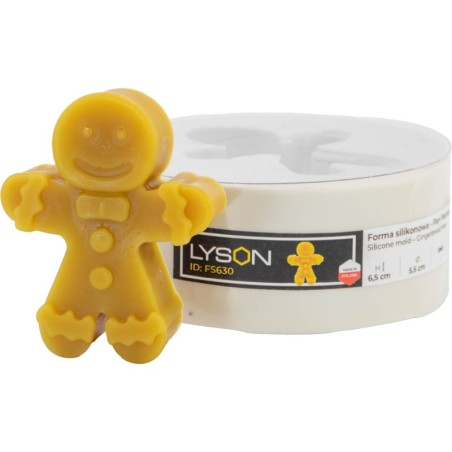
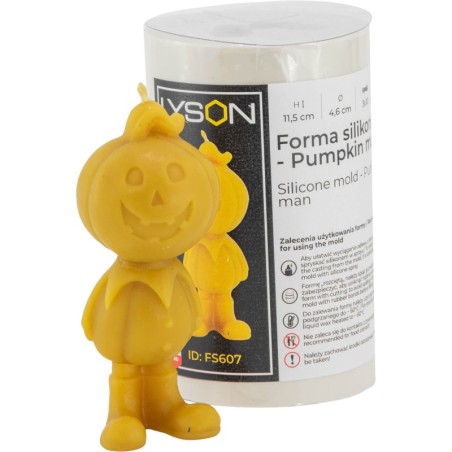
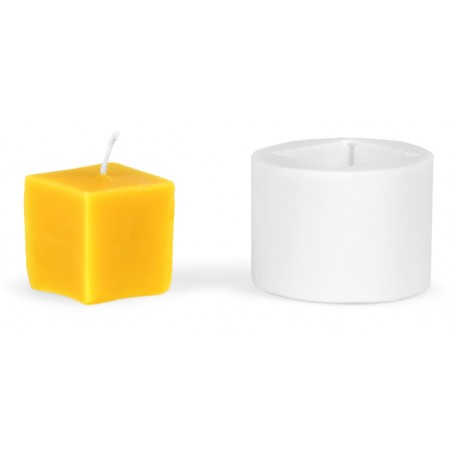
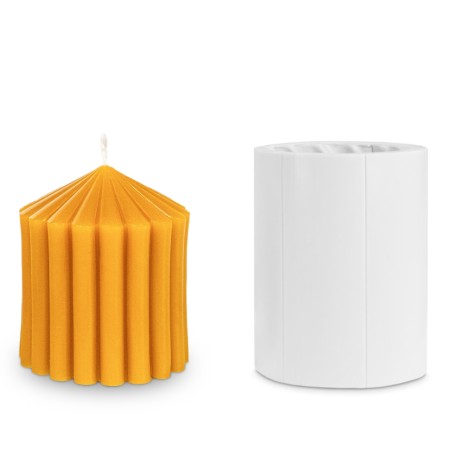
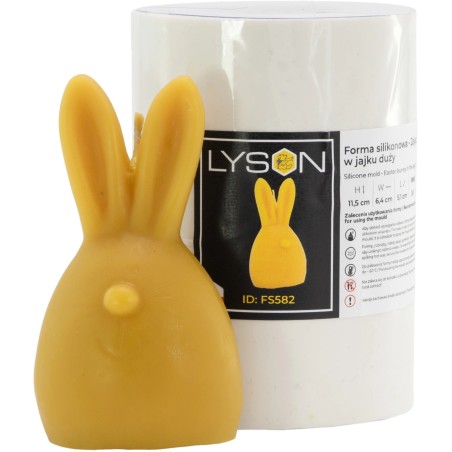
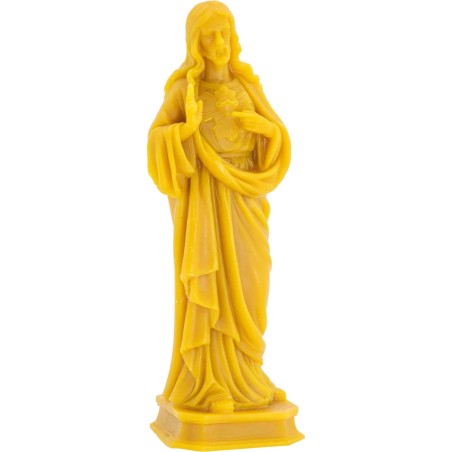
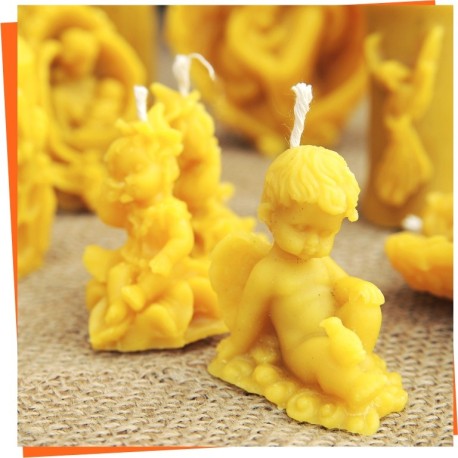
Candle Moulds Figure
These are the most demanding in the catalogue
A figure with a face, hands and folds is what gets most out of beeswax — the natural colour gives a finish paraffin cannot match — and also what forgives least.
Three rules for getting them right: wax properly fluid but not overheated (above 140 ºC you lose the aroma), a slow pour in a thin stream against the mould wall so as not to trap air, and a second top-up when the piece sinks in the middle as it cools. Prices are higher because the mould has more detail and more silicone.
What they all share
They are silicone moulds, so they stretch to release and forgive shapes with a narrow neck. Two-part ones close with elastic bands: without them the wax escapes at the seam, which is failure number one on a first attempt.
Beeswax melts between 61 and 65 ºC and there is no need to go beyond that; above 140 ºC the volatiles that give it the honey smell evaporate. And the wick goes with the candle diameter: too fine and it tunnels, too thick and it smokes. All of that, with wicks and bands, is in candle-making supplies, and the full mould range in candle moulds.