
-
Beehives
- Complete beehive
- Accessories
-
Nuc hives
- Nucs by format
- With bees & mating
- Spare parts
-
Bee equipment
- For the apiary
- For the beekeeper
-
Clothing
- Clothing Accessories
-
Beeswax
-
Pure beeswax
- Beeswax and foundation
- Beeswax foundations
- Melting and rolling beewax
-
Pure beeswax
-
Bee feed
- Accessories and source materials
- Utensils
-
Bee health
- Varroa Treatments
- Diseases control
- Nutraceuticals
-
Extraction and bottling
- Before extraction
- Honey extraction
- After extraction
-
Bee pollen
- Harvest
- Indicted
-
Honey packaging
- Flasks per utility
- Flasks by size
- Other packaging
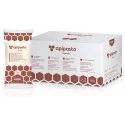 Apipasta with vitamins 15kg
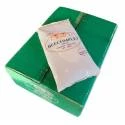 Beecomplet® Spring 14Kg
 Beekeeper suit with round veil
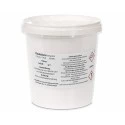 Oxalic acid 1kg
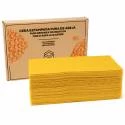 Beeswax Foundation 5kg
 Fresh royal jelly 20g
 Classic honey jar 1kg comb-lines TO77 - Pack of 16 units
 Promotor L Apis 1 litre
Feeders
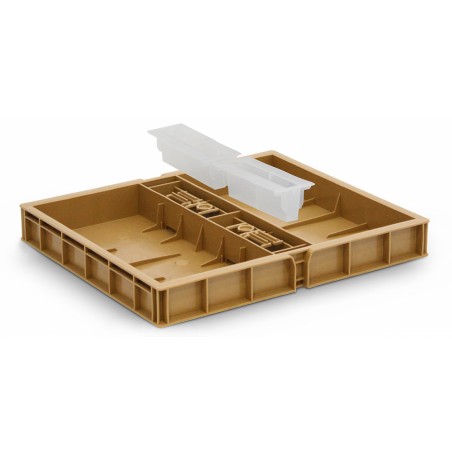
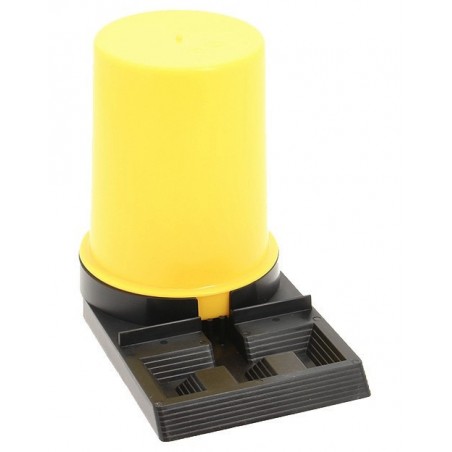
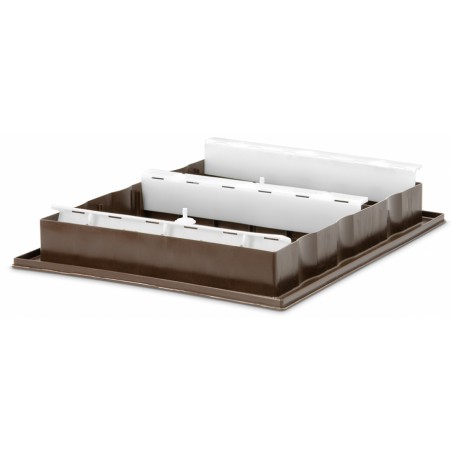
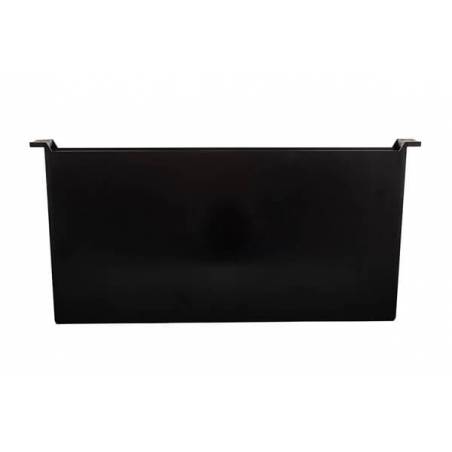
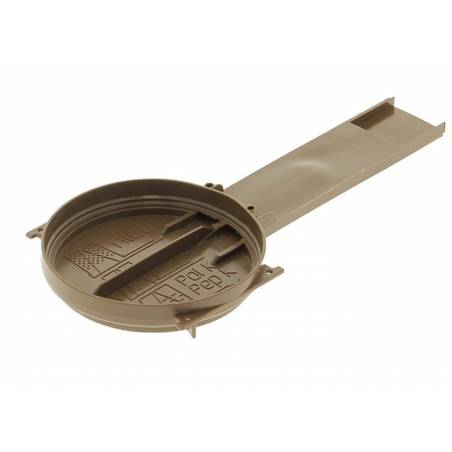
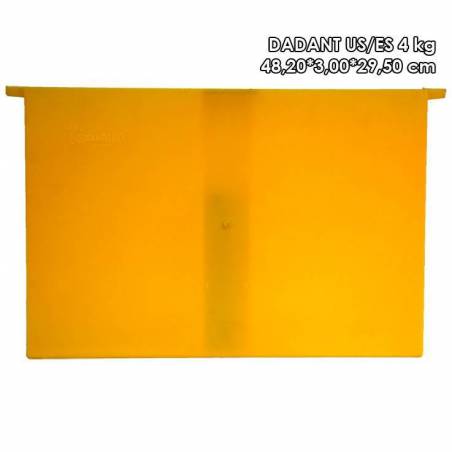
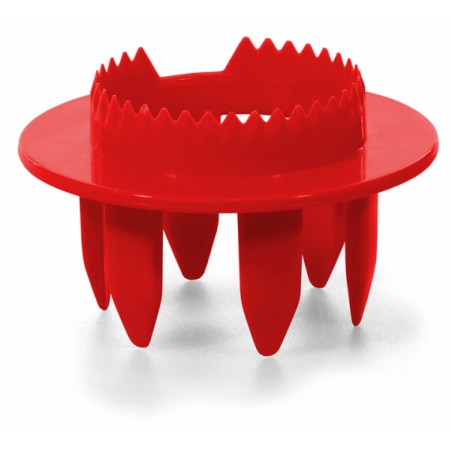
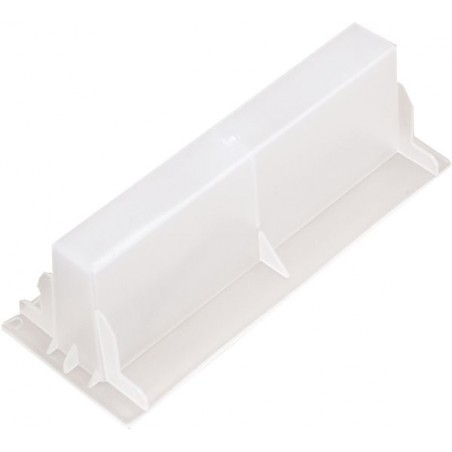
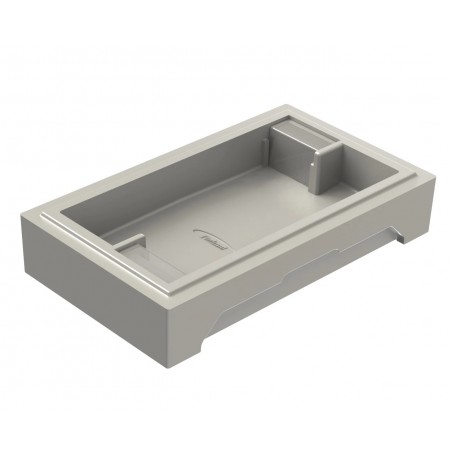
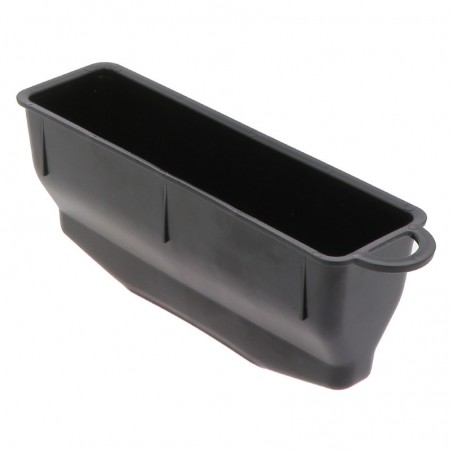
Top, frame, entrance feeders and Candisac, in plastic and with spares sold separately. From €0.49 for a cap to €1,595 for workshop equipment.
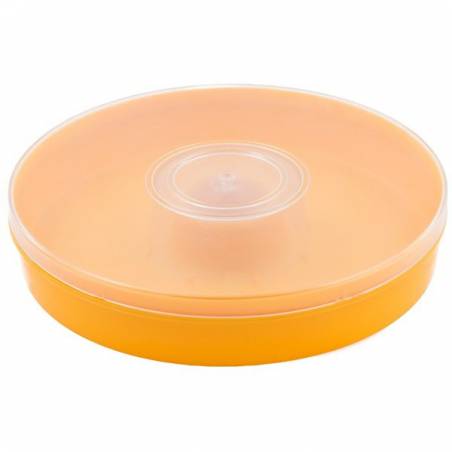


How to choose the bee feeder
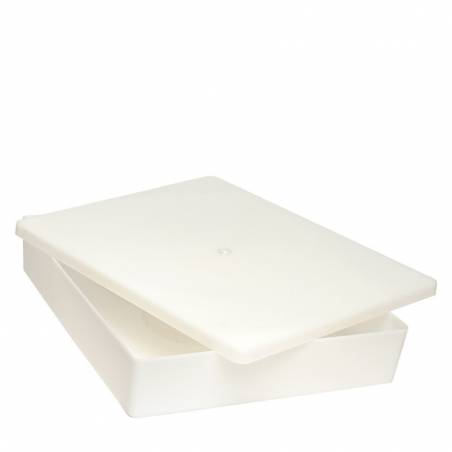
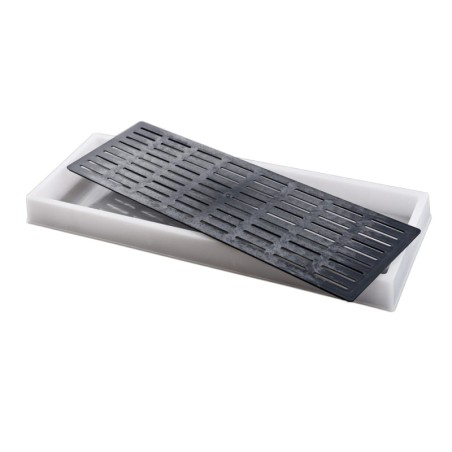
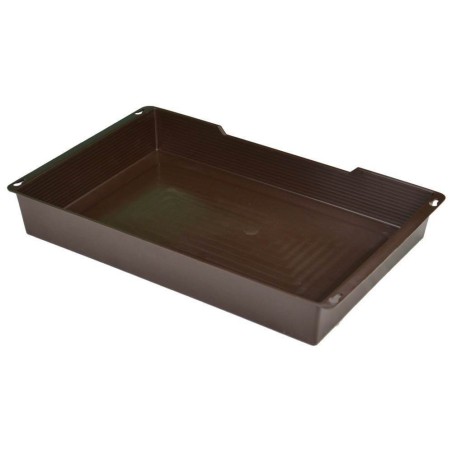
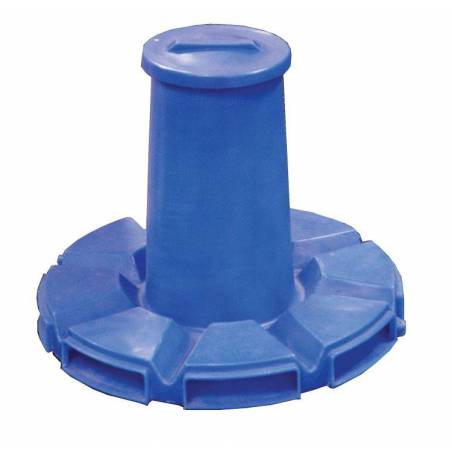
A bee feeder isn't chosen just by capacity; it's chosen according to the type of hive, the time of year, the feed you're going to give and the real strength of the colony. Stimulating in spring with liquid syrup isn't the same as maintaining stores in autumn or winter with solid feed. The usual mistake is to think that “putting food in” is enough and that's it. If the feed is far from the cluster, if the colony is weak, if it's cold or if the feeder makes spills easier, you can get exactly the opposite: more robbing, fermented syrup, drowned bees or feed they don't get to consume. For me, a good feeder must let the bees eat safely, without getting cold, without dirtying the hive and without having to open more than necessary.
My advice is to choose the system according to the use. For syrups, I'd look at well-protected feeders, easy to clean, with good access for the bees and low drowning risk. In super-based hives, top feeders are usually very convenient because they sit close to the warm zone and let you work fast. In Layens you have to think it through more, because the closed top bars and top ventilation can hinder access and dry out pastes if they aren't placed well. Entrance feeders can work for occasional uses or small colonies, but you have to watch out for robbing. And here I'll take a clear stand: I wouldn't feed with honey supers meant for harvest still on, nor would I use dirty feeders “because it's only sugar anyway”. Feeding done well helps; feeding done badly weakens. Before buying, I'd check compatibility, capacity, access, cleaning, stability, closure, spill risk and ease of refilling. The best feeder is the one that fits your management and lets the colony use the feed without adding problems.
Feeders
You choose a feeder by how much you want to open the hive and by what you are giving. Those two questions rule out almost everything.
The types, and what each one solves
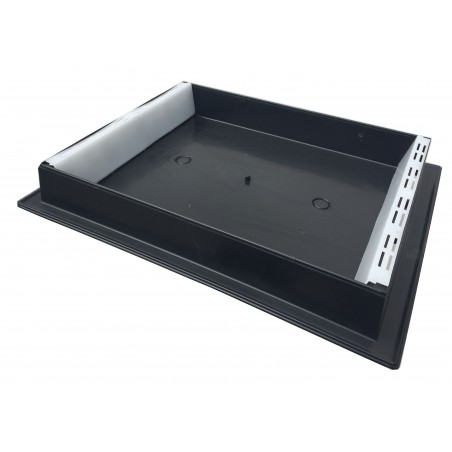
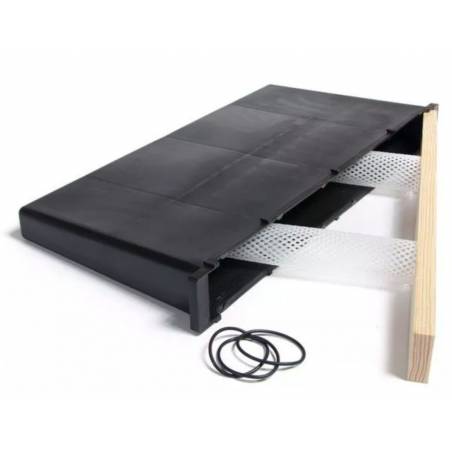
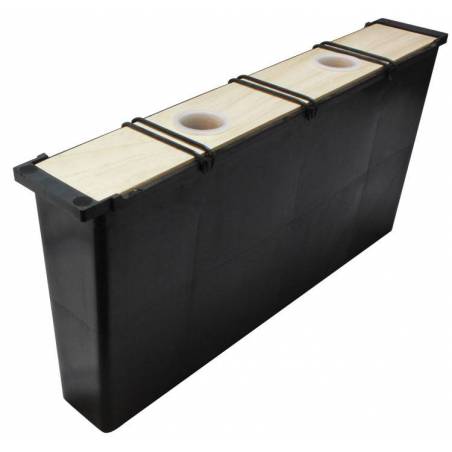
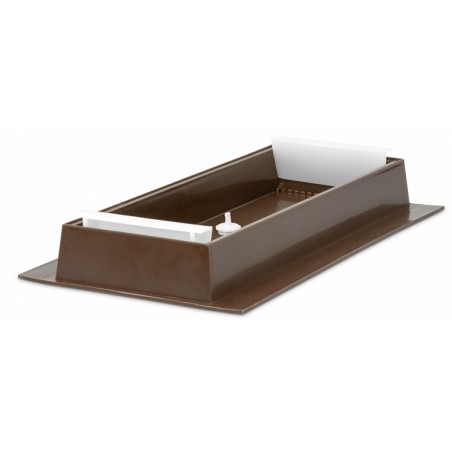
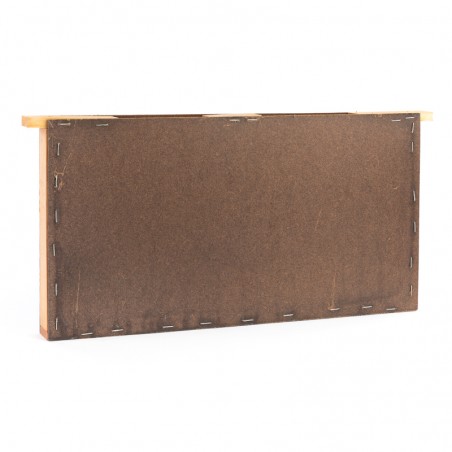
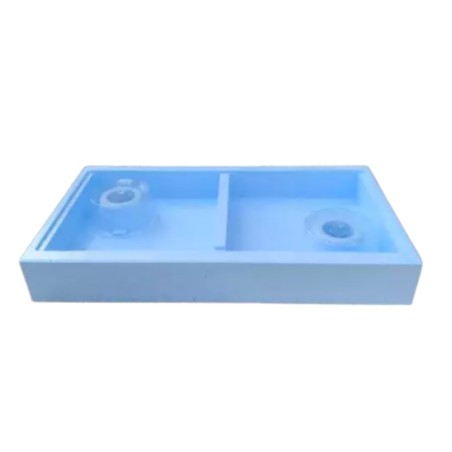
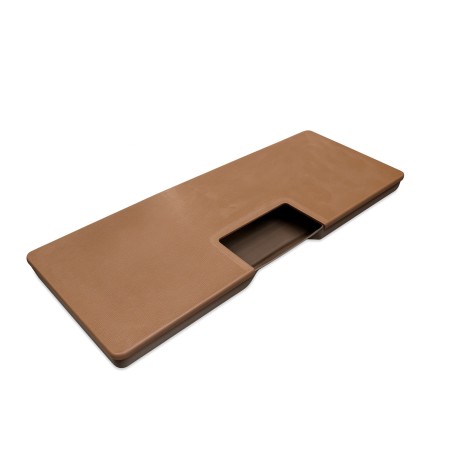
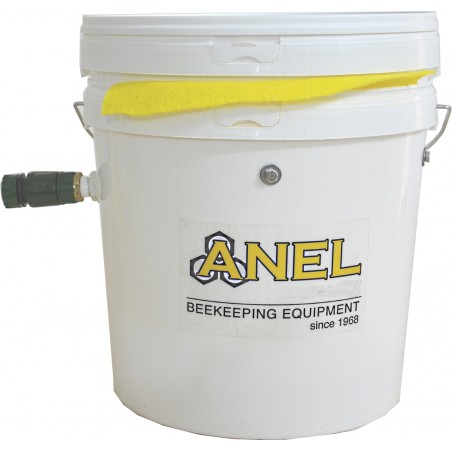
- Top feeder — the most used. Holds a lot, refills without touching the frames and does not disturb the colony. It is what you want for giving syrup in quantity in autumn.
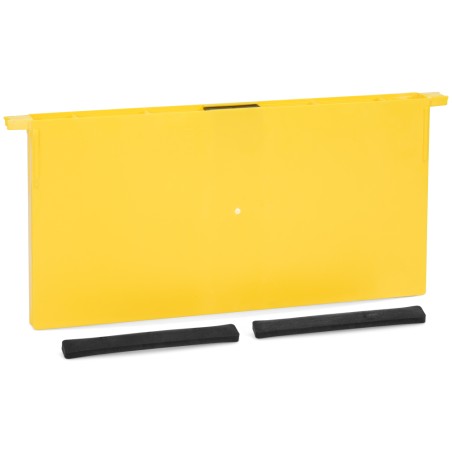
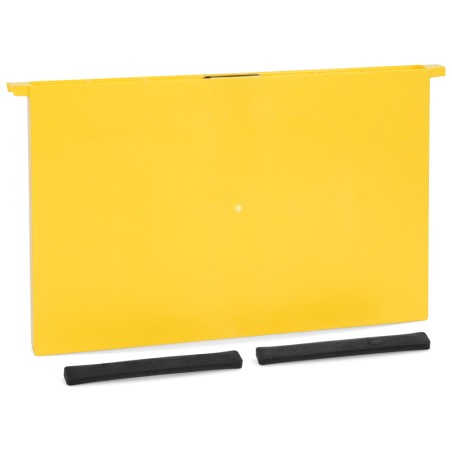
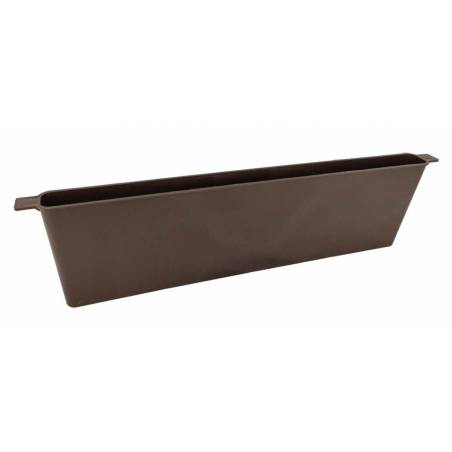
- Frame feeder — takes the place of a frame inside the brood box. Less volume, but right next to the cluster, so in the cold the colony reaches it when it would not go out to a top feeder.
- Entrance feeder — quick and without opening anything, but in full view of other hives. In a dearth it is the easiest way to start robbing, so use it carefully and never in broad daylight with a hungry apiary.
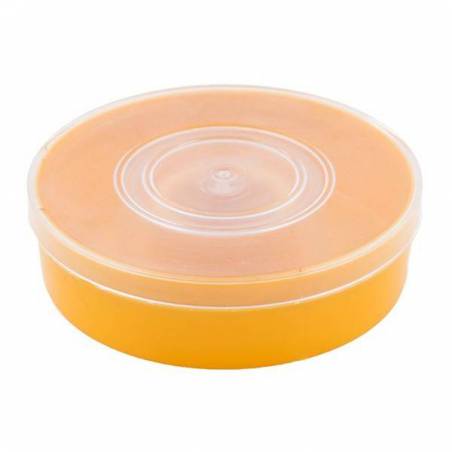
- Candisac (€0.50) — a candy bag placed on the top bars. For winter and emergencies: no liquid to spill and nothing for the colony to dehydrate.
Liquid or solid, by temperature
In the cold the colony cannot process syrup: it does not take it, or it takes it and does not dehydrate it, and then you have damp inside the hive. That is why candy is the winter option and syrup the in-season one. What you give is in feed, and protein feed is a different thing that does not go in these.
Two practical details
That the bees do not drown. A feeder without a ramp, float or grid drowns bees, and plenty of them. Check the model has one or add it.
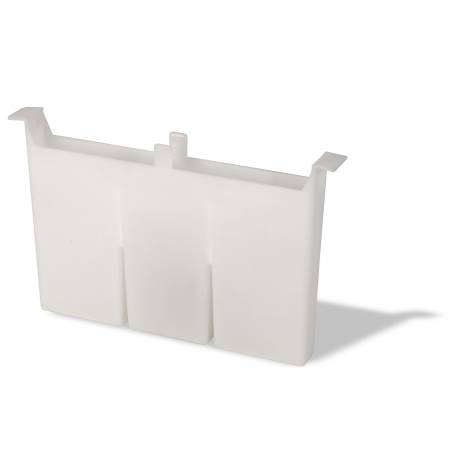
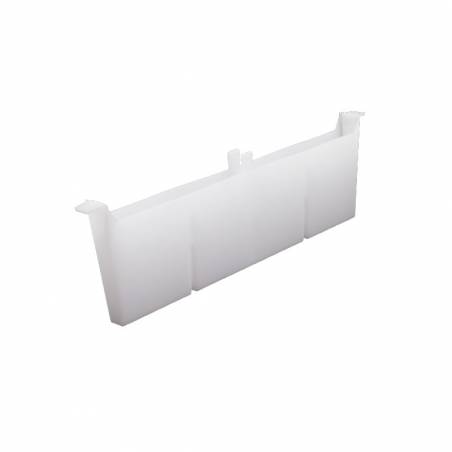
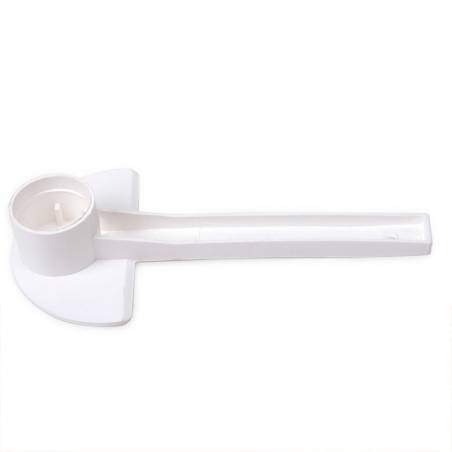
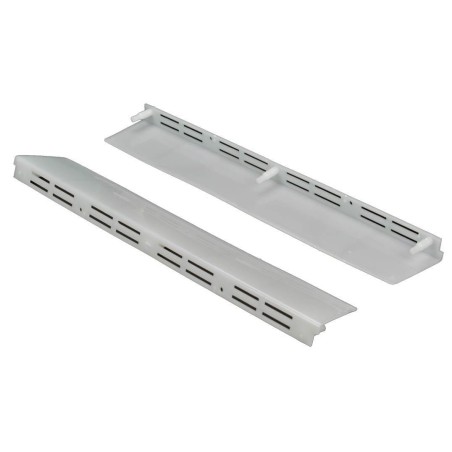
And that spares exist: caps, cabochons and white parts get lost and broken, and here they are sold separately from €0.49. A top feeder without its cap is useless, and it is cheaper to keep two spares than to buy a new feeder.
What is a bee feeder and what is it used for?
It is a device used to supply supplementary feed in a controlled way when the colony’s stores or natural forage do not meet the management objective. The feeder alone does not determine whether the programme is for maintenance or stimulation: that depends on the feed, amount, frequency and timing.
Entrance feeders are easy to top up, but leave feed more exposed and may encourage robbing. Frame feeders bring syrup close to the colony, although they take the place of a frame. Top or crown-board feeders hold more, and some models take both liquid and solid feed. Whichever type is used, prevent leaks, give the bees safe access and size the portion so that it does not spoil.
How can I provide bees with water safely?
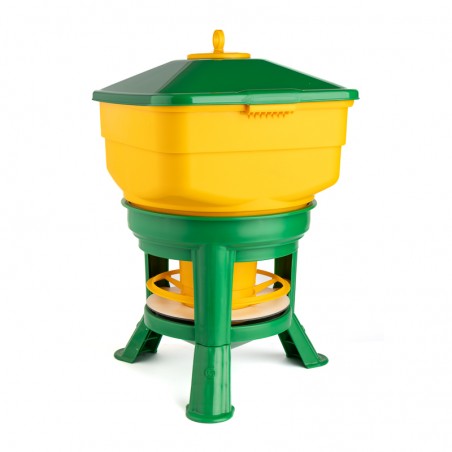
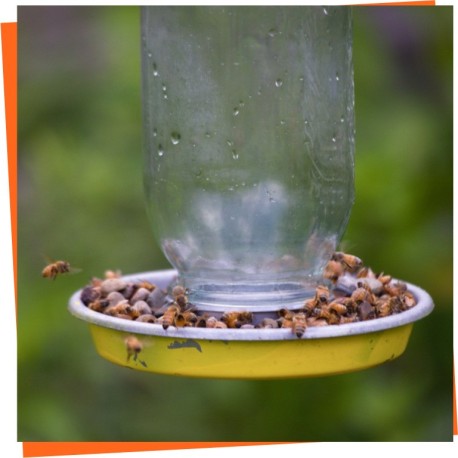
Provide a reliable source of clean water, particularly before hot or dry periods. Use a shallow container or a waterer with a gradual supply, and add stones, corks, mesh or another rough surface on which the bees can land without falling into the water.
Place it in a sunny, sheltered position away from people and animals, treated water, slurry and other sources of contamination. Check the level, clean the container and renew the water to limit algae, dirt and mosquitoes. Once the bees are accustomed to the water point, try to keep it available in the same area.
How can I make a bee waterer?
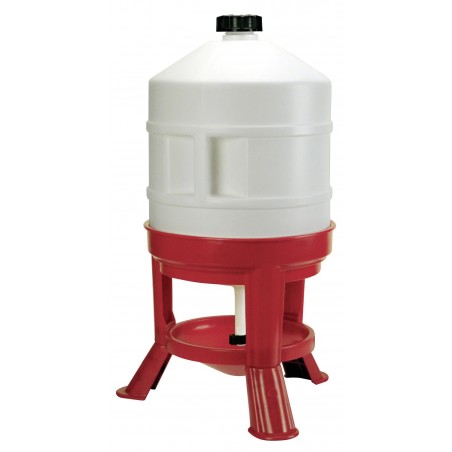
The simplest option is a wide, shallow tray with stones, corks or floating pieces covering much of the surface. You can also use a food-grade reservoir that releases water slowly onto an access tray, without allowing the bees to enter the container.
Check that the unit is stable, has no sharp edges and that the landing surfaces do not sink. Put it in place before hot weather, away from contaminated areas and busy routes, and keep it supplied with clean water. The aim is not to store a large volume unattended, but to provide an accessible point that can be checked and washed regularly.
How can I make a homemade bee feeder?
A simple feeder can be made from a food-grade jar or container, a tight-fitting lid and very small holes through which the bees take the syrup. Before fitting it, invert it over a tray and test it with water to make sure it does not drip continuously: a leak inside the hive can wet bees and frames, while an external leak encourages robbing.
Fit it in a sheltered, stable position that the colony can reach; use a portion that will be consumed fresh and clean the container between uses. The feed composition must match the objective rather than being improvised. Do not use honey of unknown bee-health status or feed while supers intended for marketable honey are on the hive. A commercial feeder made for the hive reduces fitting and leakage errors.
What types of bee feeder are available?
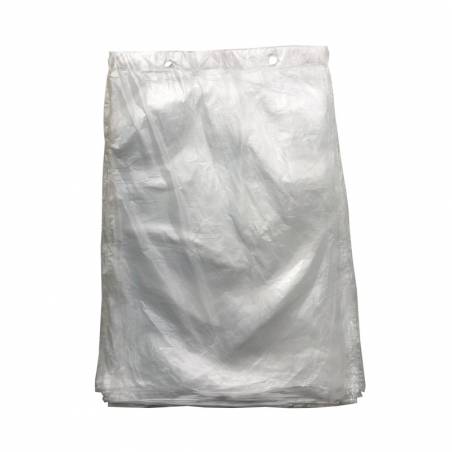
Entrance feeders: allow syrup to be checked and topped up without opening the hive, but are more exposed to temperature changes and robbing. Frame feeders: replace a frame and bring liquid feed close to the bees; they need a float, ladder or other anti-drowning feature. Top or crown-board feeders: offer good capacity and keep feed protected; some have separate sections for liquid and solid feed. Bag feeders: are economical and sit above the frames, but must be perforated, supported and sealed carefully to prevent leaks.
The right choice depends on the feed format, required capacity, weather, risk of robbing and compatibility with the hive type.
How do I choose the right feeder for my hive?
Start with four questions: what feed will be supplied, how much the colony needs, how often it can be checked and how great the risk of robbing is. A frame feeder may suit syrup and small portions; for greater capacity and protection, a top or crown-board feeder is often practical. An entrance feeder is easy to refill, but is less suitable where robbing, cold or exposure are concerns.
Also check that it fits the hive, gives the bees access without drowning and can be cleaned thoroughly. A good feeder delivers the intended portion without leaking and allows consumption to be monitored; it is not automatically the one with the largest capacity.
What type of feed is used in bee feeders?
Feeders are used mainly for liquid feeds such as energy syrups, although some top or crown-board models also take fondant, bee candy or protein patties in a separate section. Solid feeds can be placed directly above the frames when their packaging and directions allow it.
The formats are not all interchangeable: syrup needs a leakproof container and protection against drowning, whereas a paste must remain soft enough to take and close to the area occupied by the bees. Follow the directions for both feed and feeder, and do not mix products without first confirming compatibility.
Should a bee feeder be used throughout the year?
Not as a fixed routine. A feeder is used to meet a specific need: to reinforce stores when natural forage is lacking, maintain a planned stimulation programme or provide a supplement when a shortage has been identified. Stop refilling it, or remove it, once the objective has been reached or adequate natural forage begins.
Keeping feed available without assessing the colony can hide a problem with stores or population, encourage robbing and result in syrup being stored. Before each programme, check stores, brood, pollen, colony strength, weather and bee health, and do not feed while supers intended for marketable honey are on the hive.
How often should I refill the feeder?
There is no universal interval: it depends on portion size, colony strength, weather, feed type and objective. With liquid feed, check the first portion promptly to establish the rate of consumption and adjust later portions. As a technical guide, a portion should be consumed in about 3–4 days; if syrup remains longer, check its position, colony strength and any signs of fermentation before refilling.
For fondant or paste, make sure the feed is still accessible, has not dried out, become wet or mouldy, and remains close to the area occupied by the bees. Refilling by the calendar without checking consumption increases the risk of spoilage and spills.