
-
Beehives
- Complete beehive
- Accessories
-
Nuc hives
- Nucs by format
- With bees & mating
- Spare parts
-
Bee equipment
- For the apiary
- For the beekeeper
-
Clothing
- Clothing Accessories
-
Beeswax
-
Pure beeswax
- Beeswax and foundation
- Beeswax foundations
- Melting and rolling beewax
-
Pure beeswax
-
Bee feed
- Accessories and source materials
- Utensils
-
Bee health
- Varroa Treatments
- Diseases control
- Nutraceuticals
-
Extraction and bottling
- Before extraction
- Honey extraction
- After extraction
-
Bee pollen
- Harvest
- Indicted
-
Honey packaging
- Flasks per utility
- Flasks by size
- Other packaging
 Apipasta with vitamins 15kg
 Beecomplet® Spring 14Kg
 Beekeeper suit with round veil
 Oxalic acid 1kg
 Beeswax Foundation 5kg
 Fresh royal jelly 20g
 Classic honey jar 1kg comb-lines TO77 - Pack of 16 units
 Promotor L Apis 1 litre
Candle Moulds Animal
Silicone animal moulds for candles: owl, donkey, Easter rabbit, hanging reindeer and more. From €14.95 to €63.60.
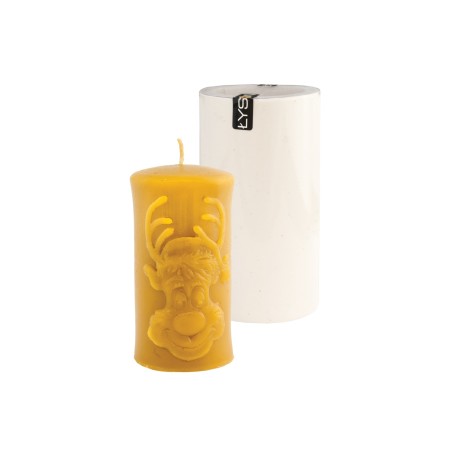
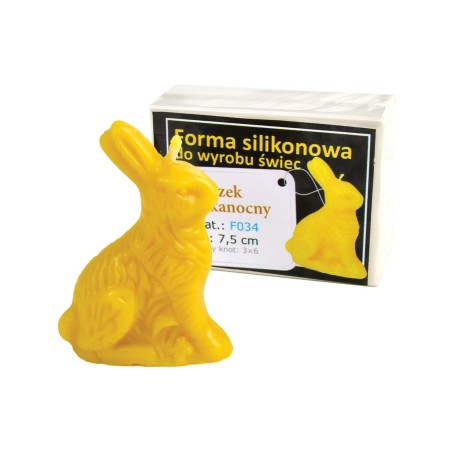
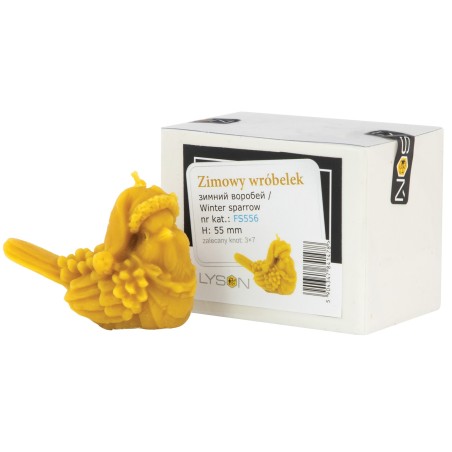
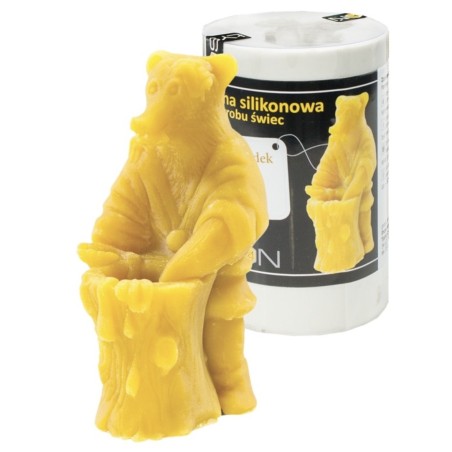
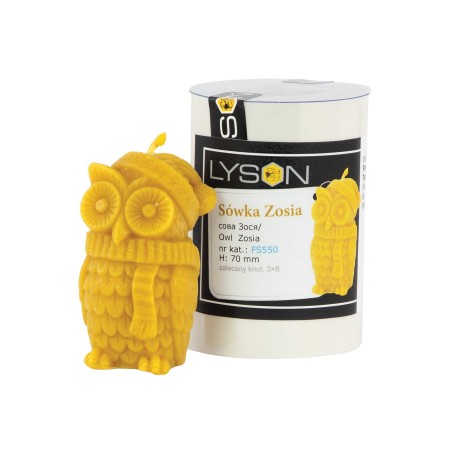
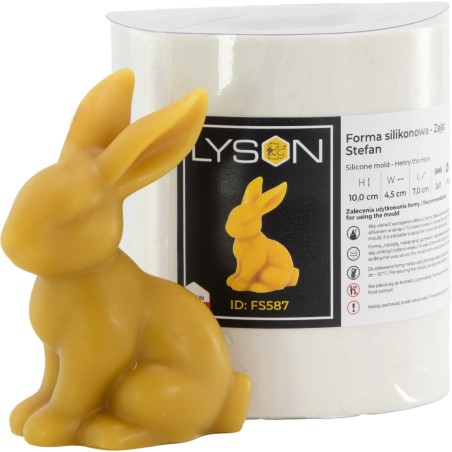
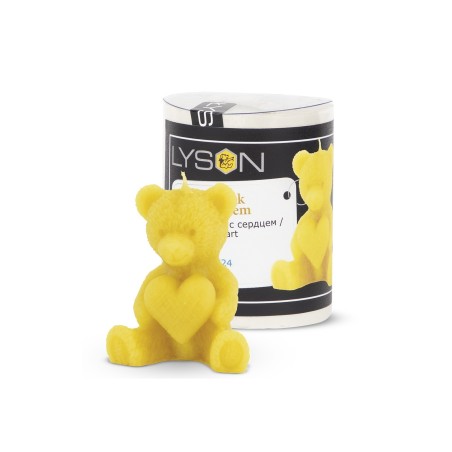

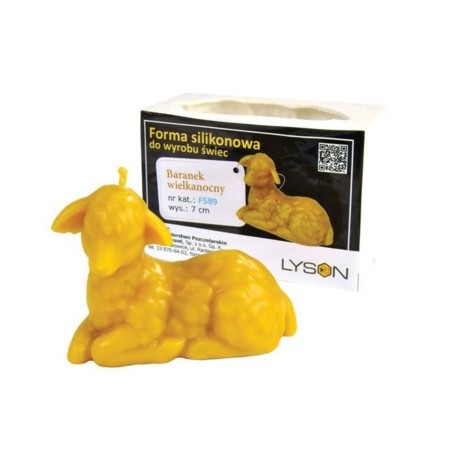
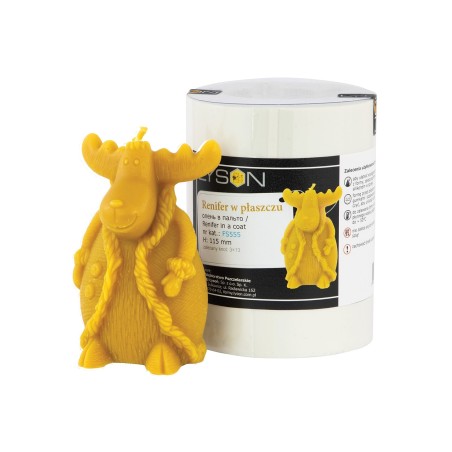
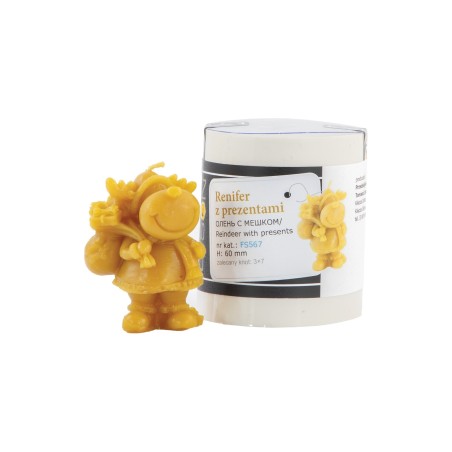
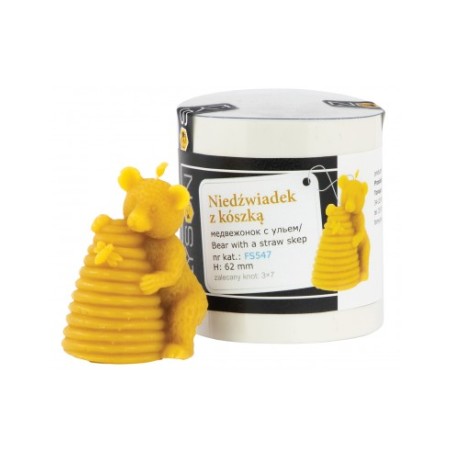
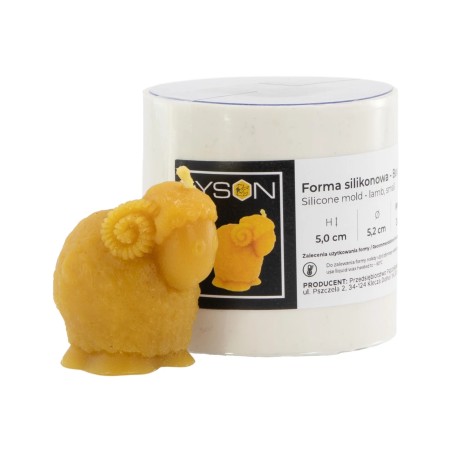
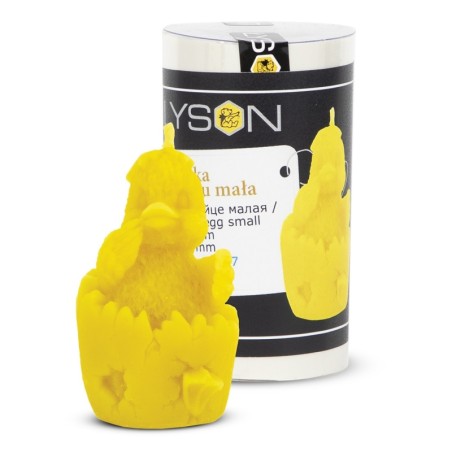
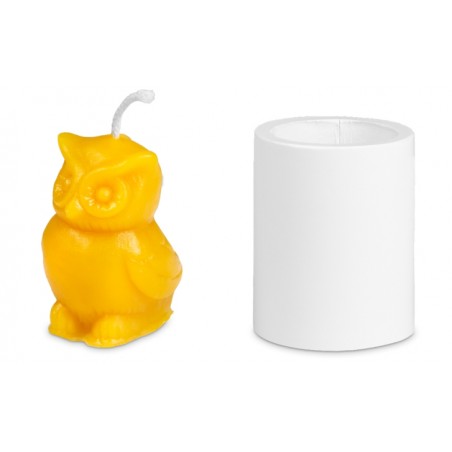
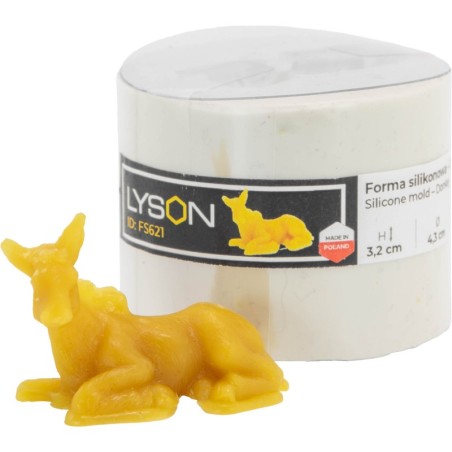
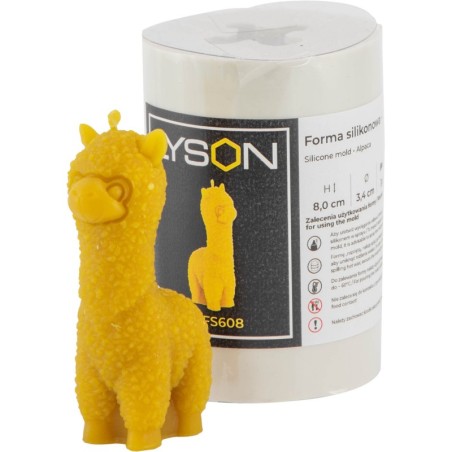
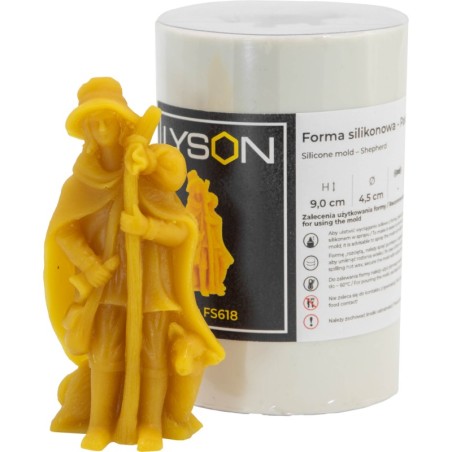
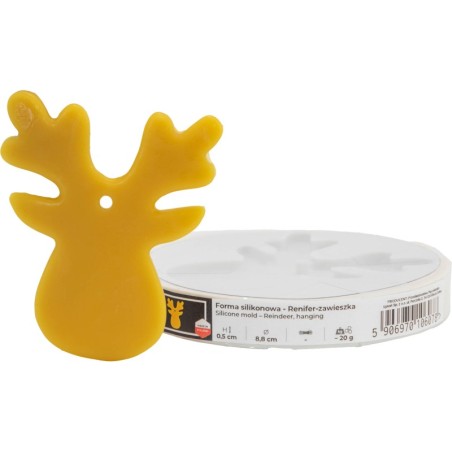
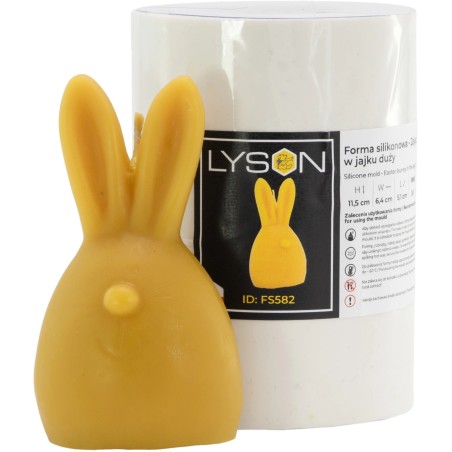
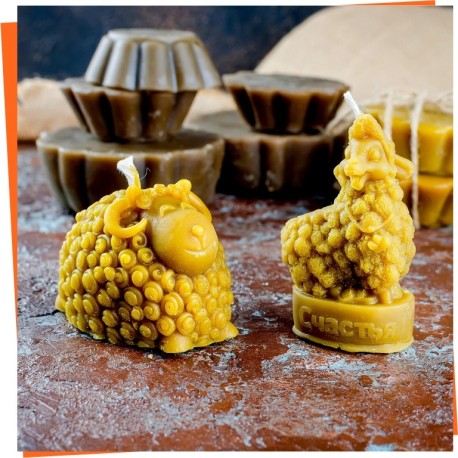
Candle Moulds Animal
Detailed shapes: what to know first
Animal moulds have more relief than a plain cylinder, and that changes the work: the wax has to be properly fluid and the pour slow so it fills ears, legs and textures without leaving bubbles. If this is your first mould, start with a compact figure — the owl, the rabbit — before one with fine limbs.
Some are hanging pieces, with a hole for ribbon: they work best as gift favours and as an eye-catcher on a stall, because they are visible from a distance.
What they all share
They are silicone moulds, so they stretch to release and forgive shapes with a narrow neck. Two-part ones close with elastic bands: without them the wax escapes at the seam, which is failure number one on a first attempt.
Beeswax melts between 61 and 65 ºC and there is no need to go beyond that; above 140 ºC the volatiles that give it the honey smell evaporate. And the wick goes with the candle diameter: too fine and it tunnels, too thick and it smokes. All of that, with wicks and bands, is in candle-making supplies, and the full mould range in candle moulds.