
-
Beehives
- Complete beehive
- Accessories
-
Nuc hives
- Nucs by format
- With bees & mating
- Spare parts
-
Bee equipment
- For the apiary
- For the beekeeper
-
Clothing
- Clothing Accessories
-
Beeswax
-
Pure beeswax
- Beeswax and foundation
- Beeswax foundations
- Melting and rolling beewax
-
Pure beeswax
-
Bee feed
- Accessories and source materials
- Utensils
-
Bee health
- Varroa Treatments
- Diseases control
- Nutraceuticals
-
Extraction and bottling
- Before extraction
- Honey extraction
- After extraction
-
Bee pollen
- Harvest
- Indicted
-
Honey packaging
- Flasks per utility
- Flasks by size
- Other packaging
 Apipasta with vitamins 15kg
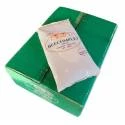 Beecomplet® Spring 14Kg
 Beekeeper suit with round veil
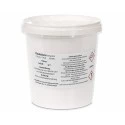 Oxalic acid 1kg
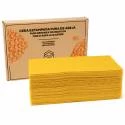 Beeswax Foundation 5kg
 Fresh royal jelly 20g
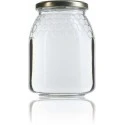 Classic honey jar 1kg comb-lines TO77 - Pack of 16 units
 Promotor L Apis 1 litre
Extraction and bottling
The complete extraction line, in order: uncapping, extraction, filtering, settling, transfer, heat treatment, blending, filling and analysis. 138 references.
- Before extraction
- Honey extraction
Categories
Brand
Price
-
€0.00 - €65,695.00
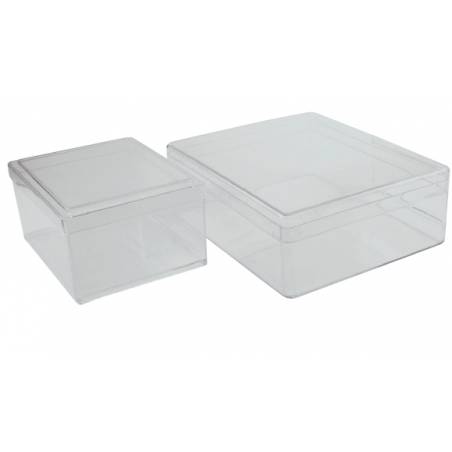
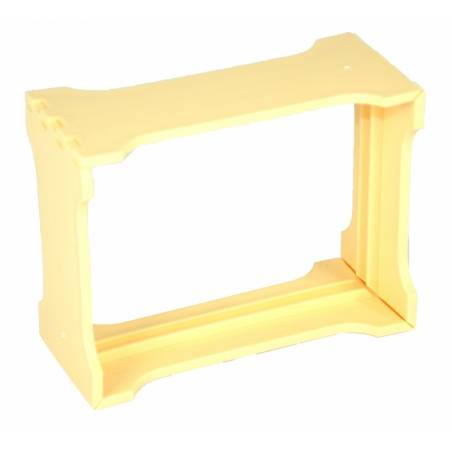
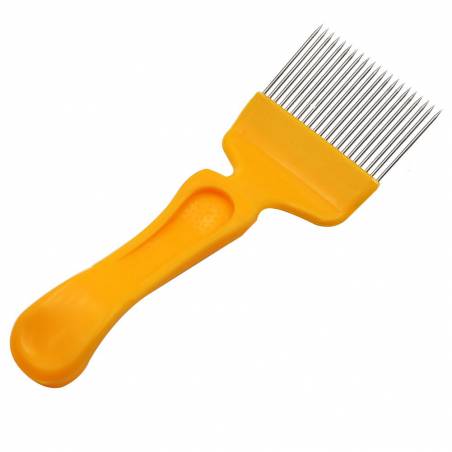
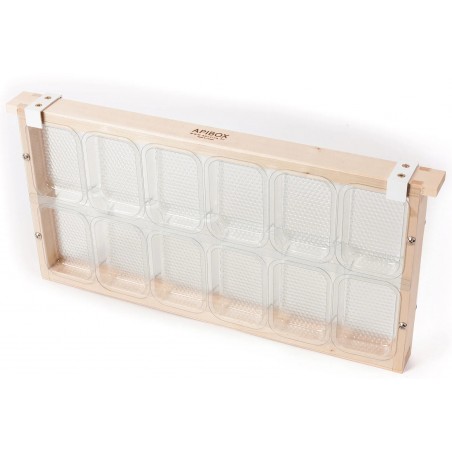
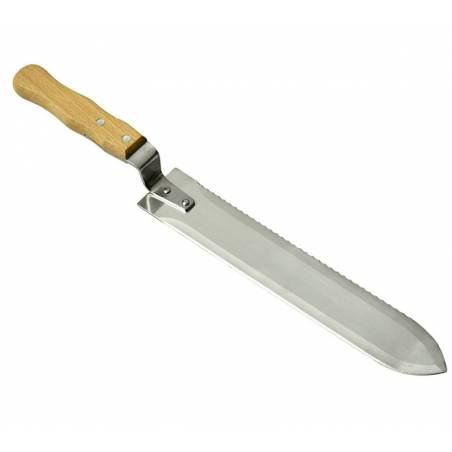
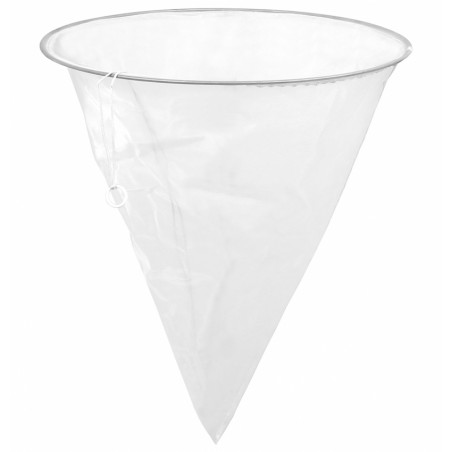
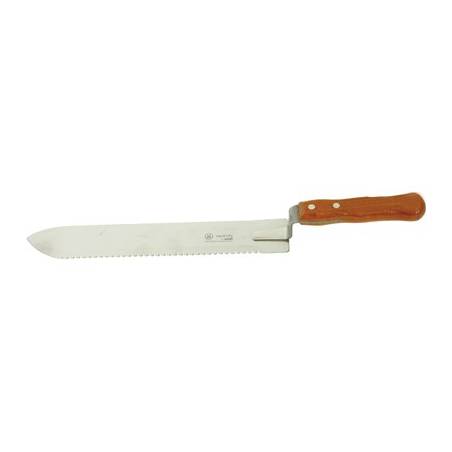
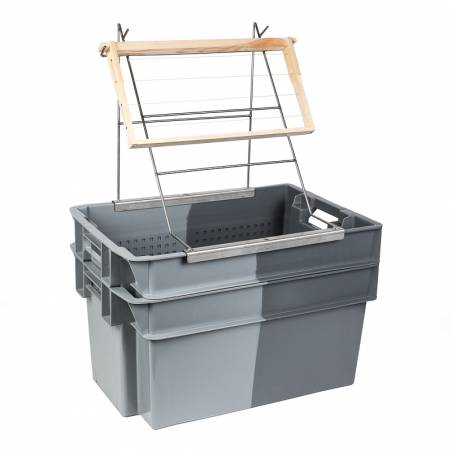
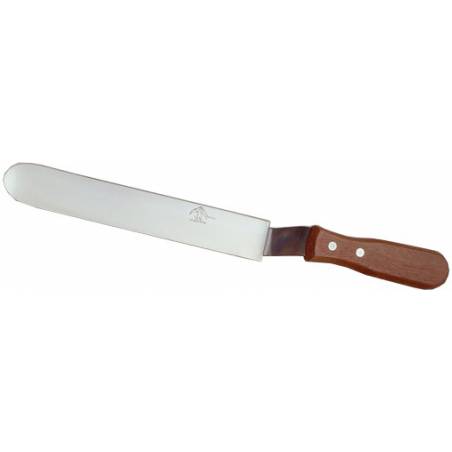
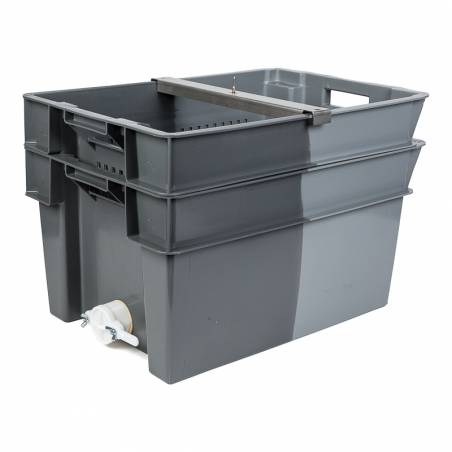
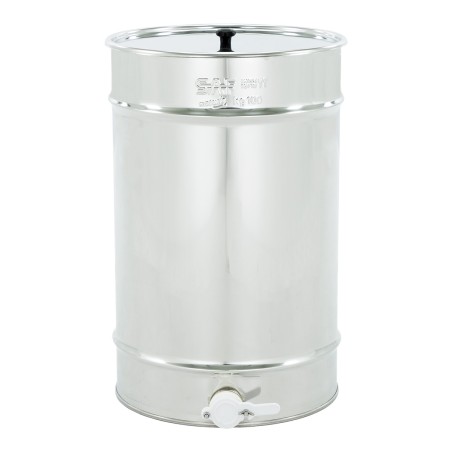
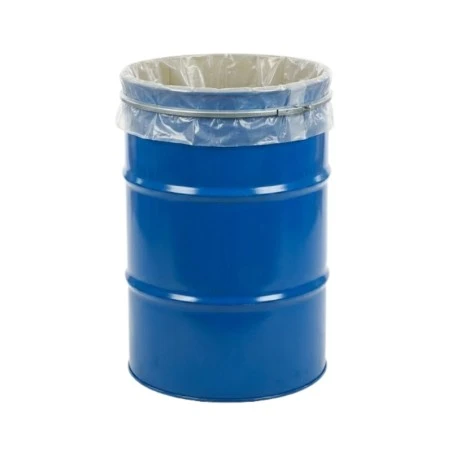
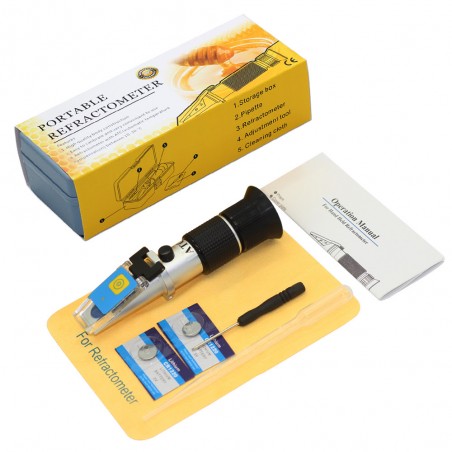

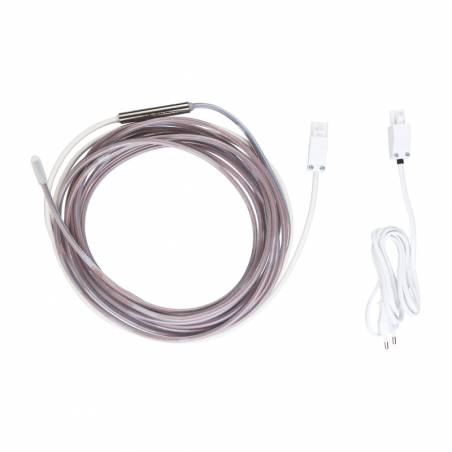
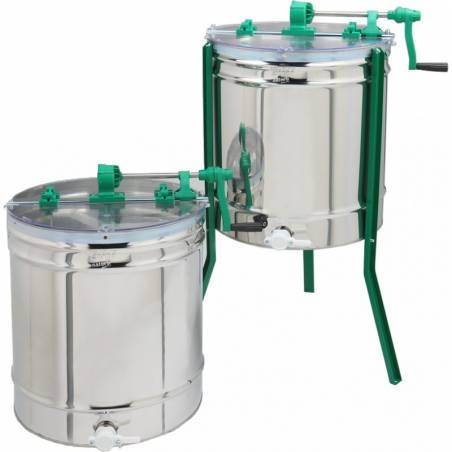
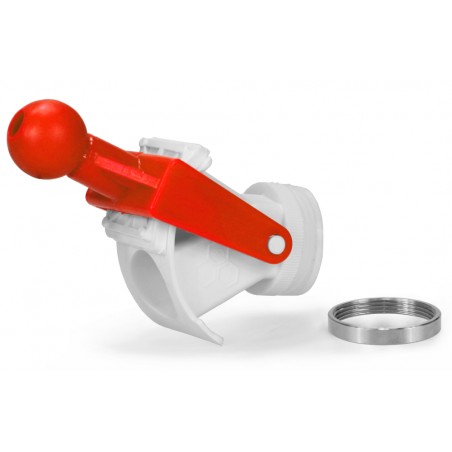
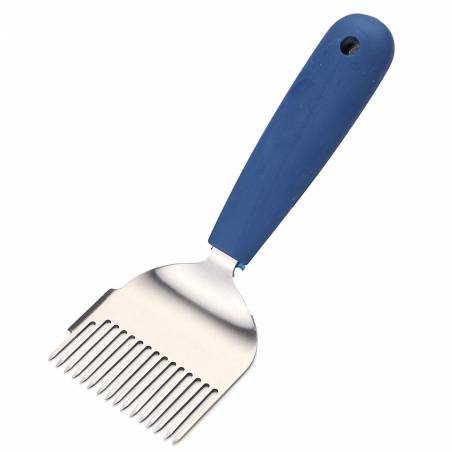
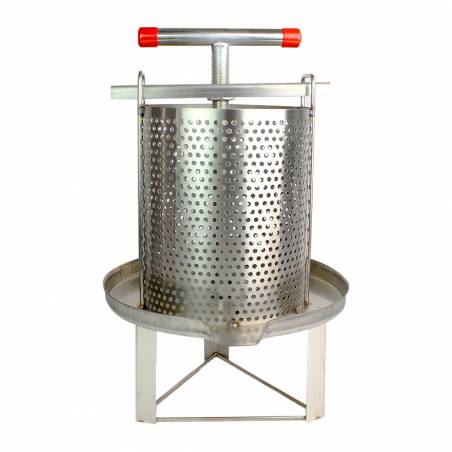
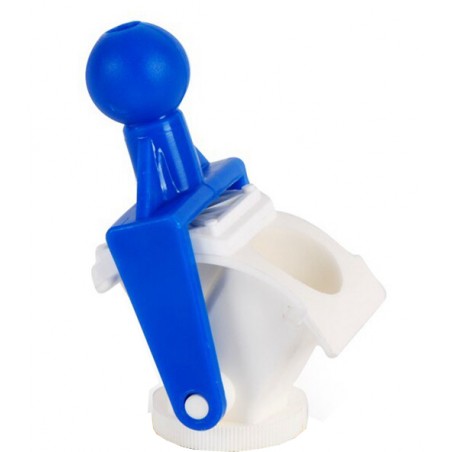
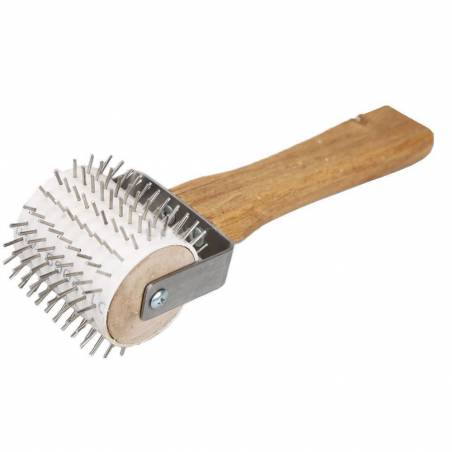



How to design your honey house as a flow
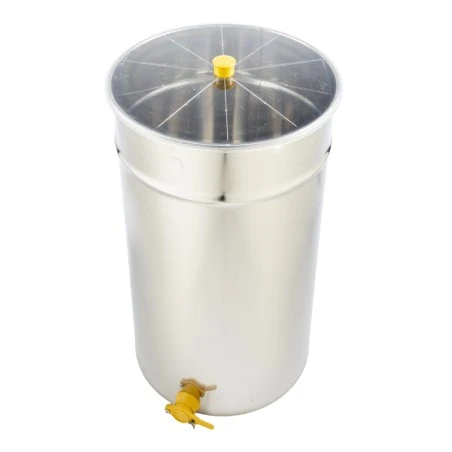
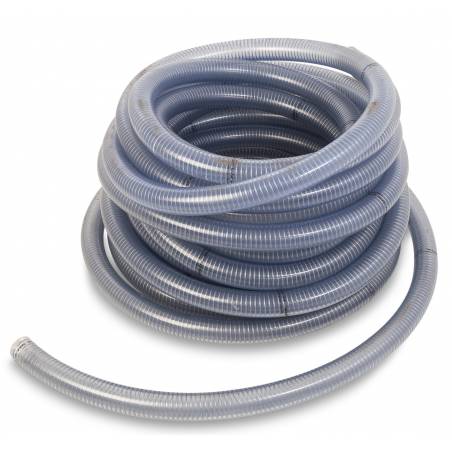
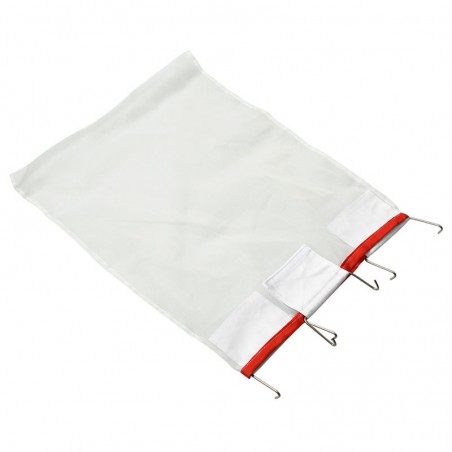
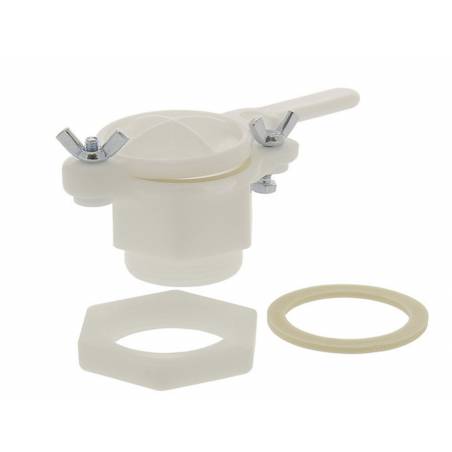
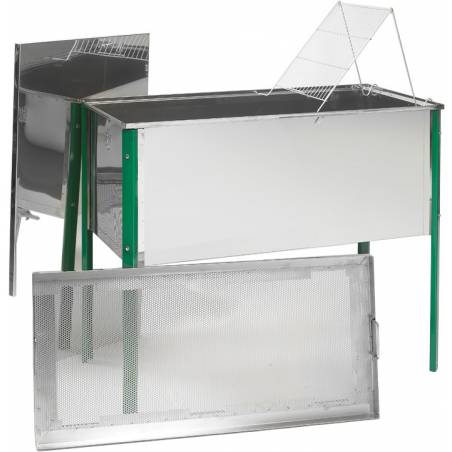
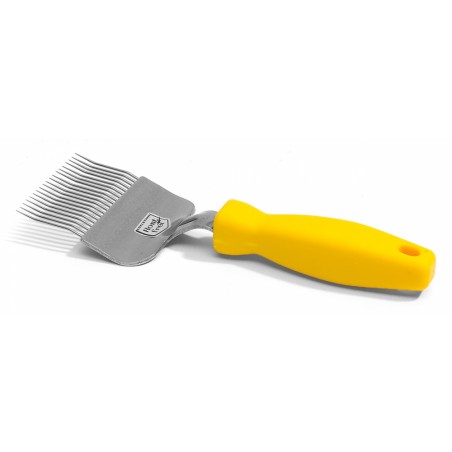
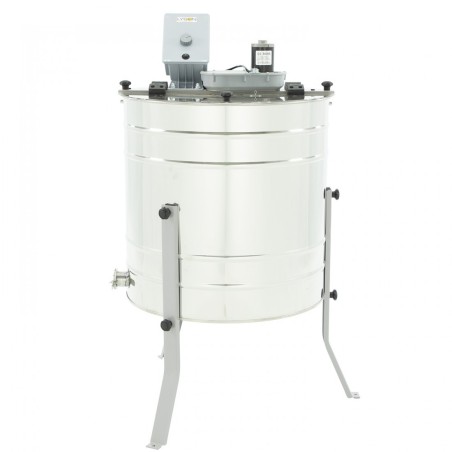
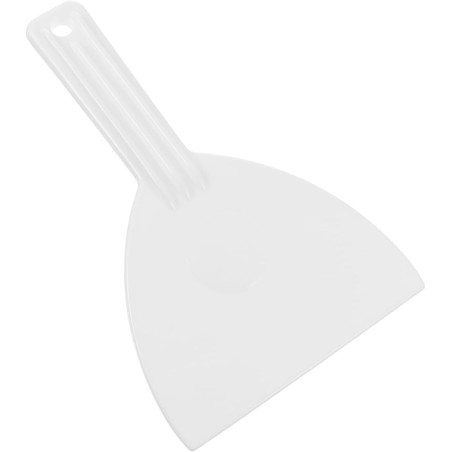
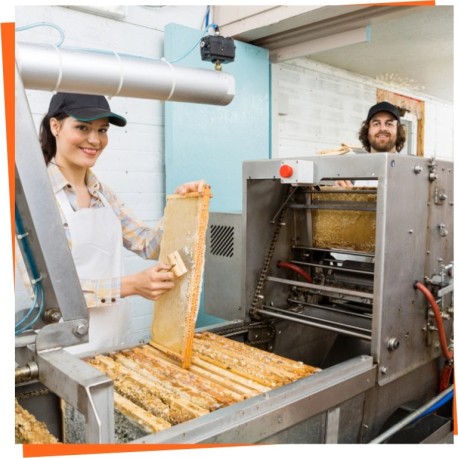
A honey house isn't set up by buying individual machines; it's designed as a workflow. From the moment the capped frame comes in until the packed jar comes out, every step has to be balanced: uncapping, extraction, filtering, settling, maturation, pumping, heating if needed, analysis, batching and bottling. The usual mistake is to invest in a large extractor and then fall short on filters, honey tanks, pump or bottling machine. There you don't gain pace: you simply move the bottleneck to another point. For a few hives, I'd prioritize simple material, easy to clean and with good real capacity. For more volume, I'd then look at the complete line: what comes in per hour, what goes out per hour and where the honey can get stuck on you.
My advice is to buy machinery thinking about food-grade quality, cleanliness, traceability and control, not just kilos per hour. Honey doesn't reward haste: if you heat it badly, aerate it with an unsuitable pump, filter it too fine without need or blend batches without recording them, you can lose aroma, texture, presentation and commercial value. Before choosing, I'd check food-grade materials, ease of disassembly, compatibility of valves and hoses, working height, spare parts availability, temperature control, maturation capacity and how you're going to measure moisture and batches. And here I'll take a clear stand: better a small but balanced honey house than a big machine surrounded by bottlenecks. Good machinery doesn't just save effort; it lets you work cleanly, repeat quality and sell a more defensible honey.
Extraction and bottling
A honey house is not a pile of machines: it is a sequence. The order matters because each step conditions the next, and most expensive mistakes come from skipping one.
The order of the process
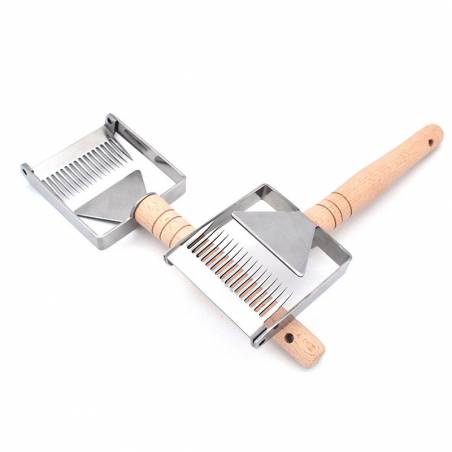
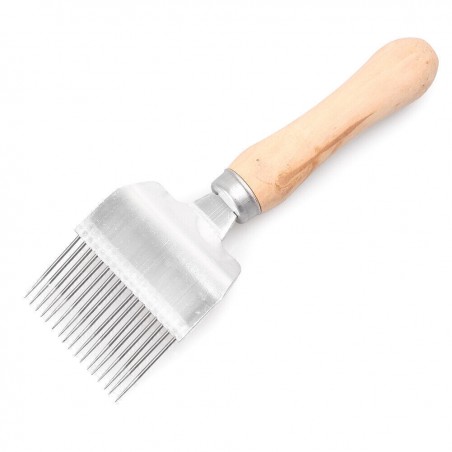
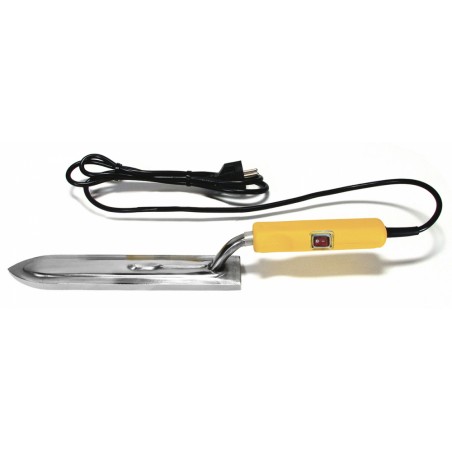
- Uncapping — opening the cell. The cleaner the cut, the less wax you drag into the rest of the line. The cappings that come off carry honey and can be recovered.
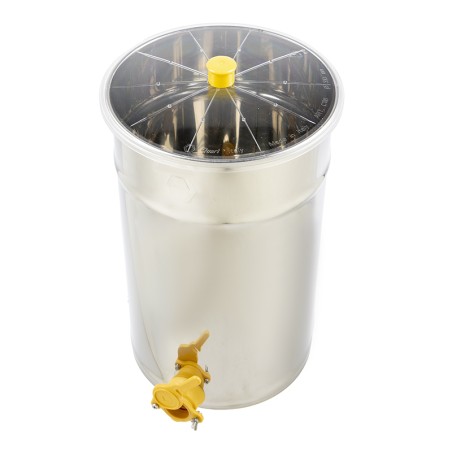
- Extraction — radial for supers and fluid honey, tangential or reversible for dense honey and brood frames.
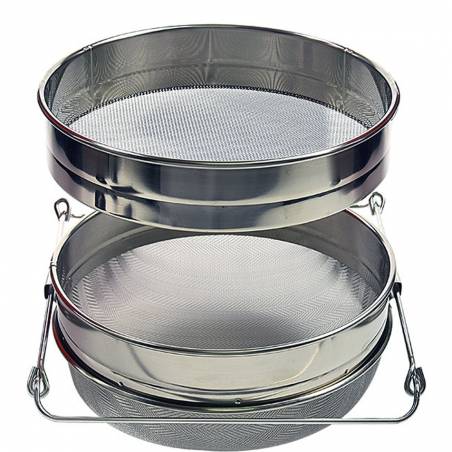
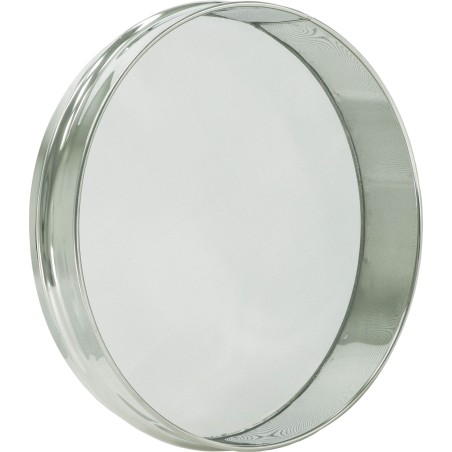
- Filtering — two stages: 1,000 microns at the extractor outlet and 300 before the tank. It removes wax and debris, it does not "purify".
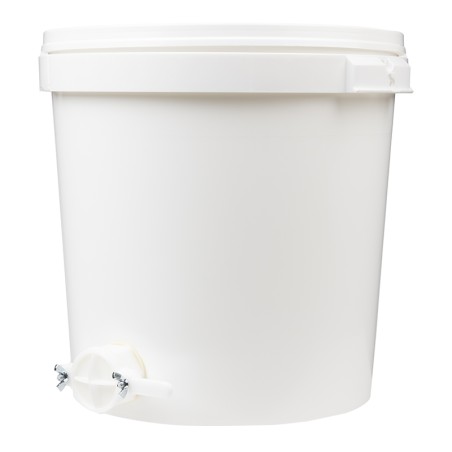
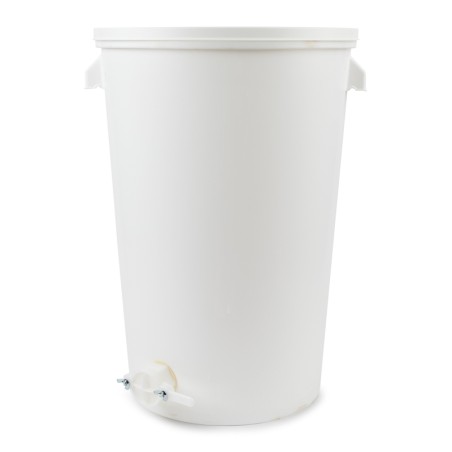
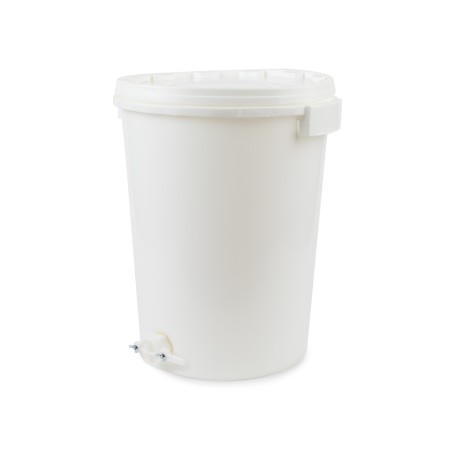
- Settling — the tank does not filter: it lets bubbles and foam rise and heavy particles fall. That is time, not machinery.
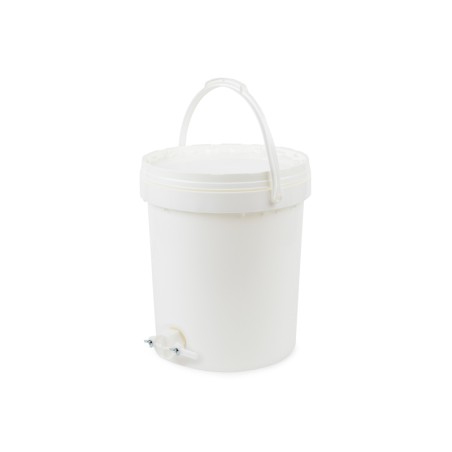
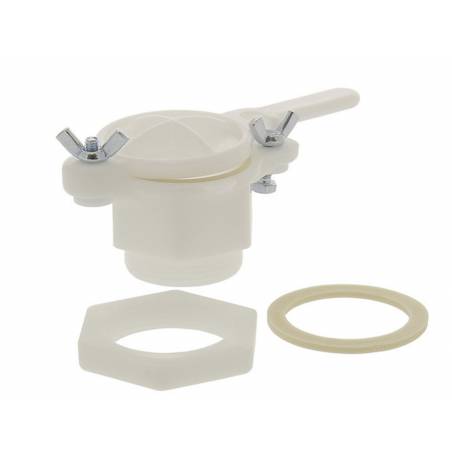
- Transfer — pumps, taps and valves. A peristaltic pump treats honey more gently; a vane pump gives flow on fluid honey.
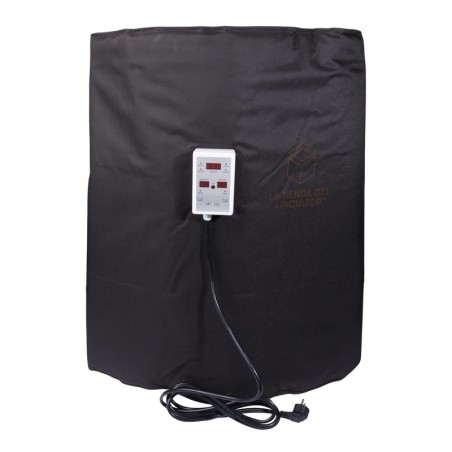
- Heat treatment — heating elements and decrystallisers. This is where good honey gets spoiled: above what is needed, HMF rises and diastase falls, and those are the two parameters that measure its freshness.
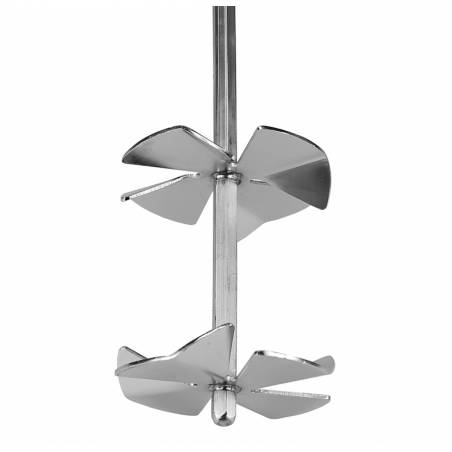
- Blending — mixers and creamers, for a uniform batch or creamed honey.
- Filling — dosing without dripping and with the same weight in every jar.
The two steps people forget
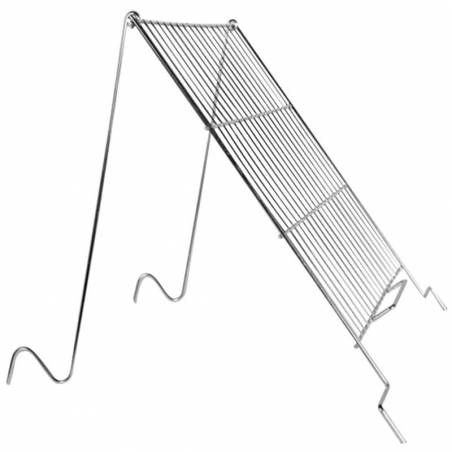
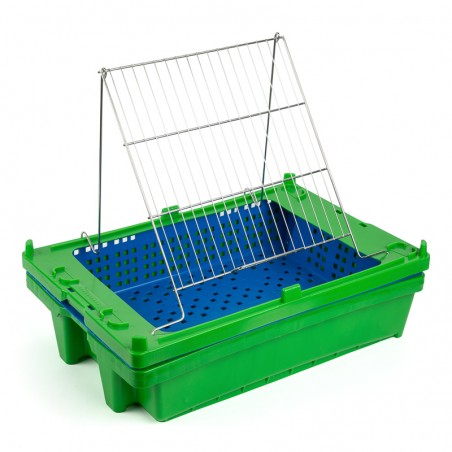
Capping treatment, because honey stays in there and goes off with the wax if it is not drained. And analysis — moisture, HMF, diastase: it is what turns "my honey is good" into a figure you can put on a spec sheet and defend to a buyer.
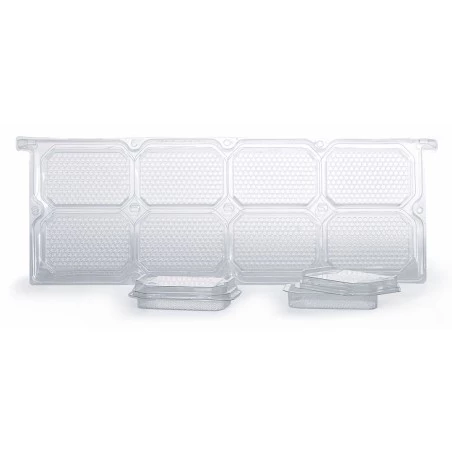
And outside the line, comb honey production, which barely touches any of this: it is cut and packed.