
-
Beehives
- Complete beehive
- Accessories
-
Nuc hives
- Nucs by format
- With bees & mating
- Spare parts
-
Bee equipment
- For the apiary
- For the beekeeper
-
Clothing
- Clothing Accessories
-
Beeswax
-
Pure beeswax
- Beeswax and foundation
- Beeswax foundations
- Melting and rolling beewax
-
Pure beeswax
-
Bee feed
- Accessories and source materials
- Utensils
-
Bee health
- Varroa Treatments
- Diseases control
- Nutraceuticals
-
Extraction and bottling
- Before extraction
- Honey extraction
- After extraction
-
Bee pollen
- Harvest
- Indicted
-
Honey packaging
- Flasks per utility
- Flasks by size
- Other packaging
 Apipasta with vitamins 15kg
 Beecomplet® Spring 14Kg
 Beekeeper suit with round veil
 Oxalic acid 1kg
 Beeswax Foundation 5kg
 Fresh royal jelly 20g
 Classic honey jar 1kg comb-lines TO77 - Pack of 16 units
 Promotor L Apis 1 litre
Honey tanks
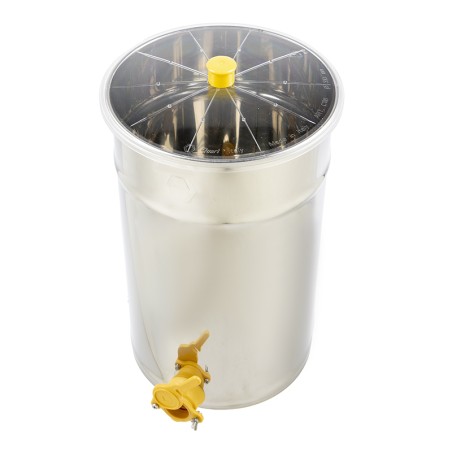
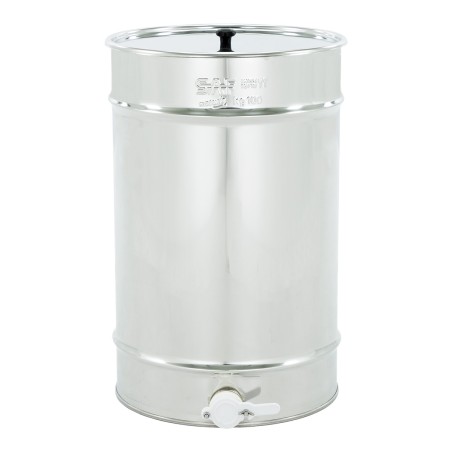
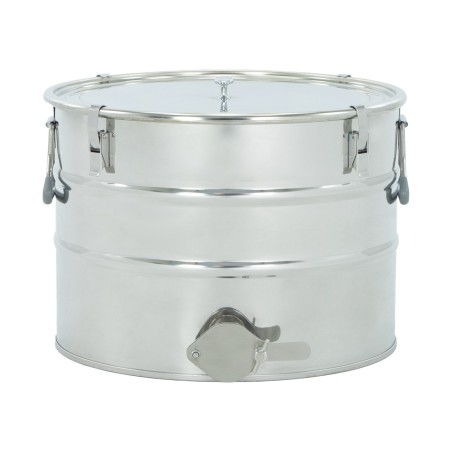
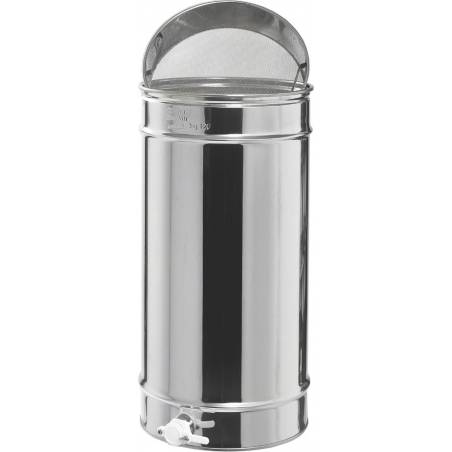
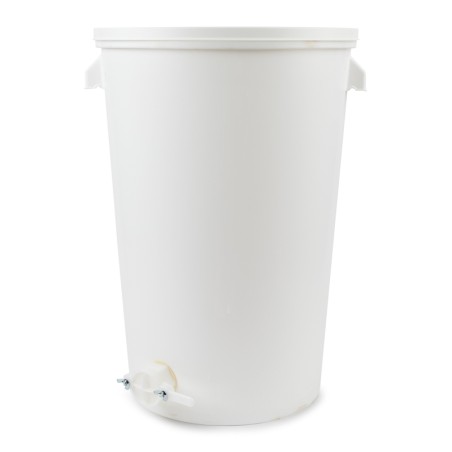
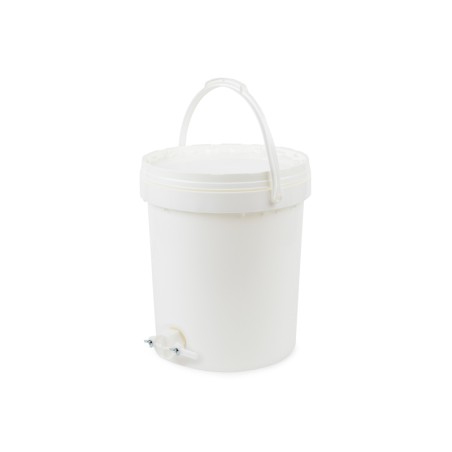
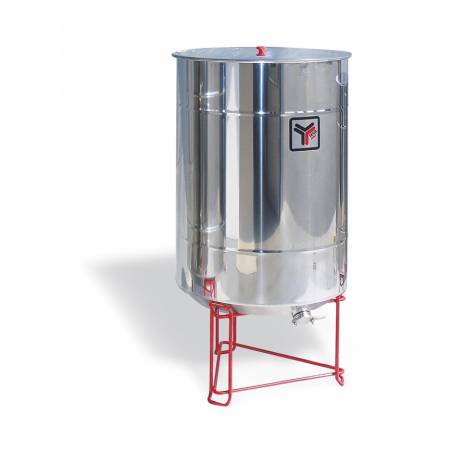
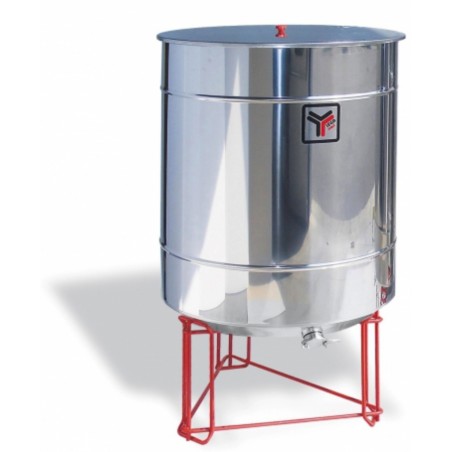
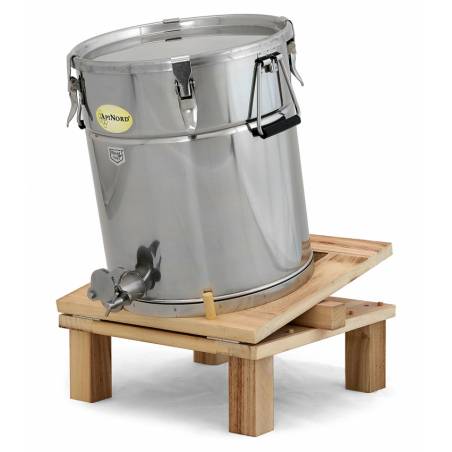
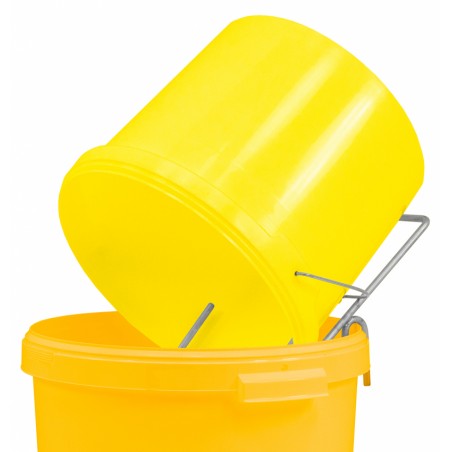
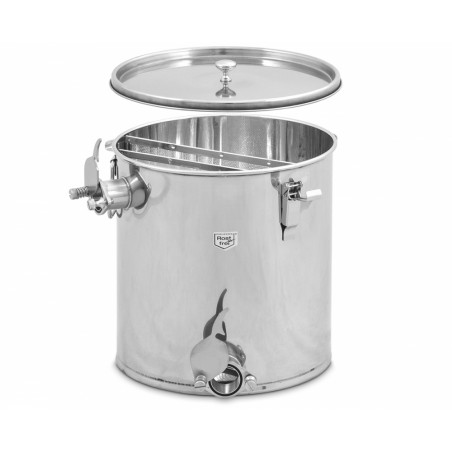
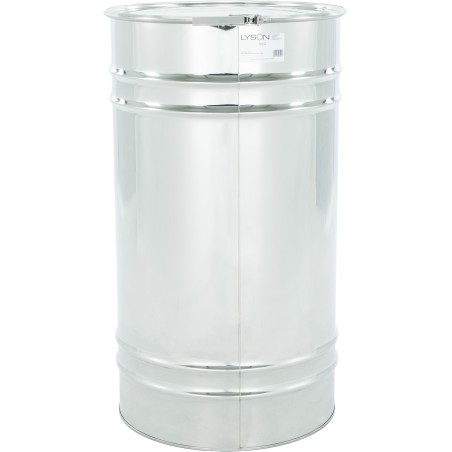
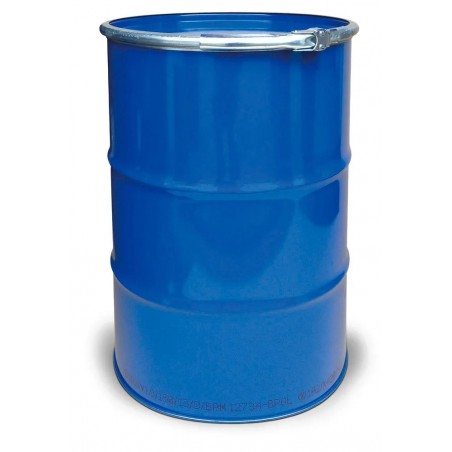
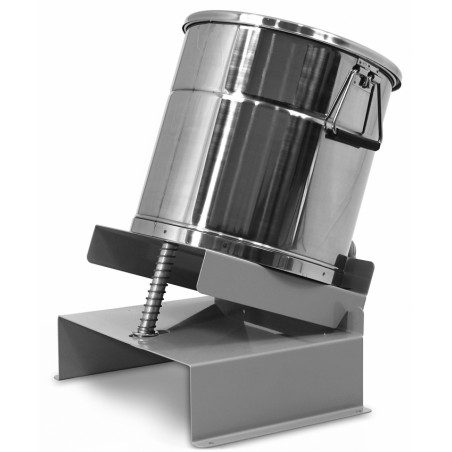
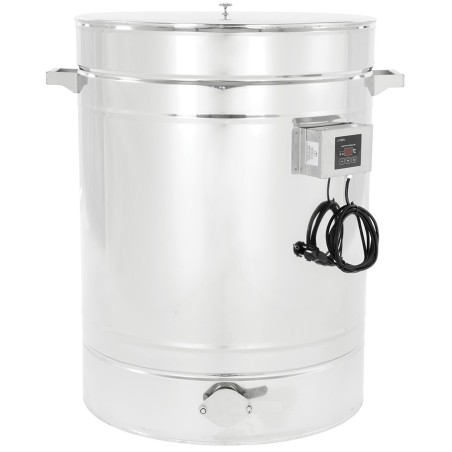
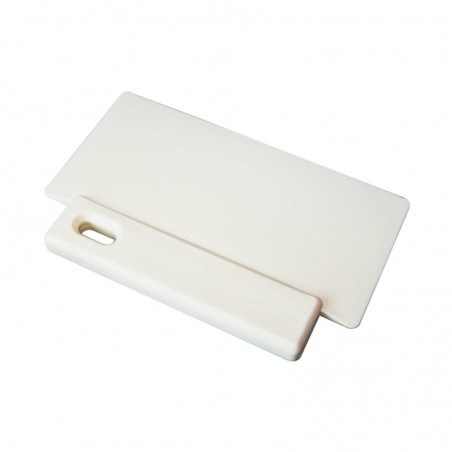
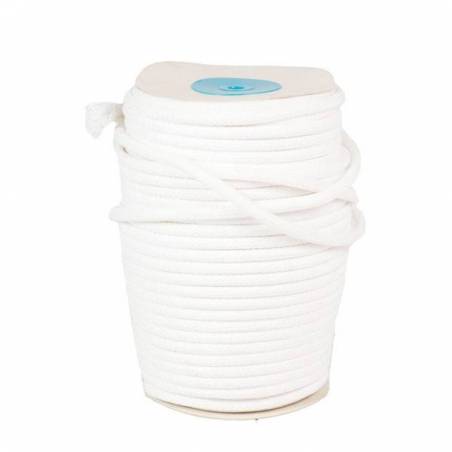
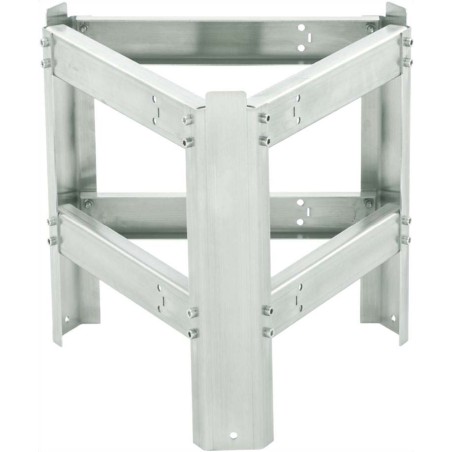
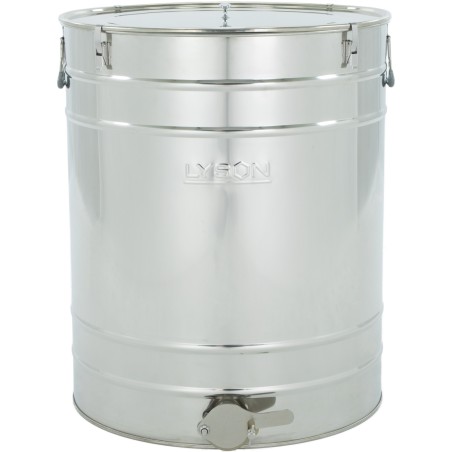
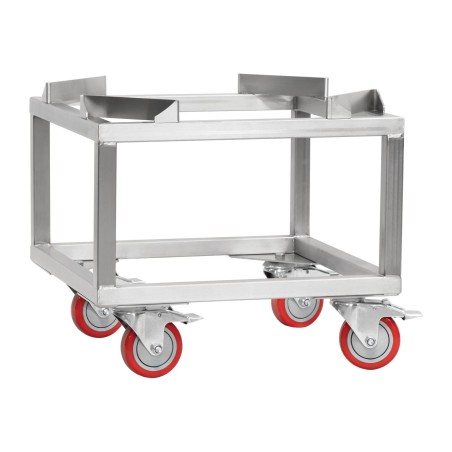
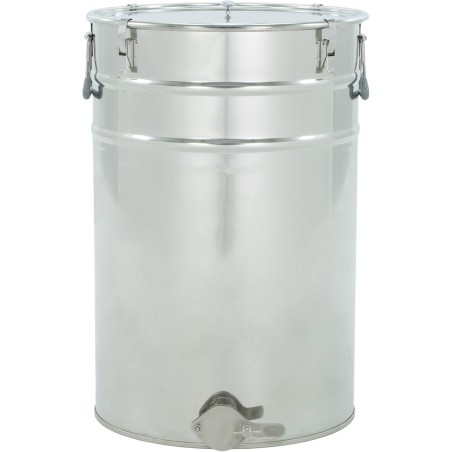
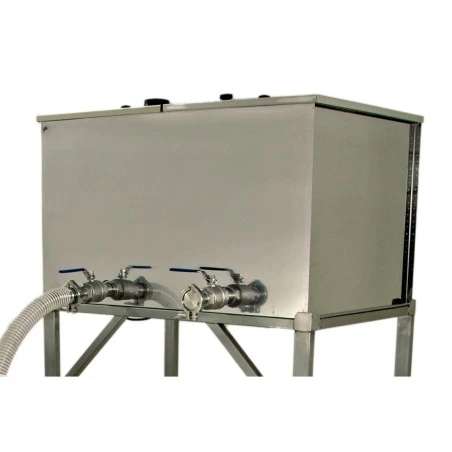
Honey settling tanks from 28 kg to a 220 l drum, in food-grade plastic and stainless steel, with anti-drip tap. Plus stands, lifting trolleys and inner liners.
Capacity (kg)
Brand
Price
-
€2.00 - €4,999.00
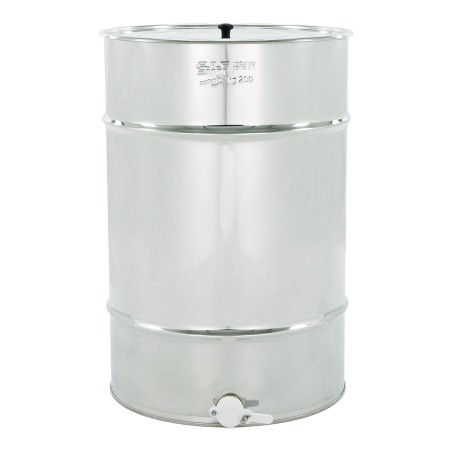
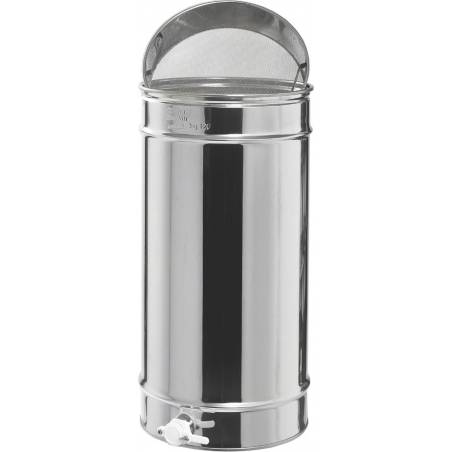
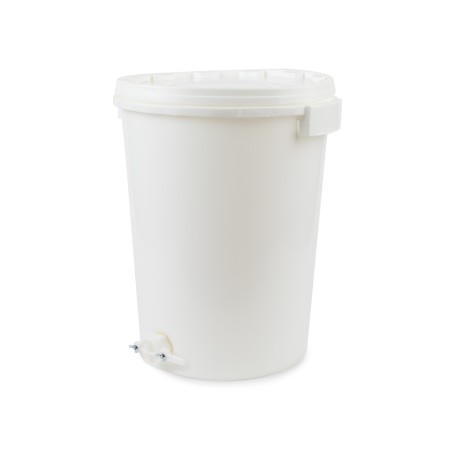
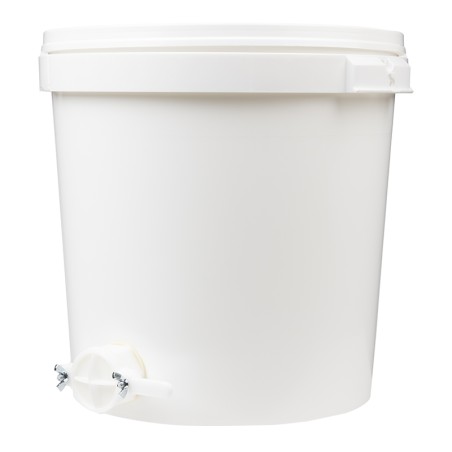
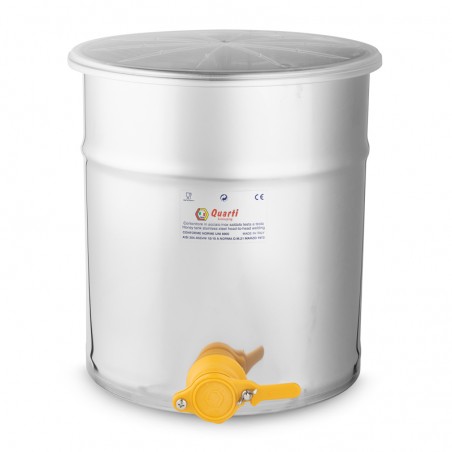
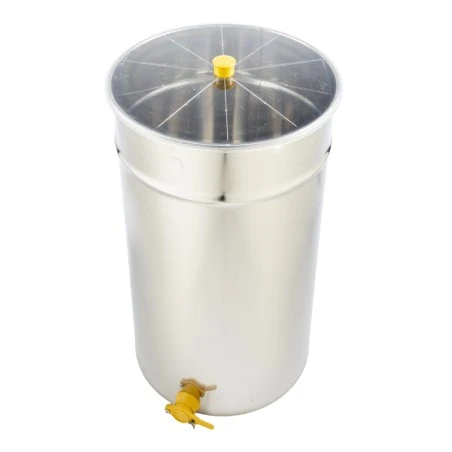
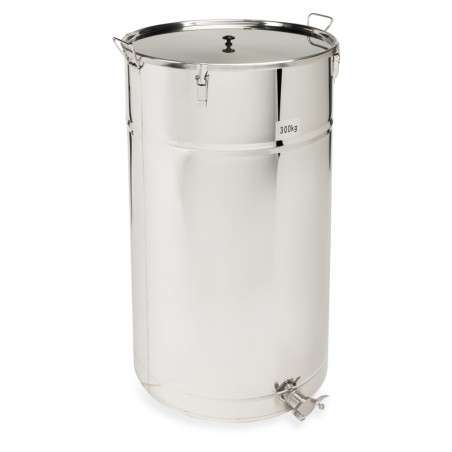

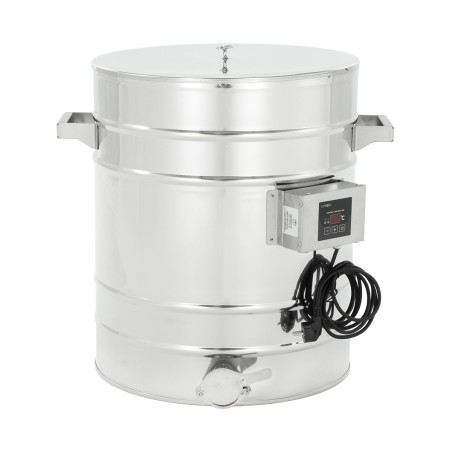
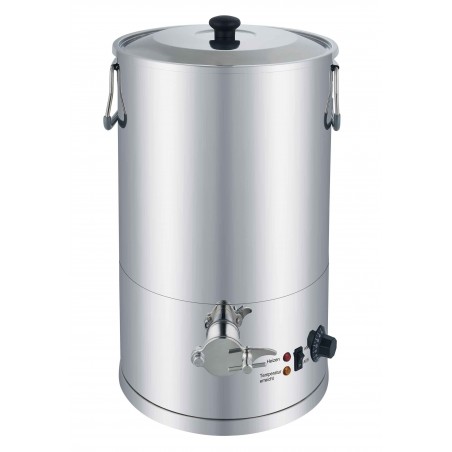
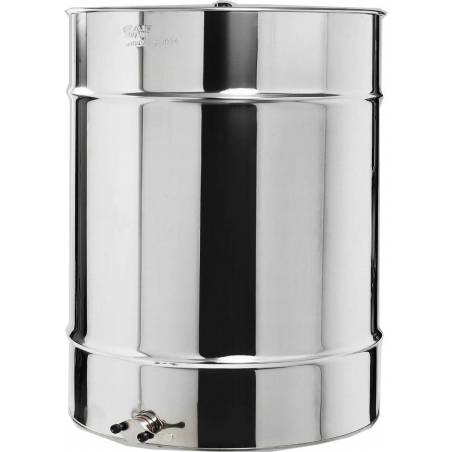
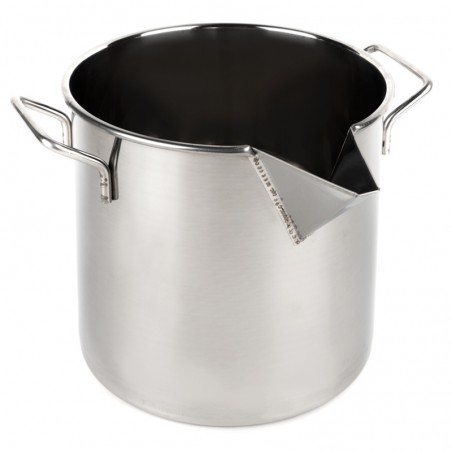
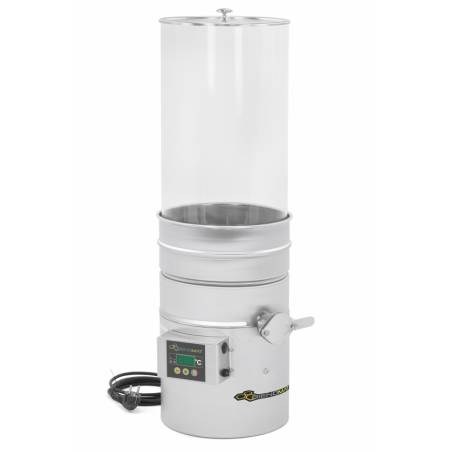
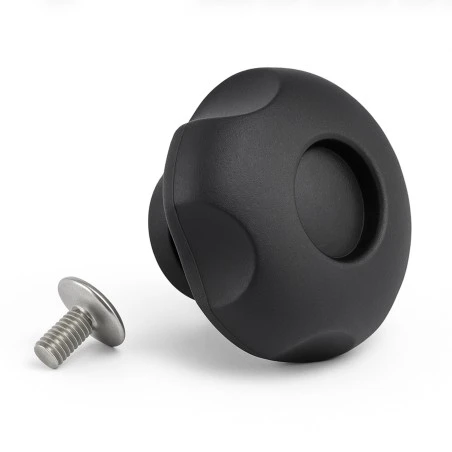
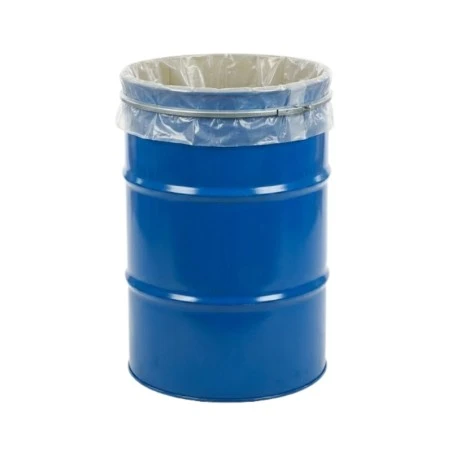
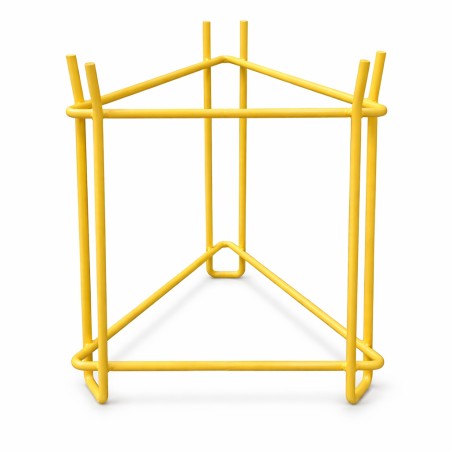
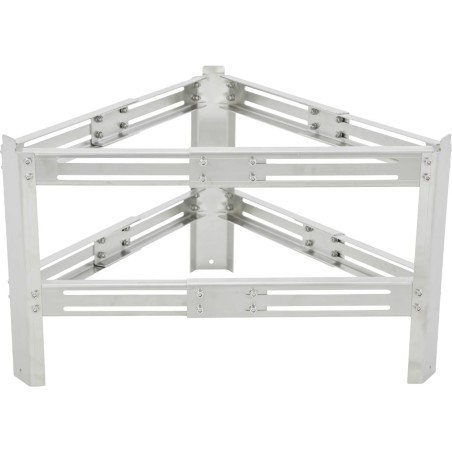

What a honey tank is really for
Although we call them ripeners, in a honey house their main function is to act as settling and resting tanks. The honey already comes ripened from the hive when it's well capped; what we do here is leave it quiet for a few days so that air bubbles, foam, fine wax remains and small impurities rise. That resting helps a lot for the honey to reach bottling cleaner, but it shouldn't be confused with filtering. The filter retains particles; the honey tank lets many impurities rise by density difference and then be removed from the surface. That's why the ideal is usually to work in a chain: extraction, sufficient filtering, resting in the honey tank, de-foaming and bottling.
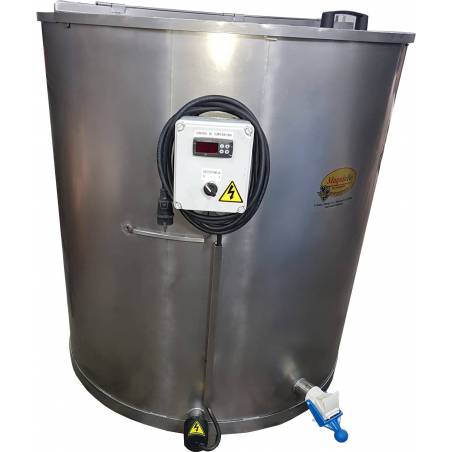
My advice is to choose the honey tank thinking about the real use you're going to give it: settling, storing temporarily and bottling by hand. I wouldn't buy just by litres. I'd look at food-grade material, lid, stability, working height, ease of cleaning and, above all, the tap. To bottle directly from the honey tank, an anti-drip valve or a clean-cut ball valve changes the experience a lot: fewer stains, better filling control and less time lost between jars. If you work dense or cold honeys, I'd consider a heated model or controlling the ambient temperature better, because a very viscous honey settles worse and flows worse. And here I'll take a clear stand: I wouldn't filter finer than necessary just to leave the honey visually “perfect”. A reasonable filtering cleans the honey without destroying its identity; one that's too aggressive can impoverish it and remove part of the pollen information that helps identify its origin. A good honey tank doesn't fix a badly harvested honey, but it does help you work cleaner, rest it better and bottle with much more professionalism.
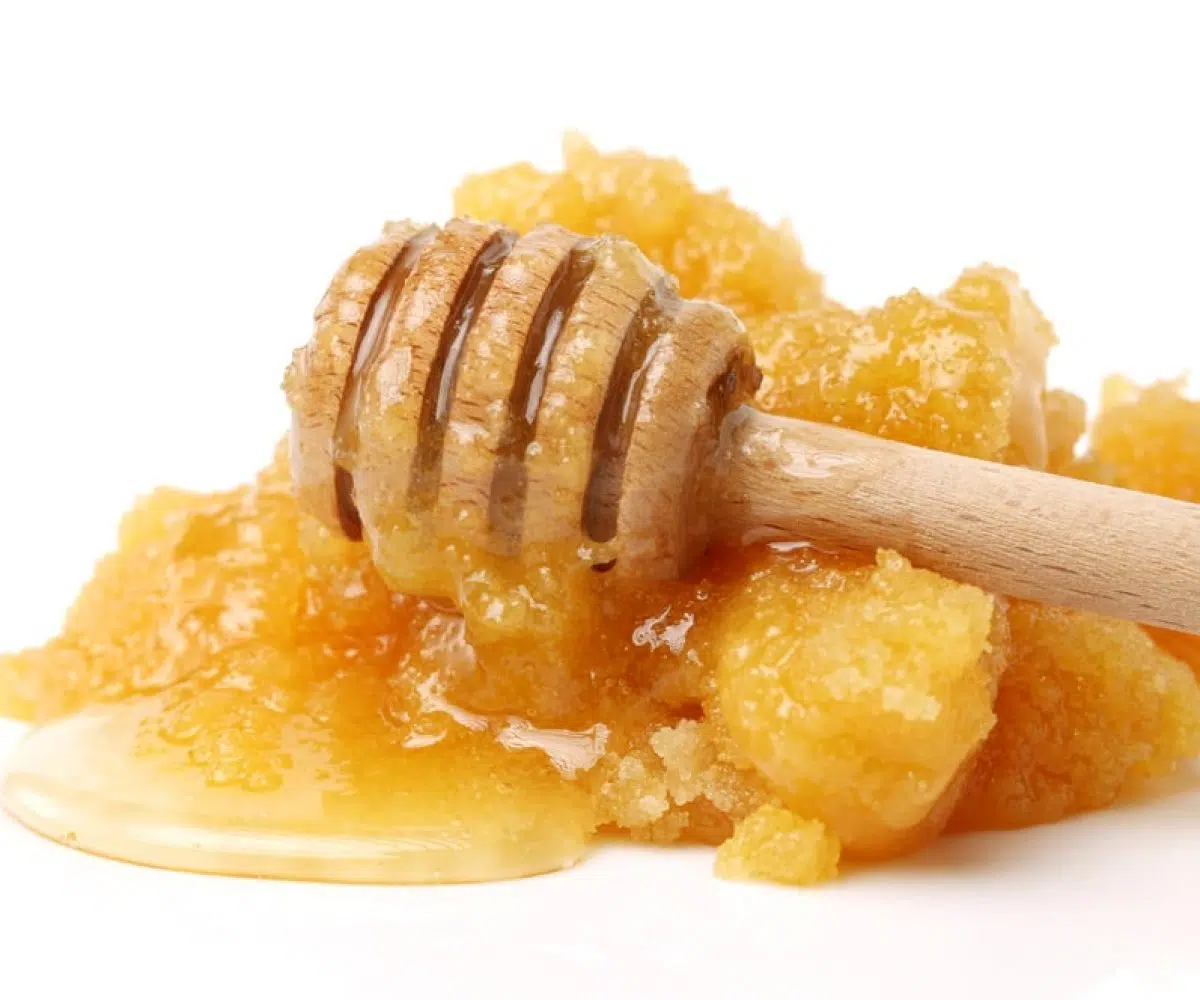
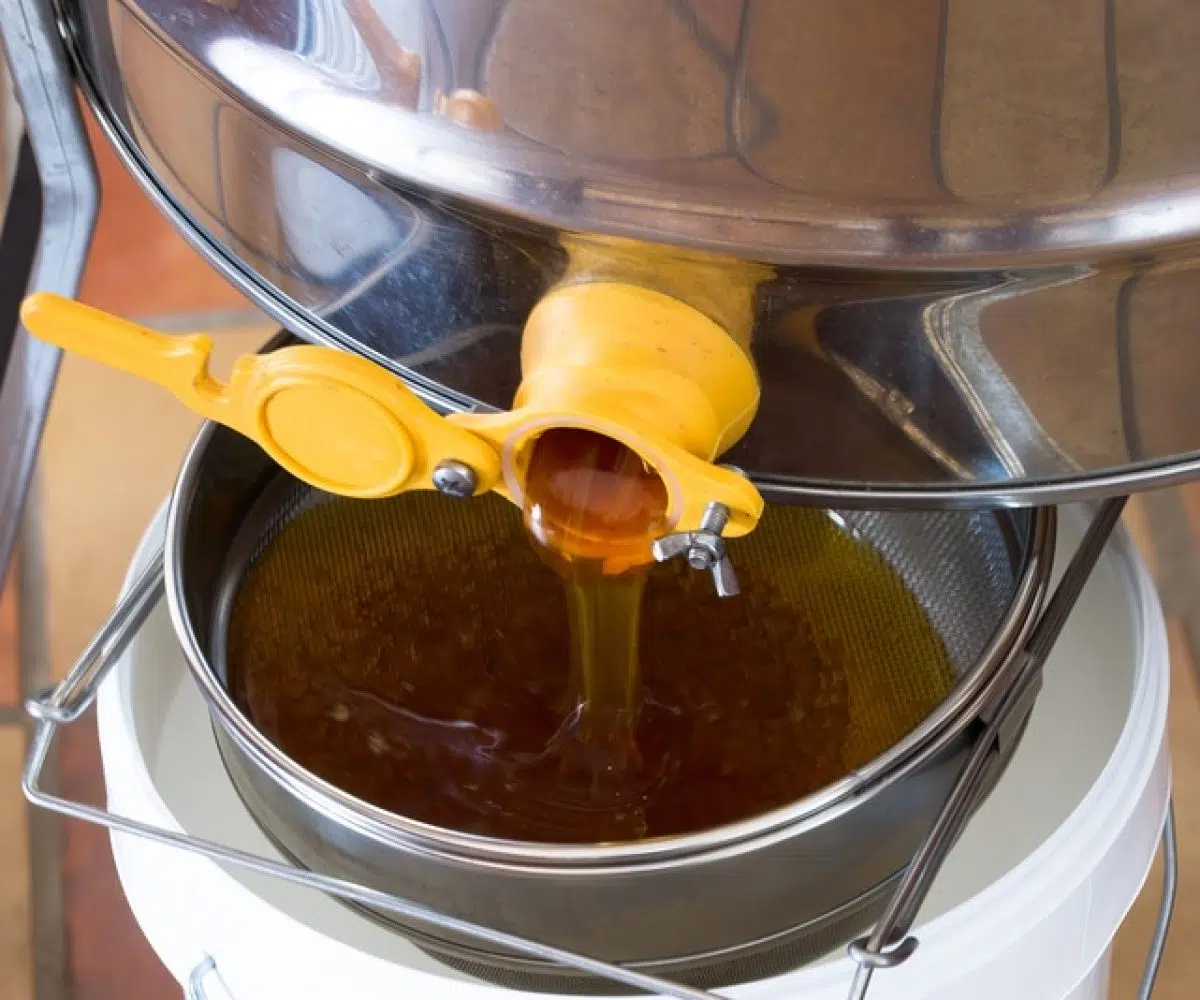
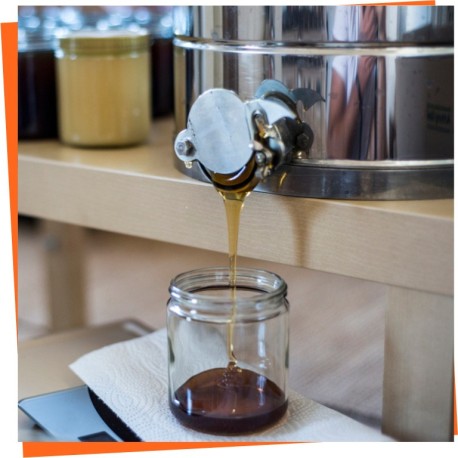
Honey tanks
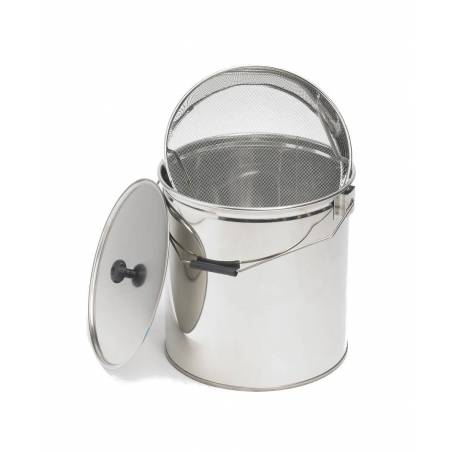
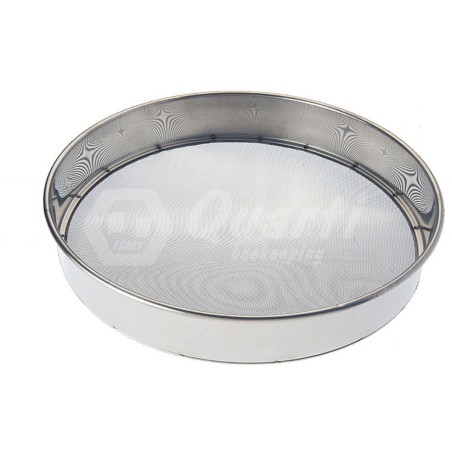
A honey tank allows honey to settle before bottling. Settling and straining serve different purposes: the strainer retains particles according to its mesh size, while the tank allows air bubbles and some of the remaining particles to separate.
What happens during settling
Bubbles and light particles, such as wax, rise to the surface; heavier particles may sink. Separation depends on particle size, honey viscosity and the vertical distance the particles have to travel. A tall, narrow tank does not guarantee better settling. Temperature and water content affect viscosity.
Choosing a honey tank
- Capacity: work out the size of the batch you will extract and how long it will occupy the tank. Check whether capacity is given in litres or kilograms: a litre of honey weighs about 1.4 kg, so a 220 l drum holds around 300 kg.
- Tap and working height: allow room for the jar or bucket underneath. If you need a stand, check its stability and its load rating with the tank full.
- Material and cleaning: choose food-grade plastic or stainless steel suitable for contact with honey, and check access to the inside, tap and seals.
Before bottling
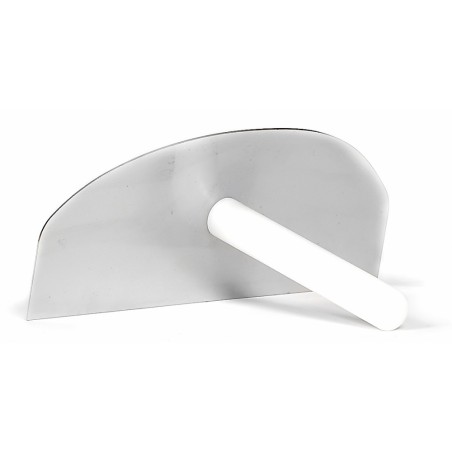
Keep the tank covered during settling and storage. Skim off the surface foam without stirring it back in before filling by hand or with a honey filling machine. Honey is hygroscopic: above 60% relative humidity it takes up water, and a settling tank alone cannot correct a harvest that already has too much.
What is a honey settling tank?
A honey settling tank is a vessel, commonly made of stainless steel or food-grade plastic, used in beekeeping to hold honey freshly extracted from the hives. Its purpose is to let wax remnants and other impurities rise to the surface so they can be skimmed off, which improves the honey’s quality and clarity.
How long should honey rest in a settling tank?
One or two days, if the honey arrives strained and the room is warm: that is how long the foam takes to rise, and what our settling tanks state (24–48 h). With cold, thick honey or a tall column, a little longer. The “few days to a few weeks” that Antonio Gómez Pajuelo gives is for something else: settling unfiltered drums, known as skimming. The practical sign is the top layer: once the foam stops growing, skim it off without stirring and fill through the gate. While it rests, keep the tank covered: honey absorbs moisture from the air above 60% relative humidity (Bogdanov), and a longer rest will not dry honey that arrives too wet.
What determines how well honey settles in the settling tank?
The size and density of the particles relative to the honey, the viscosity of the honey and the vertical distance the particles must travel all matter. Temperature and water content affect viscosity. Bubbles and light particles rise; heavier particles may sink. A taller, narrower tank therefore does not guarantee better or faster settling.