
-
Beehives
- Complete beehive
- Accessories
-
Nuc hives
- Nucs by format
- With bees & mating
- Spare parts
-
Bee equipment
- For the apiary
- For the beekeeper
-
Clothing
- Clothing Accessories
-
Beeswax
-
Pure beeswax
- Beeswax and foundation
- Beeswax foundations
- Melting and rolling beewax
-
Pure beeswax
-
Bee feed
- Accessories and source materials
- Utensils
-
Bee health
- Varroa Treatments
- Diseases control
- Nutraceuticals
-
Extraction and bottling
- Before extraction
- Honey extraction
- After extraction
-
Bee pollen
- Harvest
- Indicted
-
Honey packaging
- Flasks per utility
- Flasks by size
- Other packaging
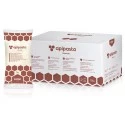 Apipasta with vitamins 15kg
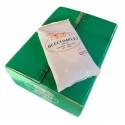 Beecomplet® Spring 14Kg
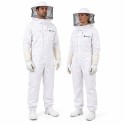 Beekeeper suit with round veil
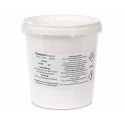 Oxalic acid 99% 1kg
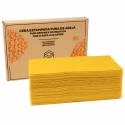 Beeswax Foundation 5kg
 Fresh royal jelly 20g
 Classic honey jar 1kg comb-lines TO77 - Pack of 16 units
 Promotor L Apis 1 litre
Observation hives
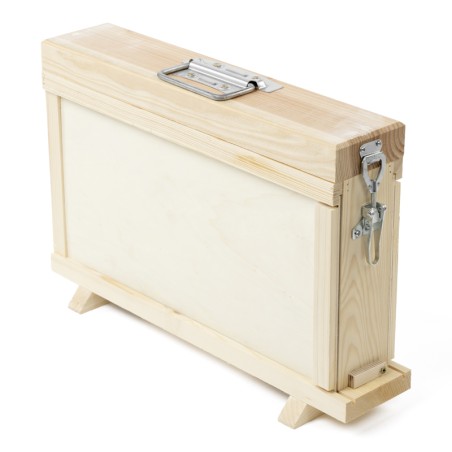
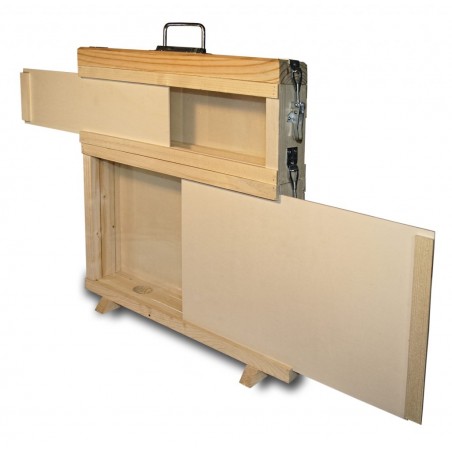
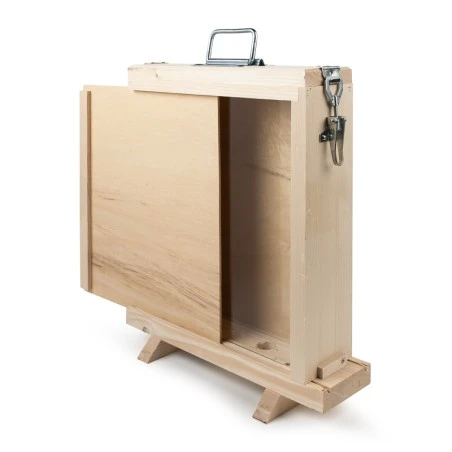
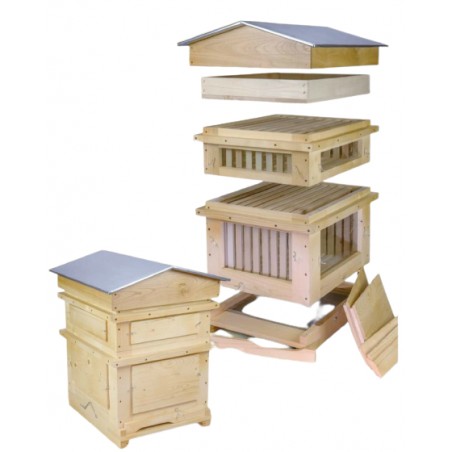
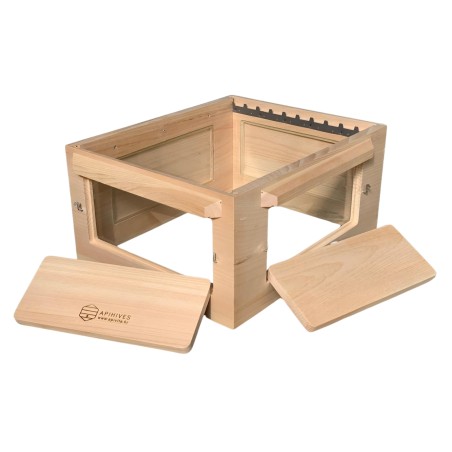
Hives with glass or acrylic sides for showing a comb without opening the hive: one-frame models for a talk or a show, in Layens, Langstroth and Dadant Blatt, and full glazed hives where the colony lives all season. The first thing that decides the purchase is the frame size you work with.

Before choosing a model, decide who is going to fill it, and when.
The one-frame hive works very well when there is a beekeeper behind it: filled in the morning with a frame from their apiary, and by the afternoon that frame is back home. If a school or a council buys one with nobody nearby who keeps bees, it ends up on a shelf. It is the first question I ask when someone wants one.
The full glazed hive is a different thing. A colony lives in it all year, so it needs an apiary spot, not a classroom, and someone to inspect it like any other hive. In return, it shows what a one-frame hive cannot: how the colony grows through the season. And buy the frame format that you, or whoever is helping you, already works with: a Dadant Blatt hive where everyone else runs Nationals or Langstroths is a problem you notice on day one.
Observation hives
An observation hive lets you show live bees from the other side of the glass: the queen laying, workers emerging, pollen cells sorted by colour, nurse bees passing food. They are used in schools, beekeeping associations, shows and visitor centres, and beekeepers who give talks buy them too. There are two kinds, and they are not used the same way.
For a day, or for the whole season
- One frame, for a day. You take a frame of brood, stores and its bees from a working colony, show it during the talk or the show, and return it to its colony the same day. A single frame cannot support a colony for long: it is a teaching tool, not a hive in miniature.
- Full glazed hive, to keep stocked. A real hive with glass walls: brood box and super in 10-frame Dadant Blatt, or a glazed Langstroth brood box to stand on your own floor and roof. It belongs in a teaching apiary or a school garden, and it is managed and inspected like any other hive.
Choose by the frame you already use
The one-frame model is filled with a frame from your own apiary, or from the beekeeper helping you, so it has to be the same format. None of them is built for National or Commercial frames:
- Layens: 36.5 × 39.5 cm frame. A Dadant or Langstroth frame will not go in.
- Langstroth: 48 × 23 cm frame; brood and super frames are the same size, so either will do.
- Dadant Blatt: 47 cm top bar, with a 47 × 30 brood frame below and a 47 × 16 super frame above. The 48 cm Dadant US frame does not fit: if you work in US, you need a stocked Blatt frame for the demonstration.
Light, sun and indoor use
Bees work in the dark. If the glass is lit all the time, they coat it with propolis and wax and within a few weeks you can no longer see in; that is why all these models have covers or shutters, opened only while you are showing. Direct sun on the glass heats the comb within minutes, so keep it in the shade. And if it goes inside a classroom or a building, the entrance has to lead outside through a tube or a wall passage, or the bees fly into the room.
With an audience: keep your distance, warn about allergies and have a beekeeper in charge. Warré, top-bar, Flow and urban hives are in special hives, and production hives in beehives.
Can a colony live all year in a one-frame observation hive?
No. A single frame leaves no room for stores or for the colony to grow, and the bees cannot keep the brood warm or lay in food that way. It is filled for a talk or a show, and the frame goes back to its hive the same day. If you want a stocked colony on view all season, what you are looking for is a full glazed hive.
Can it be kept indoors, at home or in a classroom?
Yes, on three conditions. The entrance has to lead outside through a tube or a wall passage, so the bees go out to forage and not into the room. The glass must not get direct sun, which heats the comb within minutes. And the covers stay closed when nobody is watching, because in constant light the bees propolise the glass.
Do they come with bees?
No, none of them. The one-frame hives also come without frame or foundation: you fill them with a stocked frame from your apiary. The full glazed hive comes with its frames and is stocked by transferring a nucleus or moving brood frames with their queen, like any new hive.
Glass or acrylic?
The one-frame Layens and Langstroth hives use acrylic, which is lighter and copes better with the knocks of a show, but scratches if you clean it with a hive tool. The one-frame Dadant Blatt and the full Glass hive use glass, which does not scratch when you scrape off propolis but needs more care in transport.