
-
Beehives
- Complete beehive
- Accessories
-
Nuc hives
- Nucs by format
- With bees & mating
- Spare parts
-
Bee equipment
- For the apiary
- For the beekeeper
-
Clothing
- Clothing Accessories
-
Beeswax
-
Pure beeswax
- Beeswax and foundation
- Beeswax foundations
- Melting and rolling beewax
-
Pure beeswax
-
Bee feed
- Accessories and source materials
- Utensils
-
Bee health
- Varroa Treatments
- Diseases control
- Nutraceuticals
-
Extraction and bottling
- Before extraction
- Honey extraction
- After extraction
-
Bee pollen
- Harvest
- Indicted
-
Honey packaging
- Flasks per utility
- Flasks by size
- Other packaging
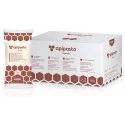 Apipasta with vitamins 15kg
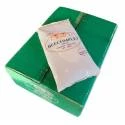 Beecomplet® Spring 14Kg
 Beekeeper suit with round veil
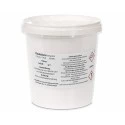 Oxalic acid 1kg
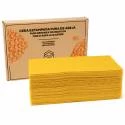 Beeswax Foundation 5kg
 Fresh royal jelly 20g
 Classic honey jar 1kg comb-lines TO77 - Pack of 16 units
 Promotor L Apis 1 litre
Honey heaters
Control Honey Temperature with Our Honey Heaters
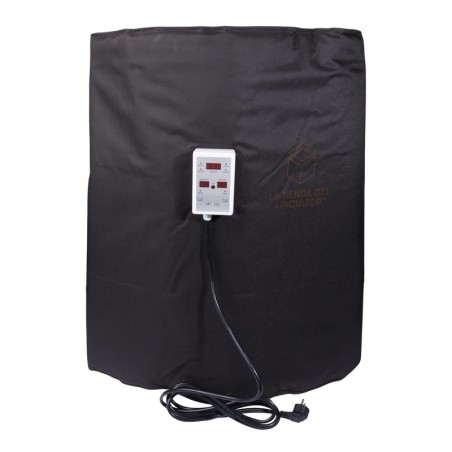
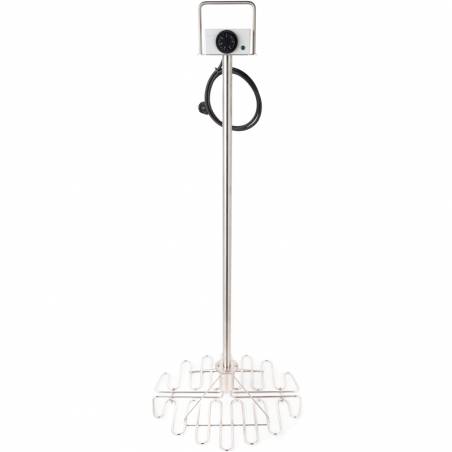
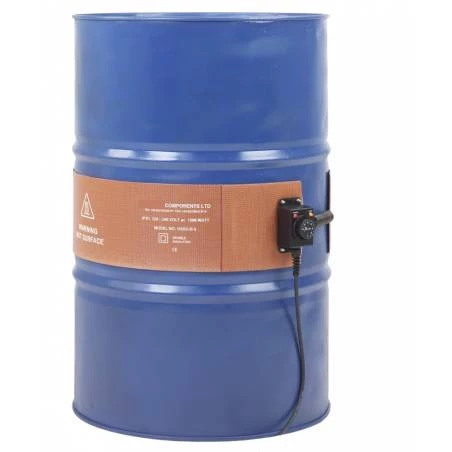

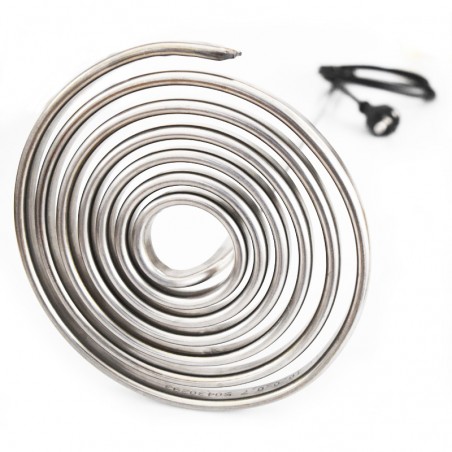
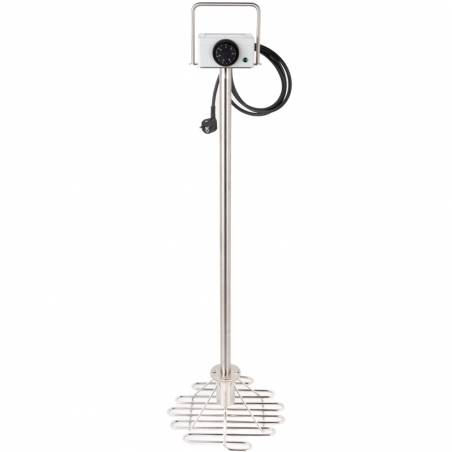


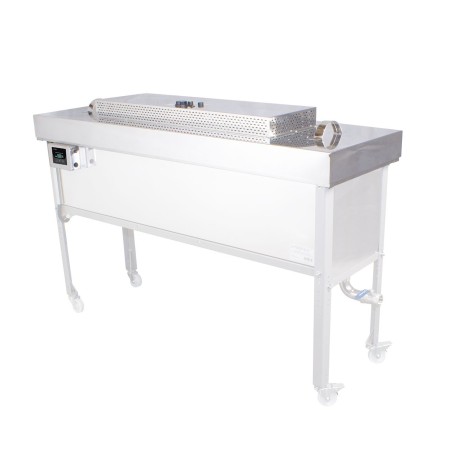
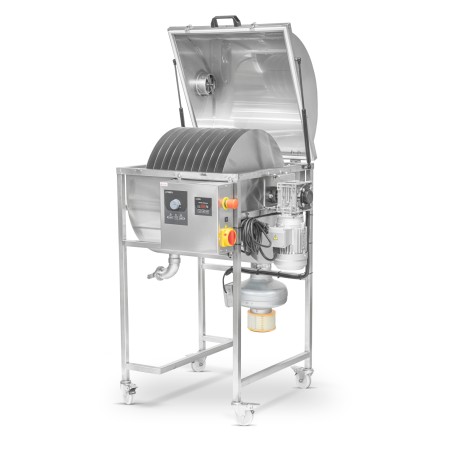
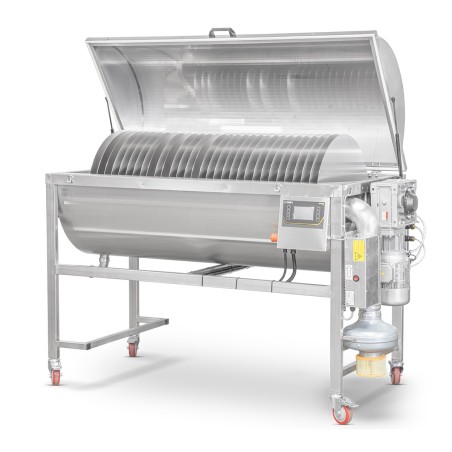
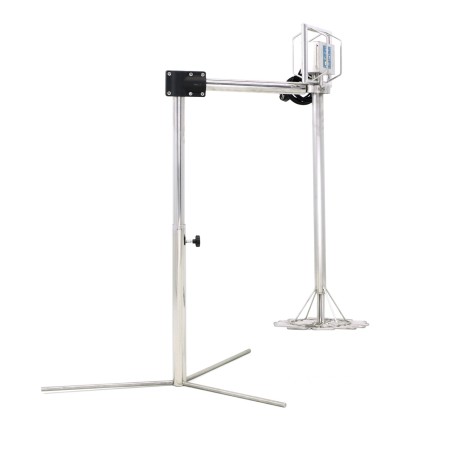

How to decrystallize honey without losing quality
When a honey crystallizes, it doesn't mean it has gone bad; in many honeys it's a completely natural process. The problem comes when we try to turn it liquid in a hurry or by applying too much heat. For me, a good heating element or a good decrystallizer isn't the one that heats fastest, but the one that lets you work gently, gradually and under control. Honey is a poor conductor of heat, so if we heat it all at once we can end up with areas that are too hot while others are still crystallized. That's where quality is lost: the HMF rises, enzyme activity drops and changes in colour, aroma or flavour can appear.
My advice is to choose the equipment according to the format in which you handle your honey. For jars or small batches, I'd look for simple, well-controlled solutions. For buckets, honey tanks or drums, I'd always prioritize a reliable thermostat, a good contact surface, even heat distribution and the ability to control the real temperature of the honey, not just that of the device. If you bottle frequently, I wouldn't try to save on the heating element: a poor heater can liquefy the honey, yes, but it can also damage your product. With honey, heating well isn't about going fast; it's about preserving aroma, texture and commercial value.
Honey heaters
Honey decrystallizers: how to liquefy crystallized honey without ruining it
Crystallized honey is not a defect: it is natural behaviour, common in raw honeys that have not been overheated. All honey crystallizes sooner or later, depending on its floral origin and storage temperature. The problem is not crystallization, but liquefying it badly: excessive heat destroys enzymes, drives off aromas and raises HMF, leaving you with "dead" honey that has lost exactly what made it special.
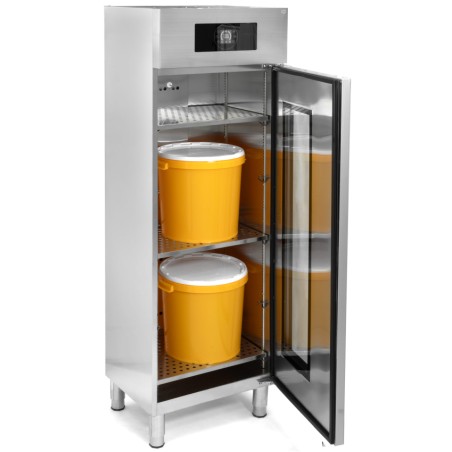
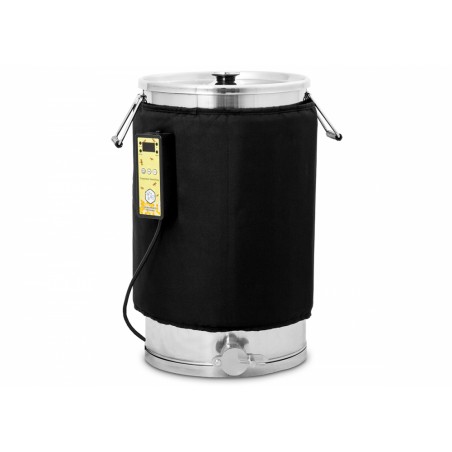
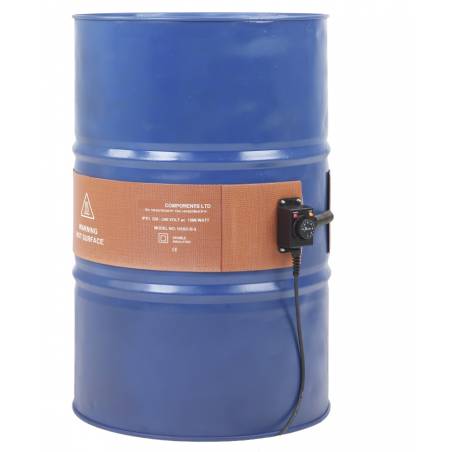
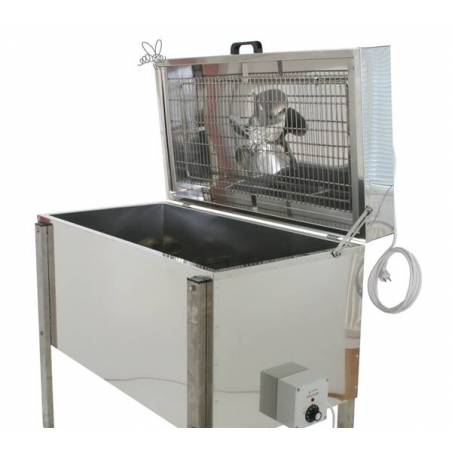
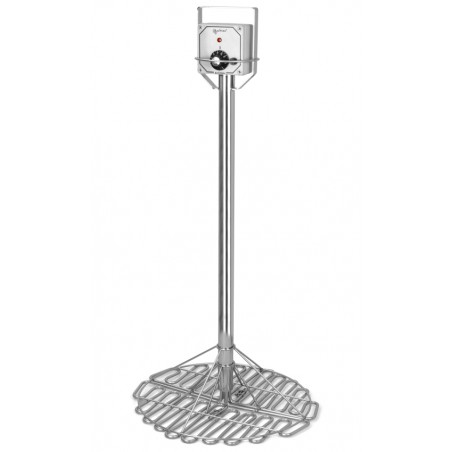
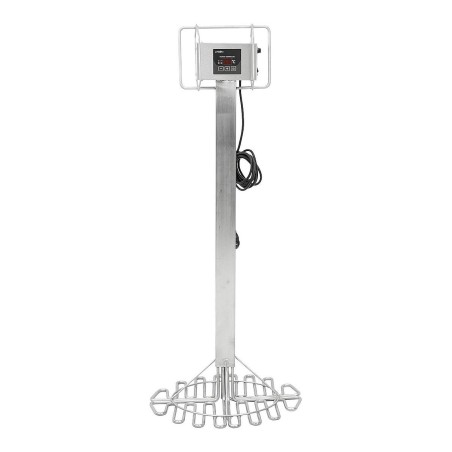
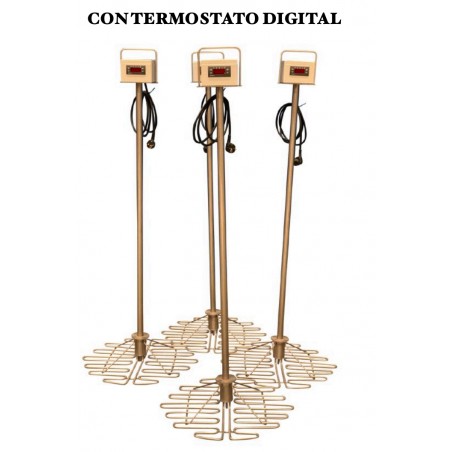
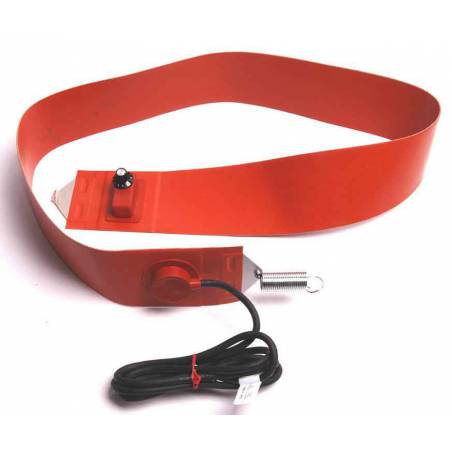
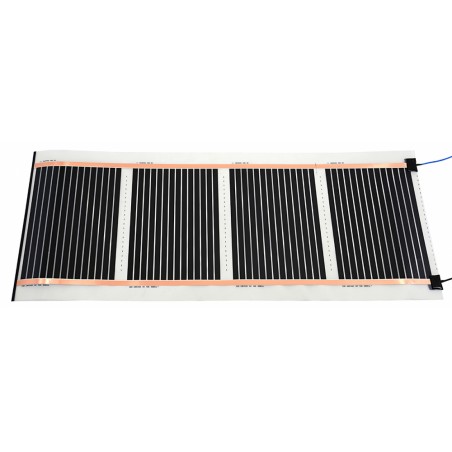
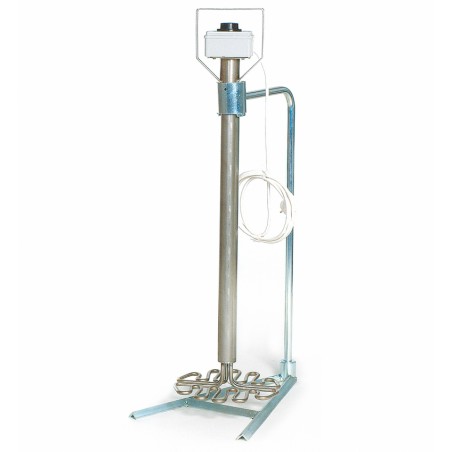
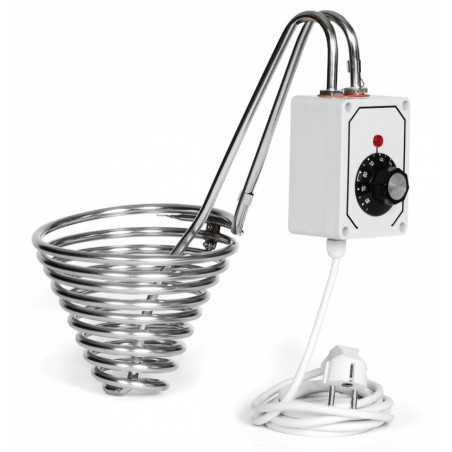
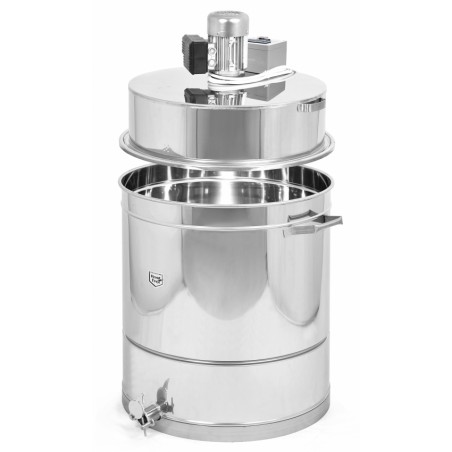
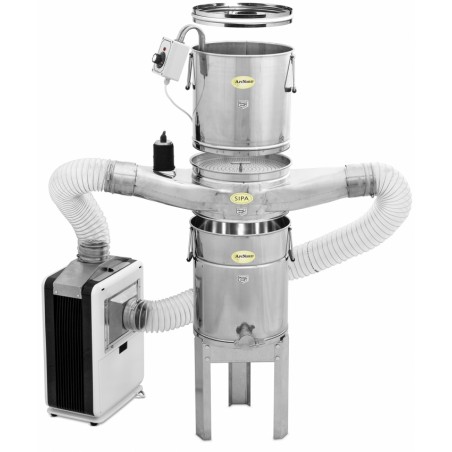
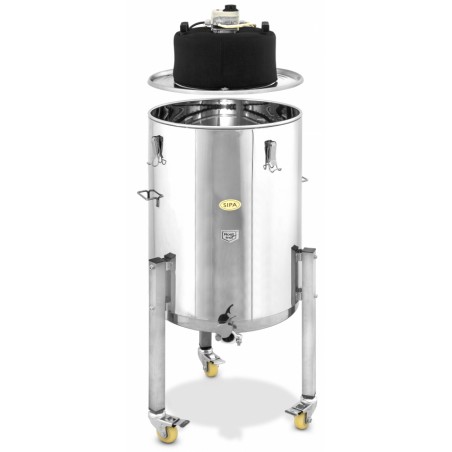
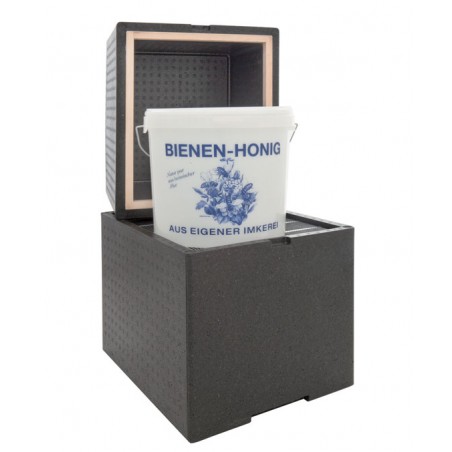
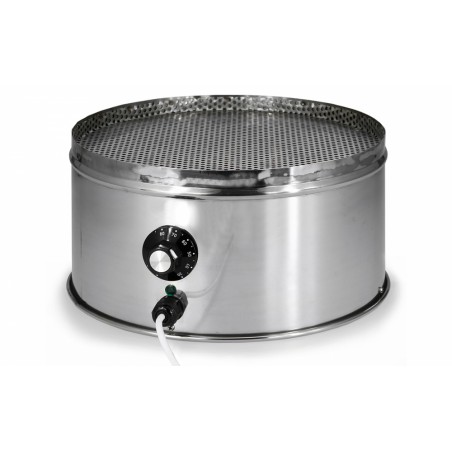
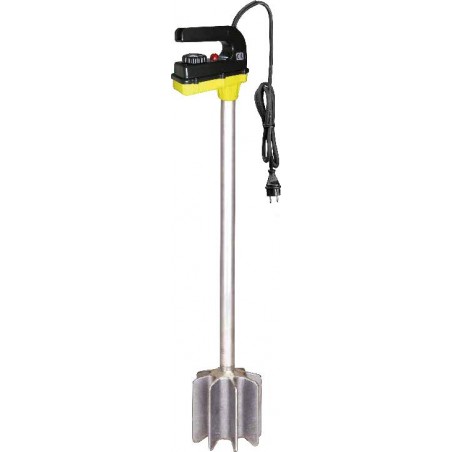
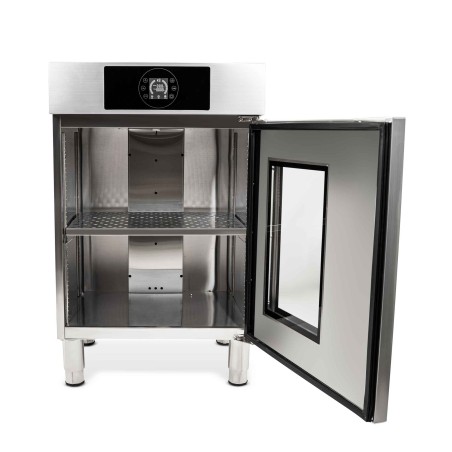
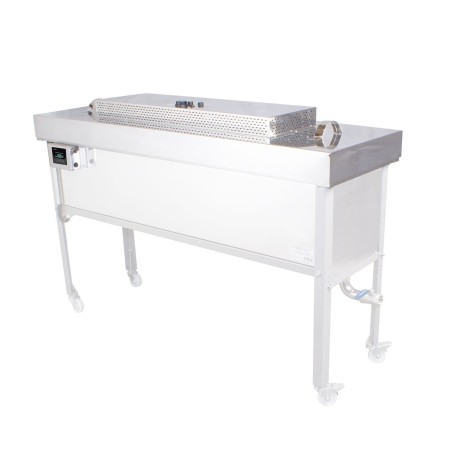
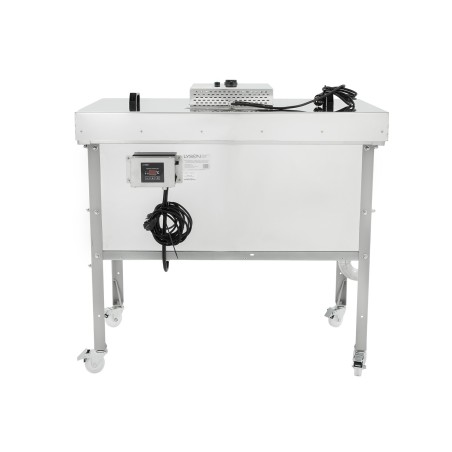
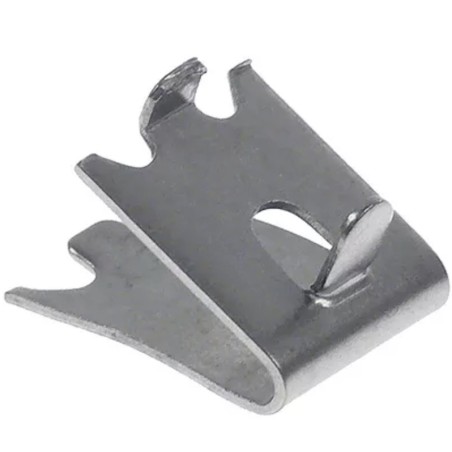
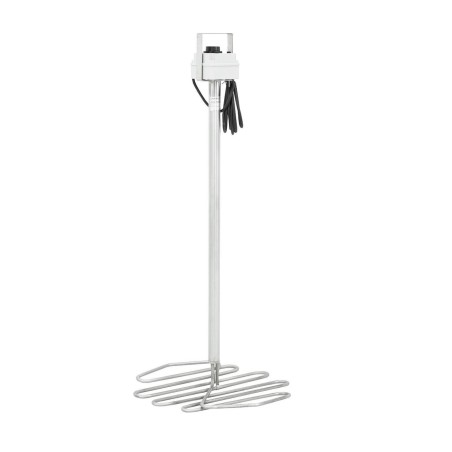
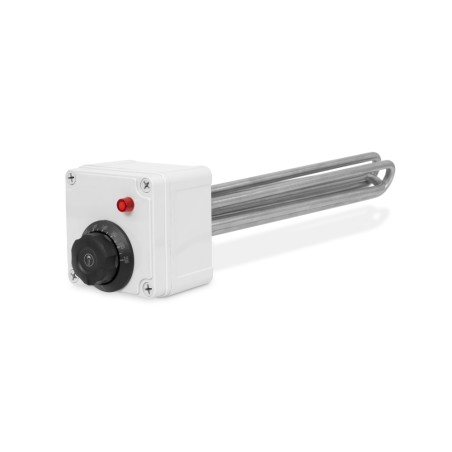
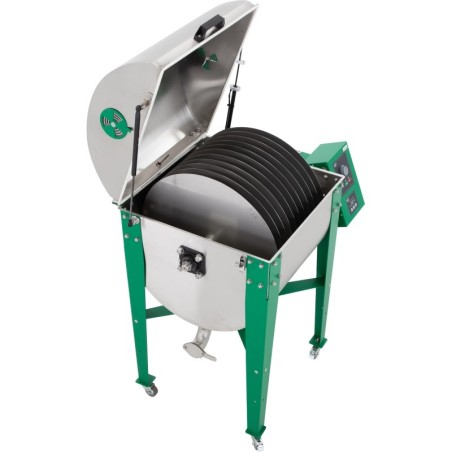
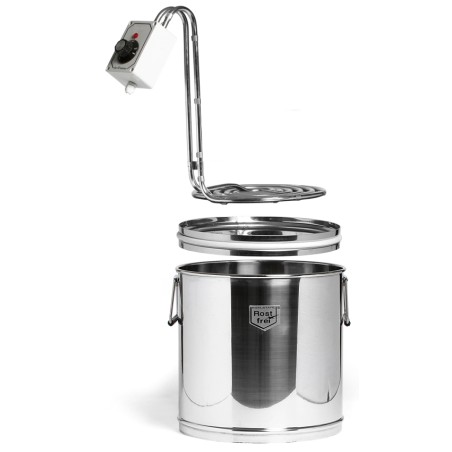
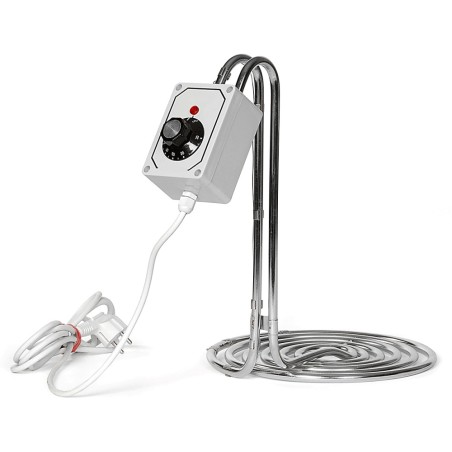
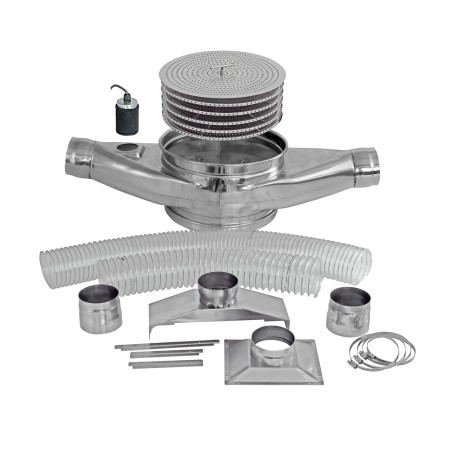
In this category we bring together the equipment to decrystallize honey and keep it fluid while preserving its properties: immersion heaters, heating belts and blankets, warming chambers and hot cabinets and temperature-control accessories. Here we explain which one fits your case.
The golden rule: heat just enough, never above 40-45 °C
Honey conducts heat very poorly: that is why an over-hot source scorches the layer touching the container wall while the centre stays solid. And the damage depends not only on temperature but also on exposure time. From around 45 °C you start degrading diastase (the standard requires a minimum of 8 on the Schade scale) and raising HMF, whose legal limit is 40 mg/kg. These are the two parameters watched by regulations and professional buyers.
The key is not to heat fast, but gently, evenly and only as much as needed. Fine crystals begin to melt from around 28-30 °C; coarse ones need a little more. Raise the temperature just until your honey regains fluidity, and not a degree more. Forget the microwave and the pan on the stove: they heat in one blow and ruin the product.
Your honey crystallizes differently (so it is harder or easier to liquefy)
The speed and grain of crystallization depend on botanical origin. Honeys high in glucose crystallize fast and coarse: they are the hardest to return to liquid.
| Type of honey | Crystallization | What it means when liquefying |
|---|---|---|
| Sunflower, rapeseed, brassicas | Very fast, coarse grain | The hardest: need power and patience |
| Rosemary | Fast, fine grain | Melts with gentle heat |
| Orange blossom, chestnut, eucalyptus, honeydew | Slow | Rarely need decrystallizing |
| Heather (Calluna) | Thixotropic (gels) | A special case: not a normal crystallization |
Which solution do you need? It depends on how your honey is stored
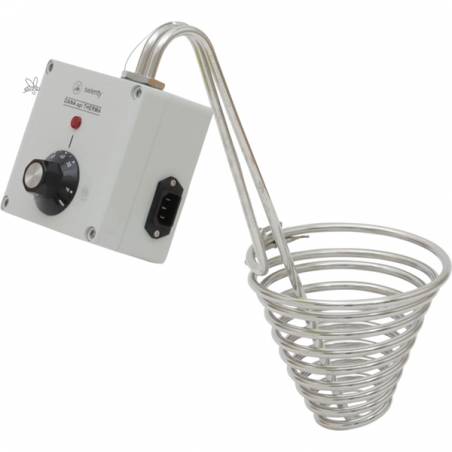
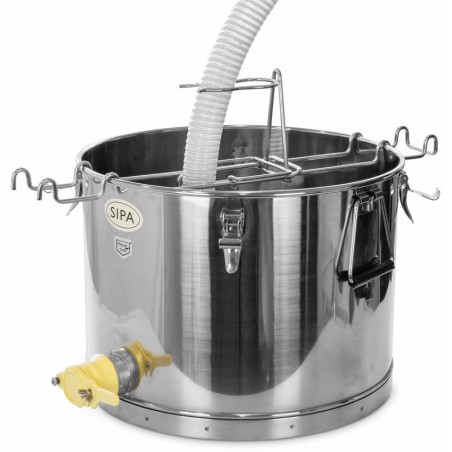
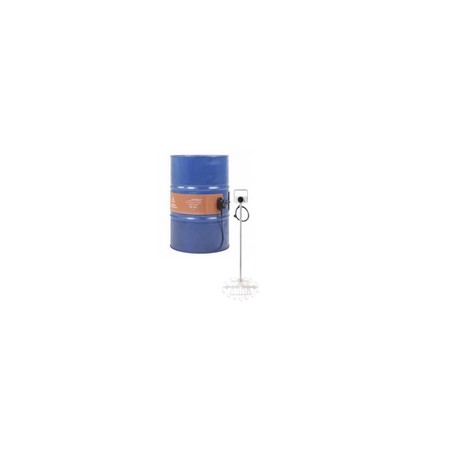
- Honey in drums, jerry cans or buckets: an immersion heater or a heating belt/blanket. The heater goes inside the drum and warms from within; belts and blankets wrap around the container and spread the heat from outside. Ideal for liquefying 25 to 300 kg without transferring it.
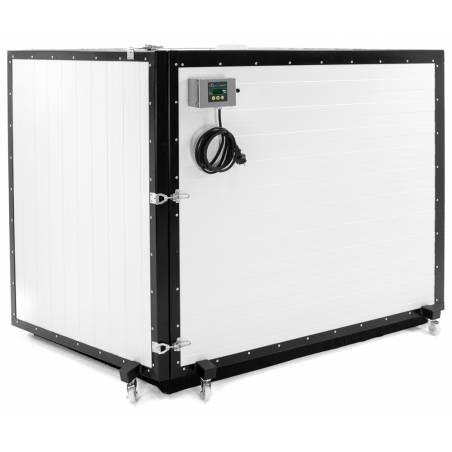
- Honey already packed in jars: a warming chamber or hot cabinet. A closed, warm environment decrystallizes the jars without opening them or handling the product. Perfect for recovering batches that have hardened in storage before selling them. Place the thermostat or probe in the upper part of the chamber and move the air to avoid hot pockets that cook part of the batch.
- Large volumes or full pallets: warming chambers and heat cabins for one or several drums, or for a Euro pallet. Designed for honey houses and packers that move honey in quantity.
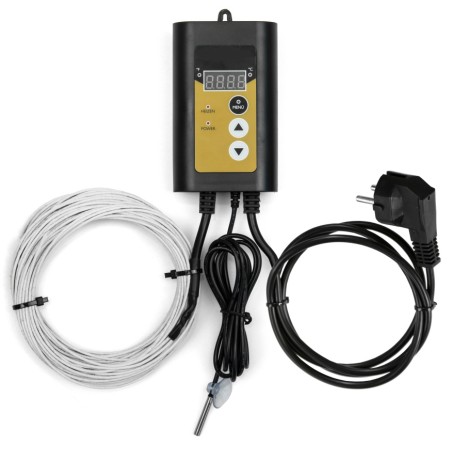
- Keeping honey fluid while bottling: heating belts and heaters with a thermostat that hold the honey at working temperature while you fill jars, so it does not thicken halfway through.
The thermostat is not an extra: it is what protects your honey
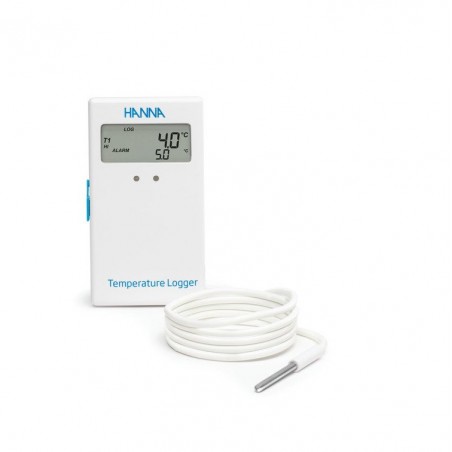
Good temperature control is the difference between liquefying and scorching. Heaters and belts with a digital thermostat let you set the exact temperature and forget about it; self-regulating ones cap their own temperature so they never overshoot. If your equipment does not include one, an independent thermostat is the most profitable investment in this category. And if you decrystallize the same type of honey often, measure HMF before and after just once: you will know exactly how much your method costs it and be able to adjust.
Decrystallizing and dehumidifying are not the same
In this section you will also find honey dehumidifiers. Note: they do not decrystallize, they reduce the honey's moisture. It matters because above 18% moisture the risk of fermentation rises sharply, and the legal limit is 20% (commercially you aim for around 18%). A closed chamber with a dehumidifier can lower moisture by around 1-1.5 points in 24 hours. Besides, honey is hygroscopic: it absorbs moisture from the air if left uncovered. If your honey is hard, you need a decrystallizer; if it has too much water, a dehumidifier.
How to choose the right one
- Work out your real volume: liquefying a couple of buckets a month is not the same as decrystallizing pallets in full season.
- Think about how your honey is stored: in bulk in a drum or already packed in jars completely changes the equipment you need.
- Factor in your type of honey: if you work sunflower, rapeseed or brassica honeys —which set hard— prioritize power and good heat distribution.
- Prioritize temperature control: an adjustable thermostat or a self-regulating system is what guarantees you stay below 45 °C.
- Do not rush: decrystallizing well is slow by design. Equipment that works "slowly" is usually the one that takes best care of your honey.
Not sure which decrystallizer fits your production? Get in touch and we will help you choose the equipment that liquefies your honey without losing an ounce of its quality.