
-
Beehives
- Complete beehive
- Accessories
-
Nuc hives
- Nucs by format
- With bees & mating
- Spare parts
-
Bee equipment
- For the apiary
- For the beekeeper
-
Clothing
- Clothing Accessories
-
Beeswax
-
Pure beeswax
- Beeswax and foundation
- Beeswax foundations
- Melting and rolling beewax
-
Pure beeswax
-
Bee feed
- Accessories and source materials
- Utensils
-
Bee health
- Varroa Treatments
- Diseases control
- Nutraceuticals
-
Extraction and bottling
- Before extraction
- Honey extraction
- After extraction
-
Bee pollen
- Harvest
- Indicted
-
Honey packaging
- Flasks per utility
- Flasks by size
- Other packaging
 Apipasta with vitamins 15kg
 Beecomplet® Spring 14Kg
 Beekeeper suit with round veil
 Oxalic acid 1kg
 Beeswax Foundation 5kg
 Fresh royal jelly 20g
 Classic honey jar 1kg comb-lines TO77 - Pack of 16 units
 Promotor L Apis 1 litre
Honey Extractors
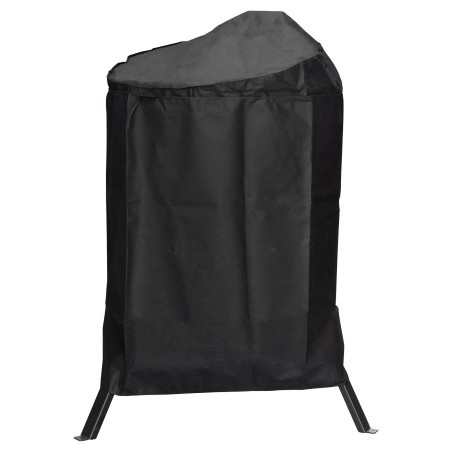
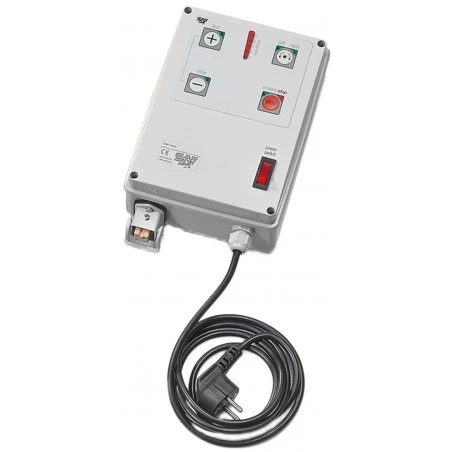
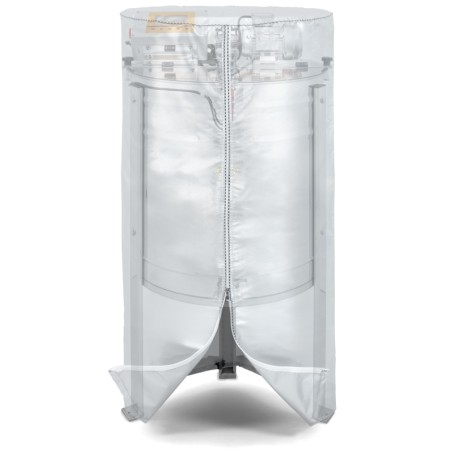
Tangential, reversible, radial and horizontal honey extractors, manual and motorised, from 2 frames to a full processing line. Plus spares: lids, motors and covers.
- Before extraction
- Honey extraction
Categories
Type
Functionality
Basket type
Brand
Price
-
€2.00 - €65,695.00
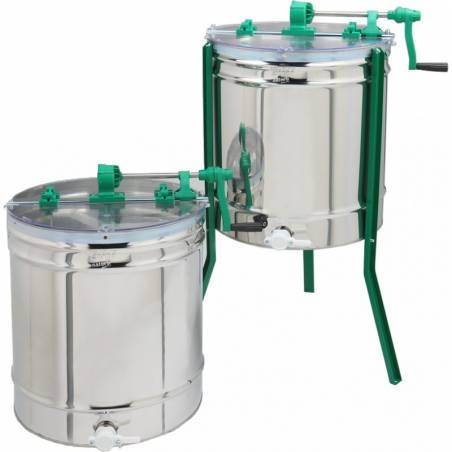
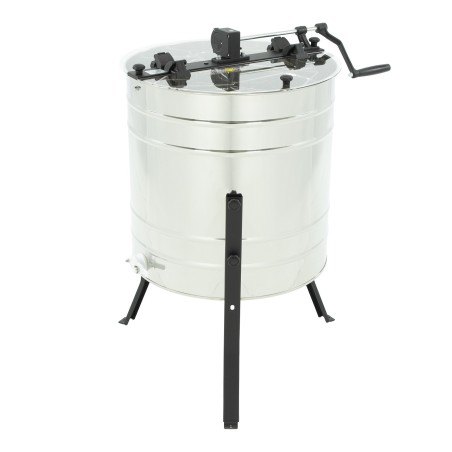
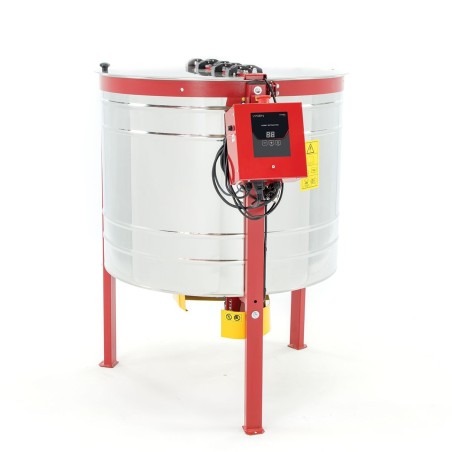
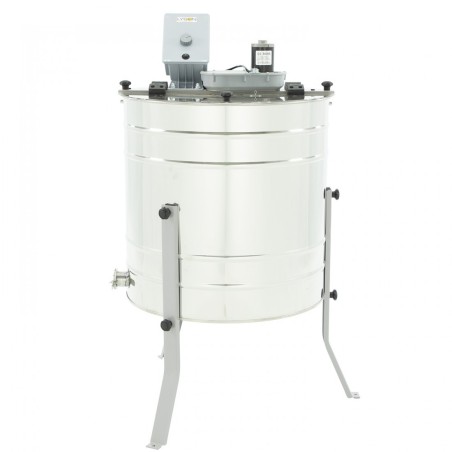
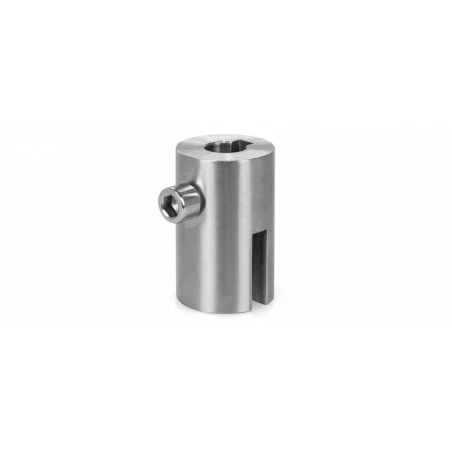
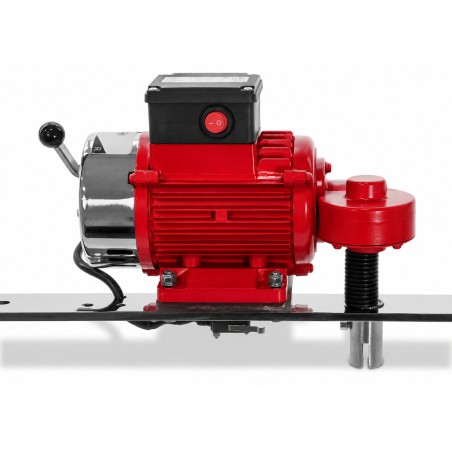
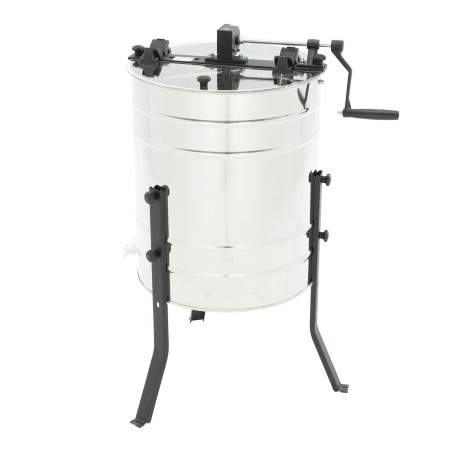
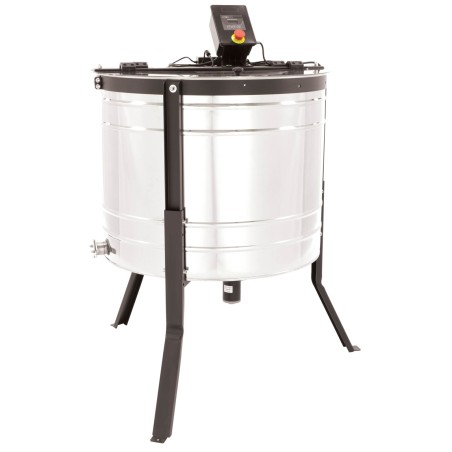
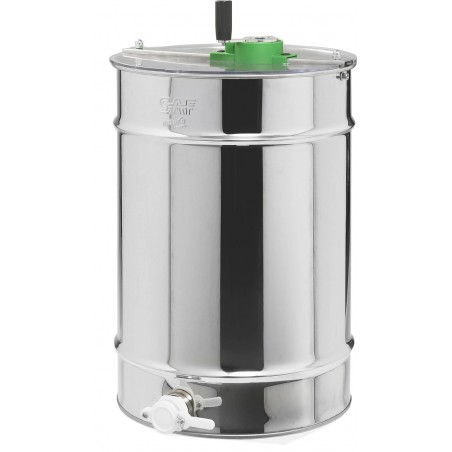
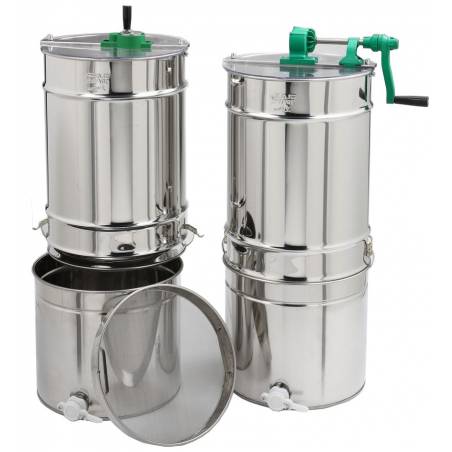
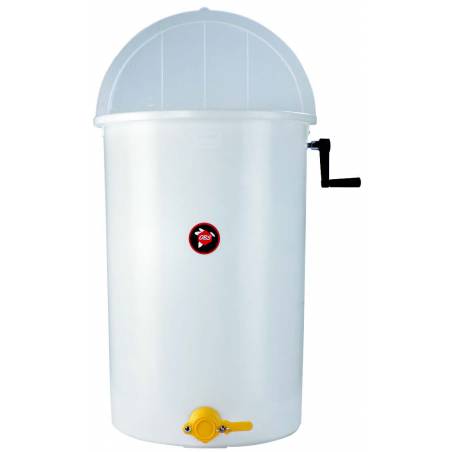
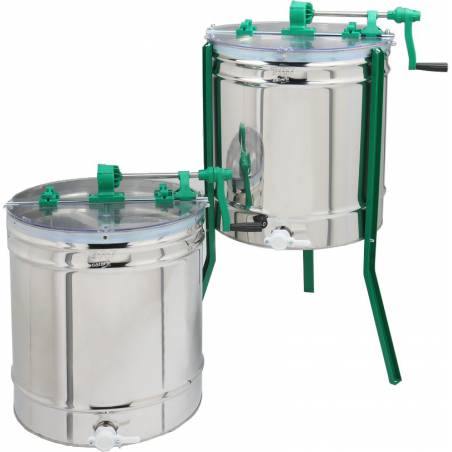
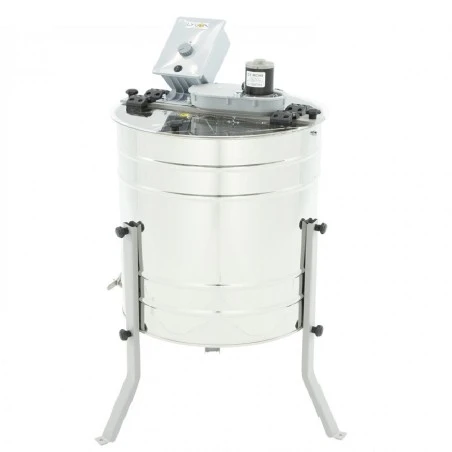
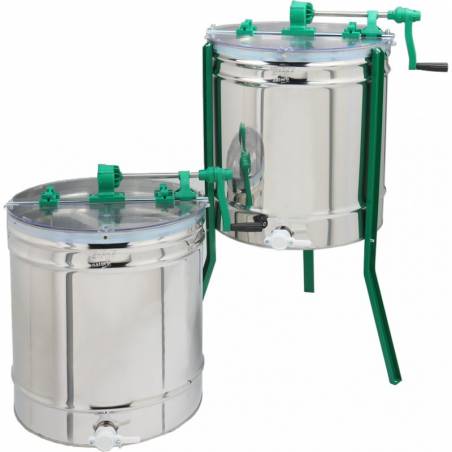
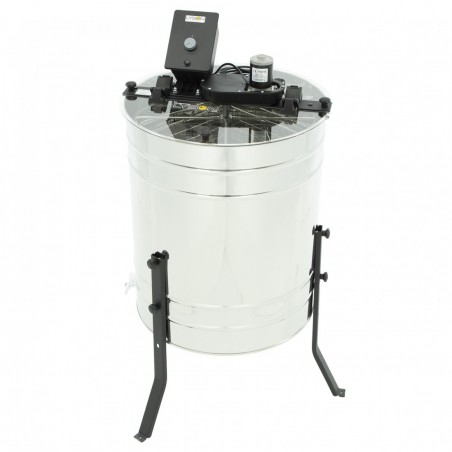
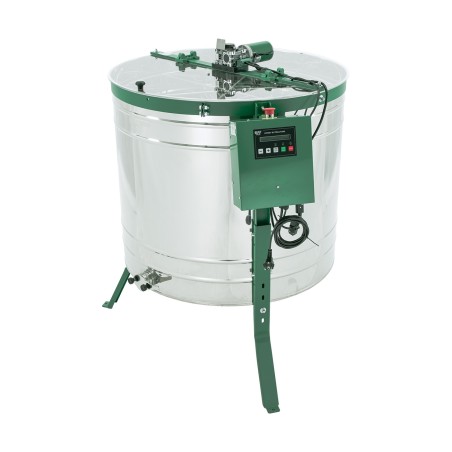
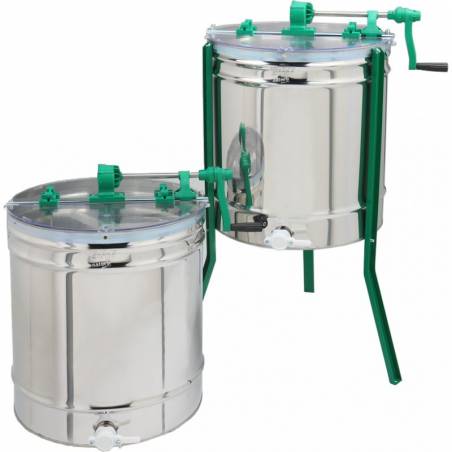
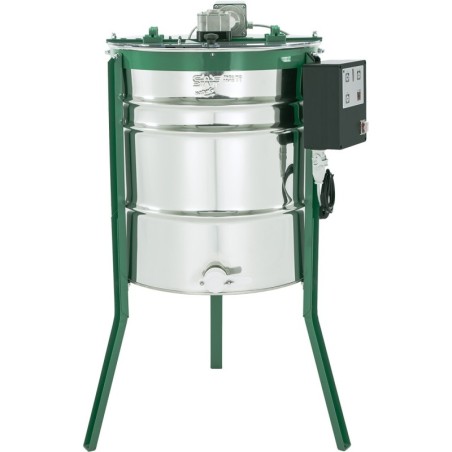
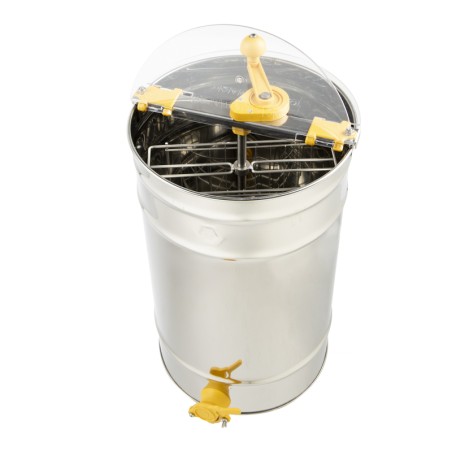
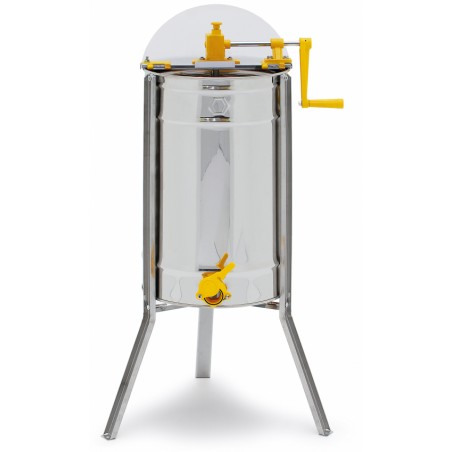
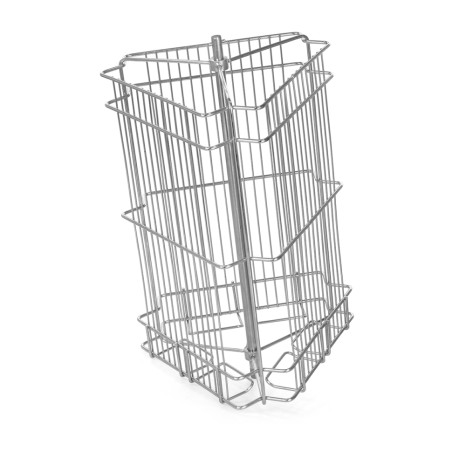
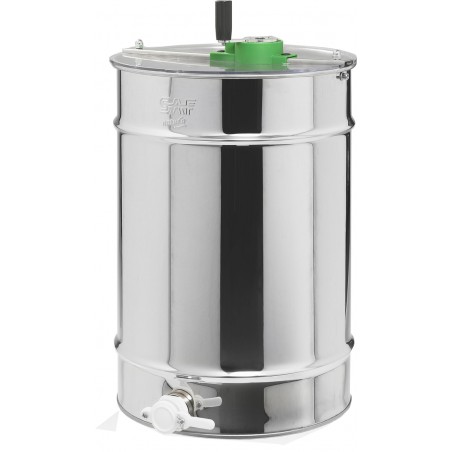
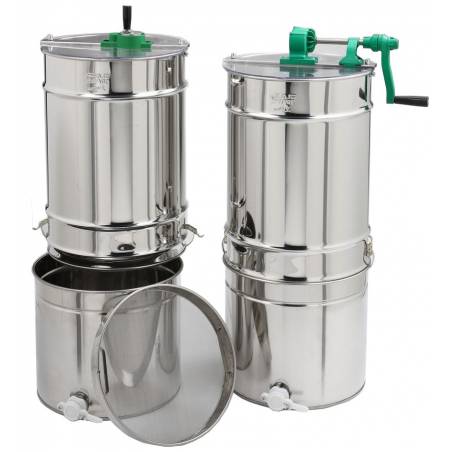
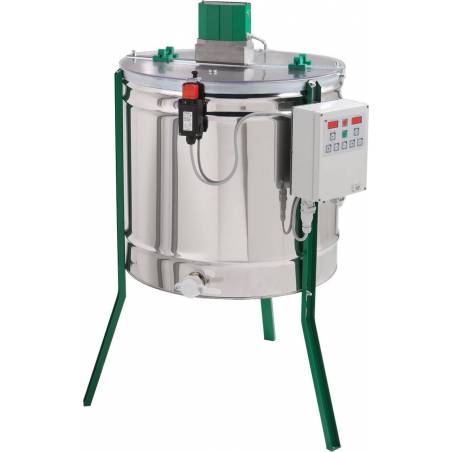
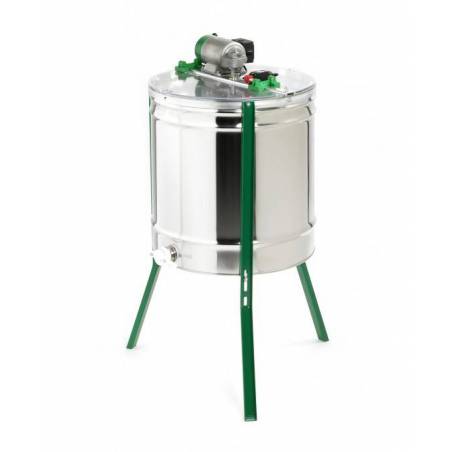
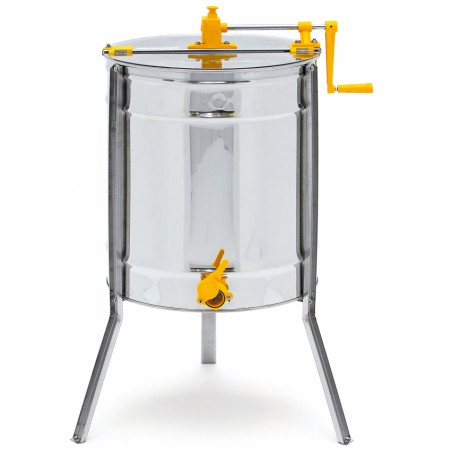
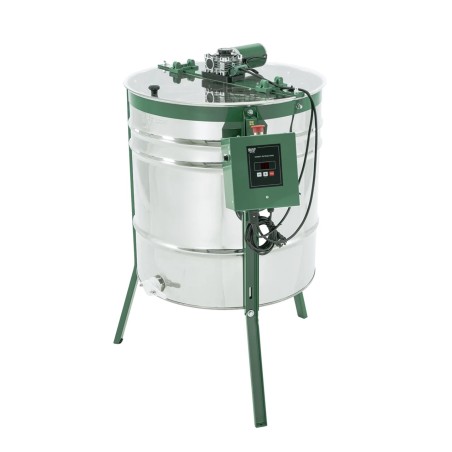
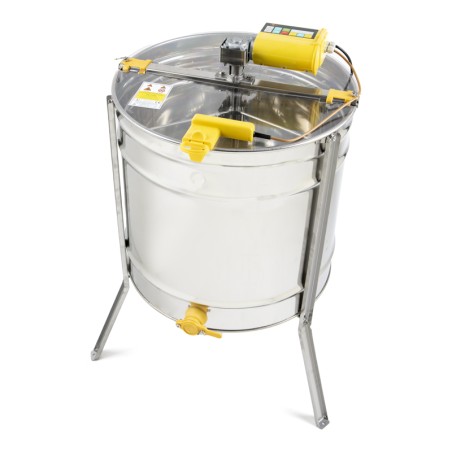
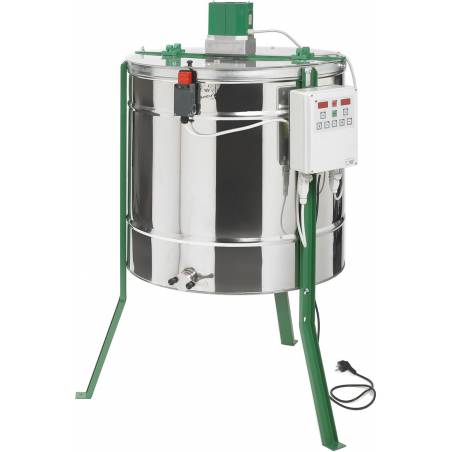
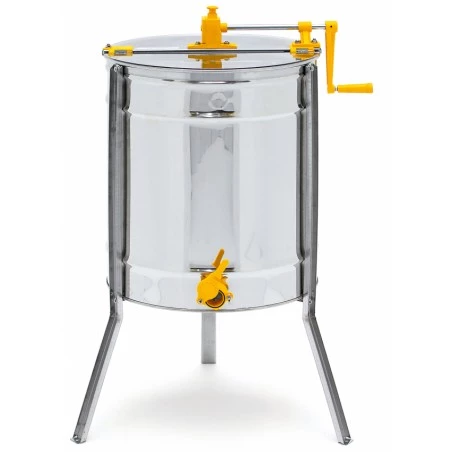
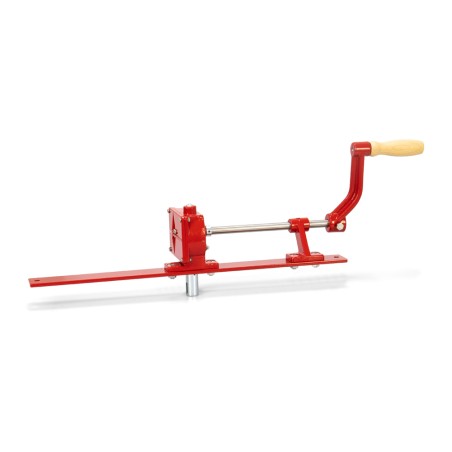
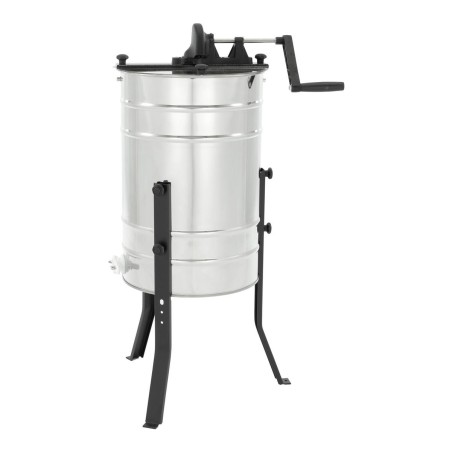


Choosing a honey extractor should not be based only on how many frames it can hold. That is one of the most common mistakes. The key is to consider three things together: frame type, number of hives and type of honey. If you work with supers or shallow supers and fluid honeys, a radial extractor is usually a very practical option, as it extracts both sides of the frame at the same time and reduces handling. However, if you work with Layens, Dadant brood frames or thicker honeys, I would normally recommend a tangential or reversible tangential extractor, as it usually empties larger frames more effectively and gives you more control during extraction.
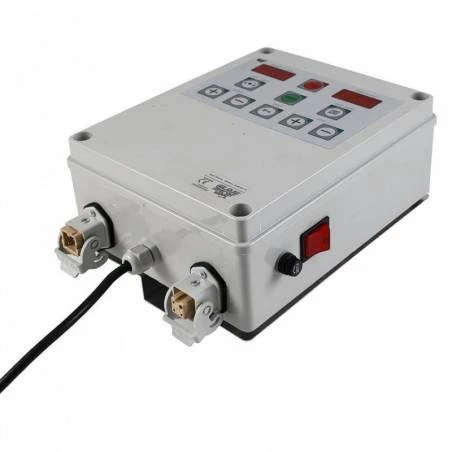
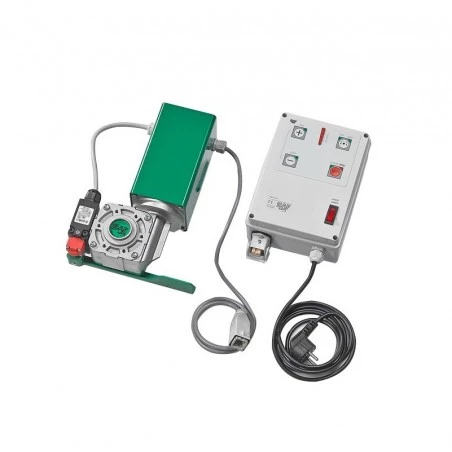
My advice is to choose not only for the number of hives you have today, but for the working pace you want during the season. An extractor that is too small will cost you time, effort and frustration; but an oversized one is not always the best purchase either if it does not fit your extraction room, your uncapping process or your real production volume. For small beekeepers, I would prioritise simplicity, easy cleaning and good value for money. For medium or professional operations, I would focus mainly on the motor, speed control, basket strength, ease of loading and availability of spare parts. A good extractor is not just the one that removes honey: it is the one that lets you work faster, break fewer combs and finish the day with less fatigue.
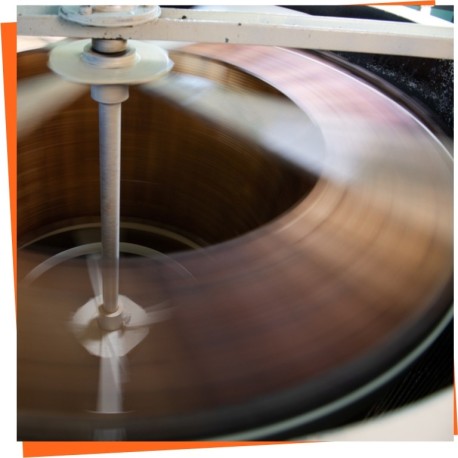
Honey Extractors
The choice is not about size: it is about which frame you harvest and what your honey is like. Settle that and the diameter follows.
Radial or tangential
- Radial — frames sit like spokes around the axis and it extracts both faces at once. It fits supers, shallow supers, Langstroth and fluid honeys. More frames per diameter and faster flow. On large brood frames it can leave the top less well extracted, and forcing speed with new comb breaks combs.
- Tangential — the frame works with one face against the drum wall. The force is more direct, so it gets more out of dense honeys and large frames: it suits Layens and Dadant brood frames. In exchange, on non-reversible models you extract one face, turn and finish.
- Reversible tangential — the cage turns without taking the frame out. It solves the turning while keeping the yield on dense honey, which is why it is the usual choice for professionals on Layens or Dadant.
- Horizontal — for automated lines. Requires a processing room, space, rails and an integrated uncapper.
By number of hives
With few hives or starting out, a manual tangential of 2 to 4 frames is easier to justify than a big machine. Between 30 and 100, what matters is not raw size but the motor and speed control. Above 150, the operation model decides: radial if you work supers, reversible or horizontal if brood frames dominate.
The two measurements people forget
The drum diameter decides whether the machine fits where it will stand with room to load it, not just whether it goes through. And the outlet height decides whether a settling tank fits underneath without propping the extractor up. Measure before buying: it is the most common regret in this category.
On cage compatibility there is a containment rule: look at the largest frame you will extract, because everything smaller fits. A cage sized for a Dadant brood frame also takes a Langstroth brood frame and two shallow supers one above the other. What does not fit is the Layens, a different format that needs a prepared cage.
An honest warning: no extractor solves every honey. Calluna heather and honeys crystallised under the capping need specific handling, pressing or prior uncapping — not more revolutions. Before the extractor comes the uncapper.
How does a honey extractor work?
A honey extractor, also known as a honey centrifuge, is a mechanical tool that uses centrifugal force to draw the honey out of the combs. Here is how the process works:
Loading the frames: Once uncapped, the honey frames are placed inside the extractor. Extractors come in different capacities. The combs sit in baskets inside the extractor, usually upright.
Spinning the extractor: The extractor is set in motion, either by a hand crank or by an electric motor. As it starts to spin, it generates a centrifugal force that throws the honey out of the comb cells.
Drawing off the honey: As the extractor turns, the honey is pushed out of the cells by centrifugal force. It then runs down the inner walls of the extractor.
Collecting the honey: At the bottom of the extractor there is an outlet or tap. Gravity gathers the honey thrown from the combs at the base of the drum, from where it can flow into a collecting vessel.
It is worth stressing that the spinning speed must be controlled carefully. Too fast and the combs can be damaged; too slow and not all the honey comes out. The exact extraction time varies with several factors: the viscosity of the honey, the size and type of extractor, and the ambient temperature.
That is the basic principle behind honey extraction by centrifuge. Honey extractors do, however, vary in design and operation depending on the model and the maker.
How is honey extraction carried out?
Honey is extracted from the combs using a honey extractor or centrifuge. Once the uncapped frames are loaded into the extractor, it is set spinning, generating a centrifugal force that drives the honey towards the walls of the drum. Running downwards, the honey collects at the bottom of the extractor and is channelled into a container through a tap or valve. The honey is then filtered, allowed to settle, and is ready for bottling.
What is the difference between a tangential, radial and reversible extractor?
This is the decision that shapes the purchase most, and it depends above all on the frame you will be extracting.
Tangential: the frames sit flat against the wall of the extractor, with one face outwards. Only that face empties, so you have to stop, take each frame out and turn it round. It is the cheapest option and the usual one in small extractors. Since the inner face is still full, do not accelerate abruptly: it is the weight of the honey still inside that blows the comb out.
Radial: the frames are arranged like the spokes of a wheel, with the top bar outwards. Both faces empty at once, taking advantage of the natural slope of the cells, so the frames never need handling. It needs longer spinning and performs well with super frames; with very deep frames it loses efficiency.
Reversible: a tangential whose baskets swivel, so you switch faces without taking the frame out. It is the usual choice for Layens and for large frames, where radial does not give good results.
In short: supers and high volume, radial; large Layens-type frames, reversible; starting out with a few hives, tangential.
Is a manual or an electric extractor better?
Choosing between a manual honey extractor and an electric one depends on your needs and preferences. Manual extractors are cheaper and suit beekeepers with a limited number of hives. Electric extractors are more efficient and take less physical effort, which makes them ideal for larger operations. The choice should rest on the size of your apiary and your budget.
What size of extractor suits a small apiary?
The right size of extractor for a small beekeeping operation varies with the number of hives:
Up to 5 hives, an inexpensive two-frame tangential extractor is enough. Between 5 and 10 hives, a manual three- or four-frame tangential is recommended. With 10 to 30 hives, a four-frame extractor is advisable, manual or electric. If you run between 30 and 100 hives, consider an electric extractor of four frames or more. For larger operations, above 150 hives, look for a high-capacity, high-quality extractor, choosing between the reversible tangential type (for Layens) or radial (for supers) according to your specific needs.
How do you clean and maintain a honey extractor?
To clean and maintain a honey extractor:
- After each use, remove honey and wax residues from the extractor.
- If it comes apart, dismantle it and clean the parts separately.
- Optionally, you can use a suitable disinfection method, such as caustic soda or bleach, following the instructions.
- Rinse all parts thoroughly with clean water.
- Let them air-dry before storing the extractor somewhere clean and dry.
Remember to wear protective equipment and to keep chemical products from coming into contact with the bees. Regular cleaning keeps the beekeeping operation hygienic.
How much does a honey extractor cost?
The price of a honey extractor varies widely, depending on factors such as type, capacity and whether it is manual or automatic. The most basic models, such as manual two-frame extractors, start at around €119.95. At the other end, the more advanced, higher-capacity extractors, such as reversible 16-frame machines, can reach prices of up to €11,000. The spread reflects the range of functionality and efficiency on offer, including whether they are tangential, radial or reversible, as well as how many frames they can handle.