
-
Beehives
- Complete beehive
- Accessories
-
Nuc hives
- Nucs by format
- With bees & mating
- Spare parts
-
Bee equipment
- For the apiary
- For the beekeeper
-
Clothing
- Clothing Accessories
-
Beeswax
-
Pure beeswax
- Beeswax and foundation
- Beeswax foundations
- Melting and rolling beewax
-
Pure beeswax
-
Bee feed
- Accessories and source materials
- Utensils
-
Bee health
- Varroa Treatments
- Diseases control
- Nutraceuticals
-
Extraction and bottling
- Before extraction
- Honey extraction
- After extraction
-
Bee pollen
- Harvest
- Indicted
-
Honey packaging
- Flasks per utility
- Flasks by size
- Other packaging
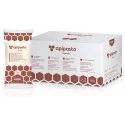 Apipasta with vitamins 15kg
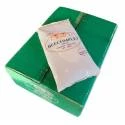 Beecomplet® Spring 14Kg
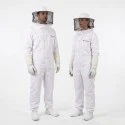 Beekeeper suit with round veil
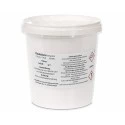 Oxalic acid 1kg
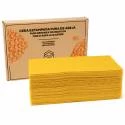 Beeswax Foundation 5kg
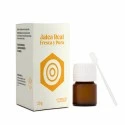 Fresh royal jelly 20g
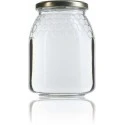 Classic honey jar 1kg comb-lines TO77 - Pack of 16 units
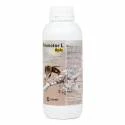 Promotor L Apis 1 litre
Paint and oils for beehives
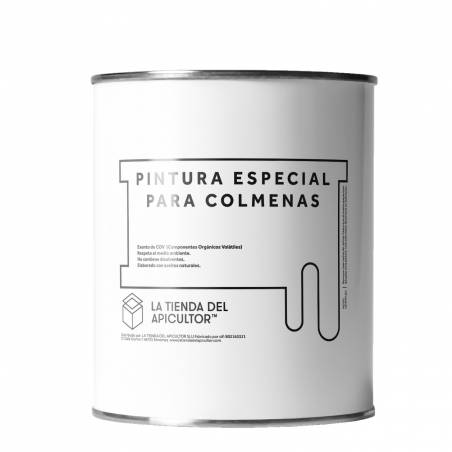
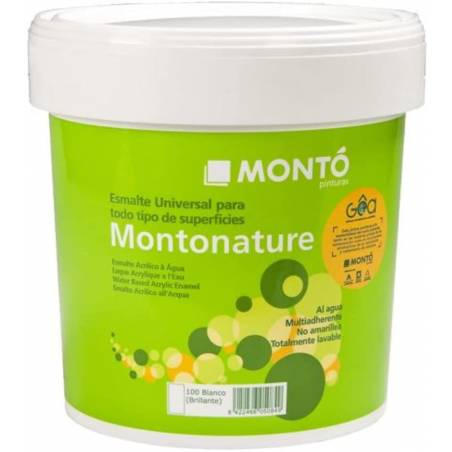
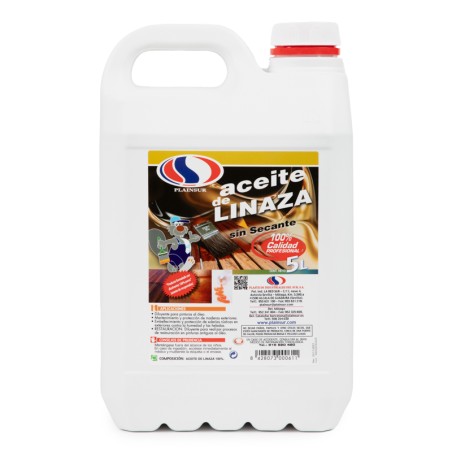
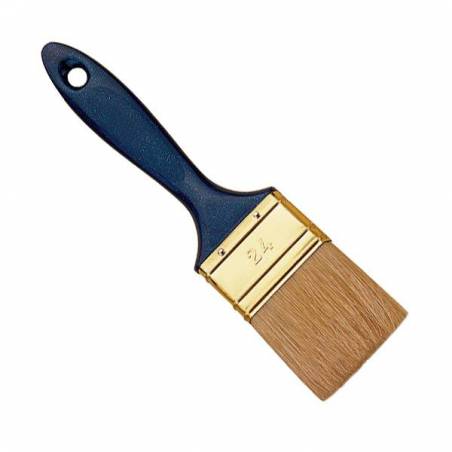
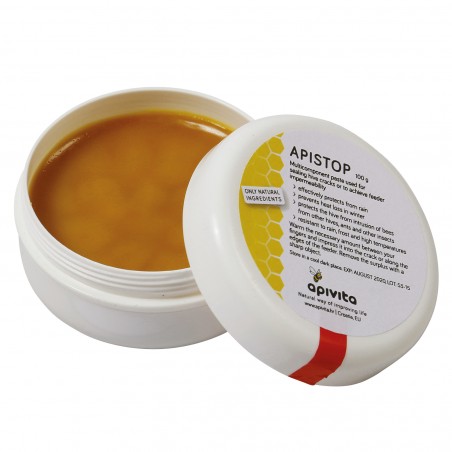
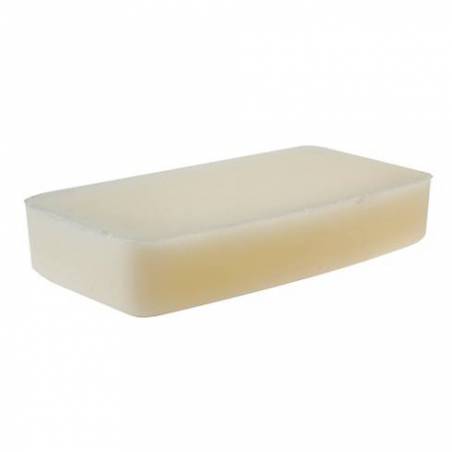
Linseed oil without driers, ApiDana® paint for wood and polystyrene, Apistop® sealant, paraffin blocks and brushes. From €7.95 to €4,225.
How to paint and protect the hive well
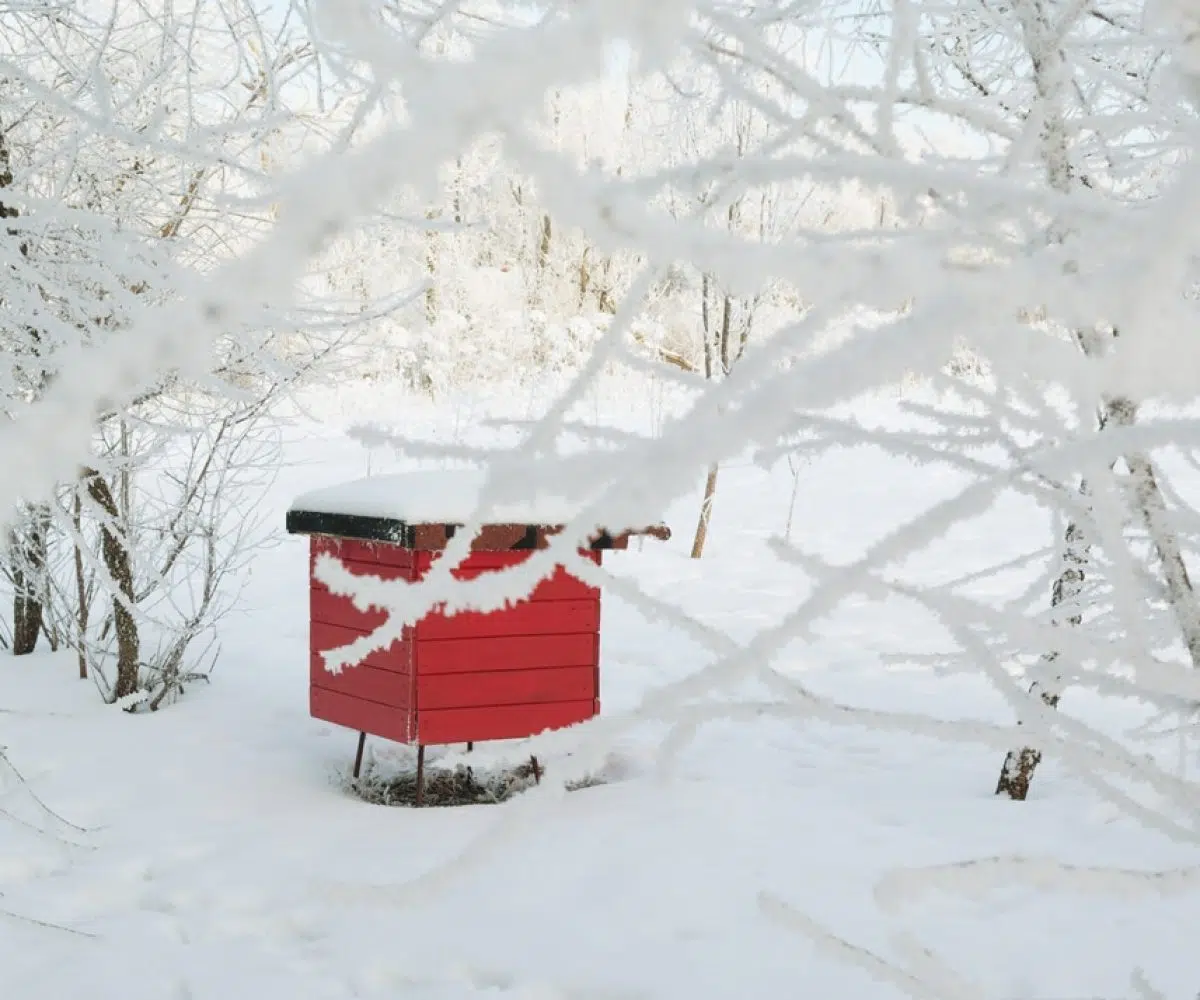
Painting a hive isn't about making it look nice; it's about protecting the wood from sun, rain, moisture, temperature changes and outdoor wear. A poorly protected hive ends up splitting, absorbing water, warping or rotting before its time. But not just any paint will do: I wouldn't use products with strong smells, aggressive solvents or finishes meant for other uses. For hives, I'd prioritize paints or protectors suitable for outdoor use, durable, water-based or low-emission, and well compatible with wood. And something important: you normally paint the outside, not the inside. The bees already take care of propolising and conditioning their space; putting paint inside can add unnecessary smells or residues.
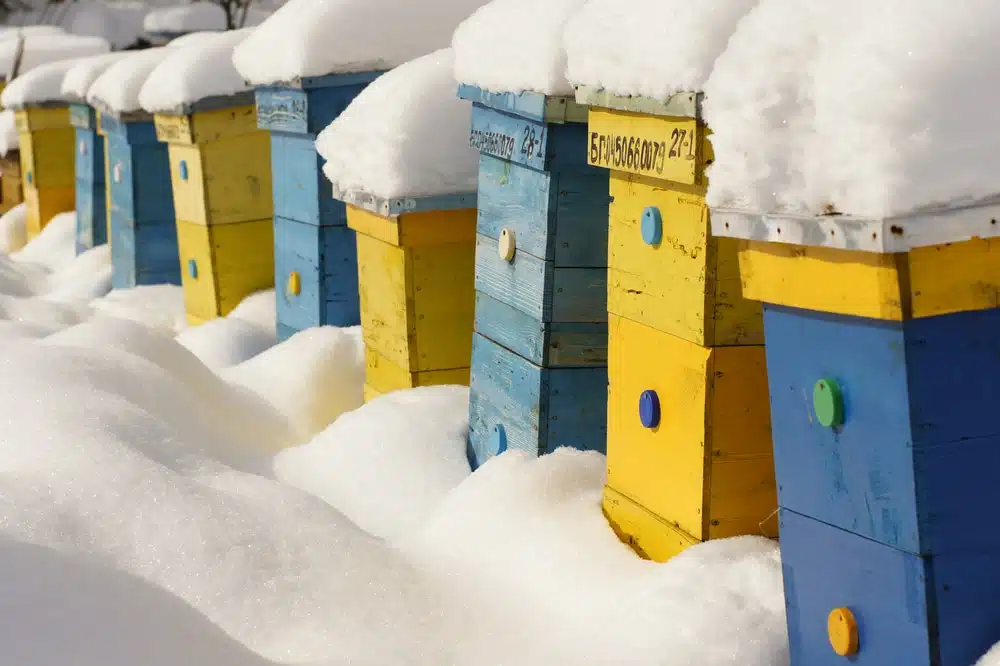
My advice is to always paint with the hive empty, letting it dry and air out well before introducing bees. I wouldn't be in a hurry to use a freshly painted box: if it smells, it's not ready yet. In very hot areas, I'd choose light colours to reduce heating; in cold or humid areas, I'd look more at the protection and durability of the finish. It's also a good idea to use different colours to help the bees' orientation and reduce drift, especially in apiaries with many boxes lined up. And here I'll take a clear stand: skimping on paint usually ends up costing more. Good exterior protection can give you extra years of useful life on the hive, while a bad paint peels, holds moisture or forces you to touch it up every season. The best paint for hives is the one that protects the wood well and disappears for the bee: no smells, no excess and well applied.
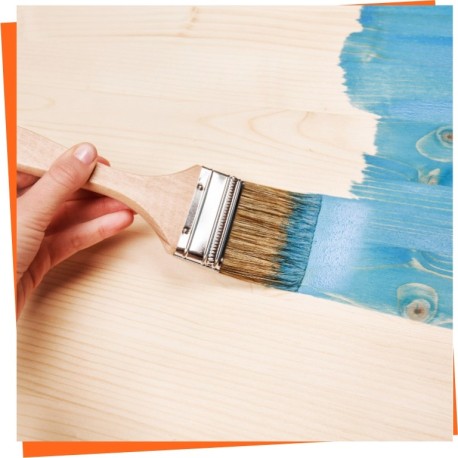
Paint and oils for beehives
A painted hive lasts twice as long. A badly painted hive poisons the wax. This whole category comes down to that difference.
The rule with no exception
Paint the outside only. Never the interior, nor the frames, nor the inner face of the cover. Bees lick and chew the wood, and wax absorbs anything fat-soluble — whatever you put inside stays there season after season.
What to use
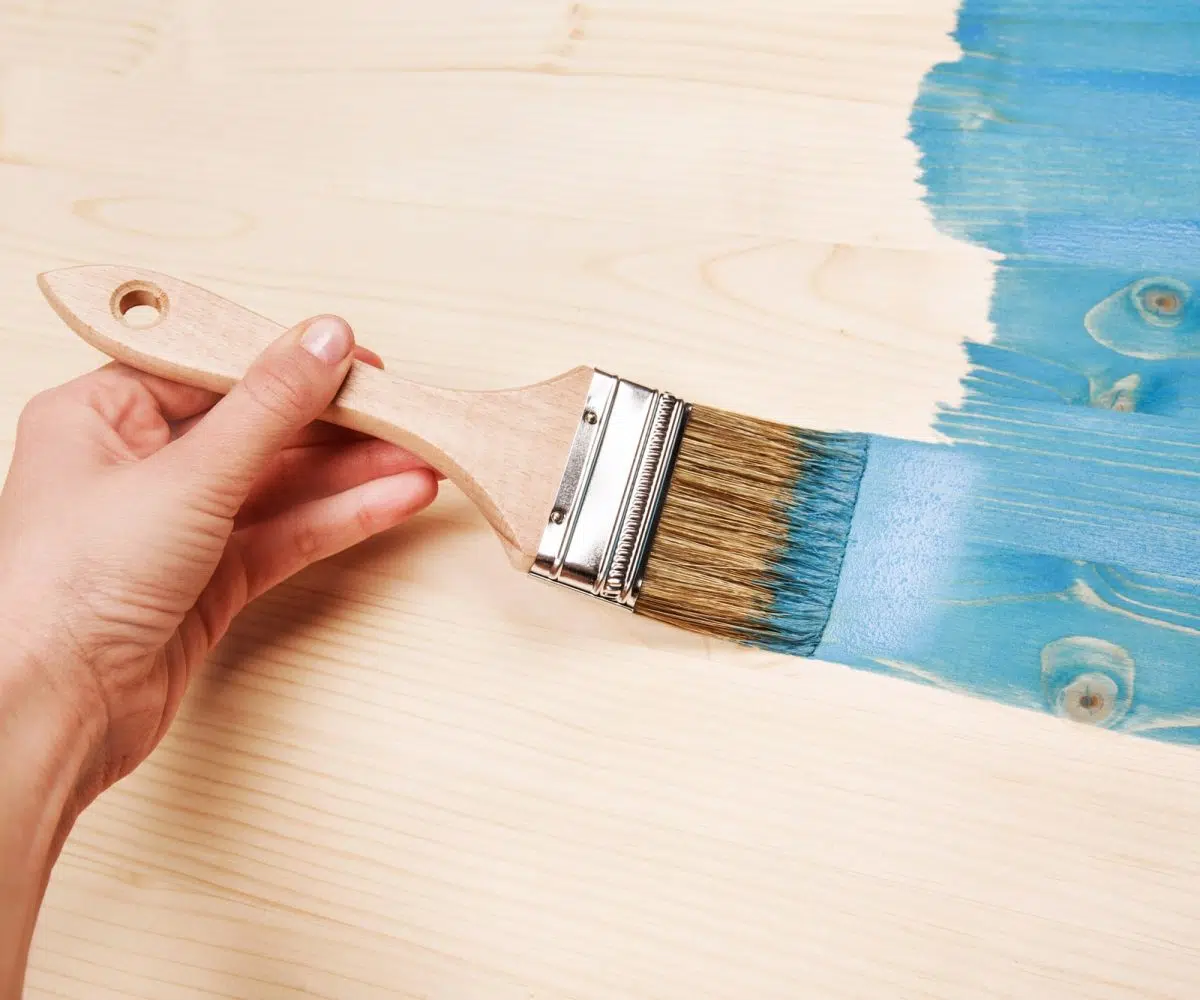
- Linseed oil WITHOUT driers (€7.95) — it penetrates the wood, protects from within and forms no film to flake off. The without driers matters: driers contain metal salts that speed curing and have no business in a hive.
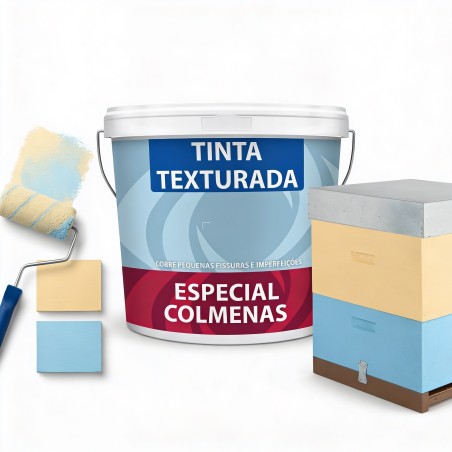
- ApiDana® paint (€13.50) — water-based, formulated for hives, and it also works on polystyrene, which solvent paints literally dissolve.
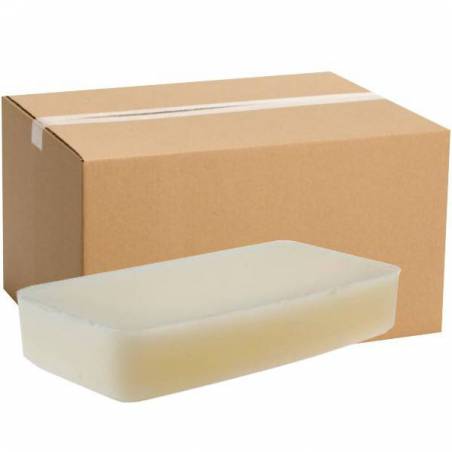
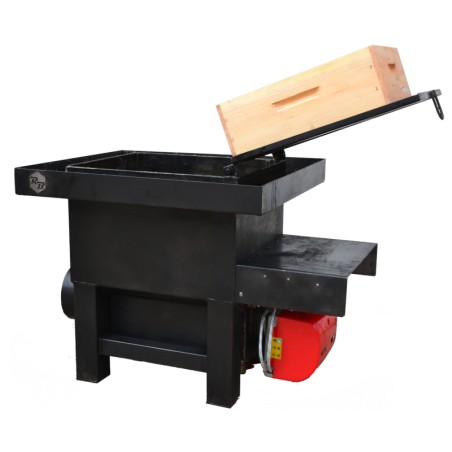
- Paraffin (€23.95 a block) — the hot-dipping method. It impregnates the whole timber, lasts longest, and disinfects by temperature into the bargain. It needs a tank and controlled heat.
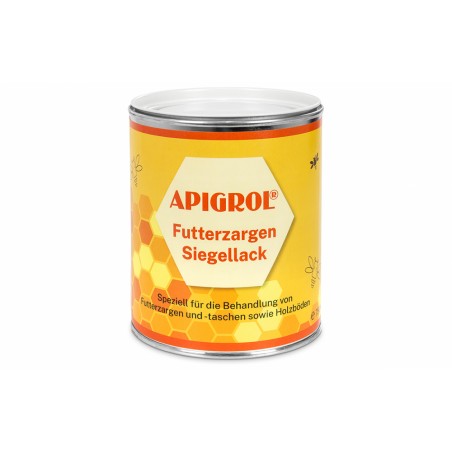
- Apistop® sealant (€11) — for joints and cracks before painting.
Colour is not decoration
Light colours in hot country: a dark hive in the sun forces the colony to spend energy fanning. And painting different fronts reduces drifting — the bee that returns to the wrong hive.
And wait
Painted and completely dry and aired before bees go in. Not a day sooner.
Hives are in beehives; hardware in hive hardware.
What paint or protective coating can be used on a beehive?
It depends on the material. For wood, use exterior paints or wood stains that are compatible with the substrate; for expanded polystyrene, use a solvent-free product that will not damage the material. The manufacturer’s product data sheet should specify the surface to be treated, preparation, number of coats and curing time.
Apply the finish to the exterior. Do not paint the interior, the frames or any surfaces in contact with honey or bees unless the product is specifically approved for that use. Light colours reduce heat build-up in the sun, but effective protection also depends on the joints, the lid, drainage and maintenance.
How can you protect the wood of a beehive?
Work on dry, clean wood. Sand down any rough edges or loose fibres, fill any cracks and pay particular attention to protecting the ends, joints and areas where water accumulates. Apply thin coats of your chosen treatment and allow the wood to dry and cure completely, as specified by the manufacturer, before introducing the bees.
Paint cannot compensate for poor design. Keep the hive elevated, with a watertight lid, gentle water drainage and ventilation appropriate to the model. Check for flaking, joints, the base and fittings every season; only treat the areas that need it and avoid products of unknown composition or unauthorised interior treatments.