 Apipasta with vitamins 15kg
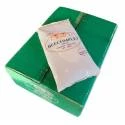 Beecomplet® Spring 14Kg
 Beekeeper suit with round veil
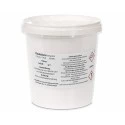 Oxalic acid 1kg
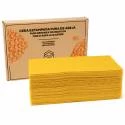 Beeswax Foundation 5kg
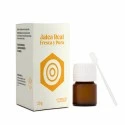 Fresh royal jelly 20g
 Classic honey jar 1kg comb-lines TO77 - Pack of 16 units
 Promotor L Apis 1 litre

 Share in WhatsApp
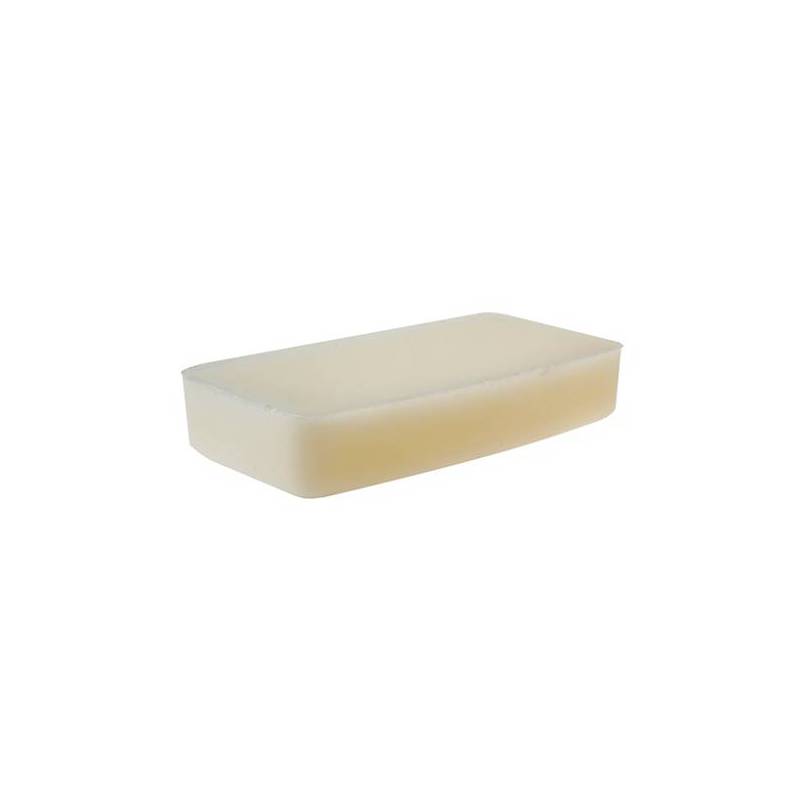
Fully refined white paraffin wax in a 4.8 kg rigid plate to weatherproof wooden hives by hot dipping. Penetrates the grain and seals pores, microcracks and joinery gaps, multiplying the box's lifespan compared to conventional paint. Also treats the inner face. Odour-neutral, safe around bees. Melts at 56-62 °C, applied at 140-150 °C.
4.8 kg PER SLAB | 140-150 °C TANK TEMPERATURE |
56-62 °C MELTING POINT | 5-10 min DIP PER PART |
One hot-paraffin dipping session is worth several coats of paint repainted season after season — and it also protects the inner face of the box, where no paint can reach.
Paraffin wax for hive treatment is the most durable way to protect wooden hive boxes from the outside. Unlike paint, which forms a surface film that flakes off as wood expands and contracts with the seasons, paraffin penetrates deep into the wood grain through hot dipping and saturates it from within. A properly paraffin-treated hive can last over 15 years in the field with no repainting, against the usual 4-5 years of conventional paint. It is the dominant technique among professional beekeepers in northern Iberia and Portugal.
01 · SEALING
Paint forms a film over the surface and eventually cracks under moisture and temperature cycles. Paraffin fills pores, microcracks and joinery gaps from inside out and stays integrated. Result: the box does not absorb water, no fungi develop on the inner face, and wax moth finds no shelter in the crevices of old timber. It also treats the inside of the box, where paint can never be applied due to bee contact.
02 · APPLICATION
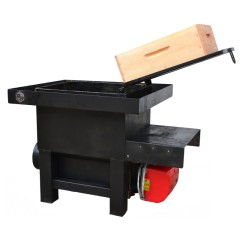
Melt the paraffin in a hive-dipping tank at 140-150 °C. Temperature is critical: below 130 °C the paraffin will not penetrate properly and stays on the surface; above 180 °C it starts to break down and release fumes. Dip each disassembled component (super, brood box, floor, roof) for 5 to 10 minutes, until air bubbles stop rising — that is the signal that the timber is saturated. Drain vertically over the tank rim and let it cool in the open air. The solid paraffin left at the bottom is fully reusable for the next batch.
03 · QUALITY
Technical-cosmetic grade: clear once melted, no perfumes or additives, almost odourless. It does not migrate to comb wax or honey because it stays integrated in the timber and never reaches the comb. The rigid solid plate format makes tank dosing and storage straightforward, with none of the spillage and static issues of pelleted or flaked paraffin.
04 · BEFORE YOU BUY
| ✓ FITS | Pine, spruce, cedar and similar timbers, always dry (moisture below 18%). |
| ✕ DOES NOT FIT | Damp timber: the water spits on contact with paraffin at 140 °C. |
⚠ PRECAUTIONS
Critical safety: dry timber and controlled temperature. The wood must be dry before dipping (moisture content below 18%, ideally 12-15%). If the timber is damp, the trapped water flashes off when it hits paraffin at 140 °C and causes violent spitting that can splash burning wax. Store the timber for at least 2-3 weeks under cover before treatment. Always work with a double-walled tank fitted with a thermostat — never heat paraffin with an open flame under the vessel.
| Type | Fully refined white paraffin wax |
|---|---|
| Format | Rigid solid plate |
| Plate weight | 4.8 kg |
| Melting point | 56 - 62 °C |
| Application temperature | 140 - 150 °C in tank |
| Solid appearance | Opaque cream-white |
| Molten appearance | Clear, very pale straw |
| Odour | Practically neutral |
| Dipping time | 5 - 10 min per component (until bubbling stops) |
| Suitable timber | Pine, fir, cedar and similar — always dry (moisture < 18%) |
| Common blend | Compatible with virgin beeswax (typically 80% paraffin + 20% wax for tighter sealing) |
| Storage | Indefinitely stable in solid form. Keep in a cool, dry place, away from heat sources |
1 file available

Write your question
Fully refined white paraffin wax in a 4.8 kg rigid plate to weatherproof wooden hives by hot dipping. Penetrates the grain and seals pores, microcracks and joinery gaps, multiplying the box's lifespan compared to conventional paint. Also treats the inner face. Odour-neutral, safe around bees. Melts at 56-62 °C, applied at 140-150 °C.
check_circle
check_circle