
-
Beehives
- Complete beehive
- Accessories
-
Nuc hives
- Nucs by format
- With bees & mating
- Spare parts
-
Bee equipment
- For the apiary
- For the beekeeper
-
Clothing
- Clothing Accessories
-
Beeswax
-
Pure beeswax
- Beeswax and foundation
- Beeswax foundations
- Melting and rolling beewax
-
Pure beeswax
-
Bee feed
- Accessories and source materials
- Utensils
-
Bee health
- Varroa Treatments
- Diseases control
- Nutraceuticals
-
Extraction and bottling
- Before extraction
- Honey extraction
- After extraction
-
Bee pollen
- Harvest
- Indicted
-
Honey packaging
- Flasks per utility
- Flasks by size
- Other packaging
 Apipasta with vitamins 15kg
 Beecomplet® Spring 14Kg
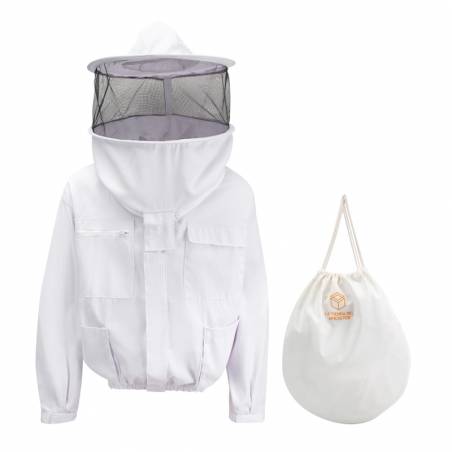
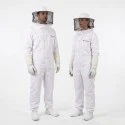 Beekeeper suit with round veil
 Oxalic acid 1kg
 Beeswax Foundation 5kg
 Fresh royal jelly 20g
 Classic honey jar 1kg comb-lines TO77 - Pack of 16 units
 Promotor L Apis 1 litre
Clothing
All the protective kit in one category: suits, jackets and trousers, veils, leather and nitrile gloves, boots, gaiters and sleeves. From €1.50 to €425.
Brand
Glove and suit material
Price
-
€1.00 - €425.00
Categories
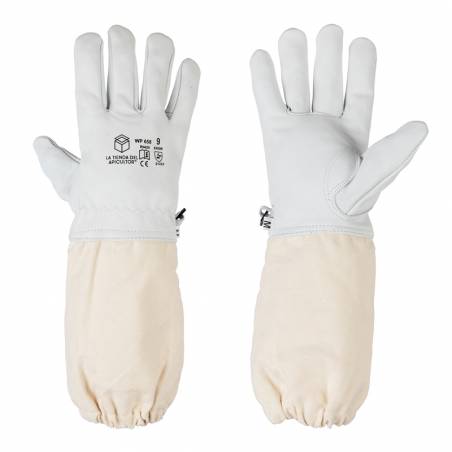
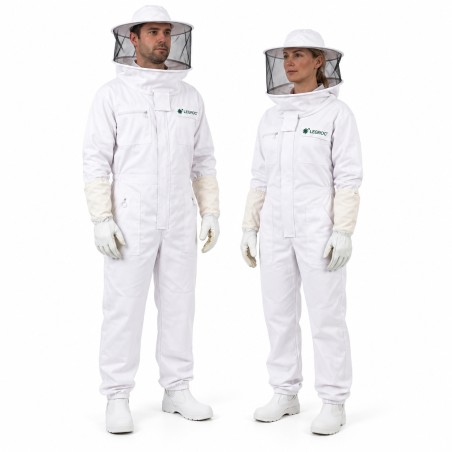
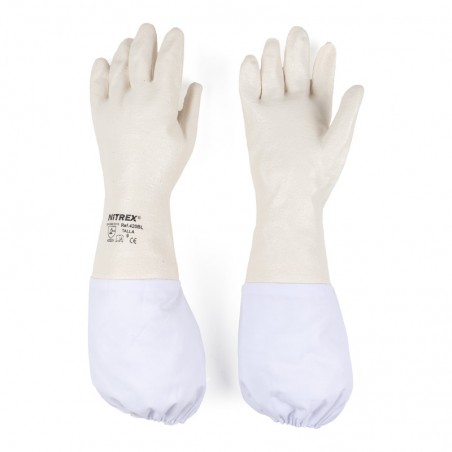
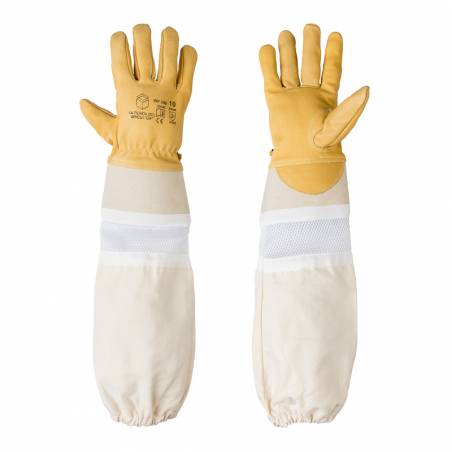
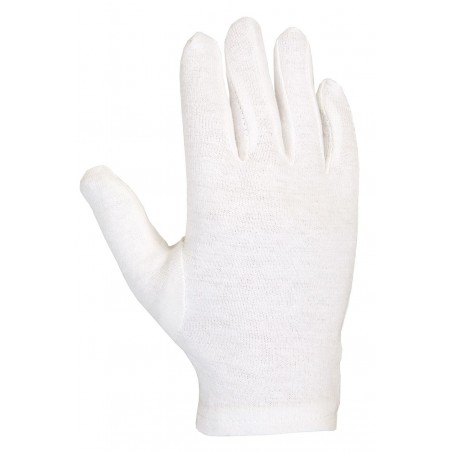
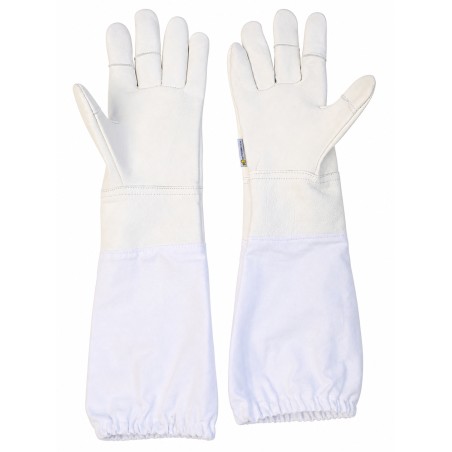
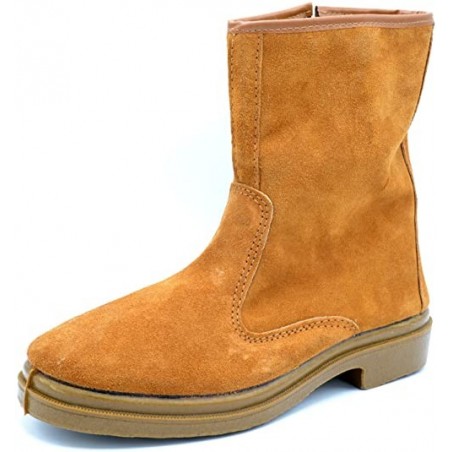
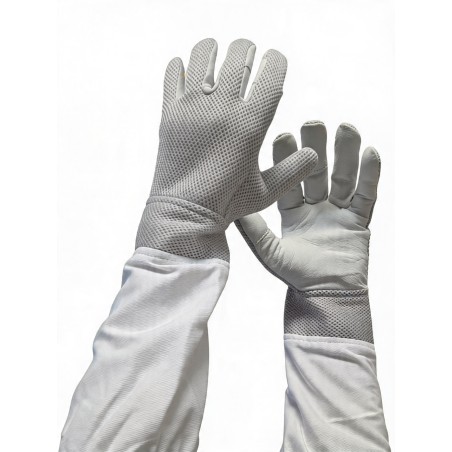
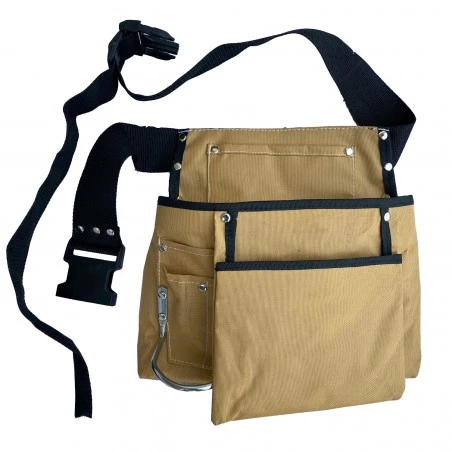
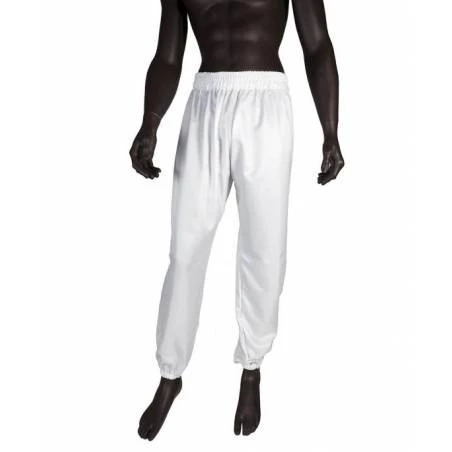
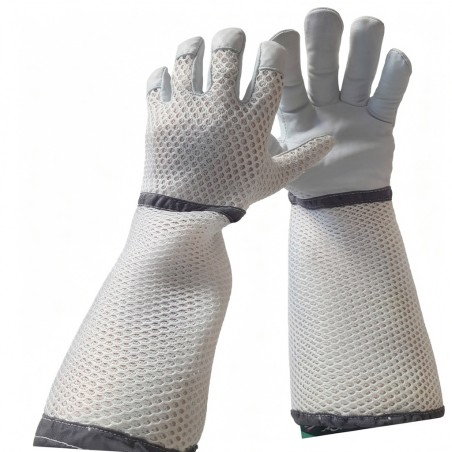
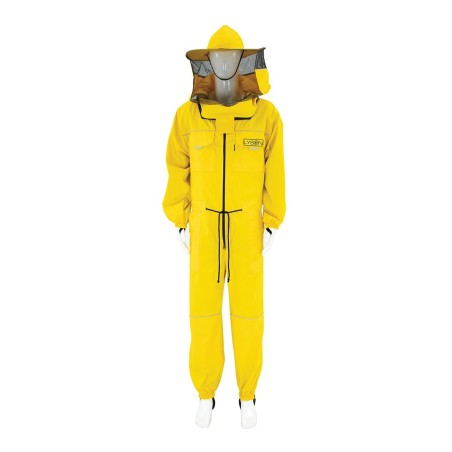
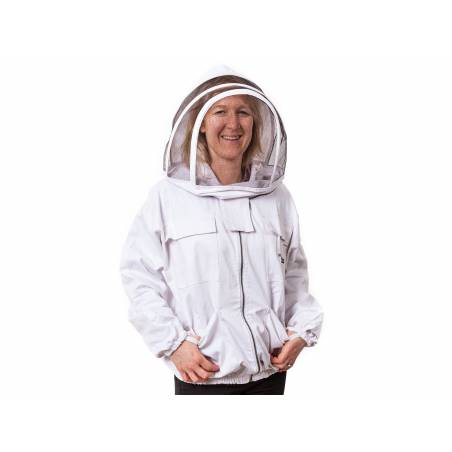
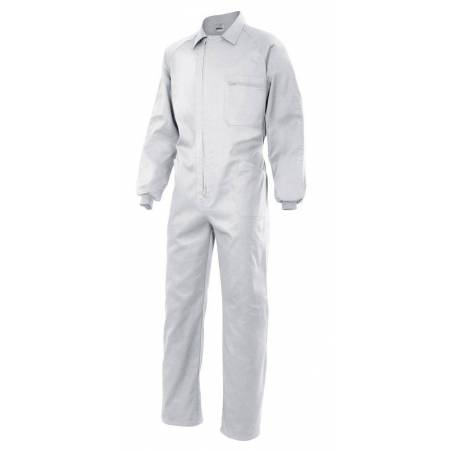
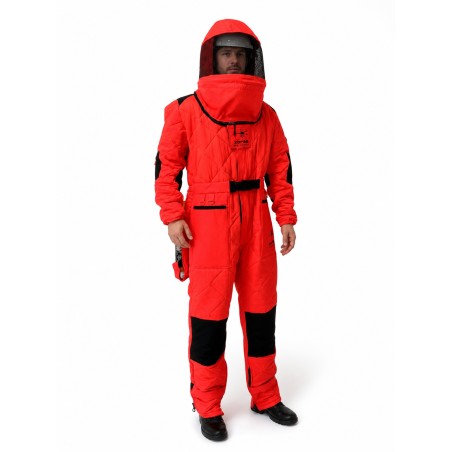
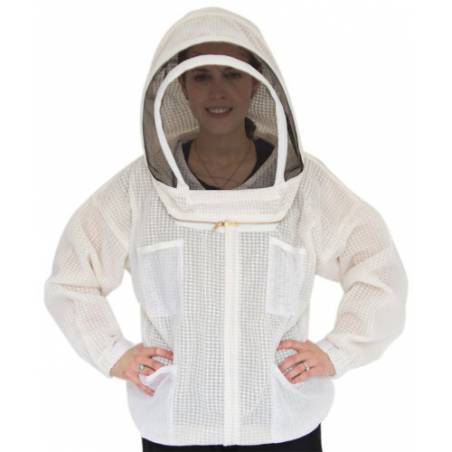
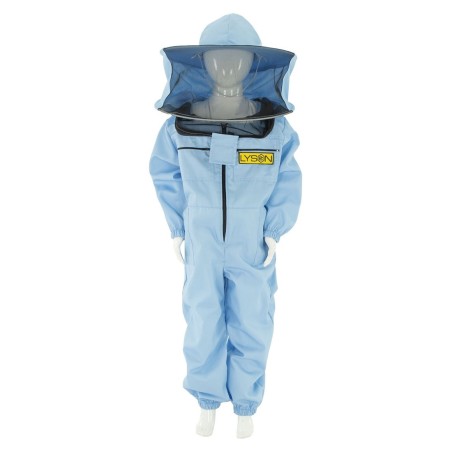
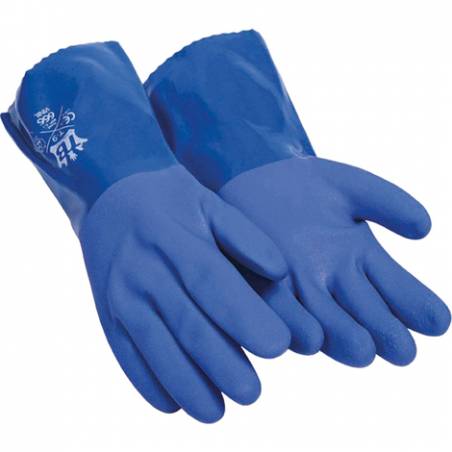
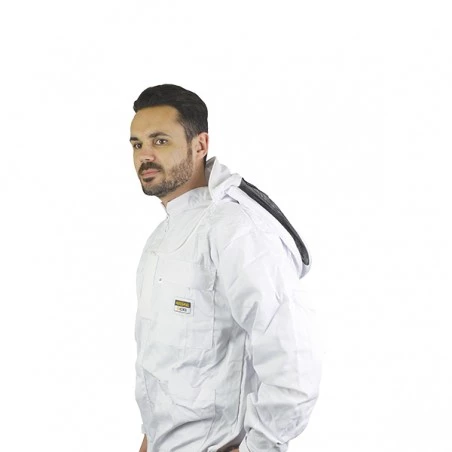
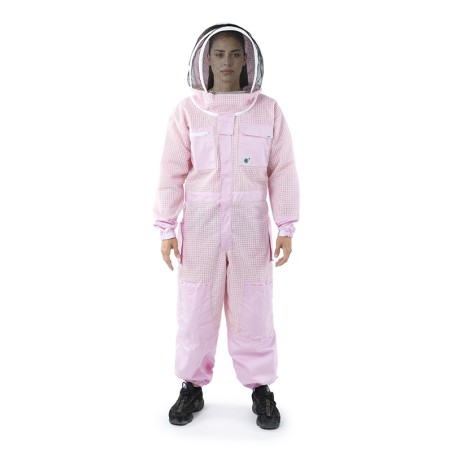
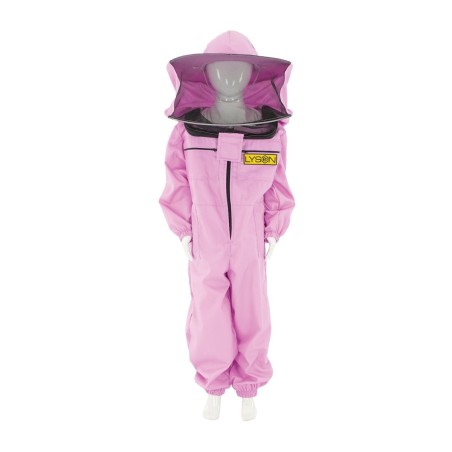
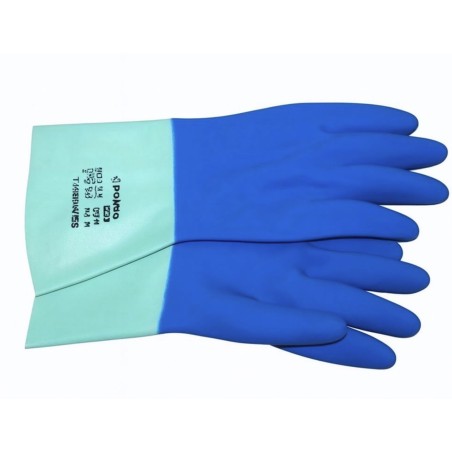
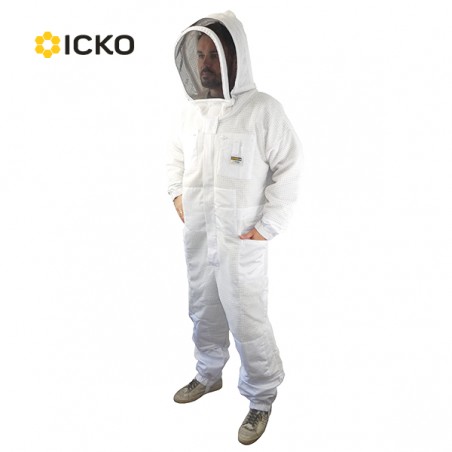
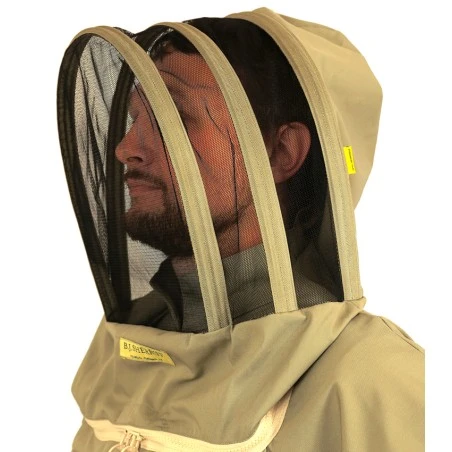
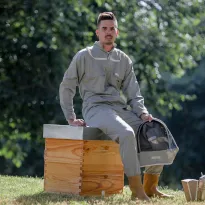
How to choose your beekeeping clothing
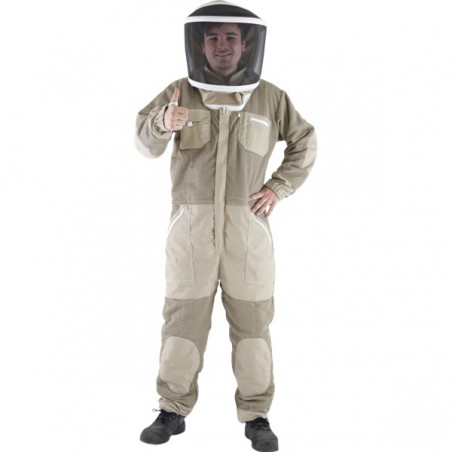
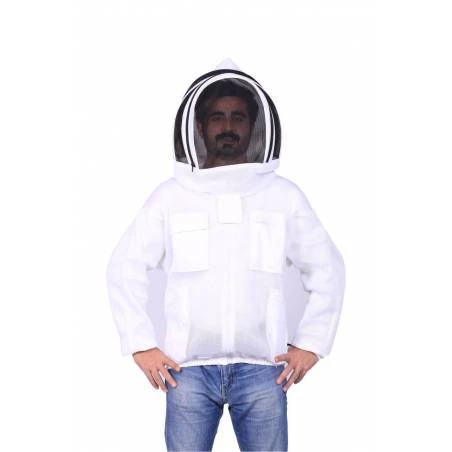
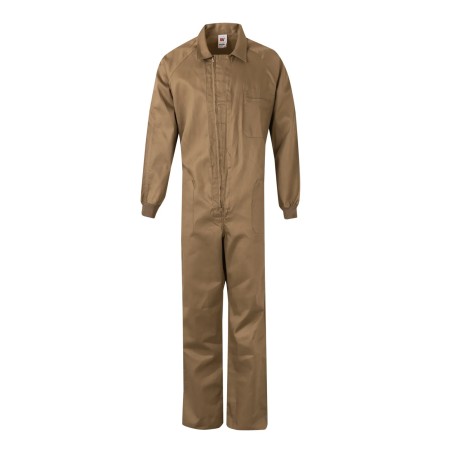
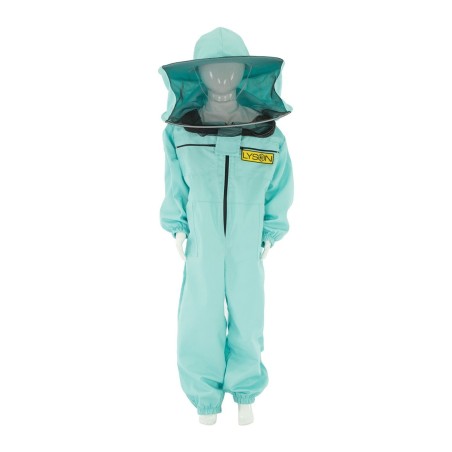
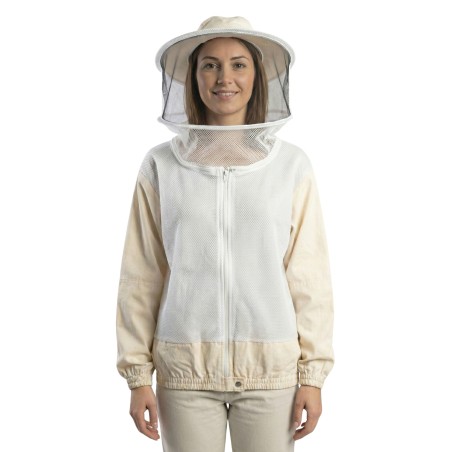
Beekeeping clothing shouldn't be chosen just by price or out of fear of stings. It's chosen thinking about safety, comfort, climate and the type of work. To start with, I usually recommend a full suit over a separate jacket, because it better protects the ankles, waist, wrists and neck, which are exactly the points where bees tend to sneak in. I'd also look closely at the fabric: 100% cotton is usually more pleasant and breathable, something you really appreciate on long days; but if you sweat a lot, it also absorbs more moisture and can become heavy. Fabrics with polyester or polyamide usually dry faster, withstand use better and hold up better to washing, although they can be less cool if they aren't well designed. In summer or with many hives, a ventilated suit makes an enormous difference.
My advice is not to look only at the thickness. There are details that matter more than they seem: reliable zippers, well-closing velcro, a veil with good visibility, snug cuffs, protected ankles and strong seams. With gloves it's the same. Nitrile ones work very well when you want touch, hygiene and precision, but they protect less against stings if they're thin or very tight. Leather ones, especially thin goatskin, give a very good balance between protection and sensitivity; that said, a stinger can stay embedded and it's worth checking them. For a beginner, I'd prioritize peace of mind and protection. For someone with experience, I'd look for more balance between mobility, ventilation and dexterity. And if we're talking about the Asian hornet (Vespa velutina) or nest removal, I wouldn't use normal beekeeping clothing: there you need specific protection. Good clothing doesn't make you a better beekeeper, but it does let you work more calmly, more safely and with fewer mistakes.
Clothing
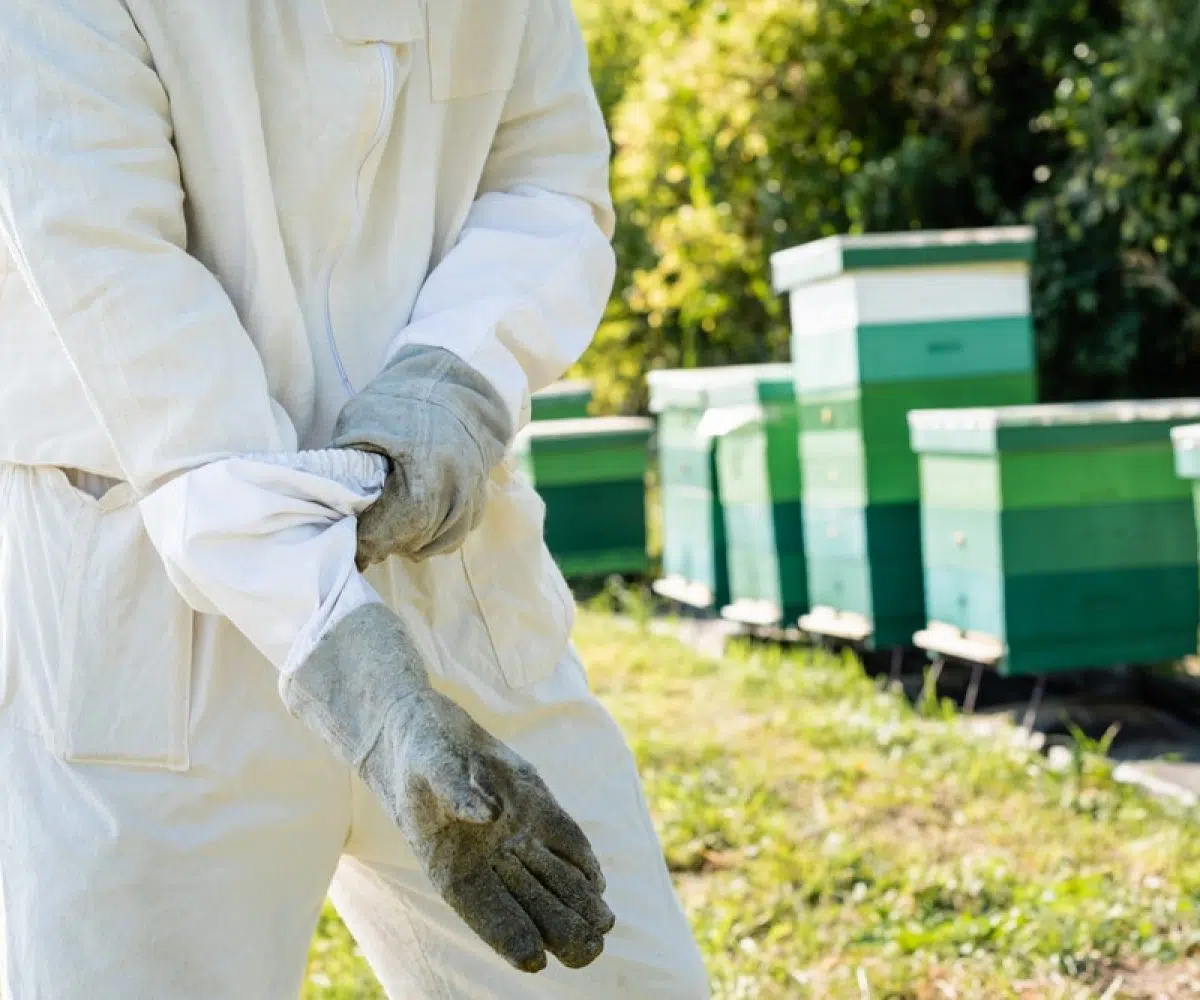
Seventy-five references solving a single thing: keeping everything out. And most stings taken with kit on come in at the joins, not through the fabric.
The three points to close
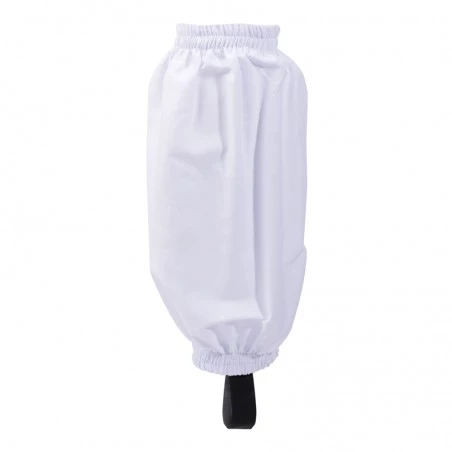
- Wrists — the glove-sleeve join. Cotton sleeves cover it for €8.75.
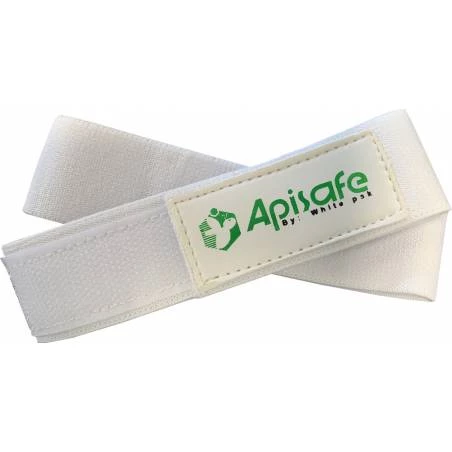
- Ankles — the trouser-boot join. It is entry point number one when you crouch, and it closes with joint velcro (€8) or gaiters (€6.90).
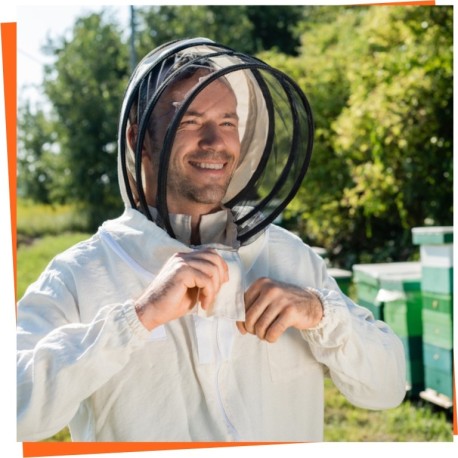
- Neck — the veil-suit join. There is no accessory here: either the suit closes properly or it does not.
How the outfit is put together
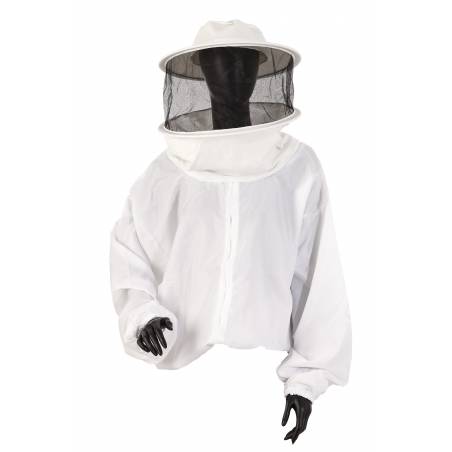
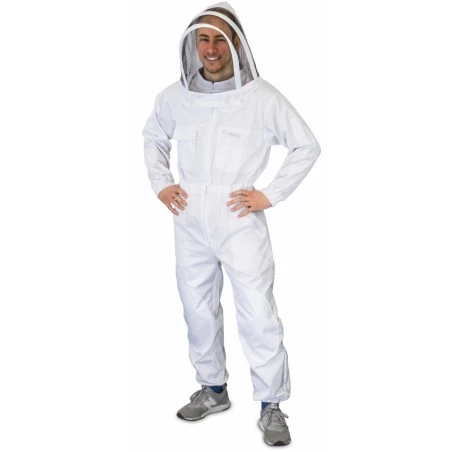
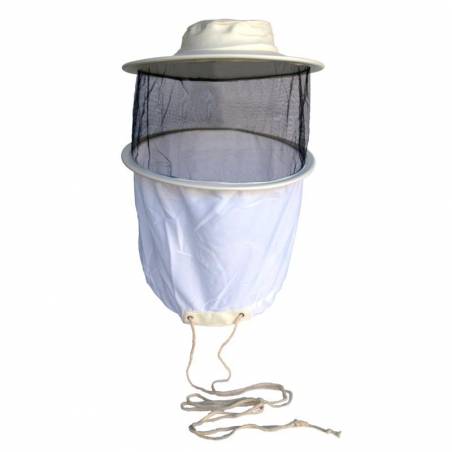
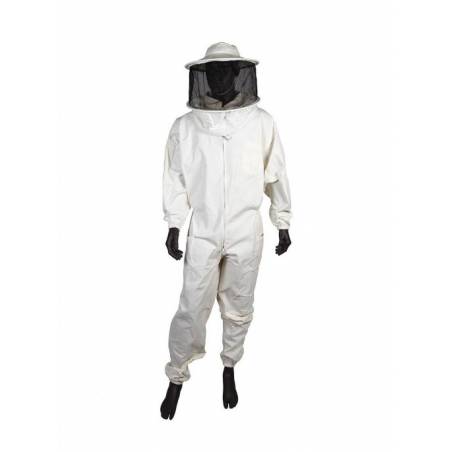
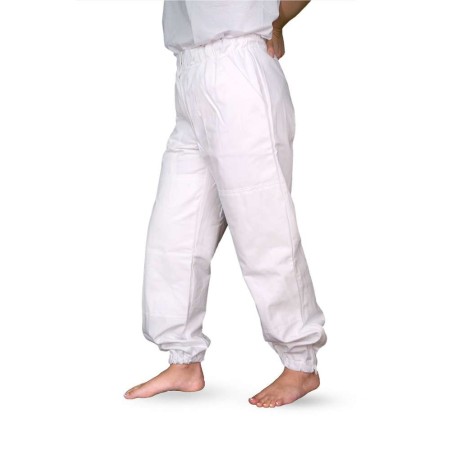
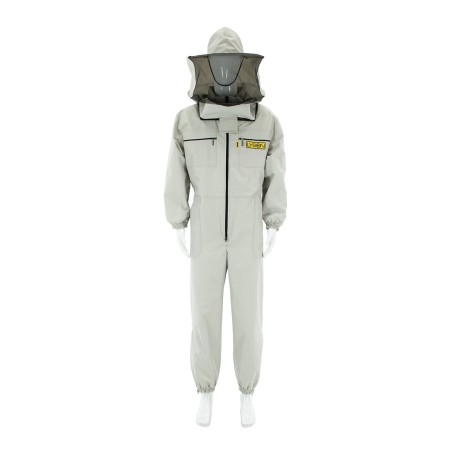
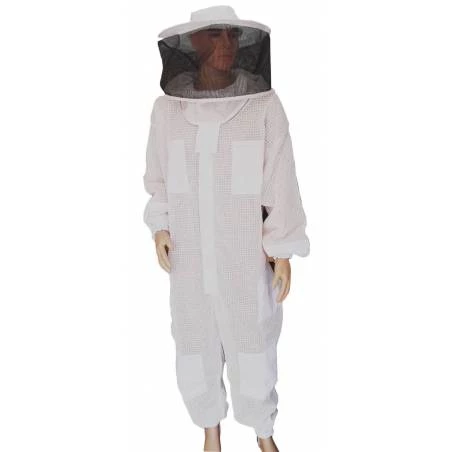
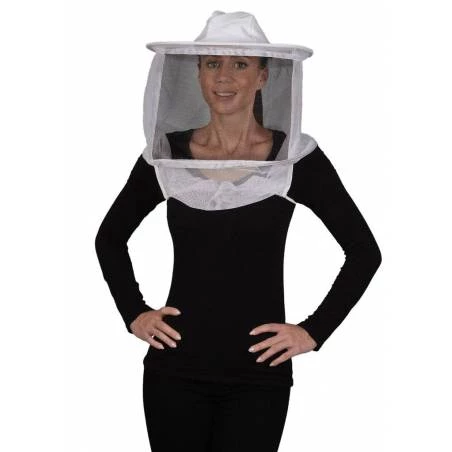
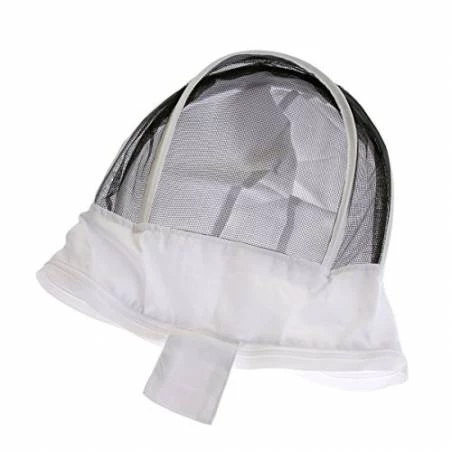
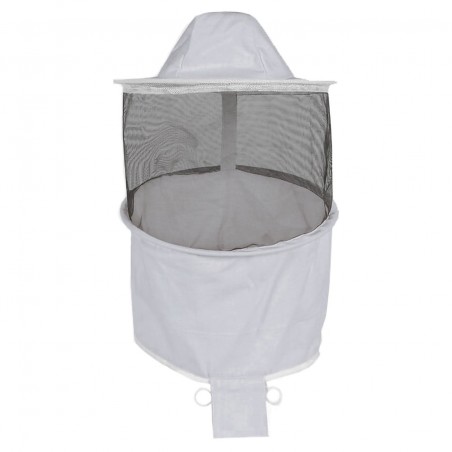
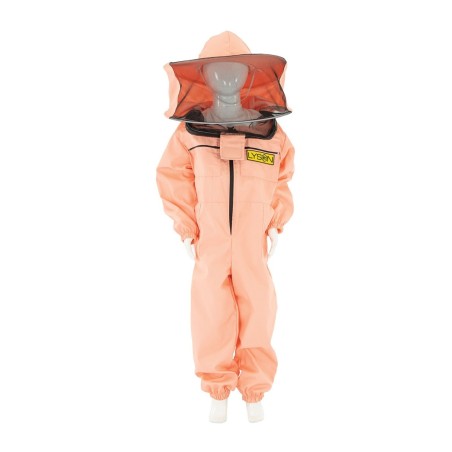
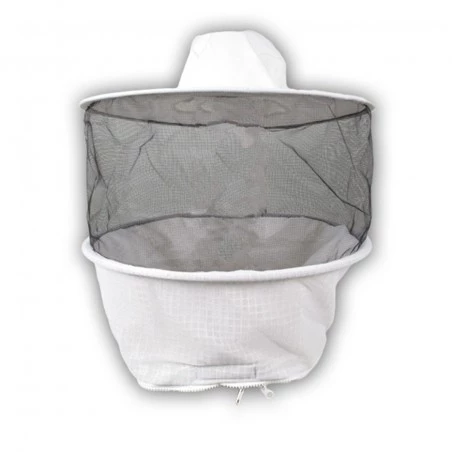
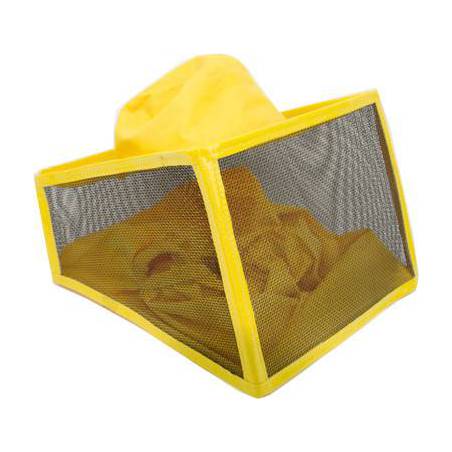
Start with the suit: trousers on their own from €16.95, a jacket from €28.50 or a full suit from €27.95, in cotton, polyamide or ventilated fabric depending on how much heat you are going to take. The veil comes with almost all of them, and separately from €8.90 if you want a spare or prefer a hat with veil.
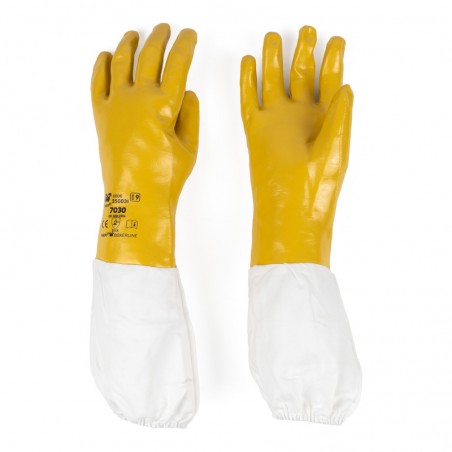
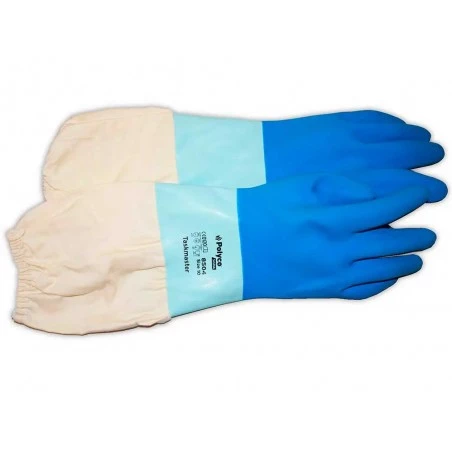
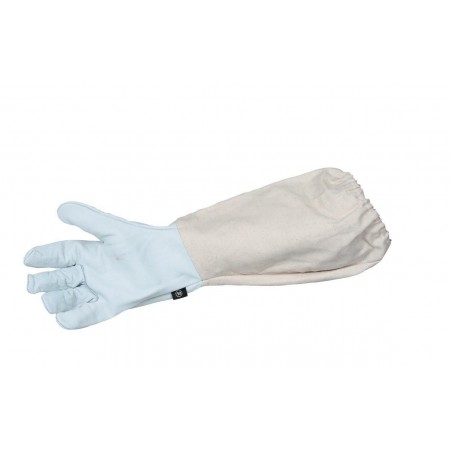
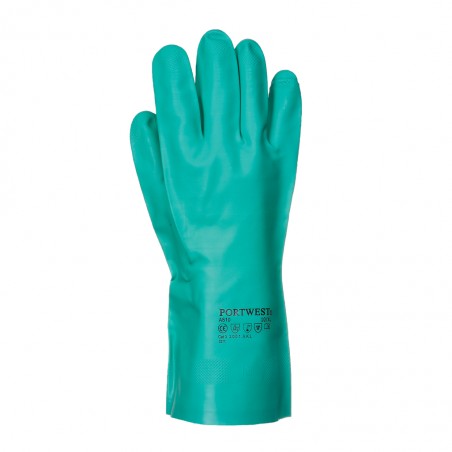
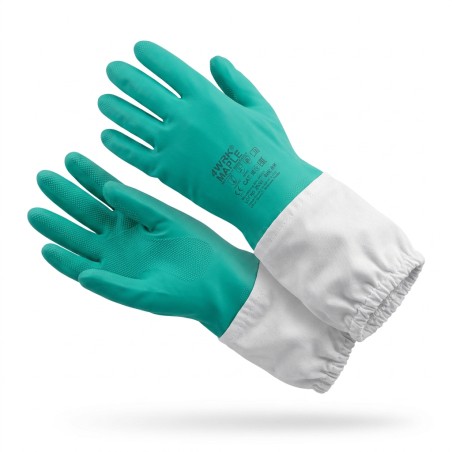
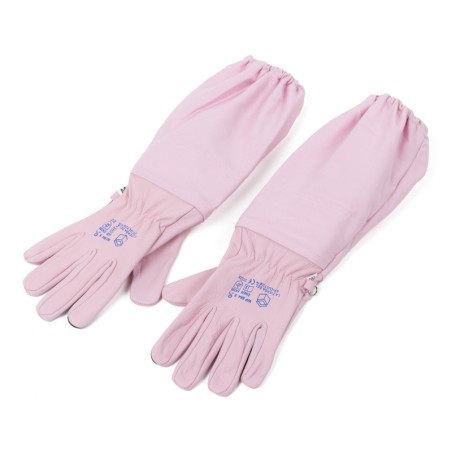
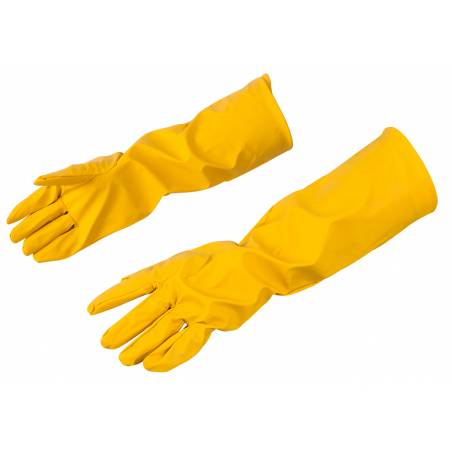
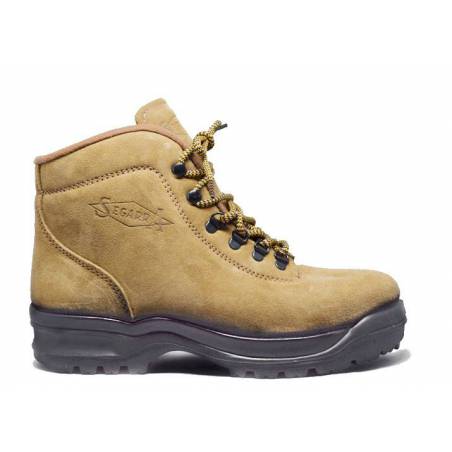
Then the gloves: leather gives classic protection and durability; nitrile, from €2.75, gives feel and gets changed often, which is what you appreciate when handling queens. And the boots, which as well as protecting let you close the trouser hem.
What almost nobody buys and should
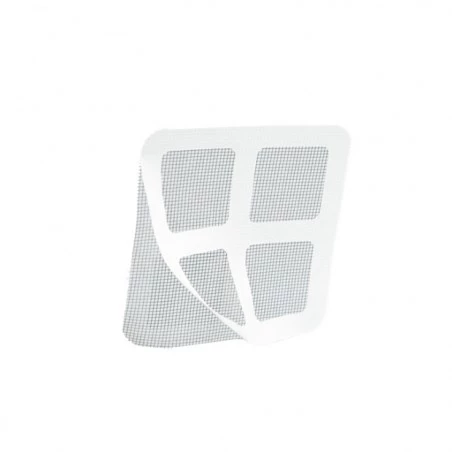
The repair patch pack (€1.50). A small tear in a veil mesh does not mean throwing anything away, and a torn veil is exactly where you do not want a bee getting in.
And an honest warning: no suit makes you immune to stings. Ventilated ones cut the heat and with it the clumsiness and rushing that cause most of the scares, but they close the same way and need checking the same way.
What features should beekeeping clothing have?
Beekeeping clothing has to combine protection, comfort and durability. Among its essential features:
- Full protection: it covers the whole body to prevent stings, using materials the bees cannot get through.
- Hard-wearing material: robust fabrics and reinforced seams that stand up to wear and to snags during work.
- Ventilation: mesh panels in key areas to keep the air circulating and avoid overheating.
- Fit and ergonomics: a design that allows freedom of movement and a proper fit, minimising the risk of the garment shifting while you work.
What fabrics are used for beekeeping clothing?
The fabrics used include 100% cotton, polyester-cotton blends, ventilated suits and polyamide or nylon suits.
- 100% cotton: used in heavyweight suits, where the thickness itself keeps the sting from getting through.
- Polyester-cotton blend: makes the suit lighter without losing the necessary strength.
- Ventilated suits:
- Air model: made of mesh combined with cotton, designed to maximise ventilation in hot climates.
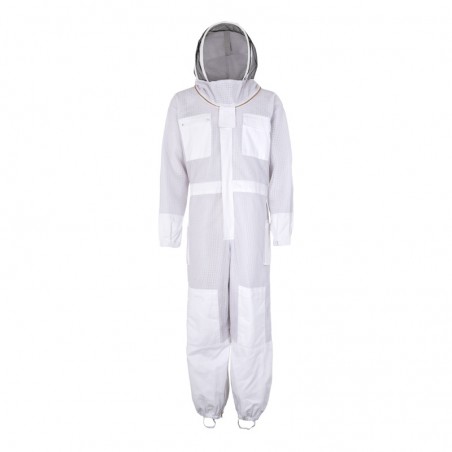
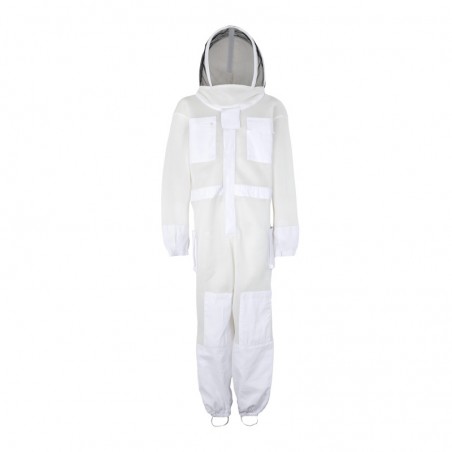
- Three-layer ventilated model: made up of three layers — a soft inner fabric, an intermediate latex mesh and an outer polyester/nylon mesh combined with cotton — striking a balance between protection, comfort and ventilation.
- Polyamide or nylon suits: waterproof and very light, made from fine fabrics that let the bee slide off, reducing the risk of stings.
Is beekeeping clothing unisex?
Yes. Most beekeeping clothing is designed on a unisex basis, offering the same protection and comfort to everyone who wears it.
What clothing does a beginner beekeeper need?
A beginner beekeeper should have a full suit, or a set made up of a jacket with veil and a pair of trousers, together with gloves and boots. It is essential to make sure there are no gaps in the protection, especially at critical points such as ankles and wrists. If any of those areas — the ankles, for instance — is left exposed, gaiters can be added to reinforce the protection.
What is the difference between a ventilated suit and a standard one?
A ventilated suit has mesh panels or triple-layer systems that help the air circulate, giving greater comfort in hot weather and on long days. A standard suit, by contrast, is made from heavier fabrics with less ventilation, prioritising maximum protection in conditions where temperature is less of a factor.
What sizes are available in beekeeping clothing?
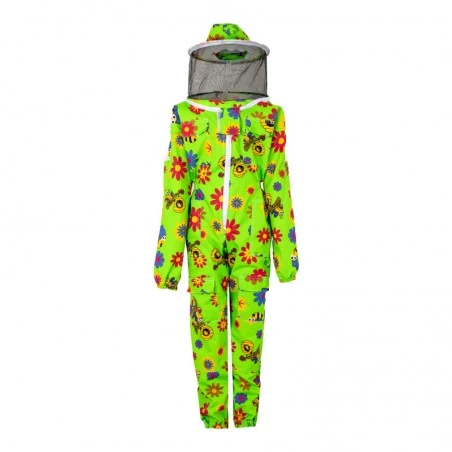
We stock a wide range of sizes for children and adults, from S up to XXXL. Our garments also include elasticated adjustments to suit different builds.
Can beekeeping clothing be washed at home?
Yes, it can be washed at home. We recommend a gentle machine cycle, with cold water and no fabric softener, to keep the fabrics durable. Bear in mind that veils are usually detachable: they are best washed by hand and never in the machine, since a mechanical wash could damage the mesh or the hoop that gives them their shape.
Does beekeeping clothing protect against other insects?
Beekeeping clothing is designed for the bee's sting, and against that it protects well. Against other hymenoptera, the answer depends on the insect.
With common wasps, a suit in good condition and properly closed is usually enough.
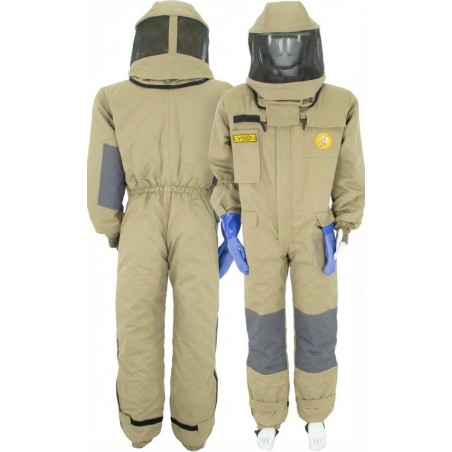
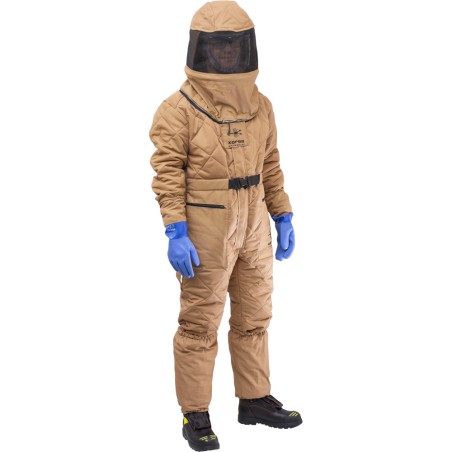
With the Vespa velutina, it is not. Its sting is around 5 mm long and goes through the fabric of a conventional beekeeping suit, which is designed for the bee's far shorter sting. To work on a nest you need dedicated anti-velutina suits, built with separated layers and a physical gap between the outer shell and the skin, with reinforcement at the neck and wrists.
How long does beekeeping clothing last?
With proper care, our beekeeping clothing can last many years. Hard-wearing materials and high-quality seams ensure the garments stand up to the wear of daily work in the apiary.