
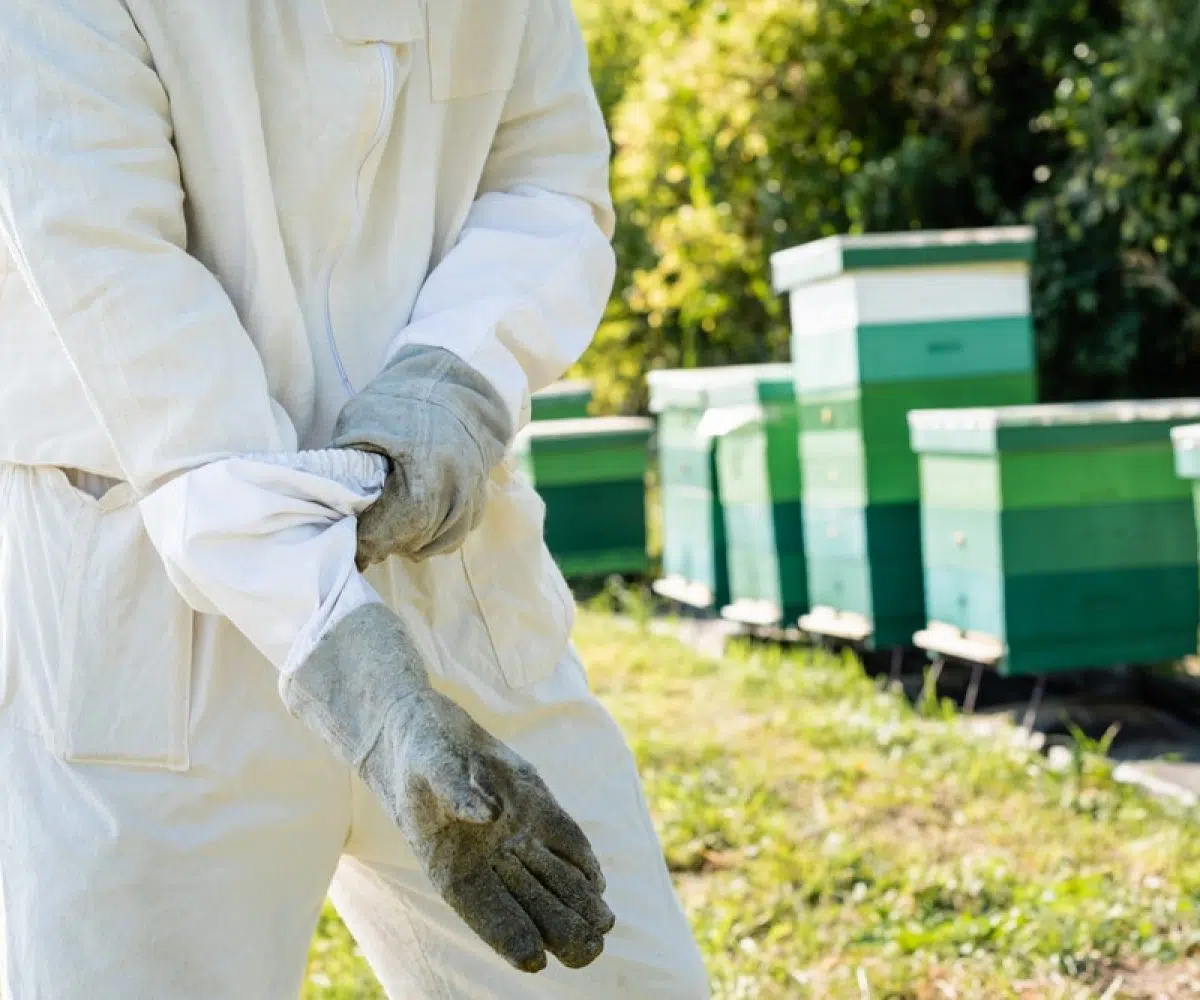
Beekeeper suits not only protect beekeepers from aggressive bees but also help them stay cool on hot days. Combined with a smoker and experience, the risk of being stung is significantly reduced.
If you are new to hive inspections, this guide to beekeeper suits is essential for you. We will explore how they work, the components of a complete outfit, and what to consider before purchasing one.
The beekeeper suit
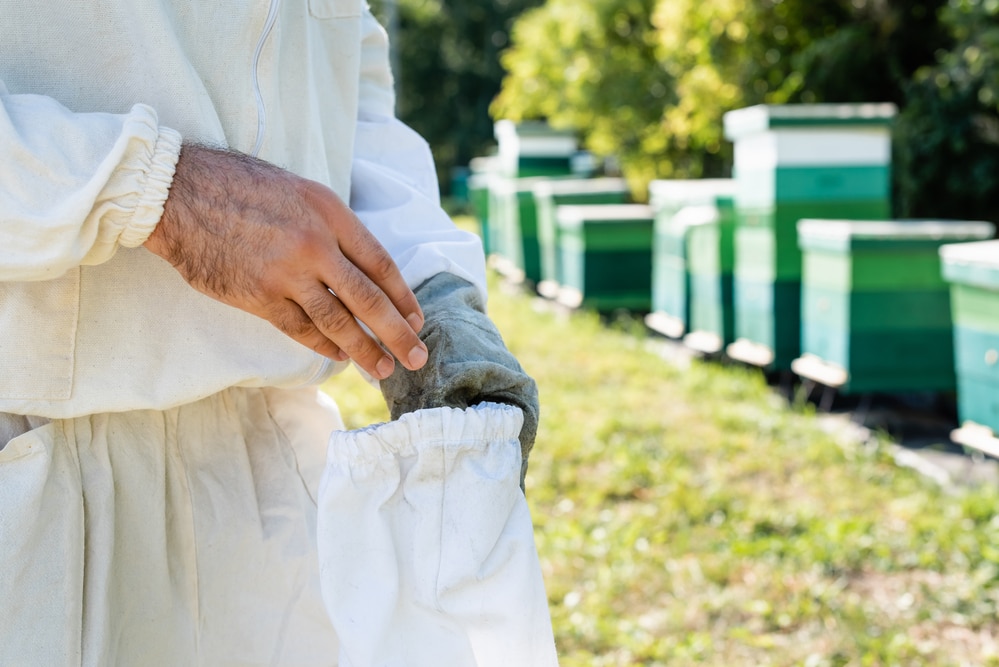
Beekeepers wear special protective clothing to protect themselves from bee stings and stings from other defensive pollinators such as wasps. Modern beekeeper suits consist of a complete coverall, a hooded veil and gloves. Elasticated closures at the ankles and wrists are vital to prevent bees from getting under the clothing and reaching the skin.
Technical Design of a Beekeeper Suit
The design of a beekeeper suit goes beyond simply blocking stings. Key features include:
- Efficient Ventilation: Modern designs incorporate strategically placed mesh layers to improve airflow without compromising protection.
- Optimal Visibility: The veil should provide clear vision while protecting the face and neck. High-visibility materials and designs that minimise glare are essential.
- High-security fastenings: fastenings and elasticated sections must be designed to prevent any gaps through which bees could enter.
- Ergonomics and Mobility: Ease of movement is crucial. Materials must allow for adequate mobility without sacrificing protection.
Buying cheap beekeeper suits from Asian suppliers such as AliExpress or even Amazon can be a mistake in Spain, where bees are more aggressive than in other countries. These lighter suits with thinner fabric do not provide adequate protection against Iberian honey bees. Buying cheap can prove expensive, and it is crucial to seek a local specialist who understands the specific needs of beekeeping in Spain.
At La Tienda del Apicultor, we offer suits designed for Spain’s particular conditions, ensuring safety and effectiveness when working with bees.
Comparison of Materials Used in Beekeeper Suits
The choice of materials in a beekeeper suit must balance protection, comfort, and durability:
Cotton: Beekeeper suits made from thick cotton or a cotton-polyester blend are the most common. With a high fabric weight, such as 290 g/m² offered by La Tienda del Apicultor, cotton provides effective protection against stings. It is valued for its comfort and breathability, especially in warm climates, and its soft texture makes it preferred. The trend towards organic cotton highlights sustainability. Despite these advantages, cotton may be less durable than polyester and can shrink if washed at high temperatures.
Polyester: This synthetic material is valued for its durability, lightweight nature, and resistance to wrinkles and stains, which simplifies washing and maintenance. Suits using polyester or a cotton-polyester blend (polycotton) typically offer robust protection against bee stings. However, polyester has drawbacks in terms of comfort, being less breathable and less soft to the touch than cotton.
Nylon/Polyamide: This material is known for its lightness and durability, and its slippery surface often prevents bees from gripping and stinging. However, its lack of breathability and tendency to burn easily, especially when the hot smoker is brought close to the body, are notable disadvantages.
Ventilated: The ventilated beekeeper suit is unique in design, using multiple layers of material to create an air gap that allows for airflow. Although this provides an excellent balance between protection and comfort, the delicate mesh can be prone to tearing, compromising durability. Special care must be taken when handling sharp objects or when near brambles.
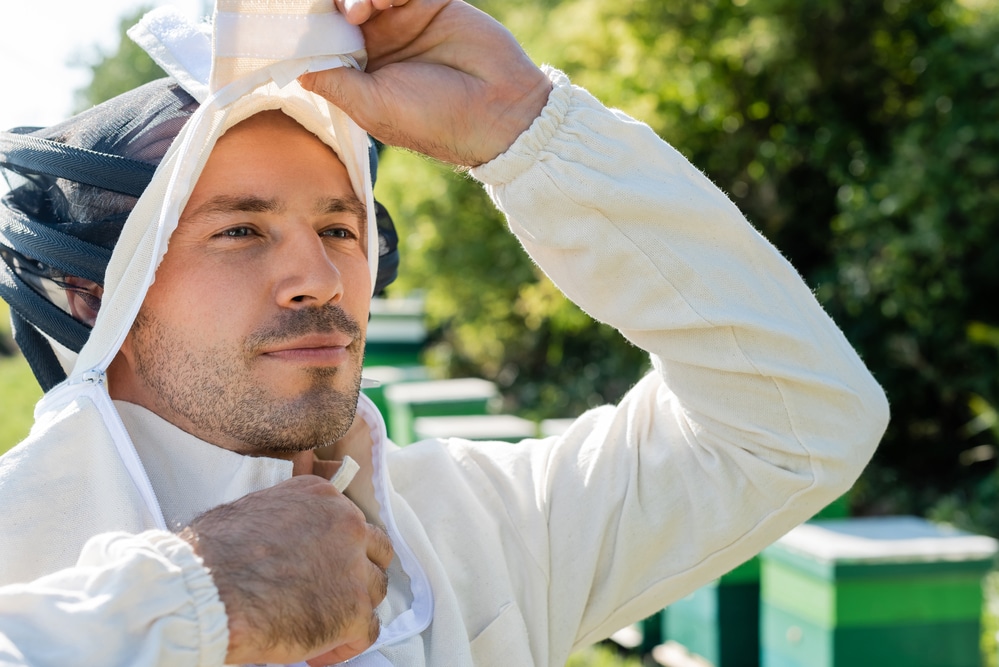
Which is best? The choice of suitable material should be based on factors such as the type of beekeeping activity, climate, budget, and personal preferences, taking into account the previously mentioned characteristics. Additional aspects to consider include the correct suit size, the number and location of pockets, and ease of cleaning. Ultimately, the optimal choice will vary according to each beekeeper’s individual needs and expectations.
Types of veils
Beekeeper suits come with different types of beekeeper veils to protect the beekeeper’s face and head from bee stings. The main types of veils are:
- Fencing Veil: This type has a design similar to the helmet used in fencing. It offers clear visibility and a close fit to the face.
- Round Veil: The round veil has a circular shape and flares out around the head. This provides extra space between the face and the mesh, which may increase comfort, but can sometimes slightly obstruct visibility.
- Square Veil: This type has a square or rectangular design that provides a wide field of view.
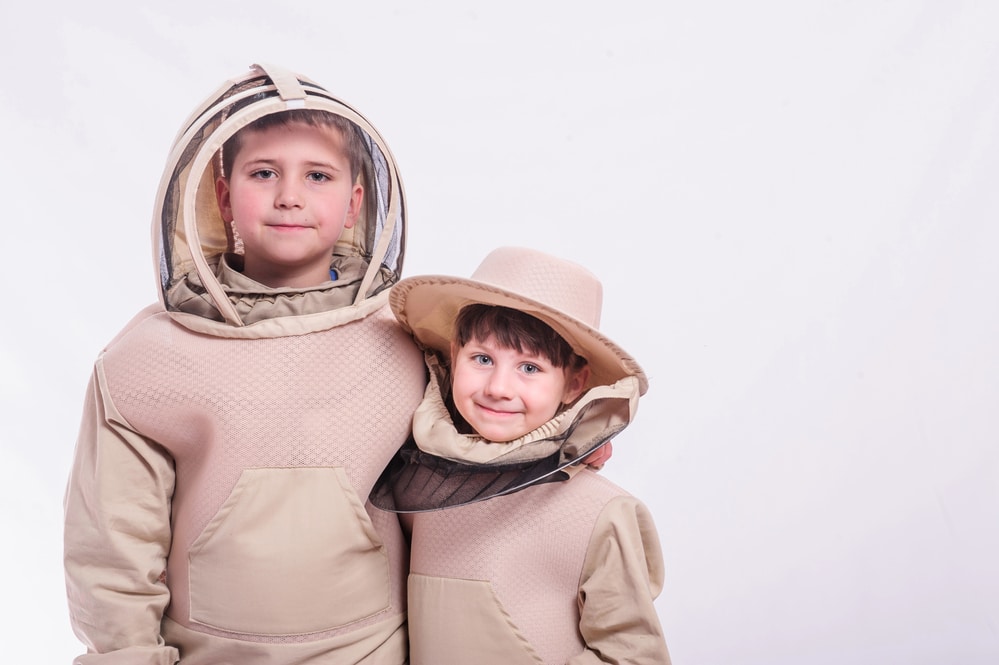
The choice of veil will depend on the beekeeper’s personal preferences as well as the specific requirements of their beekeeping activity. Factors to consider include visibility, comfort, durability, and effectiveness in preventing stings.
What colour should a beekeeper suit be?
The colour of a beekeeping suit is not merely an aesthetic choice; it also has practical implications.
Bees’ vision is fundamental to their interaction with their environment, including interactions with beekeepers. The choice of suit colour must take into account how bees perceive colour.
Traditionally, beekeeper suits are white or in light tones, and there are technical reasons behind this choice:
- Sensitivity to Colours: Bees have a different sensitivity to colours compared to humans. They can see ultraviolet light but not red. White or light-toned beekeeper suits fall outside the range of colours bees perceive as threatening, reducing the likelihood of provocation.
- Perception of Patterns and Nectar Guides: Bees can detect specific patterns on flowers through their ultraviolet vision. These patterns are invisible to humans but serve as nectar guides for bees. A light-coloured suit will not display contrasting patterns that could confuse or alter bee behaviour.
- Visual Memory and Learning in Bees: Bees’ notable ability to learn and memorise colours, scents and shapes suggests that a consistent, non-threatening suit colour will allow for more predictable and controlled interactions with bees.
- Practical Considerations: In addition to interactions with bees, light colours reflect heat and enhance visibility, making it easier to detect potential contaminants on the suit.
In summary, choosing white or light colours for a beekeeper’s suit is not a mere coincidence, but is based on a deep understanding of bee biology and behaviour. Since bees have trichromatic vision and are sensitive to different wavelengths, using these colours aligns with their visual perception, minimising disturbance and promoting safe and effective interaction in beekeeping.
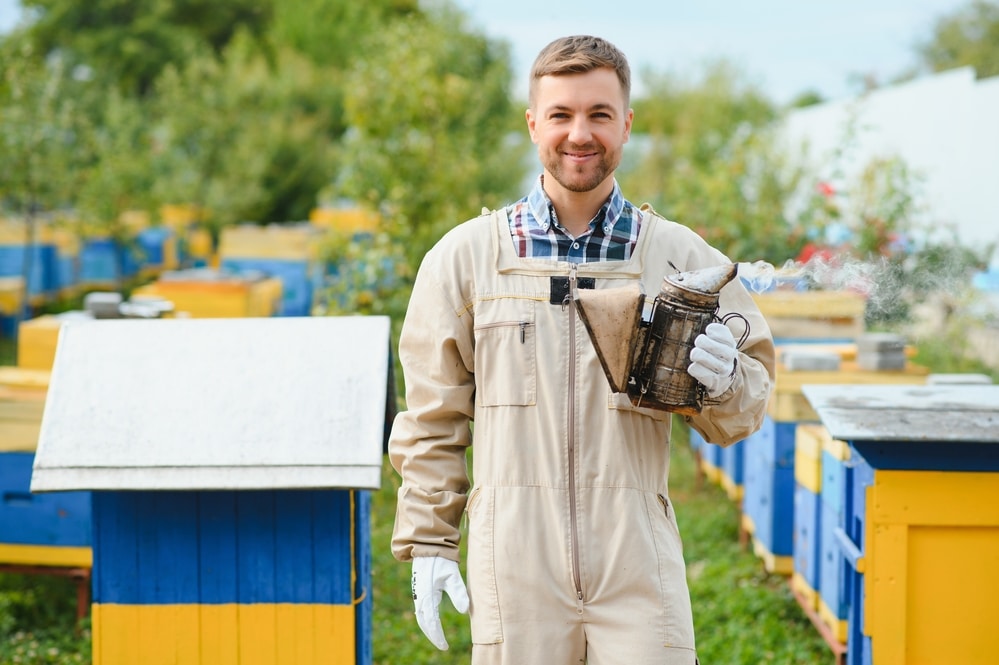
Additionally, a light-coloured suit facilitates visual inspection to detect possible contaminants or bees that may have become attached to the fabric, adding a practical element to the choice of colour.
For these reasons, it is advisable to select a white or light-coloured beekeeper’s suit, as this choice is grounded both in bee biology and practical considerations for the beekeeper, offering a combination of benefits that contribute to more efficient and safer beekeeping practice.
Parts of the Beekeeper’s Suit
The beekeeper’s suit can consist of two pieces (jacket and trousers) or be a one-piece suit (one-piece beekeeping suits):
Jacket – Hood and Face Veil Set:
- Face veil: available in various shapes, including fencing-style, round and square, a veil provides clear vision while fully protecting the face and neck.
- Jacket: Designed to cover the upper body, the jacket usually features elastic cuffs on the sleeves to prevent bees from entering. Often, the face veil attaches to the top of the jacket and is removable.
Trousers:
- Designed to protect the lower body, including the legs, the trousers are equipped with elastic cuffs at the ankles to prevent bees from entering.
- Like the jacket, the trousers may include additional features such as zips, fastenings and pockets, enhancing their functionality. Zips at the lower legs are particularly useful for putting on the trousers without removing boots.
- Although regular denim jeans might be sufficient for a quick hive inspection, it is always recommended to wear these trousers for greater safety.
One-piece Suit – Integrated Hood, Jacket and Trousers:
- This option combines the hood, jacket and trousers into a single piece, offering continuous protection and a secure fit.
- The one-piece suit includes all the features mentioned above, such as zips, fastenings, pockets and ventilation panels, providing comprehensive protection when handling hives.
Tips:
- Choose a size larger to allow for wearing clothing underneath and to facilitate movement.
- Place a magnet in your pocket to hold a hive tool when not in use.
Other protective equipment
Beekeeper’s Gloves
Gloves play a crucial role in the safety and efficiency of beekeeping, offering several advantages:
- Protection Against Stings: Gloves serve as an effective barrier against bee stings, particularly on the hands, which are especially vulnerable areas. Even though some experienced professionals may work without them, for most beekeepers, this protection is vital.
- Prevention of Allergic Reactions: For beekeepers with allergies to stings, gloves are an indispensable defence. Additionally, in non-allergic individuals, multiple stings can trigger adverse reactions, which gloves help prevent.
- Facilitation of Handling: Wearing gloves improves grip on tools and hive frames, minimising accidents and injuries.
- Reduction of Bee Disturbance: Some beekeepers believe gloves reduce agitation in bees, as they may prevent the transmission of scents that disturb them.
- Protection Against Propolis: This sticky substance produced by bees can adhere to the skin. Gloves help keep hands clean.
- Materials and Considerations for Selection:
- Leather: Durable and comfortable, but may retain stingers and be difficult to clean.
- Latex: Offer high sensitivity and ease of cleaning, but may be less durable.
- Nitrile: Resistant and easy to clean, but may offer less tactile feedback.
- Size: Should be appropriate to allow easy handling without restricting movement.
- Length: Varies according to the need to protect the forearm and part of the arm.
- Additional Considerations: When choosing gloves, factors such as climate, bee aggression and personal preferences regarding comfort and tactile sensation should be taken into account.
In summary, although some beekeepers choose to work without gloves to achieve greater tactile sensation, glove use is generally recommended, especially for beginners. Selection should be careful, considering the needs and specificities of the work in each hive.
Beekeeper’s Boots
In beekeeping, choosing the right boots is essential to ensure both protection and mobility in various terrain conditions. Here are the key considerations:
- Ankle Protection: Boots should provide adequate protection in the ankle area to prevent stings in this sensitive region. Height and fit of the boots are important factors to consider.
- Suitability for Uneven Terrain: Beekeepers often need to move across mountainous terrain with mud, stones and irregularities. Trekking boots may therefore be an excellent option. These boots are designed to provide optimal grip and support, facilitating mobility on difficult ground.
- Toe Protection: When carrying hives or heavy objects, it is important that boots are resistant at the toes to prevent damage. Boots with toe protection can offer additional safety.
- Material and Comfort: The choice of material is also crucial. Boots should be comfortable to wear for long periods and allow adequate breathability to prevent sweating. At the same time, they should be easy to clean and maintain.
- Compatibility with Beekeeping Clothing: Boots should be compatible with the rest of the protective equipment, including trousers with elastic cuffs at the ankles. This ensures full protection and comfortable mobility.
In summary, boots used in beekeeping should be carefully selected, considering protection, mobility on difficult terrain, durability and comfort. Trekking boots, due to their robust and versatile design, may be a suitable option for many beekeepers.
Conclusion
Beekeeping suits provide protection against hot weather, aggressive bees and other stinging insects. They consist of a full suit with hooded veil, gloves and boots.
Depending on your experience and personal preference, you may decide whether to wear a beekeeper suit or not. We encourage people to do so. It may not be the most comfortable kit, but it is far better than facing an angry swarm without protection.
The beekeeper’s suit is an essential element in beekeeping management, with technical details that go beyond simple protection against stings. The correct selection and use of the suit are fundamental for safe and efficient beekeeping. The choice of the appropriate suit will depend on a variety of factors, including the beekeeper’s experience, weather conditions, and budget. Through a deep understanding of these aspects, beekeepers can work with confidence and efficiency in their rewarding profession.
Frequently asked questions
Why are beekeeping suits white?
Beekeeping suits are predominantly white because bees tend to be less aggressive towards light colours. Dark colours may provoke greater defensiveness in bees, as they resemble their natural predators such as bears and birds. White also reflects sunlight, which may help keep the suit cooler for the beekeeper.
Can you still be stung through the suit?
Yes, it is possible to be stung through a beekeeping suit, although suits are designed to minimise this risk. Several factors may contribute to the possibility of a sting:
- Suit fit: If the suit is too tight and adheres to the skin, particularly if the beekeeper sweats, a bee’s stinger could reach the skin through the fabric.
- Clothing worn under the suit: Wearing light or inappropriate clothing underneath the suit may reduce protection. Additional, looser clothing worn beneath the suit can provide an extra layer of protection and reduce the risk of stings.
- Suit quality and design: Beekeeping suits vary in design and quality, and some may offer greater protection than others. A higher-quality suit with thoughtful design will provide better protection.
- Handling bees: The way bees and the hive are handled can also influence the risk of stings. Calm and careful handling can reduce bee agitation and therefore lower the risk of stings.
Careful selection of the suit, wearing appropriate clothing underneath, and careful handling of bees can further reduce the risk of being stung through the suit.
Where can I buy a beekeeping suit?
Purchasing an appropriate beekeeping suit is essential for protection and comfort when managing bees. In Spain, particularly, where the Iberian bee strain may be more aggressive, it is crucial to choose a suit designed to provide adequate protection.
- Local specialist stores: In Spain, it is advisable to purchase from local specialist stores that understand the specific needs of regional beekeepers. ‘La Tienda del Apicultor’ is an example of a supplier focused on providing suits designed for local conditions, ensuring the correct quality and thickness of material.
- Avoid generic Asian suppliers: buying suits from sites such as AliExpress or Amazon can be a mistake, as suits designed for Asian or other markets may be lighter and thinner. They may not provide sufficient protection against Iberian honey bees, putting the beekeeper’s safety at risk.
- Research and read reviews: If you decide to search online, ensure you research and read reviews about the suit and the supplier. This will help you make an informed decision.
Purchasing a beekeeping suit should be a careful decision, and choosing a local, specialist supplier such as ‘La Tienda del Apicultor’ may be a smart option. Cheap may cost more in the long run, and a suitable suit is an investment in your safety and success as a beekeeper.
Should I wear clothing underneath?
Yes, clothing should be worn underneath the beekeeping suit, and there are several reasons that justify this practice. First, clothing provides an additional layer of protection against bee stings. Moreover, clothing helps maintain a barrier between the suit and the skin, preventing the suit from adhering too closely to the skin, which could increase the risk of stings.
Clothing worn underneath the suit can also improve the beekeeper’s comfort. Depending on weather conditions, suitable clothing underneath the suit can help provide extra warmth on cold days.
Hygiene is another important consideration. Underwear absorbs sweat and maintains personal hygiene, particularly if the suit is shared among several people or not washed frequently.
Beekeeping suits are predominantly white because bees tend to be less aggressive towards light colours. Dark colours may provoke greater defensiveness in bees, as they resemble their natural predators such as bears and birds. White also reflects sunlight, which may help keep the suit cooler for the beekeeper.
Yes, it is possible to be stung through a beekeeping suit, although suits are designed to minimise this risk. Several factors may increase the likelihood of a sting:
- Suit fit: if the suit is too tight and lies against the skin, particularly when the beekeeper is sweating, a bee’s sting may reach the skin through the fabric.
- Clothing worn under the suit: light or unsuitable clothing may reduce protection. Additional, looser clothing beneath the suit can provide an extra protective layer and reduce the risk of stings.
- Suit quality and design: Beekeeping suits vary in design and quality, and some may offer greater protection than others. A higher-quality suit with thoughtful design will provide better protection.
- Handling bees: The way bees and the hive are handled can also influence the risk of stings. Calm and careful handling can reduce bee agitation and therefore lower the risk of stings.
Careful selection of the suit, wearing appropriate clothing underneath, and careful handling of bees can further reduce the risk of being stung through the suit.
Purchasing an appropriate beekeeping suit is essential for protection and comfort when managing bees. In Spain, particularly, where the Iberian bee strain may be more aggressive, it is crucial to choose a suit designed to provide adequate protection.
- Local specialist stores: In Spain, it is advisable to purchase from local specialist stores that understand the specific needs of regional beekeepers. ‘La Tienda del Apicultor’ is an example of a supplier focused on providing suits designed for local conditions, ensuring the correct quality and thickness of material.
- Avoid generic Asian suppliers: buying suits from sites such as AliExpress or Amazon can be a mistake, as suits designed for Asian or other markets may be lighter and thinner. They may not provide sufficient protection against Iberian honey bees, putting the beekeeper’s safety at risk.
- Research and read reviews: If you decide to search online, ensure you research and read reviews about the suit and the supplier. This will help you make an informed decision.
Purchasing a beekeeping suit should be a careful decision, and choosing a local, specialist supplier such as ‘La Tienda del Apicultor’ may be a smart option. Cheap may cost more in the long run, and a suitable suit is an investment in your safety and success as a beekeeper.
Yes, clothing should be worn underneath the beekeeping suit, for several reasons. First, it provides an additional layer of protection against bee stings. It also maintains a barrier between the suit and the skin, preventing the suit from lying too closely against the skin and increasing the risk of stings.
Clothing worn underneath the suit can also improve comfort. Depending on the weather, suitable clothing can provide extra warmth on cold days.
Hygiene is another important consideration. Underwear absorbs sweat and helps maintain personal hygiene, especially if the suit is shared or not washed frequently.

ISNI 0000 0005 1801 1100 | Joshua Ivars is the manager of LA TIENDA DEL APICULTOR and the author of this blog, where he shares technical and practical guidance for beekeepers. Drawing on extensive experience in the beekeeping sector, he offers advice and solutions based on beekeepers’ real needs, sharing his knowledge of equipment and essential beekeeping practices.


