
-
Beehives
- Complete beehive
- Accessories
-
Nuc hives
- Nucs by format
- With bees & mating
- Spare parts
-
Bee equipment
- For the apiary
- For the beekeeper
-
Clothing
- Clothing Accessories
-
Beeswax
-
Pure beeswax
- Beeswax and foundation
- Beeswax foundations
- Melting and rolling beewax
-
Pure beeswax
-
Bee feed
- Accessories and source materials
- Utensils
-
Bee health
- Varroa Treatments
- Diseases control
- Nutraceuticals
-
Extraction and bottling
- Before extraction
- Honey extraction
- After extraction
-
Bee pollen
- Harvest
- Indicted
-
Honey packaging
- Flasks per utility
- Flasks by size
- Other packaging
 Apipasta with vitamins 15kg
 Beecomplet® Spring 14Kg
 Beekeeper suit with round veil
 Oxalic acid 1kg
 Beeswax Foundation 5kg
 Fresh royal jelly 20g
 Classic honey jar 1kg comb-lines TO77 - Pack of 16 units
 Promotor L Apis 1 litre
Beehives
Complete hives and parts in the three systems used in Spain — Langstroth, Dadant and Layens — in wood, plastic and polystyrene, plus floors, supers, frames, entrances and spares.
- Complete beehive
- Accessories
Categories
Hive type
Material
Number of frames
Brand
Price
-
€0.00 - €5,195.00
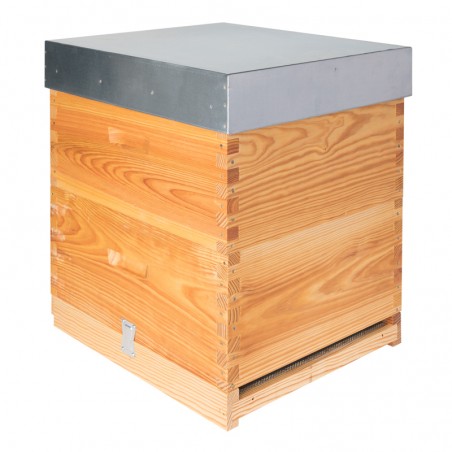
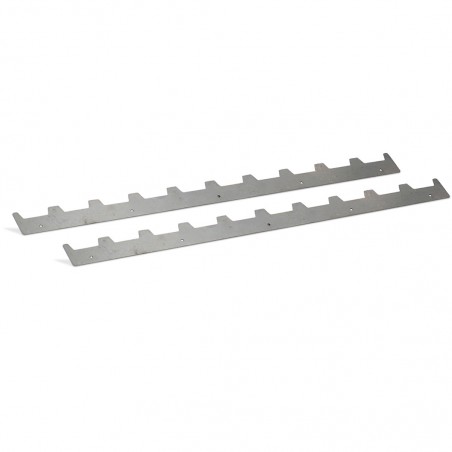
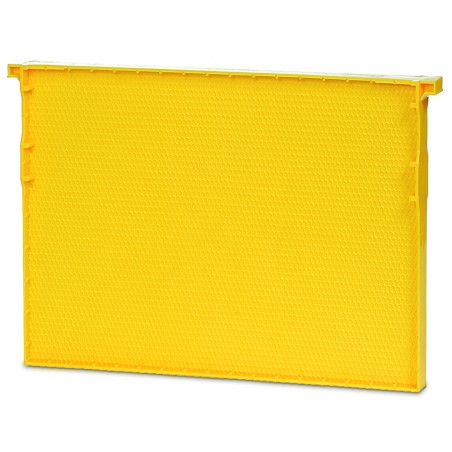
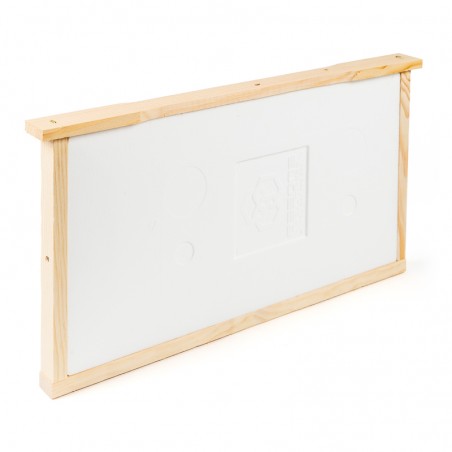
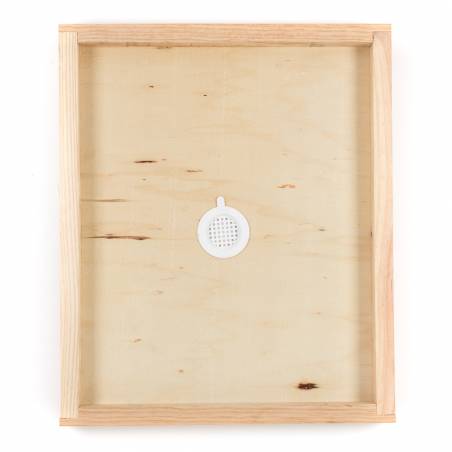

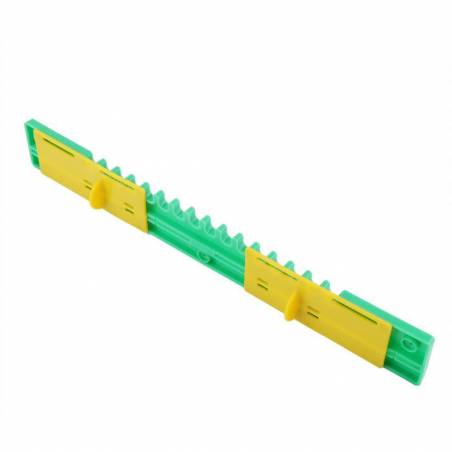
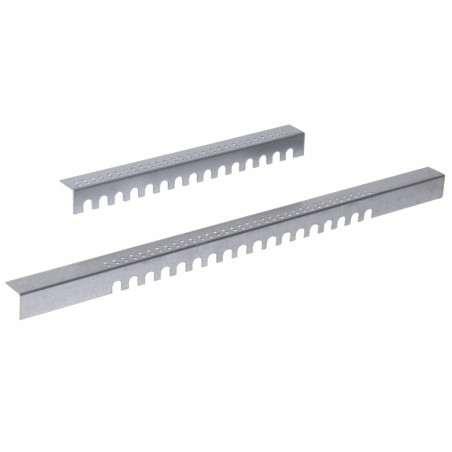
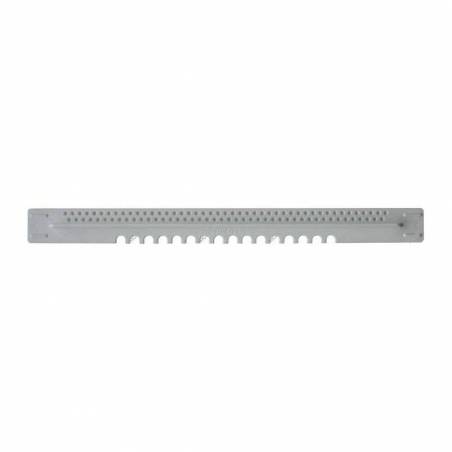
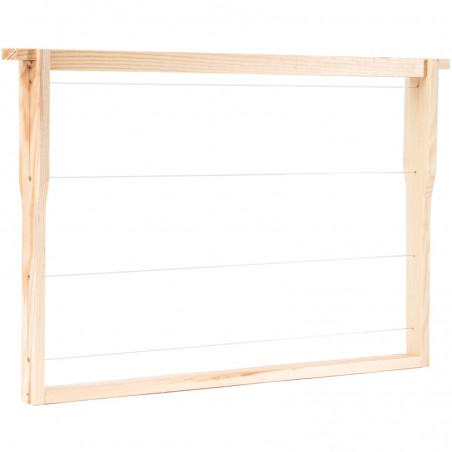
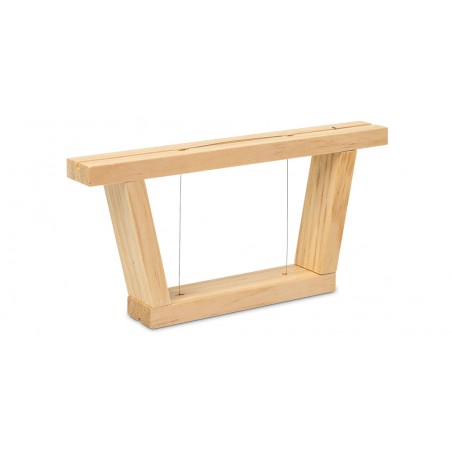

How to choose your hive based on how you work
Choosing a hive isn't just about buying “the most popular one” or the cheapest. The right choice depends on how you're going to work: your climate, your nectar flows, whether you practise migratory beekeeping, your storage space and the labour you have available. If you want a simple, sturdy option with a lower initial investment, the Layens still makes a lot of sense, especially in migratory beekeeping or when you want to work with a single box and less extra equipment. That said, since it has a fixed volume, it demands closer attention during strong flows: if the hive gets blocked and you don't harvest in time, you can lose part of the potential honey income.
If you prefer more modular beekeeping, with more management options and a better separation between brood and honey, I'd look at super-based hives like Langstroth or Dadant. The Langstroth has a practical advantage: it greatly simplifies logistics because it works with a very standardized frame format. The Dadant, on the other hand, I particularly like when you want a large brood chamber, good wintering and more manageable supers for harvesting. My advice is not to mix formats without need: choose one system and be consistent with frames, foundation, feeders, supers, extractors and spare parts. Switching models halfway costs you dearly in duplicated equipment and time.




Beehives
What really decides a hive purchase is not the material or the finish: it is the frame size. That number ties you down for years, because supers, foundation, spares and even swapping frames with the beekeeper next door all depend on it. The material is chosen afterwards.
The three systems, by frame size
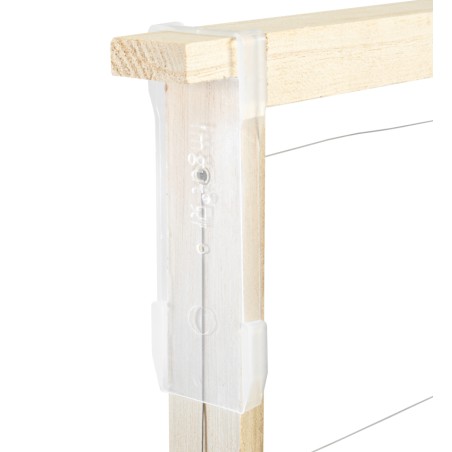
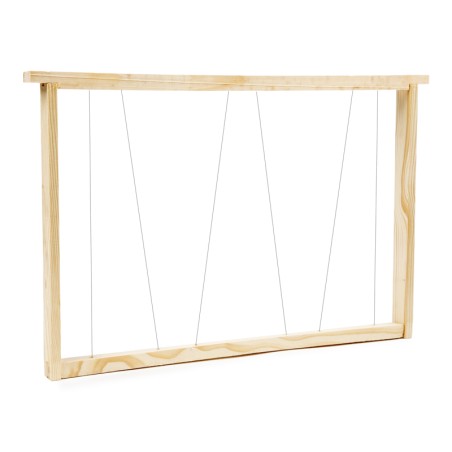
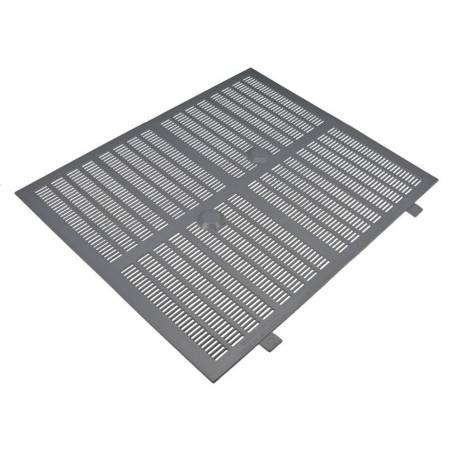
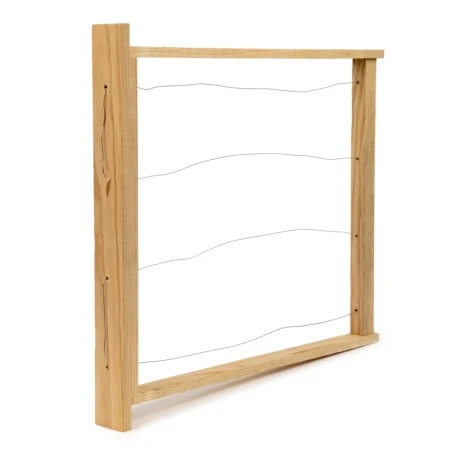
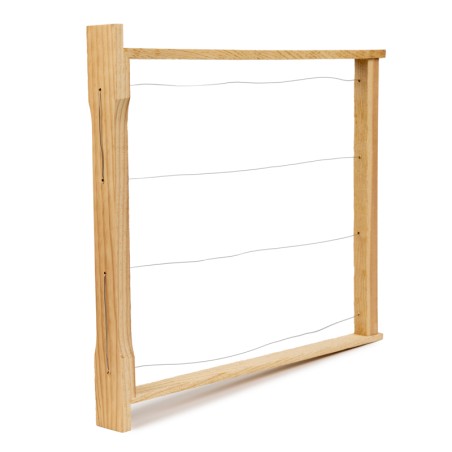
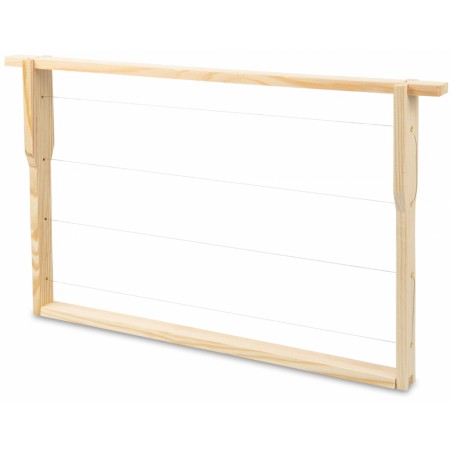
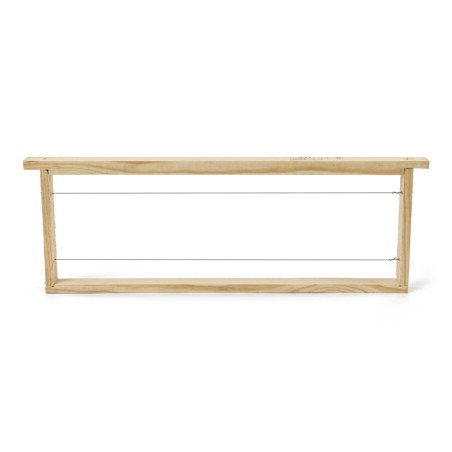
- Langstroth — 42 × 20 cm frame, the same in brood box and in a full super; body of around 42 litres. A vertical 10-frame hive and the most versatile: it works well for handling supers, migratory beekeeping and splits. At peak development the brood box can fall short, and it demands storage space for supers and combs.
- Dadant — 42 × 27 cm brood frame and 42 × 13 cm shallow super; body of around 54 litres. Large brood chamber, good separation between brood and honey, and comfortable wintering on a single body. In exchange: body and super do not share a frame, the initial cost is higher and full supers are heavy.
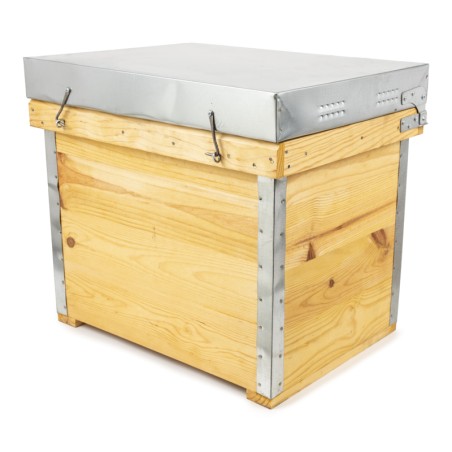
- Layens — 35 × 30 cm frame and around 68 litres, horizontal management and normally no supers. Less investment and less storage, and very easy to move. The trade-off is that brood and honey share the same space, which complicates treatment traceability and forces you to harvest at exactly the right moment.
Two rules that save trouble. If you expand an apiary, do not mix standards: sticking to one is what lets you move a frame from one hive to another and share spares. And before deciding, look at what beekeepers in your area use, because that is where your foundation and second-hand equipment will come from.
Material: chosen after the system
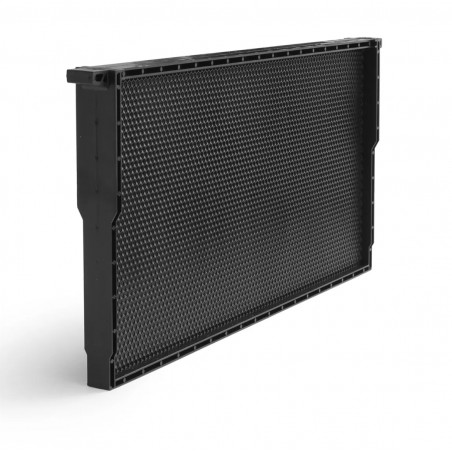
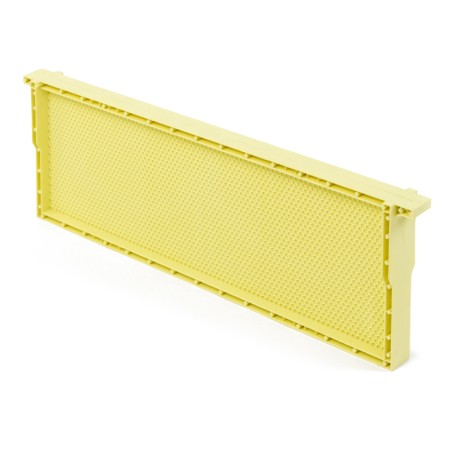
You can compare wooden hives, plastic hives and frames and polystyrene hives. The material changes the weight, the maintenance and the way you handle the hive, but it does not change the frame size: first fix the system, then choose what the box is made of, always checking that compatible components are available.
What it costs and what is included
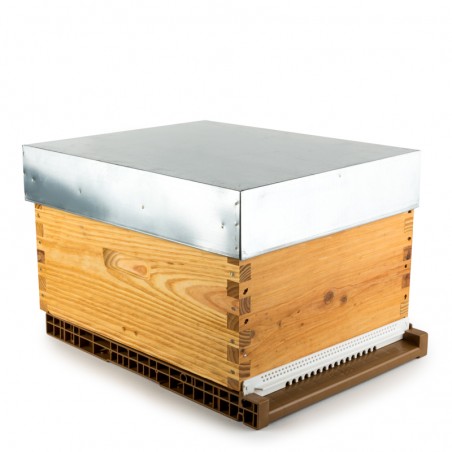
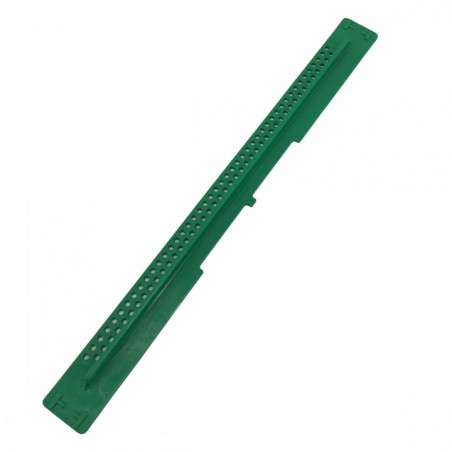
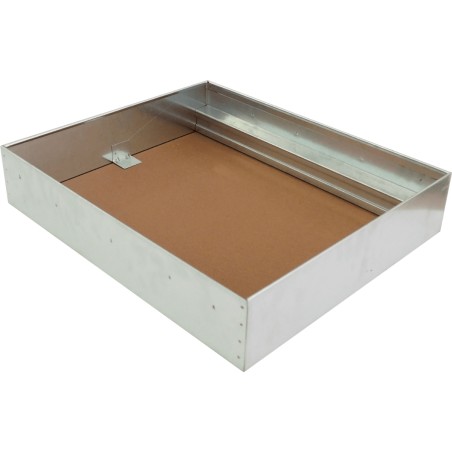
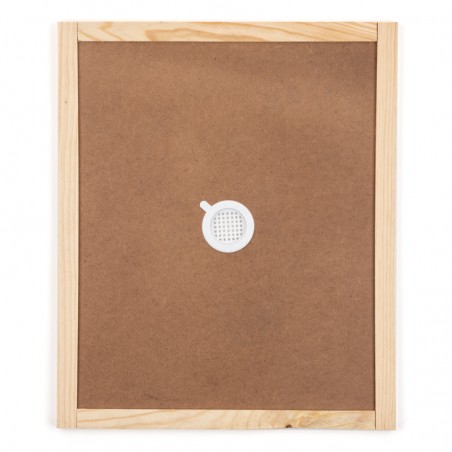
A complete fixed hive starts at around €70: the standard Langstroth is €69.95, the Dadant Blatt with frames €72.95 and the 10-frame Layens with super €72.95. What moves the price within that band is not so much the system as what comes inside: whether it includes frames, a super, a screened floor or comes assembled.
That is why, when comparing prices between shops, the difference is almost always in what "complete" means. Check on the product page whether it is delivered assembled or in parts, how many frames it carries and whether foundation is included. For observation, Warré, Top Bar or other designs, see the special hives, which are a different matter: a glass-sided one is around €290 and a Flow Hive is over €1,000.
How many kilos of honey per hive?
Honey production varies considerably depending on several factors: the type of bees, the geographical location and the flowering species, weather conditions, management, migratory movements and the beekeeper's skill. Even so, a general estimate is that a healthy hive can produce between 15 and 50 kilograms of honey a year.
How and where should bee hives be placed?
There are several important factors to weigh when siting bee hives:
Location: Choose a spot that gives the bees access to a variety of flowers and to fresh water. Ideally it should be sheltered from strong winds, preferably facing east or south, and easy to reach for hive management. It also matters that the ground does not flood and drains well.
Layout: Set the hives out in groups or circles rather than a straight line, with the entrances facing east or south. Raise the hives off the ground and tilt them slightly forward.
Legal requirements: Comply with local rules on minimum distances and avoid becoming a nuisance to people and animals nearby.
Number of hives: How many depends on the forage available, the climate and how much work you can take on. Avoid overcrowding, so that honey production stays at its best.
What types of hive are there?
There are several types of hive, each with its own advantages and drawbacks. The most common include:
Langstroth hive: The most widespread model, used by beekeepers the world over, built on the bee space principle. It grows vertically (supers are added on top) and its frames are movable, which makes handling and inspection straightforward.
Dadant hive: Similar to the Langstroth but with a larger brood chamber. It is especially popular in France, as well as in other parts of the world.
Layens hive: A horizontal hive with large frames, widely used across the southern half of Spain. It is not normally worked with supers.
Warré hive: A vertical model with frames smaller than the Langstroth's. Boxes are added underneath (the opposite of the Langstroth or Dadant, where they go on top), imitating the natural growth of the colony.
Top Bar or Kenyan hive: A horizontal hive without frames. The bees build their comb from top bars, which allows a more "natural" beekeeping but is also more labour-intensive.
Can a fixed-site hive be moved?
It can, and this is the most common misunderstanding in the catalogue. The two builds we list are not about where the hive stands, but about how it is put together.
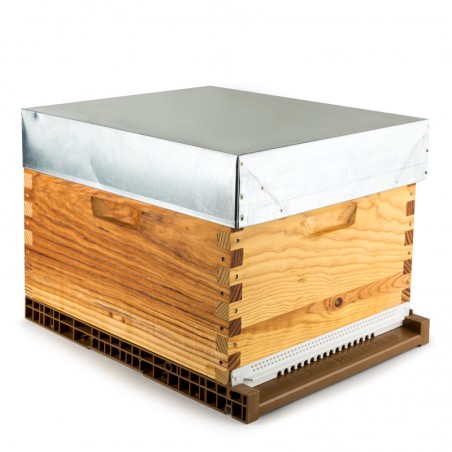
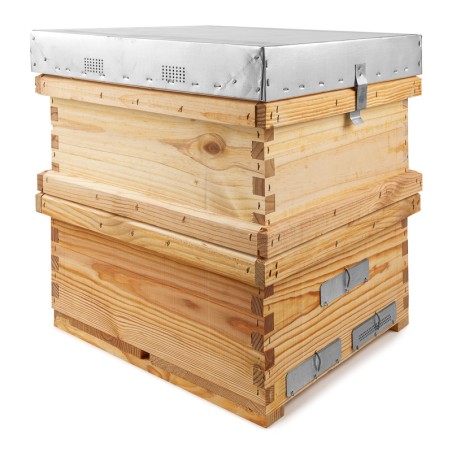
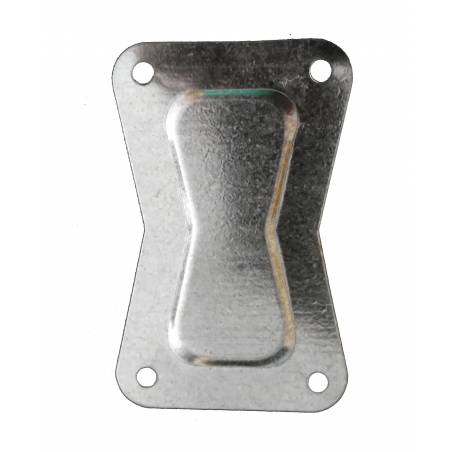
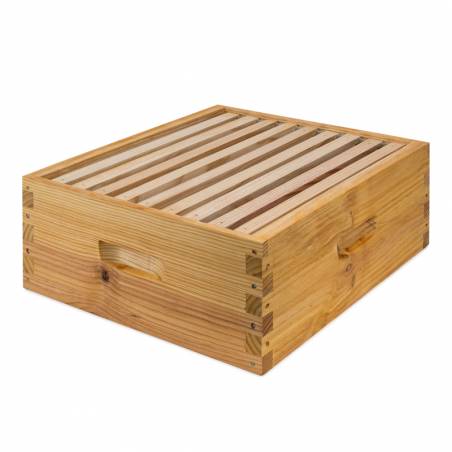
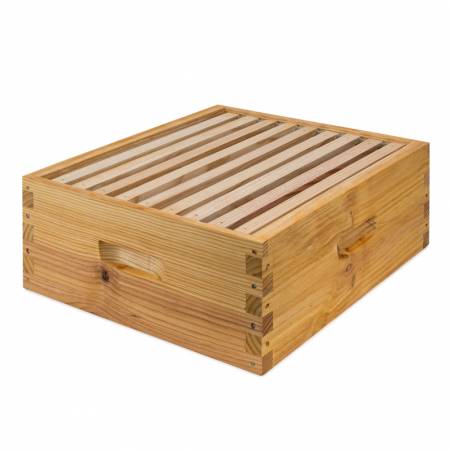
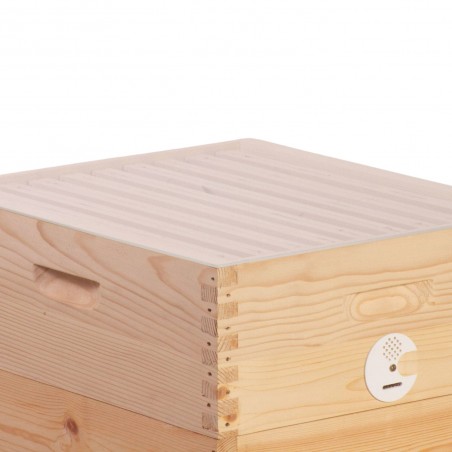
On the fixed-site build the floor is a separate part and the boxes are plain, with the handhold cut into the timber itself. The parts simply rest on one another, so to move the hive you have to lock them together: fixing clips between floor, brood box and supers do exactly that.
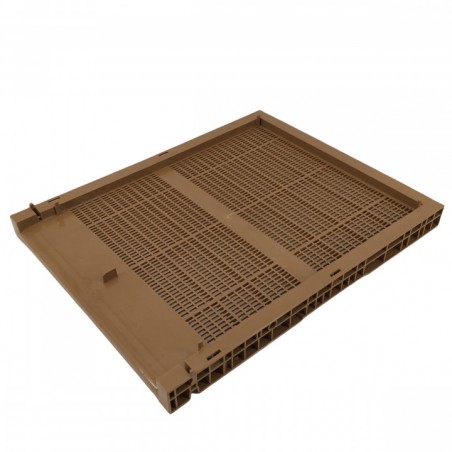
On the migratory build the floor comes integrated with the brood box and every box carries battens — the strips that stand proud around it. That is where a crane or a grab takes hold without the hive coming apart, and it is also why there is no projecting landing board: it would get in the way when the hives are stacked tight in the lorry.
Each has its ground. The fixed-site build gives you more room to work — changing the floor, running a double brood box or replacing a single part is immediate. The migratory build is more compact and made for mechanised handling: loading and unloading many hives quickly. Which one suits you depends on how you work: if beekeeping is not your living and you shift the apiary once or twice a year, the fixed-site build with its clips usually fits better, because handling matters more to you than loading.