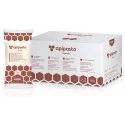
 Apipasta with vitamins 15kg
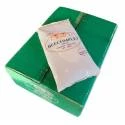 Beecomplet® Spring 14Kg
 Beekeeper suit with round veil
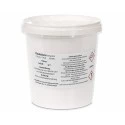 Oxalic acid 1kg
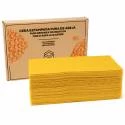 Beeswax Foundation 5kg
 Fresh royal jelly 20g
 Classic honey jar 1kg comb-lines TO77 - Pack of 16 units
 Promotor L Apis 1 litre


 Share in WhatsApp
420 × 510 mm TRIMMABLE | 17-20 °C TO HARVEST |
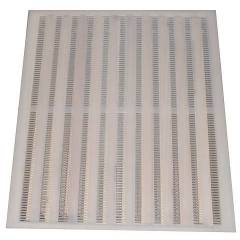
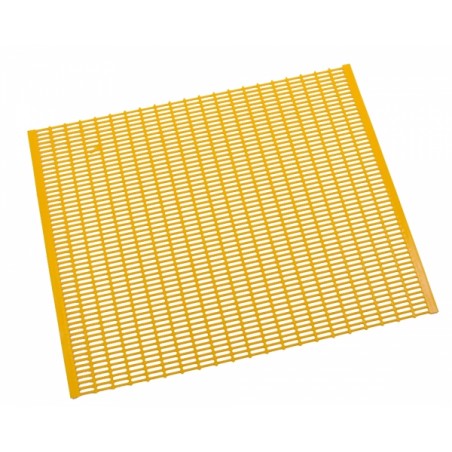
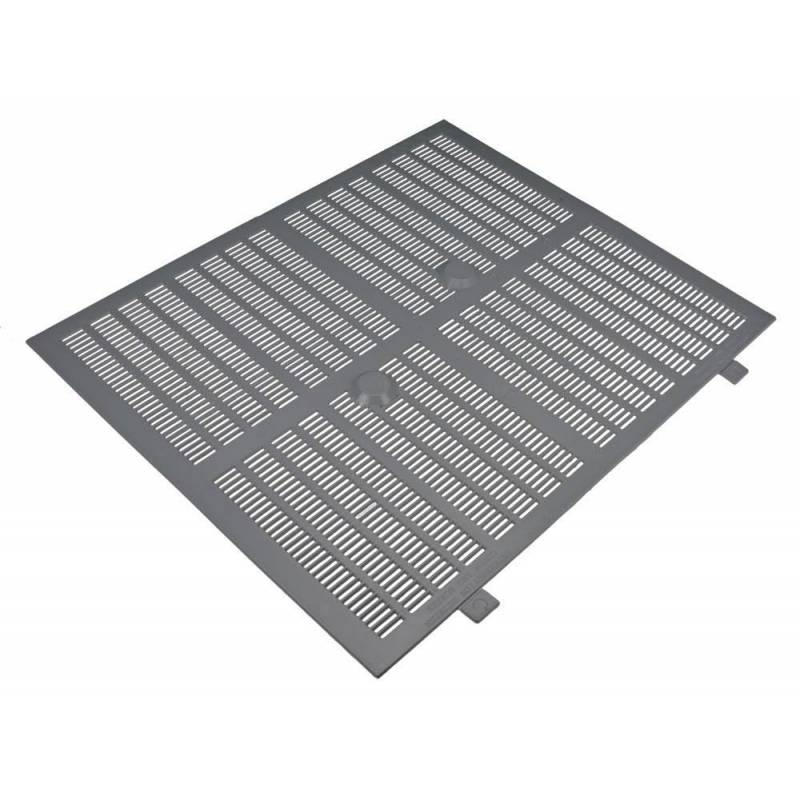
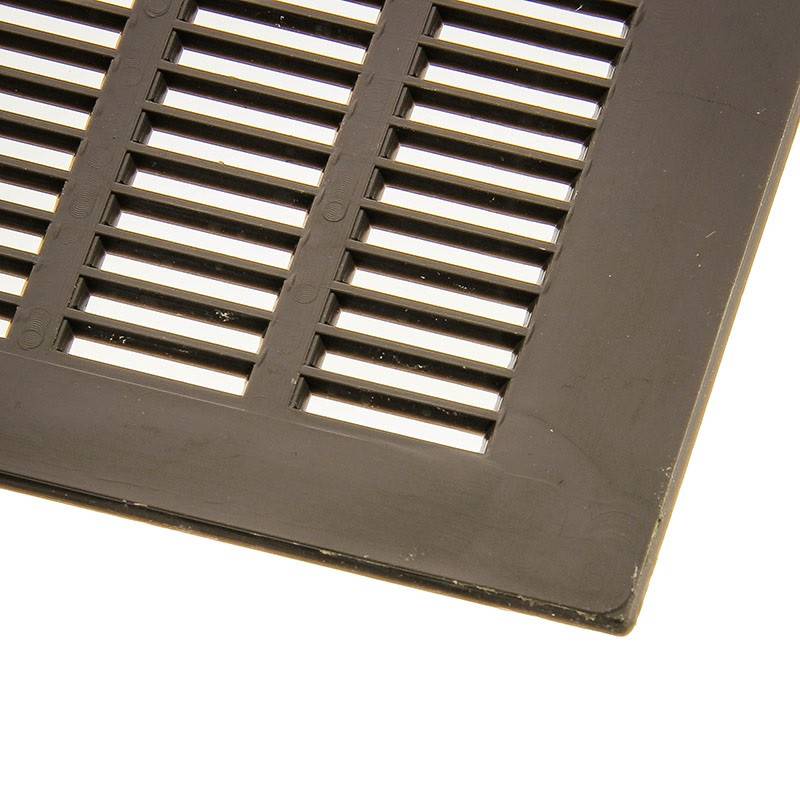
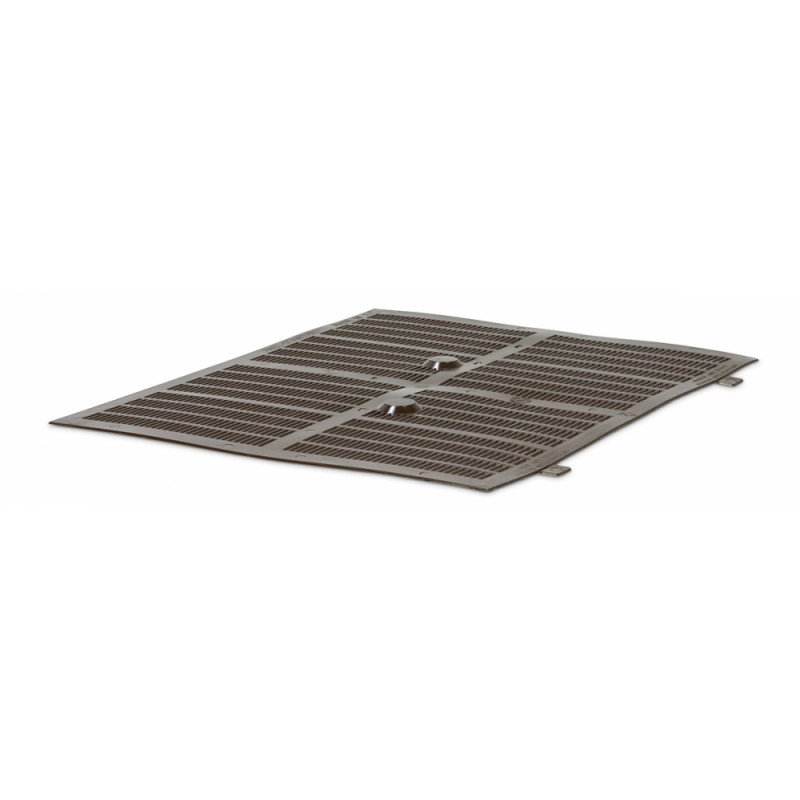
The soft polyethylene propolis screen is the flexible version of the classic rigid panel.
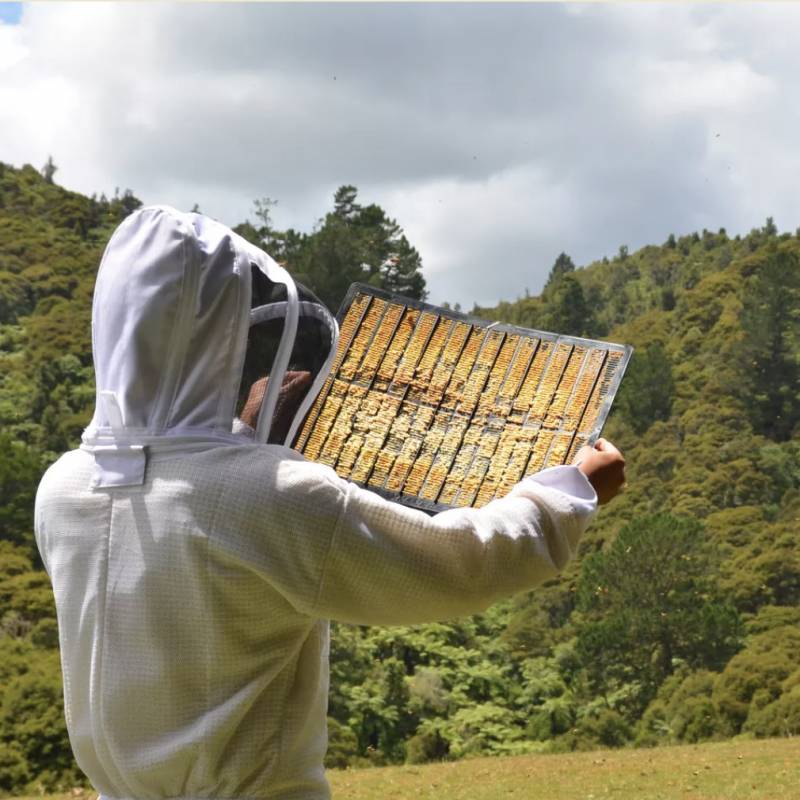
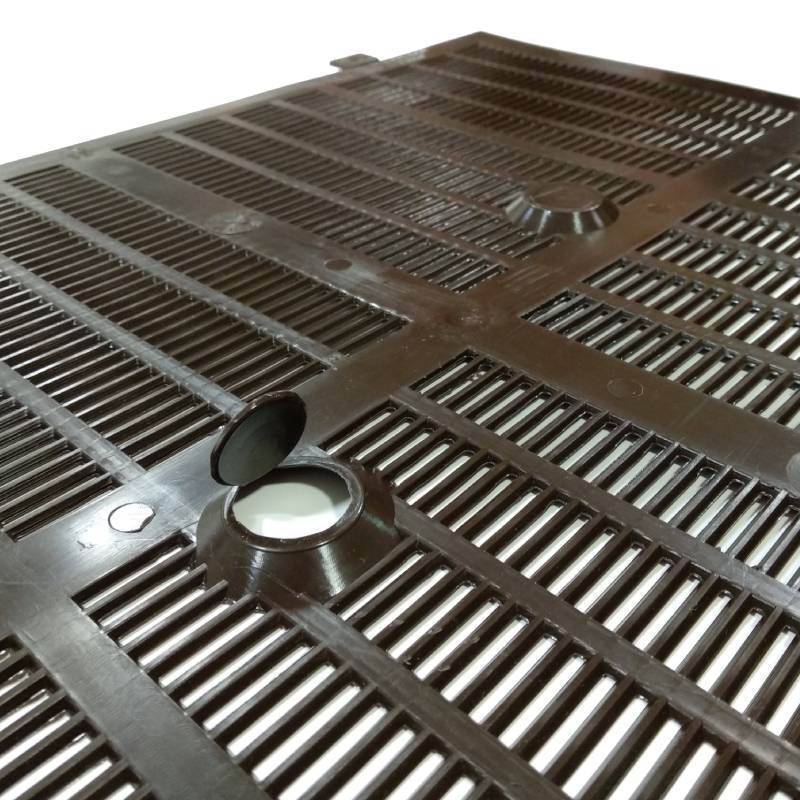
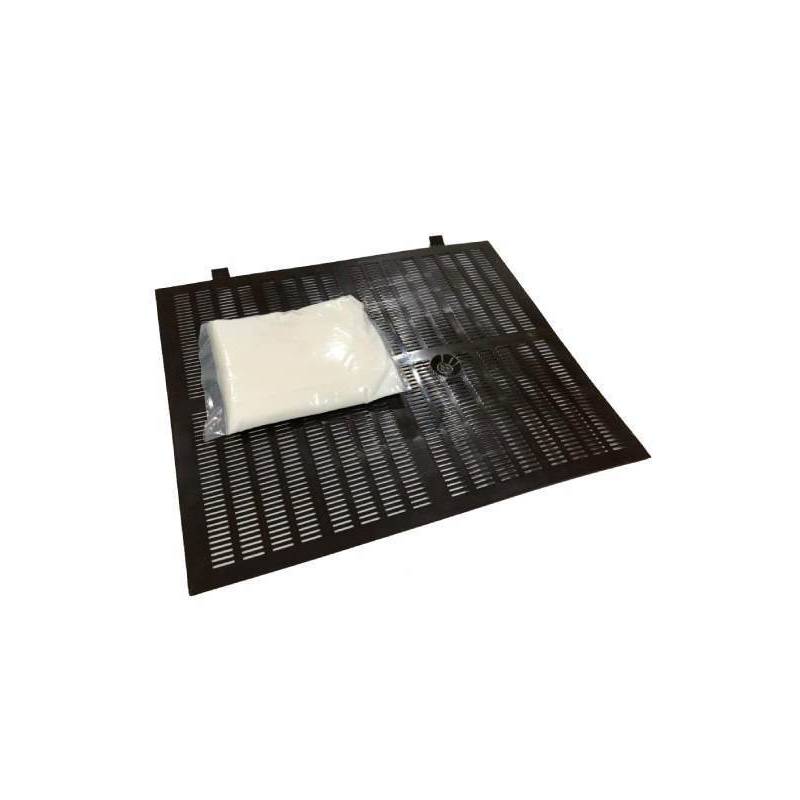
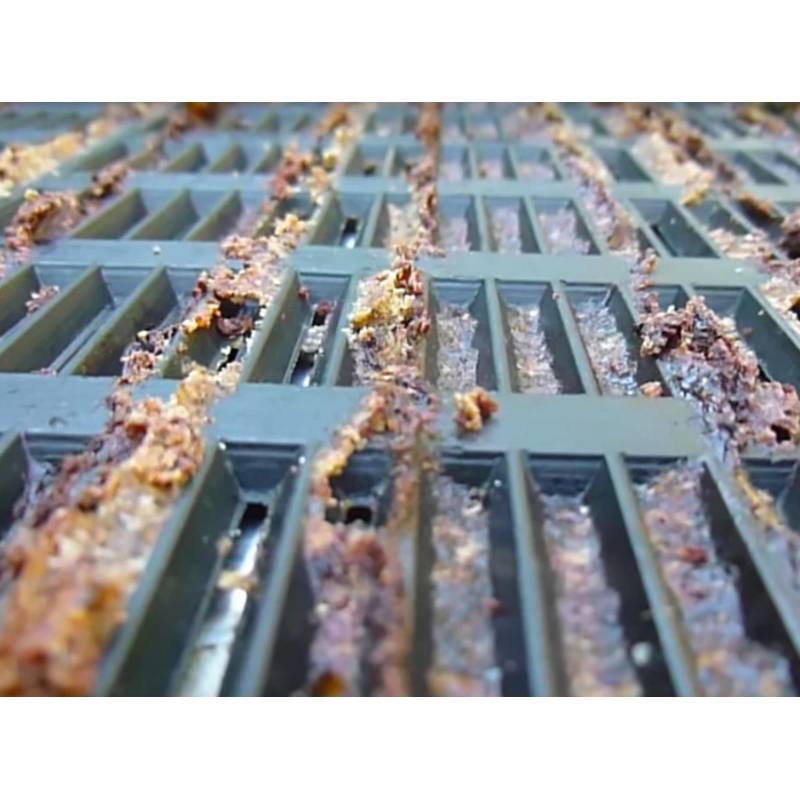
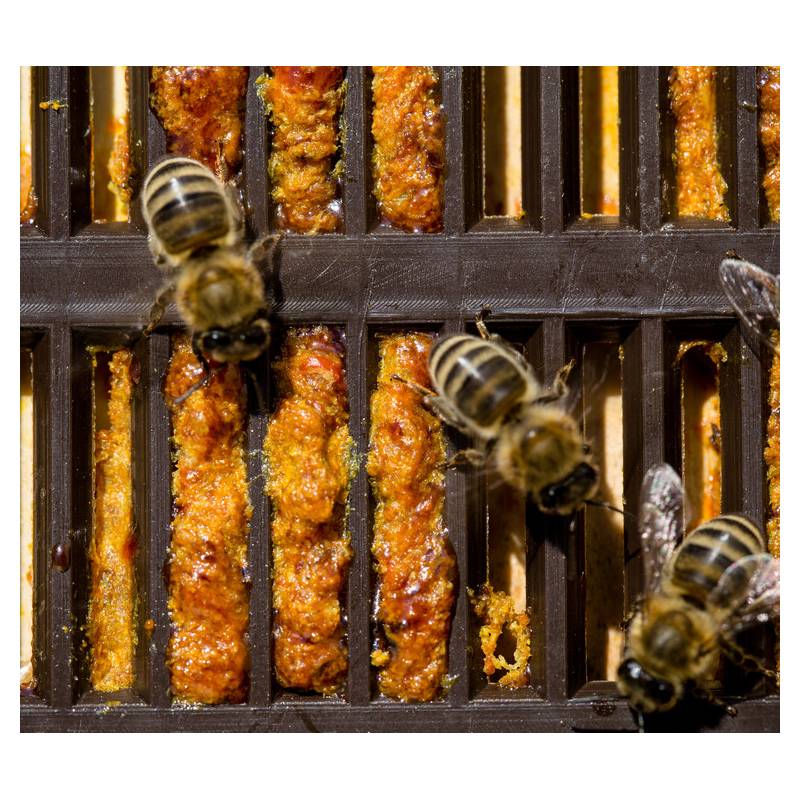
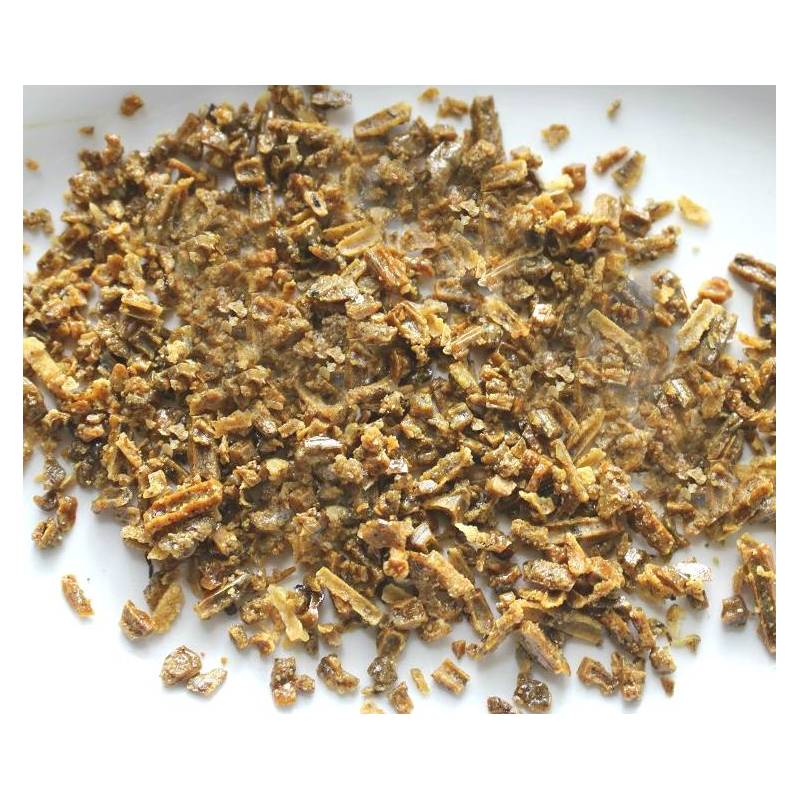
The PE bends easily, so you can free the propolis harvest by hand — no freezer required. Propolis collected with a screen is also much cleaner than scraped propolis from frame tops and crown boards: virtually free of wax, wood or paint, and with a higher concentration of balsamic resins. Two optional central holes let you place bee candy patties directly on the screen, so the colony stays fed while the rest of the surface keeps getting propolised.
01 · HARVESTING
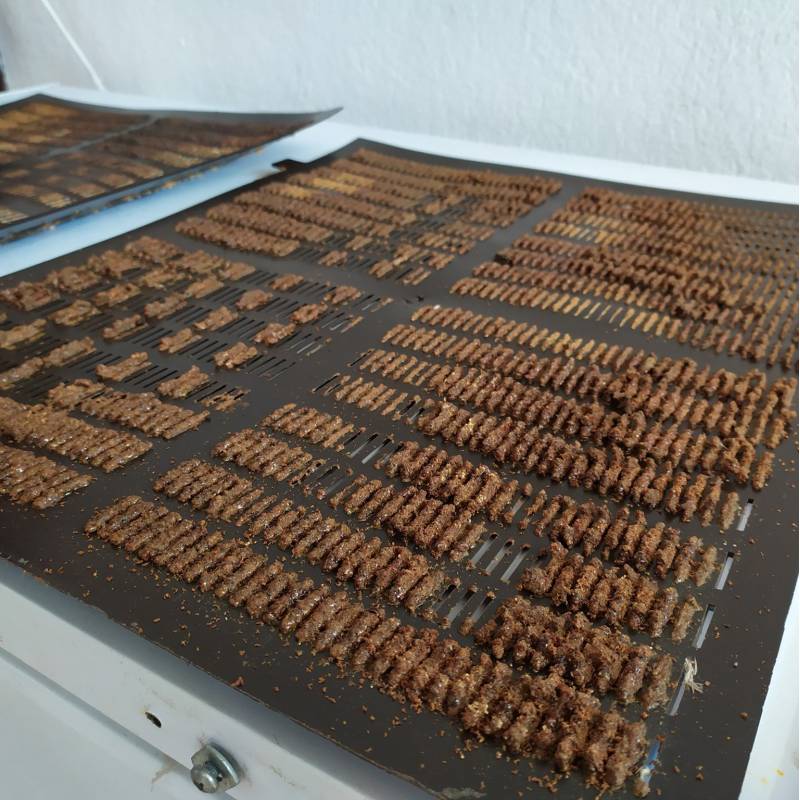
Unlike the rigid brown panel — which has to be chilled to release its harvest — this material works at workshop temperature. Between 17 and 20 °C you simply flex the screen, shake it or rub it with a piece of wood, and the propolis lumps come off clean. You skip the cold-chain step and roughly halve extraction time when processing dozens of screens after the season.
02 · FEED AND PROPOLISE
The two central holes are optional: leave them closed and use the screen as a conventional panel, or open them to place two bee candy or fondant patties directly on top. The colony feeds from above while sealing the rest of the screen with propolis. Useful for late-spring or early-autumn cold snaps, when bees need a feed boost without disturbing the brood box.
03 · SPREAD
The rims around both holes also act as a central support: they lift the middle of the screen slightly and prevent it sagging under the weight of propolis or candy. As a result, bees fill the whole surface evenly, not just the edges. On the sides you will find two folding spacers that extend to create the air gap required between screen and crown board. That gap is essential: bees instinctively seal every crack or draught to protect the colony — that is the defensive behaviour that drives propolising. If your hive already leaves enough headroom under the roof, just fold the spacers away.
04 · ASSEMBLY
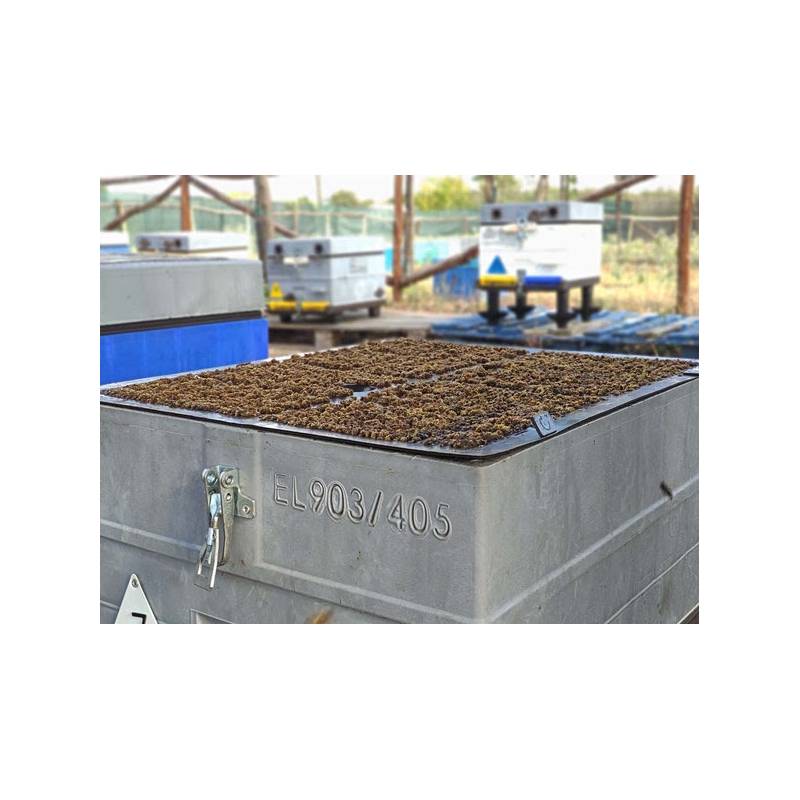
The screen sits at the top of the hive, just below the crown board and above the frames of the top super or brood box. It needs an air gap between screen and crown board so airflow can build up — if it sits flush, bees sense no threat and produce little propolis. The optimum temperature range for propolis production is 21–28 °C, which makes late spring, summer and autumn the most productive periods — with a strong autumn peak as the colony seals the hive before overwintering. Each 10–15 day cycle yields about 60–80 g; typical annual production is 50–300 g per hive, and a favourable year (good flow, well-managed colonies) can approach 400 g. The screen can be cut to size with a utility knife if needed.
05 · BEFORE YOU BUY
| ✓ FITS | Langstroth and 10-frame Dadant hives |
⚠ PRECAUTIONS
Important: do NOT put in the freezer. Soft polyethylene hardens and becomes brittle at low temperatures. If you freeze the screen and then press on it to remove the propolis, it can crack. This is the main operational difference from the rigid brown version: chilling is recommended there, but contraindicated here. Always work at ambient temperature, ideally 17–20 °C.
| Material | Soft food-grade polyethylene (PE) |
|---|---|
| Dimensions | 420 × 510 mm (trim to size) |
| Slot size | 20.5 × 2.5 mm |
| Weight | 0.264 kg |
| Compatibility | Langstroth and 10-frame Dadant hives |
| Extraction temperature | 17–20 °C (ambient) |
| Expected yield | 60–80 g per cycle · ~400 g per hive/year (good year) |
Data sheet
Specific References
Yes, cut to size. The grid is 420 × 510 mm, the size of a 10-frame Langstroth or Dadant hive, and it is soft polyethylene: it cuts with scissors or a knife to the size of the opening you want to cover. For a Layens, measure the inside of your box above the top bars and trim it to that size.
Sorry, no results found.
Write your question