
 Apipasta with vitamins 15kg
 Beecomplet® Spring 14Kg
 Beekeeper suit with round veil
 Oxalic acid 1kg
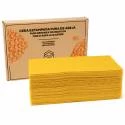 Beeswax Foundation 5kg
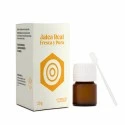 Fresh royal jelly 20g
 Classic honey jar 1kg comb-lines TO77 - Pack of 16 units
 Promotor L Apis 1 litre
Propolis
The resin bees gather from buds and bark to seal the hive. Here it comes as extract, tincture, oral spray, chewable, oral care and cosmetics.
Propolis in extract, tincture, spray and chewable form

Why «pure» says less than it seems on propolis
The most searched word here is «pure», and it is the one that tells you least. Propolis as it comes out of the hive carries wax, bits of wood and pieces of bee: that is pure propolis too, and nobody takes it like that. What really changes the product is the process — raw, cleaned or extract — and, if it is an extract, the concentration and the solvent. Two bottles both saying «100% natural» may have nothing in common.
And there is something worth knowing before comparing bottles: no health claim on propolis is authorised in the European Union. For years the «pending evaluation» formula was tolerated, but the Court of Justice closed that door in 2024. So if a seller promises you specific effects, what they are demonstrating is not the quality of their propolis. Compare by botanical origin, by process and by analysis; that can actually be backed up.
Propolis
Welcome to our 100% Pure and Natural Propolis category. Propolis is the resin that bees gather from the buds and bark of certain trees and carry back to the hive, where they mix it with wax and their own secretions. They use it to seal cracks, narrow the entrance and coat the inner walls, which is why it is often called «bee glue».
Its composition varies with the local flora and the harvesting area. Broadly, it contains plant resins, waxes, essential oils, pollen and phenolic compounds, among them flavonoids. On the palate it is resinous and intense, slightly bitter, with a characteristic balsamic aroma that comes through most clearly in tinctures and chewable formats. The exact composition, the strength of the extract and the directions for use are stated on each product label.
Main Products in the Propolis Category
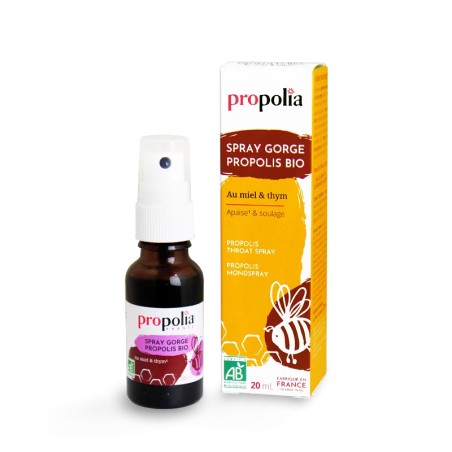
- Propolis BIO Oral Spray Propolia©: small-format spray, easy to carry and to dose. Directions for use on the label.
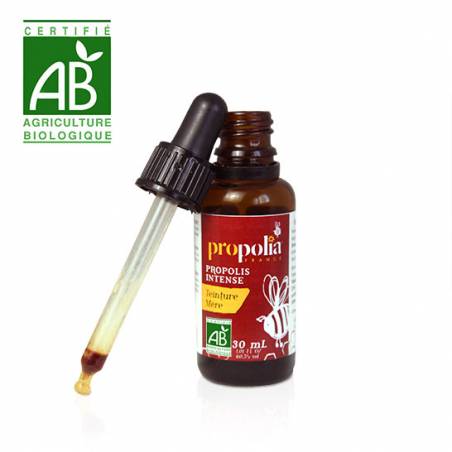
- Organic Propolis Tincture BIO Propolia©: concentrated extract, taken diluted. The label states the strength and the propolis percentage.
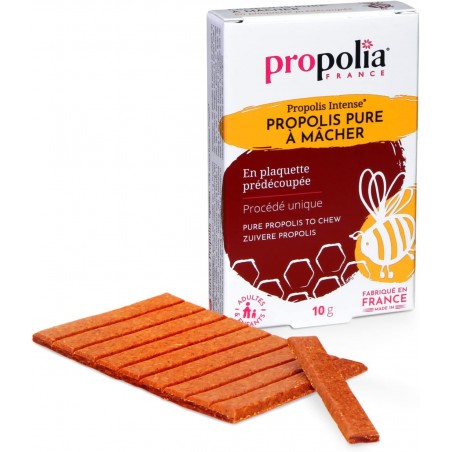
- Organic Propolis to Chew Propolia©: raw propolis to chew, resinous in texture and intense in flavour.
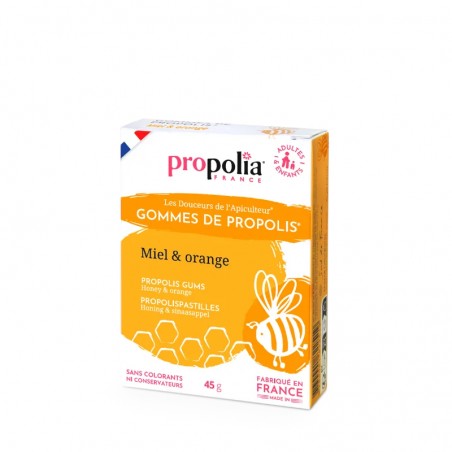
- Propolis Pastilles Orange Propolia©: orange-flavoured pastilles with propolis.
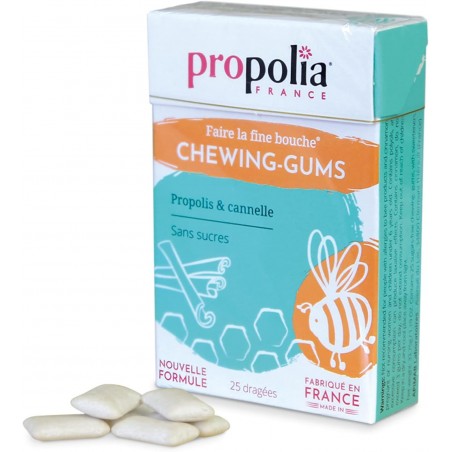
- Propolis-Cinnamon Gum Propolia©: chewing gum with propolis and cinnamon flavour.
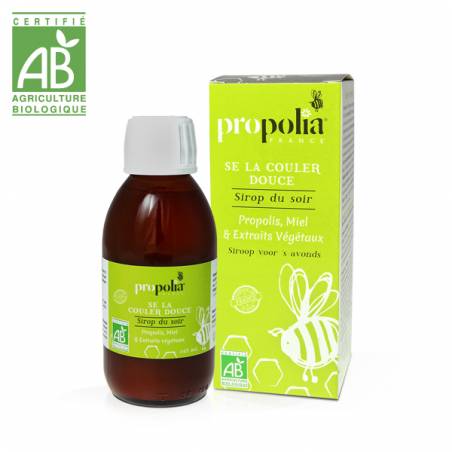
- Organic propolis and honey syrup Propolia©: syrup combining propolis and honey. Dosage and composition on the label.
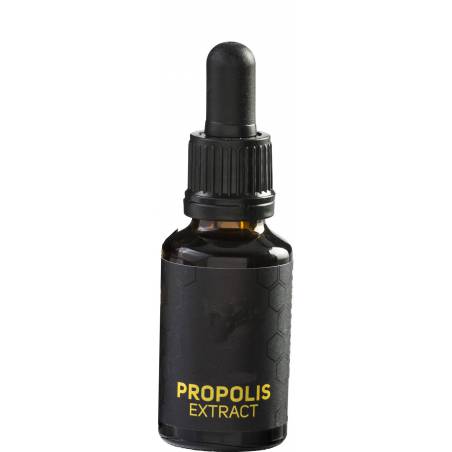
- Propolis extract 30ml (33%): 33% extract in a 30 ml bottle with dropper.
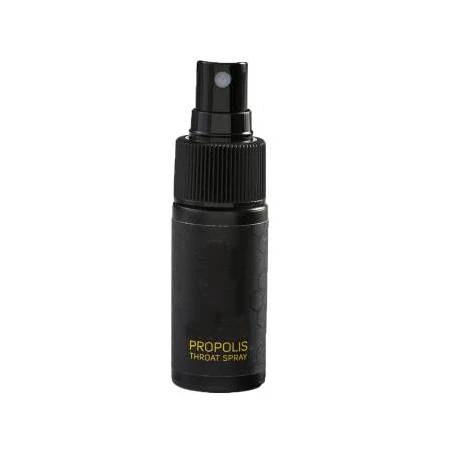
- Propolis Spray 30ml: 30 ml spray format.
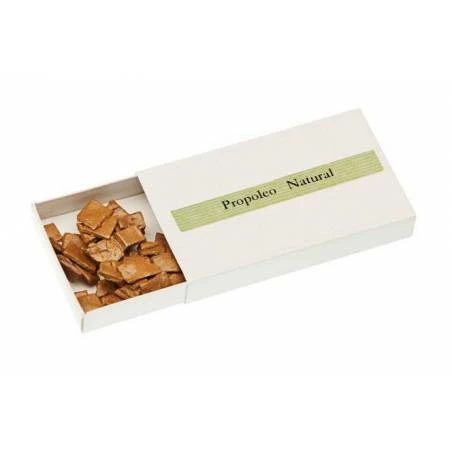
- Natural propolis to chew: raw propolis, unflavoured.
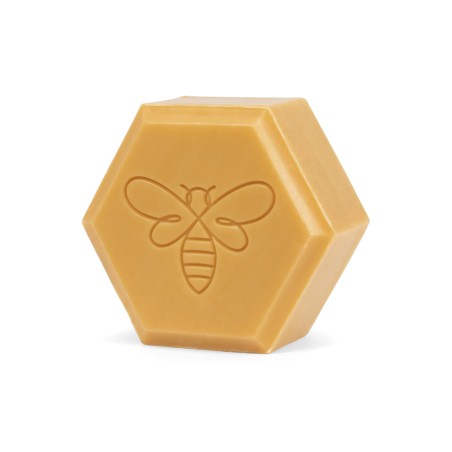
- Honey soap with propolis: hand and body soap made with honey and propolis.
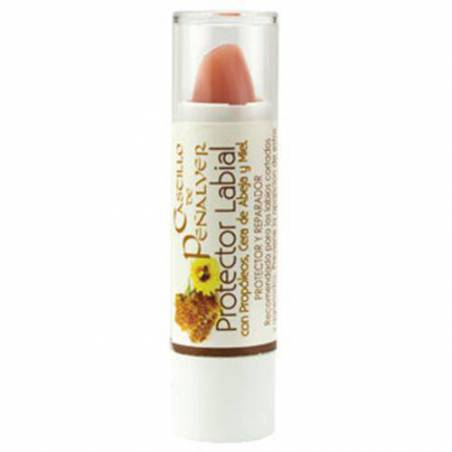
- Propolis lip balm: lip balm to moisturise lips in cold or dry weather.
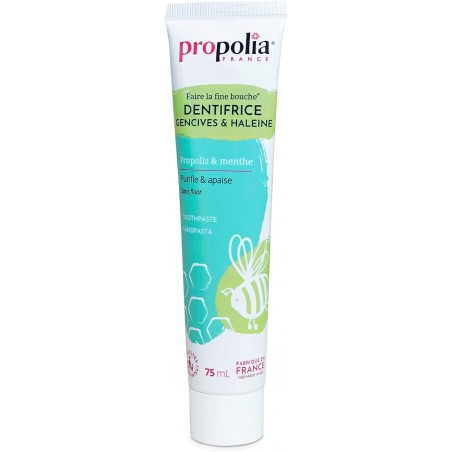
- Propolia© Propolis Toothpaste 75ml: 75 ml toothpaste for daily oral hygiene.
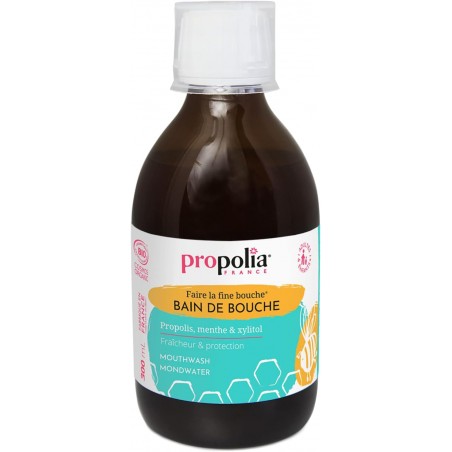
- Propolis Mouthwash by Propolia©: mouthwash with propolis and mint, fresh in flavour.
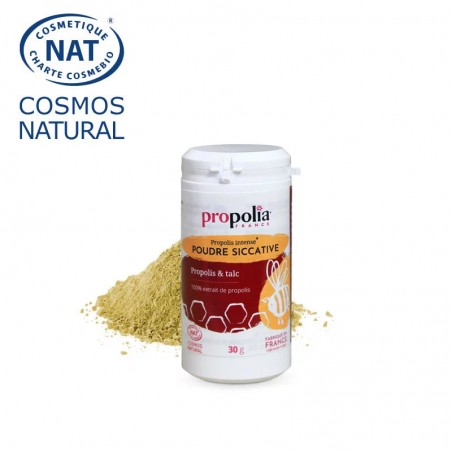
- Propolis Siccative Powder Propolia©: dried propolis powder to add to your own preparations. Resinous, intense flavour.
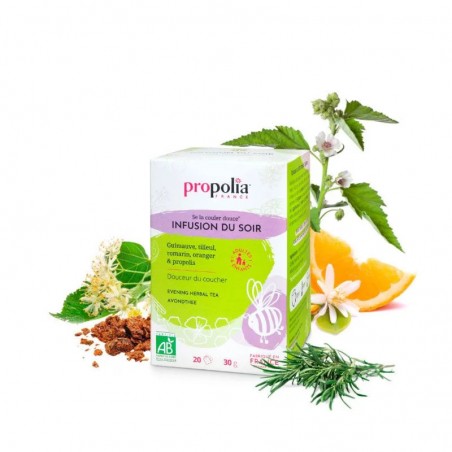
- Propolia© Night Infusion Propolis and Organic Plants: propolis and plant infusion, intended for the evening.
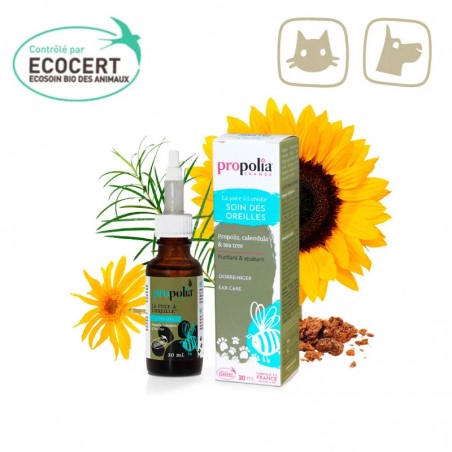
- Pet's Ear care Propolia©: hygiene product for the ears of dogs and cats.
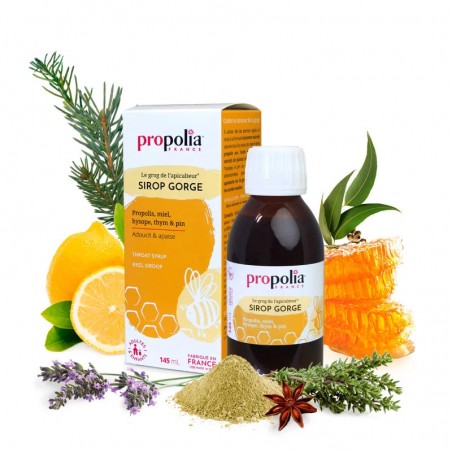
- Propolis, Honey and Lemon Syrup Propolia© 145 ml: 145 ml syrup with propolis, honey and lemon.
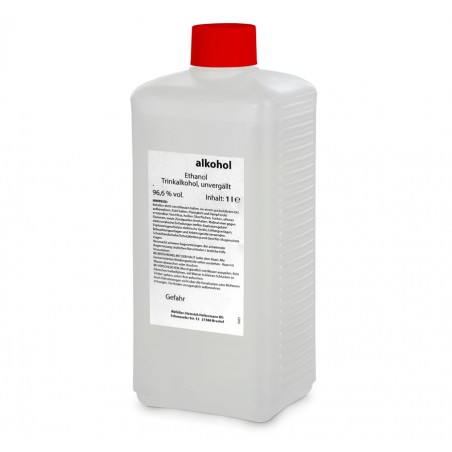
- Ethyl Alcohol 96º 1L for propolis: 96º alcohol in a 1-litre format, the usual base for preparing tinctures and extractions.
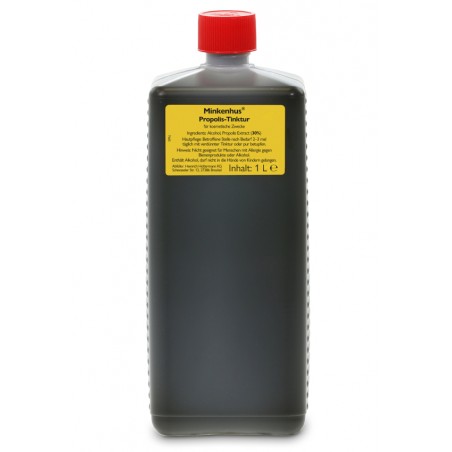
- Propolis Tincture 1 Liter (30%): 30% tincture in a 1-litre format, for continued or professional use.
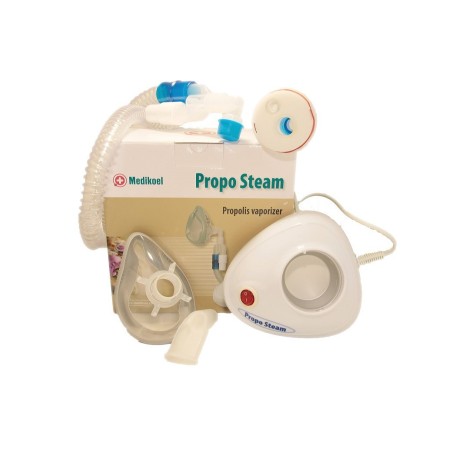
- Propo Steam Propolis Vaporizer: vaporizer unit for working with propolis.
How to choose your propolis format
If you are buying propolis for the first time, look at three things: the concentration (our extracts range from 30% to 33%), the format (liquid to dilute, ready-to-use spray, chewable or pastille) and the container size (30 ml to start with, 1 litre for continued or professional use). Raw propolis and powder are the most versatile if you want to make your own preparations; pastilles and gum are the easiest to carry. In cosmetics and hygiene, propolis appears as an ingredient in soaps, toothpaste, mouthwash and lip balms.
This category brings together specialist brands such as Propolia© alongside La Tienda del Apicultor's own formats. If you prepare your own extractions, you will find the raw material, the 96º alcohol and the vaporizer here; if you prefer a ready-to-take product, sizes run from a 30 ml bottle to a 1-litre container. Always check the label for the full composition, the concentration and the directions for use.
What is propolis?
Propolis is a resinous, sticky substance, ranging in colour from pale yellow to almost black, which bees make from the resins of trees such as poplar, horse chestnut, oak, maple or alder, mixed with their own secretions. The workers carry it in the baskets on their hind legs, just as they do pollen. Inside the hive they use it to seal cracks and gaps and to coat the inner walls.
Why do bees produce propolis?
Bees use it as building material and to defend the hive: it seals cracks, narrows entrances and coats the interior. They also use it to encase dead intruders they cannot carry out — a mouse, for instance — which stops them decomposing inside the nest. It is a behaviour of the colony itself, documented since ancient times.
How is bee propolis used?
Propolis is sold in several formats depending on how you prefer to take it: capsules and tablets, alcoholic or glycolic extract in drops, sweets, syrups, sprays, and raw or powdered propolis. There are also formats for external use, such as creams and balms. Always follow the instructions on each product's packaging.
What formats does propolis come in?
In our shop you will find raw propolis, extracts in drops, capsules, sweets, mouth sprays and formats combined with honey. Which to choose depends on the format you find most convenient and on whether you are after internal or external use. Every product states on its label the composition, the strength of the extract and how to use it.
How should propolis be stored?
Keep it somewhere cool, dry and away from light, in its well-closed container. Raw propolis keeps better cold, where it also turns brittle and is easier to break into pieces. Alcoholic extracts are stable at room temperature. Always check the best-before date on the packaging.
How is propolis taken?
It depends on the format. Capsules and tablets allow a fixed, convenient dose. Extracts in drops — alcoholic, glycolic or glycerine-based — are taken following the pattern given on the packaging and also lend themselves to external use. Sweets and combinations with honey are the most palatable option. Raw or powdered propolis can be added to food and drink. In every case, follow the manufacturer's instructions.
What is the difference between an alcoholic and an alcohol-free propolis extract?
The alcoholic extract is the most common and is obtained by macerating the propolis in alcohol, which draws out its resinous components more effectively; it keeps the characteristic flavour and aroma, both intense. Glycolic or glycerine extracts replace the alcohol and are milder in taste. The strength and the percentage of propolis are given on each product's label.
What is propolis made up of?
Its composition varies with the area and the flora it comes from, but broadly it contains plant resins and balsams, waxes, essential oils, pollen and phenolic compounds, among them the flavonoids. That variability explains why colour, aroma and flavour change from one batch to another and from one origin to another.
How do I choose a quality propolis?
To choose a quality propolis, check that it is pure and free of contaminants. It is advisable to go for certified products that clearly state their origin, concentration and extraction method. Extracts with high levels of bioactive compounds such as flavonoids and phenolic acids are considered superior.
How is propolis collected from the hive?
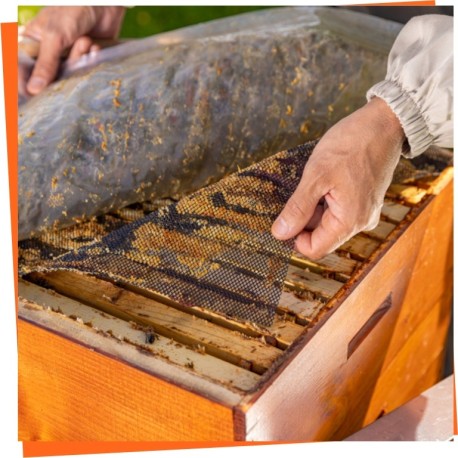
With a propolis mat or screen laid over the frames. The bees find narrow slots and seal them with resin; once the mat is loaded, it is removed. To get the propolis off, the trick is cold: freezing the mat for a few hours makes the propolis brittle and it comes away on its own when you flex it.
What is best avoided is using the scrapings from frames and walls: that propolis carries wood splinters, paint residue and hive dirt, and does not compare in quality with mat propolis. If you are going to sell it, the mat is not an accessory — it is what separates a product from waste.
Why does the price of propolis vary so much?
Because very different products share the same word. What sets the price is the process — raw, cleaned or extract — the concentration of the extract and the solvent used. A very cheap bottle is usually low concentration; an expensive one, a concentrated and analysed extract.
Botanical origin also counts: propolis composition changes a great deal depending on which trees the bees collect from and in which region, and that variability shows up in the analysis and in the cost. So comparing on millilitres and price alone says little — you have to look at what concentration those millilitres carry.
How do I store propolis so it does not lose its properties?
Propolis should be kept in airtight containers, away from direct light and somewhere cool and dry. Alcoholic extract is more stable and lasts longer, while alcohol-free or more concentrated formulations may need refrigeration once opened.
Can I combine propolis with other hive products?
Yes — and in fact there are ready-made combinations: propolis with honey, with royal jelly or with pollen. Honey softens the resinous taste of propolis, which on its own is intense and somewhat bitter. If you combine them yourself, check the instructions on each package.