
Context of propolis
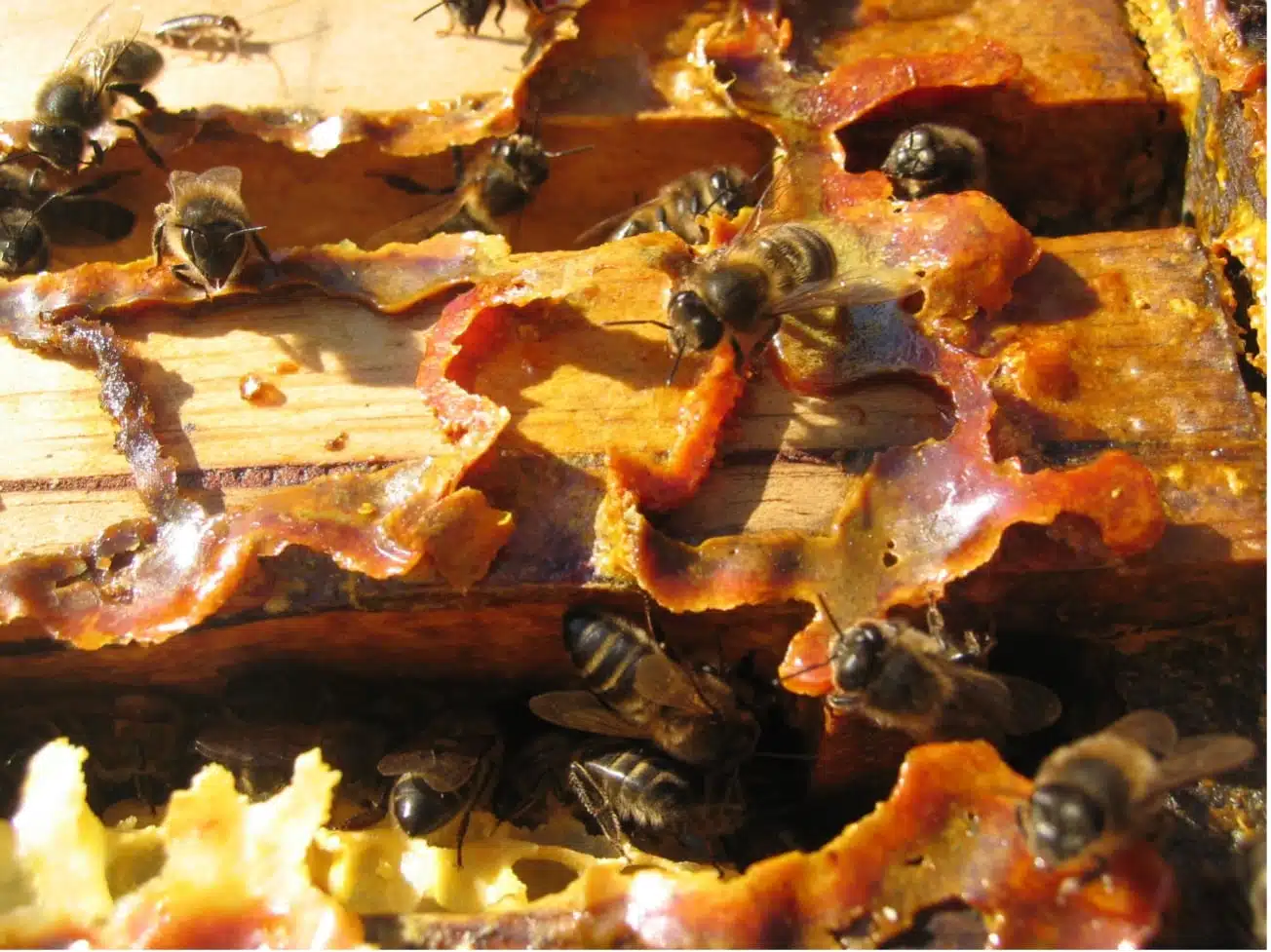
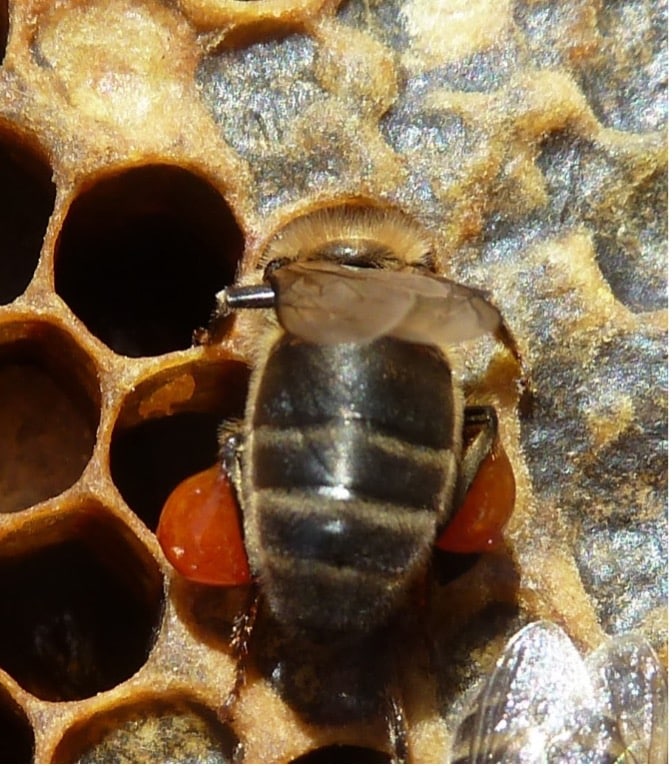
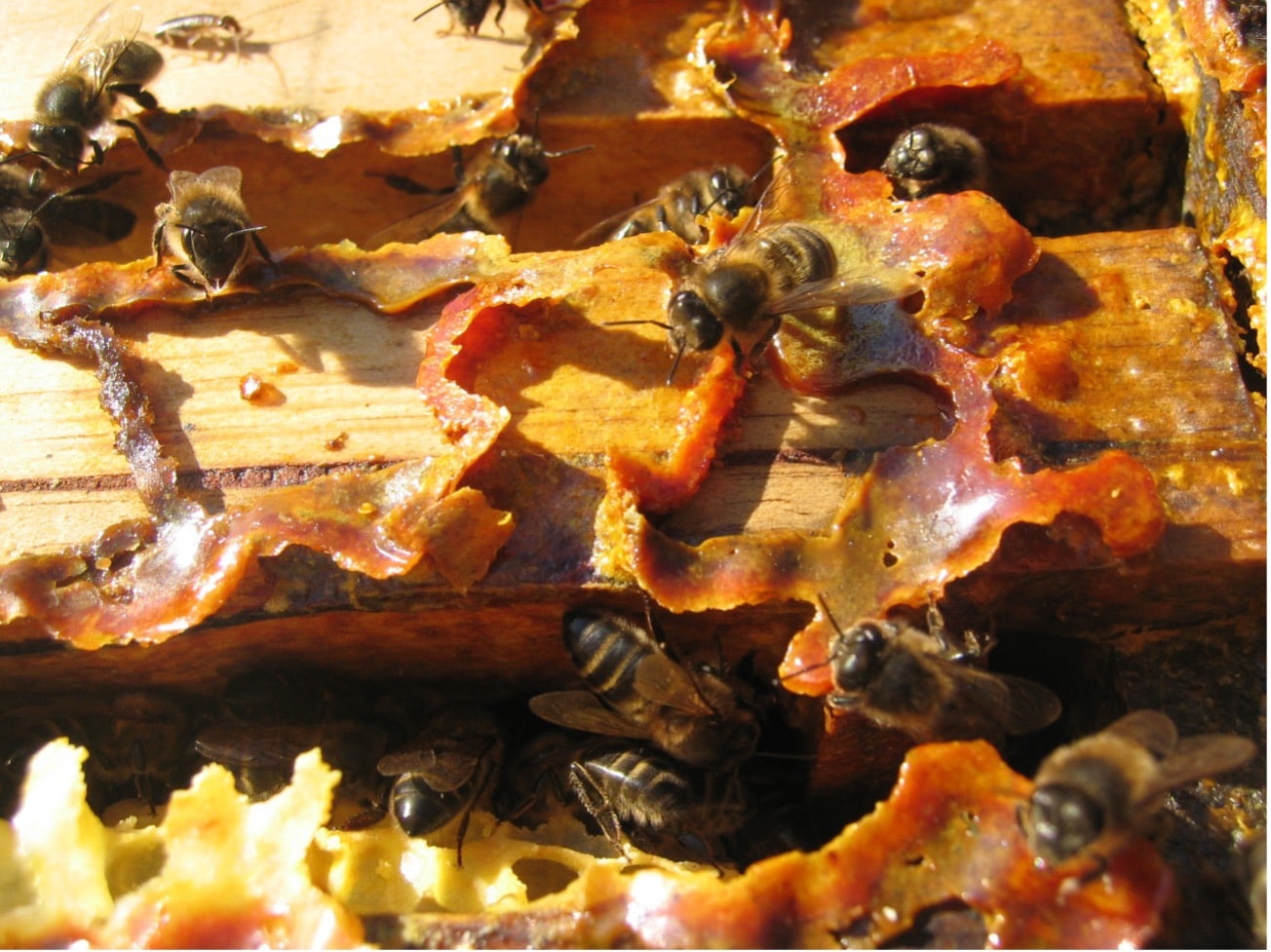
In recent decades, beehive products have attracted growing scientific interest. These include natural propolis, a resinous material that bees (Apis spp.) collect from various plants, chiefly from their buds. Depending on its botanical origin, propolis can range from yellow to green, red, brown or black.
Bees mainly use it to seal cracks and gaps, as well as to cover the bodies of intruders that die inside the hive and prevent their decomposition. Within the hive, it is also believed to play a role in the so-called social immunity of the colony.
People have used propolis since antiquity, and it forms part of traditional medicine in many regions. Egyptian, Greek and Roman cultures used it, and historical traditions associated it with wound care. These are traditional uses rather than proven effects; that long-standing interest has prompted closer scientific study of its components in recent decades.
What is propolis?
Propolis is a complex mixture composed of plant resins (up to 60%), wax (up to 30%), pollen and other organic compounds. Among these, polyphenols and essential oils stand out, including flavonoids, phenolic acids and terpenes as biologically active substances.
🧪 Approximate composition
- Plant resins: up to 60%
- Wax: up to 30%
- Pollen and other organic compounds
Among these organic compounds, polyphenols and essential oils stand out, with flavonoids, phenolic acids and terpenes as biologically active substances.
The extraction method can influence the measured activity of propolis because its compounds differ in solubility across solvents. Common extraction solvents include ethyl alcohol, glycerine, glycols and water.
Fields of research on propolis
What follows is not a list of product properties, but a review of open research lines and their current status.
Antioxidant capacity: most studied in the laboratory
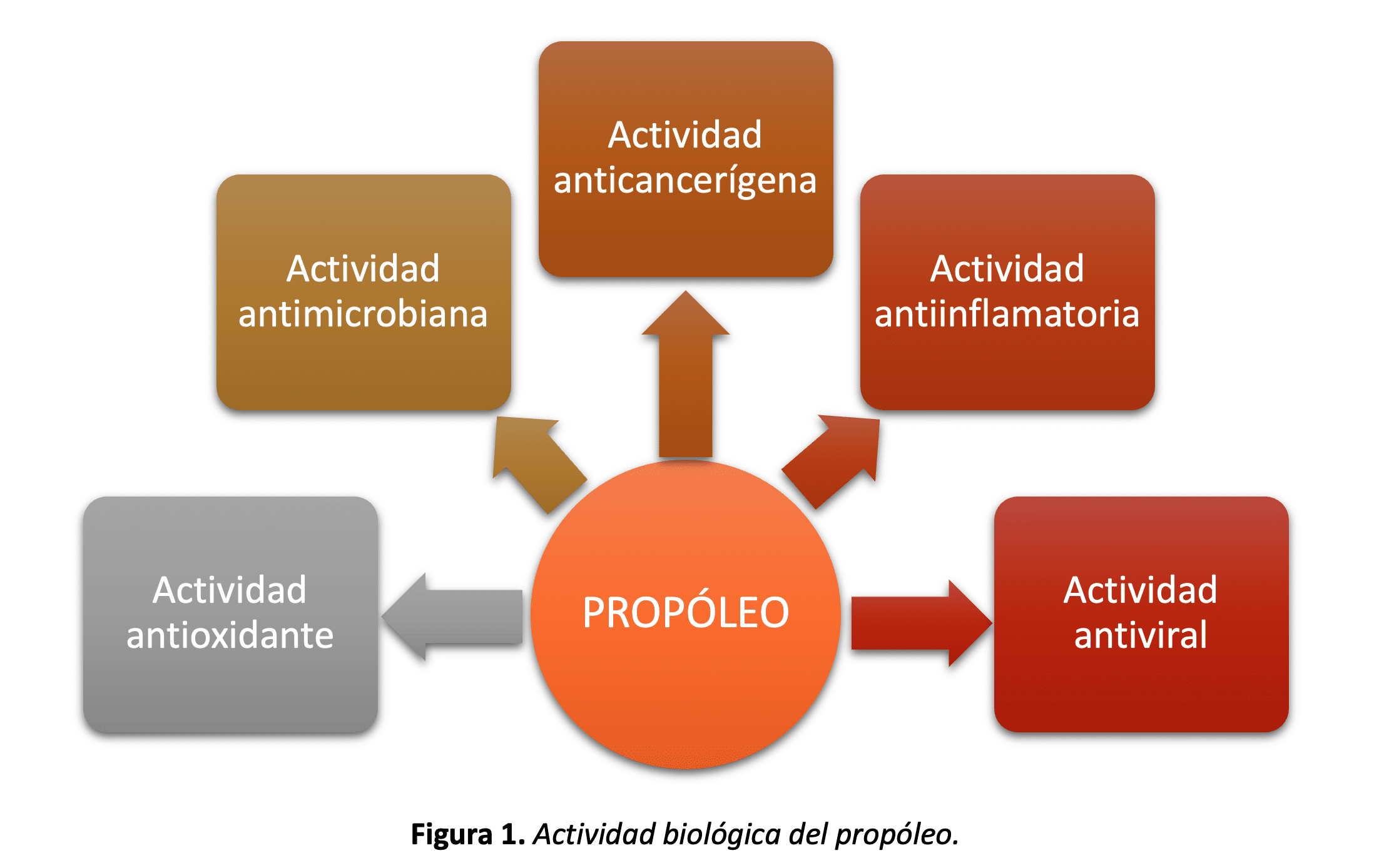
One of the most frequently studied research areas is the antioxidant capacity observed in laboratory settings. The high concentrations of polyphenols described in propolis are those linked to this capacity in assays. This is an area of interest for the pharmaceutical industry, which is exploring it in the development of new products, but these are analytical and experimental observations, not proven effects in humans.
Activity against microorganisms: in vitro assays
Another research line investigates the behaviour of propolis against a broad spectrum of microorganisms in laboratory assays. The observed effects are related to the content of phenolic and flavonoid compounds, whose concentration varies according to the botanical origin of the propolis. Hence, it is being explored as a potential application field, particularly in oral cavity applications, although this does not yet equate to a validated use.
Oncology: a field still in the research phase
Various studies propose exploring propolis as a possible adjuvant therapy (administered after the main treatment to reduce the likelihood of recurrence) due to its potential toxicity against certain cells. It is important to stress this exactly as stated: this research line is still in the research phase and does not allow any effect to be attributed to the product.
Inflammation is a human body mechanism to respond to internal or external threats, and can be triggered by stimuli such as physical injuries or bacterial infections. Different studies have examined propolis extracts applied to wounds, as well as isolated preparations or compounds in relation to the modulation of chronic inflammation in humans. The authors themselves describe these as potential future candidates, not as currently available options.
Viruses: observations in research
Various studies have examined propolis extract against a wide range of DNA and RNA viruses, such as adenovirus, influenza virus, viruses causing respiratory diseases, herpes, HIV and SARS-CoV-2. It has been observed that its compounds can modulate multiple pathogenic pathways, leading to proposals for its study as a possible complementary agent. This is a research hypothesis, not a medical indication.
What the most recent scientific evidence says about propolis
For years, propolis has been discussed in a fairly general way. But not all areas have the same level of evidence. One thing is what is observed in the laboratory, and another very different thing is what has been confirmed in clinical studies involving people.
Recent reviews, clinical trials and meta-analyses make it easier to distinguish between fields with different levels of evidence. Propolis is not a miracle cure and cannot replace medical treatment, but some areas now have a growing—though still limited—clinical evidence base.
| Research field | What has been observed | Level of evidence according to this article |
|---|---|---|
| Oral mucositis | Rinses, gels and solutions studied as supportive oral care for patients receiving chemotherapy or radiotherapy | Stronger evidence, always as a possible adjuvant |
| Type 2 diabetes | Meta-analysis showing moderate improvements in fasting glucose, glycated haemoglobin and insulin resistance | Interest as a complementary agent, never a substitute |
| Inflammation markers | Reductions observed in C-reactive protein, interleukin-6 and TNF-alpha | Study finding: does not amount to curing a disease |
| Antioxidant capacity | Observed in the laboratory and linked to high concentrations of polyphenols | Evidence level: analytical and experimental only |
| Activity against microorganisms | Assays against a broad spectrum of microorganisms; depends on botanical origin | Field of application under investigation |
| Oncology (adjuvant therapy) | Proposals for study as adjuvant therapy due to toxicity against certain cells | Still in the research phase |
| Viruses | Studies against DNA and RNA viruses (adenovirus, influenza, herpes, HIV, SARS-CoV-2) | Research hypothesis: possible complementary agent |
| Other (cardiovascular, cholesterol, blood pressure, respiratory infections, COVID-19) | Open research with usually modest effects | More limited evidence, highly dependent on the type of propolis |
Summary of the current state of research as described in this article. These are not properties attributable to the product nor usage indications: no field in the table equates to treating or curing a disease.
Propolis and oral mucositis: the field with the strongest evidence
One of the best-studied areas is oral mucositis, that is, sores, ulcers and inflammation of the mouth that may occur in patients undergoing chemotherapy or radiotherapy.
In this field, propolis rinses, gels and solutions have been studied as supportive oral care. Some studies report lower lesion severity, pain and discomfort when swallowing, together with improved recovery of the oral mucosa.
The key point is that propolis cannot replace cancer treatment or medical guidance. Any possible use is as an adjunct and should be considered only with appropriate clinical oversight, particularly for vulnerable patients.
Propolis and type 2 diabetes: possible support, never a substitute
The effect of propolis on people with type 2 diabetes has also been studied. Some meta-analyses have observed moderate improvements in parameters such as fasting glucose, glycated haemoglobin and insulin resistance.
This does not mean that propolis ‘treats’ diabetes or can replace medication, diet or medical supervision. A more prudent interpretation is that certain propolis preparations might have value as a supplement within a broader metabolic approach.
⚠️ Medical consultation required
Anyone with diabetes should consult their doctor before taking supplements, especially if they are already taking medication.
Propolis and inflammation: markers such as C-reactive protein, IL-6 and TNF-alpha
Chronic inflammation is linked to many metabolic, cardiovascular and autoimmune processes. Several studies of propolis supplementation have reported reductions in inflammatory markers such as C-reactive protein, interleukin-6 and TNF-alpha.
This is an interesting finding as it connects with one of the most extensively studied aspects of propolis. However, it is important not to oversimplify it. Reducing inflammatory markers in studies does not automatically equate to curing a disease.
Other promising areas, but with less evidence
Research into propolis and cardiovascular health, cholesterol, blood pressure, respiratory infections or even COVID-19 is ongoing. Some findings are promising, but evidence remains more limited, effects are often modest, or depend heavily on the type of propolis used.
Within the scope of this review, the three areas warranting the closest attention are oral mucositis, metabolic markers in type 2 diabetes and inflammation.
Is propolis safe?
🚫 Caution: allergies
In general, propolis is well tolerated, but it is not suitable for everyone. Particular caution is advised for people who:
- are allergic to bee products
- are allergic to pollen or plant resins
- have a history of dermatitis, asthma or allergic reactions
When in doubt, consult a healthcare professional before use.
It is also worth remembering that not all propolis is the same. Its composition varies according to botanical origin, geographical region, extraction method and quality of raw material. Hence, speaking of ‘propolis’ in general always requires a degree of caution.
Conclusion
Propolis is more than the resinous material bees use to seal and protect the hive. It is a complex bee product containing bioactive compounds and attracting increasing scientific interest.
The key lies in discussing it with rigour: without exaggeration, but also without underestimating what research is already beginning to support.
Bibliography
Wieczorek, P.P., Hudz, N., Yezerska, O., Horcinová-Sedlácková, V.; Shanaida, M., Korytniuk, O., Jasicka-Misiak, I. (2022). Chemical Variability and Pharmacological Potential of Propolis as a Source for the Development of New Pharmaceutical Products. Molecules 27, 1600. https://doi.org/10.3390/molecules27051600
Kocot, J., Kielczykowska, M., Luchowska-Kocot, D., Kurzepa, J., Musik, I. (2018). Antioxidant potential of propolis, bee pollen, and royal jelly: possible medical application. Oxidative Medicine and Cellular Longevity. 2018:7074209. https://doi.org/10.1155/2018/7074209

ISNI 0000 0005 1801 1100 | Joshua Ivars is the manager of LA TIENDA DEL APICULTOR and the author of this blog, where he shares technical and practical guidance for beekeepers. Drawing on extensive experience in the beekeeping sector, he offers advice and solutions based on beekeepers’ real needs, sharing his knowledge of equipment and essential beekeeping practices.


