
-
Beehives
- Complete beehive
- Accessories
-
Nuc hives
- Nucs by format
- With bees & mating
- Spare parts
-
Bee equipment
- For the apiary
- For the beekeeper
-
Clothing
- Clothing Accessories
-
Beeswax
-
Pure beeswax
- Beeswax and foundation
- Beeswax foundations
- Melting and rolling beewax
-
Pure beeswax
-
Bee feed
- Accessories and source materials
- Utensils
-
Bee health
- Varroa Treatments
- Diseases control
- Nutraceuticals
-
Extraction and bottling
- Before extraction
- Honey extraction
- After extraction
-
Bee pollen
- Harvest
- Indicted
-
Honey packaging
- Flasks per utility
- Flasks by size
- Other packaging
 Apipasta with vitamins 15kg
 Beecomplet® Spring 14Kg
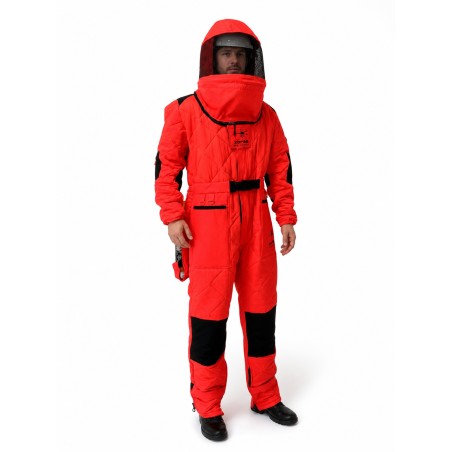
 Beekeeper suit with round veil
 Oxalic acid 1kg
 Beeswax Foundation 5kg
 Fresh royal jelly 20g
 Classic honey jar 1kg comb-lines TO77 - Pack of 16 units
 Promotor L Apis 1 litre
Fight against the wasp
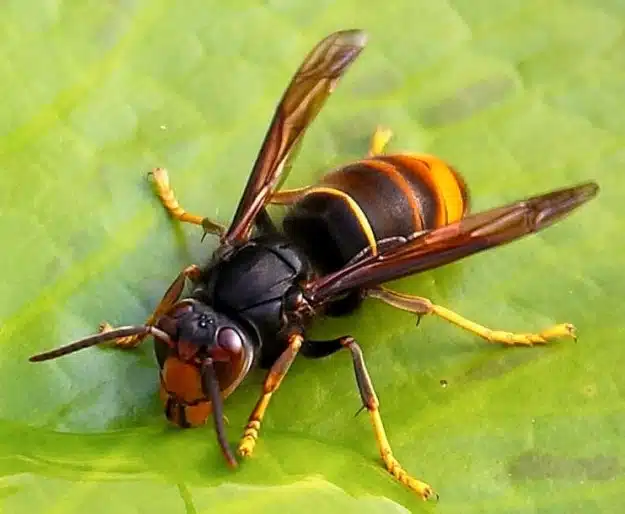
Specialized products to control Asian hornets (Vespa velutina) and effectively protect your hives, especially during critical seasons.
Protect Your Bees from Wasps with Effective Solutions
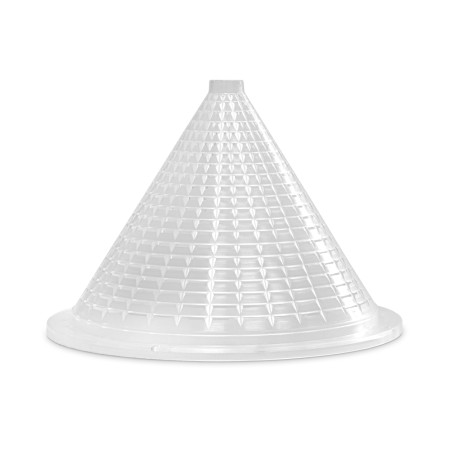
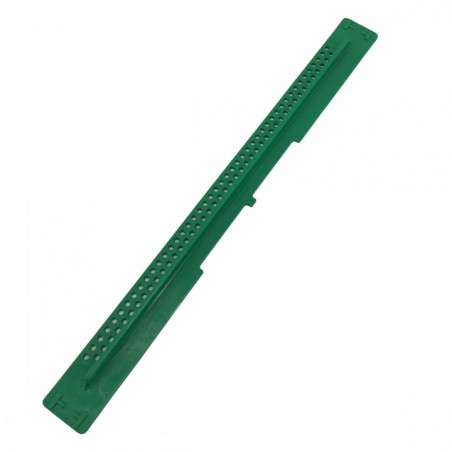
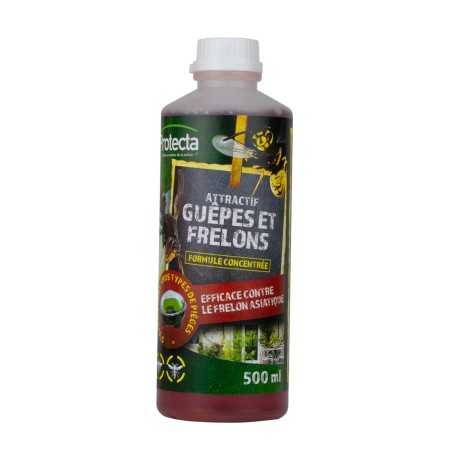
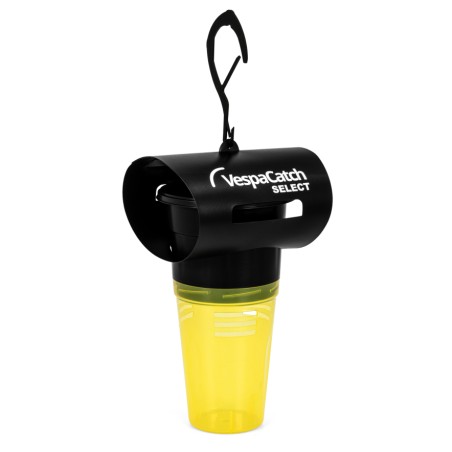
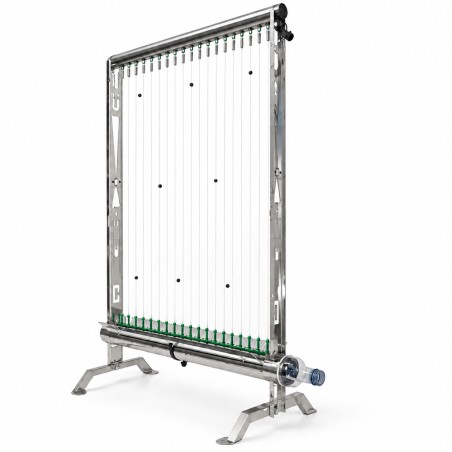
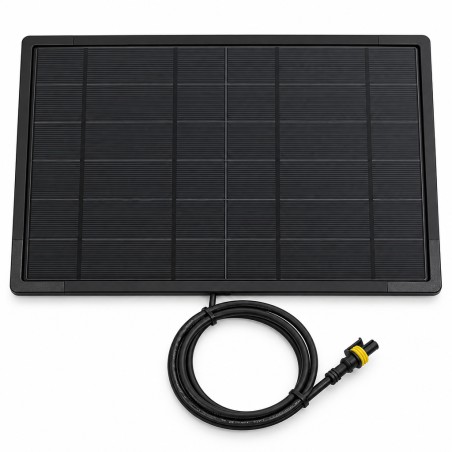
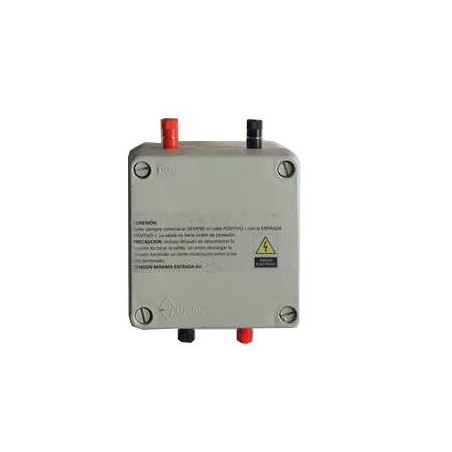
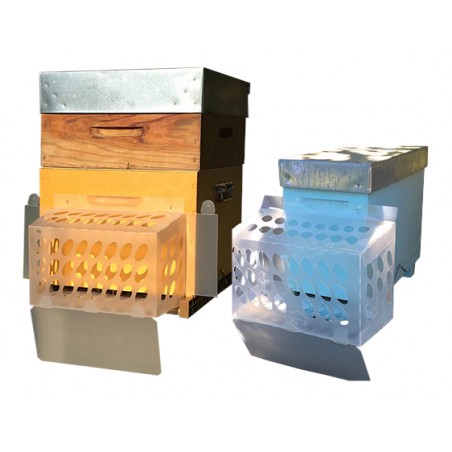
How to trap wasps sensibly
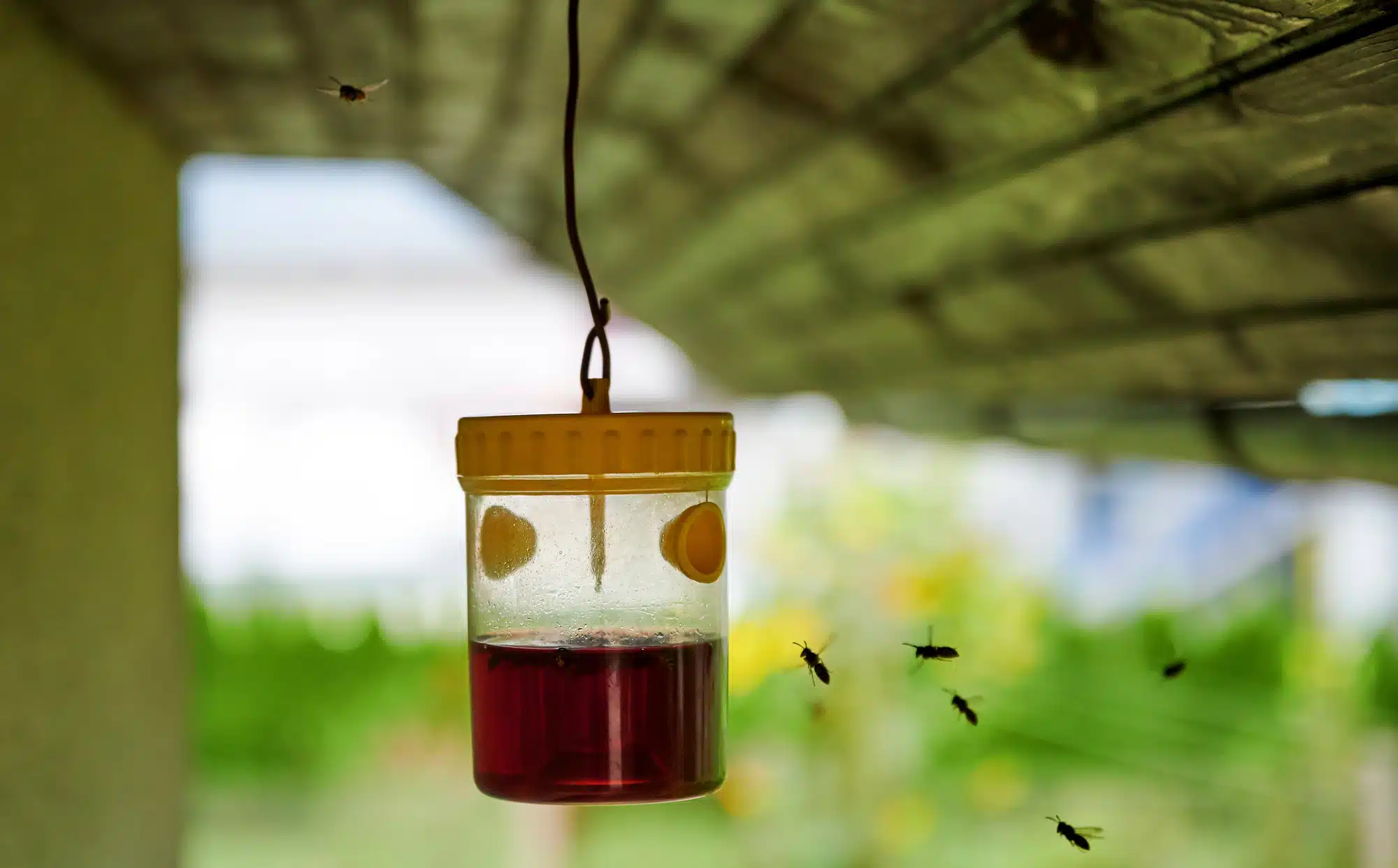
Traps for wasps and hornets make sense when we use them as one more tool for surveillance and reducing pressure on the apiary, not as a miracle solution. With species like Vespa velutina or, in some areas, Vespa orientalis, the problem isn't just that they catch bees: they can also block the hive's normal activity, make the bees stop foraging and weaken it just when it needs to go into autumn strong. That's why a well-placed trap can help a lot; but a badly chosen, badly baited or abandoned trap can catch too many non-target insects and give a false sense of control.
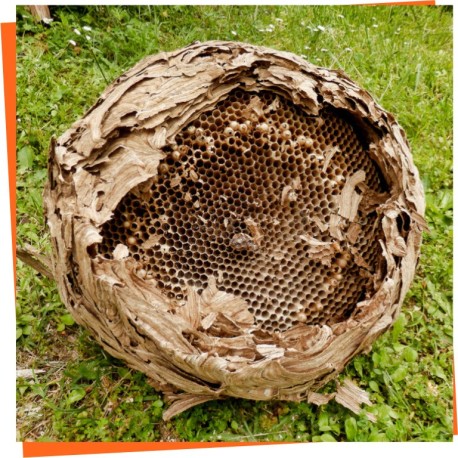
My advice is to always prioritize selective traps, easy to check, sturdy, ventilated and convenient to clean. I wouldn't place traps at random nor leave them all year “just in case”. You have to adapt them to the season, the real wasp pressure and the area. In spring, if you trap, I'd do it with great judgement and according to the local situation; in late summer and autumn, when the pressure on the hives increases, it makes more sense to reinforce trapping around the apiary. Before buying, I'd look at the type of entrance, the escape possibility for small insects, rain protection, the hanging system, a compatible attractant and how easy it is to empty it safely. And here I'll take a clear stand: I prefer a few good, selective traps checked every few days over many homemade bottles forgotten in the field. If you spot a nest, don't handle it: locate it and notify the competent authorities.
Fight against the wasp
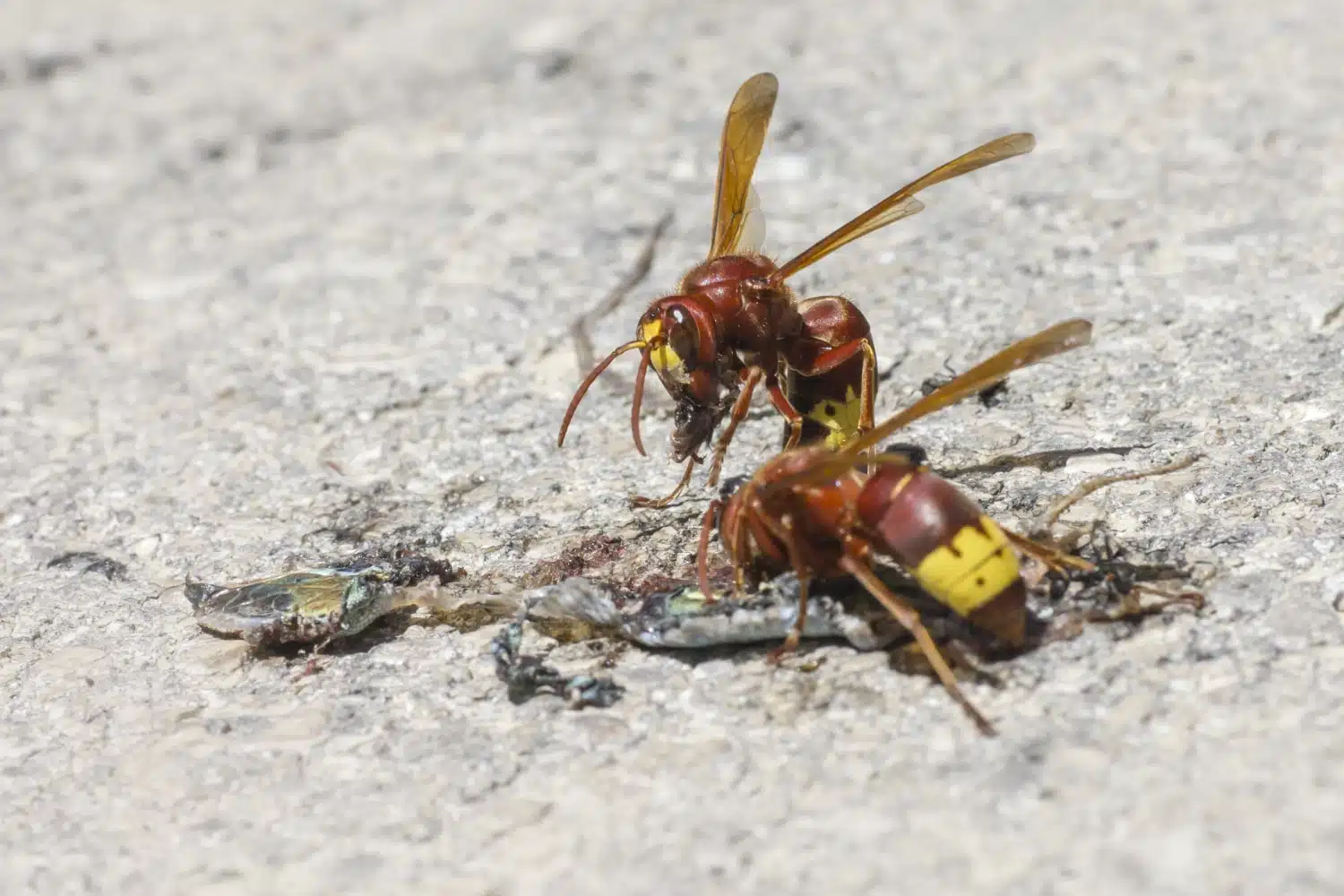
The Asian hornet (Vespa velutina) poses a significant threat to honeybee colonies, especially during late summer and autumn, due to intense predation pressure. Choosing the right methods and tools is essential to effectively manage this invasive species and protect your apiary.
In this category, you’ll find various control methods with practical guidance:
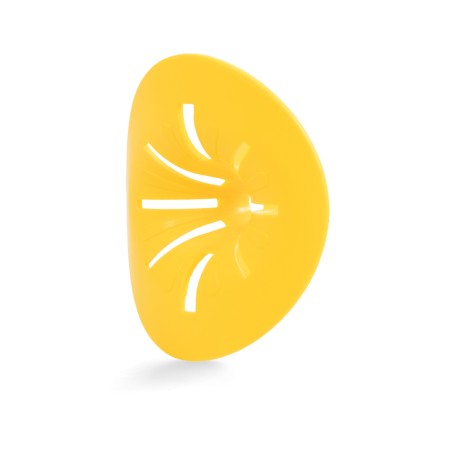
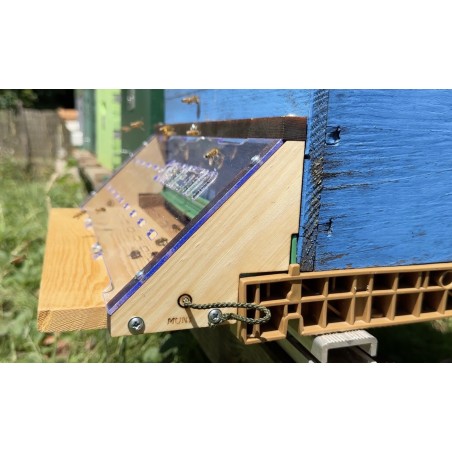
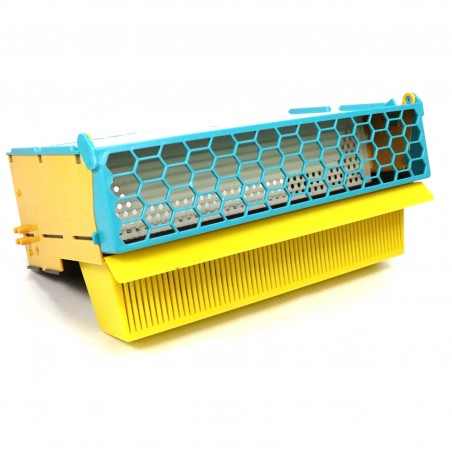
Entrance reducers and excluders: A reducer narrows the entrance and stops the larger hornets, but not the small ones — and there are small ones early in the cycle and again in late autumn. A queen excluder fitted at the entrance goes further: it keeps hornets out and, above all, stops the colony balling up in defence. That matters more than it sounds, because a colony balled up does not move, and a contact varroa treatment never reaches it. Mind the flip side: a heavily closed entrance combined with an evaporation treatment has caused documented cases of suffocation. Either way, check often — swarms cannot leave, and drones and dead bees pile up.
Protective Screens ("Bozales"): Should be placed well ahead of peak hornet activity, at least 25 cm from hive entrances to reduce bee stress. These screens allow proper airflow and facilitate removal of dead bees and drones.
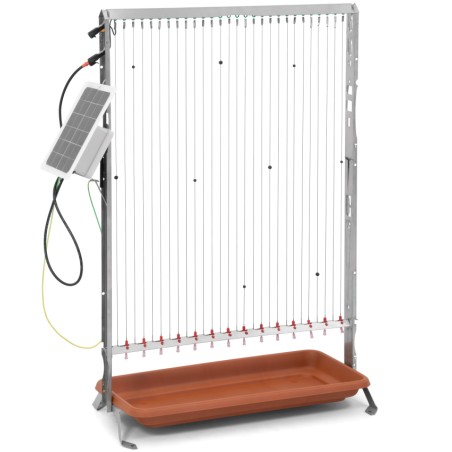
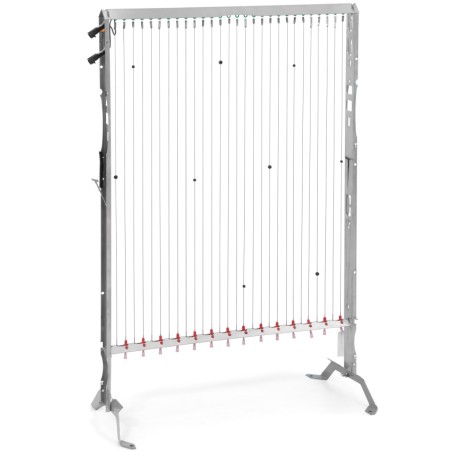
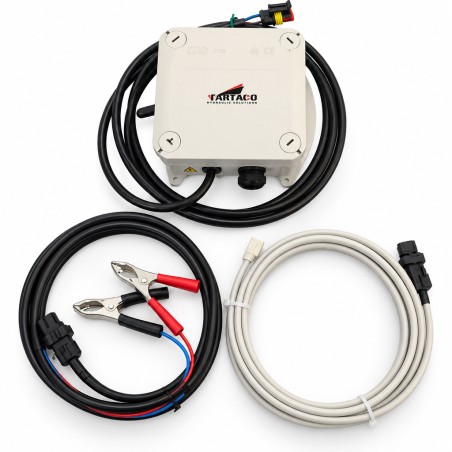
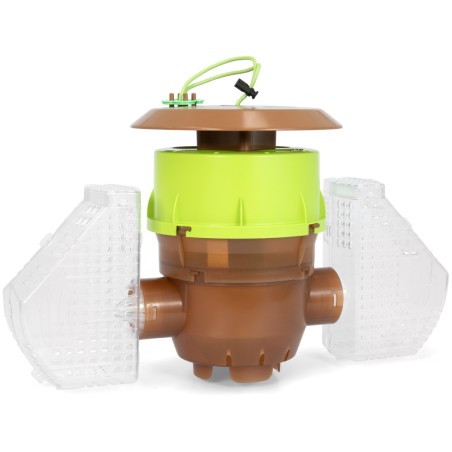
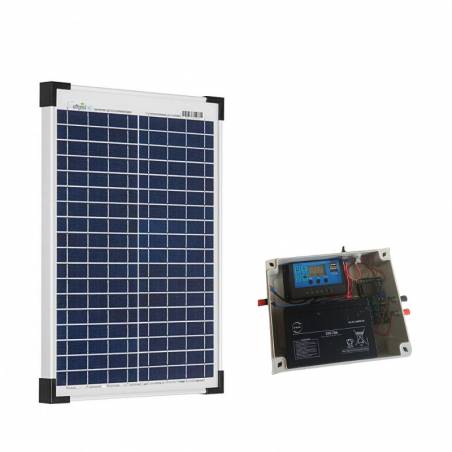
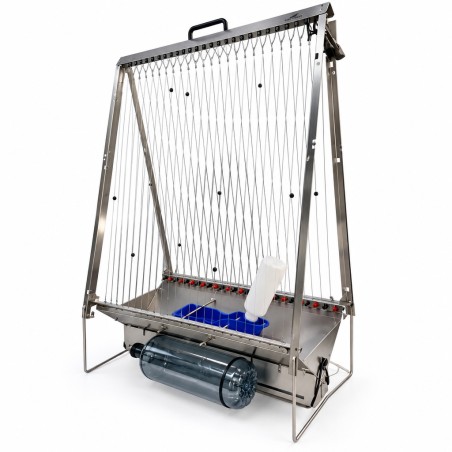
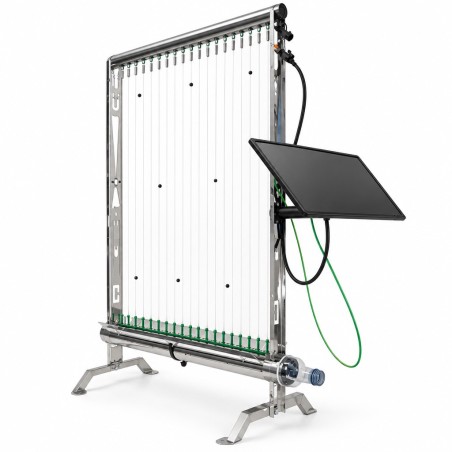
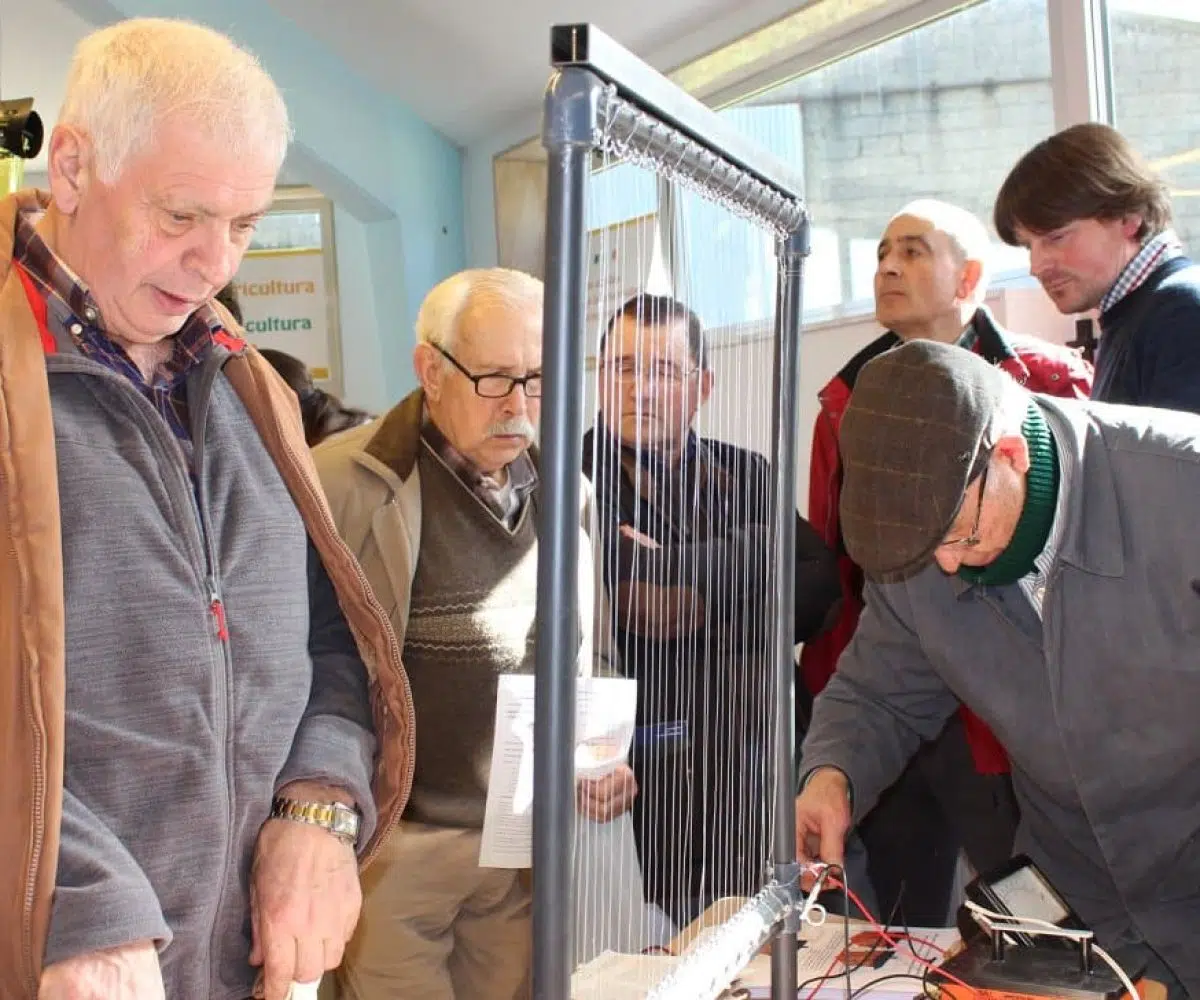
Electric Harps: Highly effective at reducing immediate hornet pressure around hives during peak seasons (summer and autumn). Though not eliminating the hornet entirely, harps significantly decrease bee stress and enable safer foraging. Bear in mind that it is not a harmless device: about 68% of its catch is Vespa velutina, so roughly one in three is not the target. Check its placement every two or three weeks and count what ends up in the tray.
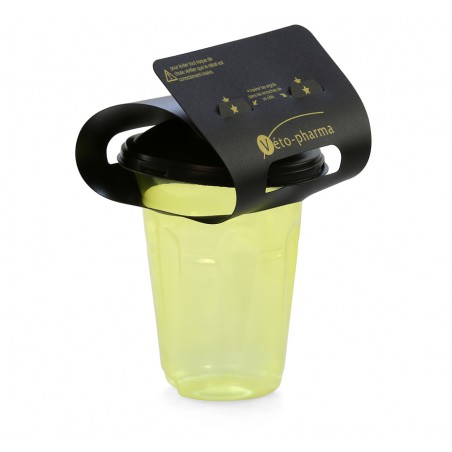
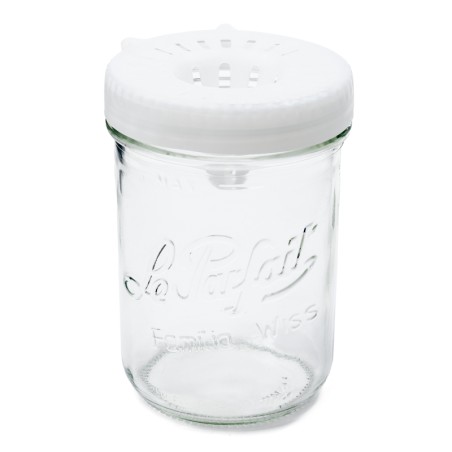
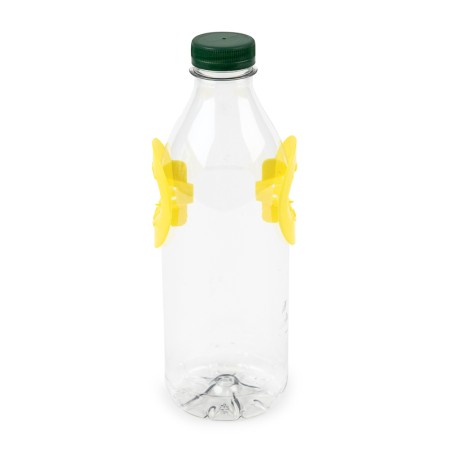
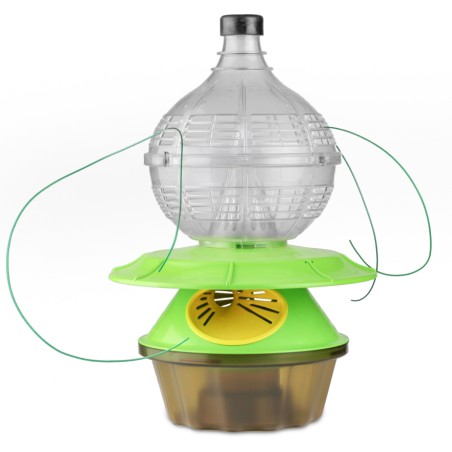
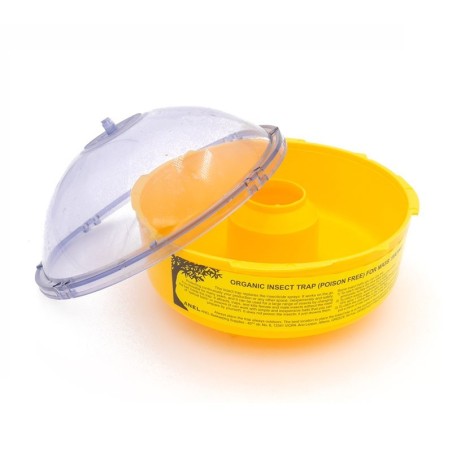
Traps with Specific Attractants: Crucial for capturing founding queens in spring, workers throughout the summer, and future queens in autumn. To minimize impact on beneficial insects, traps should be frequently monitored, used only in confirmed hornet-infested areas, and promptly removed once the trapping period ends.
By strategically combining these methods and following our practical recommendations, you can effectively manage Asian hornet populations, significantly reducing their impact and ensuring the survival and productivity of your bee colonies.
Can the same trap be used to detect Vespa velutina and to reduce pressure on an apiary?
When should traps for Vespa velutina be set?
When should Asian hornet traps be removed?
Remove the traps when the planned period for that campaign ends, and reassess their use if they no longer serve the intended purpose or catch too many non-target species. Do not automatically extend spring trapping of foundress queens into autumn. If worker hornets later put pressure on the hives, consider a specific action to protect the apiary, using an appropriate device and attractant. Dates should reflect local monitoring and the local protocol; do not leave traps active all year as a precaution.
Should baited traps be placed near or far from the hives?
To reduce pressure on the hives, some models are used in the vicinity of the apiary; in a foundress trapping campaign, their distribution follows the local programme. There is no universal distance of 500 m that applies to every trap. Follow the placement instructions for your model and check both the catches and bee activity at the hive entrances. Electric harps and hive entrance barriers serve a different purpose and must be installed according to their own instructions.
How can I assess Asian hornet pressure in my area before spending money?
Observe the hive entrances over several visits and at different times of day: note whether Asian hornets are hunting, whether attacks are repeated and whether fewer bees are entering and leaving. Flowering ivy can be a useful observation point, but seeing Asian hornets on it does not, on its own, measure pressure across the whole valley. A visit with no sightings does not prove that they are absent either. Compare your observations with local alerts and monitoring before choosing a course of action.
Which bait should I use: sweet or fermented?
Choose an attractant suited to your trap and trapping campaign: the rule “fermented for queens and sweet for workers” is not enough. Fermented mixtures can also attract insects that we do not intend to catch. An entrance measuring 8–8.5 mm does not guarantee that bees will be excluded either: escape openings, protection from the liquid and checking the catches all matter. Follow the recipe or dose specified for the system. If too many pollinators are caught, reassess or stop using the method in line with the local protocol.