
-
Beehives
- Complete beehive
- Accessories
-
Nuc hives
- Nucs by format
- With bees & mating
- Spare parts
-
Bee equipment
- For the apiary
- For the beekeeper
-
Clothing
- Clothing Accessories
-
Beeswax
-
Pure beeswax
- Beeswax and foundation
- Beeswax foundations
- Melting and rolling beewax
-
Pure beeswax
-
Bee feed
- Accessories and source materials
- Utensils
-
Bee health
- Varroa Treatments
- Diseases control
- Nutraceuticals
-
Extraction and bottling
- Before extraction
- Honey extraction
- After extraction
-
Bee pollen
- Harvest
- Indicted
-
Honey packaging
- Flasks per utility
- Flasks by size
- Other packaging
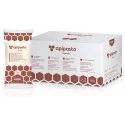 Apipasta with vitamins 15kg
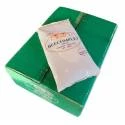 Beecomplet® Spring 14Kg
 Beekeeper suit with round veil
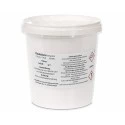 Oxalic acid 1kg
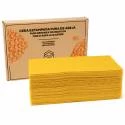 Beeswax Foundation 5kg
 Fresh royal jelly 20g
 Classic honey jar 1kg comb-lines TO77 - Pack of 16 units
 Promotor L Apis 1 litre
Nuc Hives
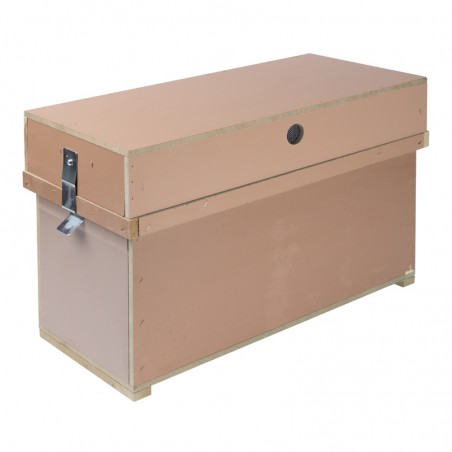
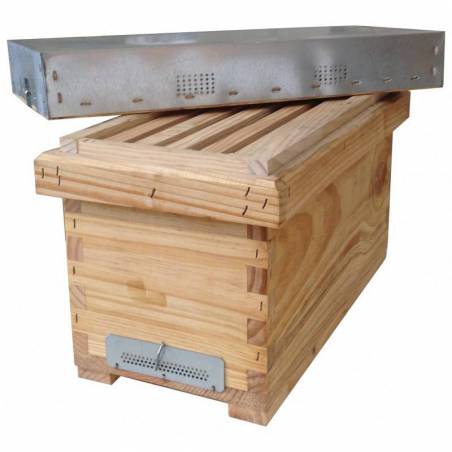
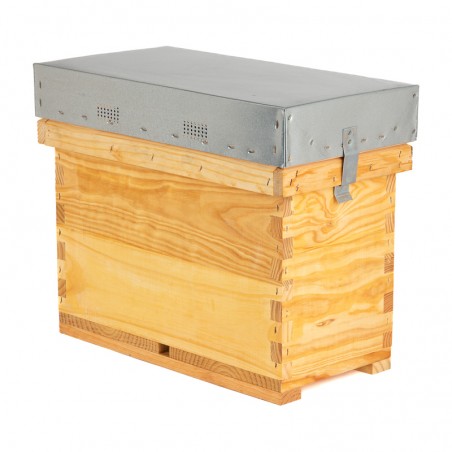
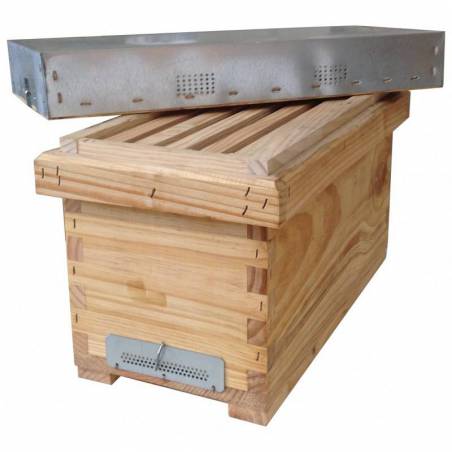
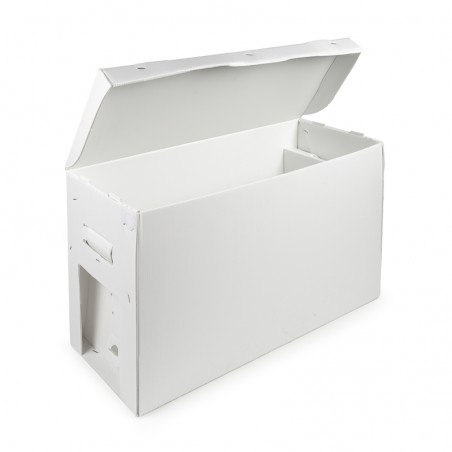
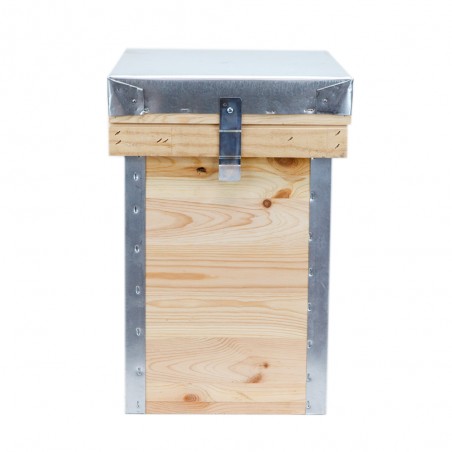
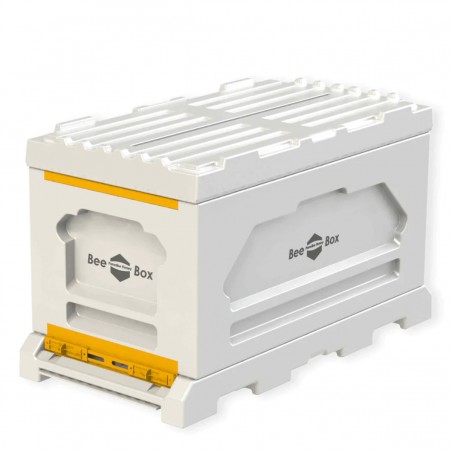
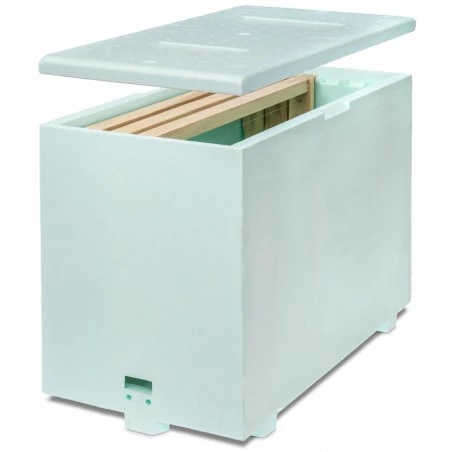
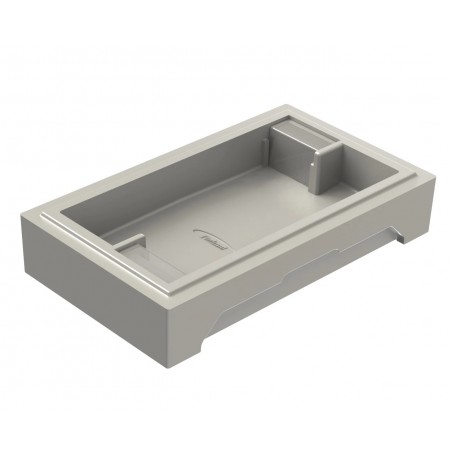
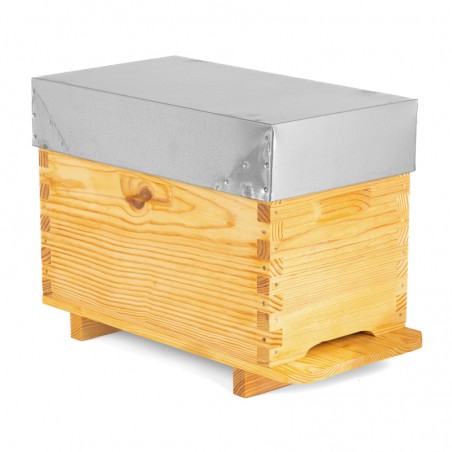
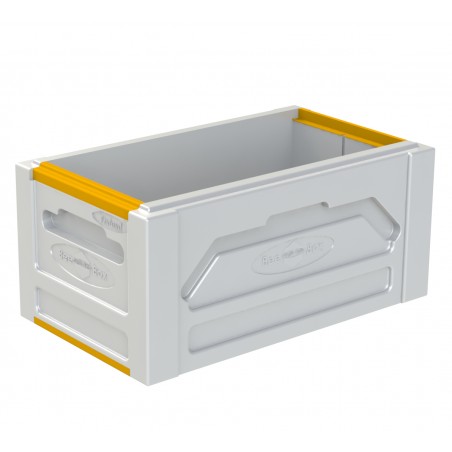
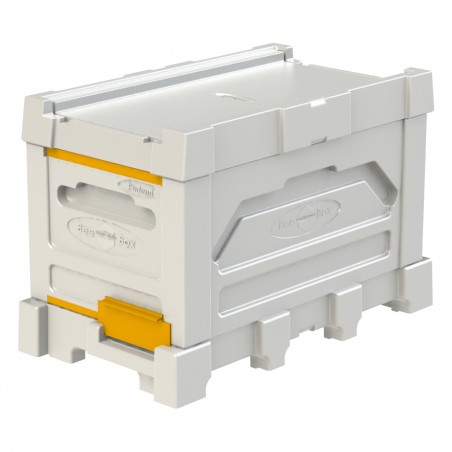
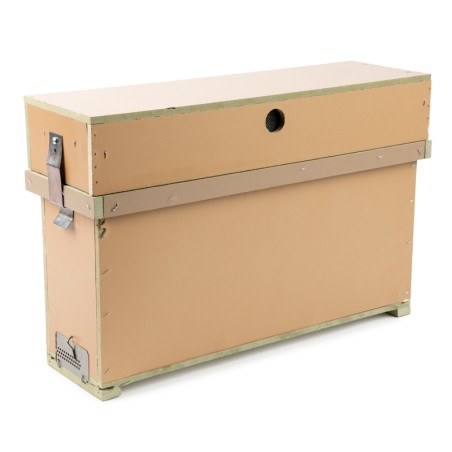
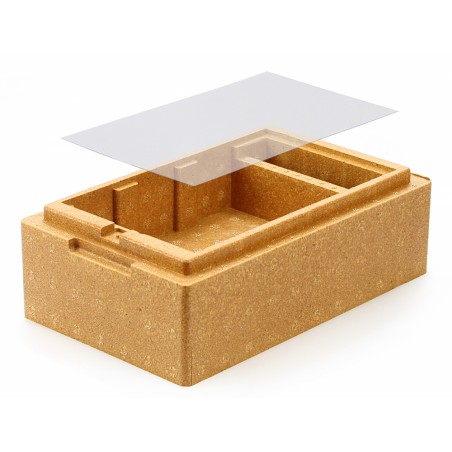
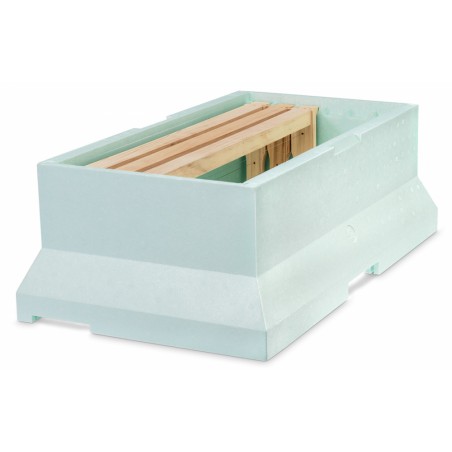
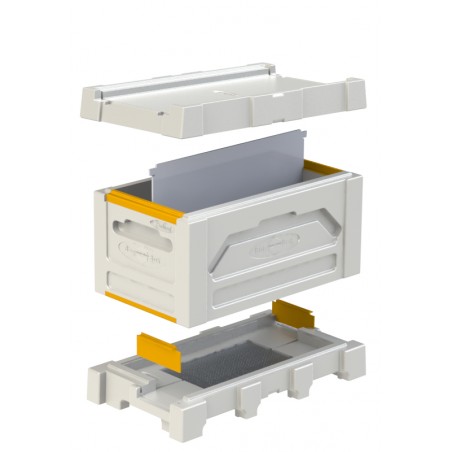
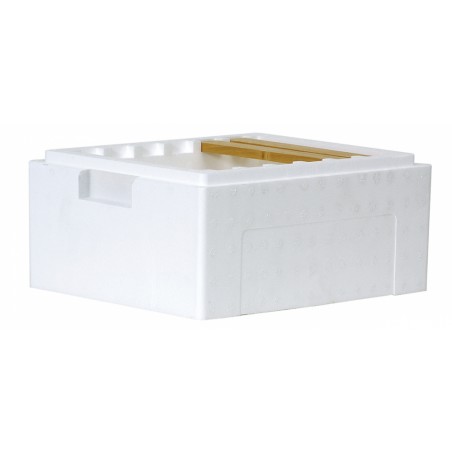
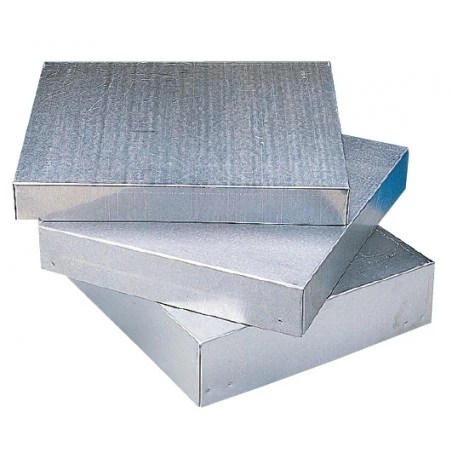
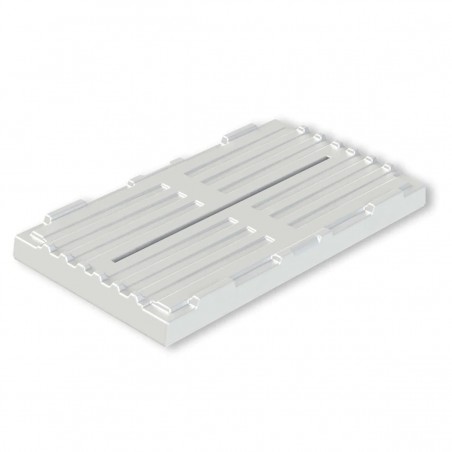
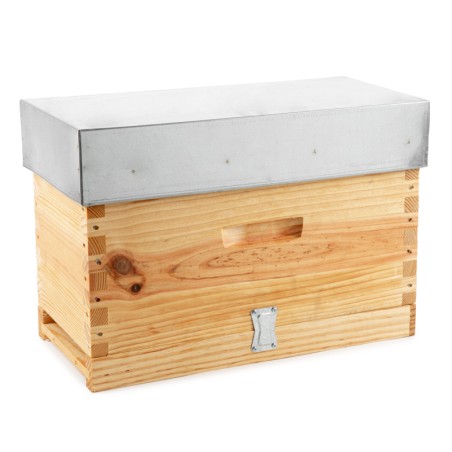
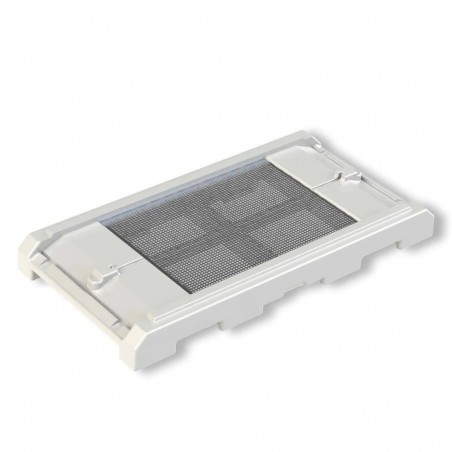
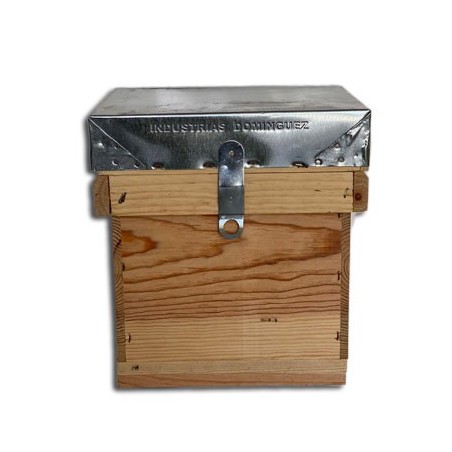
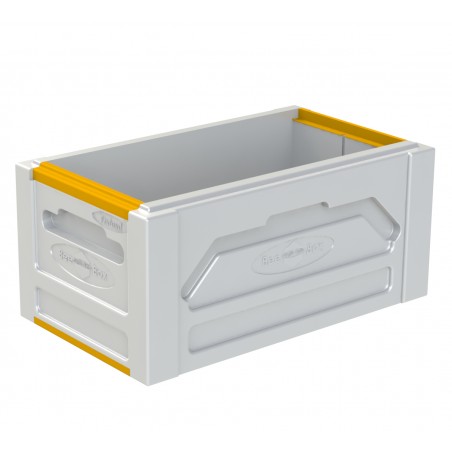
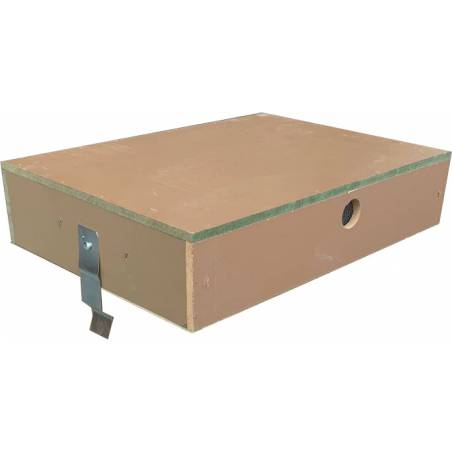
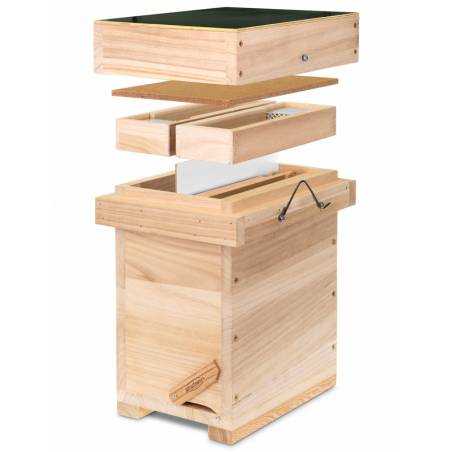
Nucleus boxes in HDF, wood and plastic, for Langstroth, Dadant, French Dadant Blatt and Layens. Up to €149.
- With bees & mating
- Spare parts
Item type
Hive type
Material
Number of frames
Nuc system
Categories
Price
-
€0.00 - €149.00

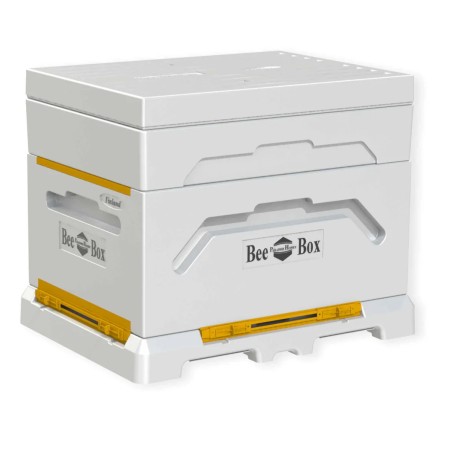

How to choose a nucleus colony
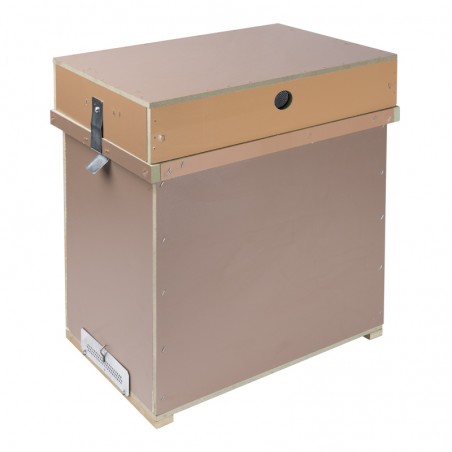
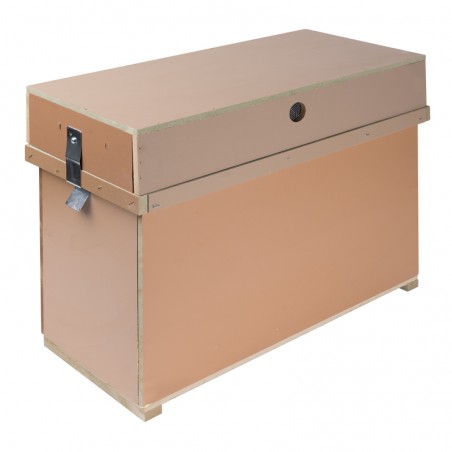
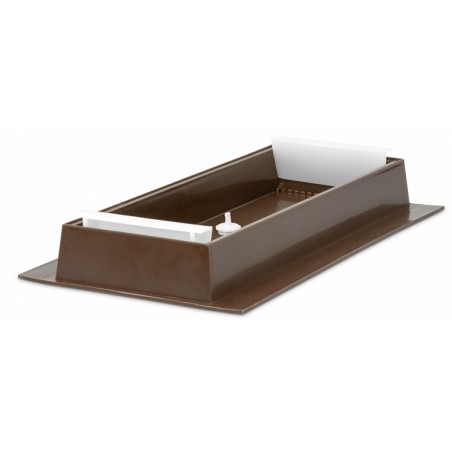
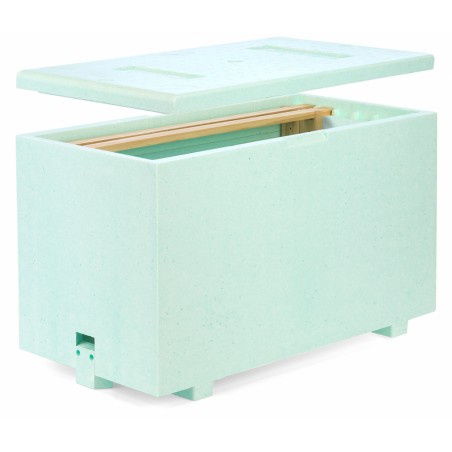
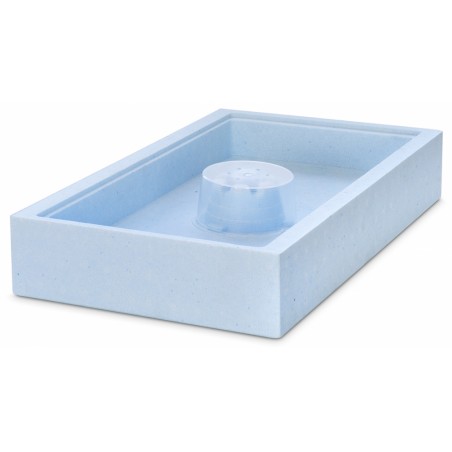
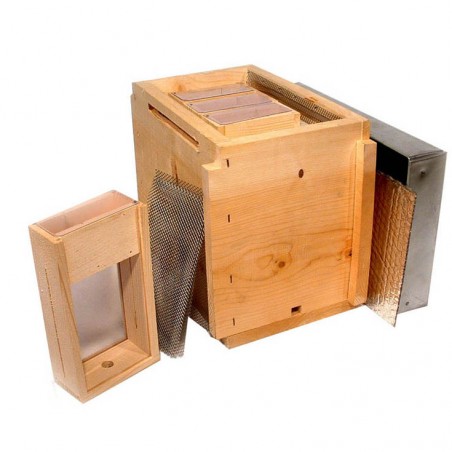
A nucleus isn't just “a small hive”: it's a management tool. It's used to make splits, rear or introduce queens, transport swarms, hold small colonies in reserve or start new hives with more control. The first thing I'd look at isn't the price, but what you're going to use it for and which format you work with: Layens, Langstroth, Dadant US or Dadant Blatt. If the nuc isn't compatible with your frames, you end up duplicating equipment, half-adapting and losing time. To form new colonies or move swarms, I'd look for a sturdy, well-ventilated nuc, easy to close and with enough space for feed. For queen mating, on the other hand, I'd use specific mini-nucs: they use fewer bees, are more manageable and are designed for that particular job.
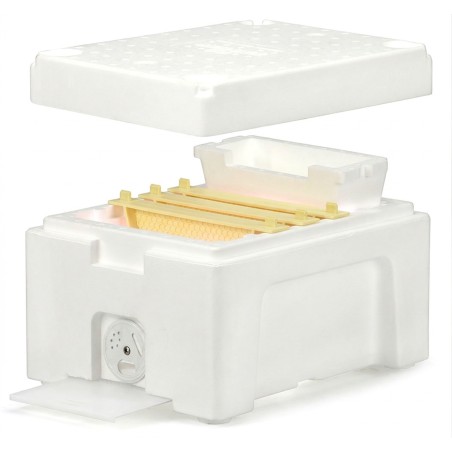
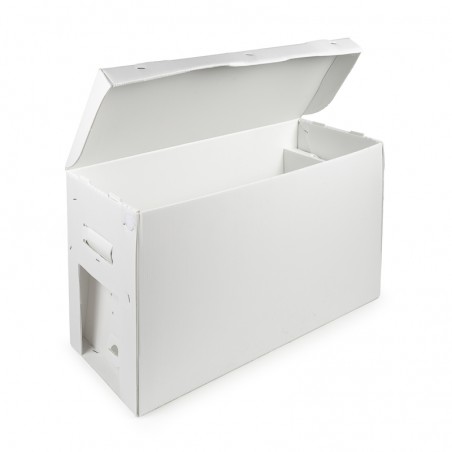
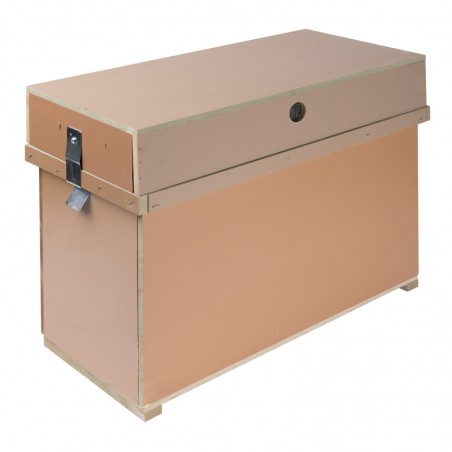
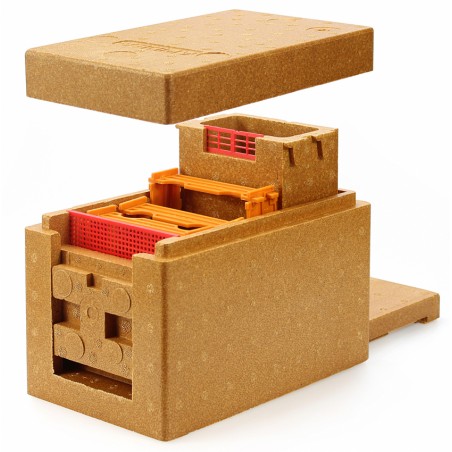
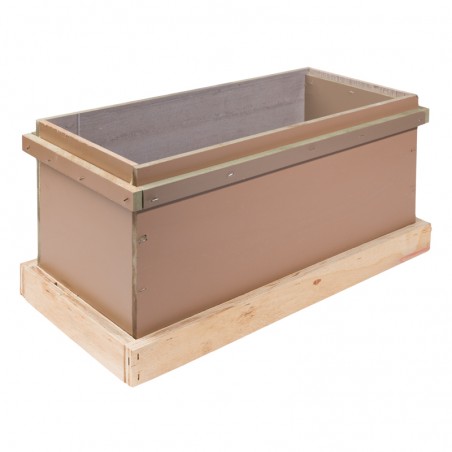
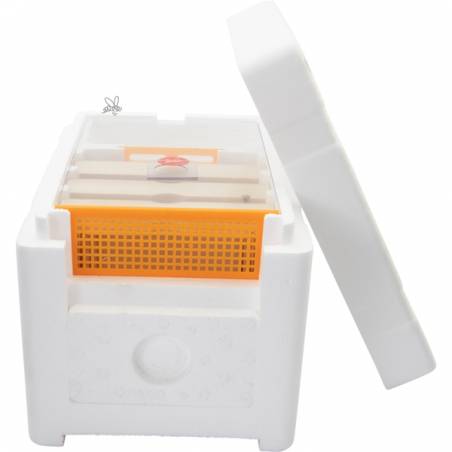
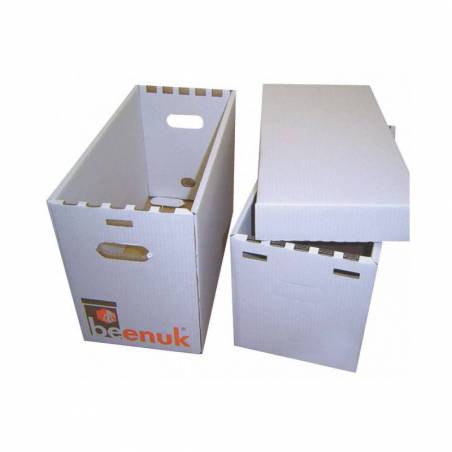
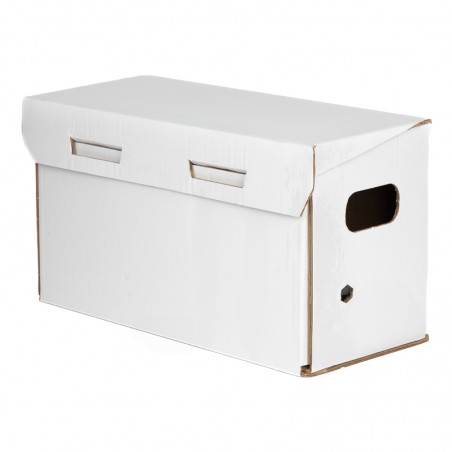
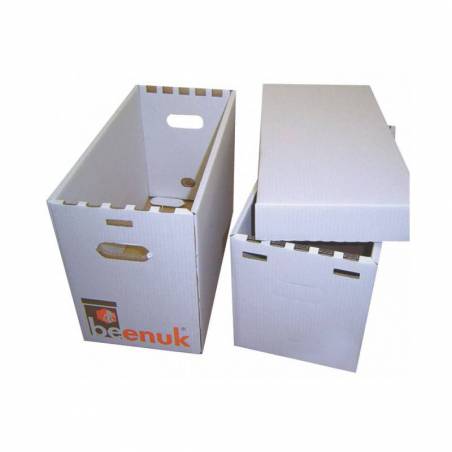
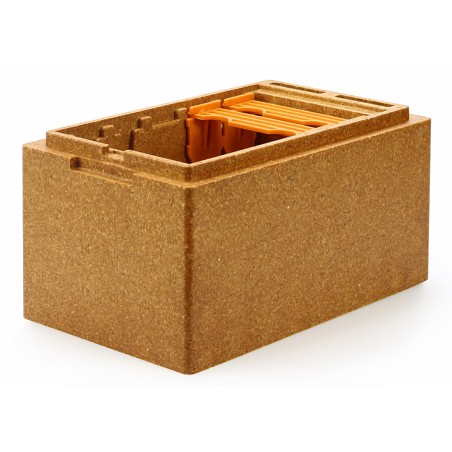
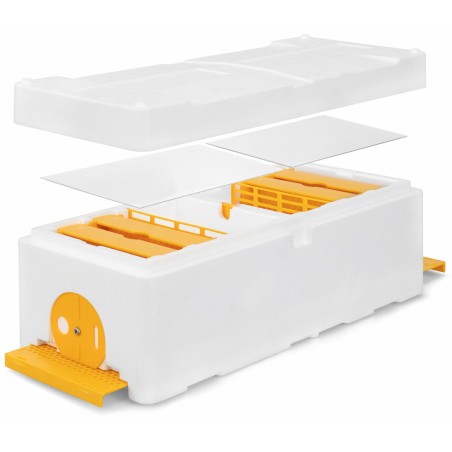
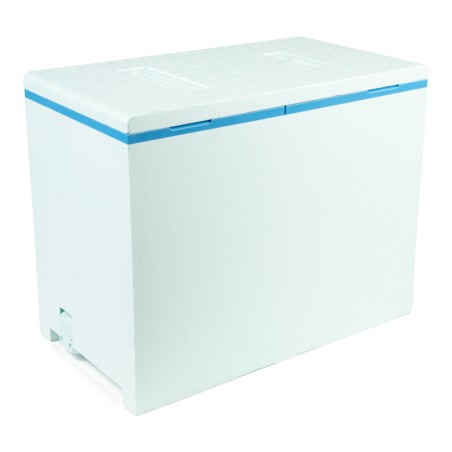
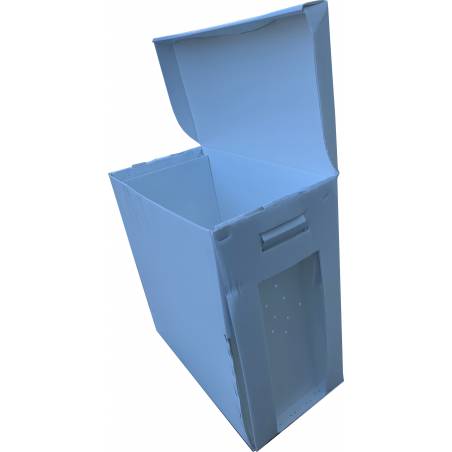
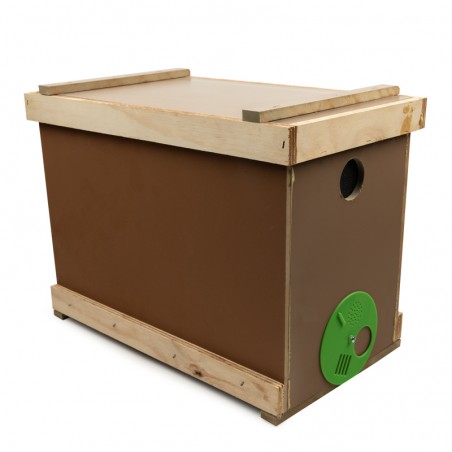
And here I'll take a clear stand, especially for those starting out: buying a nuc box isn't the same as buying a nuc with bees. If you want to get into beekeeping with some certainty, the sensible thing is to start with a well-formed live nuc: with a queen, brood, bees and stores. The empty box is the container; the colony is what really gets the project going. Before buying, I'd check the material, insulation, ventilation, transport closure, feeder, entrance, ease of cleaning and compatibility with your frames. Cardboard nucs can make sense for occasional transport; wood or HDF ones are sturdier for repeated use; and polystyrene ones insulate very well, although they have to be handled more carefully. A good nuc lets you grow in an orderly way; a badly chosen one complicates things just when the colony is most delicate.
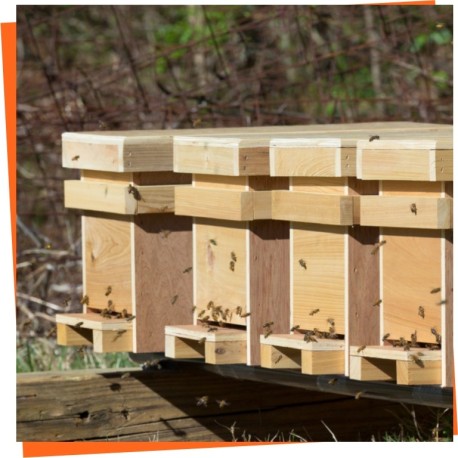
Nuc Hives
Worth clearing up first: what is here are the boxes. Live bees — swarms, queens and populated nuclei — are in live material.
What a nucleus box is for
A nuc box is not a small hive: it is the tool that solves four specific jobs.
- Splitting. Taking brood frames out of a strong colony before it swarms, and giving them their own space.
- Rearing queens. A populated nuc is where a queen gets mated and tested before going into production.
- Collecting swarms. It is the box you need in the car when someone calls about one.
- Carrying a weak colony. In a reduced volume a small colony holds its heat and pulls through; in a full hive it gets lost.
Which material to choose
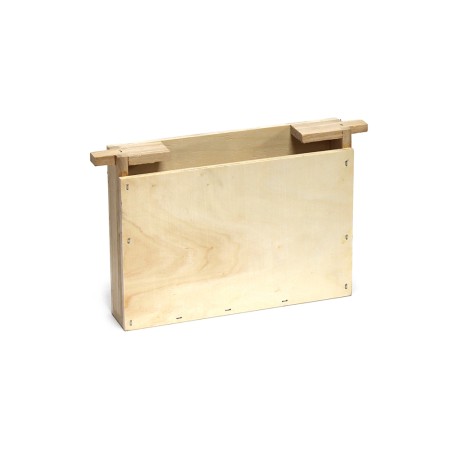
- HDF — light and cheap, and it is what exists for Layens, Langstroth, Dadant and French Dadant Blatt. Perfect for transport and for keeping several spare.
- Wood — more durable and repairable, for nucs that will stay put all season.
- Plastic — washes under pressure and does not absorb damp, useful if you reuse them a lot between colonies.
What to check
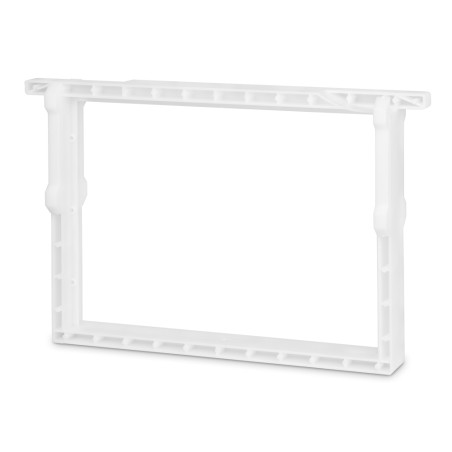
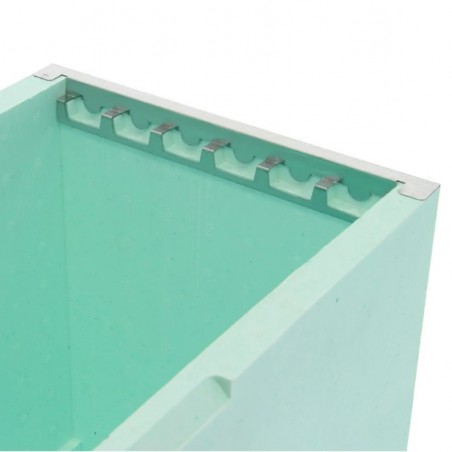
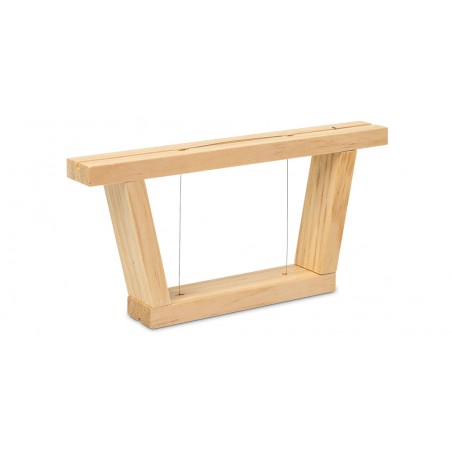
The frame size, always. A Layens nuc will not take a Langstroth frame, and the French Dadant Blatt is a different size from the common Dadant. The whole point of a nuc is being able to move frames between it and the hive: if the size does not match, it is useless.
And look at the ventilation and the entrance: a nuc closed for transport needs a screen, because a two-hour move with the entrance blocked and no air kills the colony.
What is a nucleus colony?
A nucleus colony, or simply "nuc", is a small colony of bees created by a beekeeper as a subdivision of a larger one. It includes a queen, workers, brood and normally a few frames of honey and pollen. Nucs are usually half the size of a full hive: a Langstroth nuc might have 5 frames, compared with the 10 of a full Langstroth. Nucs are frequently used to start new hives or to strengthen existing ones.
When should you start making nucs?
Making up nucs is an essential practice in beekeeping, both to expand the apiary and to replace colonies lost. To start, you should pick a well-populated hive with at least 8 frames of brood and desirable traits.
There are different methods, such as making queenless nucs or nucs with a mated queen. Choosing the frames, feeding properly and paying attention to factors such as heat are all essential to the process.
For the queenless method, be sure to leave eggs or young larvae so a new queen can be raised. For the mated-queen method, mix bees from different hives and introduce the new queen carefully.
Where the nucs are placed, steady feeding and checking afterwards that the queen is laying are all important parts of the process. New nucs should also be moved to a site at least 10 km from their original location.
Season and weather can influence the right moment to start, so take your surroundings and the time of year in your region into account.
How many bees come in a nuc?
A nuc is a smaller colony of bees and generally holds a reduced number of bees (roughly half) compared with a full hive. A typical nuc might have between 10,000 and 20,000 bees, including a queen, workers and brood, though this can vary with the type of nuc and the purpose it is being used for.
How many nucs does a hive have?
A hive does not have nucs in itself. A nuc is a partial colony or subdivision of a hive, used to start a new hive or to strengthen an existing one. You can take several nucs from a strong, well-populated hive, but in itself a hive is a complete entity and does not contain nucs within it.
How do you make a queenless nuc?
What you need
A nuc box or a standard hive box
Frames with open and sealed brood
Frames with stores (honey and pollen)
Beekeeping tools (smoker, hive tool, and so on)
Steps
- Preparation: make sure you have all the materials and tools to hand. Light the smoker and get the donor hive and the nuc box ready.
- Choosing frames: open the donor hive and select frames with a good amount of open and sealed brood. Make sure there is no queen on them.
- Transferring frames: move the chosen frames into the nuc box. Be sure to include at least one frame of stores.
- Worker bees: add worker bees by shaking a frame of bees from the donor hive into the nuc box. This gives the workforce needed to look after the brood and keep the colony going.
- Closing and siting: close the nuc box and put it in a suitable spot. You can keep it near the donor hive or move it to a new location.
- Monitoring: keep an eye on the nuc over the following days to check the bees are settling in well. If you plan to introduce a new queen, this is the right moment.
- Supplementary feeding: if stores are low, consider feeding the nuc with sugar syrup or protein feed.
Points to bear in mind
Make sure the donor hive has enough resources and population to stand the loss of frames and bees.
If you plan to introduce a new queen, wait a few days so the bees in the nuc get used to her absence before introducing her.