
-
Beehives
- Complete beehive
- Accessories
-
Nuc hives
- Nucs by format
- With bees & mating
- Spare parts
-
Bee equipment
- For the apiary
- For the beekeeper
-
Clothing
- Clothing Accessories
-
Beeswax
-
Pure beeswax
- Beeswax and foundation
- Beeswax foundations
- Melting and rolling beewax
-
Pure beeswax
-
Bee feed
- Accessories and source materials
- Utensils
-
Bee health
- Varroa Treatments
- Diseases control
- Nutraceuticals
-
Extraction and bottling
- Before extraction
- Honey extraction
- After extraction
-
Bee pollen
- Harvest
- Indicted
-
Honey packaging
- Flasks per utility
- Flasks by size
- Other packaging
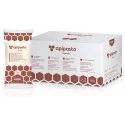 Apipasta with vitamins 15kg
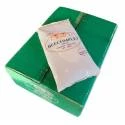 Beecomplet® Spring 14Kg
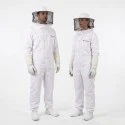 Beekeeper suit with round veil
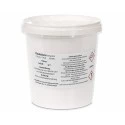 Oxalic acid 1kg
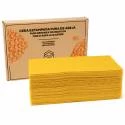 Beeswax Foundation 5kg
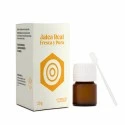 Fresh royal jelly 20g
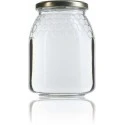 Classic honey jar 1kg comb-lines TO77 - Pack of 16 units
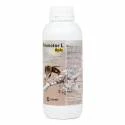 Promotor L Apis 1 litre
Honey analysis
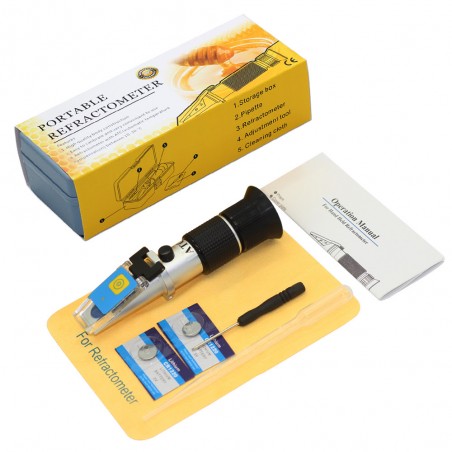
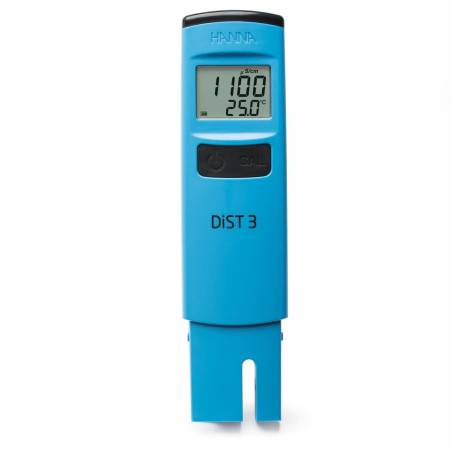
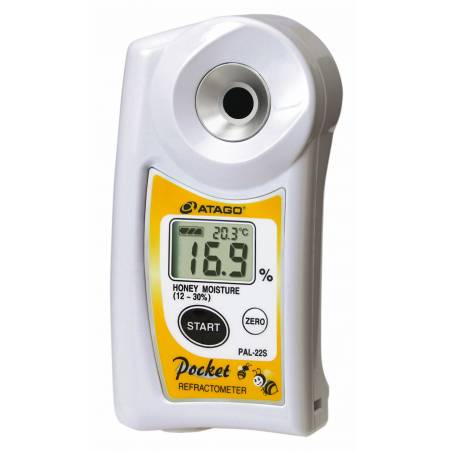
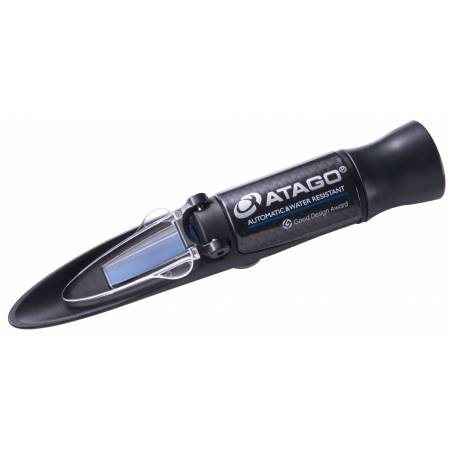
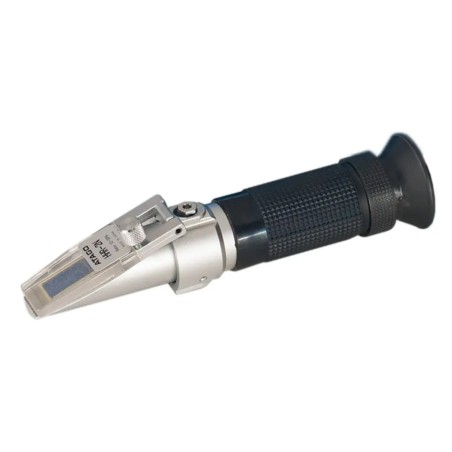
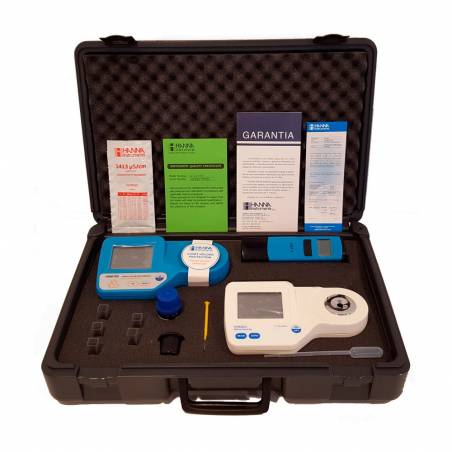
Honey refractometers with LED, conductivity meters, logging thermometers and calibration sets. From €18 to €835. What turns «my honey is good» into a figure.

How to control the quality of your honey
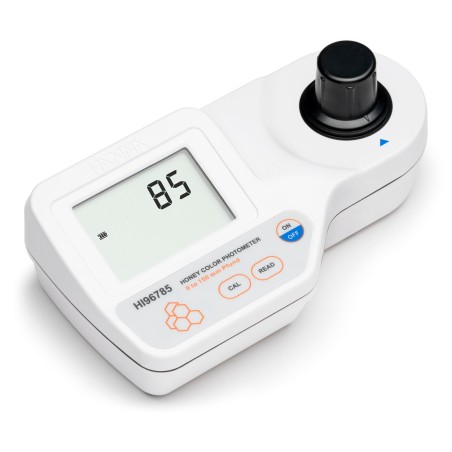
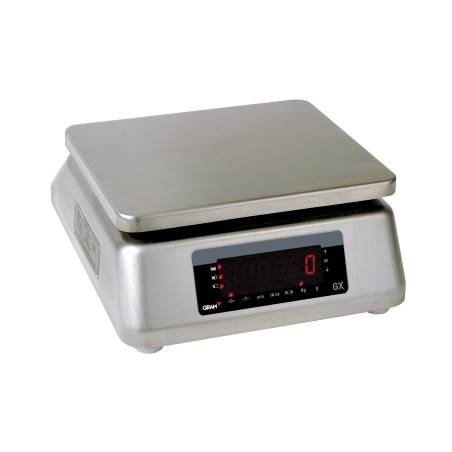
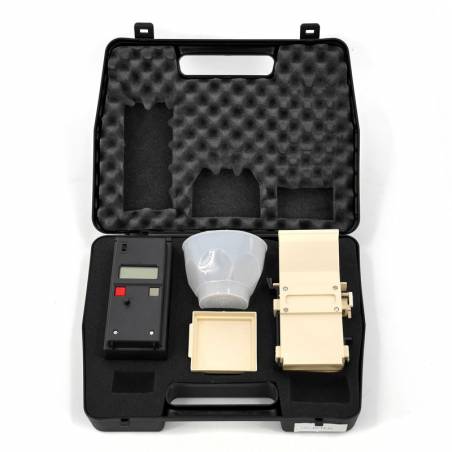
Analysing honey isn't about making life complicated: it's about avoiding problems before they reach the customer. The first figure I'd always look at is the moisture, because honey that's too moist can ferment and honey that's too dry can be very viscous and hard to work with. For that, a good well-calibrated refractometer should be in any extraction or bottling room, however small. But I wouldn't stop there. Depending on the type of honey and the commercial destination, it can also be worth measuring conductivity, colour, temperature, weight and batch stability. Conductivity helps a lot to distinguish floral honeys from honeydew honeys; colour is key if you sell by varieties or seek uniformity; and temperature matters every time you heat, decrystallize, filter or blend.
My advice is to handle each batch as if tomorrow you had to explain it: which apiary it is, when it was extracted, what moisture it had, whether it was blended, with which lot and for what. Blending honeys can be a very useful tool to improve consistency or adjust a parameter, but it shouldn't be done “by eye” or to cover up defects. First you measure, then you decide and afterwards you record. And here I'll take a clear stand: selling honey without controlling moisture or batches is taking an unnecessary risk. You don't need to set up a complete laboratory from day one, but you do need a serious base: a calibrated refractometer, clear records, labelled containers and temperature control. For finer analyses —pollen, HMF, diastase, residues or botanical origin— we're already into the lab, but basic control starts in your own honey house.

Honey analysis
Honey parameters are not bureaucracy: they are what separates honey you can sell from honey that ferments on the shelf. And nearly all of them are measured with two instruments.
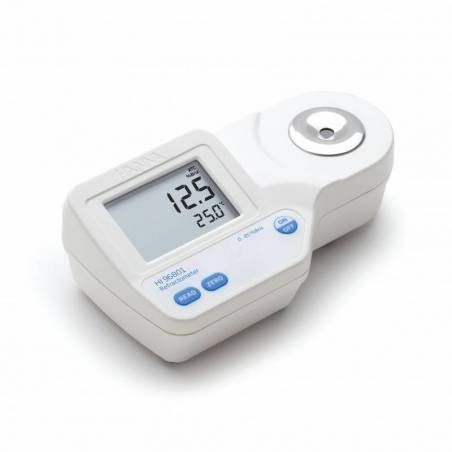
The refractometer is the essential one
It measures moisture, the most practical parameter because it predicts shelf life. The general legal limit is 20 % water, but commercially you aim below 18-18.5 % to cut the risk of fermentation. Below 17.1 % the risk is very low even with yeasts present; between 19 and 20 % you are on the edge.
They start at €50.90 with LED and calibration fluid. And the calibration set (€18) is not optional: an uncalibrated refractometer gives you a number and leaves you relaxed, which is worse than not measuring.
The conductivity meter, to know which honey you have
Electrical conductivity is the tool that tells a floral honey from a honeydew one: florals sit below 0.8 mS/cm and honeydew and chestnut above. If you sell forest or oak honey, it is the figure that backs it. From €87.50.
The other two parameters
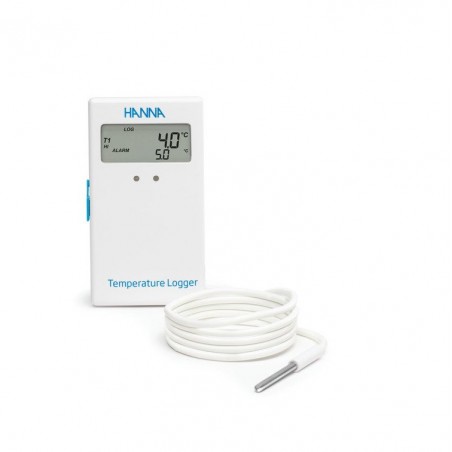
HMF (generally max 40 mg/kg) and diastase (min 8) measure freshness and heat treatment, and those are not measured in the workshop: they go to a laboratory. What you can control here is the cause — with a logging thermometer (€99.95) you know what temperature your honey has actually been at in the warming room or the decrystalliser, which is what raises HMF.
With those numbers in hand, the label stops being a statement of intent. The rest of the process is in honey house.