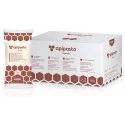
 Apipasta with vitamins 15kg
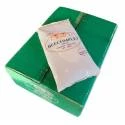 Beecomplet® Spring 14Kg
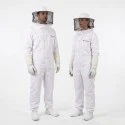 Beekeeper suit with round veil
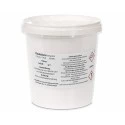 Oxalic acid 1kg
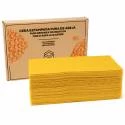 Beeswax Foundation 5kg
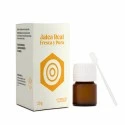 Fresh royal jelly 20g
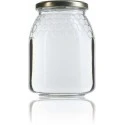 Classic honey jar 1kg comb-lines TO77 - Pack of 16 units
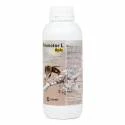 Promotor L Apis 1 litre

 Share in WhatsApp
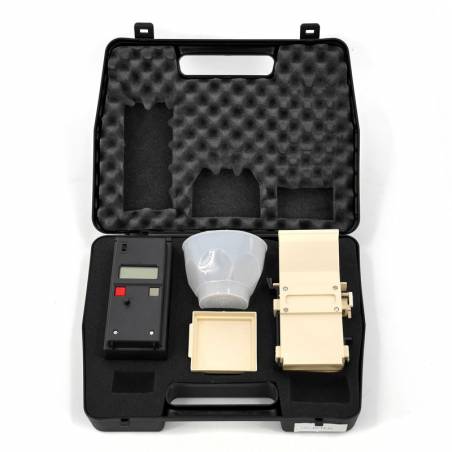
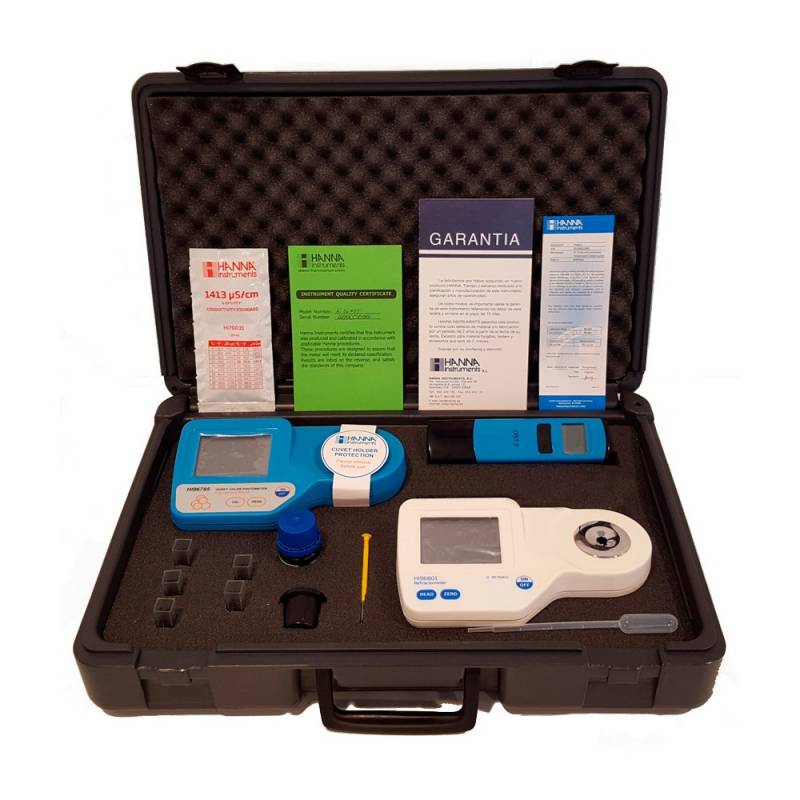
Professional Honey instruments Carrying Case by HANNA. Includes photometer, conductivity tester and refractometer.
Hanna case with the three instruments that define a honey: conductivity meter, digital refractometer and colour analyser, with the technical documentation for the analysis.
They are not three gadgets: they are the three parameters that decide what you may write on the label. Conductivity, moisture and colour separate a blossom honey from a honeydew, a bottleable batch from one that ferments, and a monofloral from a blend.
01 · CONDUCTIVITY: BLOSSOM OR HONEYDEW
Electrical conductivity is the parameter the standard uses to separate the two great families. Below 0.8 mS/cm you are in blossom honey; above it, in honeydew.
The standard allows exceptions — strawberry tree, heather, eucalyptus, lime and a few more can go past 0.8 while still being blossom honeys — but for the rest of the range that is the line. Measuring it at home avoids the most expensive mistake there is: selling as blossom a honey the laboratory will classify otherwise.
02 · MOISTURE: 20 % IS THE CEILING
The general legal maximum for honey is 20 % moisture, with allowances upwards for heather. But that is the limit of what is permitted, not the target: honey bottled for the market sits between 17.5 and 18 %.
The reason is that above that range honey moves into the ground where it ferments, and a fermentation in the jar cannot be undone. Measuring before bottling is what lets you decide in time: dry it, blend it with a drier batch, or send it somewhere else.
03 · COLOUR: WHAT MAKES A MONOFLORAL
Honey colour runs from very pale yellow to dark amber, through orange, reddish, brown and greenish casts, and it is tied to botanical origin. It is what lets a monofloral stand on something more than the beekeeper's word.
It is also the parameter that sets the shelf price without anyone saying so: two honeys of the same origin and different shade do not sell alike. Measured and recorded batch by batch, an impression becomes a figure for the season.
04 · IT DOES NOT REPLACE A LABORATORY
These instruments are for self-monitoring: they tell you where a batch stands before it leaves the honey house. For an official certificate, an export or a claim, you need an accredited laboratory.
That is where the real value of the case sits: whoever measures at home reaches the laboratory knowing what they will be told, and saves the cost of analysing a batch that was already ruled out.
05 · BEFORE YOU BUY
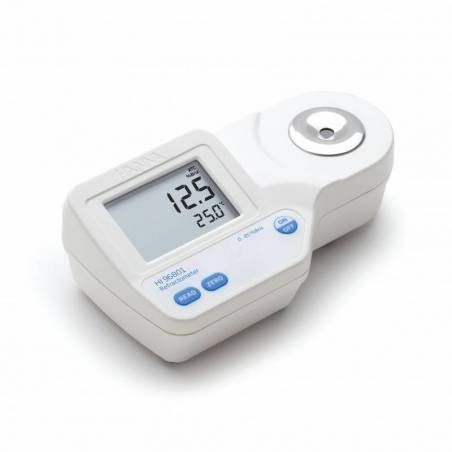
If you only need moisture, the Hanna refractometer is also sold on its own. The case earns its place when you have to stand behind origin and category, not just bottle.
| ✓ RIGHT FIT | Batch self-monitoring in a honey house that labels origin or monofloral. |
| ✕ WRONG FIT | Issuing an analytical certificate: an accredited laboratory signs that. |
| ⚠ NOT INCLUDED | Replacement calibration solutions, ordered separately. |
| Reference | 640000211 |
|---|---|
| Brand | Hanna |
| Contents | Conductivity meter, digital refractometer and colour analyser |
| Documentation | Technical, for interpreting the analysis |
| Conductivity | Regulatory blossom / honeydew cut at 0.8 mS/cm |
| Moisture | Legal maximum 20 %; commercial target 17.5 to 18 % |
| Colour | From pale yellow to dark amber, tied to botanical origin |
| Use | Self-monitoring in the honey house — it does not replace an accredited laboratory |
| Weight | 3 kg |
Professional Honey instruments Carrying Case by HANNA. Includes photometer, conductivity tester and refractometer.
check_circle
check_circle