
-
Beehives
- Complete beehive
- Accessories
-
Nuc hives
- Nucs by format
- With bees & mating
- Spare parts
-
Bee equipment
- For the apiary
- For the beekeeper
-
Clothing
- Clothing Accessories
-
Beeswax
-
Pure beeswax
- Beeswax and foundation
- Beeswax foundations
- Melting and rolling beewax
-
Pure beeswax
-
Bee feed
- Accessories and source materials
- Utensils
-
Bee health
- Varroa Treatments
- Diseases control
- Nutraceuticals
-
Extraction and bottling
- Before extraction
- Honey extraction
- After extraction
-
Bee pollen
- Harvest
- Indicted
-
Honey packaging
- Flasks per utility
- Flasks by size
- Other packaging
 Apipasta with vitamins 15kg
 Beecomplet® Spring 14Kg
 Beekeeper suit with round veil
 Oxalic acid 1kg
 Beeswax Foundation 5kg
 Fresh royal jelly 20g
 Classic honey jar 1kg comb-lines TO77 - Pack of 16 units
 Promotor L Apis 1 litre
Excluders and screens
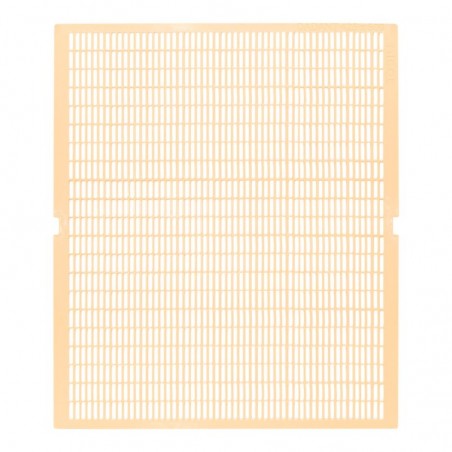
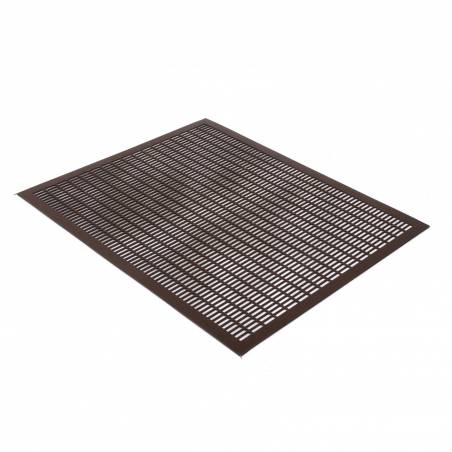
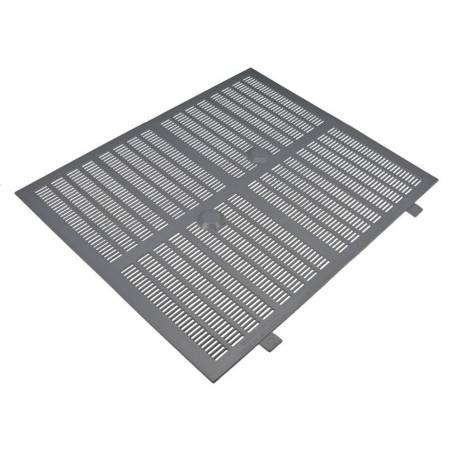
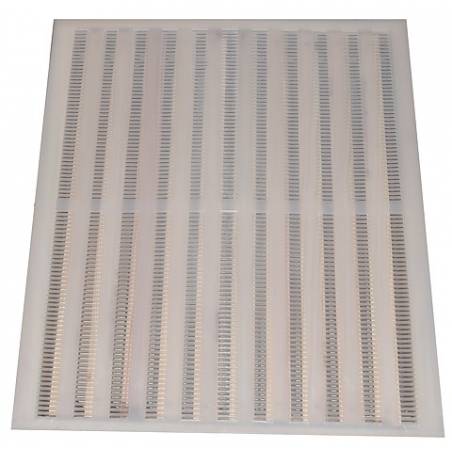
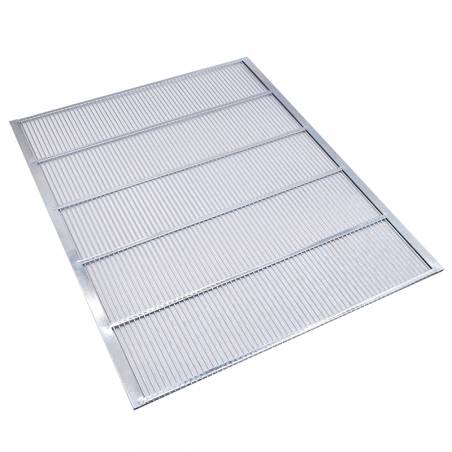
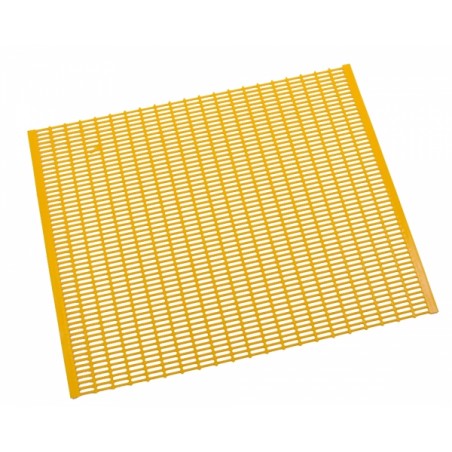
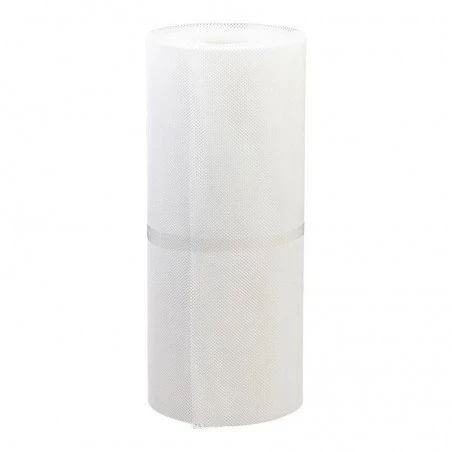
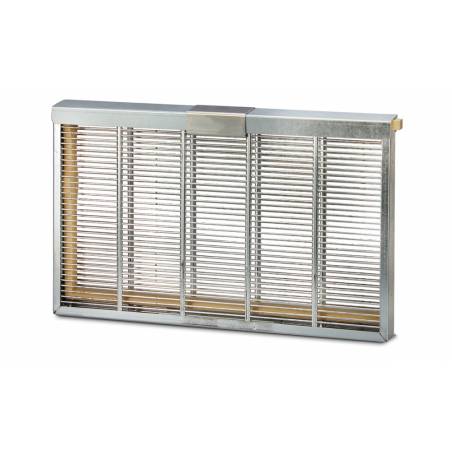
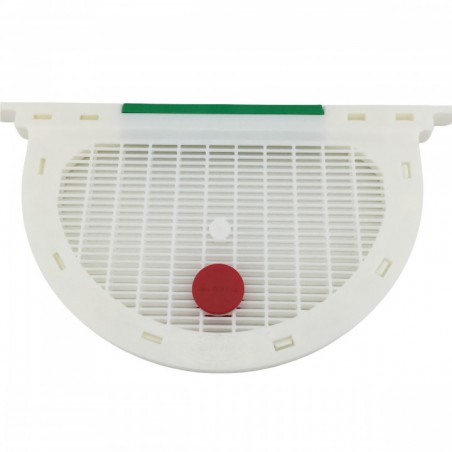
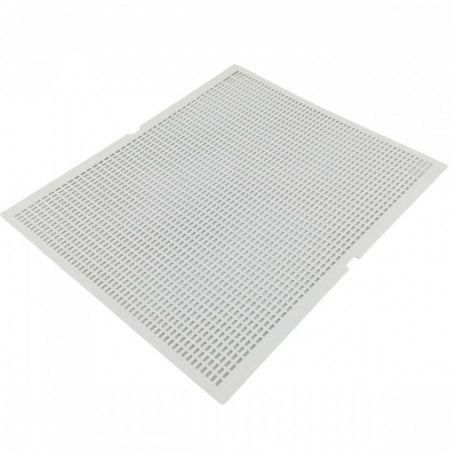
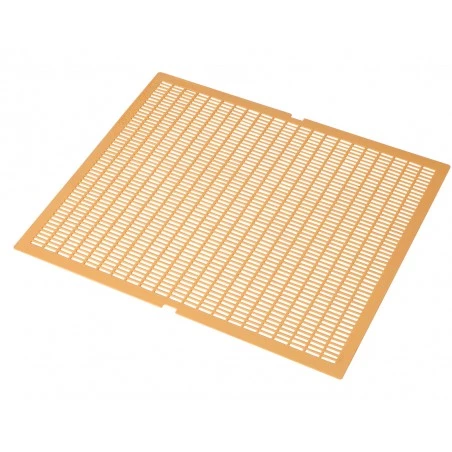
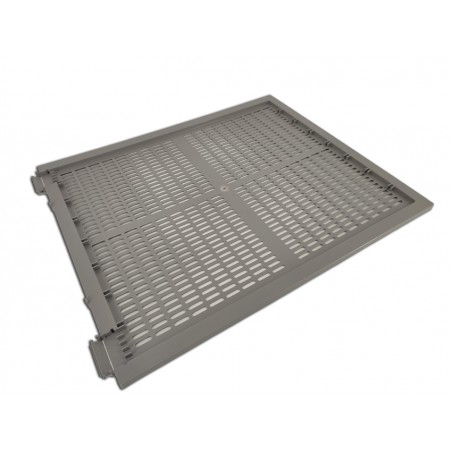
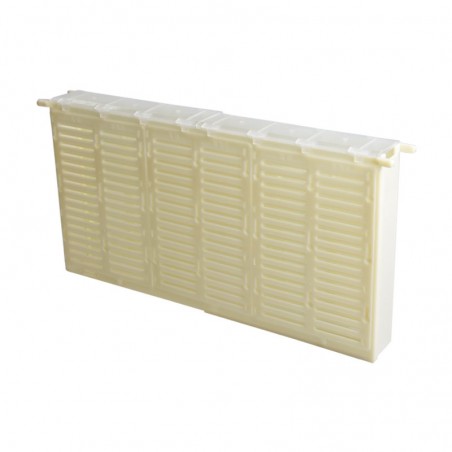
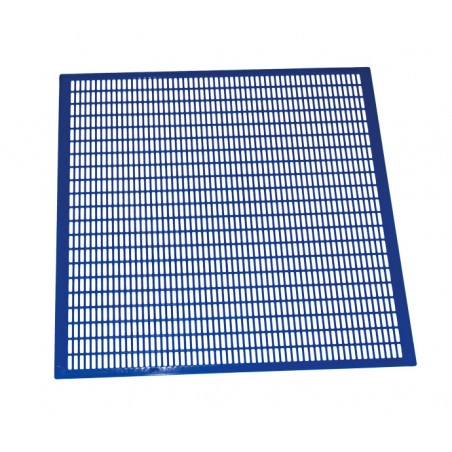
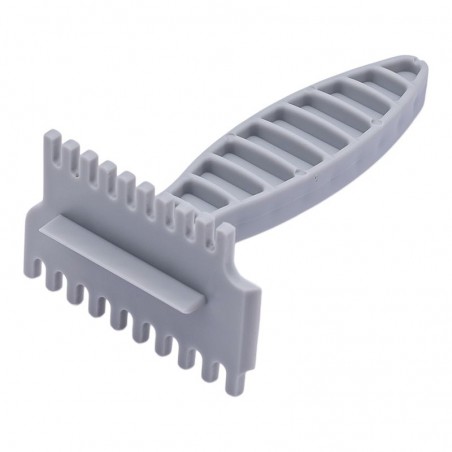
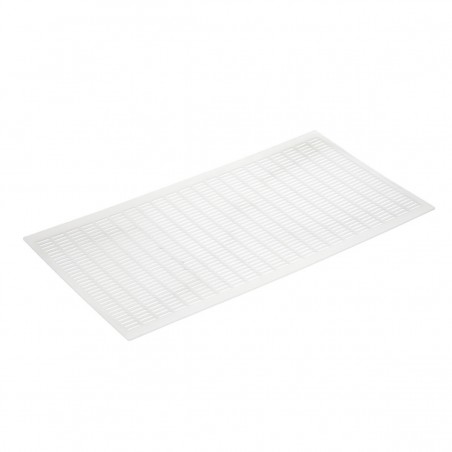
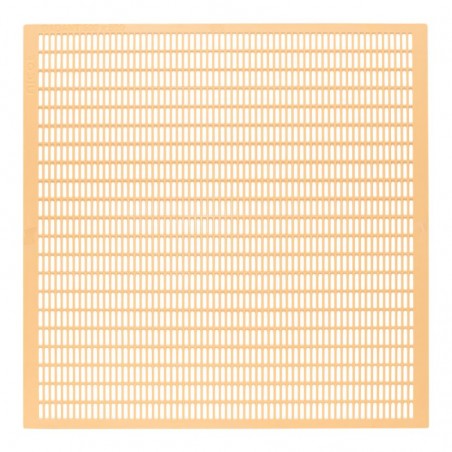
Queen excluders in plastic and metal for Langstroth, Dadant and Layens, from €1.89. And the other grids: propolis screens, ventilation and floor grids.
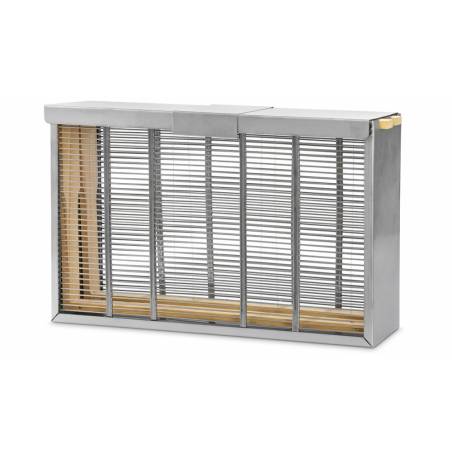
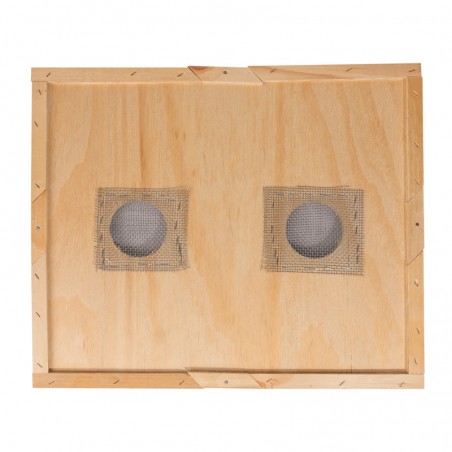
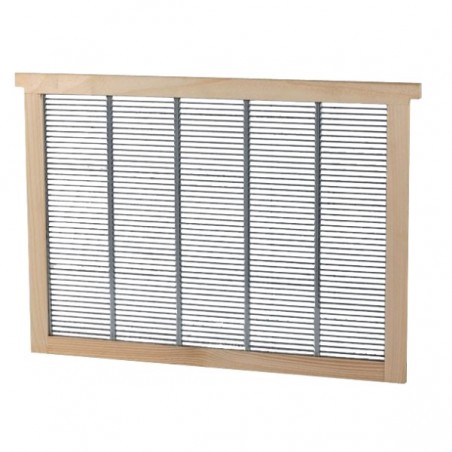
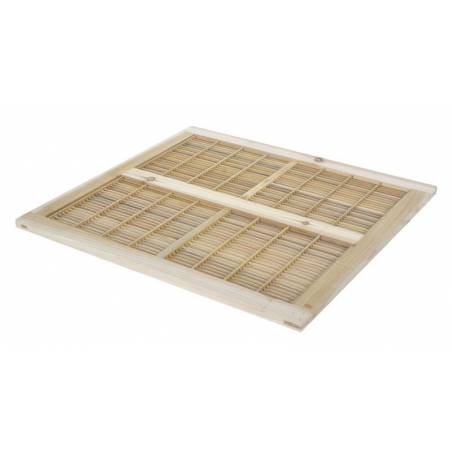
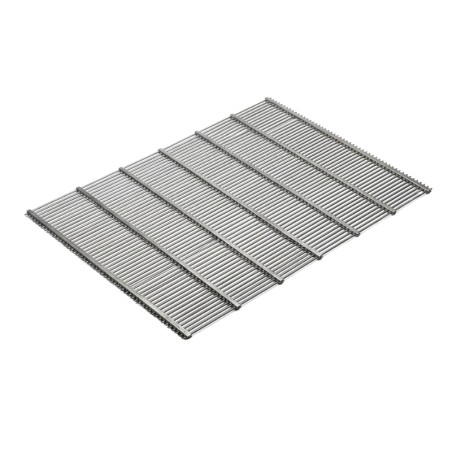

How to choose and use grids and excluders
Grids and excluders are very useful tools, but they shouldn't be used “out of habit” without knowing what we want to achieve. A queen excluder serves to keep the brood where it belongs and better separate the honey area, especially in super-based hives. Well used, it helps you harvest cleaner frames, avoid brood in the supers and organize the work better. It can also help reduce pollen in the super, not because it stops the workers with pollen from passing, but because it prevents brood up there; and where there's no brood, there's usually less tendency to store pollen. That's appreciated later, because super frames with pollen take up honey space, keep worse and don't get “cleaned out” by the extractor.
My advice is to choose according to the goal. To separate brood and honey, I'd first check compatibility with Layens, Langstroth or Dadant, the material, stiffness, fit, ease of cleaning and that it has no burrs or deformations. Metal ones are usually very durable and easy to clean; plastic ones are light, cheap and practical if they fit well. Propolis screens are another world: they don't aim to separate the queen, but to encourage the bees to propolise so you can then collect that propolis cleanly. And isolators or queen-caging frames I'd use only with a clear purpose: queen rearing, laying control, temporary blocking or certain sanitary practices. Here I'll take a clear stand: a grid doesn't fix a poorly managed hive. First you have to give space, check the population and understand the colony's stage; then the grid helps you work in a more orderly way. Badly used, it can hinder the passage of bees, create congestion and block the hive.
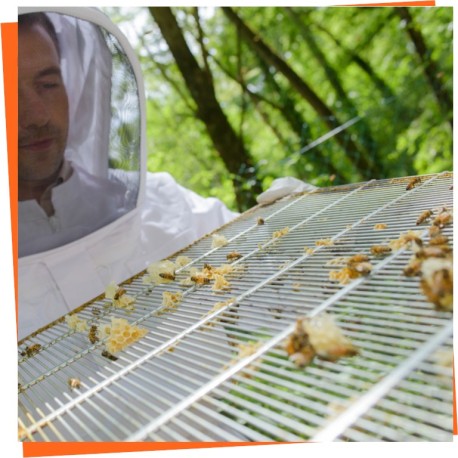
Excluders and screens
The excluder decides one very specific thing: whether the queen can go up into the super. And that decision changes what you harvest.
What happens with it and without it
With an excluder, the super is honey only: no brood, no pollen and no job of sorting frames at extraction. Without it, the queen goes up and lays there, and you end up with a super you cannot extract whole and with bees emerging where you wanted honey.
The trade-off is real and needs saying: the excluder slows laden workers down. If it is fouled with propolis, badly fitted or too tight a gauge, the colony goes up less and the harvest shows it. That is why some people do not use one — and why those who do keep it clean.
Plastic or metal
- Plastic (from €1.89) — cheap, light and easy to clean. It warps in heat if badly stored and turns brittle over the years.
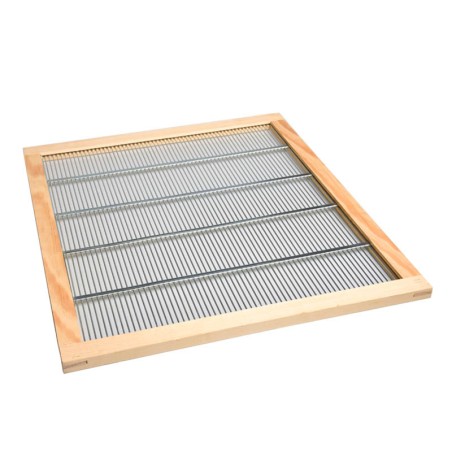
- Framed metal — dearer and practically everlasting. The wooden frame holds the passage space and stops the bees propolising the edge, which is where blocking starts.
The size has to match your hive: there are specific excluders for Dadant Blatt, for Langstroth and for Layens. They are not to be cut down.
The other grids in the category
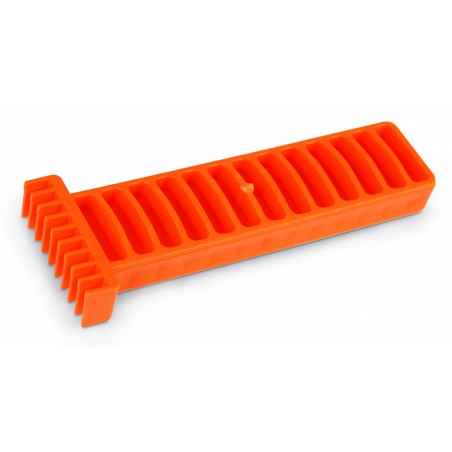
The propolis screen (from €1.99) excludes nothing: it goes on top so the bees fill it, and then it is frozen and flexed to collect clean propolis. And there are ventilation and floor grids, which in hive accessories sit alongside entrances and spacers.
With the excluder in place, the rest of super management is in hives.
What is a queen excluder and when is it used?
It is a grid whose openings allow worker bees to pass through but make it difficult for the queen to do so. It is normally placed between the brood chamber and the supers to prevent the queen from laying eggs in frames intended for harvesting.
It must match the dimensions of the hive and lie flat, with no gaps at the sides. It is not a disease control tool, nor does it guarantee that the queen will never pass through; furthermore, it may hinder movement if the colony does not accept the super. Check its effectiveness, take care not to trap drones, and remove it when it is no longer required for management purposes.
When is it advisable to split a hive?
When the colony has a sufficient population, brood and stores to sustain two units, and the season provides mature drones, food and time for the new queen to be mated or introduced. There is no universal number of frames that guarantees success.
Before splitting, decide which part will retain the queen and what the other part will contain: a queen cell, a virgin queen or a mated queen. Distribute brood, bees and stores evenly, control drifting and robbing, and keep a record of dates. A queen excluder can temporarily help to locate or confine the queen in some methods, but it is no substitute for careful planning of the split.