 Apipasta with vitamins 15kg
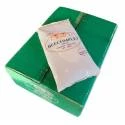 Beecomplet® Spring 14Kg
 Beekeeper suit with round veil
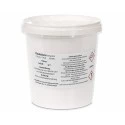 Oxalic acid 1kg
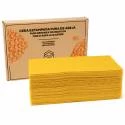 Beeswax Foundation 5kg
 Fresh royal jelly 20g
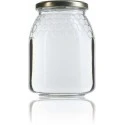 Classic honey jar 1kg comb-lines TO77 - Pack of 16 units
 Promotor L Apis 1 litre
- Out of stock

 Share in WhatsApp
425 × 510 mm FOR 10-FRAME BODIES | 8 ENTRANCES: 4 UP, 4 DOWN |
2 DOUBLE-SCREEN WINDOWS | 15 mm THICK |
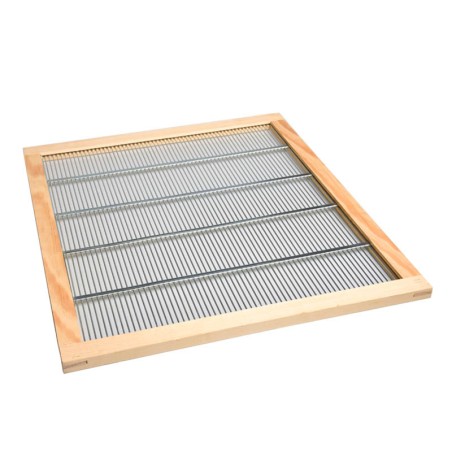
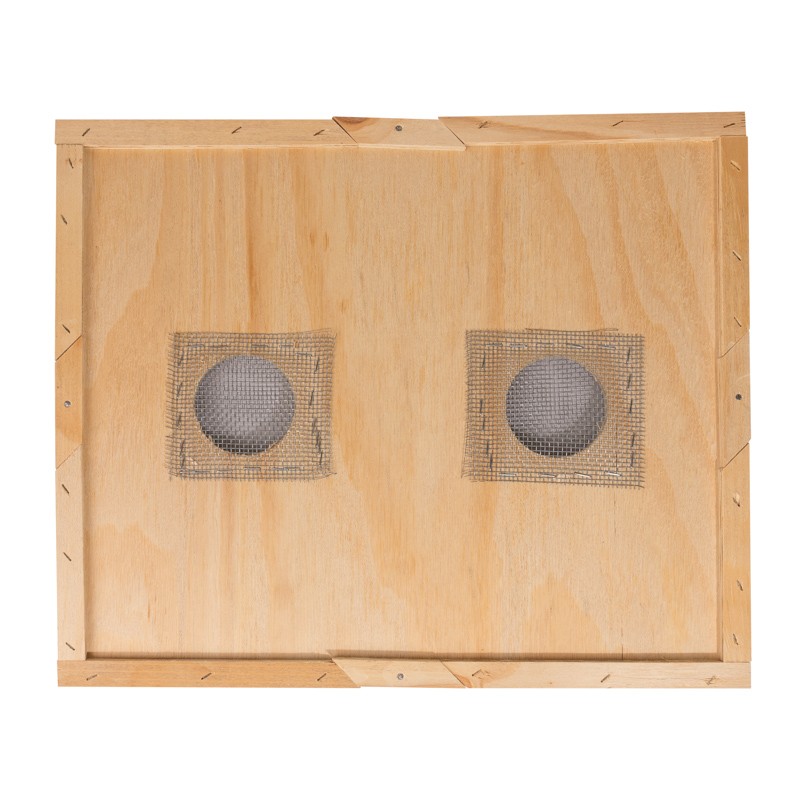
Snelgrove board, 425 × 510 mm, in plywood with a wooden rim: two double-screened windows and eight entrances, one above and one below on each side, to split a hive into two storeys that share warmth and scent without mixing.
It is the tool of the Snelgrove method: it separates the queen and the foragers from the brood and the nurse bees inside the same hive, and with the doors you decide which storey the flying bees return to.
01 · HOW IT WORKS
The two windows carry mesh on both faces with air between them: warmth and scent pass, but the bees of the two storeys never touch. That is why the two halves do not become strangers and later reunite without fighting. The eight entrances come in pairs, one above and one below the board on each of the four sides. Open one and close the other, and the foragers that learned that door come back to the same spot and walk into the other storey.
02 · WHAT IT IS USED FOR
The classic use is checking swarming in a strong hive with queen cells: the queen goes down with one frame of open brood, above her go the excluder and the supers, and above the board stays the rest of the brood with its nurse bees. Below, the queen with the foragers and room forgets about swarming; above, queenless, the nurses raise a new one. Then you choose: let the young queen mate and run two queens in the same stack until you unite them by removing the board, or take the upper storey away as a ready-made nuc, with no extra stand and no foragers lost.
03 · THE DOOR SCHEDULE
The day you split, open only one upper door, the front one say, and keep the rest closed. Four or five days later close it and open the lower door on that side and the upper door on another side: the foragers from above, already flying from the front, now walk in below. Four or five days after that, the same with the next side. Each change drains flying bees towards the queen and the supers, where the honey is made, and leaves the young bees above tending the queen cell. Mark the sides and write down date and door at every visit: the wrong door shares the bees out backwards.
04 · THE SIZE
It rests on the rim of the body, so what counts is the outer footprint of the hive, not the frame: it covers the 10-frame Langstroth and Dadant bodies used in Spain, Dominguez included, and comes up short on 12-frame bodies. The screens are left uncovered: to cut the scent as well, cover them with a slat.
05 · BEFORE YOU BUY
Supplied without excluder: the method wants one between the queen and the supers.
| ✓ FITS | 10-frame Langstroth and Dadant hives with a 425 × 510 mm footprint, for swarm control, queen raising or two-queen management. |
| ✕ DOESN’T FIT | 12-frame bodies or other footprints: it comes up short. And as a fixed crown board: it is a management board, with doors to be worked. |
| Reference | 129913 |
|---|---|
| Type | Snelgrove board (double-screen board) |
| Size | 425 × 510 mm · 15 mm thick |
| Compatibility | 10-frame Langstroth and Dadant with that footprint (Dominguez included) |
| Screen | Two windows with mesh on both faces and a gap between them |
| Entrances | 8: one upper and one lower on each of the four sides |
| Material | Plywood with wooden rim |
| Weight | 0.5 kg |
| Uses | Swarm control, vertical split, queen raising and two-queen management |
| Made by | La Tienda del Apicultor |

check_circle
check_circle