
-
Beehives
- Complete beehive
- Accessories
-
Nuc hives
- Nucs by format
- With bees & mating
- Spare parts
-
Bee equipment
- For the apiary
- For the beekeeper
-
Clothing
- Clothing Accessories
-
Beeswax
-
Pure beeswax
- Beeswax and foundation
- Beeswax foundations
- Melting and rolling beewax
-
Pure beeswax
-
Bee feed
- Accessories and source materials
- Utensils
-
Bee health
- Varroa Treatments
- Diseases control
- Nutraceuticals
-
Extraction and bottling
- Before extraction
- Honey extraction
- After extraction
-
Bee pollen
- Harvest
- Indicted
-
Honey packaging
- Flasks per utility
- Flasks by size
- Other packaging
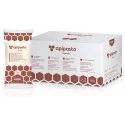 Apipasta with vitamins 15kg
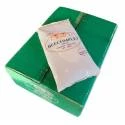 Beecomplet® Spring 14Kg
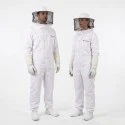 Beekeeper suit with round veil
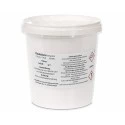 Oxalic acid 1kg
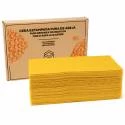 Beeswax Foundation 5kg
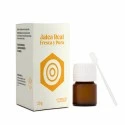 Fresh royal jelly 20g
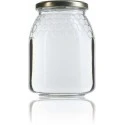 Classic honey jar 1kg comb-lines TO77 - Pack of 16 units
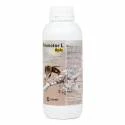 Promotor L Apis 1 litre
Honey
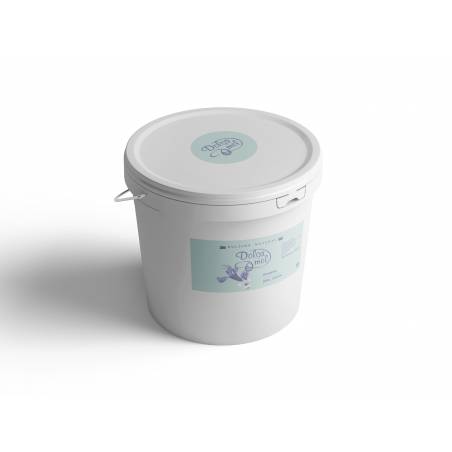
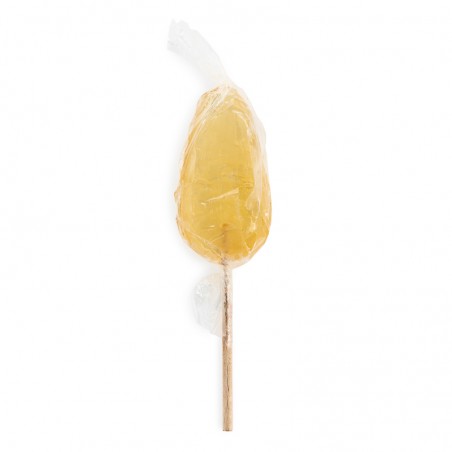
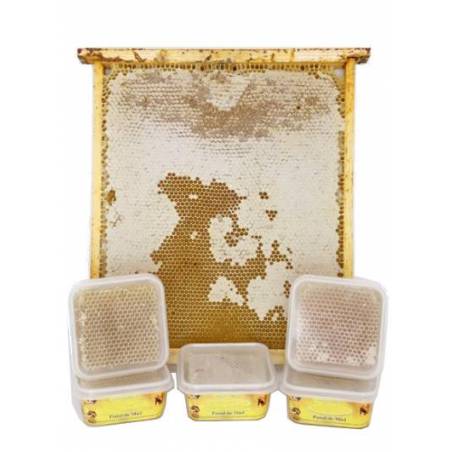
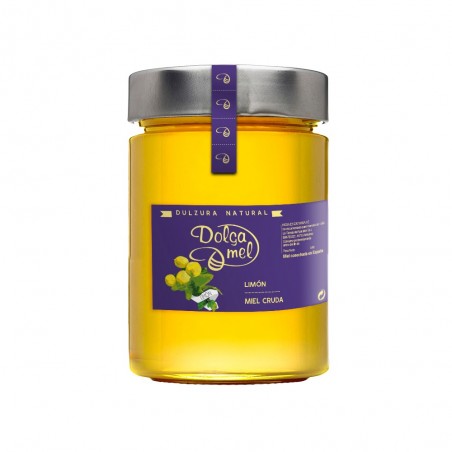
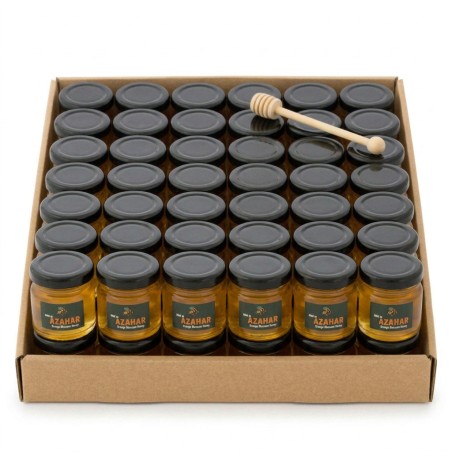
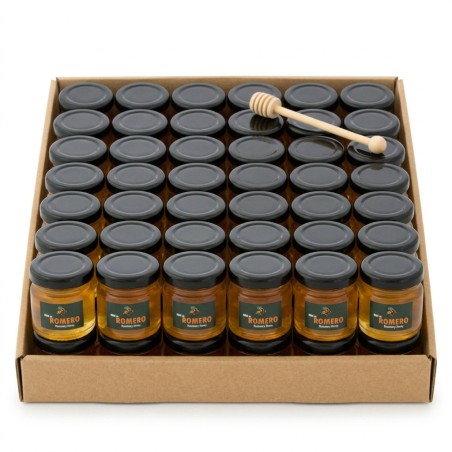
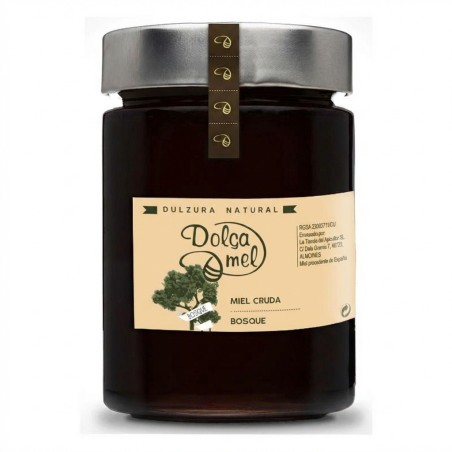
Raw monofloral honeys straight from the beekeeper, in 900 g jars: rosemary, orange blossom, lemon, lavender, thyme, eucalyptus, heather, forest, avocado, loquat and wildflower. Also comb honey, trays of 50 g jars and 20 kg bulk.

What I look at before buying a jar of honey
People often ask me why honey «goes hard», as if it were a fault. It is exactly the other way round: the one that should surprise you is the one still clear and liquid on the shelf a year later. Almost all honeys crystallise on their own sooner or later, and the pace is set by the glucose-to-fructose ratio of the flowers it came from, not by the quality of whoever produced it. Heather takes its time, sunflower goes fast, and a multifloral depends on the year.
If you buy straight from the beekeeper, there are three questions worth more than any label: which bloom it comes from, which area, and whether it has been filtered. Anyone working properly answers all three without hesitating. The third also has consequences since 14 June 2026: the quality standard ties filtering to the denomination, so removing pollen significantly is no longer just the packer's cosmetic choice.
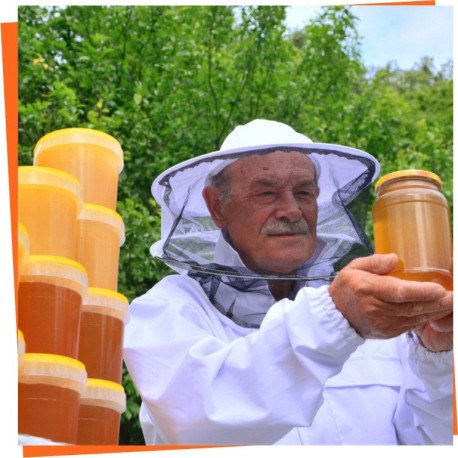
Honey
"Raw" describes the process, not a legal category: honey that is not pasteurised, does not go through fine filtering and is not subjected to heating that ages it. That is why it keeps the pollen and the wax particles it carried from the comb, and why almost all of them end up crystallising in the jar. The quality standard is the same for all honey (Spanish RD 1049/2003): moisture below 20 %, HMF below 40 mg/kg and diastase above 8. What changes from one to another is where it comes from.
Crystallising is not a defect
It is the question we get most. Crystallisation depends above all on the ratio between glucose and fructose, and it changes with the flower: rosemary crystallises fine and fast — so much so that it is used as a seed for creamed honey — while orange blossom and honeydew honeys take far longer or never fully set. A honey that has turned solid and pale is not spoiled and has no added sugar. If you prefer it runny, warming it gently in a water bath is enough, without overdoing it: heat raises HMF and lowers diastase, which are precisely the two parameters used to measure its freshness.
How to choose among the monoflorals
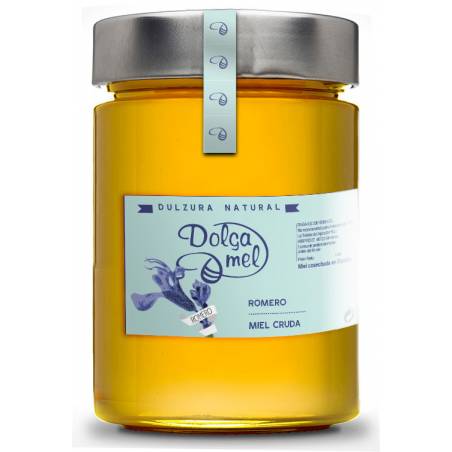
- Rosemary — very pale, almost white once crystallised. Floral with camphor notes and gentle sweetness. Fine, fast crystal.
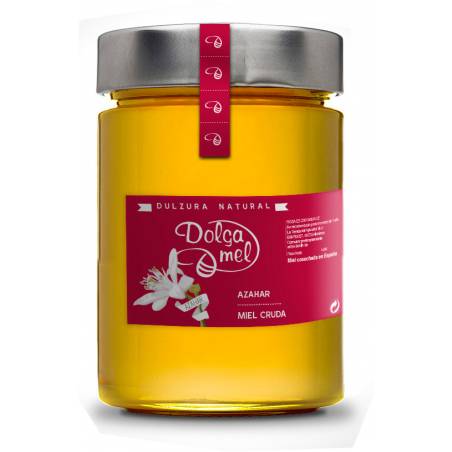
- Orange blossom — pale, intense floral aroma and marked acidity. Slow, fine crystallisation.
- Lemon — same citrus group as orange blossom: pale, floral and acidic, slow to crystallise.
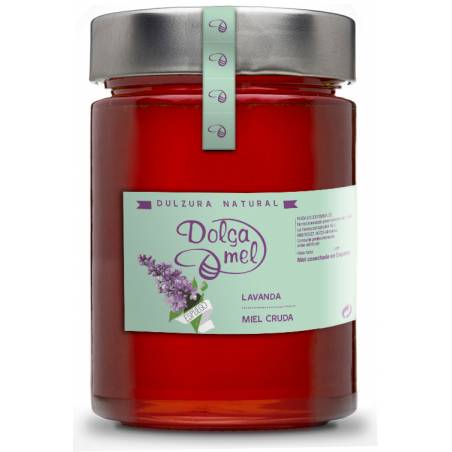
- Lavender — pale to amber, very persistent floral. Medium crystallisation.
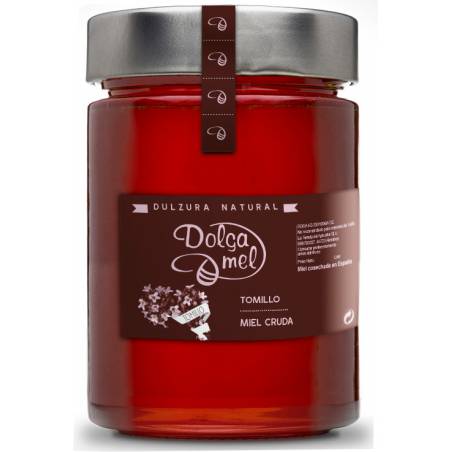
- Thyme — light amber, phenolic floral, intense and long on the palate. Little tendency to crystallise.
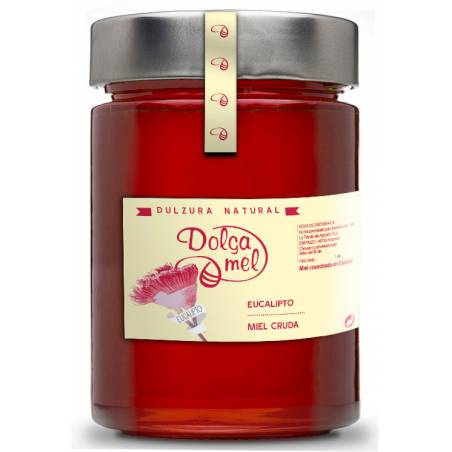
- Eucalyptus — light amber, with hints of wet wood and green notes. Fine crystal.
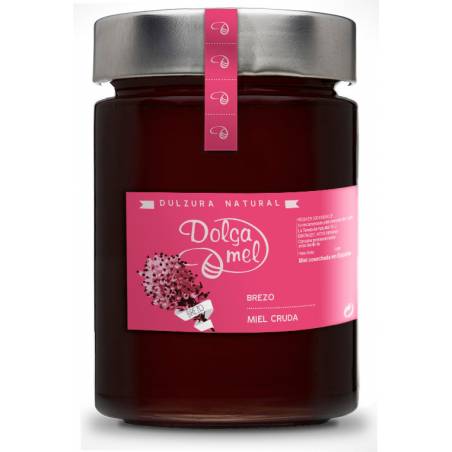
- Heather — amber to reddish. Leaf litter, humus and mushrooms, with bitterness and a salty edge. The most mountain-like of them all.
- Forest — dark, with honeydew: malty and salty. Barely crystallises.
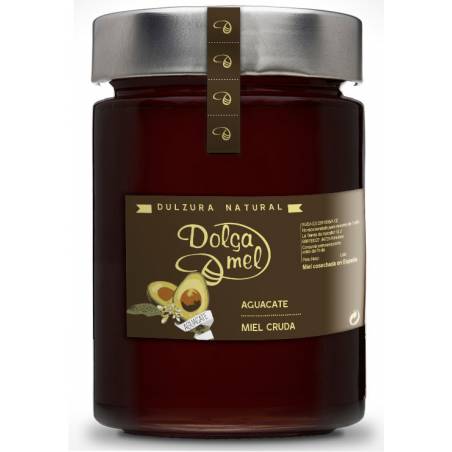
- Avocado — very dark, almost black. Fruity floral and salty, with no malty note at all.
- Loquat — light amber, fruity and acidic, with an astringent edge.
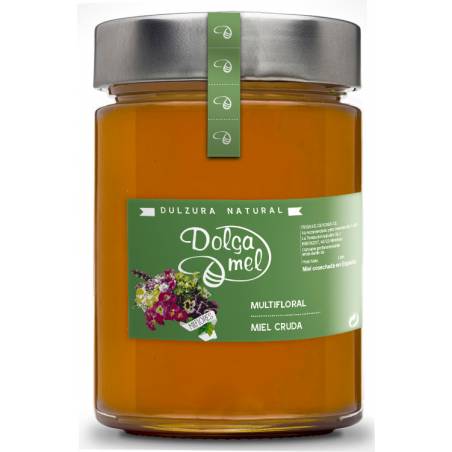
- Wildflower — changes with the season's bloom and the area. It is not a lesser honey: it is the one that portrays the landscape of that harvest.
If you have never tasted your way through them, the big jump is between the pale ones — rosemary, orange blossom, lavender — and the mountain ones — heather, forest, avocado. Start at one end and you will soon know which way to go.
Formats and storage
The 900 g jar is the everyday format, and the trays of 50 g jars work for tasting several or as a gift. Bulk makes the difference when it is the same honey: 20 kg of rosemary works out at €9.24/kg against €12.17/kg in the 900 g jar, 24 % less. Honey is hygroscopic: with the jar open and ambient humidity above 60 % it takes on water, and that is where the risk of fermentation appears. Closed, dry and out of direct sunlight it keeps for years.
How can I check whether a honey is 100% natural?
Natural honey shows specific traits: an intense floral aroma, natural crystallisation, a dense texture and a flavour that leaves a slight tingle at the back of the throat. Check the label too, to make sure it carries no added ingredients or excessive industrial processing. It is preferable to choose raw honey, unpasteurised, from a single origin and ideally monofloral, since this better reflects the quality and diversity of the area where it was harvested. Buying honey from local beekeepers is also an excellent way to be sure of its purity, while supporting the local environment and the sustainable development of the community.
What is the average price of 1 kg of pure honey?
The average price varies with origin, quality, certification (organic or conventional) and floral type, but it generally runs between €8 and €15 per kilogram in Europe. More unusual or organic honeys tend to command higher prices.
Does honey have an expiry date?
Natural honey has no true expiry date, but it does carry a best-before date, usually two years from packing. This is mainly because its sensory properties can shift slightly over time, even though the honey remains safe to eat.
How can I tell whether honey has been adulterated with sugar?
Although social media and the press are full of home tricks for spotting adulteration, the truth is that no home method is reliable. Technically, the only sure way to determine whether honey has been adulterated with sugar is a laboratory analysis.
To make sure you are buying genuine honey, shop from trustworthy sources — ideally directly from local beekeepers or well-known brands — read the label carefully to check it clearly states raw honey, and be wary if the price is too low (under €7/kg), since production and packing costs normally exceed that figure.
Why do some honeys crystallise and others do not?
Crystallisation depends mainly on the honey's natural composition, above all on the balance between fructose and glucose. Honeys high in glucose crystallise faster, while those rich in fructose (such as acacia honey) crystallise slowly or stay liquid for longer. Honeydew honeys, produced from tree or insect secretions, also tend to crystallise slowly or can stay liquid for extended periods.
It is also worth noting that crystallisation happens within a specific temperature range (roughly between 10 ºC and 18 ºC), so — curiously — honey kept frozen does not crystallise.
What does it mean for a honey to be monofloral or multifloral?
A monofloral honey is one in which nectar from a single flowering species clearly predominates, which gives it specific organoleptic characteristics and a distinctive colour. To determine the botanical origin of most honeys, a microscopic analysis is carried out, counting the pollen grains present in the sample. When one type of pollen predominates, the honey can be classified as monofloral.
Multifloral honey, on the other hand, contains nectar from several kinds of flowers, offering a more complex and varied flavour and aroma.
In certain special cases, such as honeydew honeys (which come from tree or insect secretions) or honeys like orange blossom (with very little pollen present), other specific methods are used to establish the botanical origin.
Is organic honey different from conventional honey?
Organic honey is produced under specific rules that guarantee the absence of chemicals, pesticides and synthetic treatments. Its production is also overseen by certifying bodies. Although nutritionally it may be similar to conventional honey, organic honey guarantees a lower environmental impact and a certified quality.
How should I store honey to keep its quality?
To keep honey in good condition and preserve all its properties:
Room temperature: Keep it somewhere cool and dry, away from direct sunlight and heat sources.
Avoid damp: Honey is hygroscopic, meaning it can absorb moisture from the air and deteriorate.
Airtight container: Use well-sealed containers to prevent it taking on moisture and outside odours. Glass honey jars are recommended, as they keep it better.