
-
Beehives
- Complete beehive
- Accessories
-
Nuc hives
- Nucs by format
- With bees & mating
- Spare parts
-
Bee equipment
- For the apiary
- For the beekeeper
-
Clothing
- Clothing Accessories
-
Beeswax
-
Pure beeswax
- Beeswax and foundation
- Beeswax foundations
- Melting and rolling beewax
-
Pure beeswax
-
Bee feed
- Accessories and source materials
- Utensils
-
Bee health
- Varroa Treatments
- Diseases control
- Nutraceuticals
-
Extraction and bottling
- Before extraction
- Honey extraction
- After extraction
-
Bee pollen
- Harvest
- Indicted
-
Honey packaging
- Flasks per utility
- Flasks by size
- Other packaging
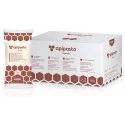 Apipasta with vitamins 15kg
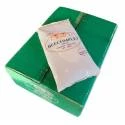 Beecomplet® Spring 14Kg
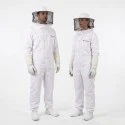 Beekeeper suit with round veil
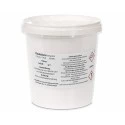 Oxalic acid 1kg
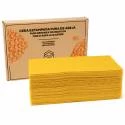 Beeswax Foundation 5kg
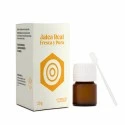 Fresh royal jelly 20g
 Classic honey jar 1kg comb-lines TO77 - Pack of 16 units
 Promotor L Apis 1 litre
Varroa Treatments (with vet prescription)
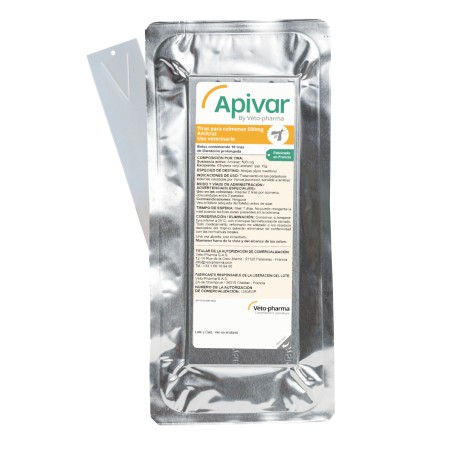
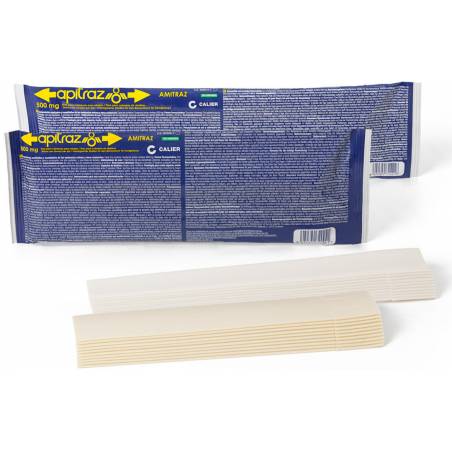
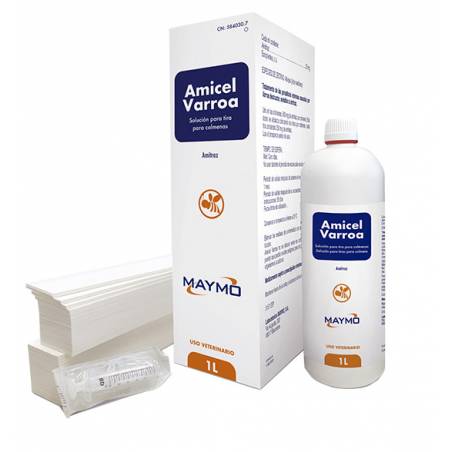
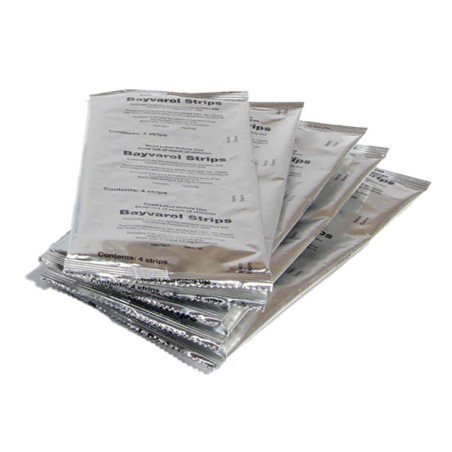
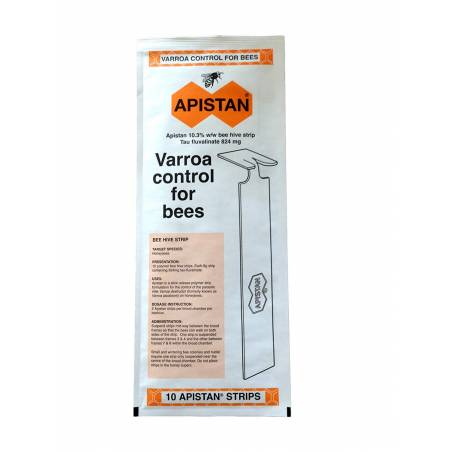
Synthetic acaricides on veterinary prescription: Apivar® and Apitraz® (amitraz), Apistan® (tau-fluvalinate) and Bayvarol® (flumethrin). From €3.24 to €131.95.
Active substance
Price
-
€2.00 - €120.00

The prescription is not paperwork: it is your defence if a residue turns up
Plenty of people experience the prescription as a formality that delays the purchase. Look at it the other way: it is what puts on record what you applied, when, and to which hives. The day a buyer, an inspection or a lab result asks about a residue in your honey or your wax, that record is the difference between being able to explain it and not. Without records there is no defence, however well you actually worked.
And since you have to go through the vet anyway, use the visit to plan the whole season, not today's purchase. What fails most with varroa is not the product: it is repeating the same active substance year after year, because that selects resistant mites and the treatment fails in exactly the year you need it most. Plan the rotation with your vet before the season, and count on doing a mite count afterwards: a treatment with no efficacy check is not finished, only paid for.
Varroa Treatments (with vet prescription)
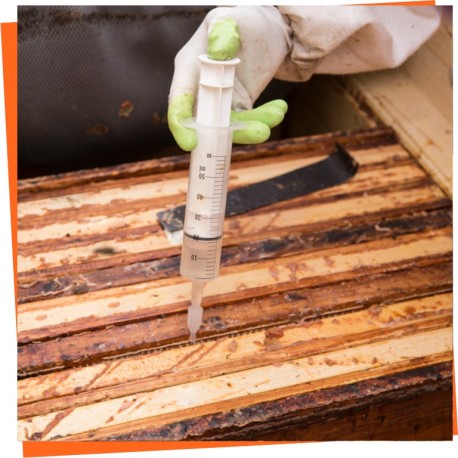
These products require a veterinary prescription. Dose, timing and duration are set by the data sheet and the prescription, not by a web page. What follows is context for understanding what you are buying.
Three active substances, not one
- Amitraz — Apivar® and Apitraz®, in extended-release strips.
- Tau-fluvalinate — Apistan®, also as a strip.
- Flumethrin — Bayvarol®.
That there are three is not commercial variety: it is technical necessity.
Why you have to rotate
Varroa develops resistance to an acaricide used year after year, and when that happens the product seems to keep working until one day it does not. Alternating active substances between campaigns — and combining with oxalic acid and thymol treatments, which act by another route — is what keeps efficacy over time. It is not a textbook recommendation: it is the difference between having a tool in five years or not.
Residues go into the wax
These actives are fat-soluble, and wax is a fat: they accumulate in it and stay. That is why the comb renewal cycle matters, and why wax of unknown origin may carry treatments you never applied. If you reuse wax for foundation, that is the reason to know where it comes from.
And what not to expect
No treatment eradicates varroa: you live with it by controlling the level. Counts rising after treating does not always mean the product failed — in a dense apiary, reinfestation from neighbouring hives is normal, and it is diagnosed by counting. And more concentration is not more efficacy: it is residue.
Can I buy a varroa treatment without a prescription?
Not the ones in this category: they are veterinary medicines and require a prescription. It helps to see it for what it gives you rather than as a formality: the prescription records what you applied, when and to which hives, and that record is your defence the day a buyer or an inspection asks about a residue in your honey or wax.
Since you are seeing the vet anyway, use the visit to plan the whole season rather than today's purchase: what fails most with varroa is not the product, it is repeating the same active substance year after year until resistance appears.