
-
Beehives
- Complete beehive
- Accessories
-
Nuc hives
- Nucs by format
- With bees & mating
- Spare parts
-
Bee equipment
- For the apiary
- For the beekeeper
-
Clothing
- Clothing Accessories
-
Beeswax
-
Pure beeswax
- Beeswax and foundation
- Beeswax foundations
- Melting and rolling beewax
-
Pure beeswax
-
Bee feed
- Accessories and source materials
- Utensils
-
Bee health
- Varroa Treatments
- Diseases control
- Nutraceuticals
-
Extraction and bottling
- Before extraction
- Honey extraction
- After extraction
-
Bee pollen
- Harvest
- Indicted
-
Honey packaging
- Flasks per utility
- Flasks by size
- Other packaging
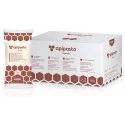 Apipasta with vitamins 15kg
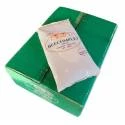 Beecomplet® Spring 14Kg
 Beekeeper suit with round veil
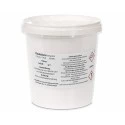 Oxalic acid 1kg
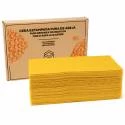 Beeswax Foundation 5kg
 Fresh royal jelly 20g
 Classic honey jar 1kg comb-lines TO77 - Pack of 16 units
 Promotor L Apis 1 litre
Caps and closures
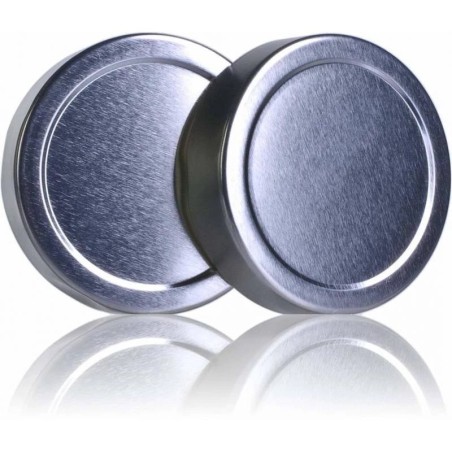
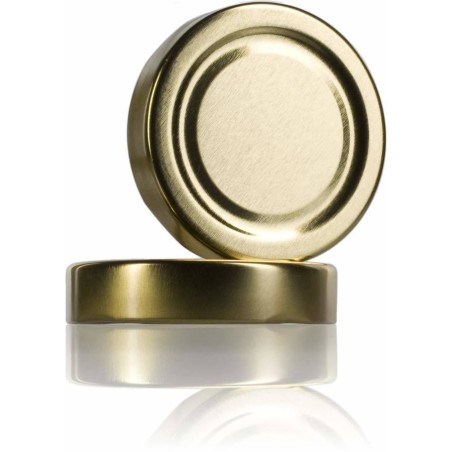
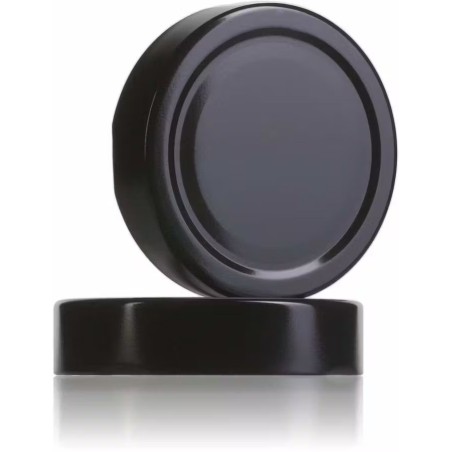
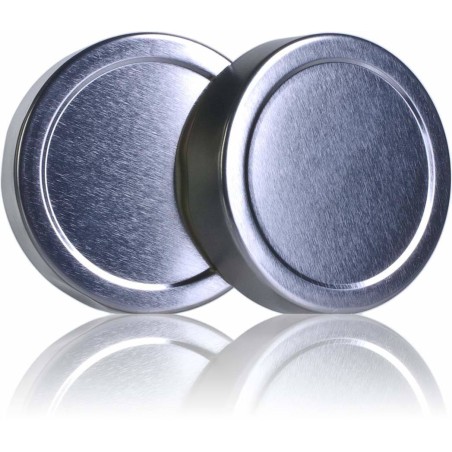
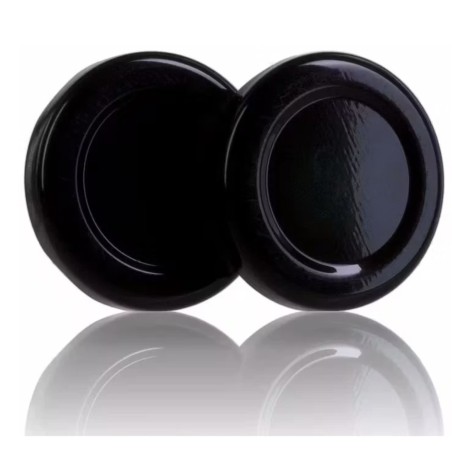
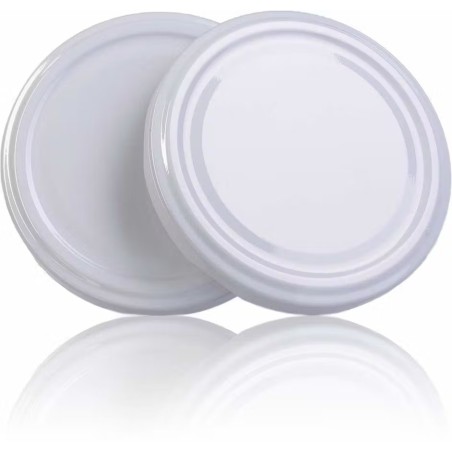
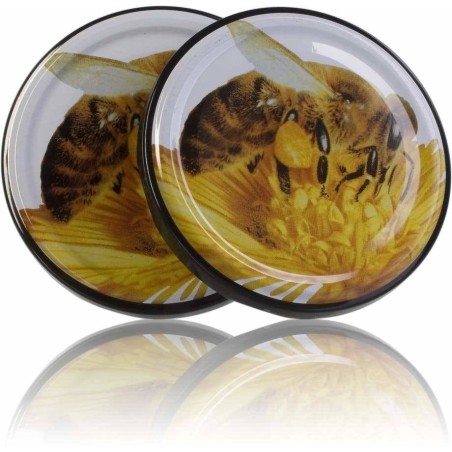
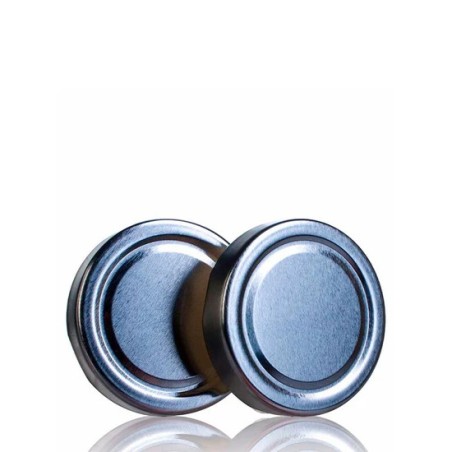
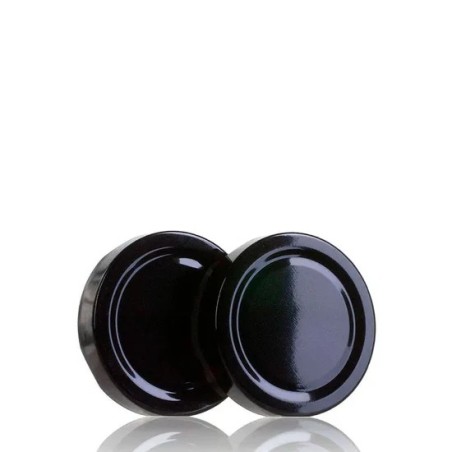
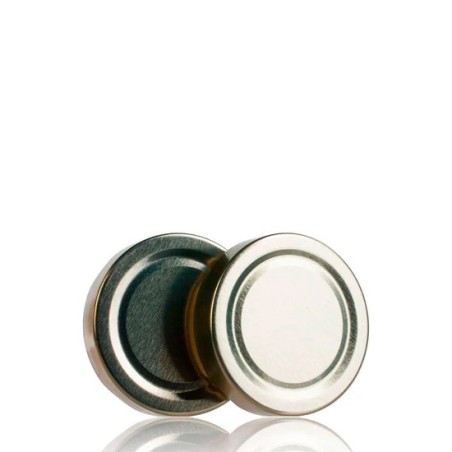
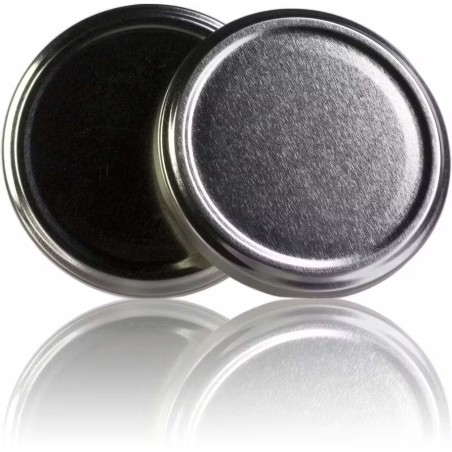
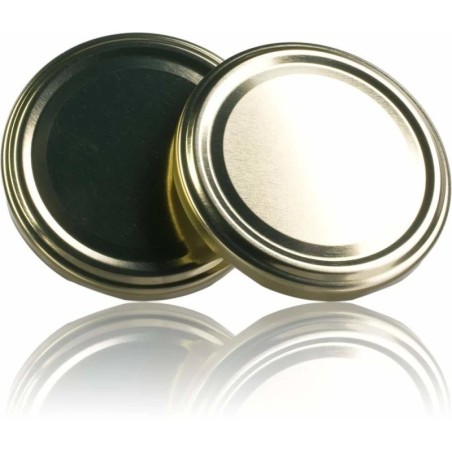
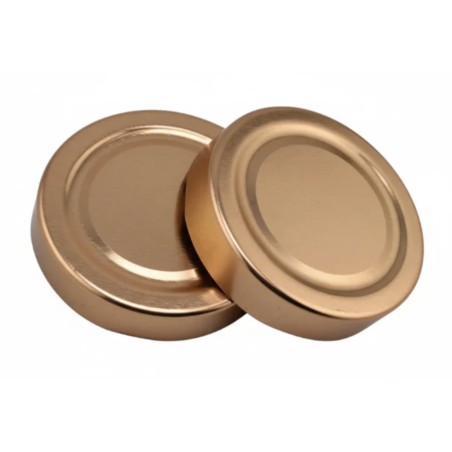
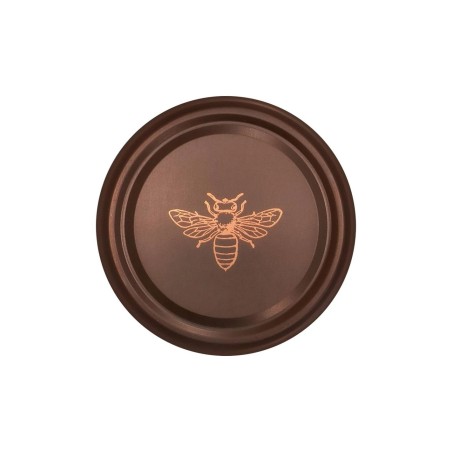
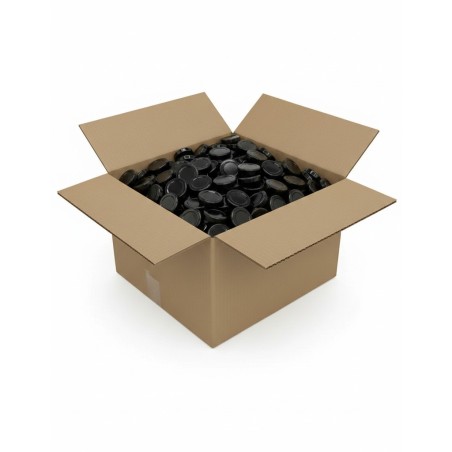
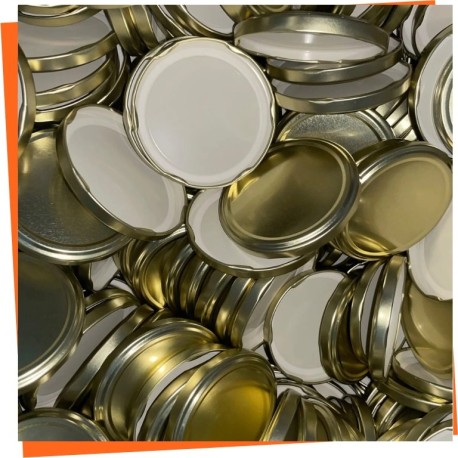
Twist-Off lids from TO43 to TO110 in gold, black, silver, white and bee-motif, pasteurisable and high-skirt. Plus the threads that are not TO: PP28 and DIN18.
Finish
Price
-
€0.00 - €179.00
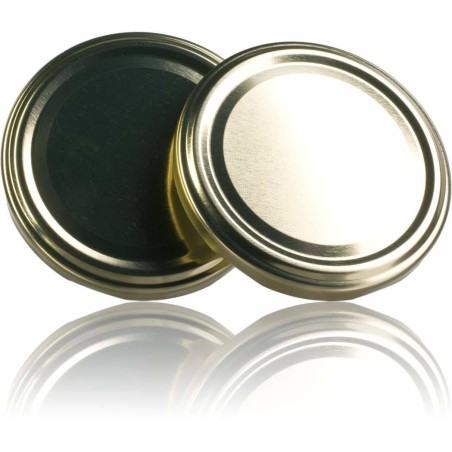


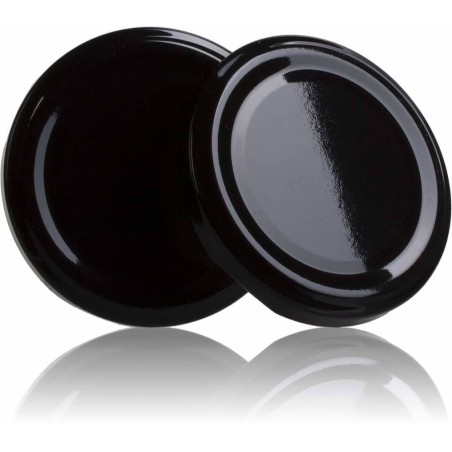


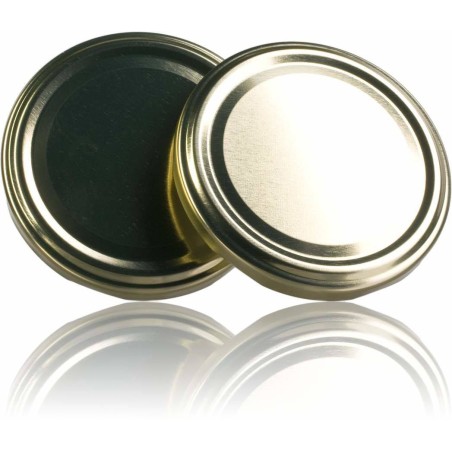

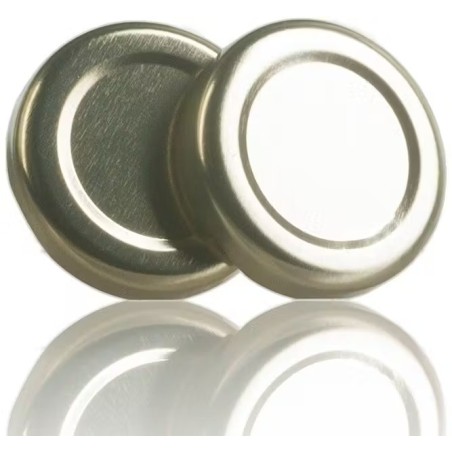






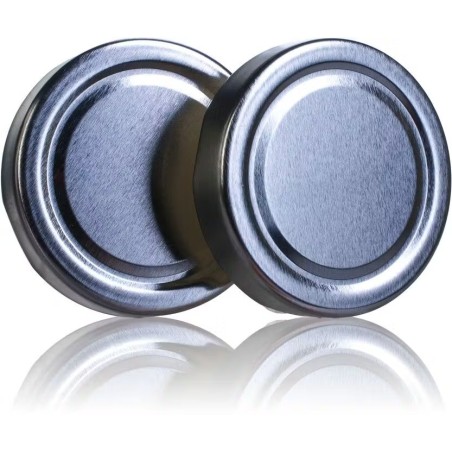
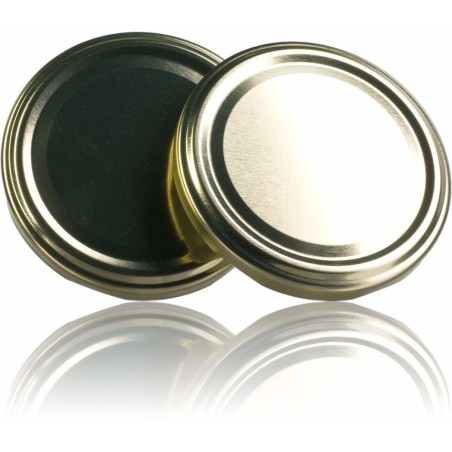
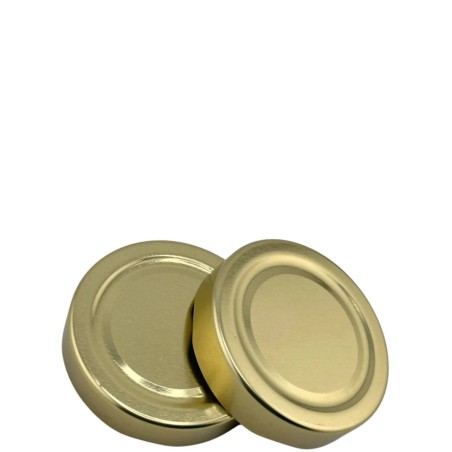

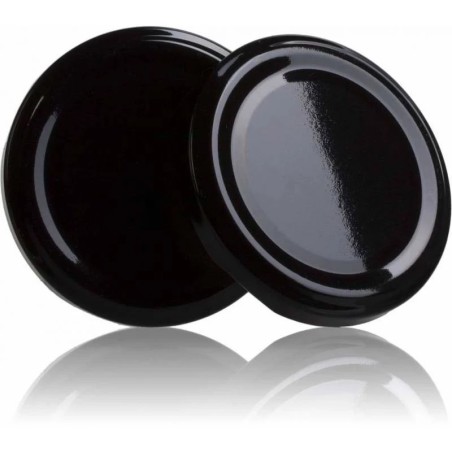

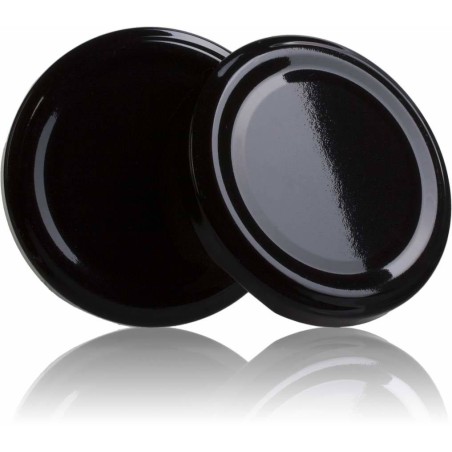
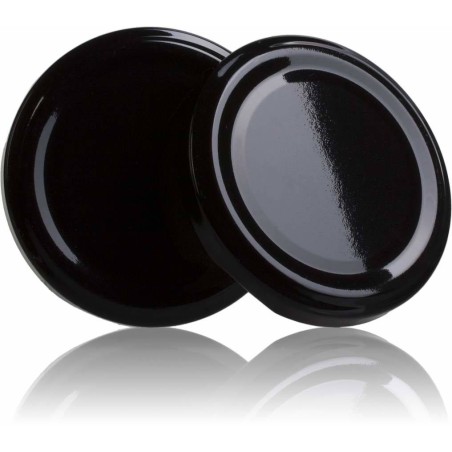
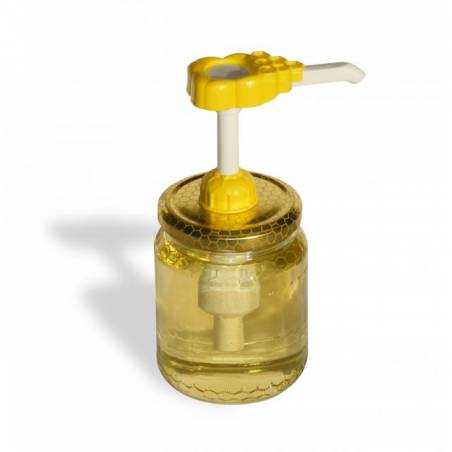
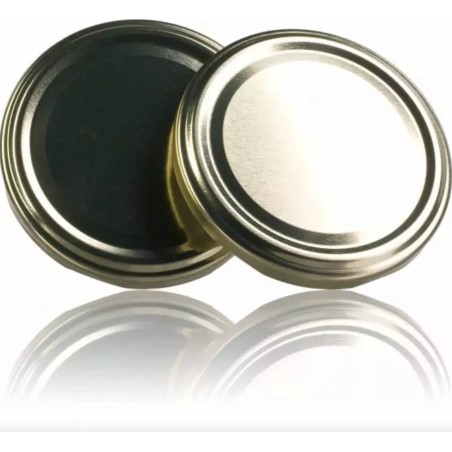


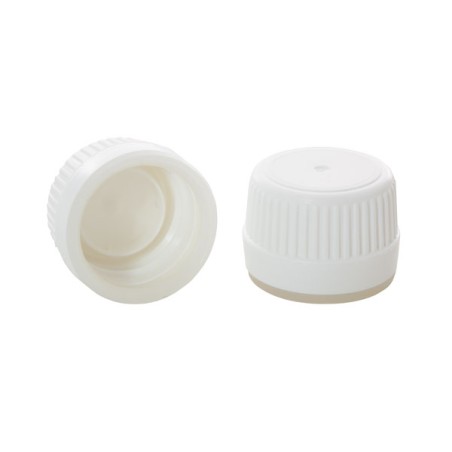
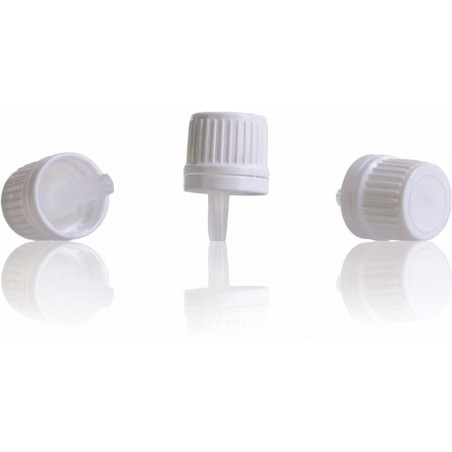
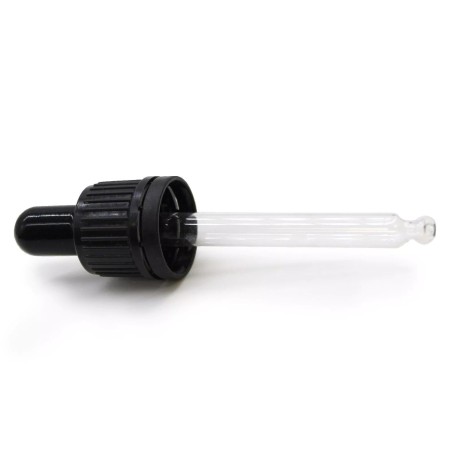
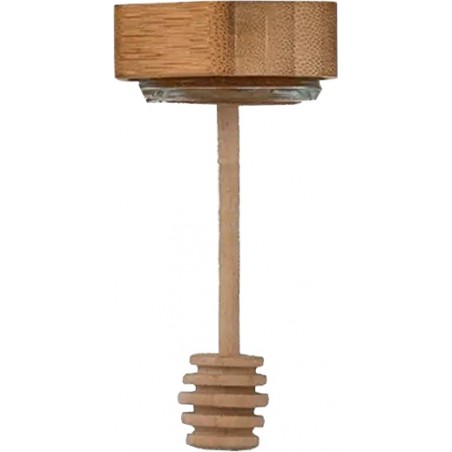





My recommendation on jar lids and closures
The lid seems a small detail, but in food it's critical. You can have a good jar, a good honey or a good preserve, and ruin the experience with a lid that doesn't match, that seals badly, that rusts or that doesn't fit the product's image. The first thing I'd look at is the jar's exact mouth: TO43, TO48, TO63, TO77, TO82… “Similar” won't do. With Twist-Off lids, the diameter and the type of closure have to match the container. For honey, moreover, the lid helps to protect against humidity, external odours and leaks in transport. And commercially it also counts: a gold lid usually conveys a classic product; a black one can give a more gourmet image; and lids with a honeycomb pattern or bee quickly communicate a beekeeping product.
My advice is not to skimp on the lid if you're going to sell a food product. I'd always use new lids, food-grade and compatible with the process you're going to carry out. For honey, jam, preserves or creams, not all lids behave the same: if there's pasteurization, heat, vacuum or transport, you have to choose a lid prepared for that use. I'd also check the inside of the lid, the state of the sealing compound, the outer finish, the impact resistance, the pack format and consistency with the label. And here I'll take a clear stand: I wouldn't reuse lids for sale, even if they look fine. A used lid may have lost its seal, have odours, marks or micro-damage that later cause problems. The good lid is the one you don't notice: it seals cleanly, protects well and lets the product look as well cared-for as it really is.
And here is something nobody tells you until it bites: a twist-off is not tightened, it is seated. Four or six lugs ride up a short ramp and the whole closure is a quarter turn; forcing past the stop bends the lug and leaves the jar impossible to open. If it grates or feels like the thread has stripped, lift it off and set it down flat again: there is no thread to strip. And if you fill honey cold, do not expect the centre of the lid to pull down — vacuum only appears with hot filling or pasteurisation, and a lid that stays flat does not mean a bad seal.
Caps and closures
Here you only need to get one number right, but you need to get it completely right.
The lid number is the jar's mouth number
TO plus a number is the mouth diameter in millimetres: TO43, TO48, TO53, TO58, TO63, TO66, TO70, TO77, TO82, TO89, TO100, TO110. Lid and jar have to carry the same one. No tolerance, no "almost".
And the mistake that generates most returns: the high skirt — "DTO" or "Deep" — does not fit a standard mouth of the same diameter, nor the other way round. A TO63 Deep jar needs a TO63 high-skirt lid; an ordinary TO63 will not seal. Read the full code on the jar page, not just the number.
TO70 is the only size that makes you pick a height
Every other diameter gives you two options —standard and deep skirt— and that is enough. TO70 has two different deep skirts, and they are not interchangeable:
- H14 — the one taken by the Aura jars in 250, 350 and 445 ml.
- H18, extra-deep skirt — for the GLAM 300 and 700 ml.
Watch out above all if you order it silver: H14 and H18 look identical and are told apart only by that code. And one trap that costs a returned order: the 390 ml hexagonal jar is also TO70, but with a standard mouth, so it takes a low lid even though the diameter matches the other two.
A twist-off is not tightened, it is stopped
There is no continuous thread. There are four, six or eight closing lugs riding up a short ramp, so the whole closure is a quarter turn: rest it flat until it seats, turn to the stop and stop there. Tightening further does not seal better —it bends the lug, lifts the liner and leaves the jar impossible to open.
If it feels like the thread has stripped, it is almost always a lid resting crooked with one lug riding over the ramp: lift it and set it down again. There is no thread to strip. By diameter: TO43 to TO70 have four lugs; TO77 and TO82, six; TO110, eight.
And the point that saves more than one complaint: honey does not pull a vacuum. It is packed cold, there is no hot steam to condense as it cools, so the centre of the lid does not stay pulled down and may give when pressed. That is not a faulty lid: with honey the seal is mechanical. Vacuum only appears when packing hot or pasteurising.
The liner takes the imprint of the glass rim on the first closure and never goes flat again. For honey for your own use it will take another turn; for honey you are going to sell, and for any jar going into a water bath, a new lid.
Pasteurisable is not the same as standard
If you are going to hot-fill or pasteurise, the lid has to say so. Pasteurisable lids carry a sealing compound that withstands the process; a standard lid can lose its seal and cost you the batch. It is stated on each product page.
The threads that are NOT Twist-Off
- PP28 — the one on royal jelly topaz jars. It is not a TO mouth and does not cross with any.
- DIN18 — the thread on propolis bottles, with dropper cap and pipette.
Neither is interchangeable with TO or with each other. If you buy royal jelly or propolis bottles, check which one they carry, because many are supplied without a cap.
Finishes and packs
Gold, black, silver, white and with a bee motif. Packs run from 16 to 25 units depending on diameter: large diameters in 16, small ones in 25. The small jars have their own range of mouths, from TO43 to TO89.
What does TO mean and how do I know which lid size my jar needs?
What is the difference between a pasteurisable lid and a sterilisable lid?
Can I warm a closed jar in a water bath to liquefy crystallised honey?
How do you close a Twist-Off jar for water-bath processing?
The recipe sets the time; whether the jar seals depends on the lid and how it goes on:
- A new, pasteurisable lid with the jar’s mouth code. A standard TO63 will not close a TO63 Deep, and a used lid carries another jar’s imprint in its gasket.
- Headspace and a clean rim. Leave the headspace the recipe gives (about 6 mm for jam) and wipe the rim before closing: if the food reaches the gasket, it can stop the seal.
- Turn it only to its stop. The closure is a quarter turn: tightening further bends the lugs and opens leaks.
- Water at the jar’s temperature, about 80 °C for hot-filled jars and 60 °C for cold ones, covering them by 2.5 cm (5 cm if processing runs past 30 minutes). Time starts once the water is boiling, within the lid’s limit.
- Unhurried cooling. Turn off the heat, uncover, wait 5 minutes and lift the jars out without tilting onto a towel; leave the lids alone for 12-24 hours.
Then press the centre of the lid: if it gives and springs back, that jar has not sealed; refrigerate it and eat it within a few days, or reprocess within 24 hours with a new lid. A water bath only suits acid or acidified foods made to a recipe: vegetables, pulses, meat or fish need a pressure canner and a sterilisable lid. Decrystallising honey is different: there the water should not reach the lid.