
-
Beehives
- Complete beehive
- Accessories
-
Nuc hives
- Nucs by format
- With bees & mating
- Spare parts
-
Bee equipment
- For the apiary
- For the beekeeper
-
Clothing
- Clothing Accessories
-
Beeswax
-
Pure beeswax
- Beeswax and foundation
- Beeswax foundations
- Melting and rolling beewax
-
Pure beeswax
-
Bee feed
- Accessories and source materials
- Utensils
-
Bee health
- Varroa Treatments
- Diseases control
- Nutraceuticals
-
Extraction and bottling
- Before extraction
- Honey extraction
- After extraction
-
Bee pollen
- Harvest
- Indicted
-
Honey packaging
- Flasks per utility
- Flasks by size
- Other packaging
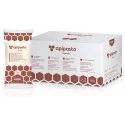 Apipasta with vitamins 15kg
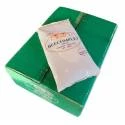 Beecomplet® Spring 14Kg
 Beekeeper suit with round veil
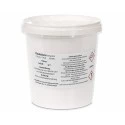 Oxalic acid 1kg
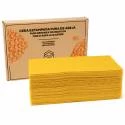 Beeswax Foundation 5kg
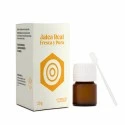 Fresh royal jelly 20g
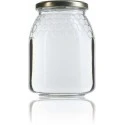 Classic honey jar 1kg comb-lines TO77 - Pack of 16 units
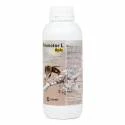 Promotor L Apis 1 litre
Mating Nucs
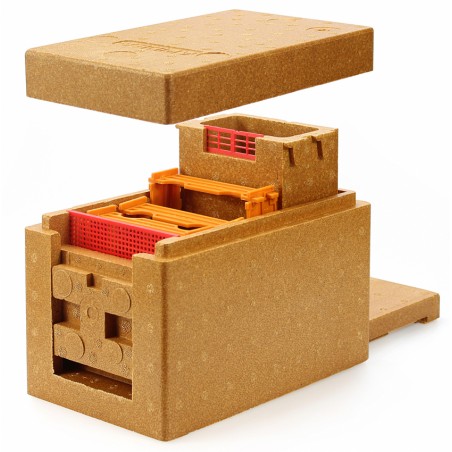
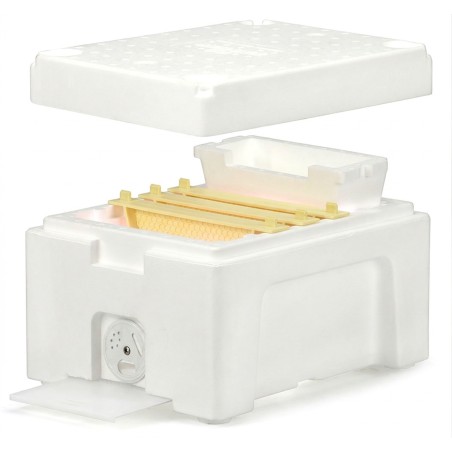
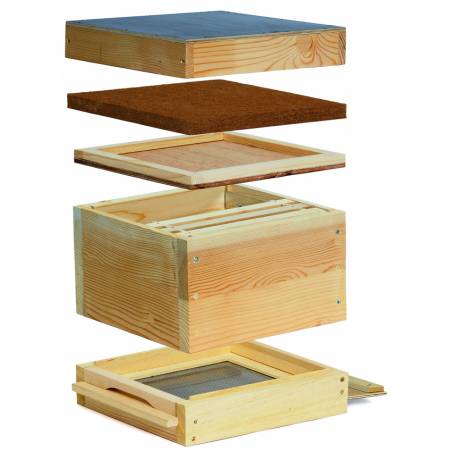
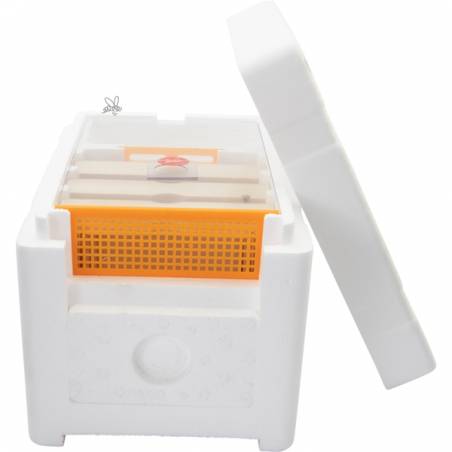
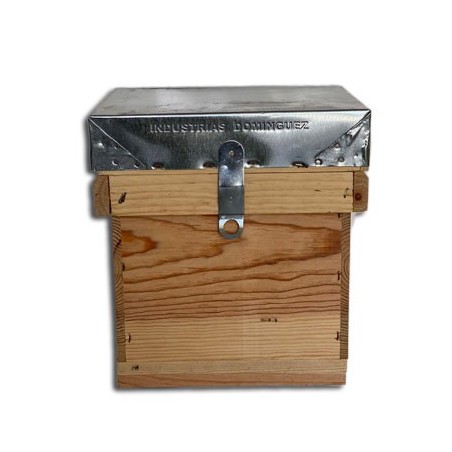
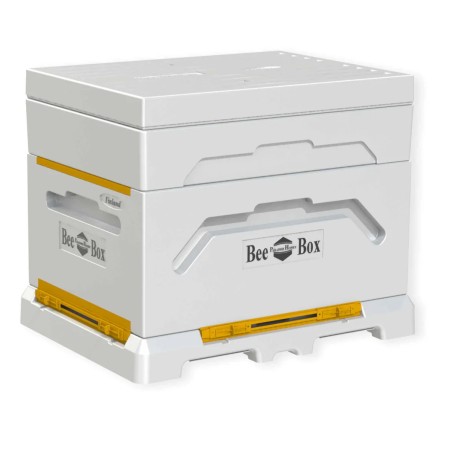
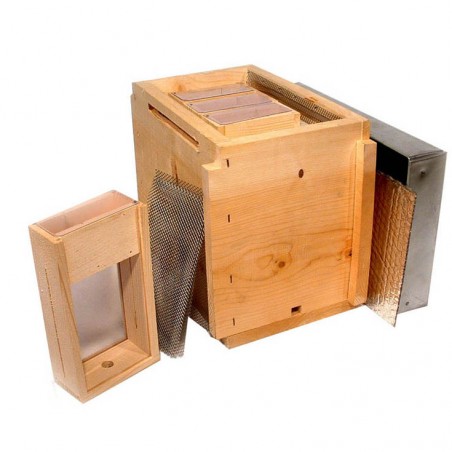
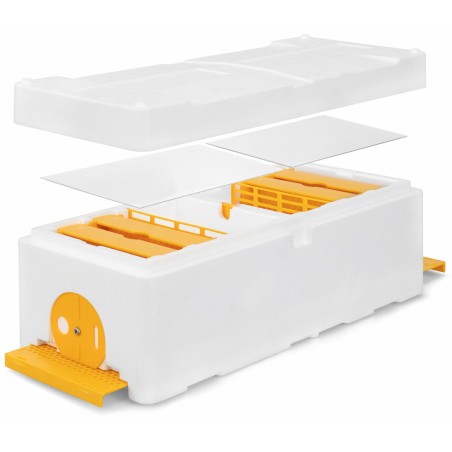
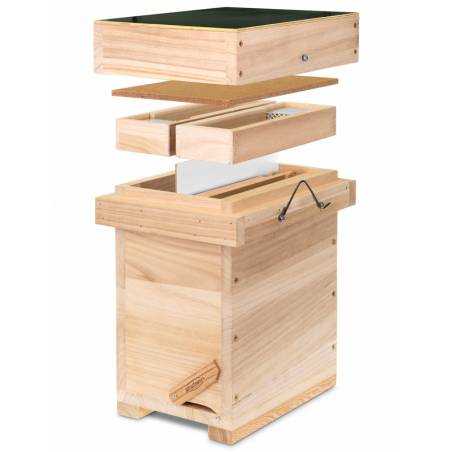
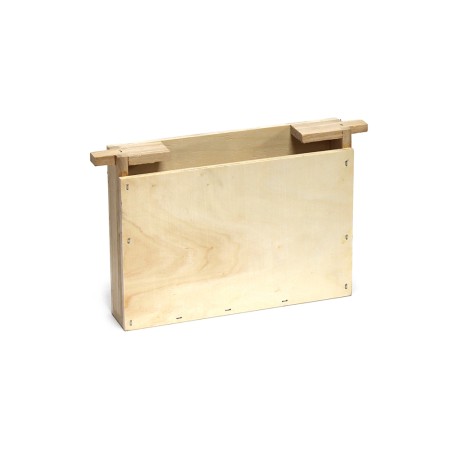
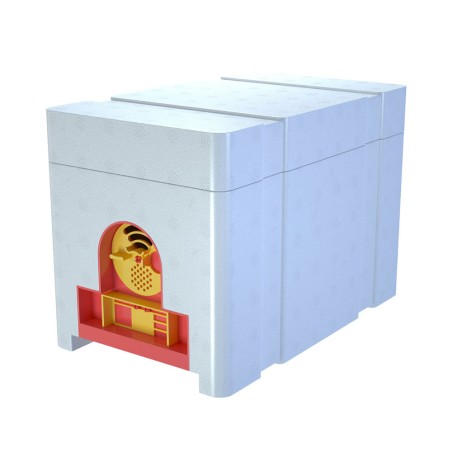
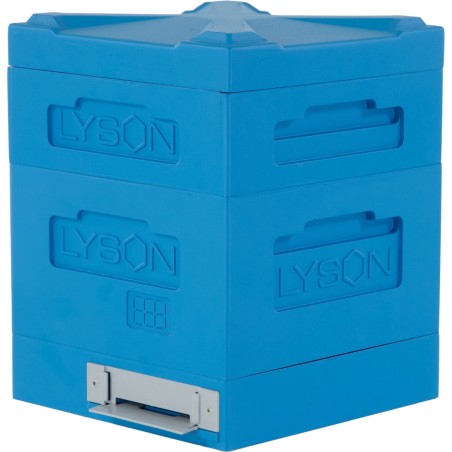
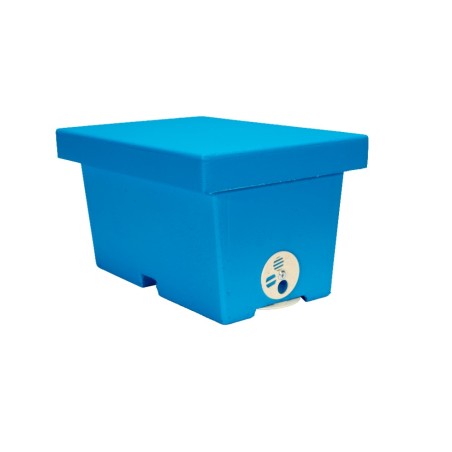
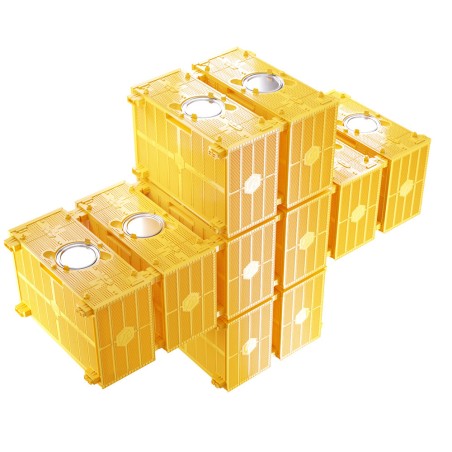
APIDEA® and Kieler mini mating nucs, Mini Plus nucs and options in Dadant, Langstroth and Layens formats. Compare the frame system, feeding arrangements and supplied components before choosing.
Item type
Hive type
Material
Number of frames
Nuc system
Price
-
€0.00 - €100.00


My advice on choosing a mating nuc
If you are starting out, I would choose a format you can inspect and feed regularly. The saving in bees from a mini nuc pays off when you can look after its stores and population; include journeys to the apiary in your planning.
Before expanding, I would try a small batch of the same model and record the starting population, feed top-ups and queens with confirmed laying. My priority would be being able to maintain every unit throughout the cycle, including when poor weather delays mating.
Mating Nucs
Three ways to organise queen mating
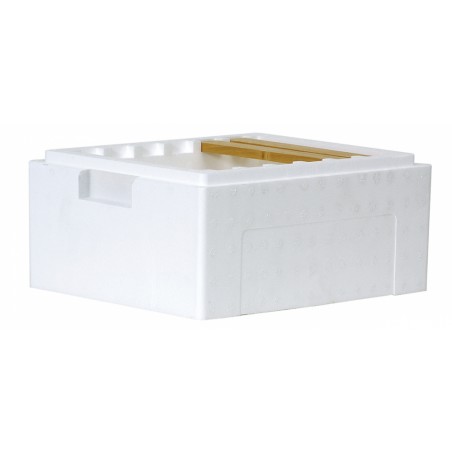
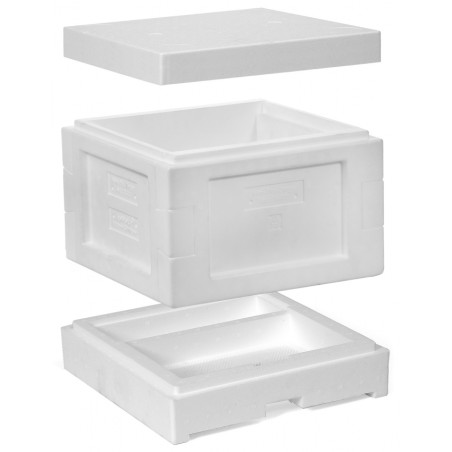
- APIDEA® and Kieler. Mini mating nucs for small bee populations. Check the frames, feeders and spare parts specific to each model.
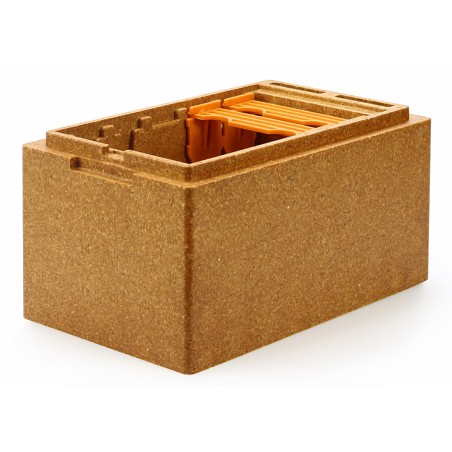
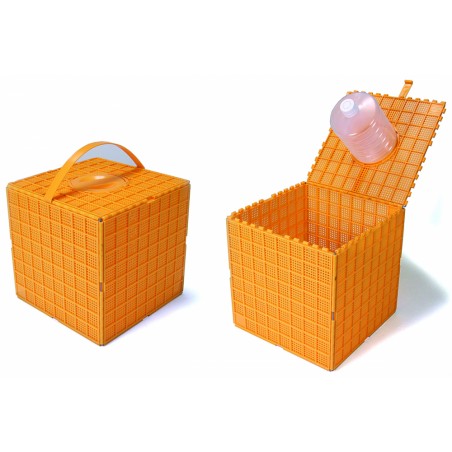
- Mini Plus. A format with its own frames and several configurations. Check whether frames and a feeder are included; contents vary between models.
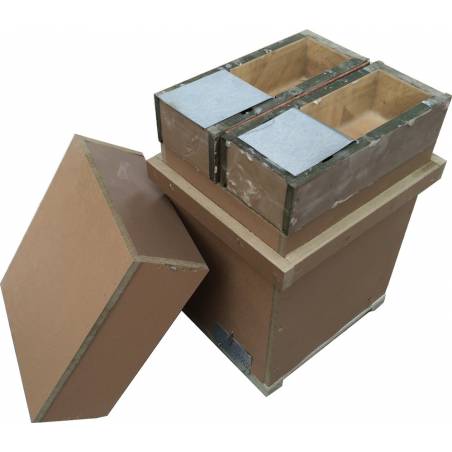
- Dadant, Langstroth and Layens. Nucs are available under these format names. Check the exact frame size and compartment layout before combining equipment.
Population and stores to suit the nuc
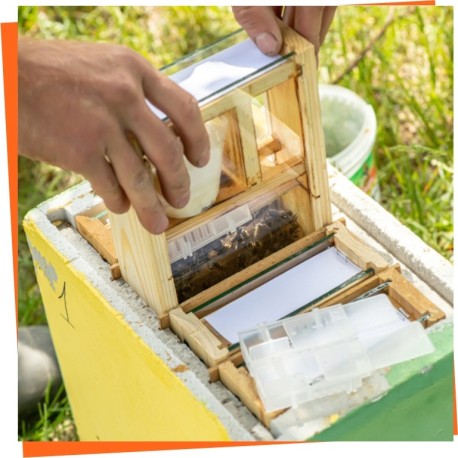
A mating nuc holds a queen cell or virgin queen with just enough bees to tend her until she is mated and starts laying. That is where its economy lies: the bees from a single colony can stock a good number of them. As a guide, Gilles Fert works with 200–300 g of young bees per mini nuc and 400–600 g per nuc with standard-size frames; if the manufacturer of the model gives another figure, start from theirs.
Check stores and consumption throughout the cycle: a small unit has little margin and can run out of food within a few days. Mating also needs mature drones – they emerge at 24 days and take about 12 more to mature, so plan them about five weeks ahead – and flying days of at least around 20 °C with little wind.
A compatibility detail
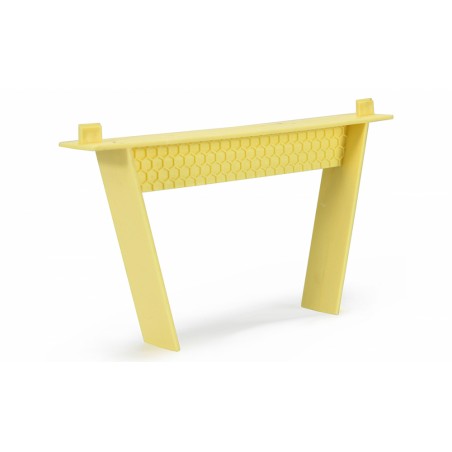
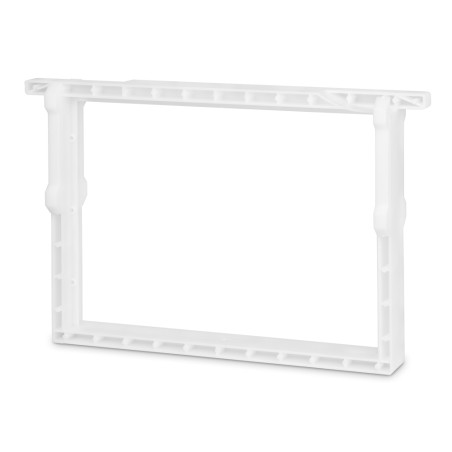
The Nicot® plastic half-frame for Mini Plus measures 217 × 160 mm; two units can be joined to form a Dadant super frame. This feature belongs to that particular item: it does not mean that all Mini Plus frames can be joined together.
Complete the process with queen-rearing equipment and queen-marking tools.