
-
Beehives
- Complete beehive
- Accessories
-
Nuc hives
- Nucs by format
- With bees & mating
- Spare parts
-
Bee equipment
- For the apiary
- For the beekeeper
-
Clothing
- Clothing Accessories
-
Beeswax
-
Pure beeswax
- Beeswax and foundation
- Beeswax foundations
- Melting and rolling beewax
-
Pure beeswax
-
Bee feed
- Accessories and source materials
- Utensils
-
Bee health
- Varroa Treatments
- Diseases control
- Nutraceuticals
-
Extraction and bottling
- Before extraction
- Honey extraction
- After extraction
-
Bee pollen
- Harvest
- Indicted
-
Honey packaging
- Flasks per utility
- Flasks by size
- Other packaging
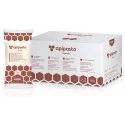 Apipasta with vitamins 15kg
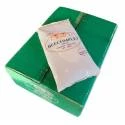 Beecomplet® Spring 14Kg
 Beekeeper suit with round veil
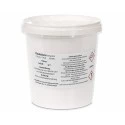 Oxalic acid 1kg
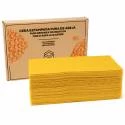 Beeswax Foundation 5kg
 Fresh royal jelly 20g
 Classic honey jar 1kg comb-lines TO77 - Pack of 16 units
 Promotor L Apis 1 litre
Pollen traps
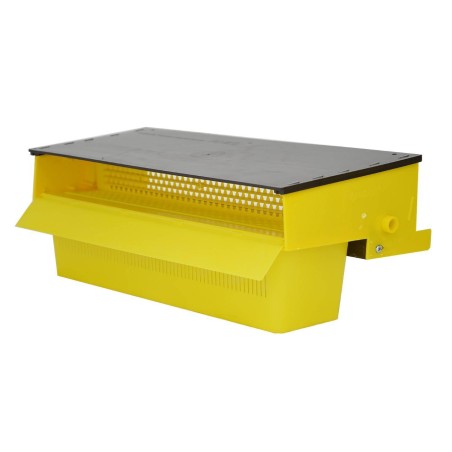
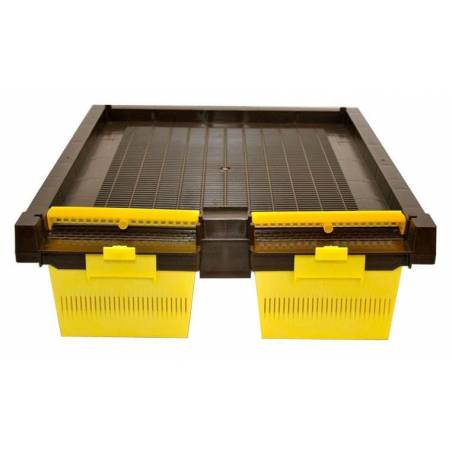
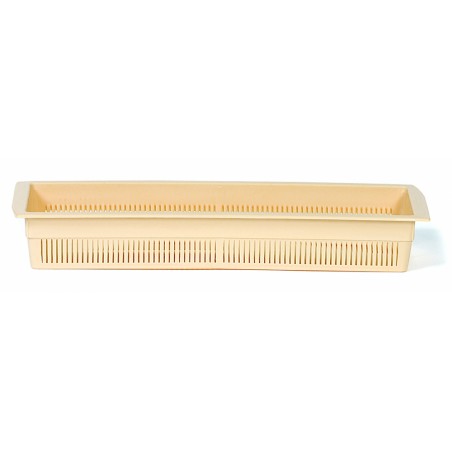
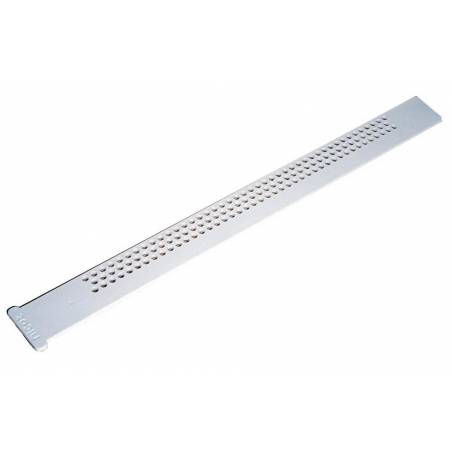
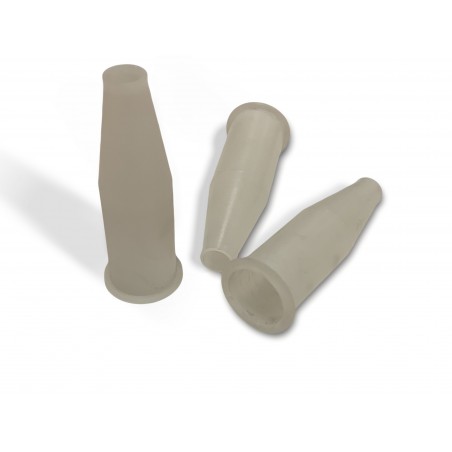
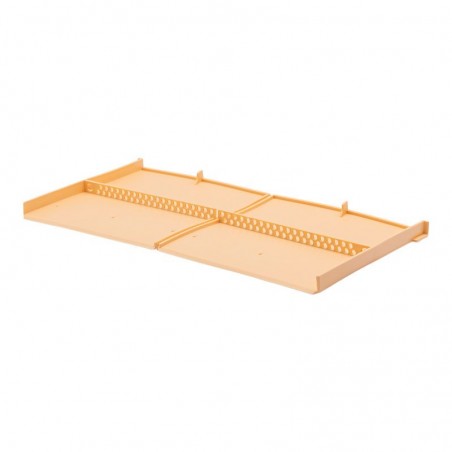
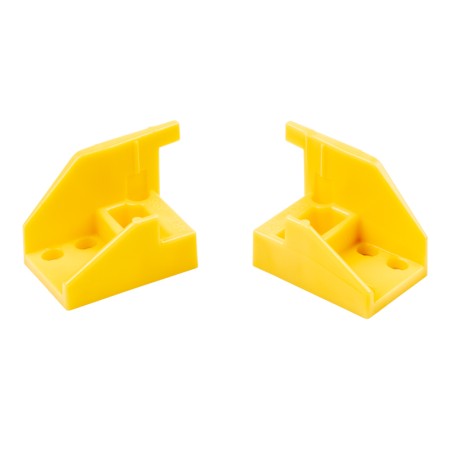
Front and floor pollen traps, replacement grids, trays, drone escapes and adapters between brands. From €0.29 to €24.90.

The trap does not decide the harvest; the colony does
A pollen trap on a weak colony does not give you little pollen: it gives you problems. The trap performs when the colony is strong and carrying plenty of open brood, because it is that brood that drives pollen income; with a laying queen and no requeening under way; and with a bloom that backs it up. On a weak or sick colony the trap is one more obstacle at the entrance and does not pay.
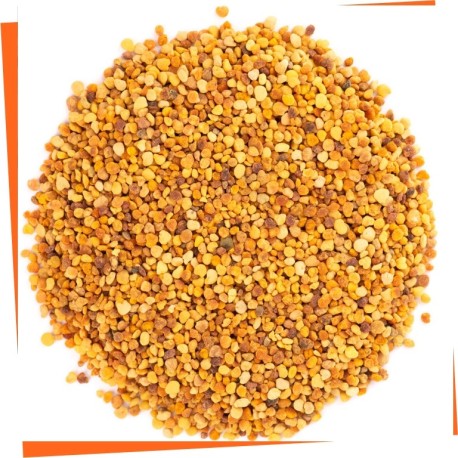
And there is a calendar detail worth keeping in mind: between April and May the borage family comes in strongly — viper's bugloss, Echium — and that is precisely the pollen that comes out almost black. If in those weeks the drawer fills with very dark grain, keep it apart instead of mixing it: Echium carries pyrrolizidine alkaloids, with a legal maximum of 500 µg/kg in supplements. Discarding that batch is not throwing product away, it is not compromising the rest.
Pollen traps
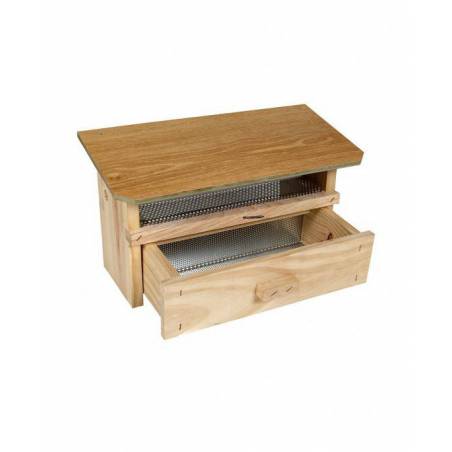
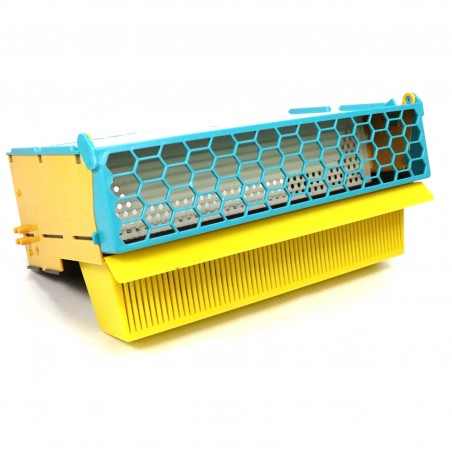
A pollen trap is a grid that makes the bee pass through a calibrated hole, and in passing she loses her pollen loads. All the quality of the product depends on two measurements and one routine.
The measurements
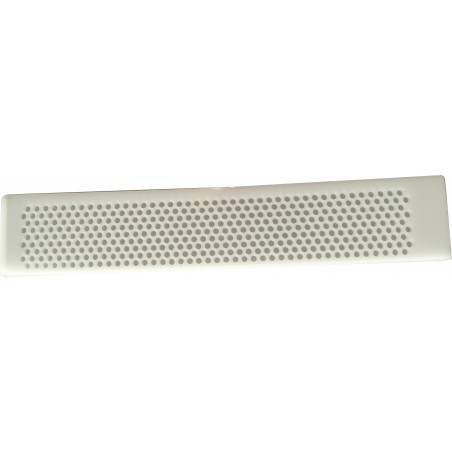
The grid has 4.5 mm holes: they let the worker through and knock the load off. Below it is a perforated plate of 3-3.5 mm that lets the pollen fall and keeps the bee out. If you buy a grid separately, that is the number that has to match.
The routine that decides quality
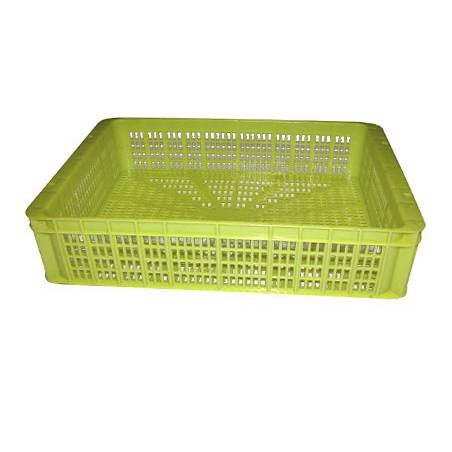
Empty the tray daily. Damp and warmth together degrade pollen within hours — moulds and yeasts appear — and from there it goes straight to the freezer or the drier. In dry conditions with a ventilated tray in the shade it can last two days; no more.
That is why trays are perforated on the base and sides: so the pollen does not drown in its own moisture while it waits.
Two details people forget
The drone escape (€0.29): a drone does not fit through 4.5 mm and gets stuck, blocking the grid. Without an escape the trap blocks itself. And the adapters between brands (€2.50), because a Quarti® trap does not fit a Nicot base as standard.
And a management rule: while pollen is being harvested the hives are not treated with acaricide, because the product stays on the bee's hairs and ends up in the loads. Finished pollen is in pollen.
What should a good pollen trap have?
Two measurements and three details. The measurements: a passage grid with spherical holes of about 4.5 mm and, below it, a perforated stainless plate or grid of 3-3.5 mm, which lets the loads drop but not the bee.
The details are what separate a good trap from a cheap one: a front-opening drawer so you can empty it without dismantling anything, a ventilated base and sides so the pollen loses moisture while it waits, and a sloped roof to keep rain or dew from falling inside. And the drawer must not touch the ground.