 Apipasta with vitamins 15kg
 Beecomplet® Spring 14Kg
 Beekeeper suit with round veil
 Oxalic acid 1kg
 Beeswax Foundation 5kg
 Fresh royal jelly 20g
 Classic honey jar 1kg comb-lines TO77 - Pack of 16 units
 Promotor L Apis 1 litre
- Made in 🇫🇷

 Share in WhatsApp
Buy it now and receive it between Tuesday, 15 September and Thursday, 17 September with Ontime
440 × 38 MM OF GRID | GRID ONLY NOT THE TRAP |
NICOT® SYSTEM IT FITS | DAILY IN DAMP WEATHER |
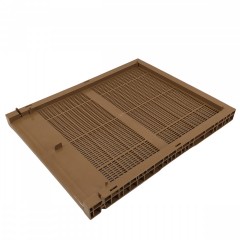
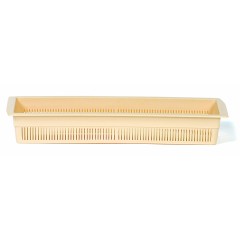
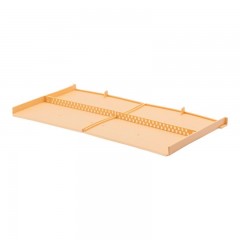
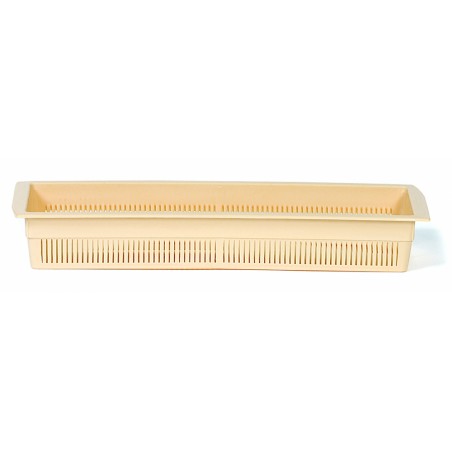
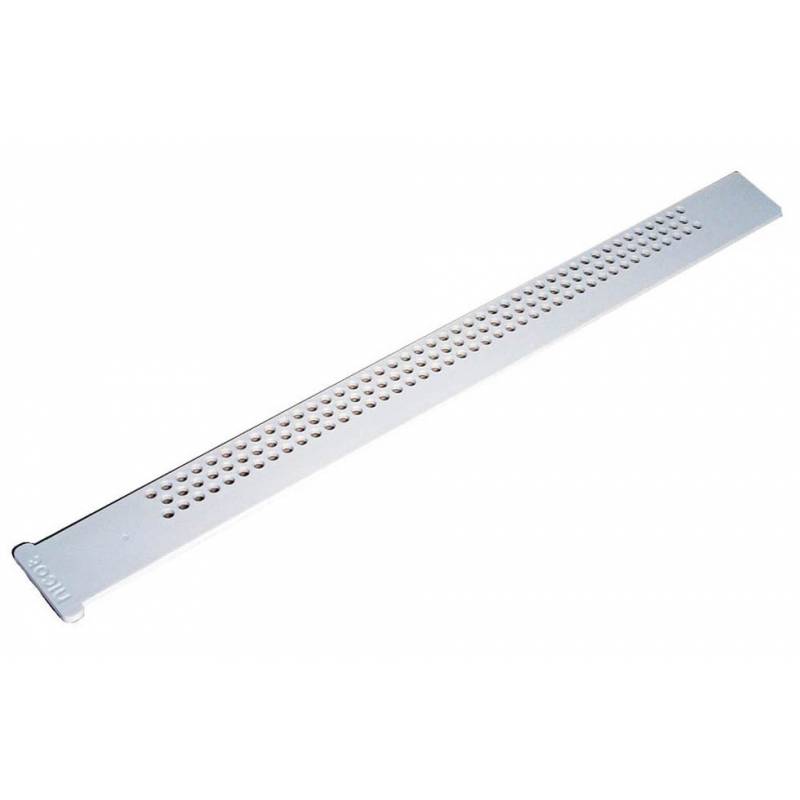
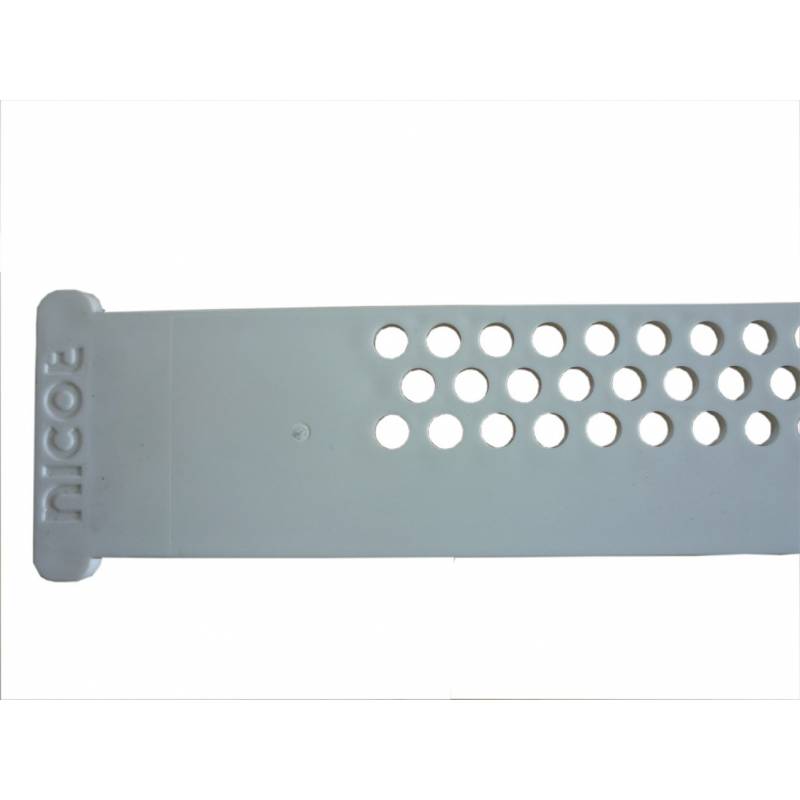
NICOT® pass-through grid, 440 × 38 mm in plastic — the piece the foragers walk through and lose part of their pollen loads on.
It is the grid only, not the complete trap: it fits into the NICOT pollen-trap floor and tunnel, which are separate.
01 · WHAT IT DOES, AND HOW
The hole is sized so the worker passes with a scrape and, as she does, part of the loads comes off her legs and drops into the drawer below. Part and not all, and that is deliberate: the colony has to keep bringing pollen in to raise brood. There is a consequence worth knowing before you fit it — the drone does not fit through the grid. If the setup has no drone escapes behind it, they build up and end up plugging the entrance.
02 · FIRST, CHECK THE FIT
Offer it up without forcing it and check three things: that it sits flat, that it leaves no side ways round, and that the drawer still goes in and out. If the bees can go around it at one side, the harvest comes out uneven and the traffic bunches at the gap. The collecting tray, the tunnel and the drone escapes are separate pieces: check which of them your setup still has before ordering the grid on its own.
03 · WHEN TO FIT IT AND WHEN NOT
It goes on healthy, strong colonies with pollen coming in steadily, with a settling-in period — free or partly open passage if your system allows — before harvesting in earnest. What it should not be is left on out of habit: off it comes for weak colonies, requeening, tight stores or while any treatment is inside the hive. Watch too that workers and drones move without piling up at the entrance.
04 · BEFORE YOU BUY
Pollen quality is decided under the grid, not in it. Take the drawer out often — daily in damp weather — and do not let the pollen sit warm, wet or packed: heat and moisture are what bring moulds and fermentation. Clean the grid when propolis or caked pollen start narrowing the holes.
| ✓ FITS | NICOT® pollen-trap floors and tunnels, as a replacement pass-through grid. |
| ✕ DOESN’T FIT | Buying this expecting a complete trap: tray, tunnel and drone escapes are separate. |
| Reference | PEIGNEPED10 |
|---|---|
| Brand | NICOT® |
| Part | Pass-through grid · not the complete trap |
| Dimensions | 440 × 38 mm |
| Material | Plastic |
| Fits into | NICOT® pollen-trap floor and tunnel |
| Separate pieces | Collecting tray · tunnel · drone escapes |
| Collection | Often; daily in damp weather |
1 file available

check_circle
check_circle