
-
Beehives
- Complete beehive
- Accessories
-
Nuc hives
- Nucs by format
- With bees & mating
- Spare parts
-
Bee equipment
- For the apiary
- For the beekeeper
-
Clothing
- Clothing Accessories
-
Beeswax
-
Pure beeswax
- Beeswax and foundation
- Beeswax foundations
- Melting and rolling beewax
-
Pure beeswax
-
Bee feed
- Accessories and source materials
- Utensils
-
Bee health
- Varroa Treatments
- Diseases control
- Nutraceuticals
-
Extraction and bottling
- Before extraction
- Honey extraction
- After extraction
-
Bee pollen
- Harvest
- Indicted
-
Honey packaging
- Flasks per utility
- Flasks by size
- Other packaging
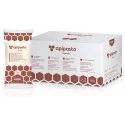 Apipasta with vitamins 15kg
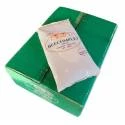 Beecomplet® Spring 14Kg
 Beekeeper suit with round veil
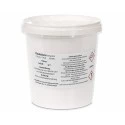 Oxalic acid 1kg
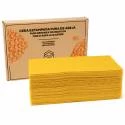 Beeswax Foundation 5kg
 Fresh royal jelly 20g
 Classic honey jar 1kg comb-lines TO77 - Pack of 16 units
 Promotor L Apis 1 litre
Stimulation Feed for Bees
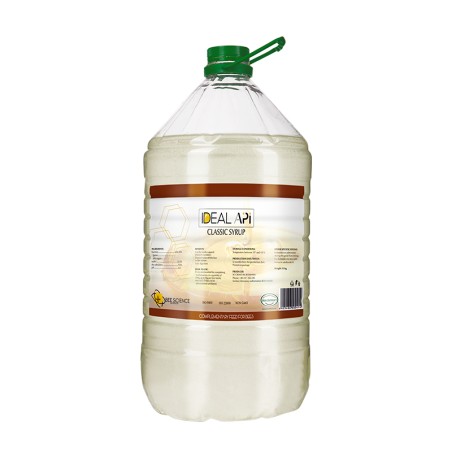
Liquid syrups, energy feeds, inverting agents and supplements for planning stimulation feeding. The right choice depends on the objective, available pollen, temperature and how long remains before adult bees are needed.
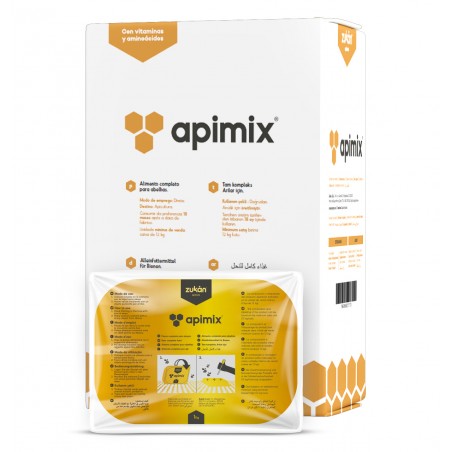
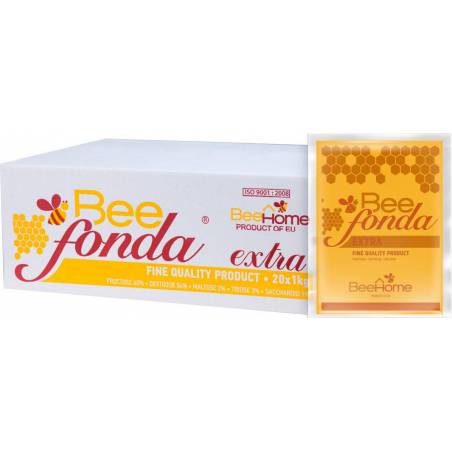
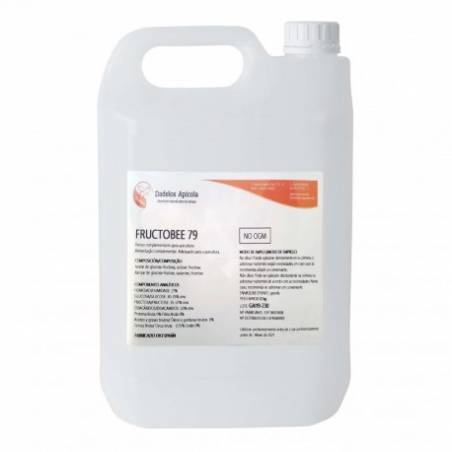
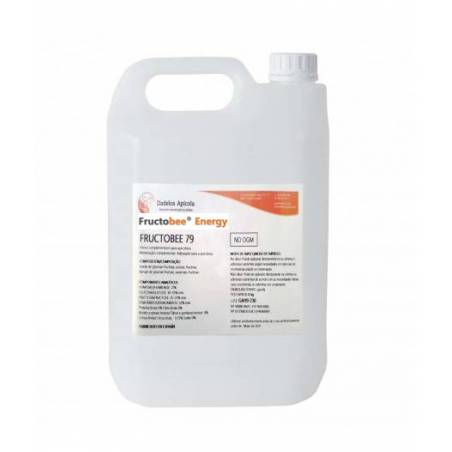
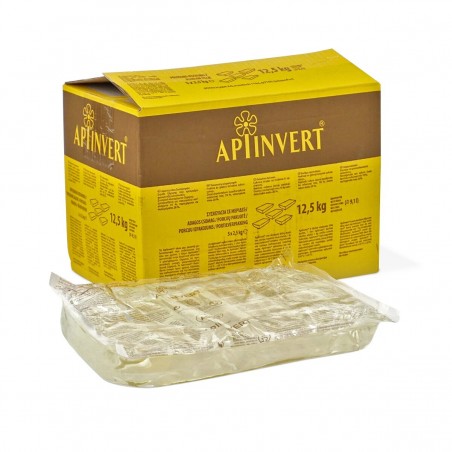
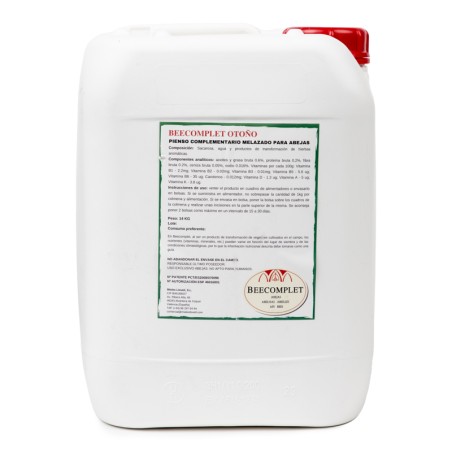
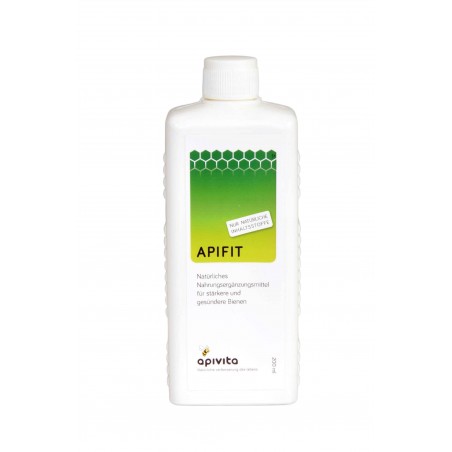
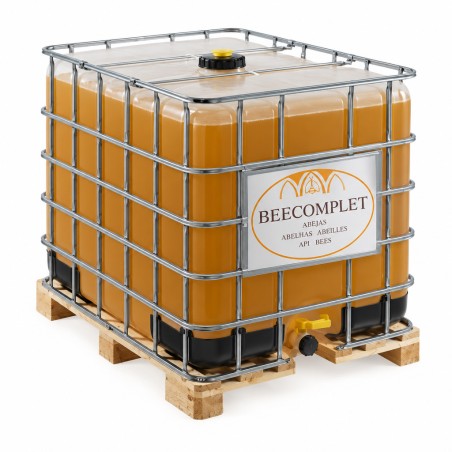
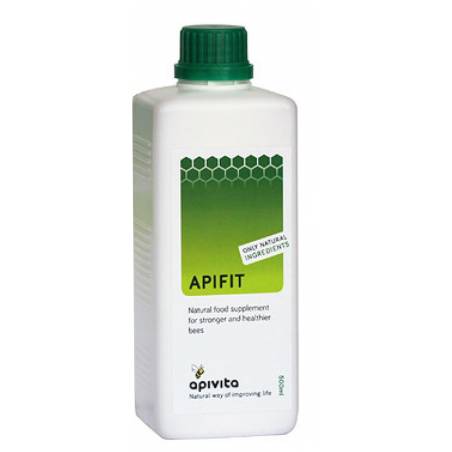
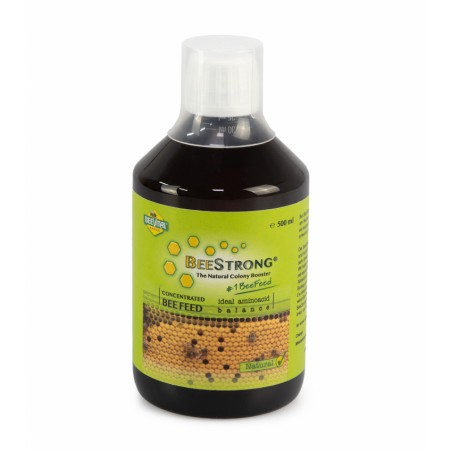
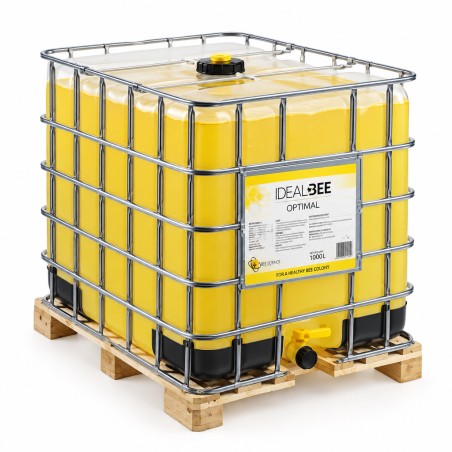
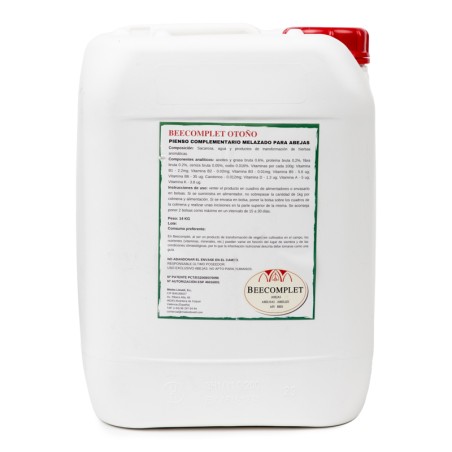
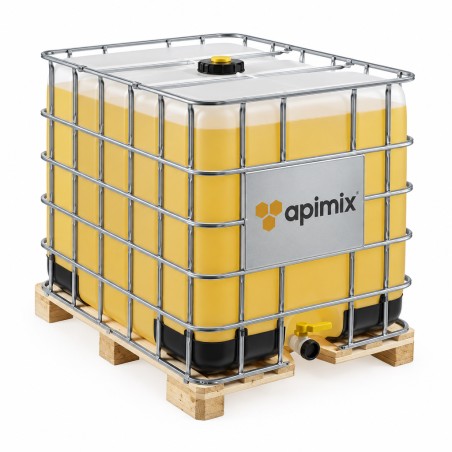
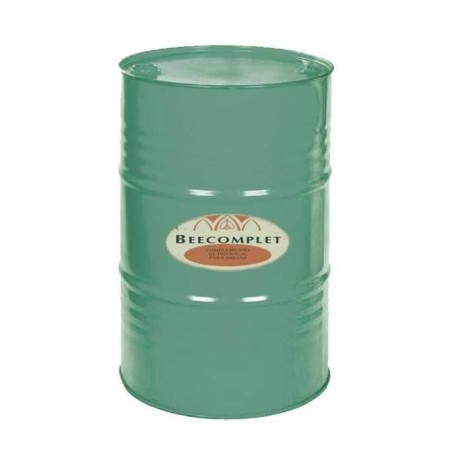
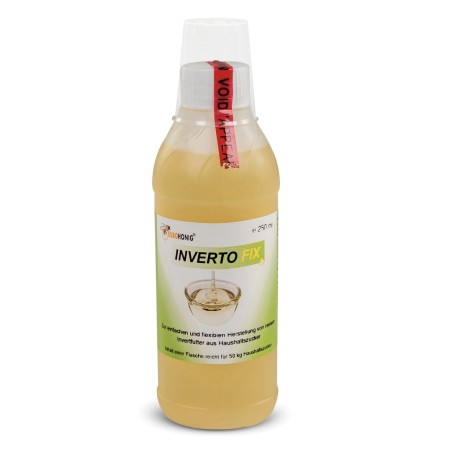
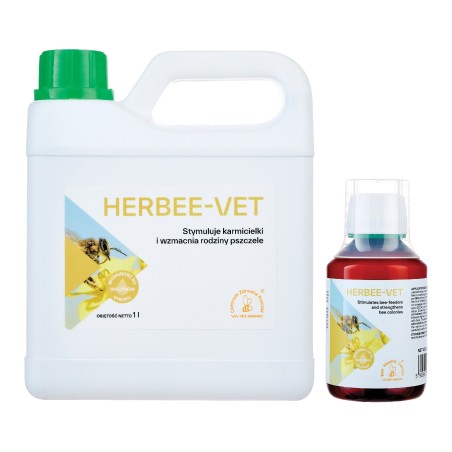

Stimulation feeding
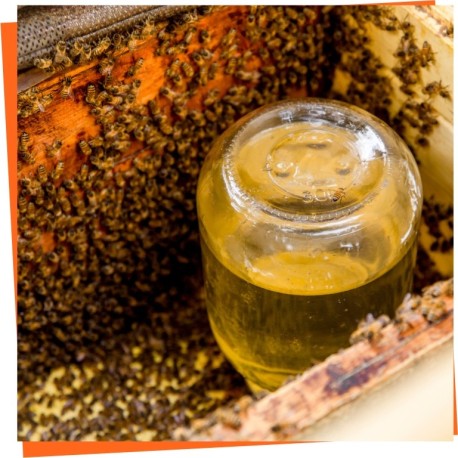
Stimulation feeding is more of a management technique than actual nutrition. The goal is to promote colony growth by mimicking a nectar flow, encouraging the queen to lay eggs.
Traditionally, it was done early in the year, before the main nectar flows, to quickly increase population, allow for the creation of early splits, and ensure the colony had enough bees for the spring honey harvest.
However, due to climate change, there are situations where autumn stimulation is needed to help raise healthy winter bees that will carry the colony through to the next spring.
What are the key conditions for effective stimulation feeding? It involves liquid sugar feeding, with higher or lower moisture content depending on the season. Start about a month before you need those new bees, when outside temperatures are around 16 °C, the colony is strong enough, and there is a steady supply of good quality pollen.
Practical tip: to make the most of nutritional supplements, ensure the colony has enough bees—or reduce the available space. Feed close to the brood area. At this time of year, temperatures can drop unexpectedly, and if bees have to move to the edges of the hive, they may chill and drown, especially when using frame or top feeders.
Stimulation Feed for Bees
Formats available in this category
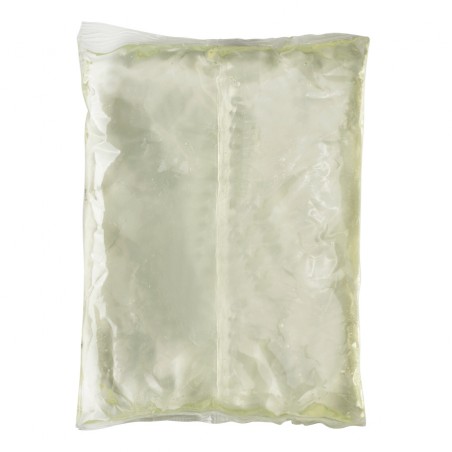
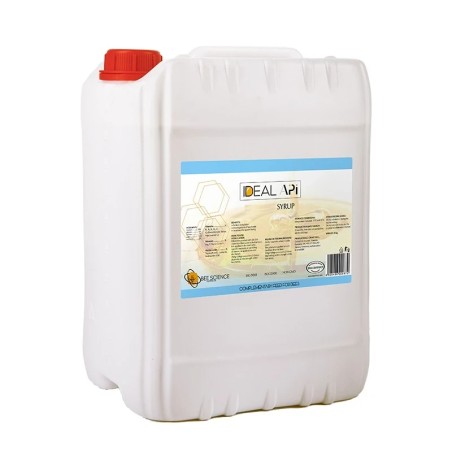
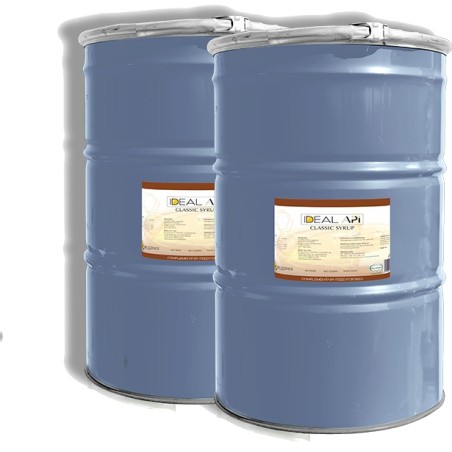
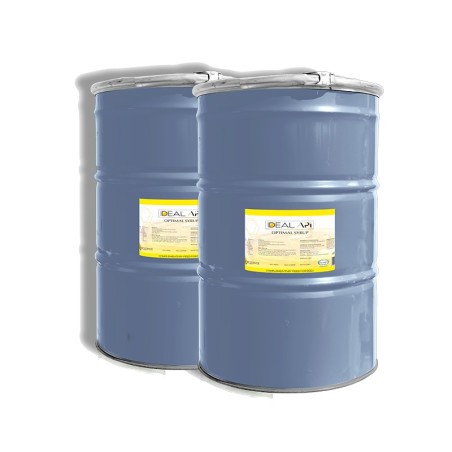
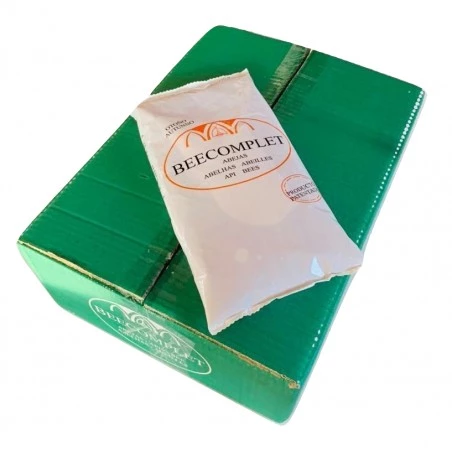
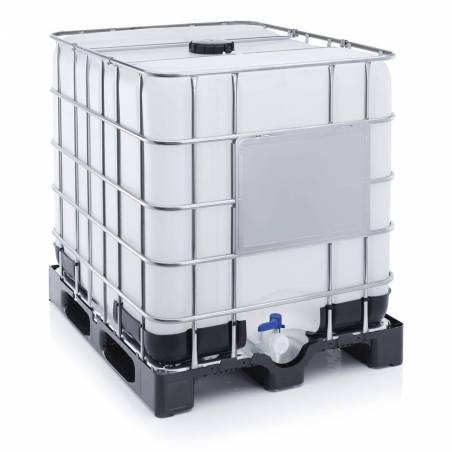
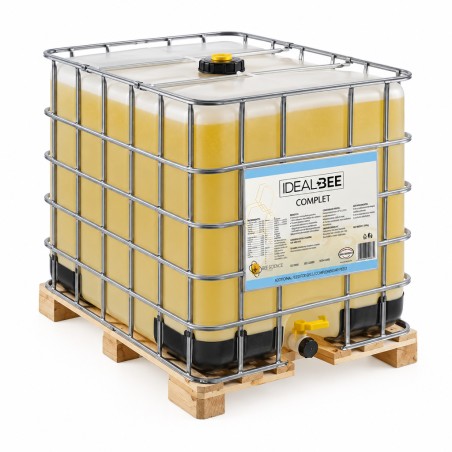
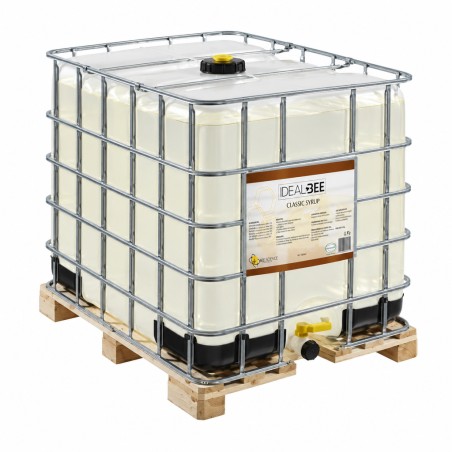
Ready-to-use syrups. They remove the need to mix feed at the apiary and come in formats ranging from bags and cans to drums and IBCs. Compare their declared composition, dry matter, directions and storage requirements, not only the weight of the container.
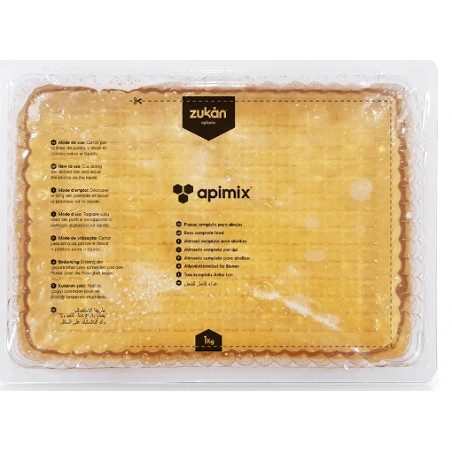
Preparations and inverting agents. These allow feed to be made from sugar or a formulation to be dissolved immediately before use. Follow the manufacturer's ratio, temperature and timing: improvising changes the concentration and can create storage problems.
Supplements. Extracts, vitamins, amino acids and protein feeds only perform the function stated for each formulation. They do not automatically replace the energy in syrup or a complete protein source.
Stimulation is a planned programme, not year-round feeding
Stimulation feeding aims to maintain a small, continuous intake so that the colony raises brood ahead of a specific date. Sugar provides energy, but brood rearing also requires proteins, fats and micronutrients from varied pollen or, when there is a genuine shortage, a properly formulated supplement.
Five criteria for using it sensibly
- Start with the objective. Count back about six weeks from the nectar flow, pollination job or nuc formation for which you need adult bees. A single feed does not sustain the entire brood cycle.
- Do not confuse sucrose inversion with nutritional value. As a reference for stimulation, a homemade mix is around 50% sugar and 50% water. Inverting sucrose does not in itself provide a nutritional advantage because bees can digest it; for a commercial feed, consider the complete formulation, stability and directions for use.
- Check the pollen supply. If varied pollen is coming in at an adequate rate, protein should not be added automatically. If there is a shortage, use a feed formulated for bees, follow the label and control humidity and temperature to prevent spoilage.
- Adjust quantity and continuity. Technical guides use 1–2 kg per week for at least three weeks as a reference, always adjusted to colony size, weather, natural forage and the product. Amounts around 5 kg per week may be stored rather than acting as a stimulus.
- Protect the crop and the apiary. Do not feed while supers intended for marketable honey are on the hive. Keep the feed accessible to the colony, use a closed feeder and avoid spills that could trigger robbing.
What is stimulation feeding and what is it intended to achieve?
It is a management programme that mimics a small, continuous nectar intake to bring brood development forward ahead of a specific date, such as a nectar flow, pollination job or nuc formation. It only makes sense when the colony has enough bees, suitable temperatures and the resources needed to respond. It does not replace adequate stores or guarantee a larger crop; if suitable pollen is lacking, feeding sugar alone may increase the amount of brood beyond what the colony can nourish properly.
When is it appropriate to stimulate a colony?
Plan from the date when adult bees will be needed, rather than using a fixed calendar. As a reference, start about six weeks beforehand and only if natural forage is insufficient for the intended objective. It may be appropriate before a nectar flow or pollination job, when making nucs, or during a shortage that is holding back development. Autumn is not invariably right or wrong: it depends on the region, stores, the brood you intend to raise and the Varroa-control plan. Check colony size, stores, pollen, weather and health status before starting.
What feed is used to stimulate bees?
The energy signal is normally provided by liquid feed; for a homemade stimulation mix, around 50% sugar and 50% water is used as a reference, whereas a commercial feed must be used according to its label. Inverting sucrose does not in itself provide a nutritional advantage. If varied pollen is entering at an adequate rate, protein need not be added automatically; if there is a shortage, use a protein feed formulated for bees and store it as instructed by the manufacturer. Vitamins or amino acids should be added only when the product's formulation and directions provide for this.
Can excessive or poorly planned stimulation be harmful?
Yes. Excess feed may be stored and occupy laying space; if supers intended for marketable honey are present, the feed may end up mixed with the crop. Producing more brood than later resources can support also unbalances the colony and may interfere with Varroa management. Spills or accessible feeders also encourage robbing and feed spoilage. Adjust amount and frequency, monitor consumption, brood and stores, and stop the programme when adequate natural forage begins or the objective has been reached.