
-
Beehives
- Complete beehive
- Accessories
-
Nuc hives
- Nucs by format
- With bees & mating
- Spare parts
-
Bee equipment
- For the apiary
- For the beekeeper
-
Clothing
- Clothing Accessories
-
Beeswax
-
Pure beeswax
- Beeswax and foundation
- Beeswax foundations
- Melting and rolling beewax
-
Pure beeswax
-
Bee feed
- Accessories and source materials
- Utensils
-
Bee health
- Varroa Treatments
- Diseases control
- Nutraceuticals
-
Extraction and bottling
- Before extraction
- Honey extraction
- After extraction
-
Bee pollen
- Harvest
- Indicted
-
Honey packaging
- Flasks per utility
- Flasks by size
- Other packaging
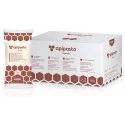 Apipasta with vitamins 15kg
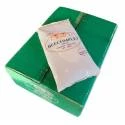 Beecomplet® Spring 14Kg
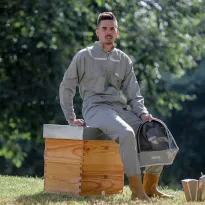
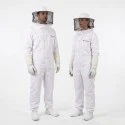 Beekeeper suit with round veil
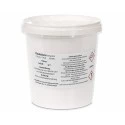 Oxalic acid 1kg
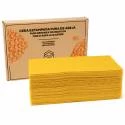 Beeswax Foundation 5kg
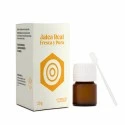 Fresh royal jelly 20g
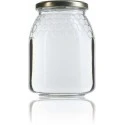 Classic honey jar 1kg comb-lines TO77 - Pack of 16 units
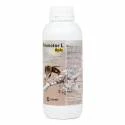 Promotor L Apis 1 litre
Beekeeping books
Beekeeping books in print and as ebooks, from the beginner's manual to the reference treatise, plus monographs on queen rearing, bee health and melliferous flora. Part of the catalogue is in French.


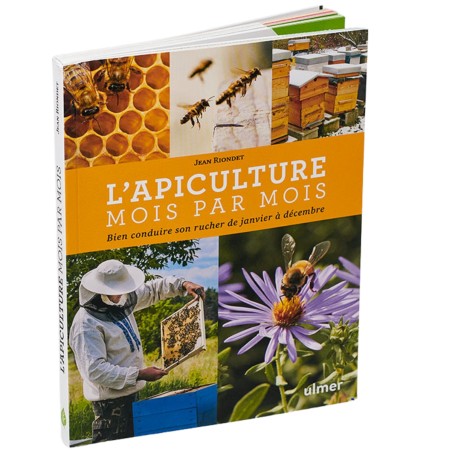
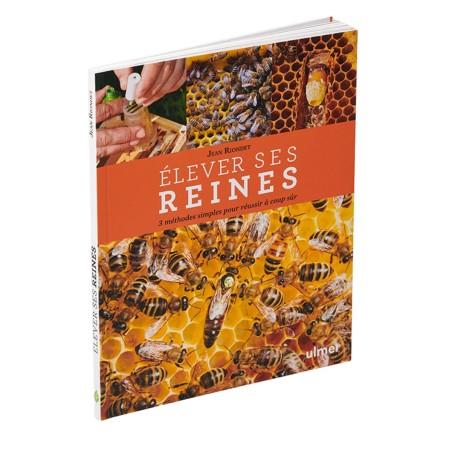

Buy the book for your latitude, not the bestseller
Bee biology is the same everywhere, which is why any good manual serves to understand the cycle, brood, swarming or how a colony works. But the calendar is the most used part of a book and the least translatable: when to stimulate, when to add supers, when to treat, when to winter. An excellent manual written for northern Europe gives you dates that in the southern peninsula arrive a month late, or simply do not apply.
My order for anyone starting: first a general manual explaining biology and management, and as soon as you can, something written for your area or by a beekeeper working in your climate. And keep the book near the apiary, not on the living-room shelf: a manual is consulted with a frame in your hand, when you see something and do not know what it is. The ones read cover to cover and kept pristine are the ones that teach least.
Beekeeping books
Nineteen titles, from €5.81 to €72.14. Before choosing, two warnings that save a return.
Five of the nineteen are in French
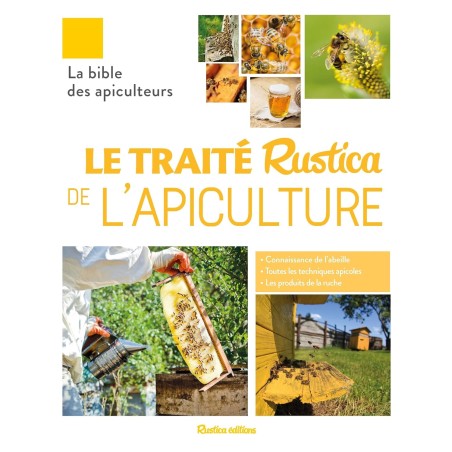
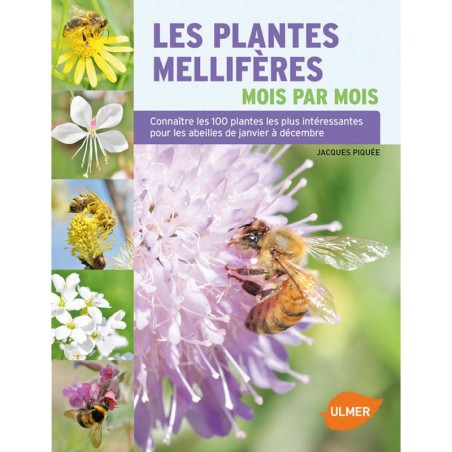
They are L'apiculture mois par mois, Les plantes mellifères mois par mois, Élever ses reines : 3 méthodes and Le traité de l'apiculture. They appear under their original titles and are not translated. Excellent literature — the French school leads on queen rearing and on flora — but only if you read French.
Several titles exist in print and as an ebook
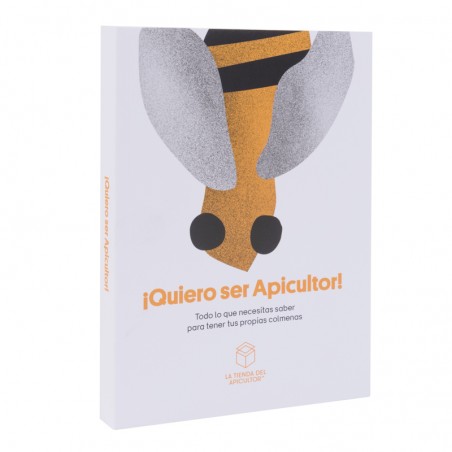
¡Quiero ser Apicultor! is €34.90 in print and €11.58 digital; Sanidad y Alimentación, €13.90 and €5.81. The content is the same: what changes is the format and the price. If it is your first book and you are not sure you will carry on, the ebook settles the question for under six euros.
What to read depending on where you are
- Starting out — ¡Quiero ser Apicultor! and Libro completo APICULTURA (€20.88). Full-span manuals that take nothing for granted.
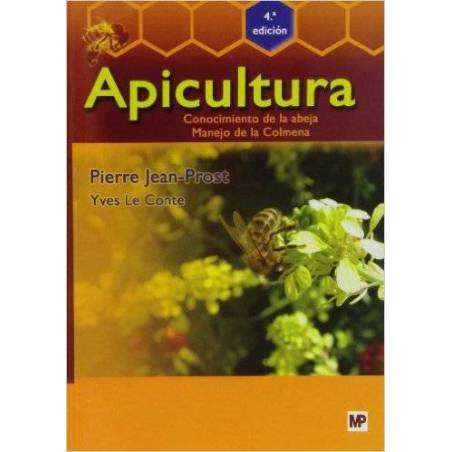
- A treatise to consult — Tratado de Apicultura (€72.14) and Apicultura: Conocimiento de la Abeja (€57.01). Not read end to end: consulted for years.
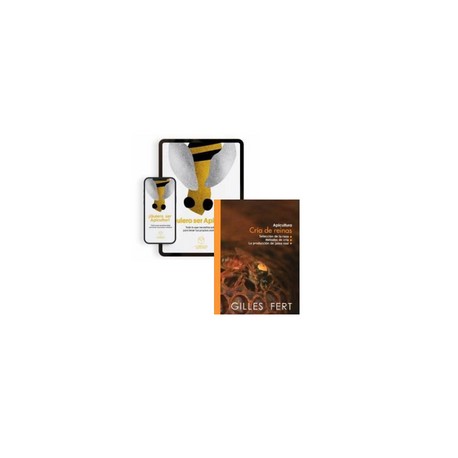
- Queen rearing — the Gilles Fert title (€20.94) is the Spanish-language reference on method.
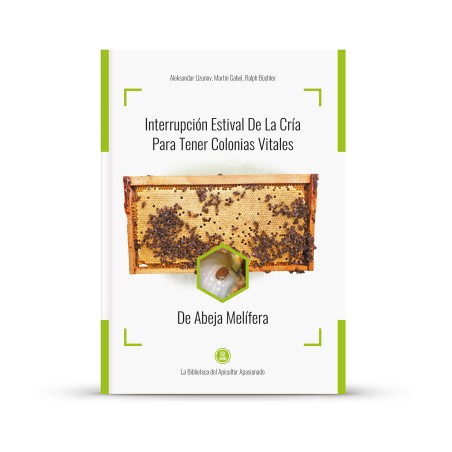
- Bee health — Sanidad y Alimentación, Interrupción estival de la cría (€26.70) and the monograph on Tropilaelaps (€30.83), the mite Europe has been watching since it turned up outside Asia.
- Flora and honey — Plantas Melíferas (€39.50) and the Guía de mieles monoflorales ibéricas (€11.58), the work used to identify the sensory profiles of Iberian honeys.
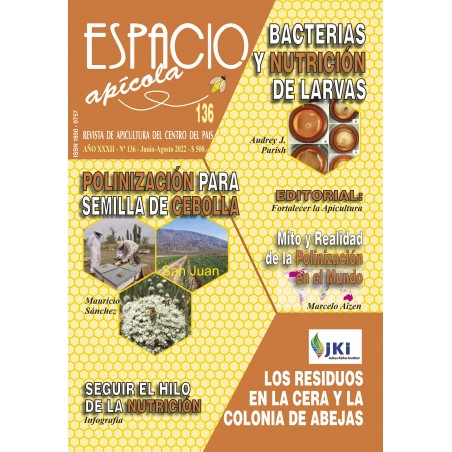
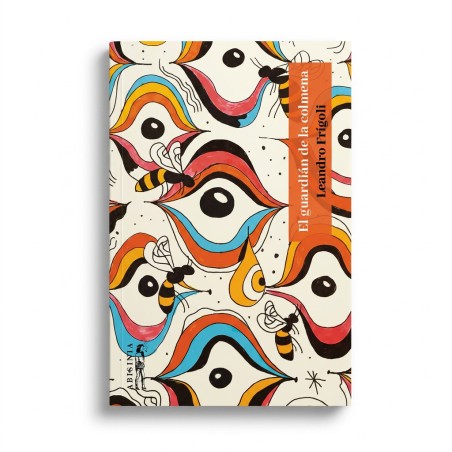
- Reading for pleasure — El guardián de la colmena, by Leandro Frígoli (€27.86), and the magazine Espacio Apícola (€6.92).
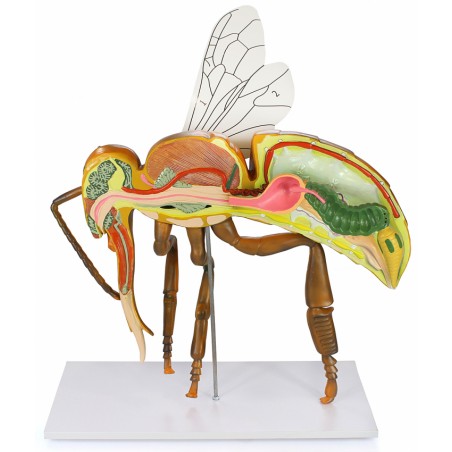
And one thing that is not a book: the bee anatomy teaching model (€199) is classroom material, made for courses and demonstrations, not for reading.
What do you need to get started in beekeeping?
Before buying hives, you need basic training or a mentor, a suitable and legally compliant site, and a health management plan, particularly for Varroa. Then standardise your equipment: two to four hives of the same format, full protective clothing, a smoker, a hive tool, a brush, compatible frames and foundation, a feeder and spare parts.
Check registration, siting distances, identification and hive-movement requirements with the OCA or your regional authority, even if the honey is for personal consumption. A good manual helps you understand bee biology, inspections and the beekeeping calendar, but it should be complemented by supervised practical experience. The first objective is to learn to assess and care for the colony, not to assume that there will be a harvest.
What training is required to work as a beekeeper?
There is not usually a single compulsory qualification required to manage hives, but knowledge of biology, health, safety, nutrition, seasonal management, legislation and traceability is essential. A practical course, up-to-date books, a local beekeeping association and on-the-job training at an apiary provide a more solid foundation than learning solely from videos.
If you plan to run the business professionally or if it involves the sale of food products, transhumance, treatments or hired staff, there will be livestock, health, tax, employment and hygiene requirements that vary depending on the region and the nature of the business. Check the current regulations with the relevant authorities and seek appropriate advice.