 Apipasta with vitamins 15kg
 Beecomplet® Spring 14Kg
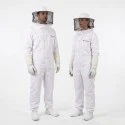 Beekeeper suit with round veil
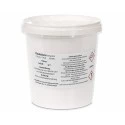 Oxalic acid 1kg
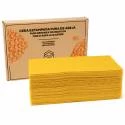 Beeswax Foundation 5kg
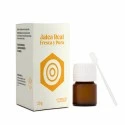 Fresh royal jelly 20g
 Classic honey jar 1kg comb-lines TO77 - Pack of 16 units
 Promotor L Apis 1 litre


 Share in WhatsApp
4th · Jun 2023 EDITION | Spanish LANGUAGE |
36 + 7 PROFILES | 978-84-09-04709-3 ISBN |
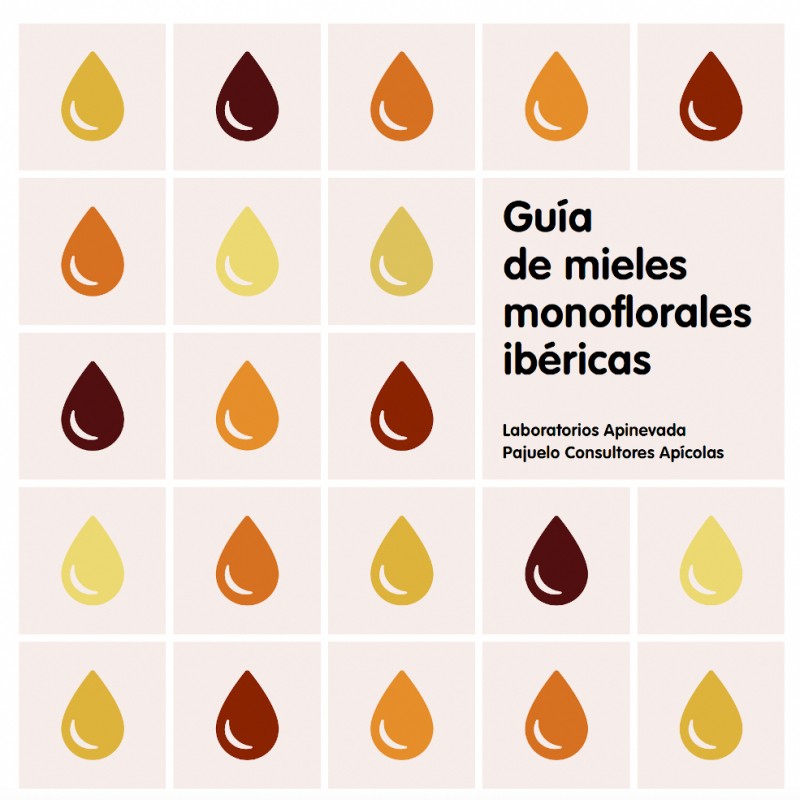
A full-colour printed guide for interpreting Iberian monofloral honeys through a coherent set of evidence: sensory profile, colour, composition, pollen spectrum, production area and usual harvest period.
The fourth edition of Guía de mieles monoflorales ibéricas was prepared by Laboratorios Apinevada and Pajuelo Consultores Apícolas. The book is entirely in Spanish and contains 36 monofloral profiles, 7 plant-community profiles and tables for Spanish PDO or PGI honeys. It is a reference work, not an exhaustive catalogue of every possible honey.
01 · WHAT EACH PROFILE PROVIDES
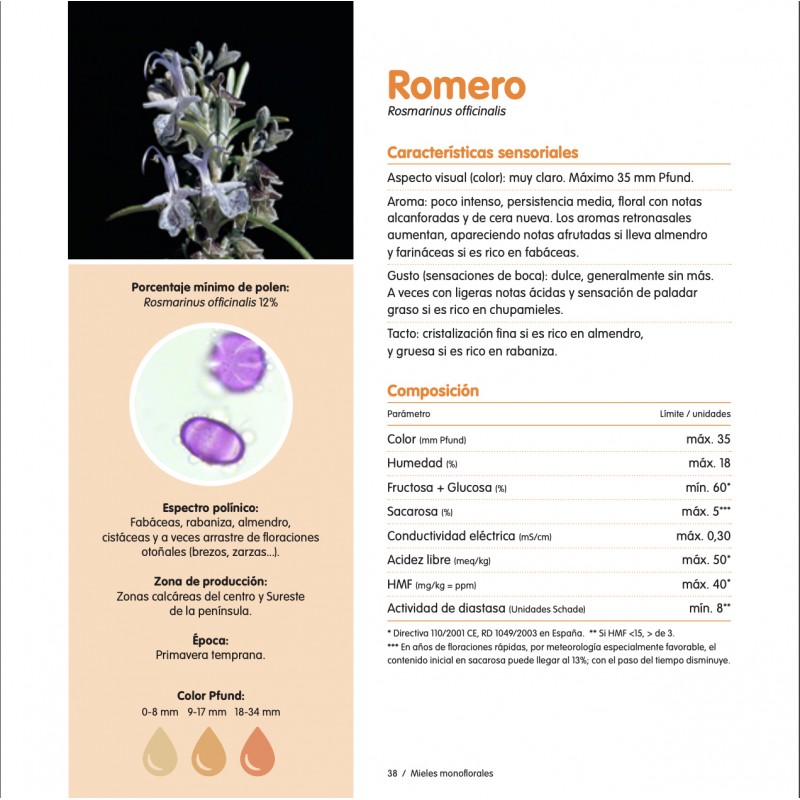
Each profile begins with the plant’s common and scientific names, an image of the flower and a microscopic pollen reference. It then structures visual appearance, direct and retronasal aroma, taste, mouthfeel and crystallisation tendency. Production area, usual harvest period, pollen spectrum and a reference minimum pollen percentage complete the page. This makes it possible to compare a sample with a multidimensional pattern instead of relying only on colour or one isolated aroma note.
02 · PARAMETERS AT A GLANCE
Depending on the honey, the sheets cover colour in millimetres Pfund, moisture, fructose plus glucose, sucrose, electrical conductivity, free acidity, HMF, diastase activity and special markers. The layout helps readers find a value and interpret it within the full profile. It is practical for preparing a tasting, reading a laboratory report, training a packing team or explaining why honeys from different floral origins can look, taste and crystallise differently.
03 · THE EDITION’S ACTUAL COVERAGE
The selection ranges from acacia, citrus blossom, heathers, calluna, chestnut, spike lavender, lavandin, eucalyptus and sunflower to strawberry tree, oak honeydew, rosemary, thyme and blackberry, among others. It also profiles high mountain, forest, garrigue, Lamiaceae, mountain, meadow and sierra communities. The final section summarises the Spanish PDO and PGI sheets included in 2023. The authors explicitly note that some local, occasional and highly variable multifloral honeys are outside its scope.
04 · HOW TO USE IT RESPONSIBLY
Floral-origin assessment should combine sensory, physicochemical and pollen evidence with origin and traceability. Limits, flowering patterns and geographical schemes reflect the fourth edition of June 2023; vegetation, PDO or PGI specifications and legislation may change. Before labelling, certifying or deciding an uncertain sample, check the current rules and product specifications and use a competent laboratory where appropriate. The guide supports comparison and interpretation; it does not replace testing or certify a batch by itself.
Beekeepers, packers, honey tasters, quality teams, educators and advanced consumers who want to connect landscape, analysis and sensory experience.
The content is in Spanish. Use the data as a technical guide to this edition and always check current legal and quality-scheme requirements before labelling or certification.
| Original title | Guía de mieles monoflorales ibéricas |
|---|---|
| Publishing organisations | Laboratorios Apinevada SL and Pajuelo Consultores Apícolas SL |
| Cited authors | J. Orantes, F. Gonell, C. Torres and A. Gómez-Pajuelo |
| Edition | Fourth edition, June 2023 |
| Content language | Spanish |
| Format | Physical full-colour printed publication |
| Coverage | 36 monofloral profiles + 7 plant communities |
| Includes | Sensory, physicochemical and pollen sheets plus PDO/PGI tables |
| ISBN | 978-84-09-04709-3 |
| Approximate weight | 100 g |
| Contents | 1 copy |
| LTA reference | LB65123 |