
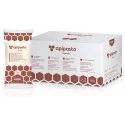
 Apipasta with vitamins 15kg
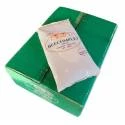 Beecomplet® Spring 14Kg
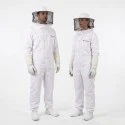 Beekeeper suit with round veil
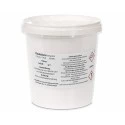 Oxalic acid 1kg
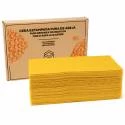 Beeswax Foundation 5kg
 Fresh royal jelly 20g
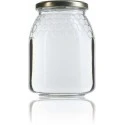 Classic honey jar 1kg comb-lines TO77 - Pack of 16 units
 Promotor L Apis 1 litre
Wooden Beehives
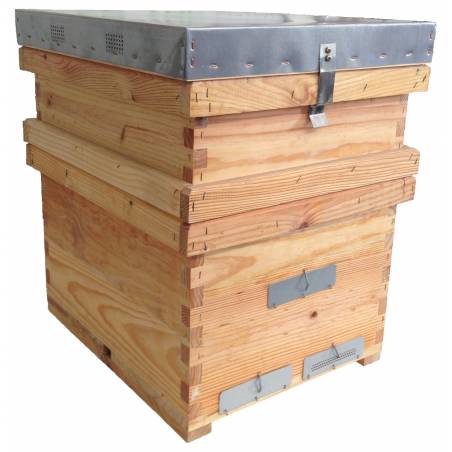
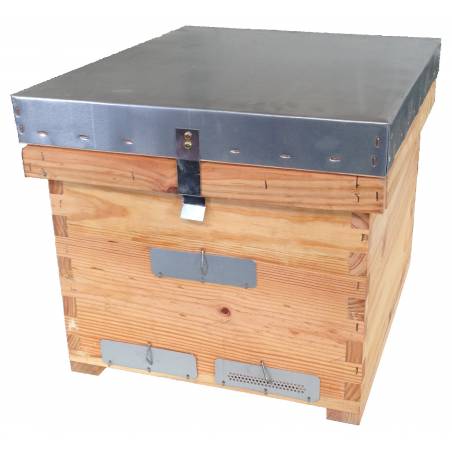
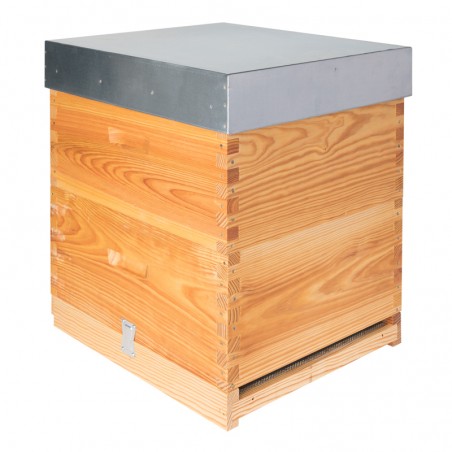
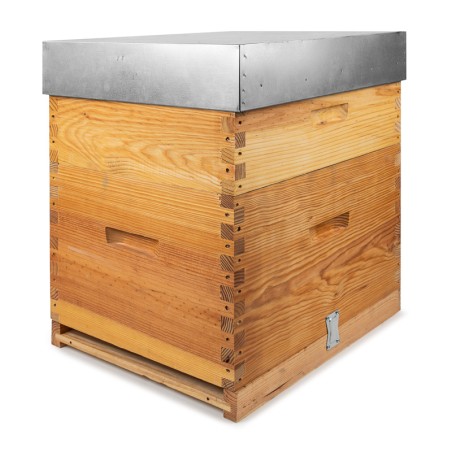
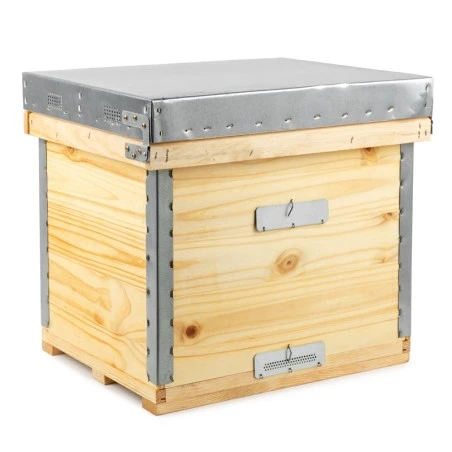
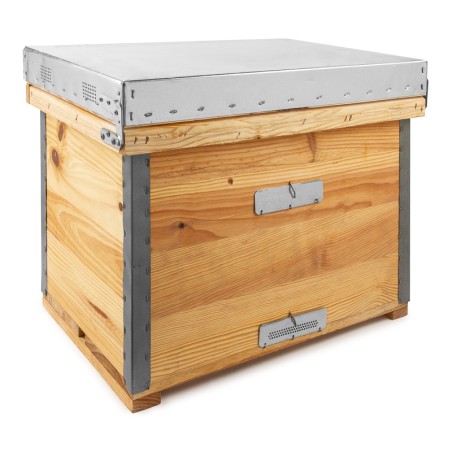
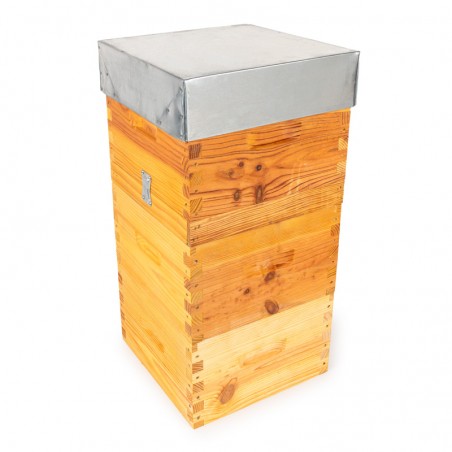
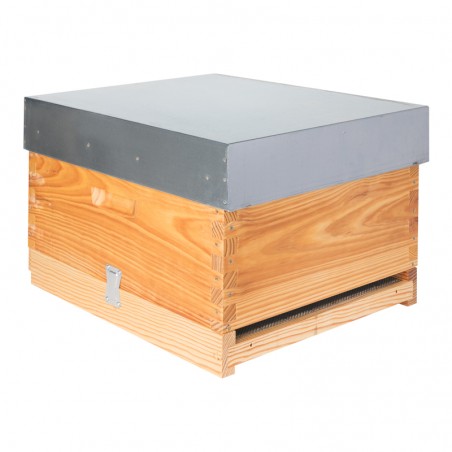
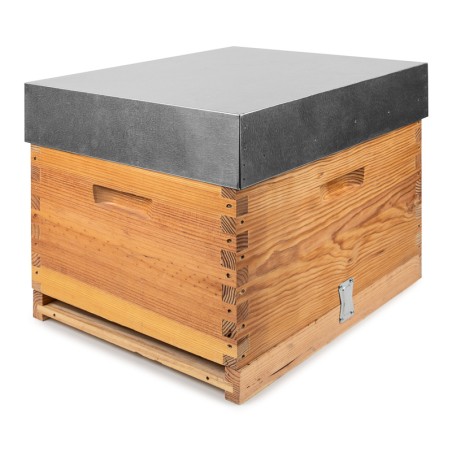
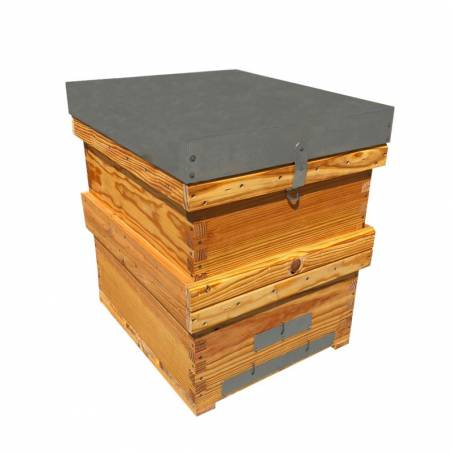
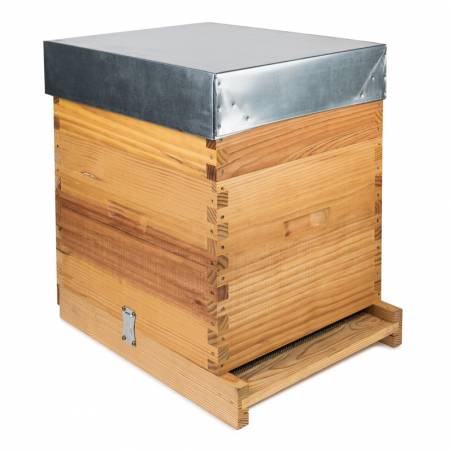
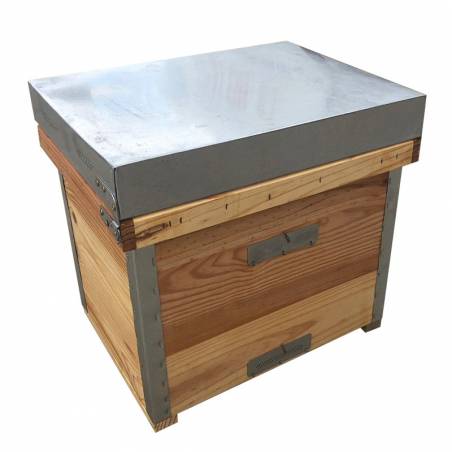
Wooden hives in all three systems: Layens, Dadant Blatt and Langstroth, complete or brood chamber only, in treated pine and cryptomeria. Plus fixed-comb shallow supers.
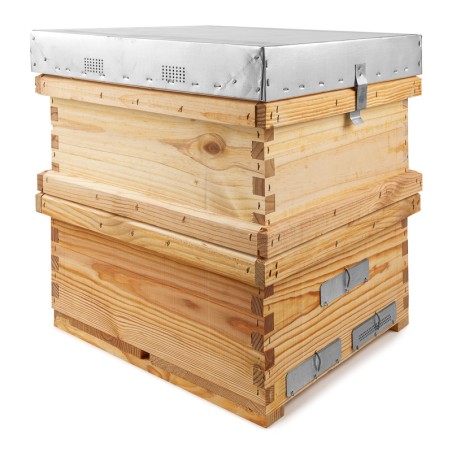
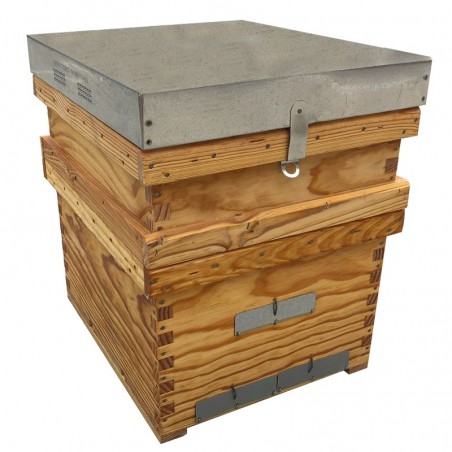
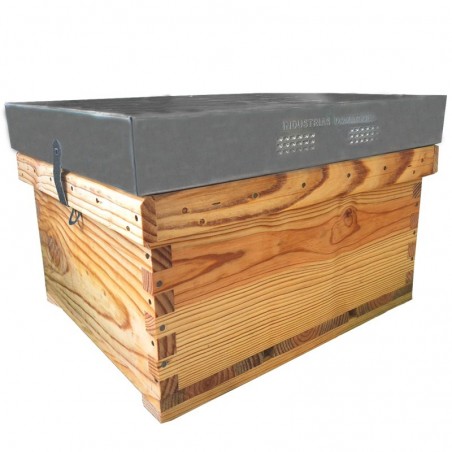
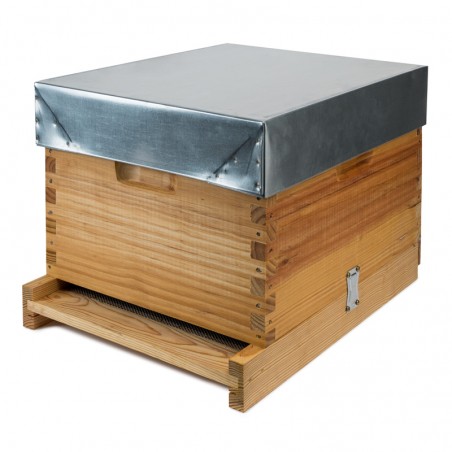
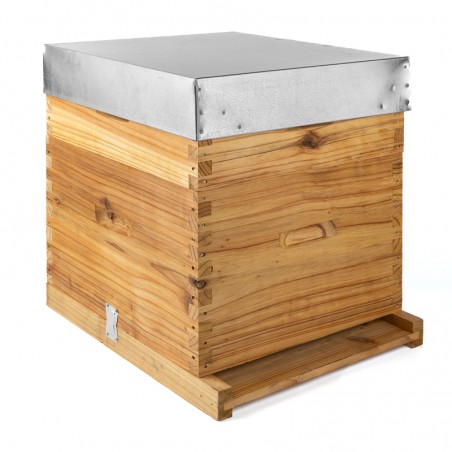
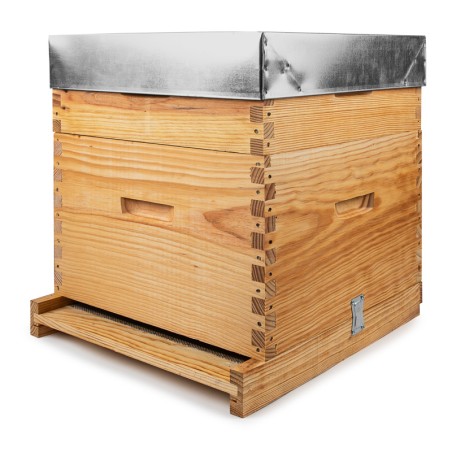
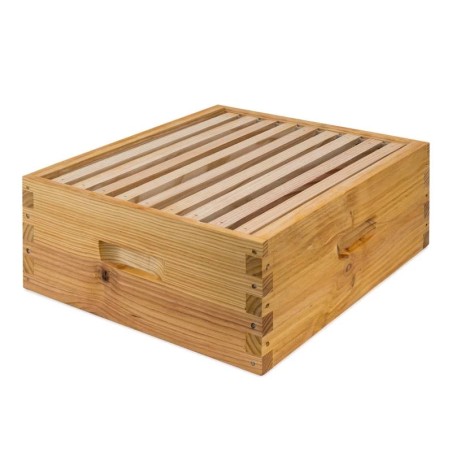
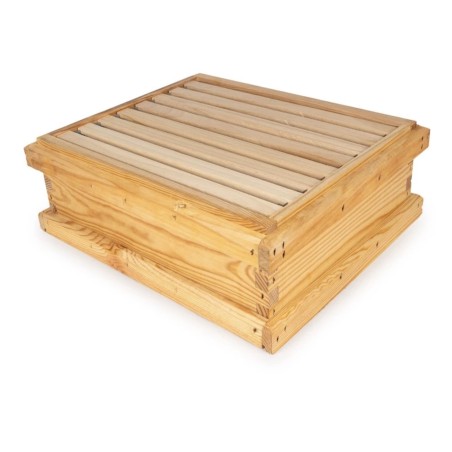
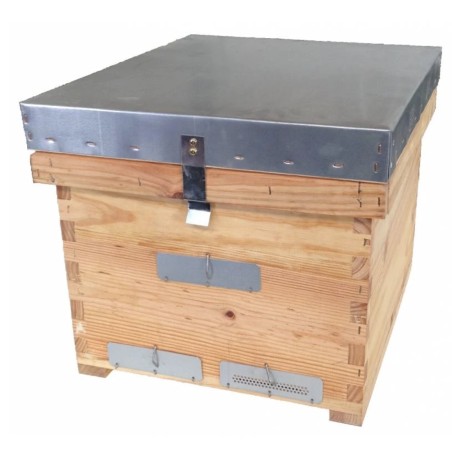
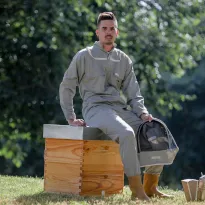
My advice on painting the hive or giving it linseed oil
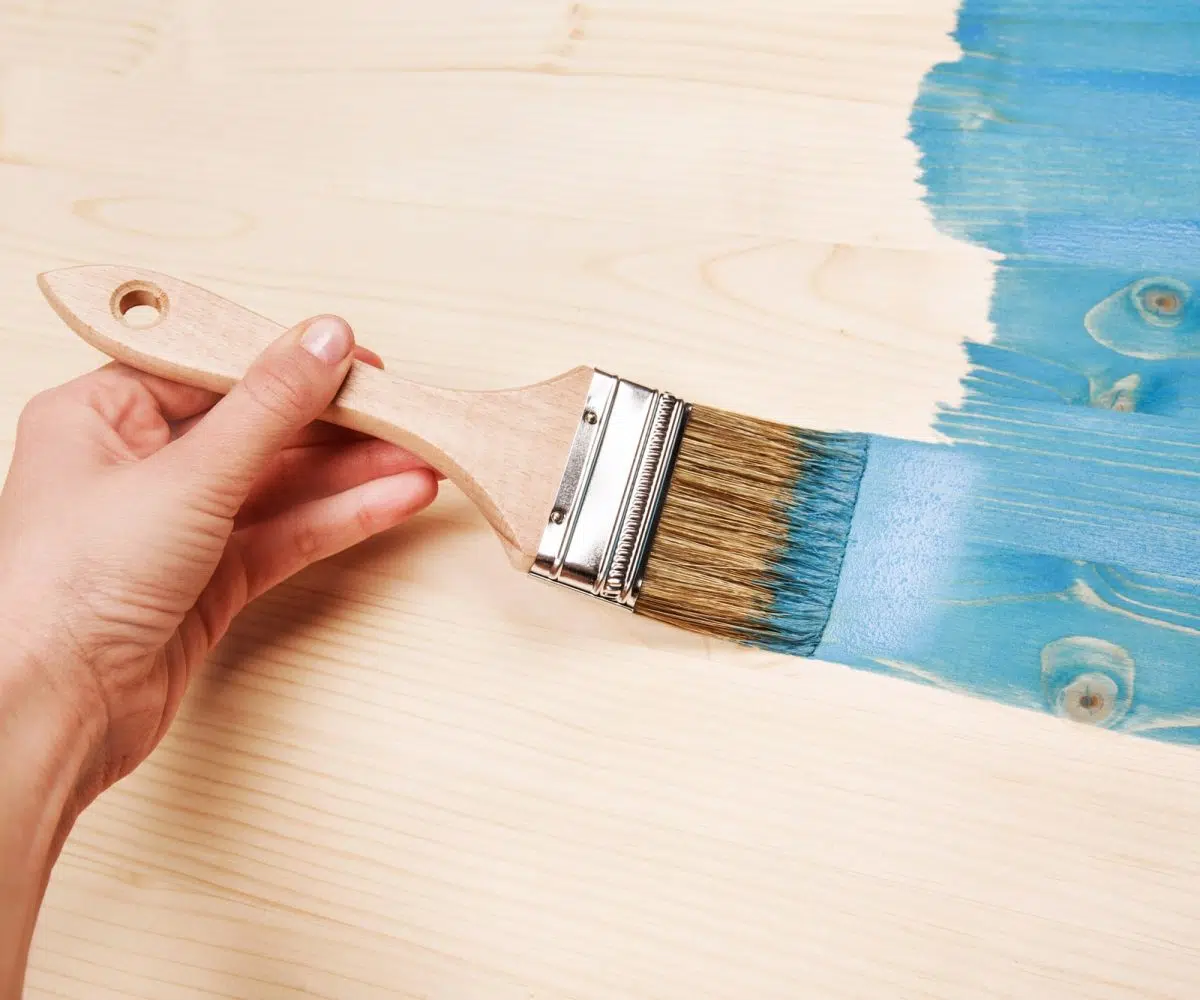
The question I get most with a new hive is whether it needs painting or whether the linseed oil it comes with is enough. Both protect, but they do not do the same thing: the oil goes into the pore of the wood and protects it from within, while paint forms a film on top that covers more and lets you add colour. What does not change is where it goes: always on the outside, never inside, and with the box empty. The bees end up lining the inside with propolis and wax, and that is the finish the hive wants.
And here I’ll take a clear stand: a new hive gets a second coat of linseed oil from me before it goes out to the field, because new wood drinks a lot in the first coat and the factory one falls short. I keep paint for the apiary that already has some years on it, when the wood starts to grey, and there I make use of the colour: light shades keep the brood chamber cooler in summer, and alternating colours along a row reduces drifting. What I will not compromise on is rushing: linseed oil without dryer and paint both take days, not hours, and a tacky box does not go back to the apiary.
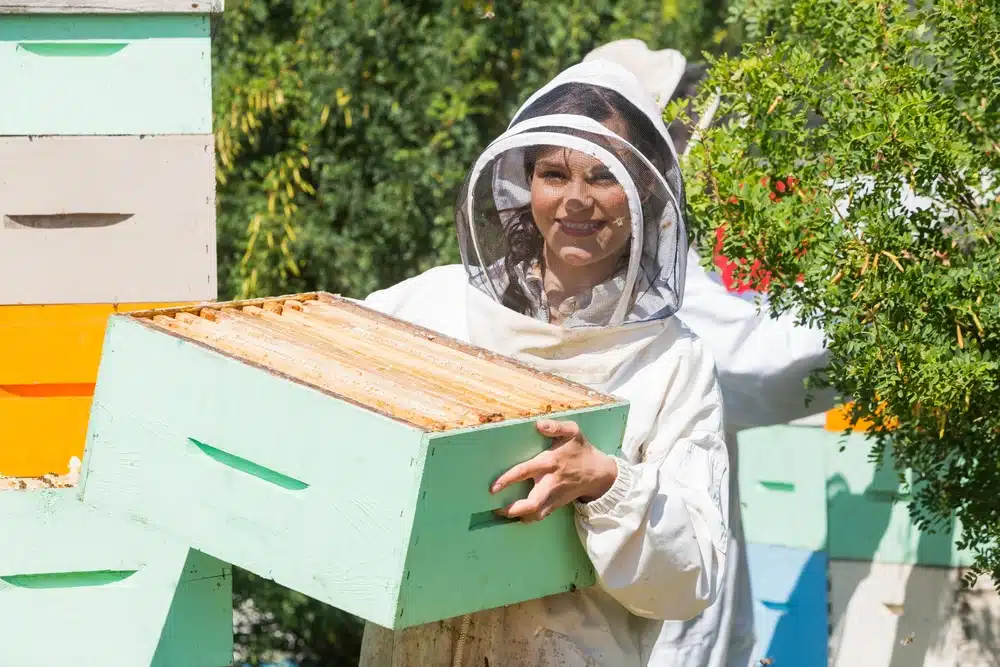
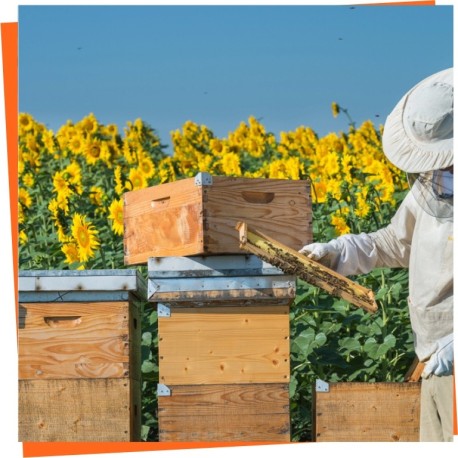
Wooden Beehives
Wood is still the default material, and not out of habit: it is the one that can be repaired, the one that takes any spare part and the one bees propolise and adopt without reservation.
What really sets a wooden hive apart
- It can be fixed. An open corner gets nailed, a rotten floor gets replaced, a warped box gets planed. In polystyrene, a hard knock is the end of the part.
- It insulates by thickness. Not as much as polystyrene, but it regulates humidity better because it breathes. In damp areas that counts for more than a few degrees.
- It is heavy. That is its real drawback. A loaded wooden Dadant on a migratory move is felt, and it is the reason some people switch to polystyrene.
Timbers and finishes
Most of the catalogue is pine, with finishes from untreated to painted. And there are models in cryptomeria, a lighter conifer that is naturally more resistant to damp, costs a little more and pays off in an Atlantic climate.
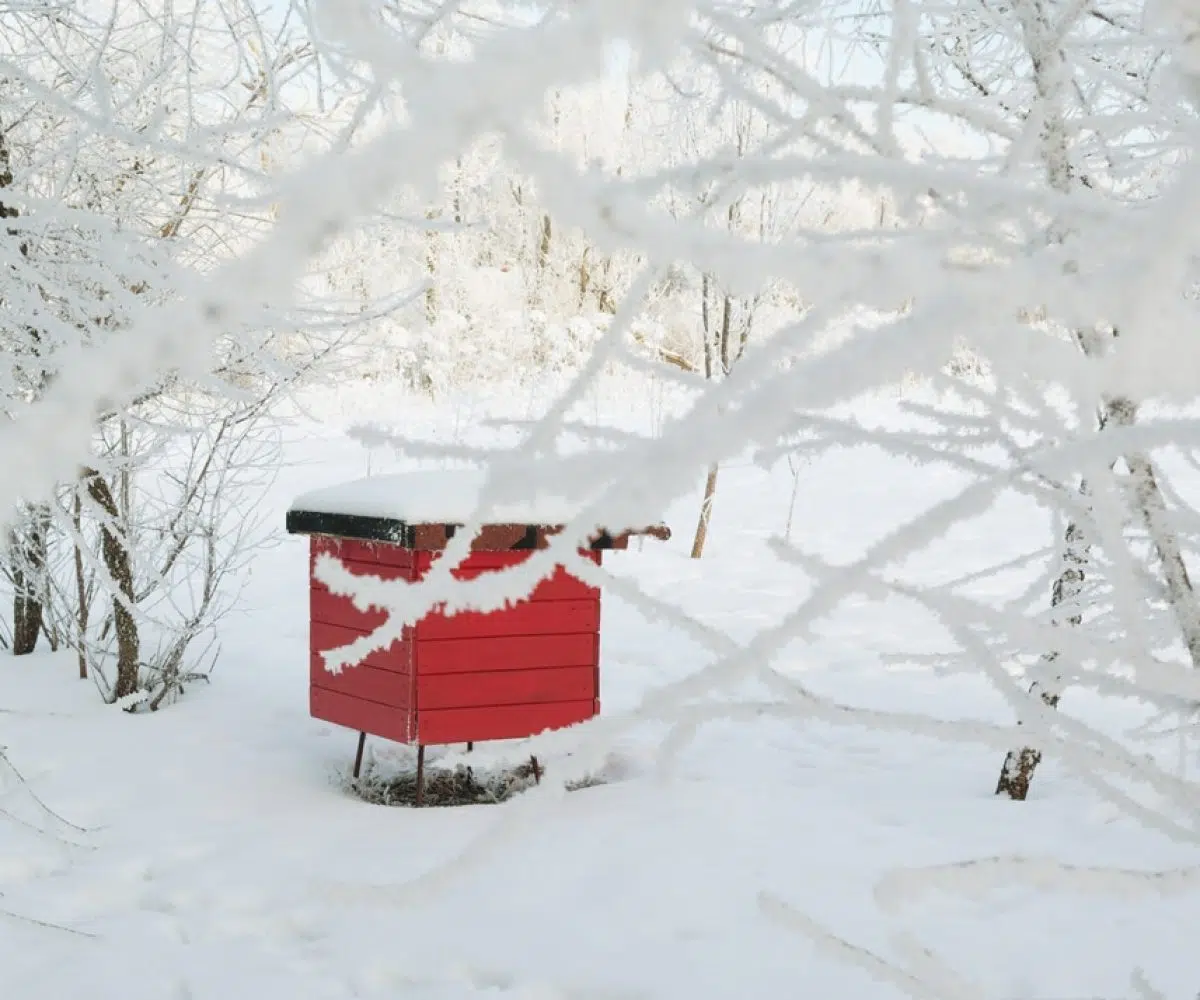
If you buy unpainted, paint it yourself on the outside only — never inside — with a suitable water-based paint and let it air before putting bees in. And go round the joints: that is where water gets in and where a box that could last twenty years starts to rot.
Complete or brood chamber only
There are models without a super, brood chamber only — cheaper and enough if you are going to build up rather than harvest that first year — and complete ones with their super. For fixed-comb there are 8-frame shallow supers from €19.50.
The comparison between systems, with measurements and volumes, is in hives.
What advantages do wooden hives offer?
Wood is repairable, accommodates standard parts and can last many seasons with good design and exterior protection. Its mass and insulation are well known to most beekeepers, and there is wide availability of hive bodies, frames and spare parts.
It does not “breathe” in a way that alone resolves humidity: ventilation, lid, bottom and colony strength remain decisive. Weight, stability and insulation vary with species, thickness and construction. Compare the complete model, not just the material.
What types of wood are used to make beehives?
Pine is very common due to its availability, cost and ease of working. Models made from cryptomeria and other lightweight or local woods are also found. Density, drying, knots, thickness and the quality of joints affect performance as much as the species.
Plywood, HDF or other boards are not solid wood and have their own behaviour and maintenance requirements. Refer to the datasheet to see what material each part is made from, as the body, base and lid may combine different solutions.
What maintenance does a treated wooden beehive require?
Check each season the exterior paint or wood stain, end boards, corners, rebates, bottom, lid and fittings. Repair cracks and areas where water accumulates, allow it to dry and renew the finish using a compatible product following its curing times.
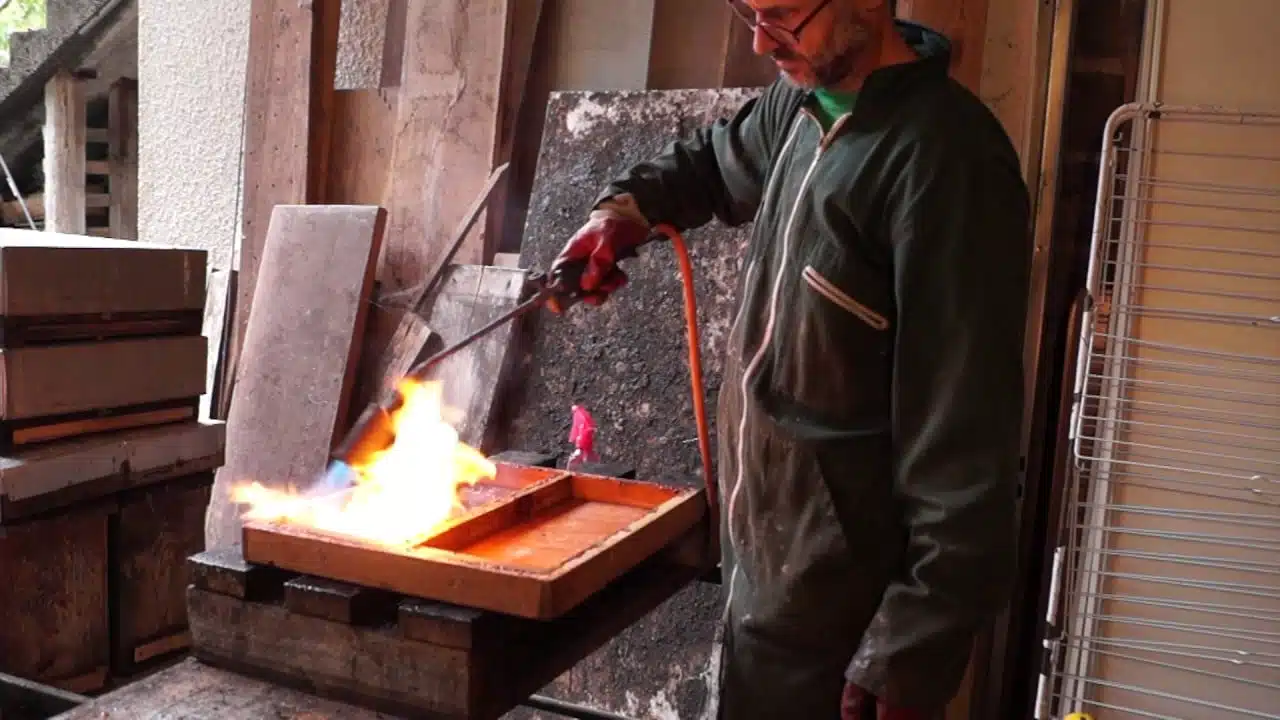
Do not apply treatments of unknown composition inside or on the frames. Paraffin baths, oils or protectors require a suitable procedure and product; they are not interchangeable or universal. Even "treated" wood needs drainage, ground elevation and a lid in good condition.
How do wooden hives perform in extreme heat or cold?
They can work in very different climates, but the outcome depends on the thickness, joints, roof, base, exterior colour, location and strength of the colony. In cold conditions, superior insulation, draft control and accessible reserves are important; in heat, shade when necessary, water, ventilation and sun protection are essential.
The material does not compensate for a colony that is too weak or a poorly sized hive. Adjust volume and management to the area and compare the complete design. A thicker wall provides inertia, but also weight and does not eliminate the risk of condensation.
How long does a wooden hive last?
There is no fixed lifespan. It depends on the species and drying, thickness, joints, soil moisture, cover, external protection, transhumance and the ability to repair parts. Some components, such as the base or lid, may need replacement before the body.
The best way to prolong its life is to keep it elevated, drain water, renew the external finish and promptly repair any damage. Replace any rotten, warped or pieces that no longer maintain the correct space and closure. The number of years alone does not indicate whether a hive remains safe.
What are the differences between wooden, plastic and polystyrene hives?
Wood is repairable and highly standardised, but it is heavy and requires external protection. Plastic can offer washable surfaces and dimensional stability, with thermal behaviour and ageing depending on the polymer. Polystyrene is notable for its lightness and insulation, although it is more susceptible to impacts and scratches.
Do not group plastic and polystyrene as if they were the same. Compare weight, insulation, ventilation, UV radiation, repair, cleaning, spare parts and end-of-life management for the specific model. Compatibility of frames and accessories should be verified across all three materials.
What wooden hive formats are available?
The formats most commonly found in the Spanish catalogue are Layens, Langstroth and Dadant, together with nucs and individual components. Layens is horizontal; Langstroth and Dadant are vertical and accept brood boxes or supers. Dadant US and Dadant Blatt must be distinguished because their top bars and components should not be assumed to be interchangeable.
Frame count, floor type, lid and fastenings also vary. Choose a format for which spare parts, foundation and honey extractors are available in your area, and keep your equipment standardised.
Does the material of the hive influence honey production?
The material can affect weight, insulation and ease of handling, but it does not alone determine the harvest. Production and survival depend mainly on flowering, climate, population, the queen, health, reserves, space and the beekeeper's decisions.
A well-constructed hive helps maintain stable conditions and prevents water ingress or warping, but it does not guarantee more honey. Compare materials for their suitability with your management and assess results in the apiary without attributing them to a single variable.
How are wooden beehives transported safely?
Secure the bottom, body, supers and lid with appropriate fastenings or straps; the fact that a box is for migratory beekeeping does not mean that all its parts are fixed. Close or monitor the hive entrance at the appropriate time, ensure ventilation and avoid transporting in heat that could cause overheating.
Distribute and secure the load to prevent shifting, use mechanical aids when the weight requires it and carry protective equipment. The movement of hives is subject to sanitary requirements, identification and documentation that vary by territory and scale; check them before transport.
Are wooden beehives environmentally friendly?
This cannot be confirmed solely because they are made of wood. The impact depends on the forest origin, treatments, transport distance, lifespan, maintenance, repairability and end-of-life management. A durable hive that is repaired over the years can make better use of the material than one that is frequently replaced.
Seek information about the species and origin when available, use appropriate finishes and avoid incompatible formats that generate waste. Compare the complete life cycle with alternatives; terms like 'natural', 'recyclable' or 'eco-friendly' require data, not assumption.